
Portugal is experiencing a structural revolution in its built environment. Driven by strict European Union directives on energy efficiency, the Portuguese government has rolled out aggressive decarbonization strategies targeted at reducing energy consumption in both residential and commercial buildings. Historically, Portugal's architectural heritage features beautiful buildings with slender window frames, particularly in historic centers like Lisbon (Alfama, Chiado), Porto (Ribeira), and Coimbra. Upgrading these properties to meet modern energy ratings poses a massive engineering challenge.
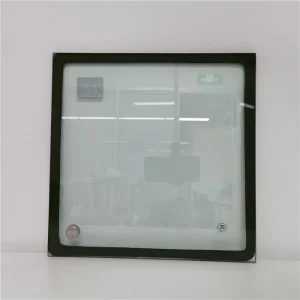
Standard double- or triple-glazed units are too thick (typically 24mm to 44mm) and heavy to be retrofitted into historical wooden and thin-profile steel frames. This is where Vacuum Insulated Glass (VIG) becomes indispensable. With an ultra-thin profile (often between 6mm and 12mm total thickness), VIG provides thermal insulation performance that equals or exceeds thick triple glazing, yielding U-values as low as 0.4 W/(m²K) to 0.6 W/(m²K). This technology allows developers to preserve the historic aesthetics of Portuguese cities while satisfying modern EPC (Energy Performance Certificate) requirements.
Portugal’s national energy agency, ADENE, enforces the Regulamento de Desempenho Energético dos Edifícios de Habitação (REH). Under these regulations, building envelopes must minimize thermal transfer to mitigate both winter heating costs and summer cooling demands, the latter being critical in regions like Alentejo and the Algarve. Vacuum Insulated Glass addresses the unique Iberian climate. Its highly reflective low-E coatings and absolute vacuum core block conduction and convection, shielding interiors from intense Mediterranean solar radiation during hot summer months and retaining heat during cooler winter nights.
For international contractors, architects, and facade procurement specialists sourcing materials for Portuguese developments, balancing lead times, customs clearance via major ports (Port of Leixões and Port of Sines), and strict compliance with EN standards is crucial. Selecting a Tier-1 VIG and vacuum insulation panel (VIP) manufacturer ensures that materials are delivered with full documentation, including CE marking and SGCC certification.
At Zerothermo Technology, we specialize in high-volume, custom-tailored projects. Whether you are retrofitting a 19th-century hotel in Porto or designing a modern commercial high-rise in Lisbon's Parque das Nações, our engineering team provides precise pricing schedules, structural calculations, and localized support to streamline your supply chain.
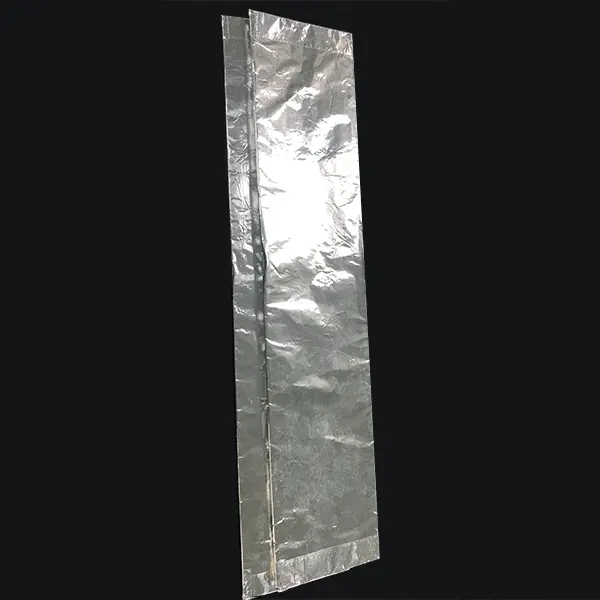
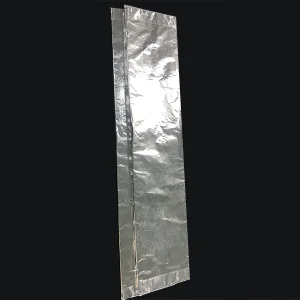
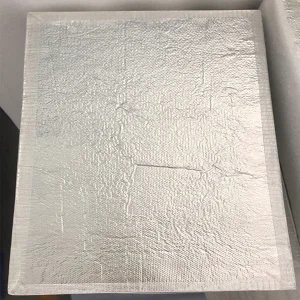
Product Details: Size: Customized Thickness: 5-30mm custom barrier sheets.
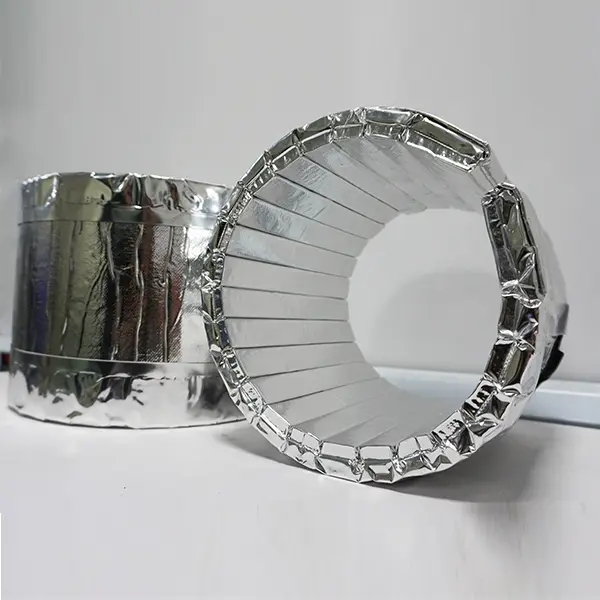
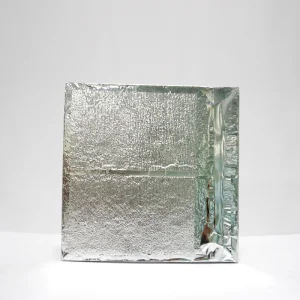
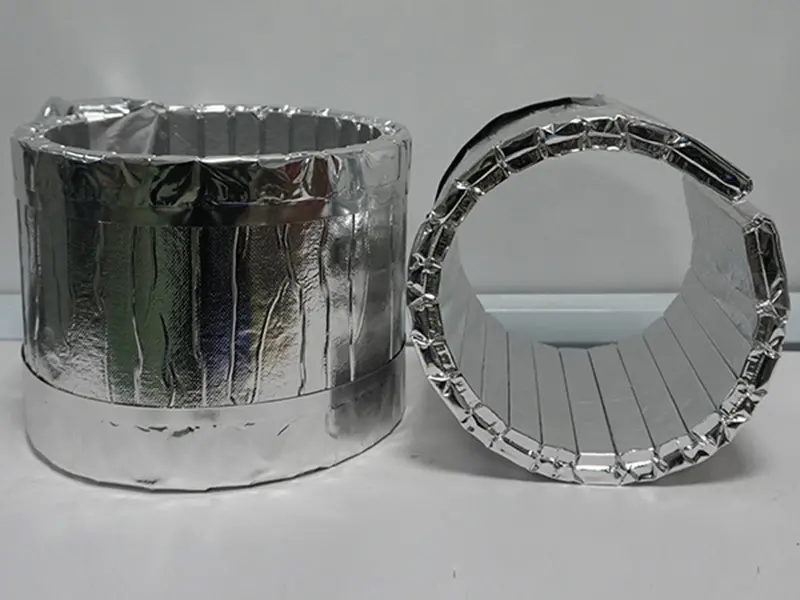
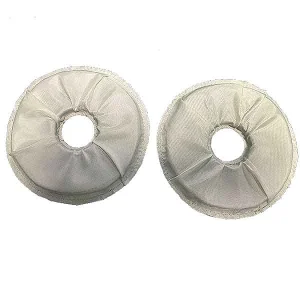
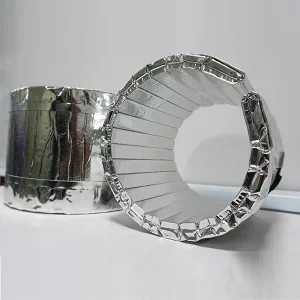
Product Details: Size: Customized Thickness: 5-50mm high performance wrap.
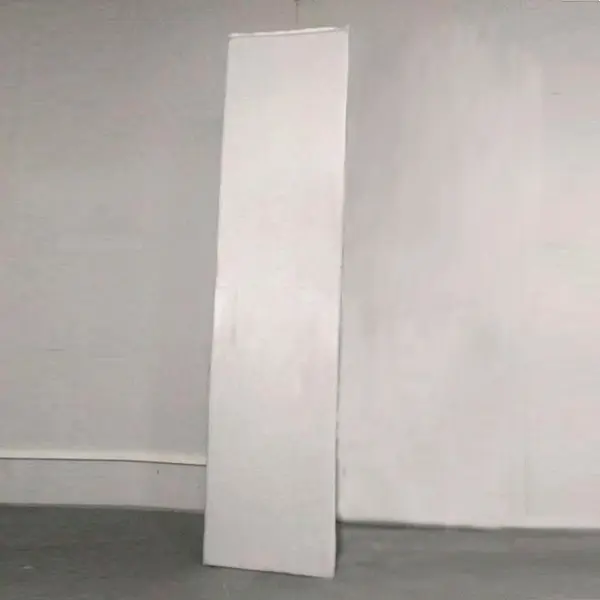
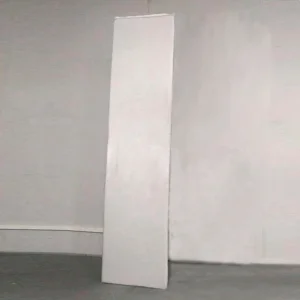
Highly advanced fireproof nano microporous core panels for modern safety elevators.
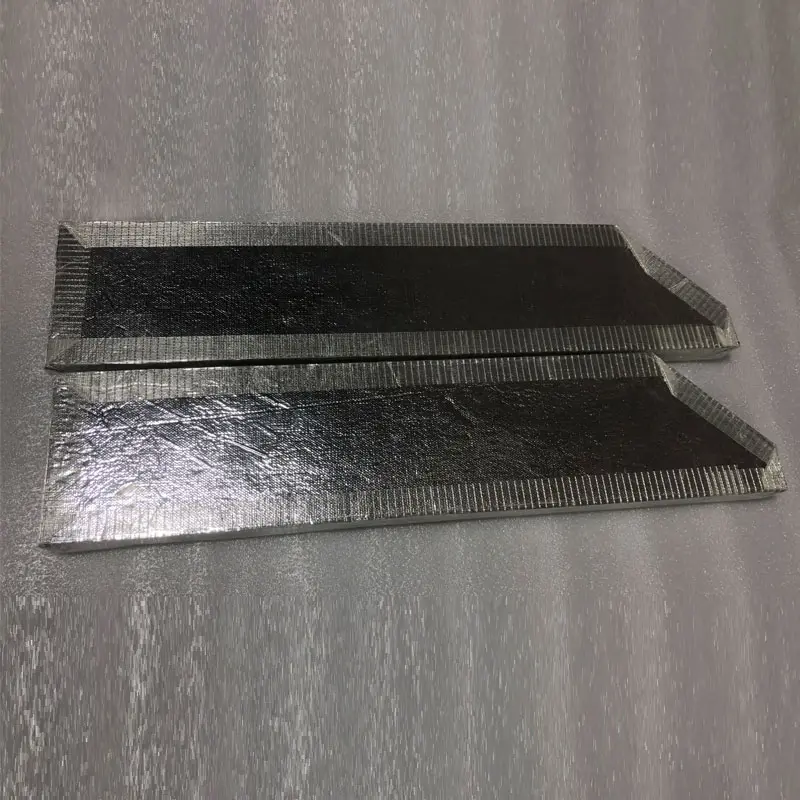
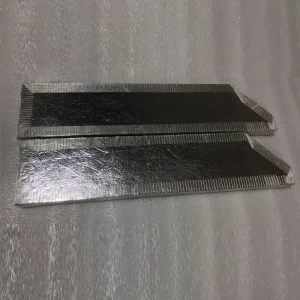
Integrated vacuum insulation customized to complex geometry and tight envelopes.
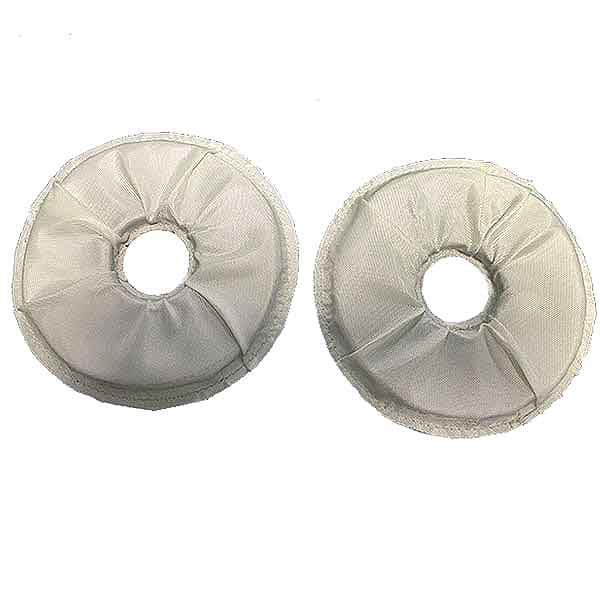
Flexible high temperature nano insulation blankets for heavy industrial machinery.
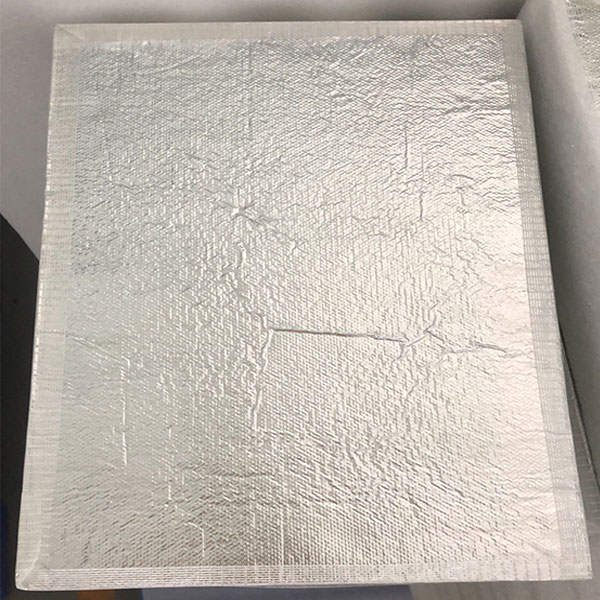
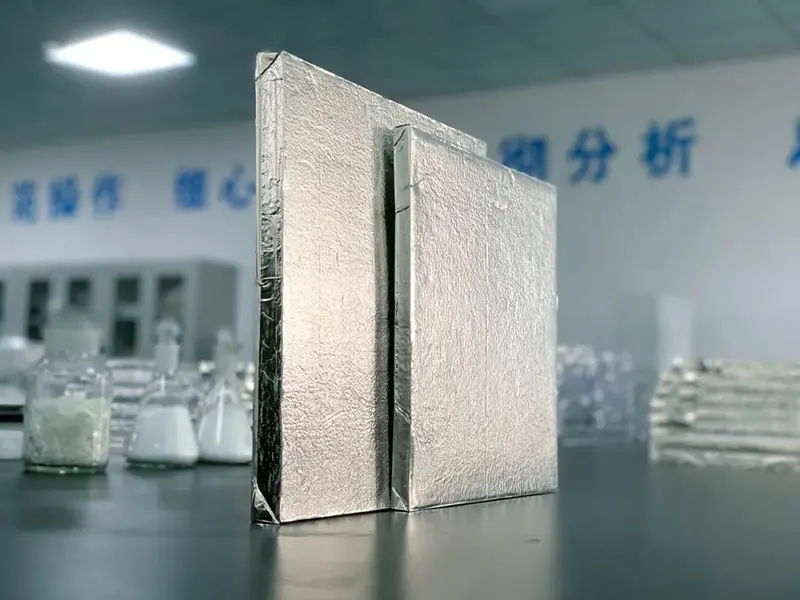
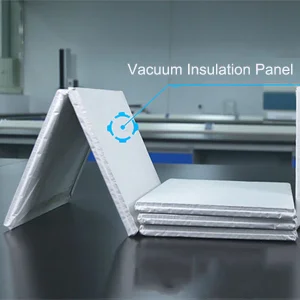
Advanced fumed silica vacuum insulation panel designed for extreme thermal performance.
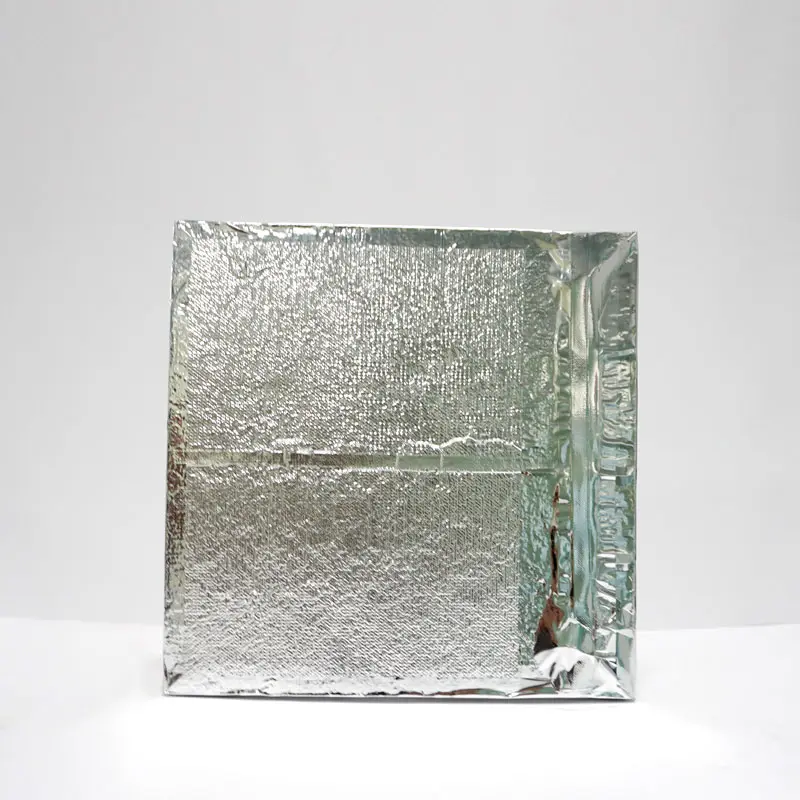
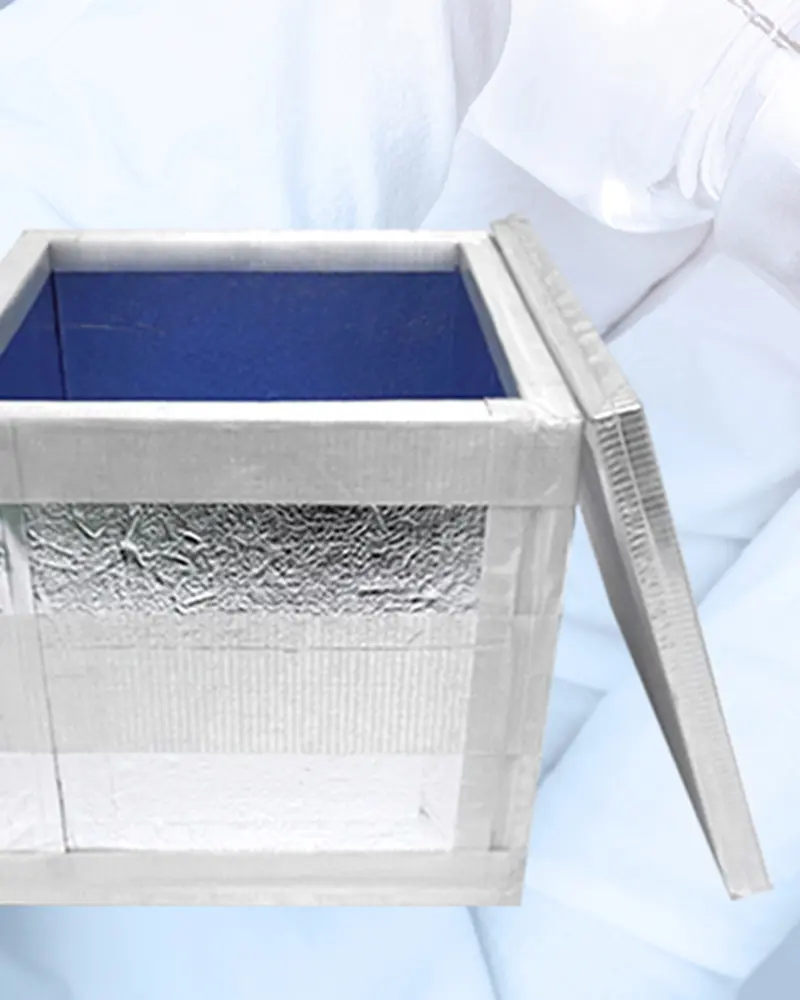
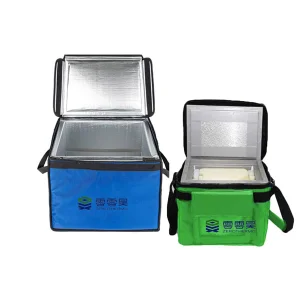
Preserves biological vaccines and pharmaceuticals across regional distribution networks.
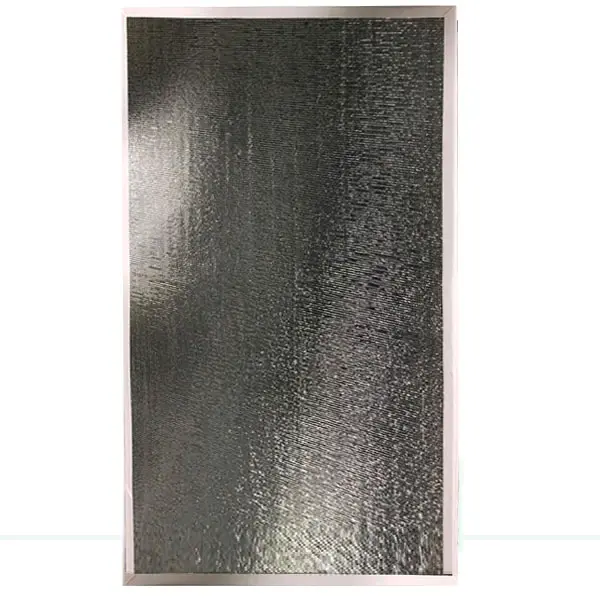
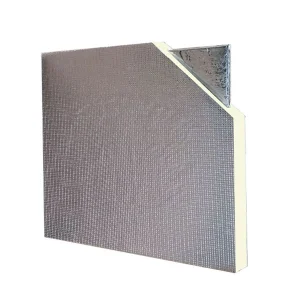
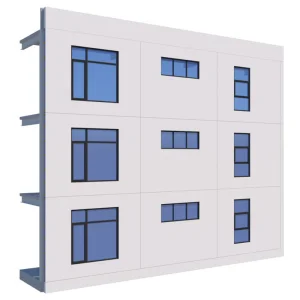
Custom large scale insulation panels engineered specifically for modern architecture.
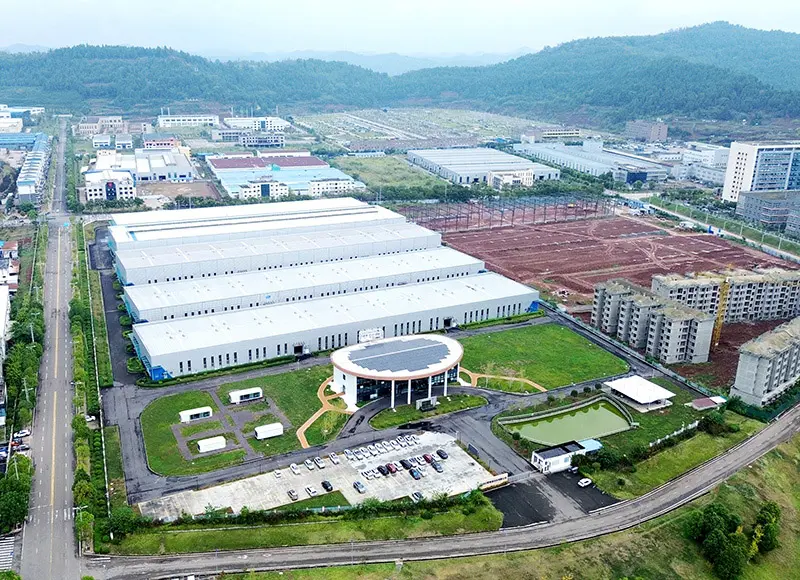
Zerothermo Technology Co., Ltd., a subsidiary of CBVAC Group and a national high-tech enterprise, is headquartered in the Beijing Economic-Technological Development Area with its production base located in Nanchong City, Sichuan Province. This facility stands as one of China's largest comprehensive production centers for vacuum technology application products.

Special sizes (beyond the range of ANSI/ASME/DIN and other standards) are produced according to customers' drawings or technical parameters.

Square, oval or other special shaped flanges. Oversize/small diameter: such as diameter over 60 inches or micro precision flanges.

High vacuum airtight structural connectors designed for demanding cleanroom and laboratory specifications.

Technical Patents

Completed Large Projects

National R&D Centers

Annual Production Capacity


The manufacturing process of Vacuum Insulated Glass represents the absolute pinnacle of glass engineering. Unlike standard insulated glass units (IGUs) that utilize dry air or noble gases (such as Argon or Krypton) to reduce heat transfer, VIG extracts gas from the internal cavity, leaving a microscopic vacuum layer (usually less than 0.3mm). This high-vacuum chamber eliminates conduction and convection entirely, leaving only radiation as a vector for thermal transfer. By deploying advanced low-emissivity (low-E) coatings inside the vacuum environment, radiant heat transfer is similarly minimized.
One of the primary historical challenges of VIG was the presence of the evacuation port, which disrupted the aesthetics of the glass sheet. Zerothermo Technology employs an innovative edge-sealing technology that eliminates the evacuation port altogether. Our tempered VIG achieves an immaculate surface finish, rendering it virtually indistinguishable from traditional single-pane glass, which is ideal for historic conservation projects across Portugal.
In regions such as the Algarve, Lisbon, and the interior Alentejo plains, thermal stresses on building facades are extreme. Tempered glass panes undergo significant differential expansion due to the vast temperature delta between the sun-baked exterior pane and the air-conditioned interior pane. Standard glass can fail or experience seal breakdown under these conditions. Zerothermo’s VIG features high-durability micro-spacers configured via computer modeling to distribute mechanical and atmospheric forces uniformly. Our VIG products withstand wind loads and thermal gradients common to Southern Europe, guaranteeing a lifespan of over 25 years without seal degradation.
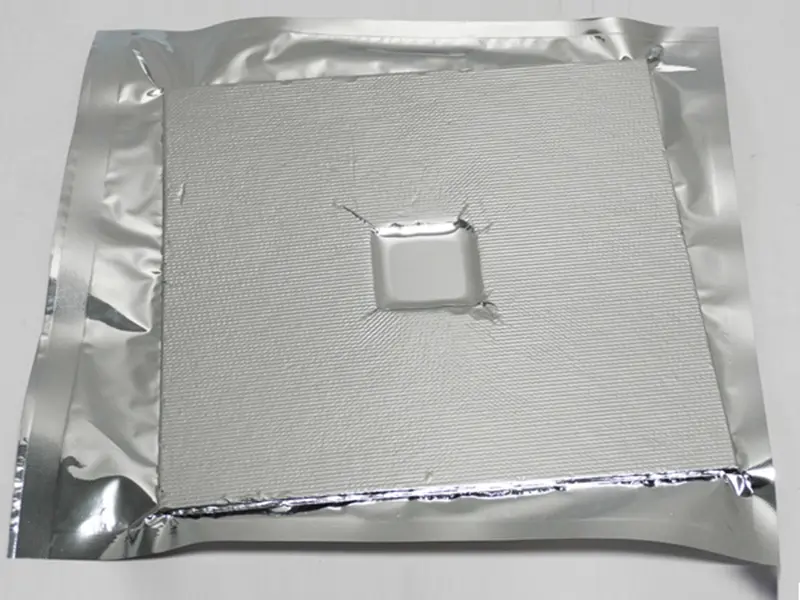
To achieve Near-Zero Energy Building (NZEB) status, architects are combining VIG windows with Vacuum Insulation Panels (VIPs) in non-transparent wall zones. VIPs utilize a microporous fumed silica core encapsulated in an airtight outer barrier film, achieving thermal conductivities as low as 0.004 W/(m·K). This holistic envelope solution ensures that the building maximizes light transmission through clear VIG panes while maintaining robust thermal integrity across its solid structural sections.
Providing high-efficiency thermal insulation solutions for building envelope systems through innovative products such as vacuum insulation panels and vacuum insulated glass, empowering the construction sector to reduce carbon emissions and achieve carbon neutrality.


We offer a one-stop vacuum insulation board and vacuum insulated glass solution. Reach out to our design and engineering support teams today for localized quotes, pricing parameters, and technical consulting.







 +86 15892792306