
Explore our high-efficiency vacuum insulation and vacuum insulated glass products engineered for architecture, cold chain logistics, new energy vehicles, and high-temperature insulation settings.
The global construction, logistics, and high-temperature processing industries are facing a seismic shift driven by strict decarbonization goals. Conventional double and triple glazing units, despite low-E coatings and argon gas fills, are reaching their thermodynamic physical limits. This is where Vacuum Insulated Glass (VIG) emerges as a transformative breakthrough.
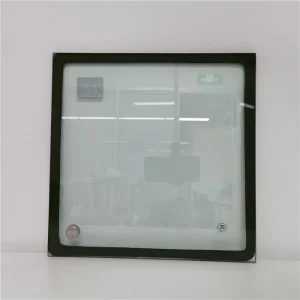
By extracting the gas within the cavity to create a high-vacuum state (typically below 10^-2 Pa), convective and conductive heat transfer across the glass panels is virtually eliminated. This results in ultra-low U-values (often under 0.6 W/m²·K), comparable to solid masonry walls, all within a profile no thicker than a single pane of standard insulated glass. The commercial applications span from high-efficiency architectural glazing for net-zero buildings to specialty refrigeration, HVAC systems, and extreme temperature thermal shields.
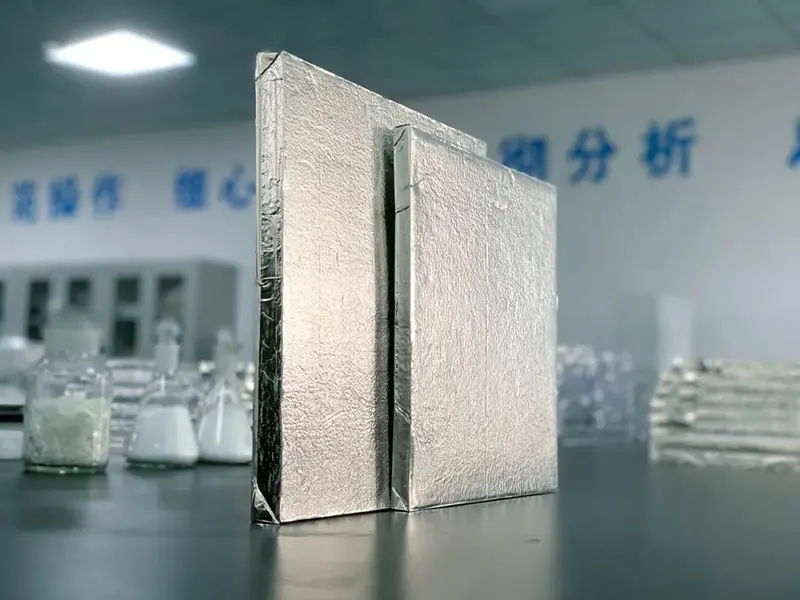
Simultaneously, the demand for Vacuum Insulation Panels (VIPs) using fumed silica and fiberglass cores is scaling exponentially. These core materials represent the vanguard of thermal shielding for pharmaceutical cold chains, industrial storage containers, and specialized electric vehicle (EV) battery protective envelopes.
Understand the metrics that place Vacuum Insulated Glass far ahead of standard insulating glass units (IGU):
Tailoring advanced vacuum insulation sheets, microporous thermal barriers, and specialized architectural glass profiles to your exact dimensional and thermal requirements.
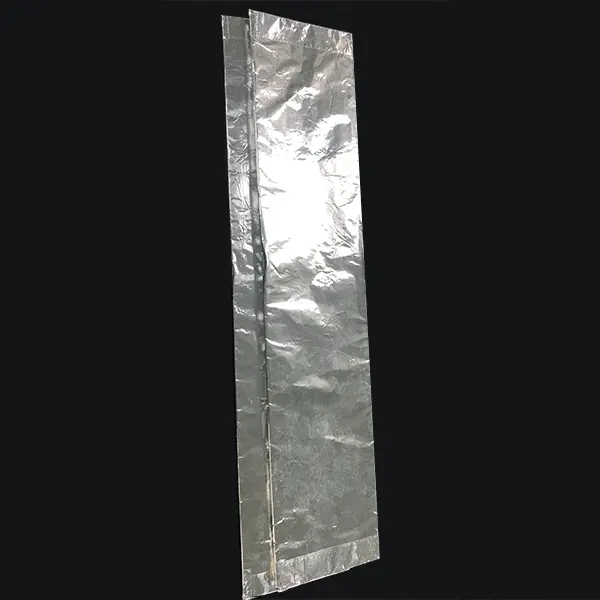
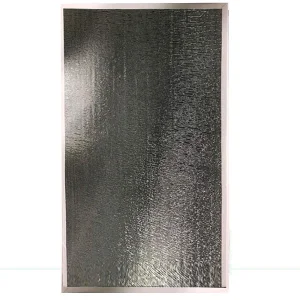
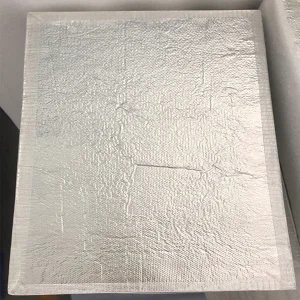
Product Details: Size: Customized Thickness: 5-50mm engineered for thermal runaway mitigation.
View More +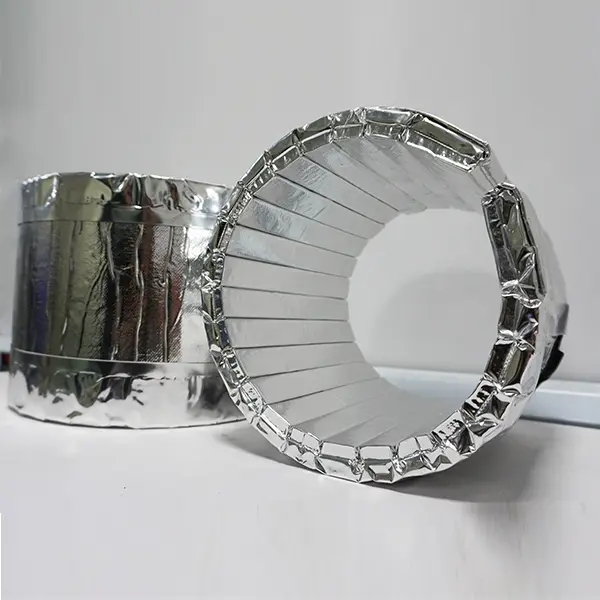
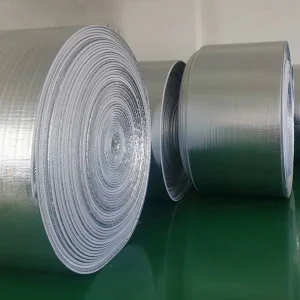
Product Details: Size: Customized Thickness: 5-100mm, optimized for extreme heat retention.
View More +
Our elevator fireproof door high temperature nano microporous barriers comply with safety codes.
View More +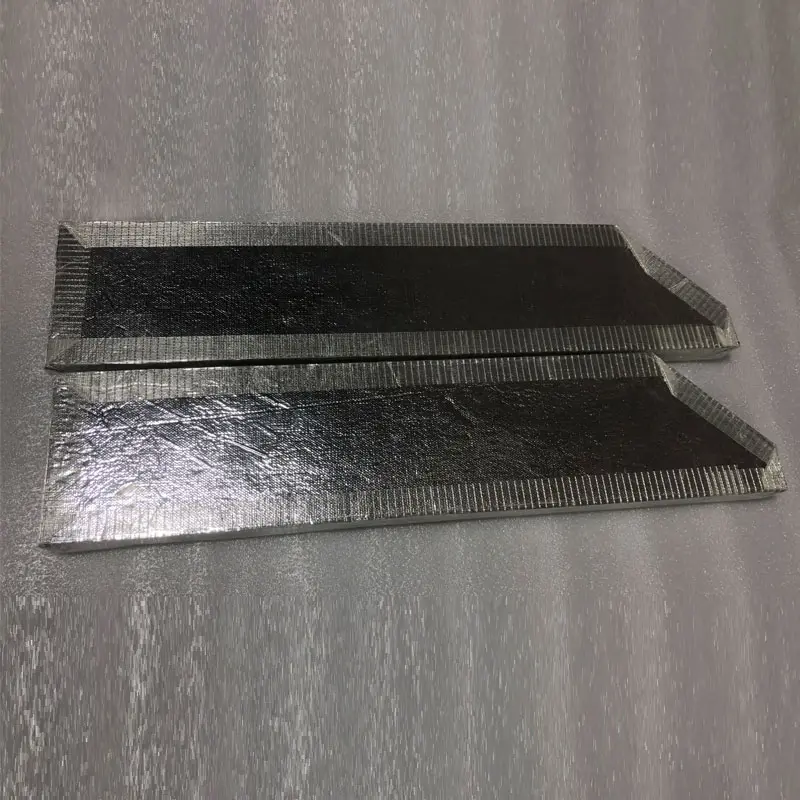
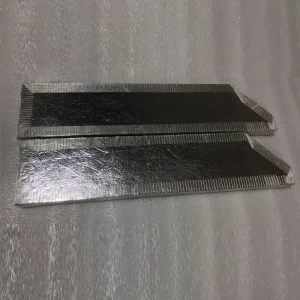
Product Features: Engineered for curved enclosures, complex geometries, and custom coolers.
View More +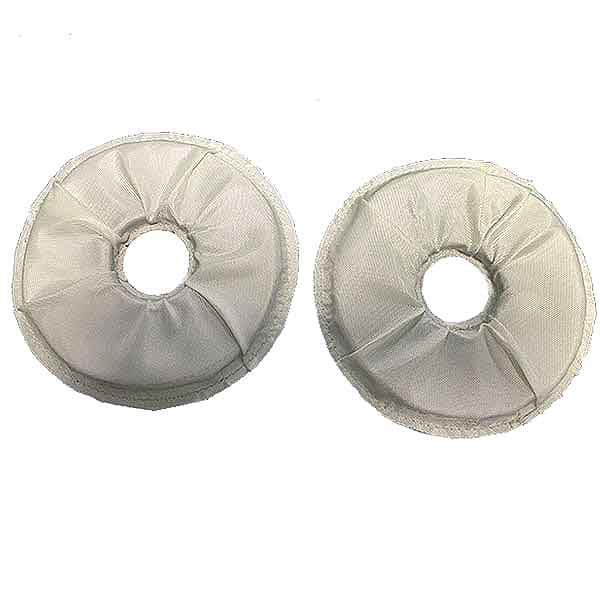
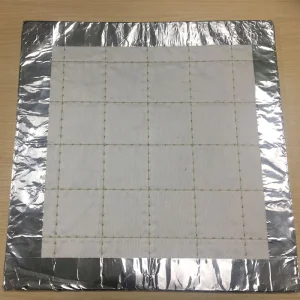
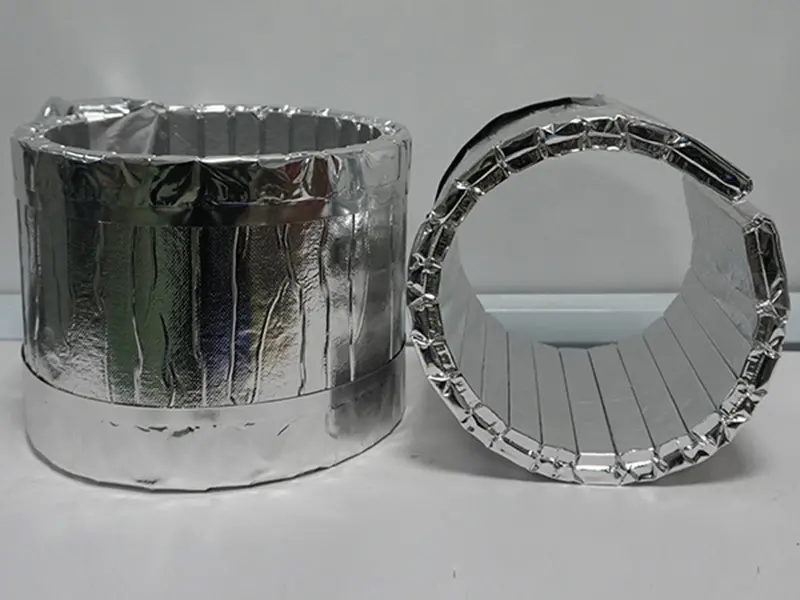
Product Specification: Custom round thermal wraps utilizing flexible nano thermal blankets.
View More +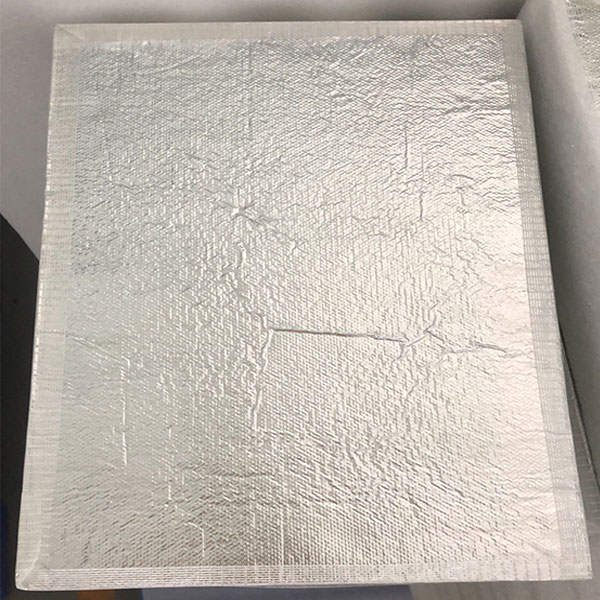
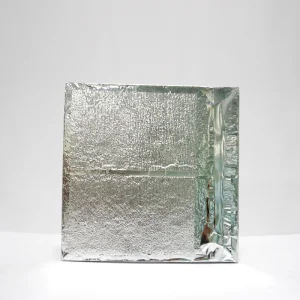
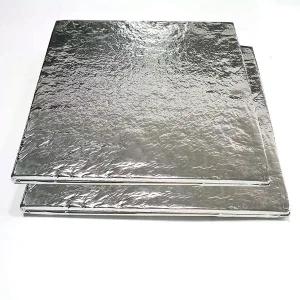
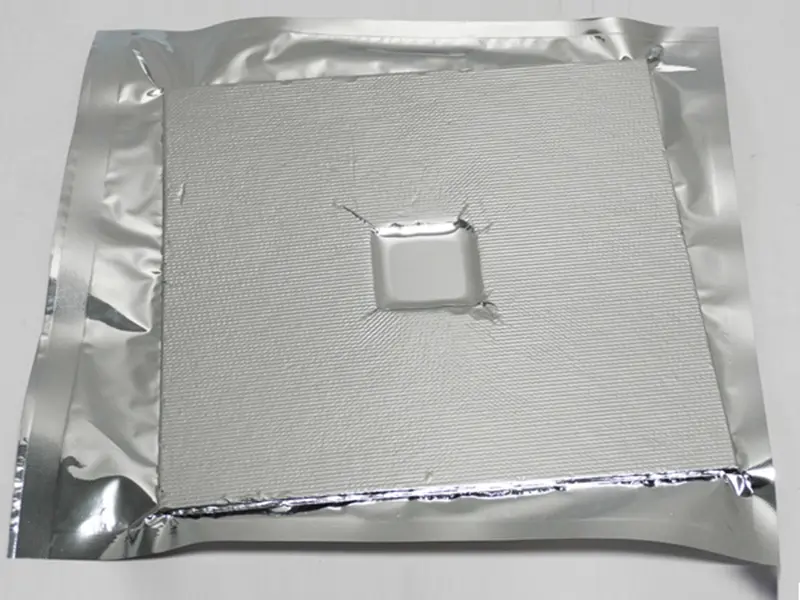
Product Features: Zerothermo vacuum insulation panel with high-grade barrier wrap PET film.
View More +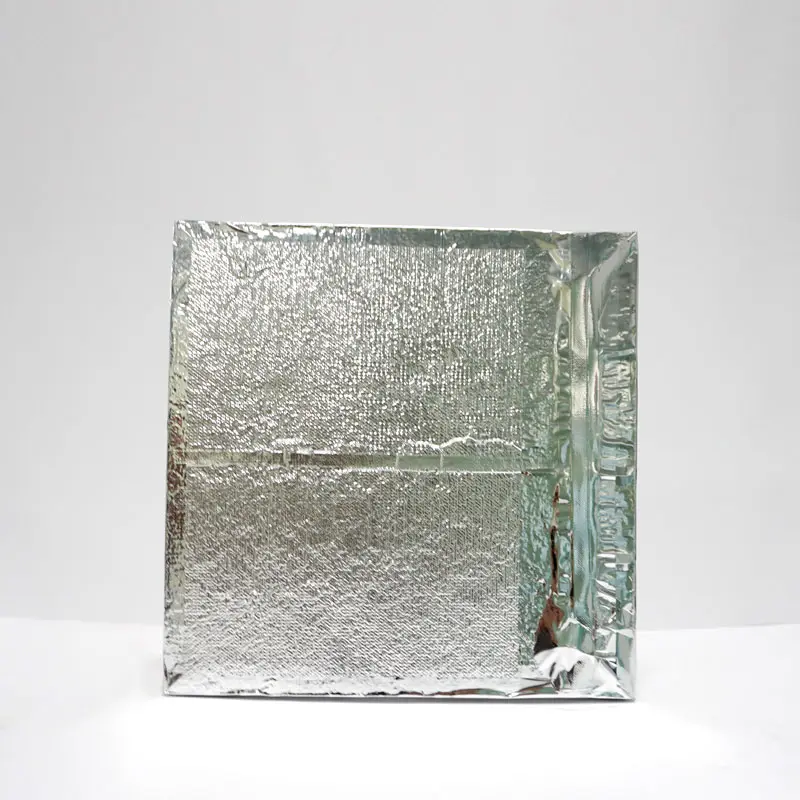
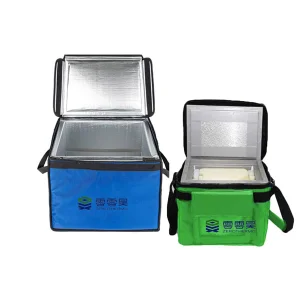
Product Features: Vacuum insulation panels engineered for cold storage vaccine transportation.
View More +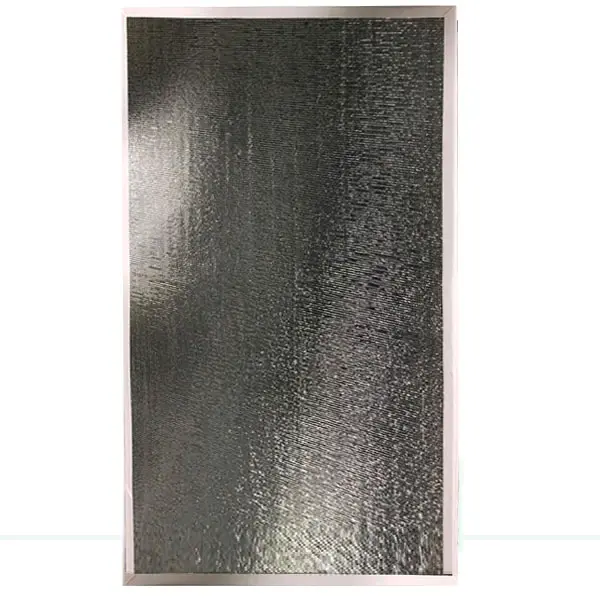
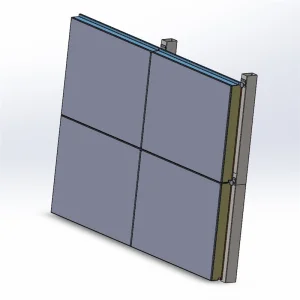
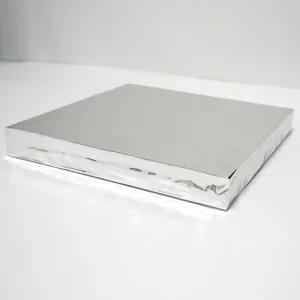
Product Features & Specifications: Large-scale architectural and containerized insulation walls.
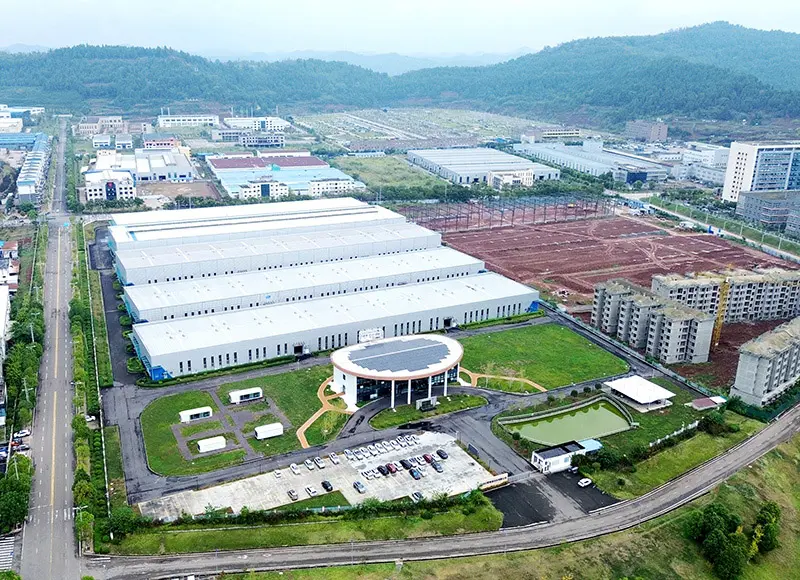
View More +Zerothermo Technology Co., Ltd., a subsidiary of the renowned CBVAC Group, is a leading national high-tech enterprise at the forefront of vacuum technology research, development, and high-capacity manufacturing. Headquartered in the Beijing Economic-Technological Development Area, we manage our expansive production facilities in Nanchong City, Sichuan Province. This base stands as one of China’s largest and most comprehensive production centers for advanced vacuum application products.
Leveraging CBVAC Group’s decades of vacuum physics expertise, Zerothermo has developed industry-standard fabrication lines for tempered vacuum insulated glass, fumed silica VIP insulation boards, and custom architectural precast panels. Our team bridges scientific research with industrial scale, servicing Fortune 500 engineering firms, global cold-chain providers, and high-performance building contractors worldwide.

Special sizes beyond standard ANSI/ASME/DIN thresholds are produced strictly according to user CAD drawings or specific physical parameters.

Square, oval, or other geometric designs, as well as oversize or micro-precision fittings with custom sealing profiles.

Advanced metallurgy and precision milling ensure leak-tight operations for ultra-high vacuum systems, cryogenic chambers, and furnace envelopes.


An analysis of vacuum science in structural glazing and thermal panels.
Conventional insulated double-glazing units rely on inert gases like argon or krypton to slow down molecular thermal conduction. However, convection remains active as internal gas density shifts under temperature differentials. Tempered Vacuum Insulated Glass bypasses this limitation entirely. By maintaining an internal pressure below 0.1 Pa, the mean free path of any remaining gas molecules exceeds the distance between the glass sheets, effectively shutting down conduction and convection.
This design relies on microscopic support pillars spaced in a grid pattern to prevent the plates from collapsing under atmospheric pressure (approx. 10 tons per square meter). The pillars are engineered from alloys designed to minimize conductive thermal bridging, balancing mechanical strength and thermal performance.
Vacuum Insulation Panels (VIPs) require a porous core structure to withstand atmospheric pressure while optimizing vacuum lifespans. Fumed Silica VIPs feature an amorphous silicon dioxide core with microscopic pore sizes (10-100 nm). Because the pores are smaller than the mean free path of air at moderate pressures, fumed silica VIPs maintain high insulation performance even if the vacuum degrades slightly over decades. They have a typical life expectancy of 30-50 years.
Fiberglass Core VIPs offer lower initial thermal conductivity (approx. 0.0015 W/mK) but are sensitive to vacuum loss. If the barrier film is compromised, the thermal conductivity rises quickly toward that of standard fiberglass (0.035 W/mK). Consequently, fumed silica remains the preferred material for long-term building facades and sub-zero pharmaceutical cold chain systems.
Maintaining high-performance levels over decades requires strict manufacturing controls. Our factory uses robotic assembly lines, high-frequency induction sealing, and real-time laser monitoring to verify vacuum levels across every production batch.
Each unit is certified to global structural safety standards, including SGCC (USA), CE EN1279 (Europe), and ISO 9001. We conduct regular thermal cycling tests, humidity aging tests, and mechanical fatigue testing to ensure the long-term reliability of our seal systems in challenging weather and operating conditions.
China has established a leading position in the vacuum insulation industry, driven by complete raw material ecosystems and highly integrated manufacturing processes. Our factories process fumed silica, barrier films, and safety glass close to our primary assembly lines, reducing raw material lead times and logistical overheads.
Our automated production facilities in Nanchong City combine advanced robotics with optimized process controls. This enables us to maintain tight tolerances and seal integrity across large production runs, ensuring stable thermal performance and structural reliability for global applications.
We work closely with global shipping networks to package and deliver our high-vacuum products securely, ensuring all components arrive ready for installation on sites worldwide.
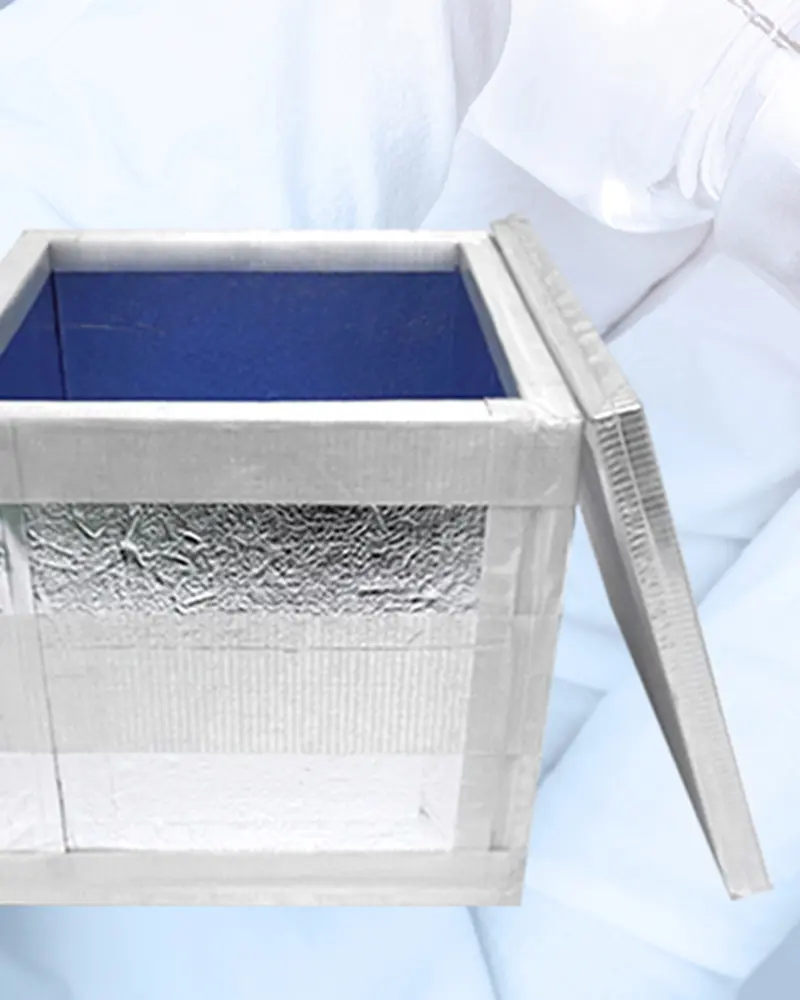
Providing high-efficiency thermal insulation solutions for temperature-controlled transport systems. By using vacuum insulation panels, shipping containers can maintain stable sub-zero ranges for critical vaccines and therapeutics, reducing operational risks and cooling energy demands.
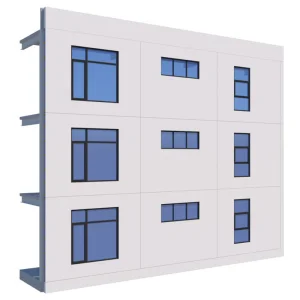
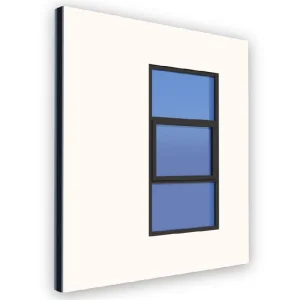
Delivering thin-profile thermal insulation for building envelope systems. Implementing vacuum insulated glass and facade panels helps buildings meet demanding green energy certifications by reducing HVAC energy consumption without altering classical design profiles.
Providing advanced heat shields using nano-microporous board arrays. These solutions reduce heat loss in industrial ovens and kiln systems, protecting nearby equipment and lowering overall energy usage.
Supplying customized glass solutions for exhibition spaces and mobile modular cabins. These installations maintain indoor comfort in challenging climates while offering expansive views and clean architectural lines.


Case Studies



News and Information
Committed to supporting China’s “dual-carbon” goals, Zerothermo Technology drives high-quality development of new quality productivity while promoting sustainable industrial advancement
Answers to common engineering questions regarding the specification, installation, and long-term durability of vacuum-based thermal systems.
Our tempered vacuum insulated glass (VIG) units achieve U-values ranging from 0.4 W/m²·K to 0.6 W/m²·K. This represents a significant improvement over standard double-pane IGUs (typically around 2.8 W/m²·K) and matches the performance of thick insulation boards within a profile of under 12 mm.
No. Once the two glass panels are sealed with metal solder and the vacuum is drawn, VIG units cannot be cut, drilled, or modified. Any field modification will compromise the edge seal, causing immediate loss of vacuum. All dimensions, hinge placements, and lock cutouts must be precisely specified prior to tempering and vacuum processing.
To resist atmospheric forces (approximately 10 tons/m²), a grid of micro-spacers is placed between the glass panes. These spacers, typically made from high-strength stainless steel or ceramic alloys, are engineered to minimize conductive thermal bridging while keeping the glass sheets separated.
Fumed Silica VIPs have a design life expectancy of 30 to 50 years under standard conditions. Unlike fiberglass-core VIPs, fumed silica retains good thermal insulation performance even if the internal pressure rises slightly over time, making it a reliable choice for permanent building applications.
Yes. Our manufacturing facilities are ISO 9001 certified, and our products meet key international certifications, including CE (Europe) and SGCC (USA) standards for safety glazing. We provide full test documentation to support project compliance.
We package vacuum products in heavy-duty, shock-absorbing custom crates with integrated moisture-barrier films. Every shipment is palletized and secured to prevent shifting during ocean, air, or land transit, ensuring the vacuum seals remain intact.
Contact our engineering support team for U-value calculations, custom sizing guides, or pricing information for your specific project requirements.


Browse our full selection of VIP panels, microporous materials, and integrated prefabricated systems designed for high-performance thermal insulation.




 +8615892792306