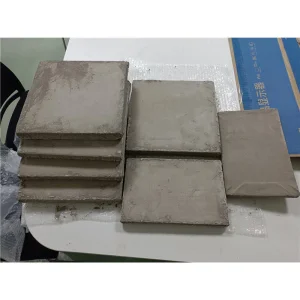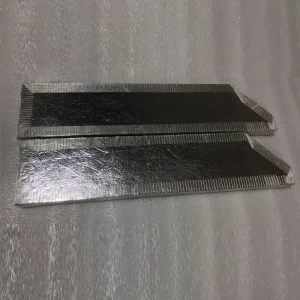
Explore our flagship high-performance insulation technologies engineered to maximize thermal containment and energy efficiency.
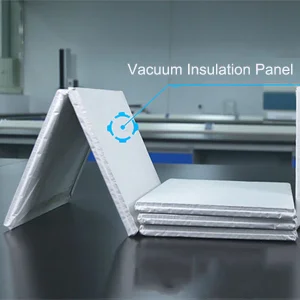
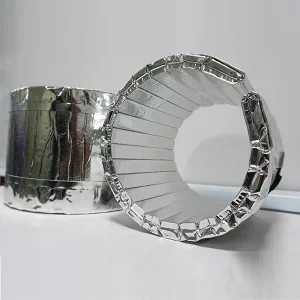
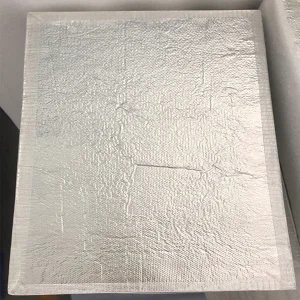
In the contemporary industrial and manufacturing landscapes, optimizing energy management and thermal protection systems is no longer merely a method for incremental operational cost reduction. Driven by aggressive international carbon-neutrality targets, escalating energy volatility, and stringent safety criteria, modern engineering mandates insulation solutions that deliver maximum thermal performance with minimal weight and physical footprints. Custom microporous insulation panels represent the absolute pinnacle of this paradigm shift.
What is a Microporous Panel? Using the Knudsen effect, microporous panels are advanced ceramic materials designed with interconnected pore structures smaller than the mean free path of air molecules (~68 nanometers). This eliminates internal convective heat transfer and minimizes gas conduction, resulting in thermal conductivities lower than that of still air.
For chemical manufacturers, battery pack designers, aerospace OEMs, and furnace builders, sourcing thermal insulation is a strategic decision directly impacting system safety, structural integrity, and longevity. ISO certification acts as an essential quality baseline in this field:
Traditional insulating materials such as mineral wool, calcium silicate, and polyurethane foam trap air in macroscopic pockets. Within these macro-scale cells, internal gas molecules collision pathways allow thermal energy to transfer readily via conduction and convection. Microporous insulation subverts this mechanism entirely. By compressing nano-sized fumed silica particles, we establish a porous matrix with pore diameters ranging from 10 to 20 nanometers.
At standard atmospheric pressure, the mean free path of a nitrogen or oxygen molecule is approximately 68 nm. Because the physical boundaries of the microporous cells are narrower than this dimension, gas molecules collide with the solid cell walls far more frequently than they collide with each other. This effectively eliminates convective currents within the panel structure. Furthermore, the inclusion of custom-engineered inorganic opacifiers, such as titanium dioxide or silicon carbide, significantly attenuates infrared radiation—a critical feature for performance at temperatures exceeding 600°C.
As the primary engine of global chemical and material fabrication, Chinese manufacturers have transitioned from low-cost manual assembly to highly automated, vertically integrated Industry 4.0 smart facilities. Zerothermo Technology Co., Ltd., operating from its extensive production base in Nanchong City, Sichuan Province, exemplifies this industrial modernization. As a subsidiary of the CBVAC Group, the facility operates one of China's largest comprehensive production footprints for vacuum-based thermal isolation systems.
By implementing closed-loop control systems, automated pneumatic blending systems, high-pressure multi-axis hydraulic molding presses, and automated CNC profiling tools, these facilities offer several key advantages:
Our engineering team works closely with you to design, prototype, and manufacture custom-spec insulation products suited for extreme environments.
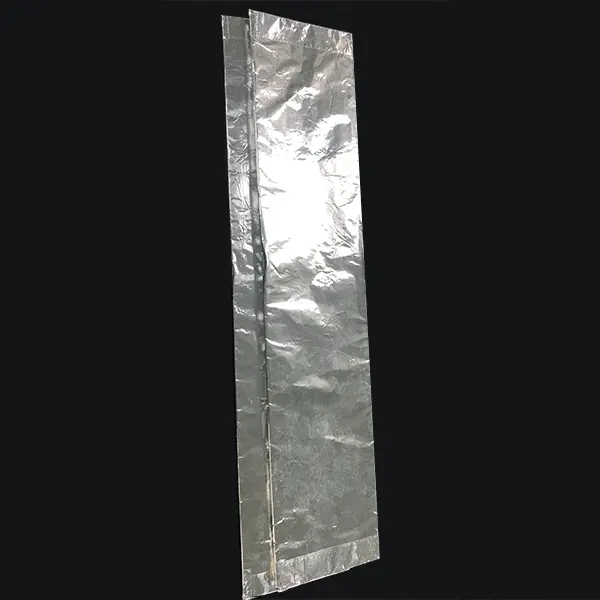
Product Details: Size: Customized. Thickness: 5-30mm. Specially formulated for EV thermal runaway containment.
View Details →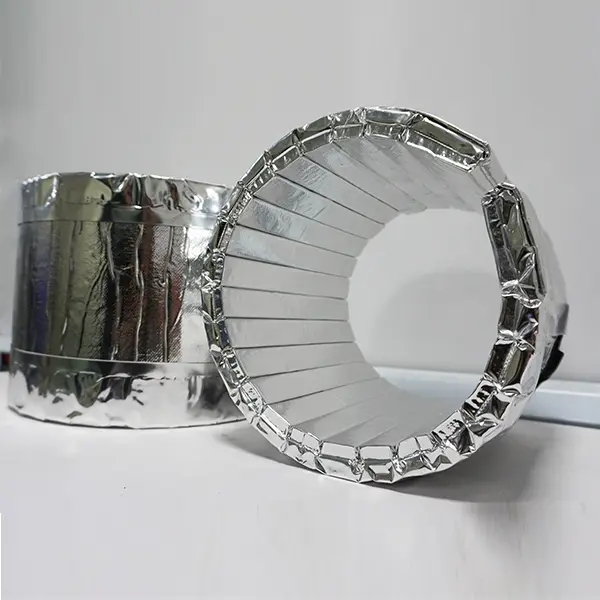
Product Details: Size: Customized. Thickness: 5-50mm. Designed for industrial water tanks and high-pressure steam vessels.
View Details →
Our elevator fireproof door high-temperature nano microporous panel provides superior fire ratings with ultra-slim dimensions.
View Details →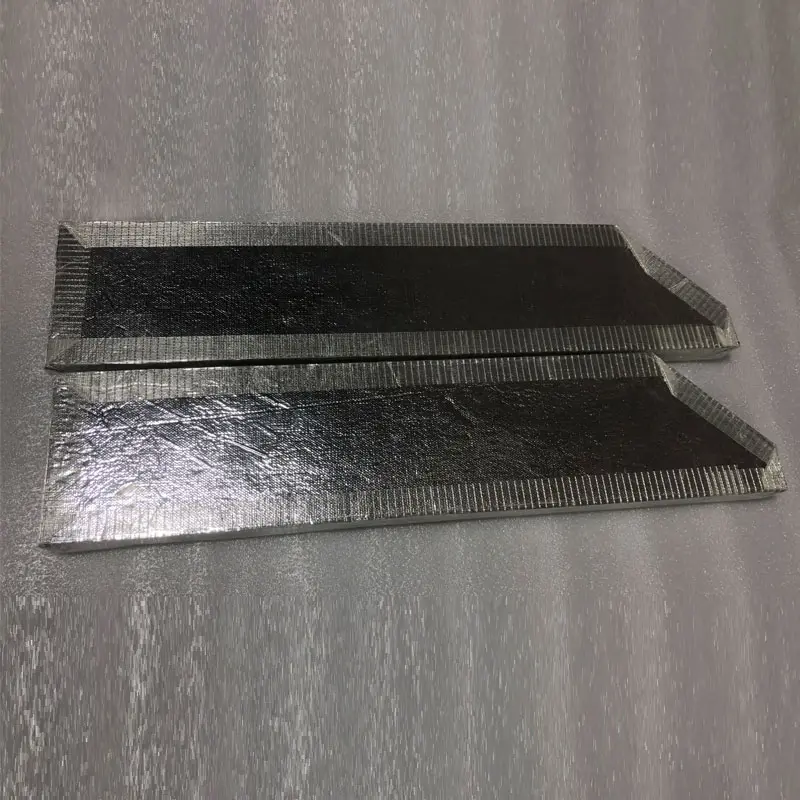
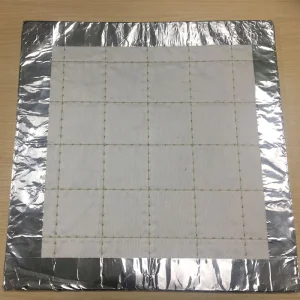
Product Features: Vacuum insulation panels with customized geometry for complex industrial applications and corners.
View Details →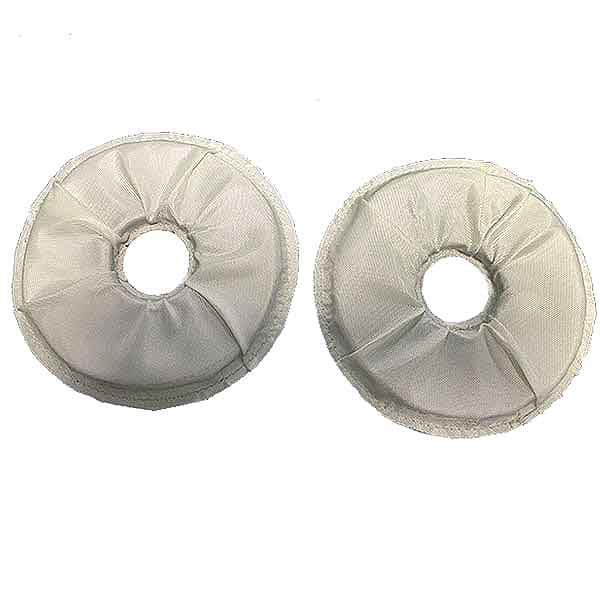
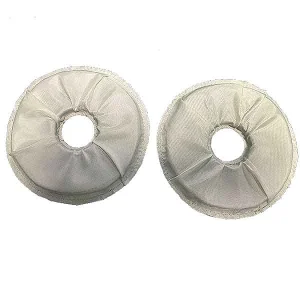
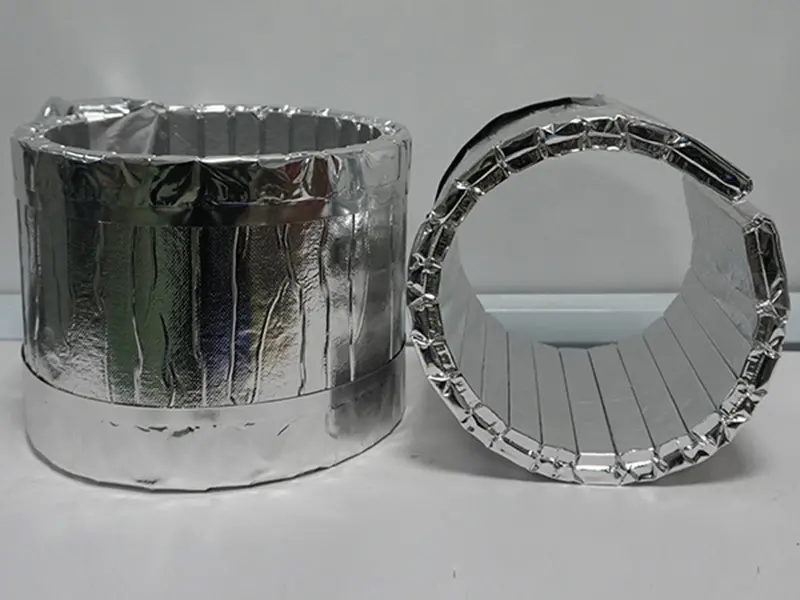
Product Specification: Flexible nano thermal blankets and round shapes designed for pipe linings and cylindrical kilns.
View Details →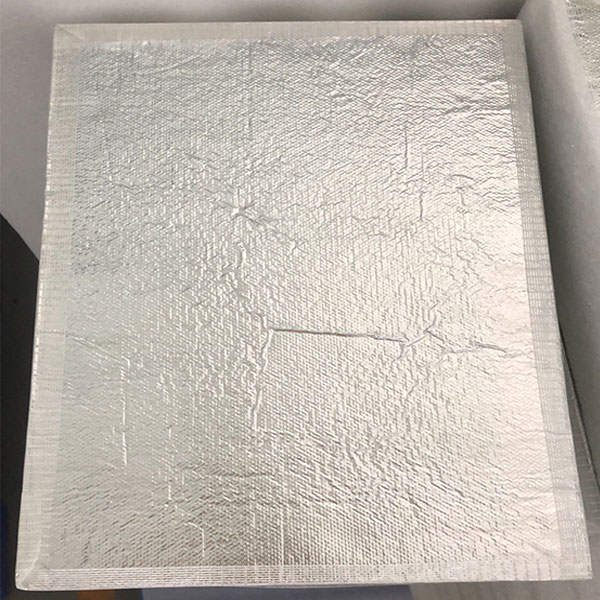
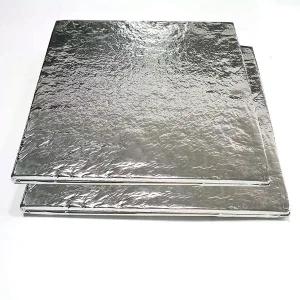
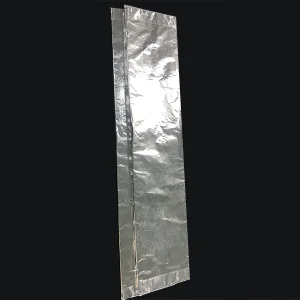
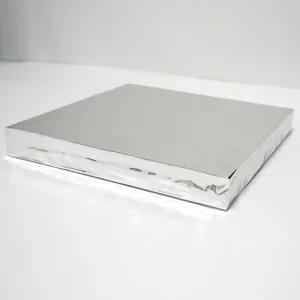
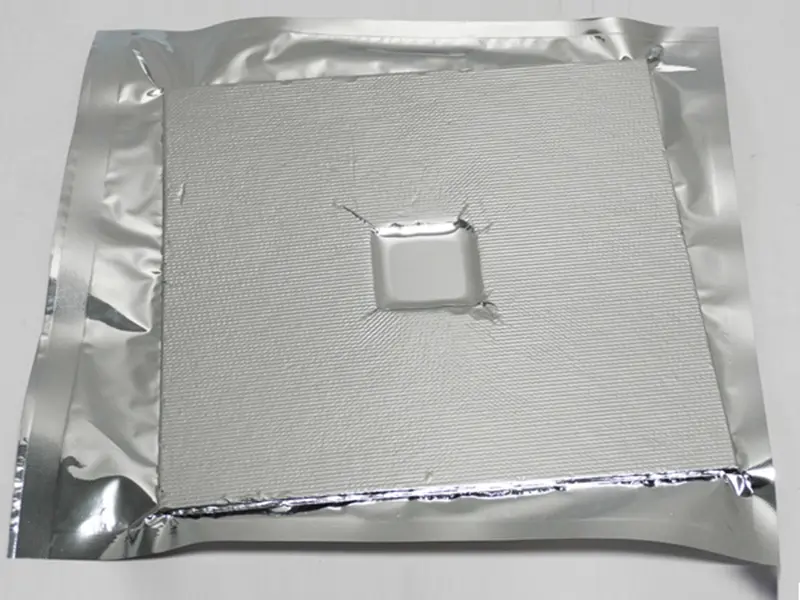
Product Features: Size Details. Zerothermo vacuum insulation panel with PET film protective encapsulation.
View Details →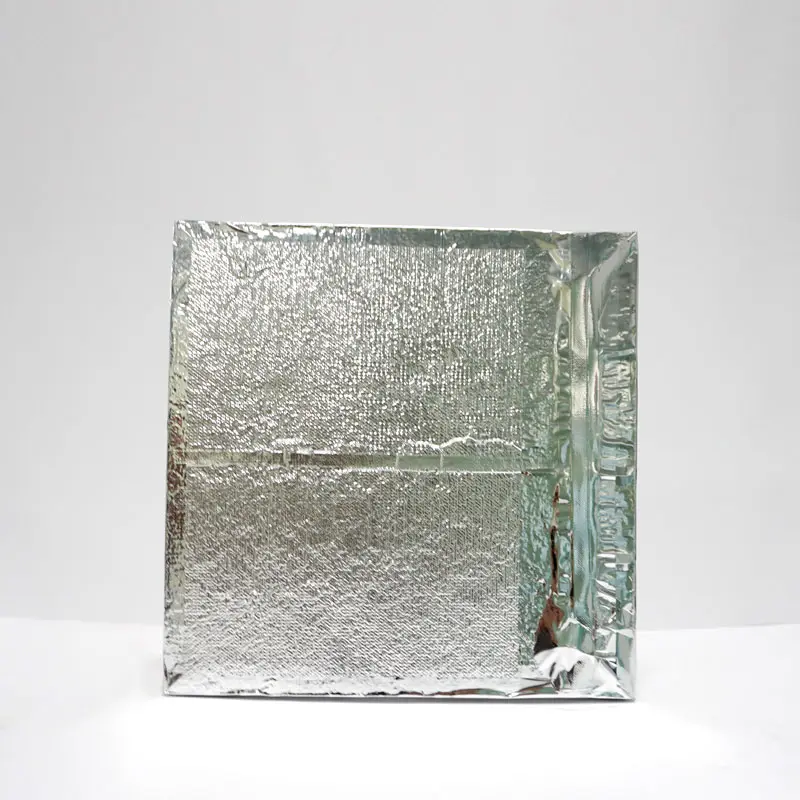
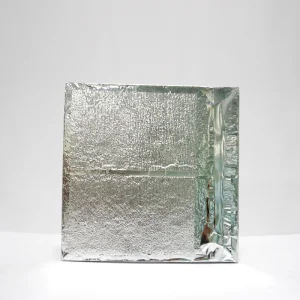
Product Features: Vacuum insulation panels designed to sustain critical temperatures in cold transport boxes and shipping containers.
View Details →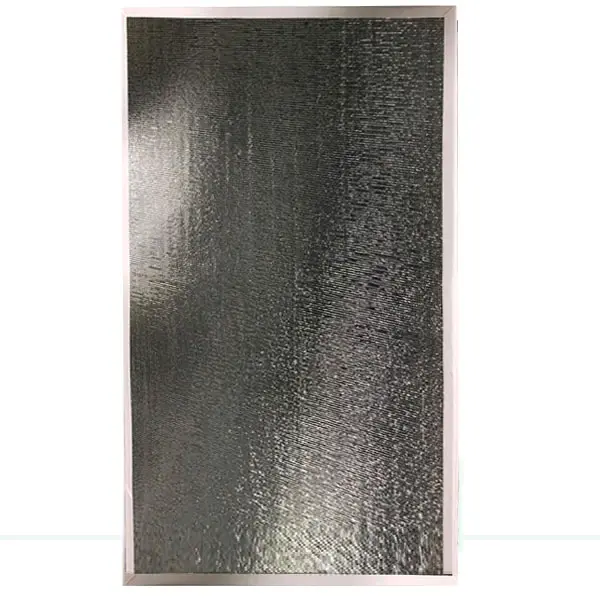
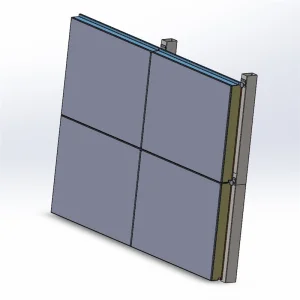
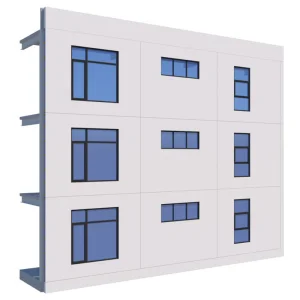
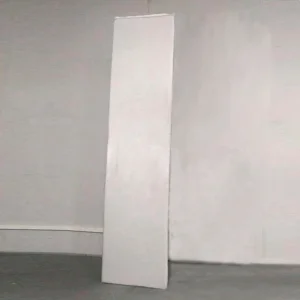
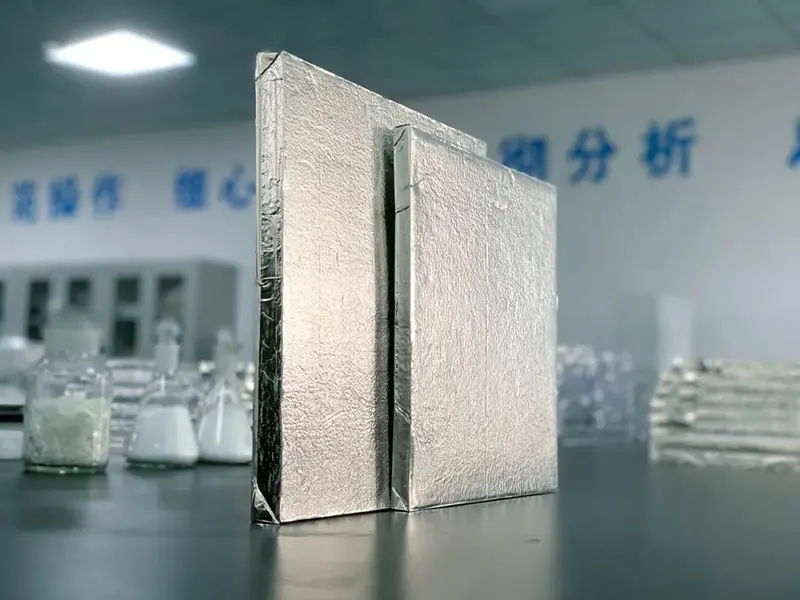
Product Features: Product Specification. Large-scale structural vacuum panels optimized for architectural wall integrations.
View Details →Zerothermo Technology Co., Ltd., a subsidiary of CBVAC Group and a national high-tech enterprise, is headquartered in the Beijing Economic-Technological Development Area with its production base located in Nanchong City, Sichuan Province. This facility stands as one of China’s largest comprehensive production centers for vacuum technology application products.
Equipped with advanced manufacturing lines and utilizing top-tier raw materials, Zerothermo offers specialized components, engineering support, and assembly lines designed to meet the strict demands of global industrial partners. We integrate our vacuum expertise with advanced thermal sciences to deliver high-performance, energy-efficient solutions.

Special sizes (beyond the range of ANSI/ASME/DIN and other standards) are produced according to customers' drawings or technical parameters.

Square, oval or other special shaped flanges. Oversize/small diameter: such as diameter over 60 inches or micro precision flanges.

Precision vacuum components engineered to guarantee vacuum preservation and absolute air tightness across systems.
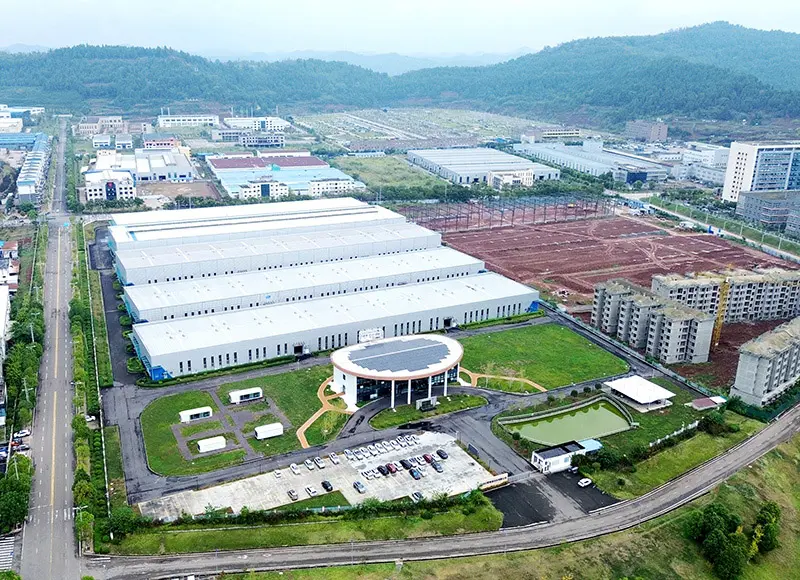

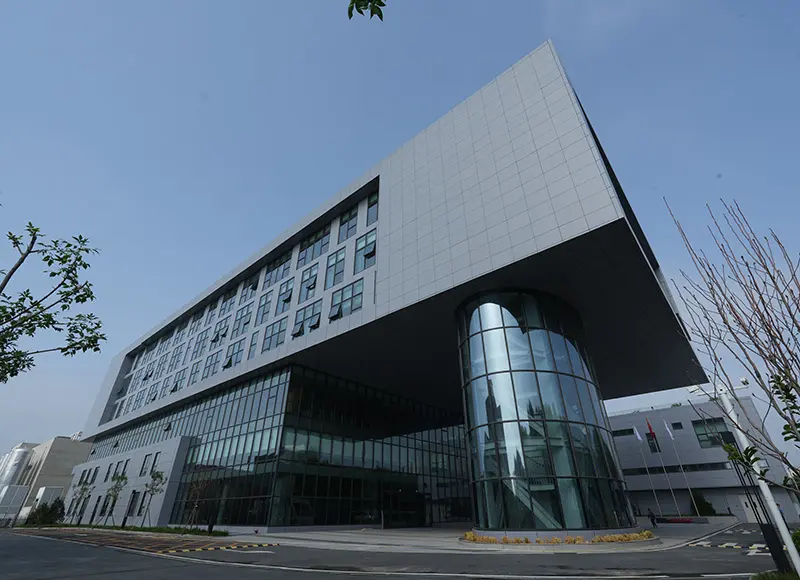
Our production facilities utilize automated manufacturing lines, high-temperature sintering equipment, and strict quality control measures to ensure consistent product performance.


Why industrial procurement teams trust Zerothermo to design and scale their advanced thermal insulation requirements.


Our high-efficiency microporous and vacuum insulation panels provide thermal solutions across diverse global sectors.
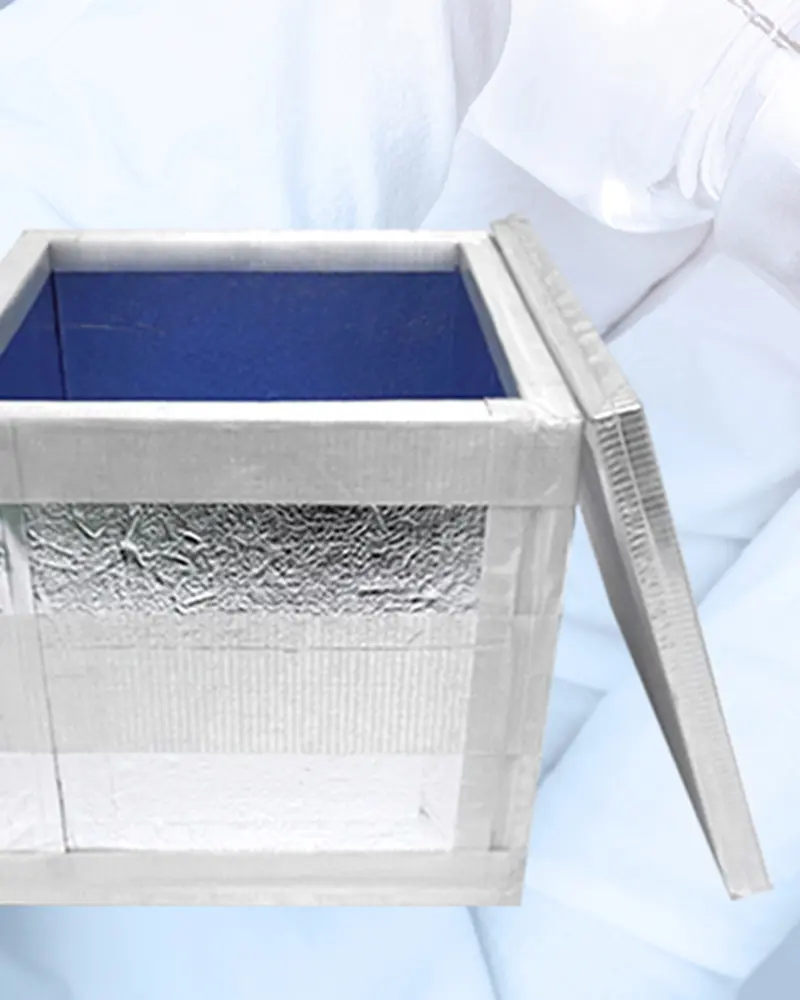
Providing high-efficiency thermal insulation solutions for cold transport boxes and shipping containers, ensuring critical medications and vaccines remain within strict temperature limits.
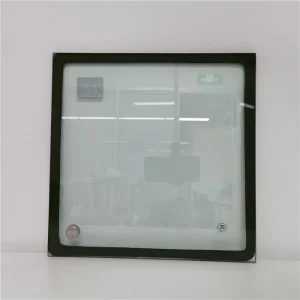
Empowering the construction sector to reduce carbon emissions and achieve carbon neutrality with thin-profile vacuum insulation panels (VIPs) and vacuum insulated glass (VIG).
Improving energy efficiency and operating safety in petrochemical processing, metallurgy, rotary kilns, glass manufacturing, and heavy-duty steam piping systems.
Supporting custom modular spaces, pre-fabricated eco-villas, and climate-controlled exhibit systems requiring rapid deployment and clean insulation technology.


Explore real-world case studies demonstrating our engineering collaborations and thermal management implementations globally.



Committed to supporting China’s "dual-carbon" goals, Zerothermo Technology drives high-quality development of new quality productivity while promoting sustainable industrial advancement.
Find authoritative, technical answers to common questions about microporous and vacuum insulation panels.
Microporous panels utilize the Knudsen effect, creating internal pores smaller than the mean free path of air molecules (~68nm). This eliminates convective and gas-phase conduction, providing thermal conductivities as low as 0.020 W/(m·K) at high temperatures. Traditional materials like rockwool or calcium silicate have much larger pores, allowing air molecules to collide and transfer heat more readily.
Yes, we specialize in custom fabrication. Our Industry 4.0 facilities in China utilize multi-axis CNC routers and custom presses to produce stepped edges, curves, circular cuts, and specialized shapes designed to fit furnace pipelines or EV battery compartments.
Our production lines are ISO 9001:2015, ISO 14001:2015, and ISO 45001:2018 certified. These standards ensure strict quality control, repeatable thermal characteristics, sustainable environmental practices, and safe working conditions during fabrication.
Our high-temperature nano microporous formulations are rated for continuous operation at temperatures up to 1000°C, with specialized versions performing up to 1100°C. They exhibit very low linear shrinkage (< 2%) and maintain structural integrity under thermal loads.
Fumed silica is selected for its high specific surface area and particle structure, which naturally forms nano-sized voids upon high-pressure consolidation. It is non-combustible, chemically stable, and has low solid-skeleton thermal conductivity.
At temperatures above 400°C, radiative heat transfer increases significantly. We blend inorganic opacifiers like titanium dioxide or silicon carbide into the silica matrix to scatter and absorb infrared radiation, maintaining a flat thermal conductivity curve at elevated temperatures.
Yes, our microporous panels are manufactured using non-hazardous, inorganic oxides. They are free from organic binders that could off-gas at high temperatures, making them safe for residential walls, fireproof doors, and commercial elevator systems.
When integrated into building envelopes or cold chain systems, the lifetime of our fumed-silica-core VIPs can exceed 30 to 50 years. The core material prevents physical collapse, and our multi-layer barrier films minimize vacuum degradation over time.
Our Nanchong production facility utilizes automated compounding, pressing, and packaging. This reduces labor costs, eliminates human assembly errors, and enables high-volume manufacturing, helping us deliver custom-spec products with short lead times.
We provide comprehensive engineering support, including 3D CAD modeling, thermal finite element analysis (FEA), and mechanical load calculation. Our team assists from the initial material selection stage through to manufacturing and onsite installation support.
We offer specialized vacuum insulation panel systems, custom microporous solutions, and high-vacuum components. Contact our engineering team for inquiries, quotes, or product specifications.






Compare our high-efficiency insulation panels and thermal barriers designed for cryogenic storage, transport, and structural integrations.


 +86 15892792306