1. Global Commercial & Industrial Status of Roof Thermal Insulation
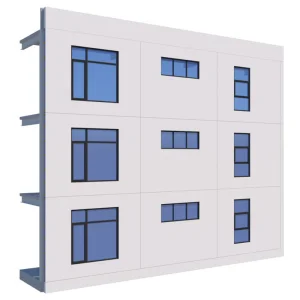
Industrial infrastructure globally is undergoing a transition driven by tightening carbon-emission regulations, rising energy costs, and the urban heat island effect. Modern commercial roofing systems are no longer treated as simple weather-proof barriers; they are dynamic thermal envelopes designed to mitigate HVAC cooling loads. In regions like the Middle East, Southeast Asia, and Central North America, solar radiation can elevate metal and concrete roof surface temperatures to over 80°C. Without high-performance thermal insulation sheets, this radiant energy transfers directly into building interiors, putting stress on building mechanical equipment and escalating operating expenditures.
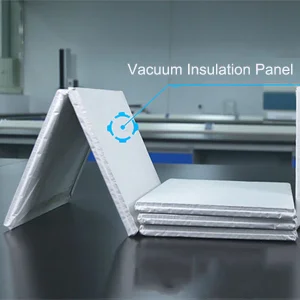
Traditional mass insulation options—such as expanded polystyrene (EPS), extruded polystyrene (XPS), and polyurethane (PU) foams—often require thick layers to achieve targets like the ASHRAE 90.1 or European Union EPBD energy standards. This bulk creates design challenges, increases dead load stresses, and shortens the operational lifespan of roofing components due to thermal cycling. Engineering focus has shifted to thin-profile, high-efficiency vacuum and nanoporous composites. These materials leverage vacuum insulation panel (VIP) science to deliver equivalent thermal resistance at one-tenth the physical thickness of old-school foam alternatives, laying the groundwork for net-zero energy buildings.
2. Deep-Dive Material Science: VIPs vs. Nanoporous Barriers
Understanding heat transfer pathways is vital to selecting the right industrial roof insulation. Heat crosses structural barriers via conduction, convection, and radiation. Traditional foam sheets trap air within pockets to slow conduction, but they remain limited by the thermal conductivity of the trapped gas itself (~0.026 W/(m·K) for dry air).
| Insulation Material Type | Thickness Required (for R-30) | Thermal Conductivity (W/m·K) | Mechanical Density (kg/m³) | Fire Safety Classification |
|---|---|---|---|---|
| Fumed Silica Vacuum Insulation Panel (VIP) | ~20 - 25 mm | 0.004 - 0.006 | 180 - 220 | Class A (Non-combustible core) |
| Fiberglass Core Vacuum Panel (VIP) | ~15 - 20 mm | 0.002 - 0.004 | 240 - 280 | Class A / B1 depending on wrap |
| High-Temp Nano Microporous Sheets | ~30 - 45 mm | 0.016 - 0.020 | 300 - 320 | Class A1 (Ultra-high fire resistance) |
| Polyurethane (PU) Foam Board | ~120 - 150 mm | 0.022 - 0.028 | 35 - 45 | Class B2 / B3 (Combustible) |
| Extruded Polystyrene (XPS) | ~150 - 180 mm | 0.030 - 0.035 | 30 - 40 | Class B2 (Combustible) |
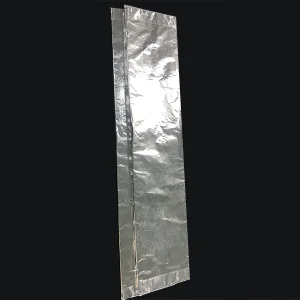
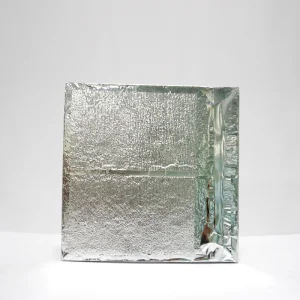
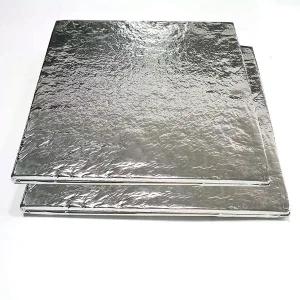
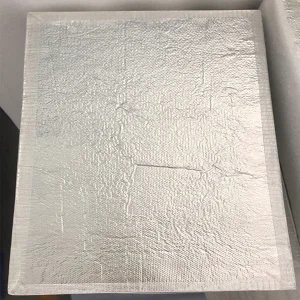
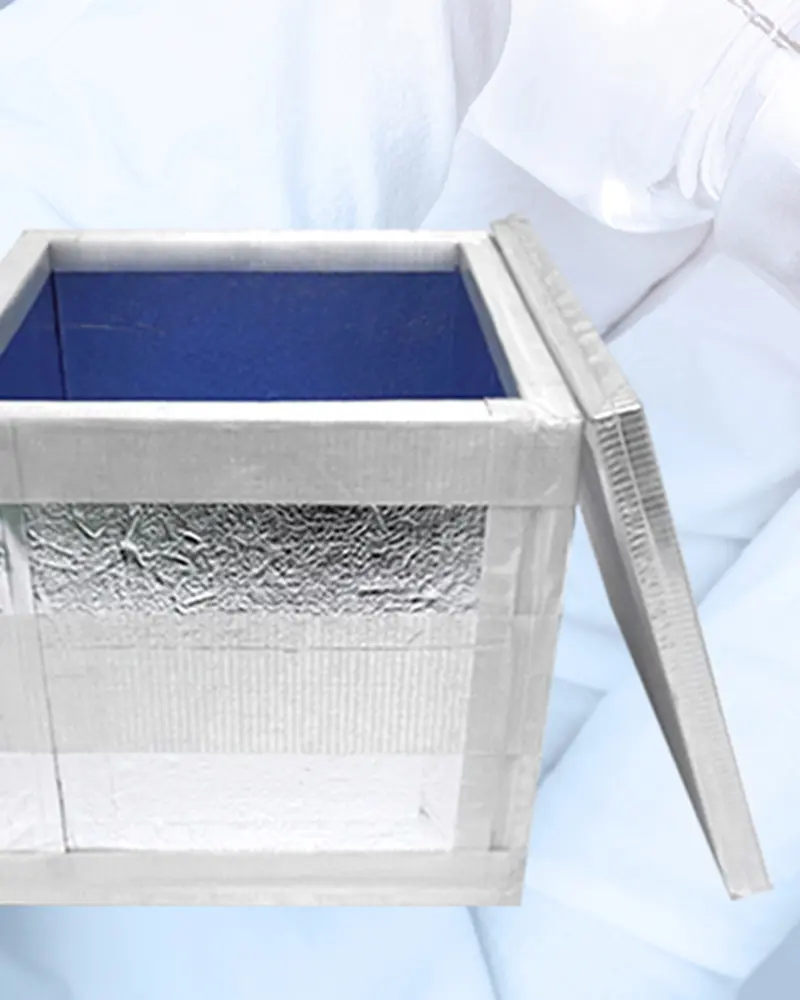
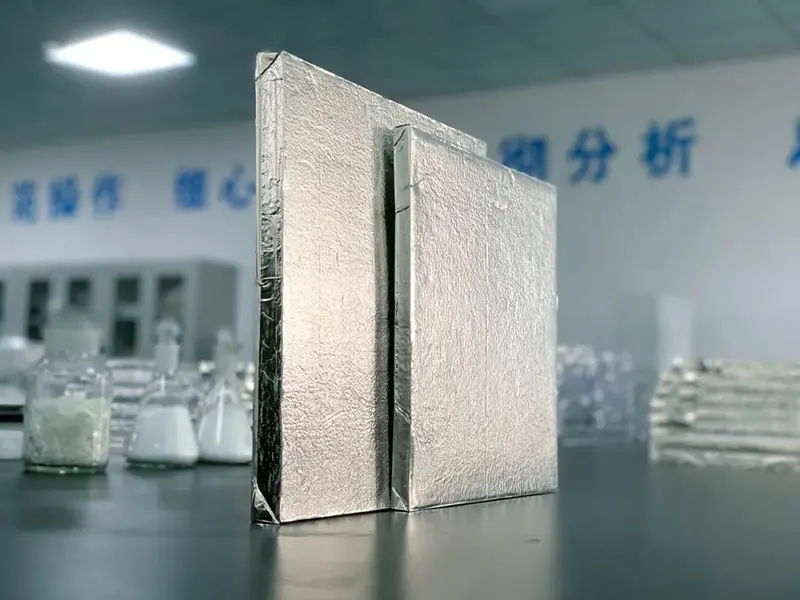
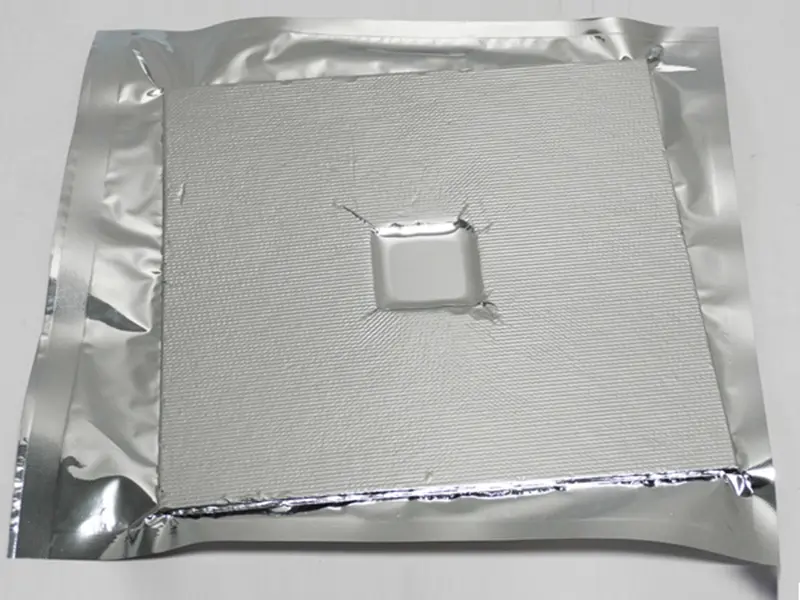
Fumed Silica VIPs: By extracting air from a core of high-purity fumed silica and sealing it in a multi-layered barrier envelope, the thermal conductivity drops below 0.004 W/(m·K). The nanoscale pore size of fumed silica is smaller than the mean free path of nitrogen and oxygen molecules, which restricts gas conduction even if the internal vacuum undergoes slow degradation over decades. Furthermore, the fumed silica core is inherently inorganic and non-combustible, meeting strict high-rise building codes.
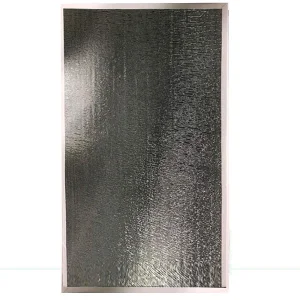
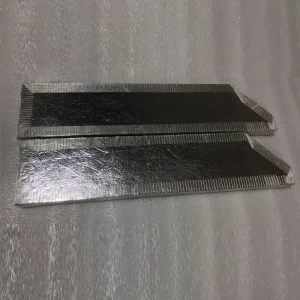
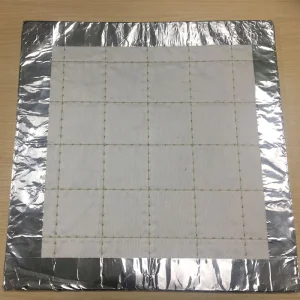
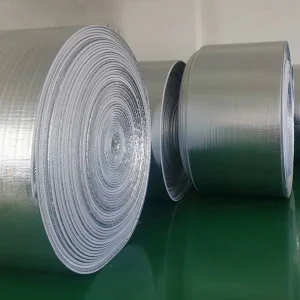
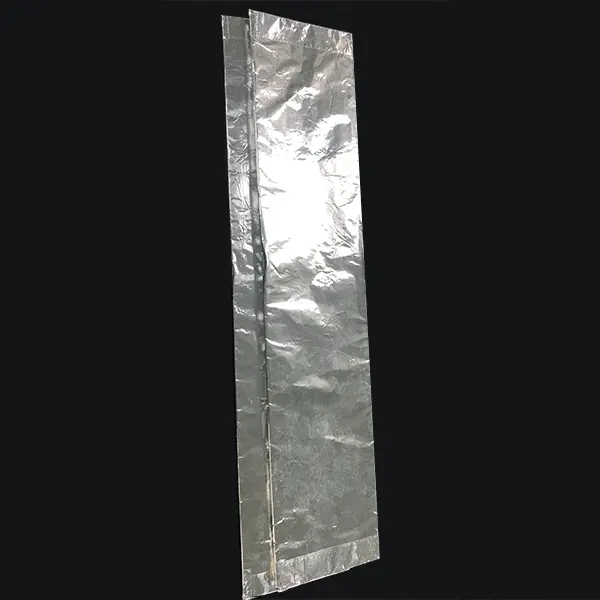
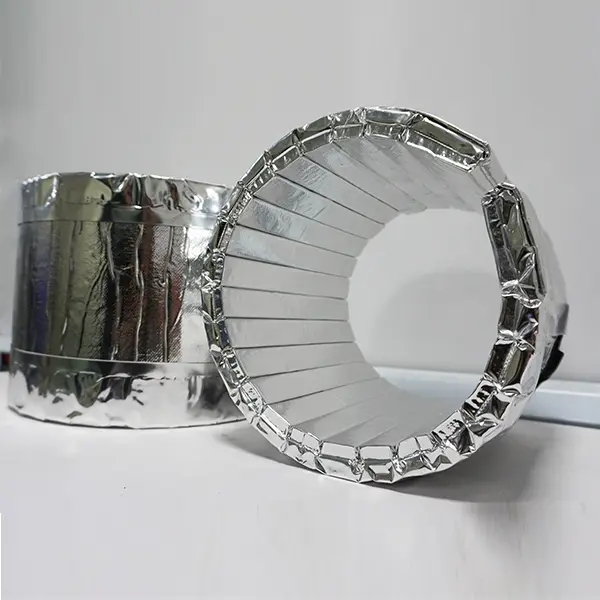
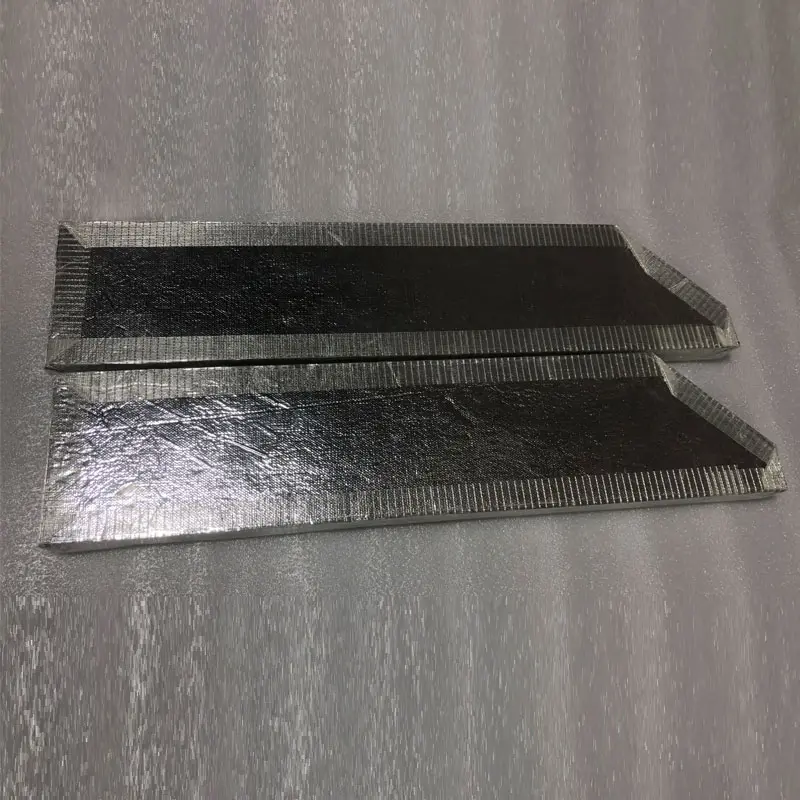
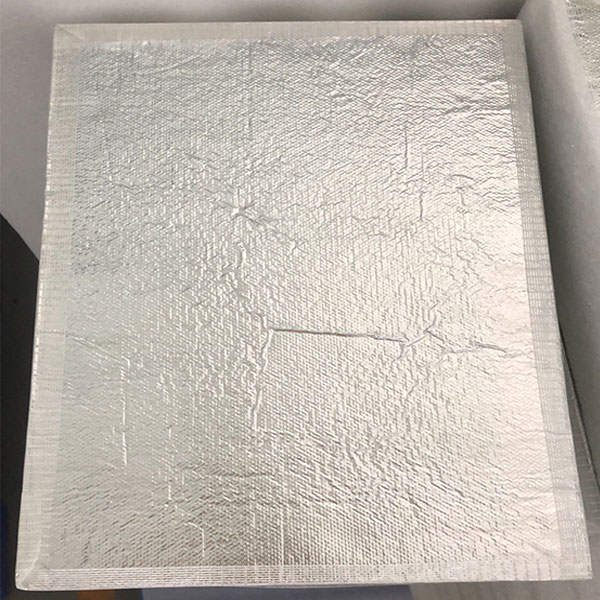
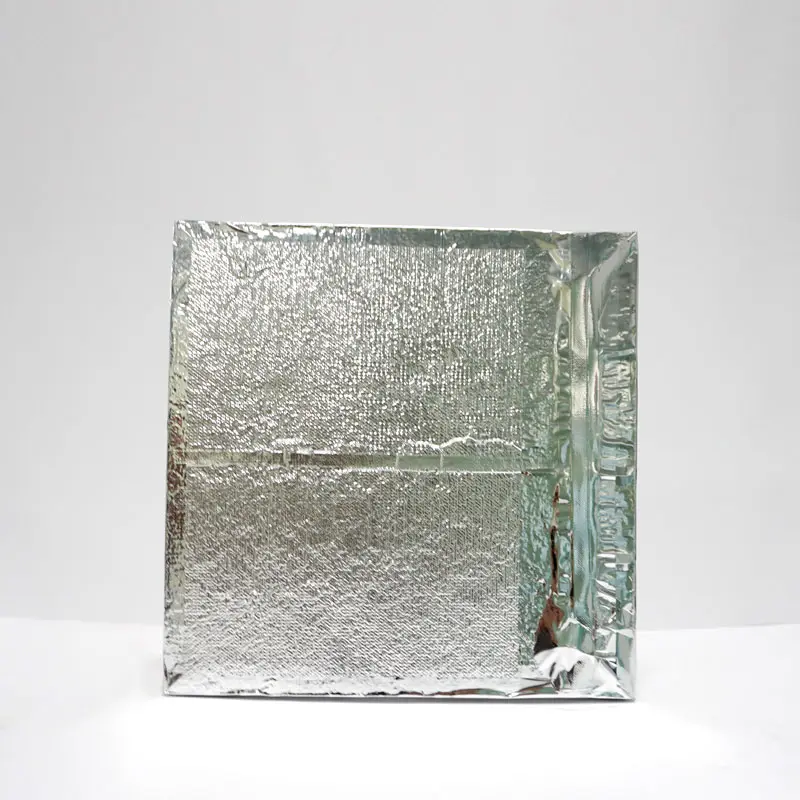
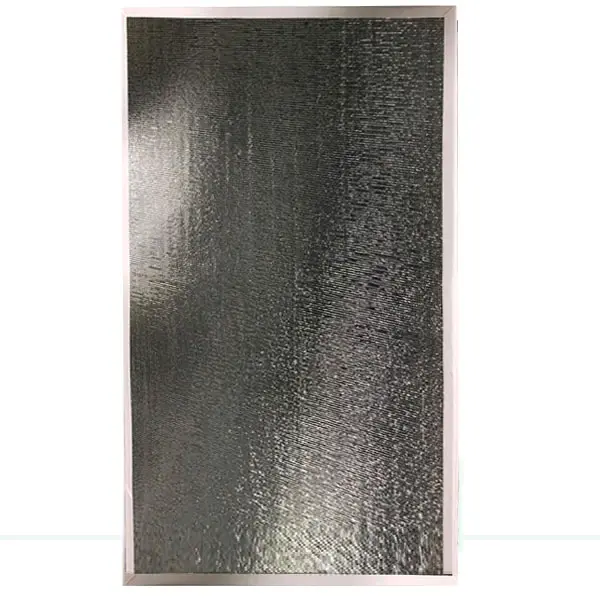
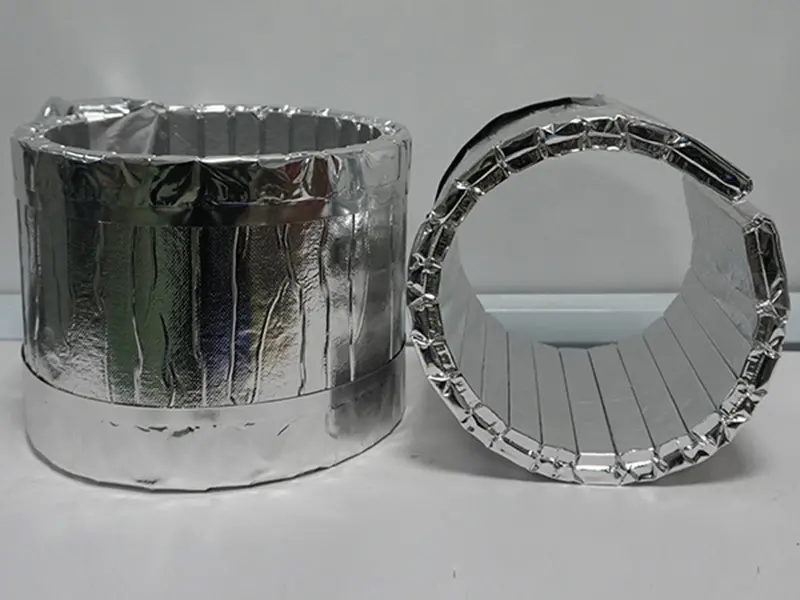
Reflective Radiant Barriers: In hot climates, laminating these core panels with structural-grade aluminum foil reflects up to 97% of solar radiant energy. This combination of vacuum core conduction resistance and foil radiative reflection creates a robust solution for extreme industrial environments.











 +86-15892792306