Custom External Thermal Wall Cladding: Architectural Pricelist & Technical Whitepaper

Next-Generation Vacuum Insulation Panels (VIPs), Advanced Fumed Silica Technologies, and Integrated Cladding Systems for Carbon-Neutral Infrastructure Development

Advanced Solutions Portfolio
Thermal Cladding & Vacuum Insulation Systems

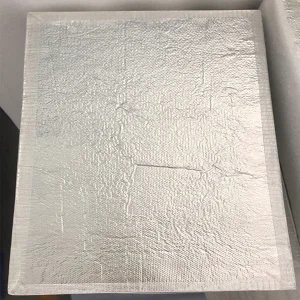
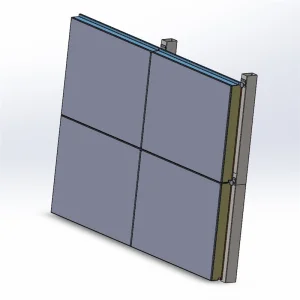
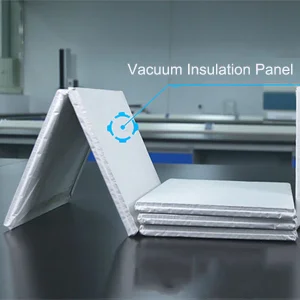
Best Modular thermal insulation decorative wall panel

Best Modular thermal insulation decorative wall panel decorative panel Pricelist, Company

View Details
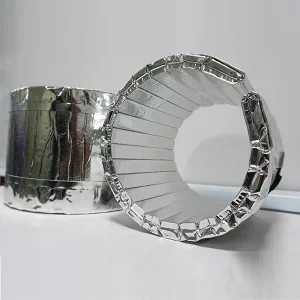
Cheap High Temperature Water Heater Insulation Blanket

Cheap High Temperature Nano Microporous Water Heater Tank Insulation Blanket/ Wrap Factory, Factories

View Details
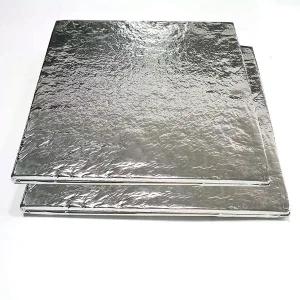
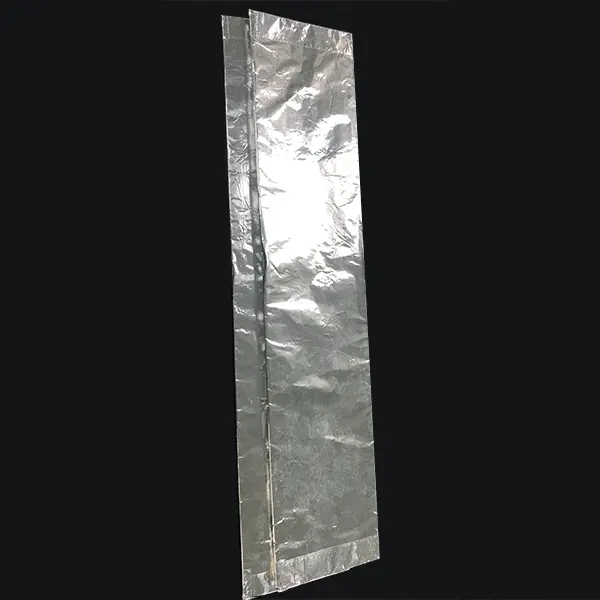
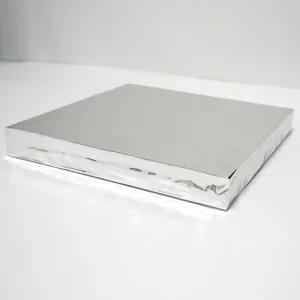
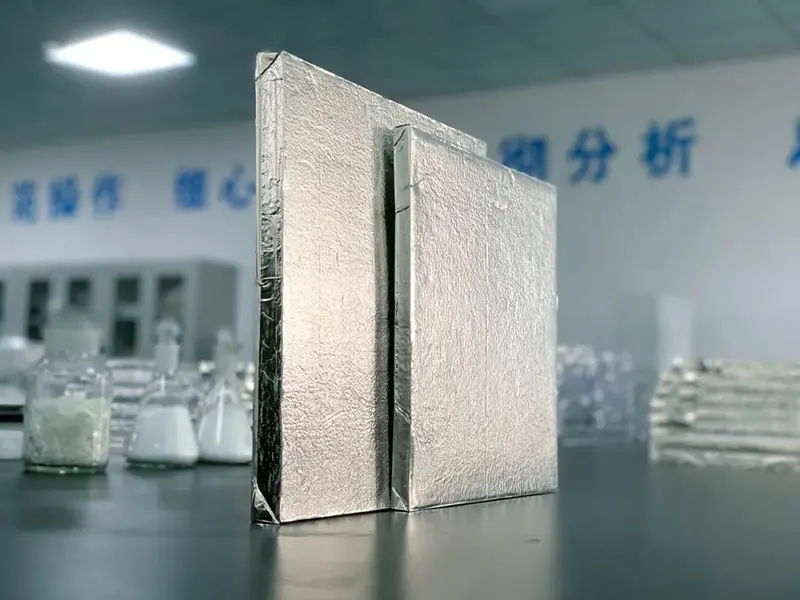
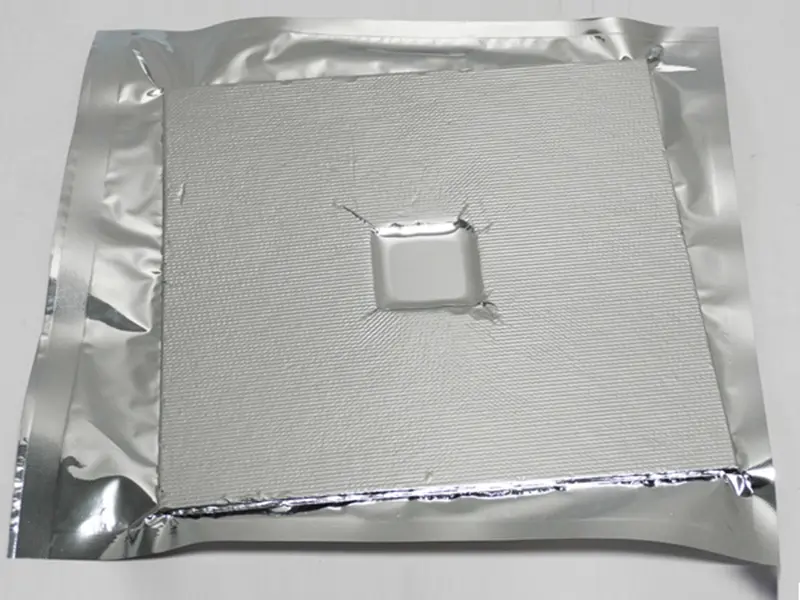
China VIP fumed silica vacuum insulation panel PET film

China Low thermal conductivity VIP fumed silica vacuum insulation panel with PET film Company, Companies

View Details
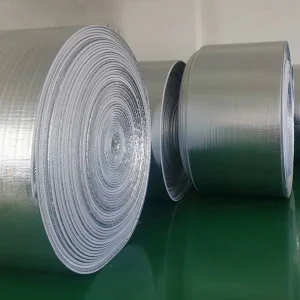
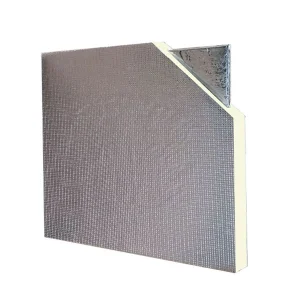
China aluminium foil thermal insulation board

China metal aluminium foil Foam thermal roof heat thermal Insulation Board Roll Factory, Company

View Details
Best vacuum insulation panel for refrigerator or construction

Best Vacuum Insulation Panel (VIPs) Based on Fiberglass Core Material for Refrigerator Freezer or Construction Manufacturers, Factory

View Details
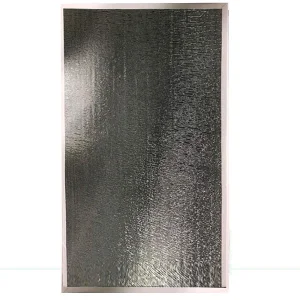
China reinforced vacuum insulation panel

China reinforced vacuum insulation panel Factory, Factories

View Details
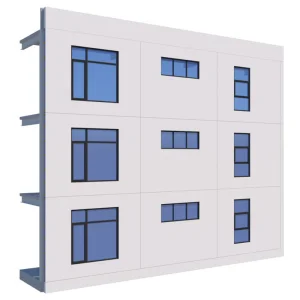
Prefabricated vacuum insulation wall panel

Best Prefabricated vacuum insulation decoration integrated wall panel Pricelist, Companies

View Details
China prefabricated vacuum insulation wall

China Prefabricated unit vacuum insulation wall Manufacturer, Quotes

View Details

Executive Technical Whitepaper: The Evolution of External Thermal Wall Cladding

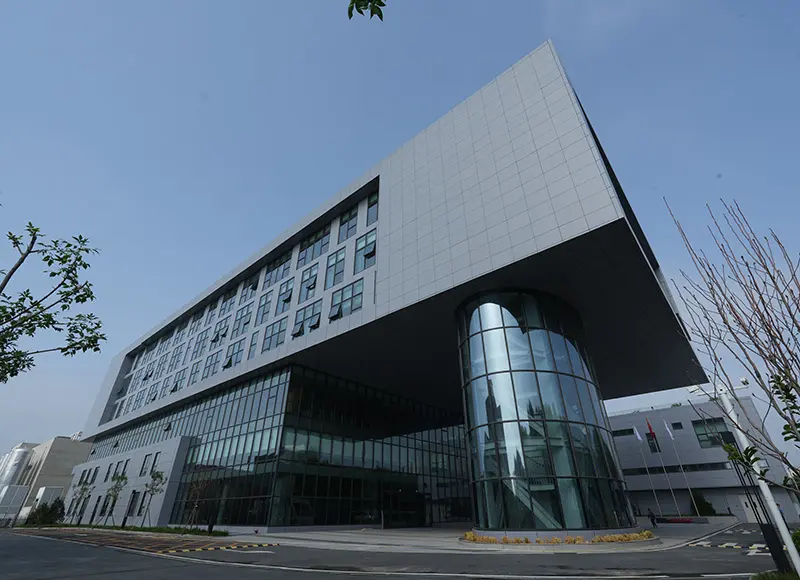
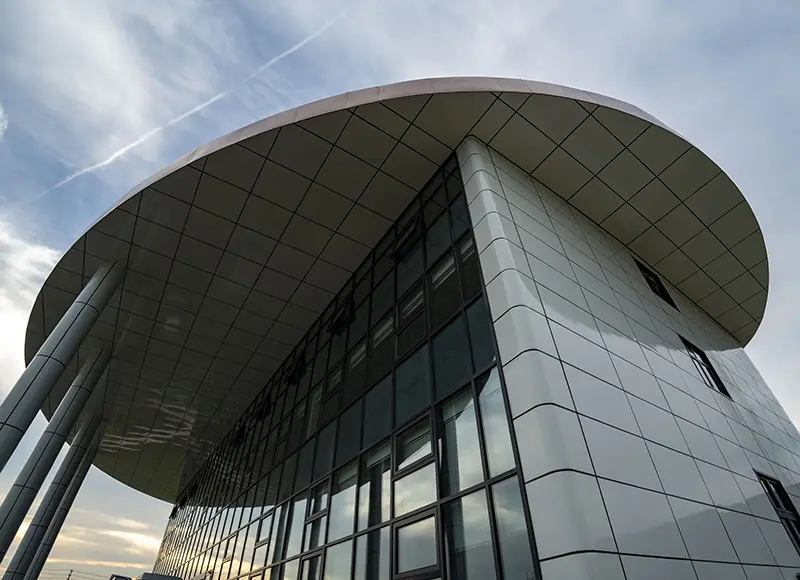
In the contemporary architectural landscape, external thermal wall cladding has evolved from a basic weathering shield into a complex, multi-functional building envelope system. As global municipal codes tighten compliance metrics for heat loss, traditional insulation systems (such as EPS, XPS, and mineral wool) are approaching their physical thermodynamic limits. Achieving Net-Zero Energy Building (NZEB) status requires a paradigm shift toward high-performance materials that offer maximum thermal resistance with minimal thickness.

1. Global Industry Trends and ESG Regulations

Modern building performance regulations are driven by international commitments to carbon reduction, including the European Union's Energy Performance of Buildings Directive (EPBD) and the United States' ASHRAE 90.1 standards. These guidelines demand significant reductions in building envelope thermal transmittance (U-values). As a result, the external cladding sector is prioritizing:

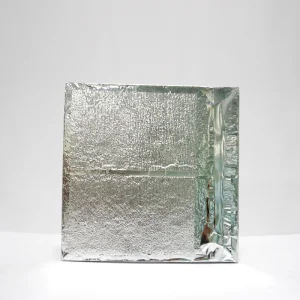
  • Ultra-thin Thermal Barriers: Incorporating Vacuum Insulation Panels (VIPs) using fumed silica core matrices. This achieves thermal conductivity ratings (λ-values) as low as 0.004 W/(m·K), compared to mineral wool's typical 0.035 to 0.040 W/(m·K).
  • Prefabricated Composite Envelopes: Transitioning away from wet-applied site installations. Instead, modern projects utilize factory-prefabricated, unitized thermal cladding panels that combine structure, insulation, and architectural finishes in one component. This mitigates cold bridging and significantly lowers onsite labor costs.
  • Extended Circularity & Life-Cycle Assessment (LCA): Prioritizing sustainable materials. Manufacturers focus on using non-toxic, recyclable core materials like fumed silica and fiberglass, which maintain their R-value over a service life exceeding 50 years.

2. Macro-Industry Solutions: Multi-Sector Applications

Thermal envelope upgrades extend beyond standard commercial and residential buildings. High-performance vacuum insulation technology is essential across various high-value industries:

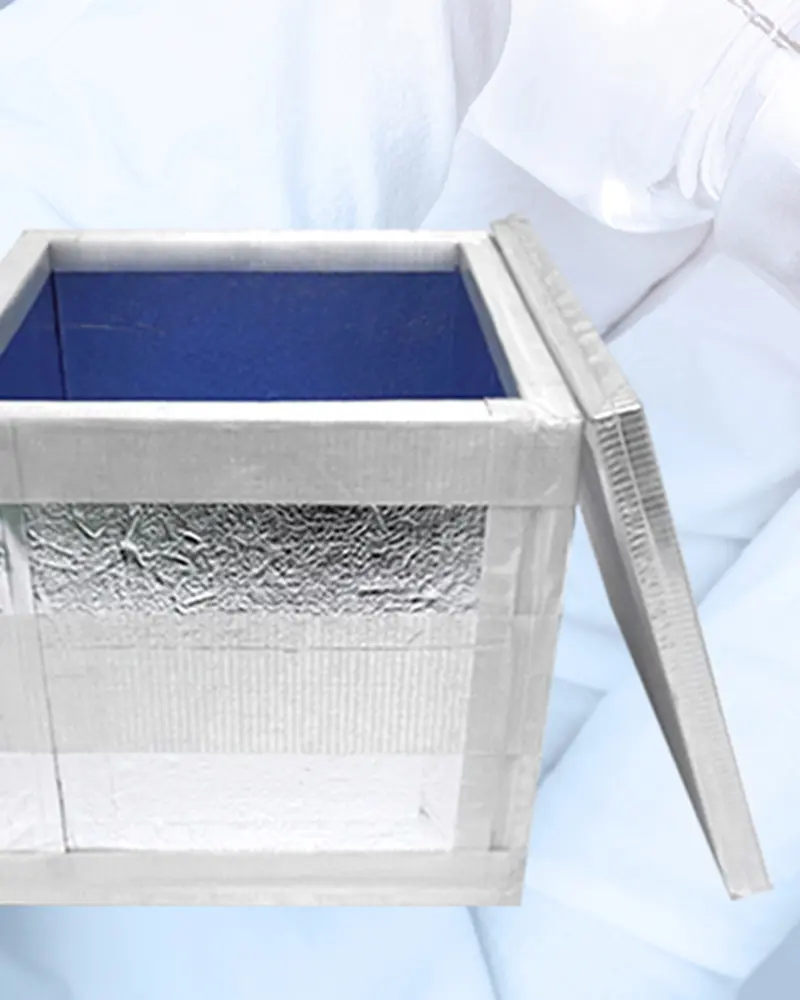
  • Cold Chain Logistics: Delivering thermal stabilization for pharmaceutical shipping, food transport, and temporary cold storage warehouses. This application uses PU-foam-encapsulated VIP panels for high structural strength and thermal protection.
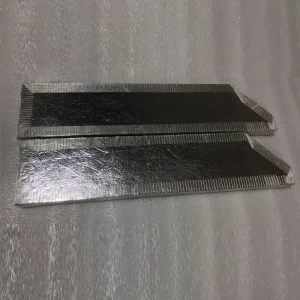
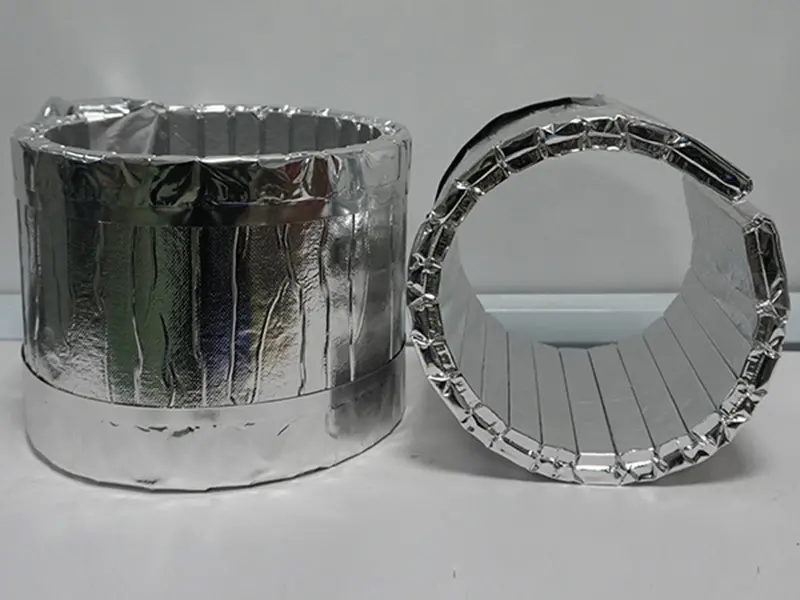
  • High-Temperature Protection: Shielding industrial equipment, pipelines, and elevator fire doors. Microporous nano-materials provide effective heat protection up to 1000°C.
  • New Energy Vehicles (NEVs): Using ultra-thin thermal barriers in battery enclosures to prevent thermal runaway and optimize cell operating temperatures in cold climates.
R&D Engineering Center
330+
Patents & Technologies
Annual Production Capacity
1100+
Completed Projects
Production Bases
3+
Production Bases
Manufacturing Capacity (Sqm)
400k+
Sqm Annual Output

Engineering Flexibility

Customized Services & Specifications

New Energy Vehicles Battery Insulation

New Energy Vehicles Battery Insulatio...

Product Details: Size: Customized Thickness: 5-...

View More +
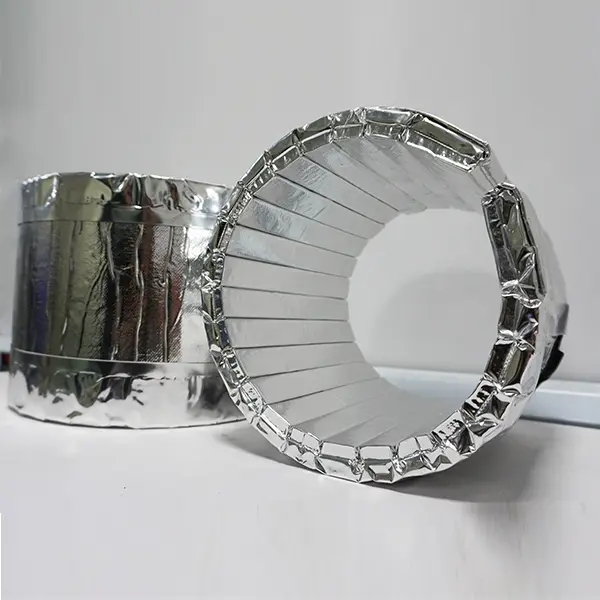
High Temperature Nano Microporous Water Heater

High Temperature Nano Microporous Wat...

Product Details: Size: Customized Thickness: 5...

View More +
High Temperature Nano Microporous Insulation

High Temperature Nano Microporous Ins...

Our elevator fireproof door high temperature na...

View More +
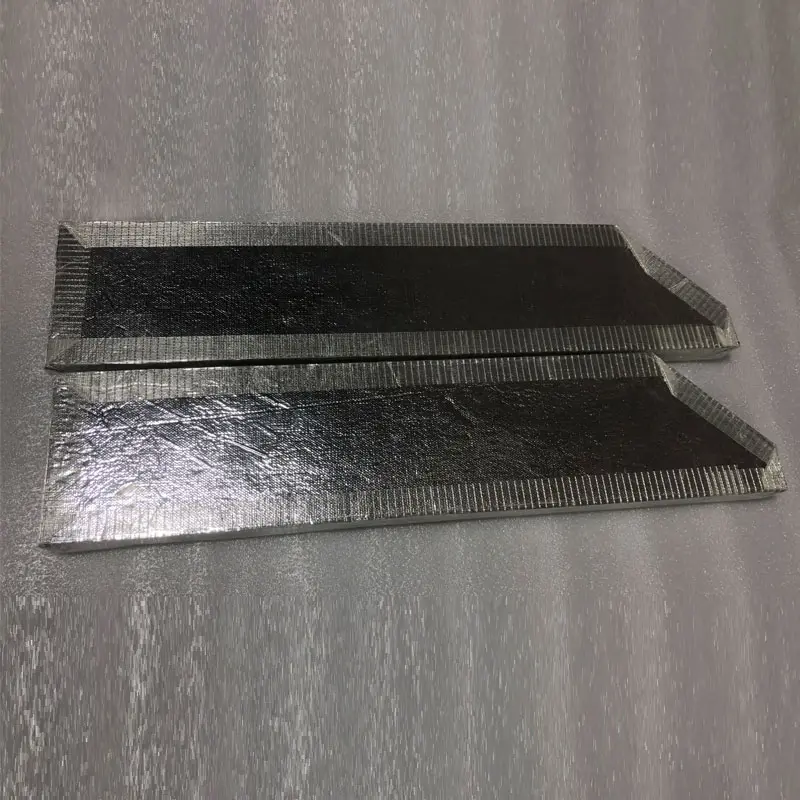
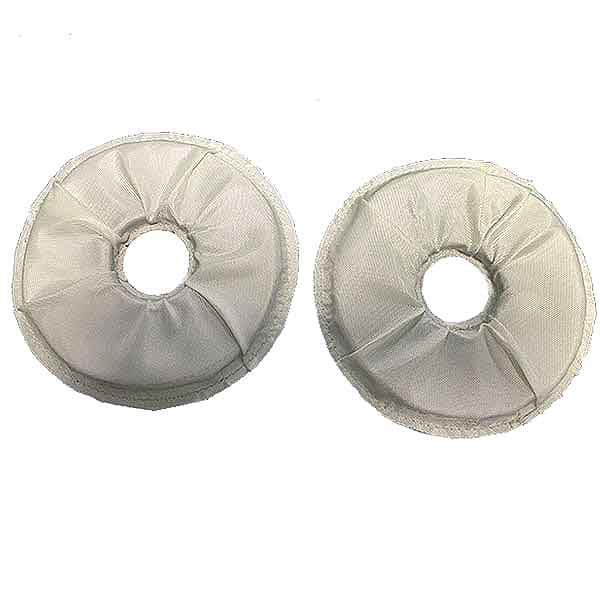
Fumed Silica Special Shaped VIPs

Fumed Silica Special Shaped VIPs Vacu...

Product Features Product Details T...

View More +
Custom Round High temperature Flexible

Custom Round High temperature Flexibl...

Product Specification Product Features Custom R...

View More +
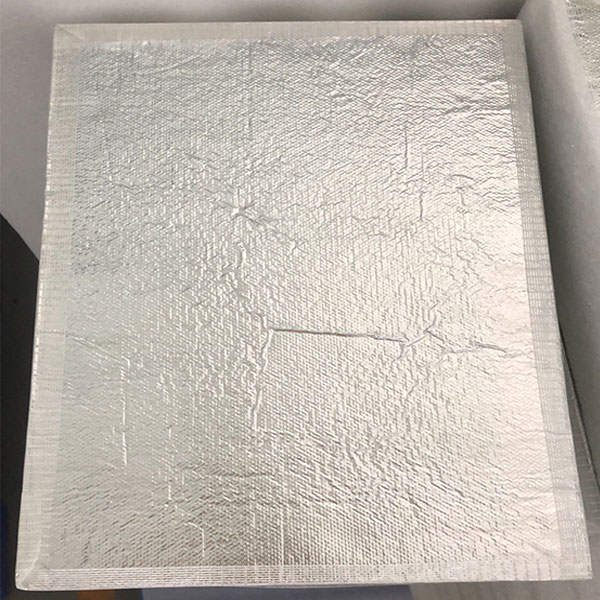
Low thermal conductivity VIP fumed silica

Low thermal conductivity VIP fumed si...

Product Features Size Details Zerothermo vacuu...

View More +
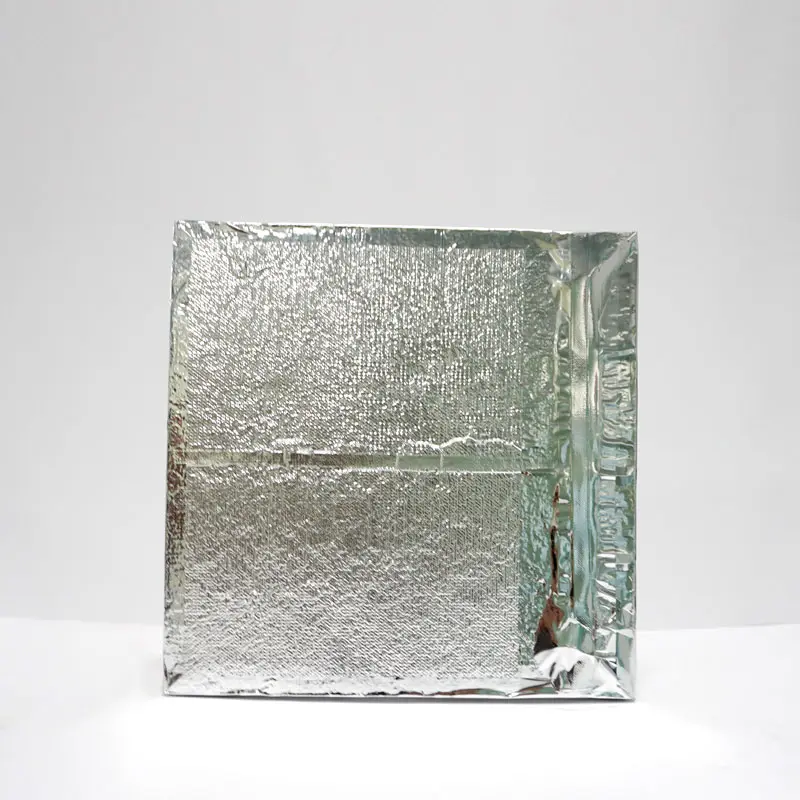
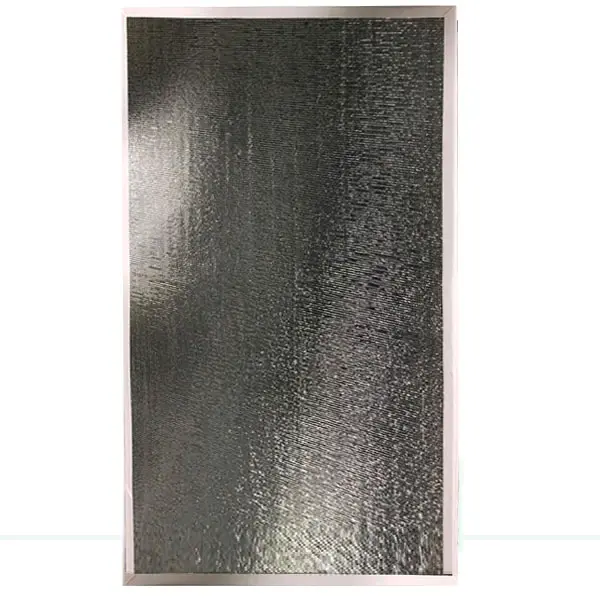
Low Temperature Cold Chain Logistics

Low Temperature Cold Chain Logistics ...

Product Features Vacuum insulation Pan...

View More +
Big or Customized Size fumed silica

Big or Customized Size fumed silica v...

Product Features Product Specification Size ...

View More +

Company Overview

ABOUT US: WHO WE ARE?

Zerothermo Technology Co., Ltd., a subsidiary of CBVAC Group and a national high-tech enterprise, is headquartered in the Beijing Economic-Technological Development Area with its production base located in Nanchong City, Sichuan Province. This facility stands as one of China’s largest comprehensive production centers for vacuum technology application products.

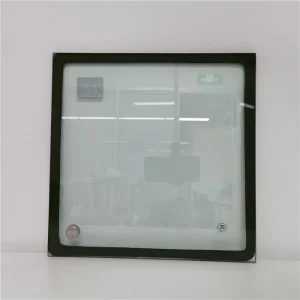
We leverage advanced industrial equipment, cleanroom assembly lines, and precise quality-assurance workflows to deliver high-quality thermal barriers. By integrating core scientific research with lean manufacturing, we supply vacuum insulation panels (VIPs), vacuum insulated glass (VIG), and microporous high-temperature insulation boards to global markets.
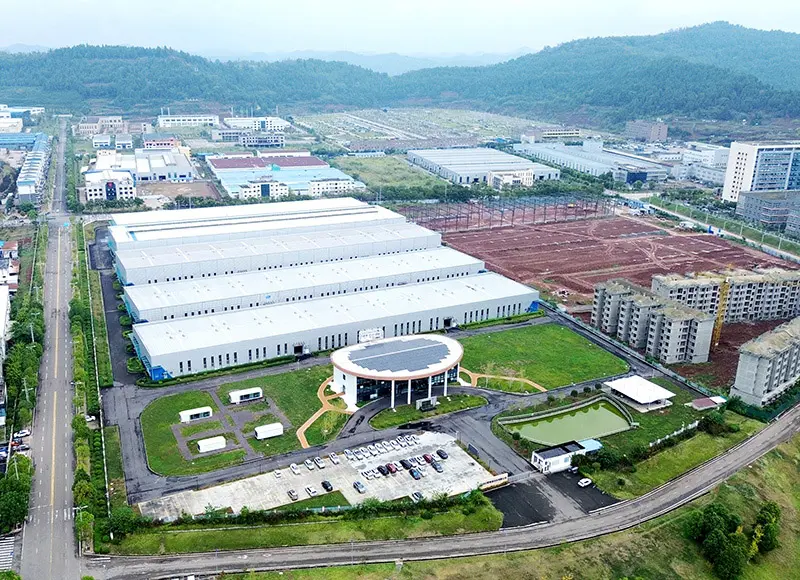
Production Facility Quality Inspection Core Research Lab
Flanges icon

Non-standard flanges

Special sizes (beyond the range of ANSI/ASME/DIN and other standards) are produced according to customers' drawings or technical parameters.

Shaped Flanges icon

Shaped flanges

Square, oval or other special shaped flanges. - Oversize/small diameter: such as diameter over 60 inches or micro precision flanges.

Special Flanges icon

Non-standard flanges

Special sizes (beyond the range of ANSI/ASME/DIN and other standards) are produced according to customers' drawings or technical parameters.

Enterprise Procurement: Key Decision Factors

For architectural planners, developers, and engineering firms, procurement of external thermal wall cladding panels is a long-term capital decision. The selection matrix must balance immediate costs against lifecycle operational savings. Enterprise-grade sourcing relies on several key performance metrics:

Insulation Type Typical Thermal Conductivity (λ) Standard Lifespan Fire Classification Approx. Space Saving
Fumed Silica VIP 0.004 - 0.006 W/(m·K) 50+ Years Class A1 (Non-combustible) Up to 80% thickness reduction
Fiberglass Core VIP 0.002 - 0.004 W/(m·K) 15 - 25 Years Class A2 / B1 Up to 85% thickness reduction
Polyurethane (PU) Foam 0.022 - 0.028 W/(m·K) 30+ Years Class B1 / B2 (Combustible) Standard Base Reference
Mineral Wool 0.035 - 0.040 W/(m·K) 40 Years Class A1 (Non-combustible) Requires 5x - 8x more thickness

Technical Design and Engineering Considerations

Unlike conventional materials, vacuum insulation panels (VIPs) cannot be modified or cut on-site. Therefore, the architectural design process requires precise technical planning:

  • Detailed CAD Shop Drawings: Panel layouts must be planned using CAD configurations. Factory manufacturing produces exact shapes, including corner cutouts, non-standard penetrations, and flange integrations.
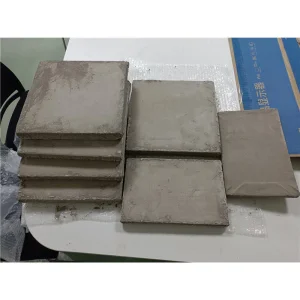
  • Integrated Core Protective Layers: To protect the inner core from mechanical damage during installation, our systems feature robust protective layers. These include structural cement fiberboards, thin fiberglass blankets, and options for anodized aluminum skins.
  • Minimizing Thermal Bridges: Panels are placed using tight, staggered joints. Thermal breaks are incorporated into the structural fixings, utilizing fiber-reinforced plastic anchors rather than through-fastened metal screws.

Technical Roadmap and Future Outlook

The industry's technical development points toward hybrid insulation systems. Future solutions aim to integrate phase change materials (PCMs) directly with vacuum core matrices. This combination allows for both high thermal resistance and passive heat storage, helping buildings adapt to fluctuating daily temperatures.

Additionally, developments in vacuum indicator technologies will allow for automated panel inspections. Handheld magnetic sensors will enable inspectors to verify internal pressure and vacuum integrity without opening the wall cavity.

Core Technology Advantages

Our Core Competitiveness

01
Quality Standards Icon

World-Class Quality

Unparalleled Standards across ISO 9001 and CE certifications, ensuring compliance with international codes.

02
Customization Icon

Custom-Tailored Solutions

Swift Execution of custom sizes, shapes, and complex panel configurations designed for specific project needs.

03
Scalable Production Icon

Scalable Production

Uncompromised Quality delivered at scale through automated lines and high-capacity manufacturing centers.

04
Logistics Icon

Streamlined Logistics

Global Reach with secure, shock-monitored packaging to ensure panels arrive with vacuum integrity intact.

05
Trust Icon

Trusted Partner

Long-Term Technical support, lifetime design assistance, and comprehensive warranty coverage.

Solutions

Industry Applications

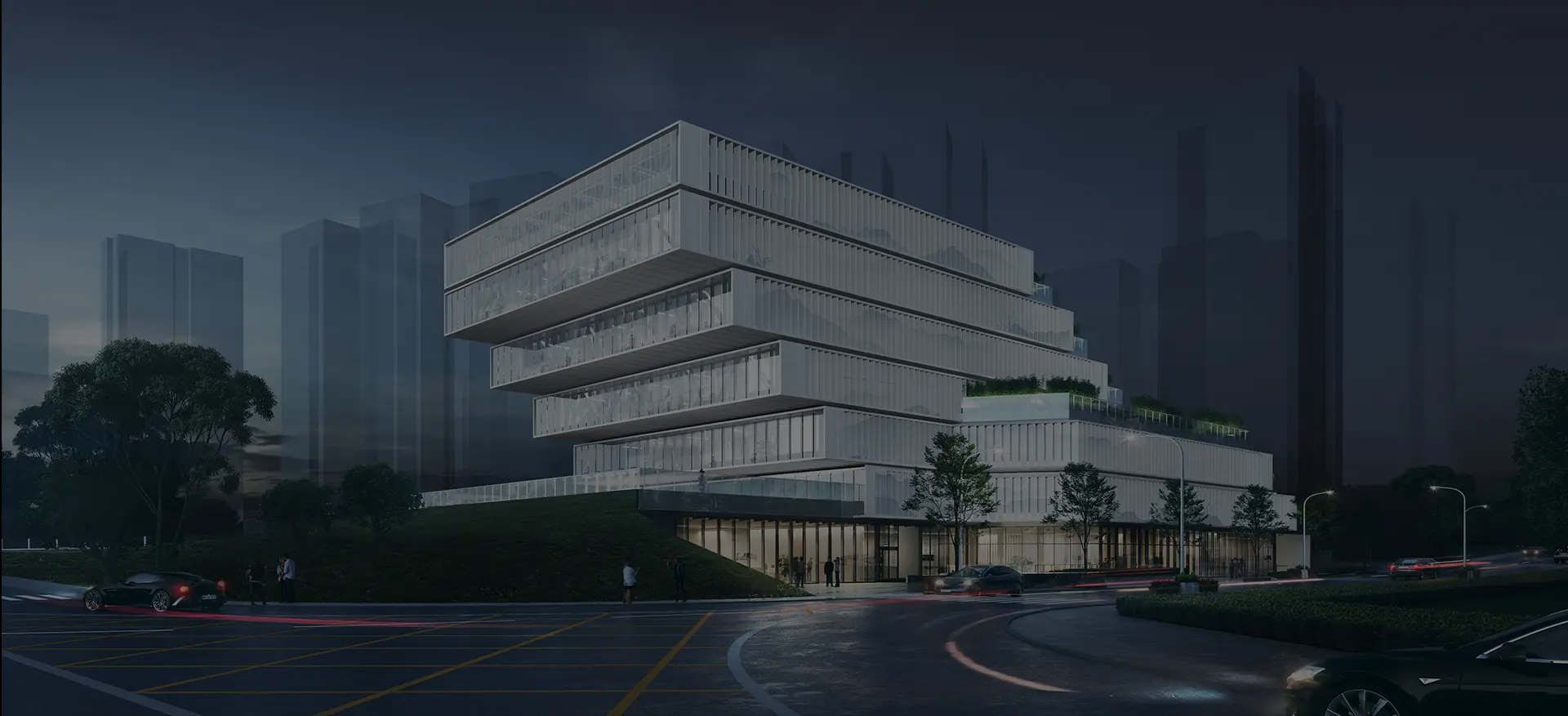
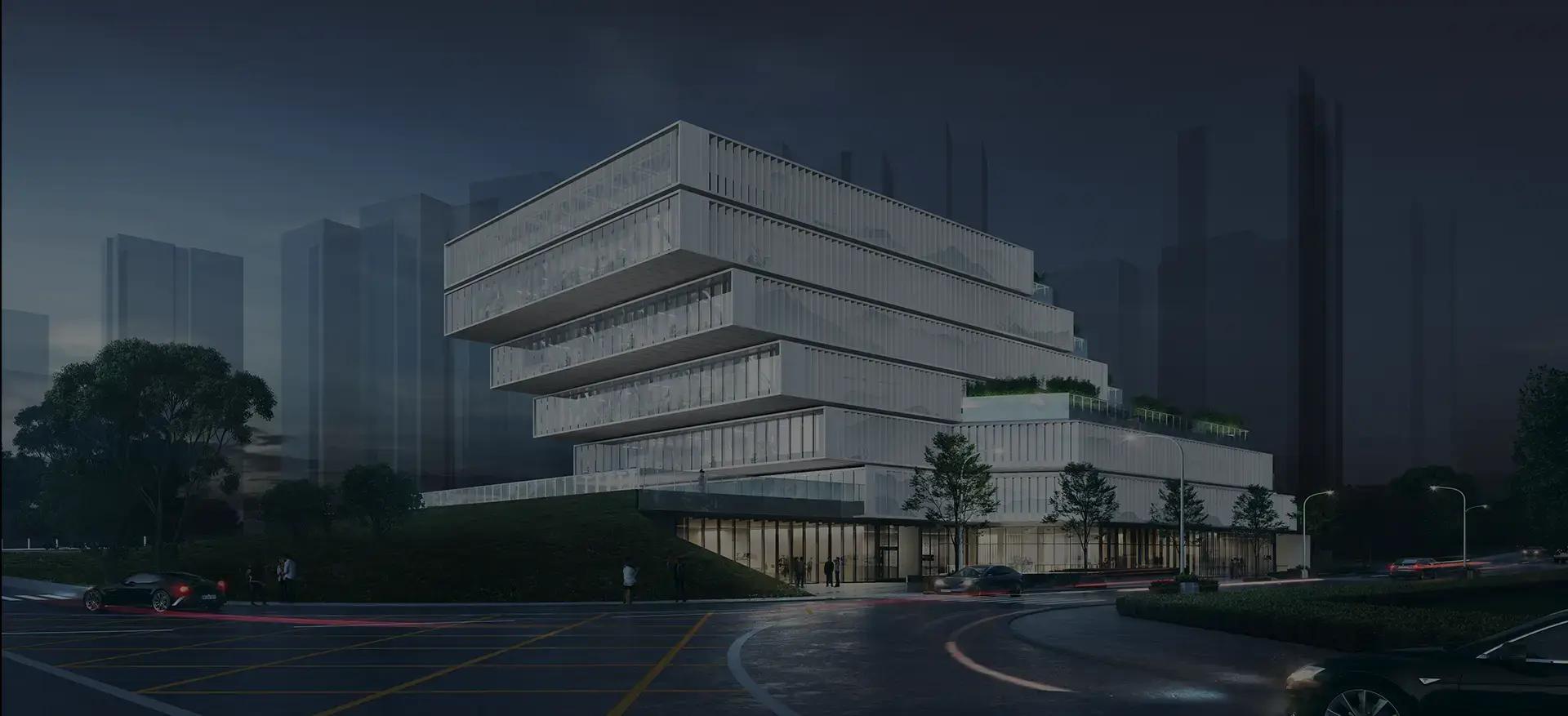
We offer high-efficiency thermal insulation solutions for building envelope systems and industrial setups. Our vacuum insulation panels and insulated glass support construction and logistics projects in reducing energy consumption and carbon emissions.
Partner Logo 1 Partner Logo 2 Partner Logo 3 Partner Logo 4
Cold Chain Icon

Pharmaceutical Cold Chain

Architecture Icon

Architecture

High Temp Industry Icon

High-Temperature Industry

Culture and Tourism Icon

Culture and Tourism

Frequently Asked Questions

Technical & Commercial FAQ

Q1: Can Vacuum Insulation Panels (VIPs) be cut or modified during onsite installation?
No. The core structure is under high vacuum encapsulated by an air-tight barrier foil. Cutting, drilling, or nailing panels punctures this barrier, raising internal pressure to atmospheric levels and reducing thermal performance to that of conventional core materials. All shapes and dimensions must be customized and fabricated in the factory.
Q2: What is the service life of fumed silica vacuum cladding panels in exterior walls?
Fumed silica core VIPs are designed for a service life exceeding 50 years. The structure of fumed silica resists moisture-induced degradation, maintaining its thermal resistance over time.
Q3: How are thermal cladding prices structured for large projects?
Pricing is calculated per square meter and depends on required panel thickness, shape complexity, structural backing materials (such as cement-fiber boards), and total volume. Standard rectangular profiles are the most cost-effective, while custom cutouts, curved panels, and small-batch orders require specialized setup. Contact our technical sales team for a detailed project quotation.
Q4: How do vacuum insulation panels compare to mineral wool regarding fire safety?
Our fumed silica VIPs are composed of inorganic, non-combustible silica cores and meet Class A fire safety ratings. This makes them suitable for use in high-rise buildings and fire-rated external cladding assemblies.
Q5: How is cold bridging prevented at the joints between VIP panels?
We use offset double-layer panel configurations or specialized foam sealing strips at joints to maintain continuity in the insulation layer. Fastening anchors are also designed with low-thermal-conductivity polymers instead of direct metal paths.

Get in Touch

Contact Us for Solutions

One-Stop VIP Solutions

Reach out to Zerothermo Technology for technical specifications, product pricing, and tailored design assistance for your project.

  • Social 1
  • Social 2
  • Social 3
  • Social 4

Extended Product Range

Related Vacuum & Thermal Products

Best High temperature insulation nano mats

Best High temperature insulation material-flexible nano thermal insulation mat Manufacturers, Company

View Details
Cheap thermal wall vacuum insulated panel

Cheap Building heat shield materials thermal wall vacuum insulated panel Factories, Companies

View Details
China PU foam VIP insulation panels

China PU Foam Vacuum Insulation Panels VIPs Insulated Panels for Cold Chain Box Cooler Box Pricelist, Quotes

View Details
China fumed silica vacuum insulation panel manufacturers

China Big or Customized Size fumed silica vacuum insulation panel for cooler container Manufacturers, Quotes

View Details
Custom high temperature nano microporous panel

Custom High Temperature Nano Microporous Panel Pricelist, Companies

View Details
Tempered vacuum insulated glass manufacturer

Cheap Tempered vacuum Insulated glass Manufacturer, Quotes

View Details
China cold chain logistics fumed silica insulation panel

China Low Temperature Cold Chain Logistics Fumed Silica Vacuum Insulation Panel Company, Companies

View Details
China fumed silica VIPs vacuum insulation panel

China Fumed Silica Special Shaped VIPs Vacuum Insulation Panel with PET Film Factory, Companies

View Details