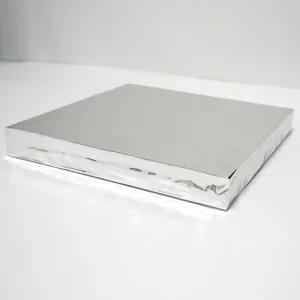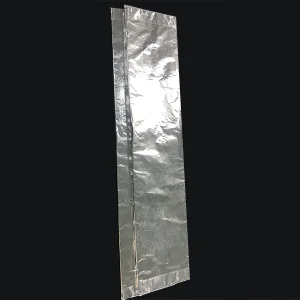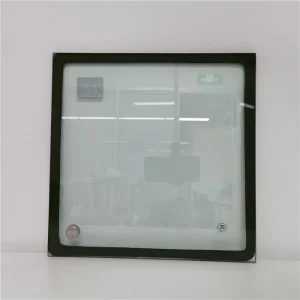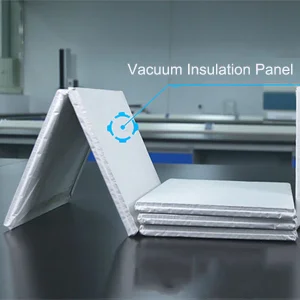
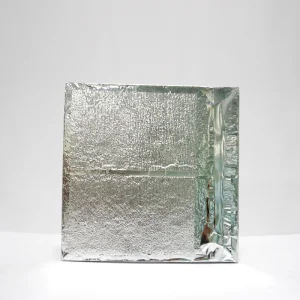
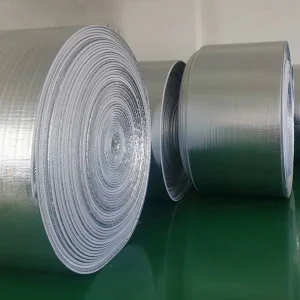
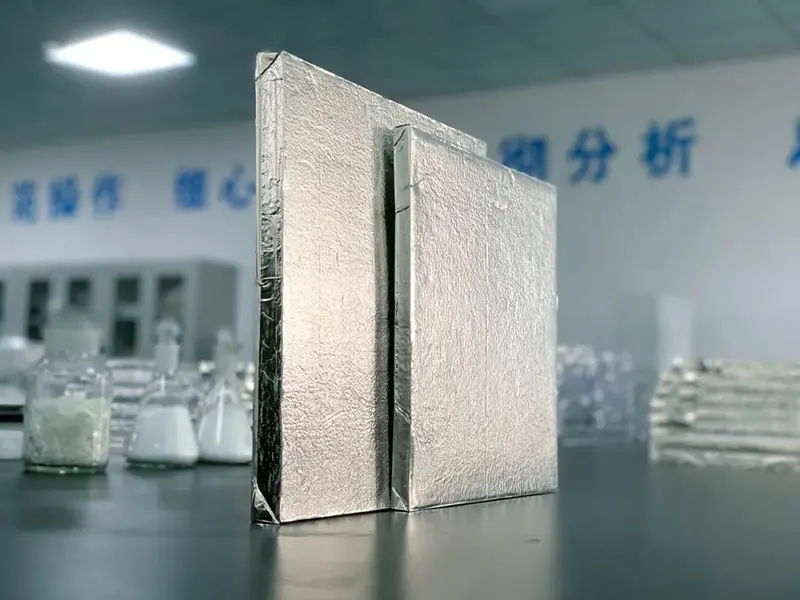
Engineered core materials wrapped in multi-layer barrier systems, providing R-values up to five times higher than traditional polyisocyanurate or extruded polystyrene panels.
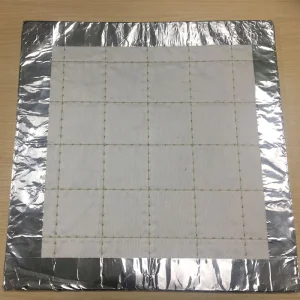
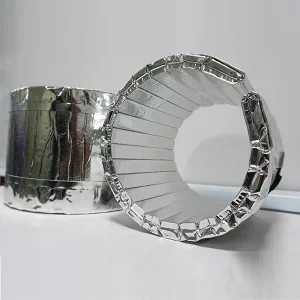
 330+
R&D Specialists & Staff
330+
R&D Specialists & Staff
 1100+
Production Area (Acres)
1100+
Production Area (Acres)
 3+
Global R&D Centers
3+
Global R&D Centers
 400,000㎡
Annual VIP Output
400,000㎡
Annual VIP Output
The global construction sector is undergoing a profound paradigm shift. Driven by stringent environmental policies, including the European Union's Energy Performance of Buildings Directive (EPBD) and the United States' ASHRAE 90.1 energy standards, structural thermal efficiency is no longer an optional upgrade—it is a regulatory mandate. Conventional insulation materials like expanded polystyrene (EPS), extruded polystyrene (XPS), and polyurethane (PU) foam are rapidly reaching their physical performance limits. To meet the Net-Zero Energy Building (NZEB) and Passive House requirements, traditional designs require excessively thick insulation walls (often exceeding 200mm), which compromises interior floor area, alters building aesthetics, and increases structural loads.
This challenge has propelled the adoption of Vacuum Insulation Panels (VIPs) and Nano-Microporous thermal barriers. By utilizing the Knudsen effect—where the pore size of the core material is smaller than the mean free path of gas molecules—VIPs reduce gas-phase heat transfer to near zero. A VIP panel measuring just 20mm to 30mm thick can achieve equivalent thermal resistance to a 150mm thick conventional insulation panel. As a result, global procurement is pivoting toward customized exterior wall insulation systems that integrate architectural versatility with advanced thermal performance.
Below is a comparative breakdown of key material properties, highlighting the performance advantages of fumed silica-based vacuum insulation panels against conventional insulation media.
| Insulation Material | Thermal Conductivity (λ - W/m·K) | Typical Thickness for R-20 (mm) | Fire Safety Rating (EN 13501) | Service Life Expectancy |
|---|---|---|---|---|
| Fumed Silica VIPs (Zerothermo) | 0.0045 - 0.0055 | 20 - 25 mm | Class A (Non-combustible core) | 50+ Years |
| Fiberglass Core VIPs | 0.0025 - 0.0035 (Initial) | 15 - 20 mm | Class A | 15 - 20 Years (Rapid degradation) |
| Polyurethane (PU) Foam | 0.022 - 0.028 | 110 - 140 mm | Class B / C (Combustible) | 15 - 25 Years |
| Extruded Polystyrene (XPS) | 0.030 - 0.035 | 150 - 180 mm | Class E (Highly combustible) | 20 - 30 Years |
| Mineral Stone Wool | 0.035 - 0.040 | 180 - 200 mm | Class A1 | 30 - 40 Years |
Modern building developers, facade engineering companies, and cold storage logistics operators face multi-layered challenges. In urban high-rise developments, every millimeter of wall thickness directly correlates to leaseable floor area. Standard commercial exterior insulation systems reduce valuable interior square footage. Furthermore, post-grenfell fire regulations globally demand non-combustible exterior cladding envelopes.
Industrial procurement officers demand:
Explore our bespoke customization portfolio, engineered to meet the stringent design criteria of specialized industrial, automotive, and architectural applications.
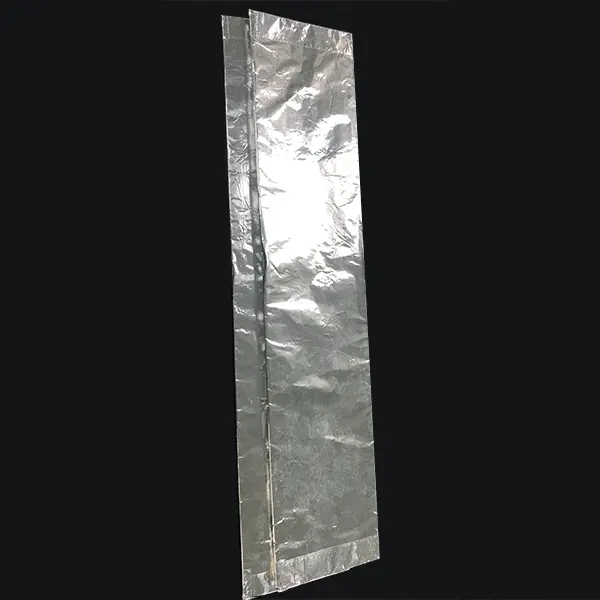
Product Details: Size: Customized Thickness: 5-...
View Details +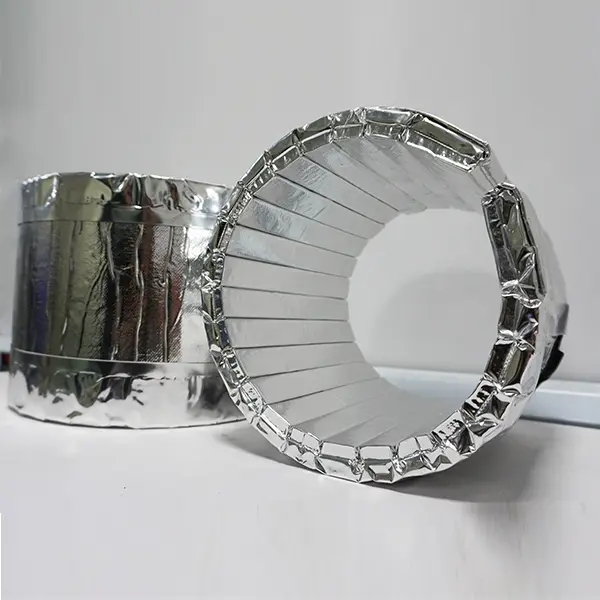
Product Details: Size: Customized Thickness: 5...
View Details +
Our elevator fireproof door high temperature na...
View Details +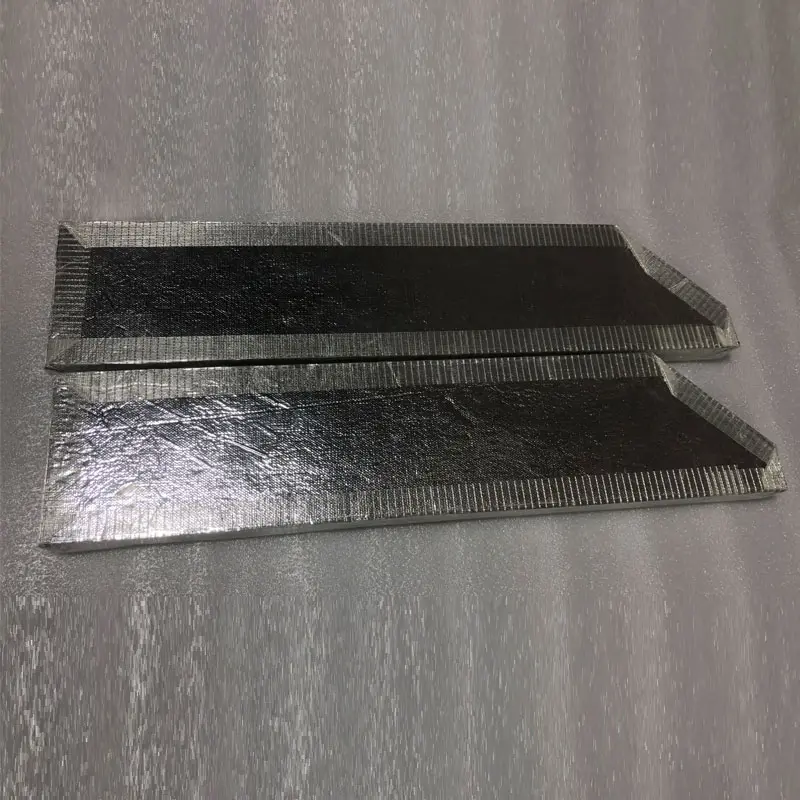
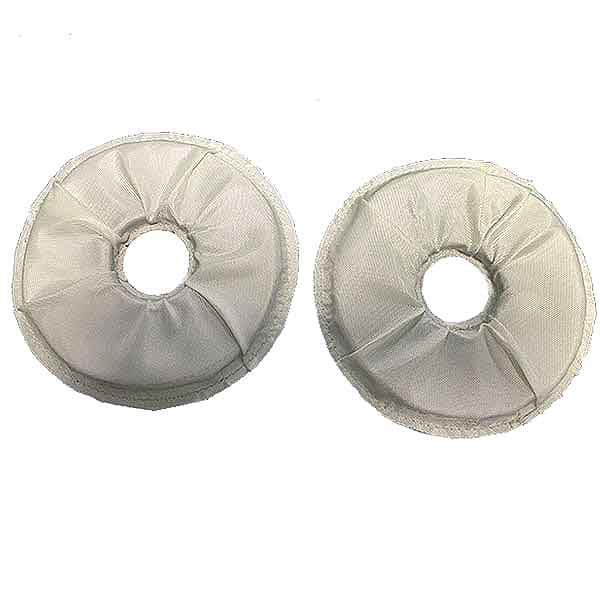
Product Specification Product Features Custom R...
View Details +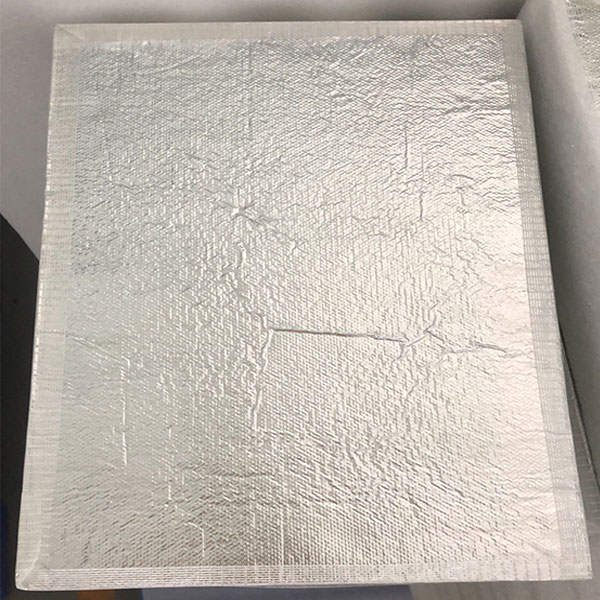
Product Features Size Details Zerothermo vacuu...
View Details +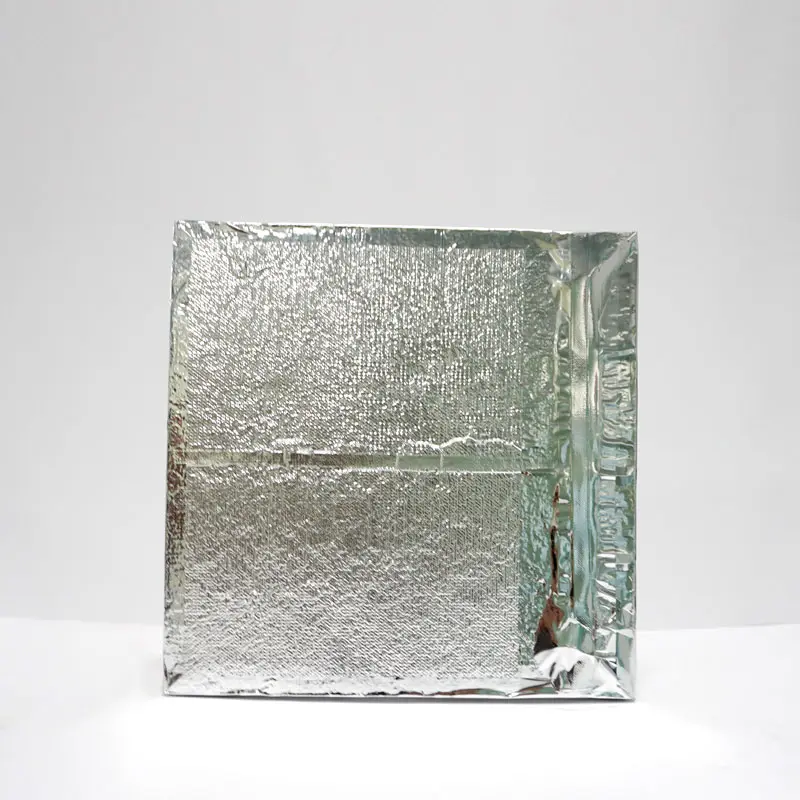
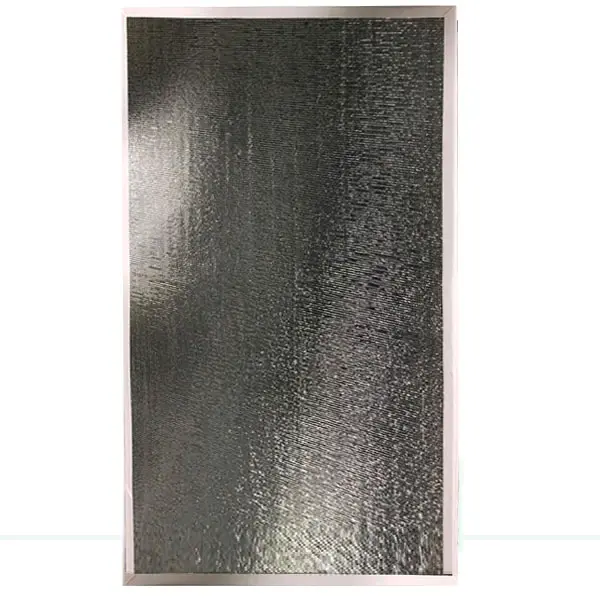
Product Features Product Specification Size ...
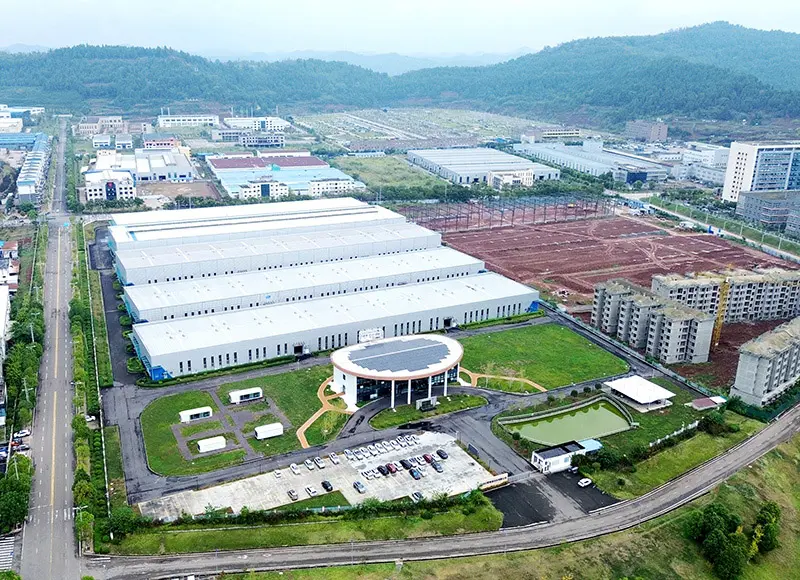
View Details +Zerothermo Technology Co., Ltd., a subsidiary of the distinguished CBVAC Group, is a national high-tech enterprise at the forefront of vacuum technology applications. Our primary production base, situated in Nanchong City, Sichuan Province, stands as one of China's largest and most technologically advanced manufacturing facilities for vacuum insulation products.
We combine academic research with advanced manufacturing processes to deliver high-performance thermal insulation solutions. By using premium raw materials and automated manufacturing, Zerothermo ensures each VIP maintains its thermal integrity for decades.

Special sizes (beyond the range of ANSI/ASME/DIN and other standards) are produced according to customers' drawings or technical parameters.

Square, oval, or other custom-designed flanges. Includes oversized or micro-precision variations (diameter exceeding 60 inches down to micro-scale).

Bespoke vacuum interface fittings designed to preserve vacuum longevity across diverse high-performance envelope assemblies.


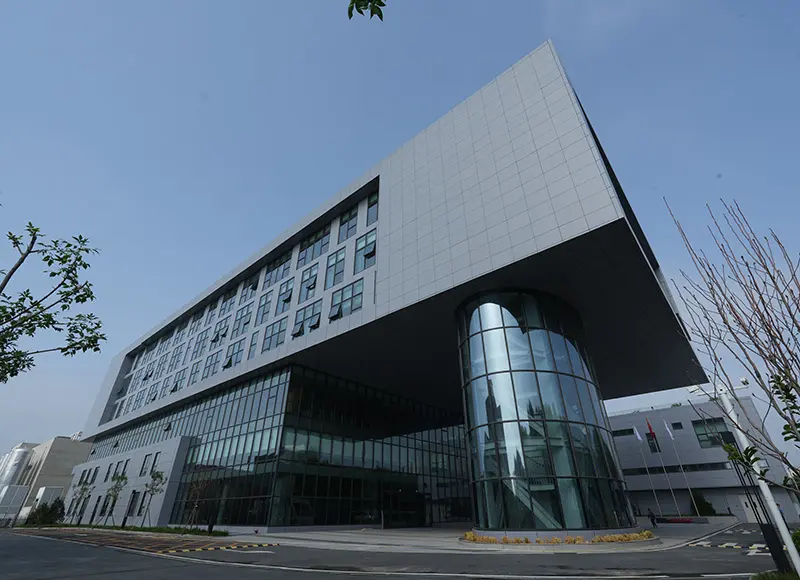
Delivering high thermal efficiency through advanced vacuum technology, automated manufacturing, and a robust global supply chain.


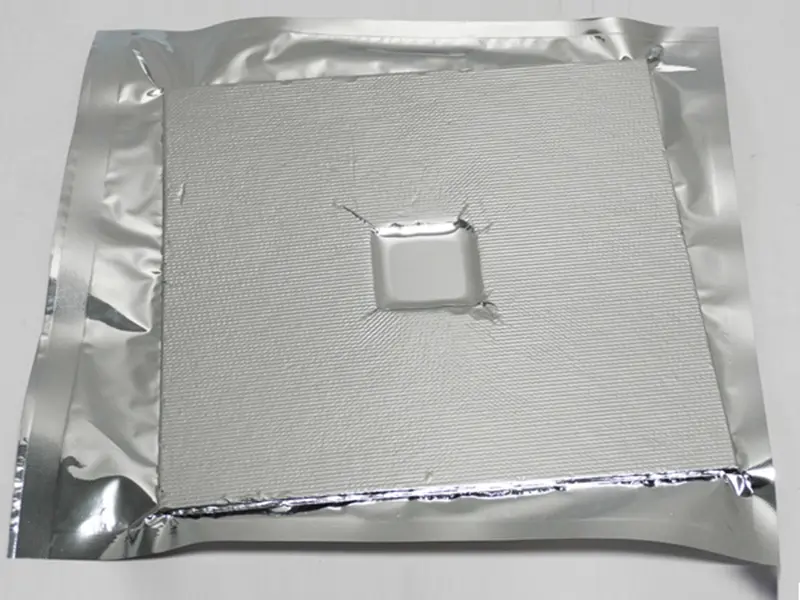
The manufacturing of Vacuum Insulation Panels demands absolute precision. A micro-leak in the barrier envelope can compromise the internal vacuum pressure over time, leading to thermal degradation. Zerothermo Technology leverages CBVAC Group's extensive vacuum engineering expertise to build a robust, vertically integrated production line at our Nanchong facility.
Our Industry 4.0 smart factory integrates advanced automation and process control:
This automated production line reduces manual handling errors and scales up production capacity to meet large global architectural orders. Backed by a direct supply of raw materials and optimized logistics networks, Zerothermo offers cost-competitive, high-performance thermal barriers with consistent quality control.
Our high-performance thermal barrier solutions are deployed across multiple critical industries, ensuring energy efficiency and thermal control.


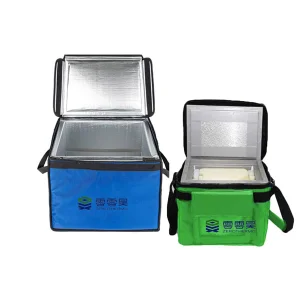
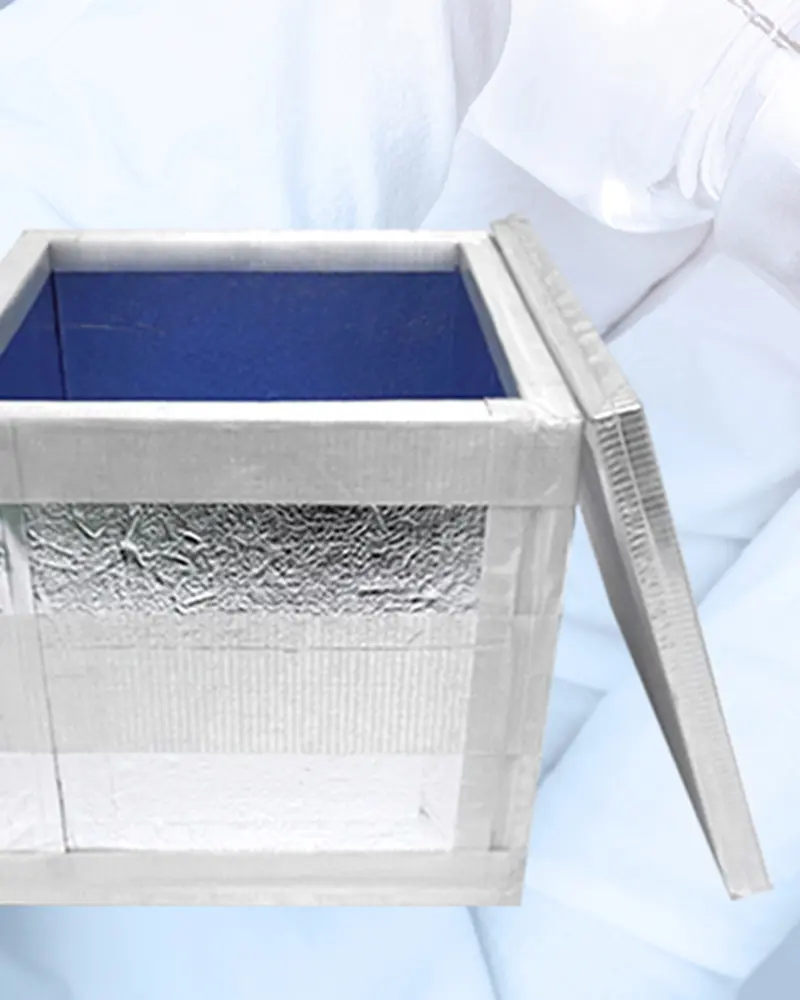
Providing high-efficiency thermal insulation solutions for cold boxes, vaccine shippers, and refrigerated containers to maintain stable temperatures.

Delivering high-efficiency thermal insulation solutions for building envelopes through vacuum insulation panels and insulated glass, helping reduce operational energy footprints.

Engineered nano-microporous thermal barriers designed for industrial furnaces, water heaters, and high-temperature process pipelines.

Specialized modular cabin units and mobile thermal envelopes customized to withstand severe outdoor climates and preserve interior thermal comfort.
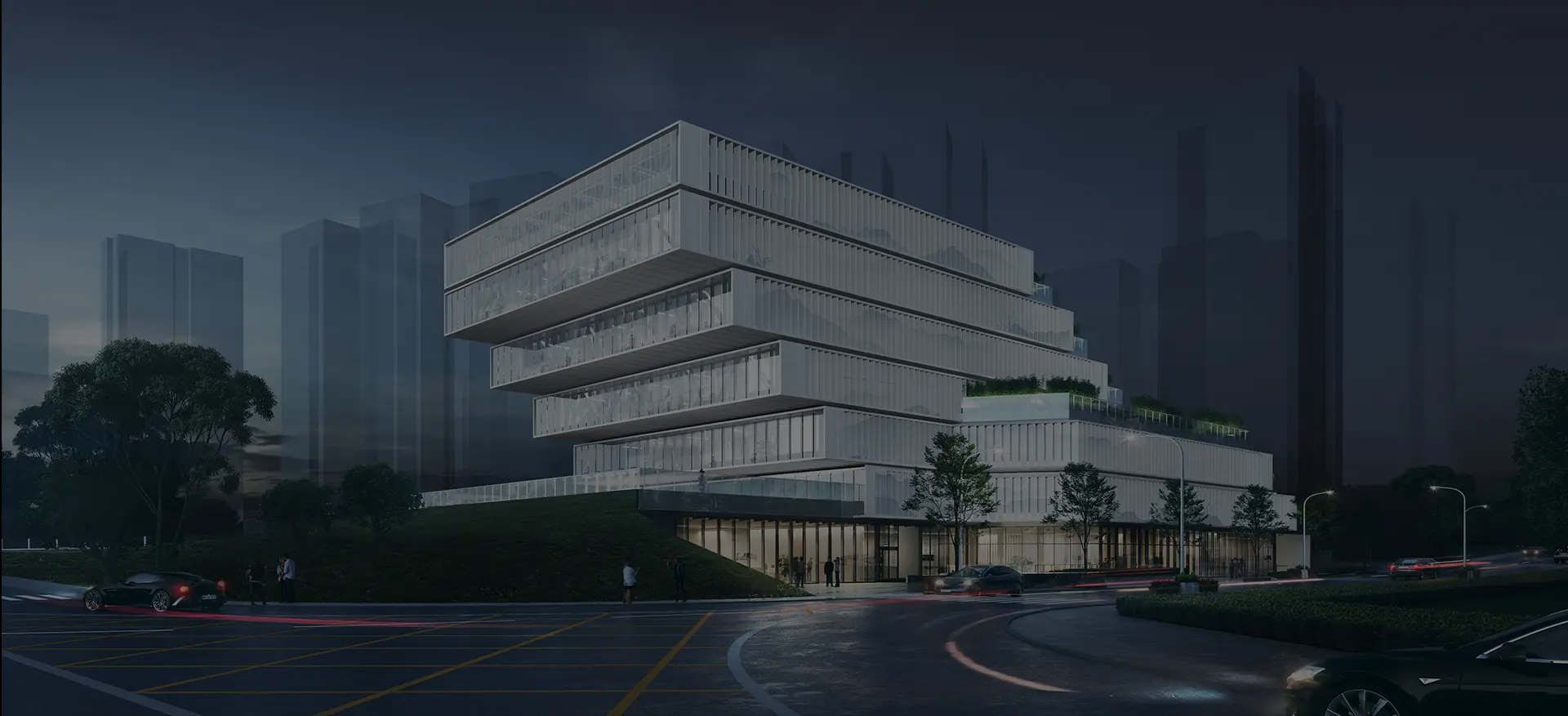
Explore some of our structural applications demonstrating long-term stability and high performance.



Committed to supporting China's "dual-carbon" goals, Zerothermo Technology drives high-quality development of new quality productivity while promoting sustainable industrial advancement.
We provide comprehensive design support, thermal calculations, and custom sizing options. Submit your inquiry below to connect with our engineering team.


Technical guidance regarding the integration, longevity, thermal performance, and installation of Vacuum Insulation Panels (VIPs) in exterior envelope configurations.

From advanced vacuum insulated glass units to high-temperature nano-microporous blankets, our product range meets a wide variety of industrial and architectural needs.


 +86 15892792306