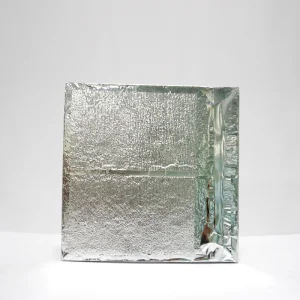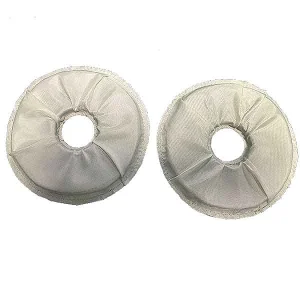
Engineered core barrier models optimized for cold-chain, logistics, and high-performance architectural envelopes.
Understanding the micro-mechanisms that enable a thermal conductivity of less than 0.004 W/(m·K).
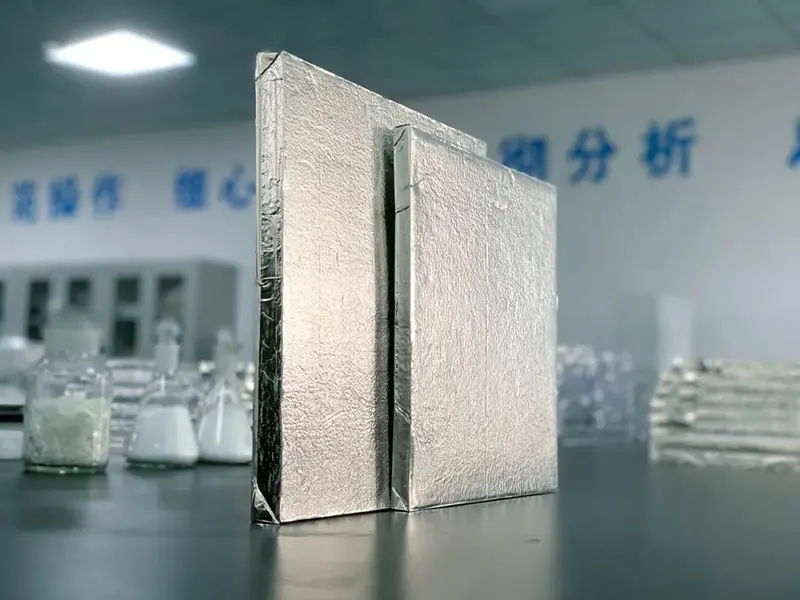
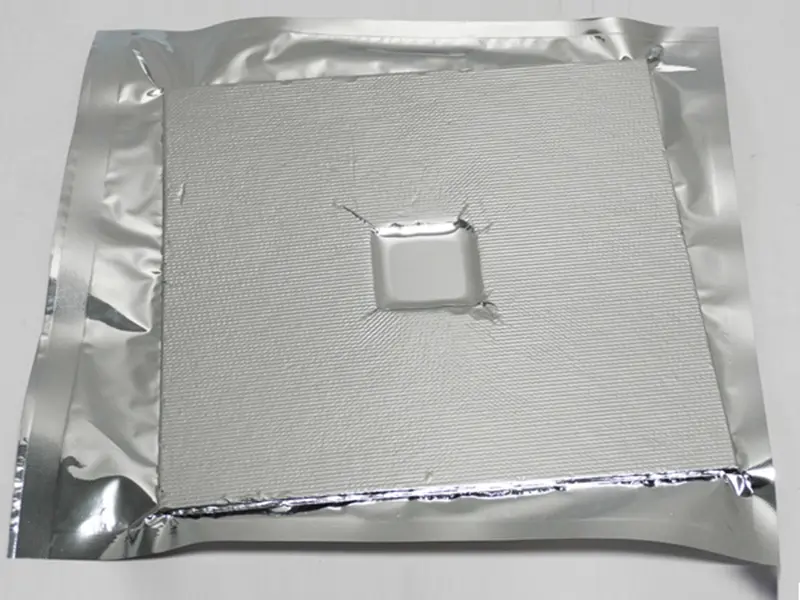
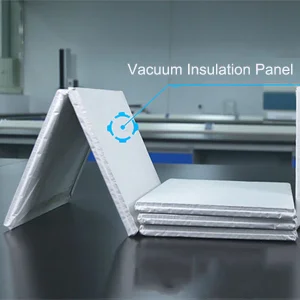
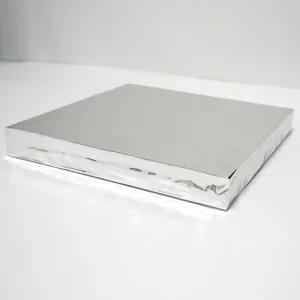
Vacuum Insulation Panels (VIPs) represent the absolute zenith of industrial thermal barrier engineering. In space-restricted applications where traditional insulators like Polyurethane (PU), expanded polystyrene (EPS), or rockwool fail to meet energy conservation codes, a 20mm vacuum insulation panel delivers equivalent or superior performance. To contextualize this: a 20mm fumed silica VIP achieves a thermal resistance (R-value) that would otherwise require approximately 150mm of mineral wool or 100mm of rigid polyurethane foam, saving up to 80% of valuable footprint volume.
Thermal energy transfers through porous solids via three pathways: solid-skeleton conduction, gas-phase convection/conduction, and radiative heat transfer. At atmospheric pressure, gas molecules within standard insulation pores collide frequently, transferring kinetic energy. However, by leveraging the Knudsen Effect, if the pore size of the core material is designed to be smaller than the mean free path of gas molecules (approximately 70nm for air at standard temperature and pressure), gas-phase conduction is effectively eliminated. Fumed silica cores feature micropores ranging from 10 to 50nm. When combined with vacuum extraction, the thermal conductivity falls below 0.004 W/(m·K).
While thinner panels (e.g., 5mm to 10mm) are useful for small appliances or flexible battery blankets, they are highly susceptible to perimeter heat bypass (thermal bridging) and minor mechanical punctures. Conversely, panels thicker than 30mm can present manufacturing limits concerning core pressing density and uniform vacuum levels. The 20mm specification represents the absolute sweet spot. It provides robust mechanical structural integrity, structural strength for architectural integration, and minimizes edge-effect heat loss relative to total surface area.
The technological battle between Fumed Silica and Fiberglass cores, and their impact on service life.
Industrial procurement agents frequently overlook the core composition of VIPs, focusing solely on initial pricing quotes. However, the choice of core material directly dictates the degradation curve (aging factor) of the vacuum panel. As a premier high-tech enterprise, Zerothermo Technology Co., Ltd. (a subsidiary of the CBVAC Group) focuses on fumed silica cores to provide maximum lifespan and thermal security.
Fiberglass-cored VIPs offer low initial thermal conductivity (often around 0.002 W/mK when freshly manufactured). However, their larger pore structure requires a high vacuum level (< 1 mbar) to maintain performance. Any moisture ingress or outgassing from the envelope material dramatically degrades their thermal capability, often within 5 to 10 years.
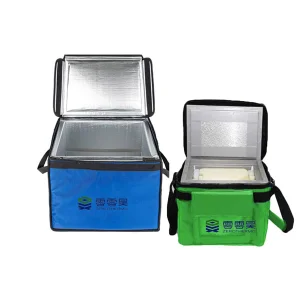
In contrast, fumed silica cores are highly stable. Fumed silica contains a natural desiccant and possesses an incredibly fine pore structure, meaning it can maintain a low thermal conductivity of 0.005 W/mK even at internal pressures up to 100 mbar. This structural tolerance yields an expected service life of up to 50 years in temperature-regulated architectural environments, making fumed silica the standard for high-performance buildings, vaccine shipping boxes, and industrial infrastructure.
Explore customized dimension modifications and envelope barrier film treatments tailored to specific mechanical, chemical, and environmental requirements.
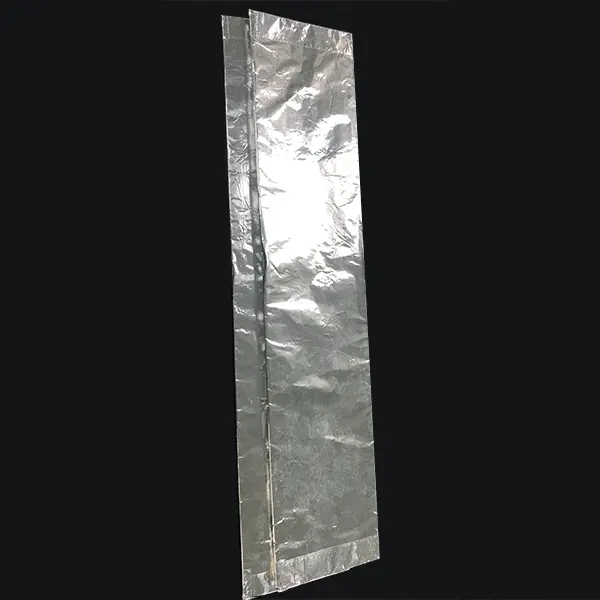
Product Details: Size: Customized Thickness: 5-...
View More +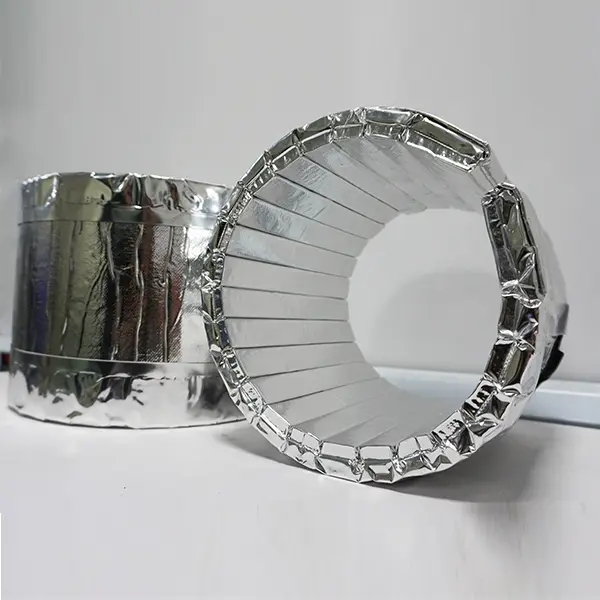
Product Details: Size: Customized Thickness: 5...
View More +
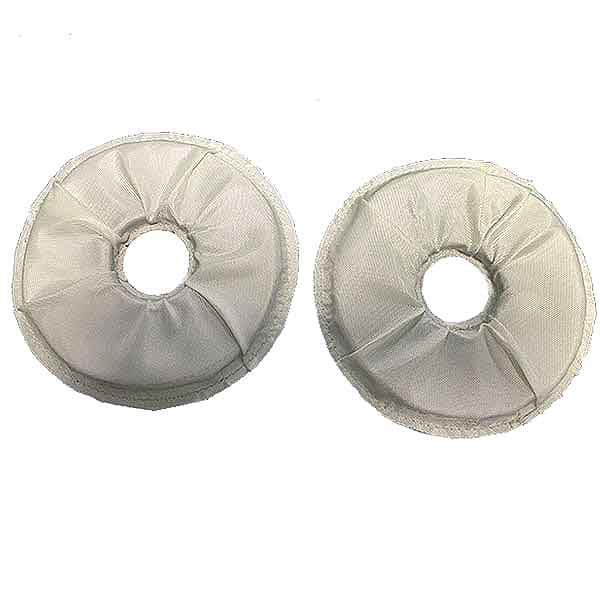
Our elevator fireproof door high temperature na...
View More +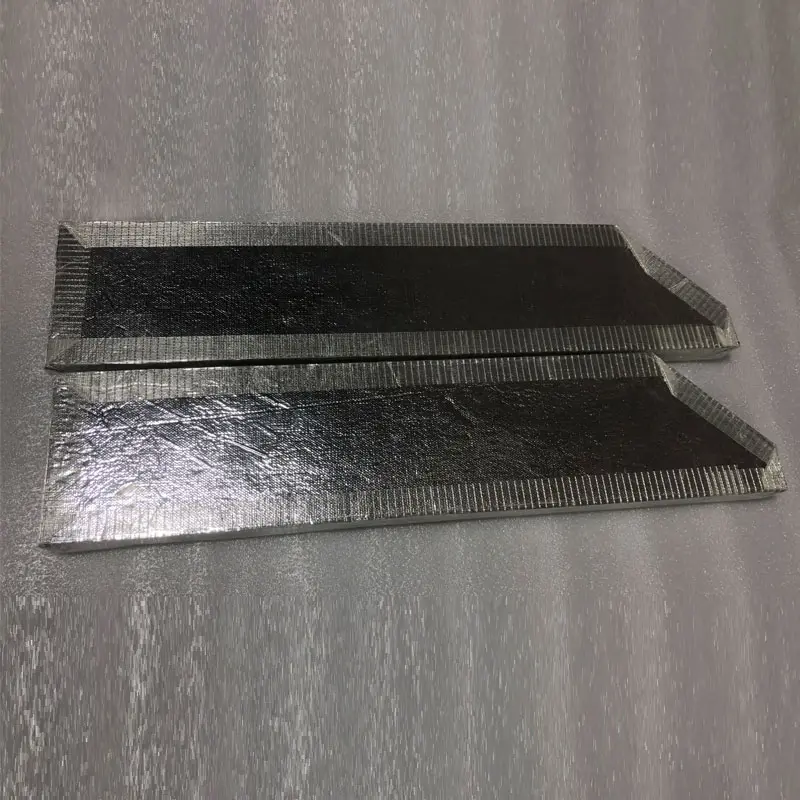
Product Specification Product Features Custom R...
View More +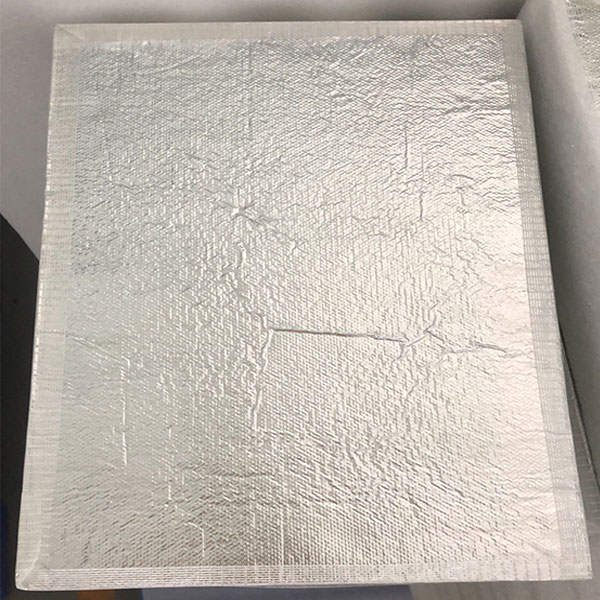
Product Features Size Details Zerothermo vacuu...
View More +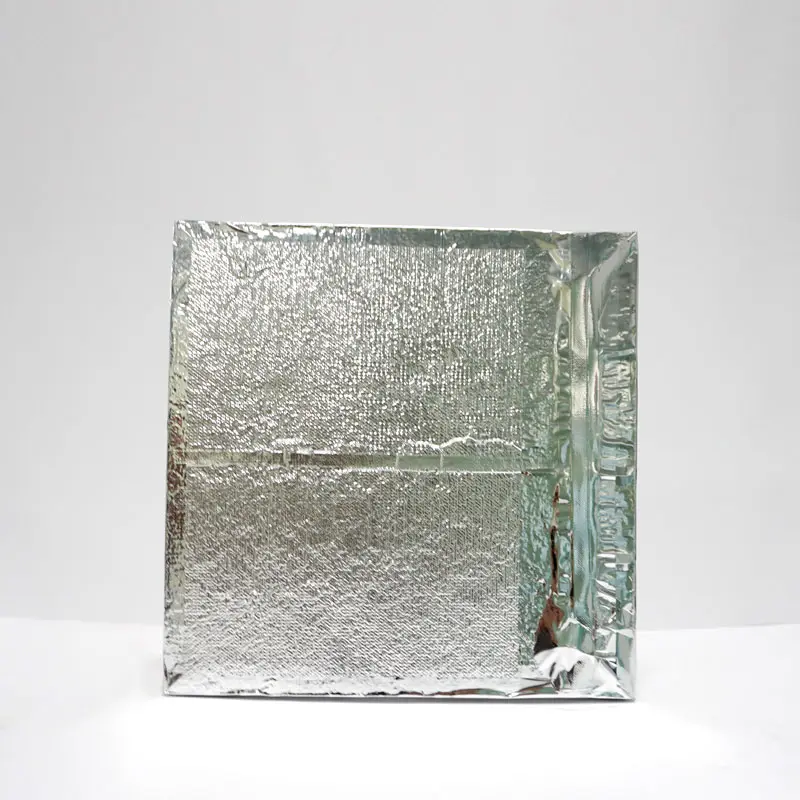
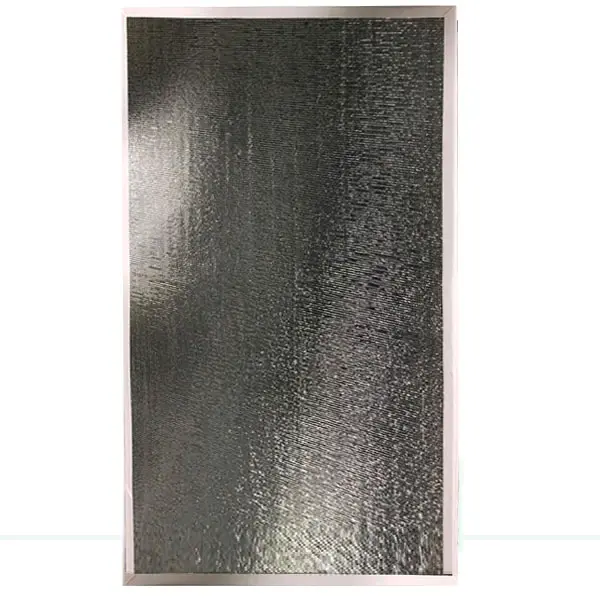
Product Features Product Specification Size ...
View More +How technical buyers audit VIP factories, evaluate pricing models, and draft precise specifications.
Because vacuum insulation panels cannot be cut, drilled, or altered post-production, procurement strategies differ significantly from traditional insulation. Any rupture of the outer barrier film venting the internal vacuum destroys the panel's low thermal conductivity. Therefore, buying agents must incorporate exact mechanical requirements and quality control parameters into their Request for Quotes (RFQs).
The barrier film prevents gas molecules and water vapor from entering the core. A high-quality quote must specify the envelope type: multi-layer metallized polyester film (PET) or aluminum foil laminates. If your application involves high humidity (e.g., HVAC retrofits or marine cold storage), you should request multi-layered high-barrier EVOH (Ethylene Vinyl Alcohol) or AL (Aluminum Foil) laminates to reduce gas transmission rates to near zero.
A reputable factory should implement 100% automated inspection. Buyers should request proof of testing, such as the *dual laser gas detection method* or *helium mass spectrometer leak detection*, before shipping. At Zerothermo Technology, every batch of custom 20mm panels undergoes strict vacuum degradation aging tests to confirm that only stable, high-performance panels are exported globally.
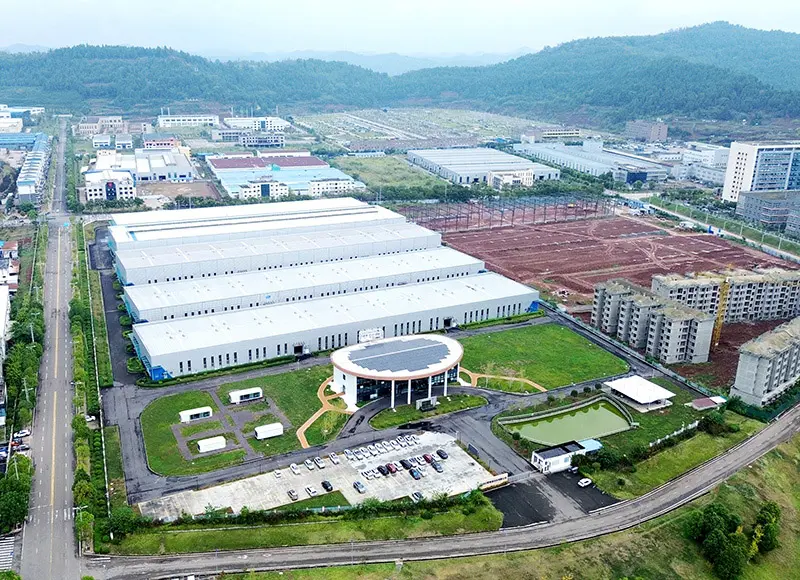
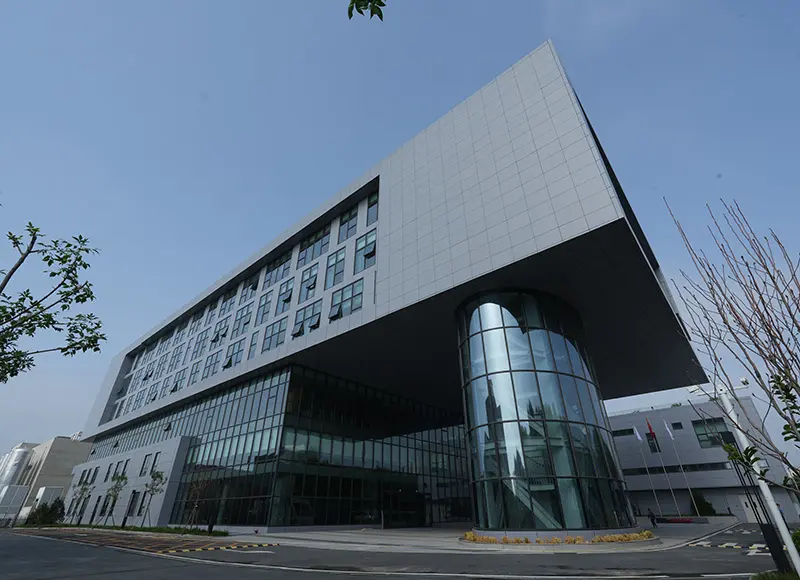
Zerothermo Technology Co., Ltd., a national high-tech enterprise, is headquartered in the Beijing Economic-Technological Development Area with its production base located in Nanchong City, Sichuan Province. This facility stands as one of China's largest comprehensive production centers for vacuum technology application products.

Special sizes (beyond the range of ANSI/ASME/DIN and other standards) are produced according to customers' drawings or technical parameters.

Square, oval or other special shaped flanges. - Oversize/small diameter: such as diameter over 60 inches or micro precision flanges.

Special sizes (beyond the range of ANSI/ASME/DIN and other standards) are produced according to customers' drawings or technical parameters.


How 20mm Vacuum Insulation Panels solve critical thermal limits across diverse global industry verticals.
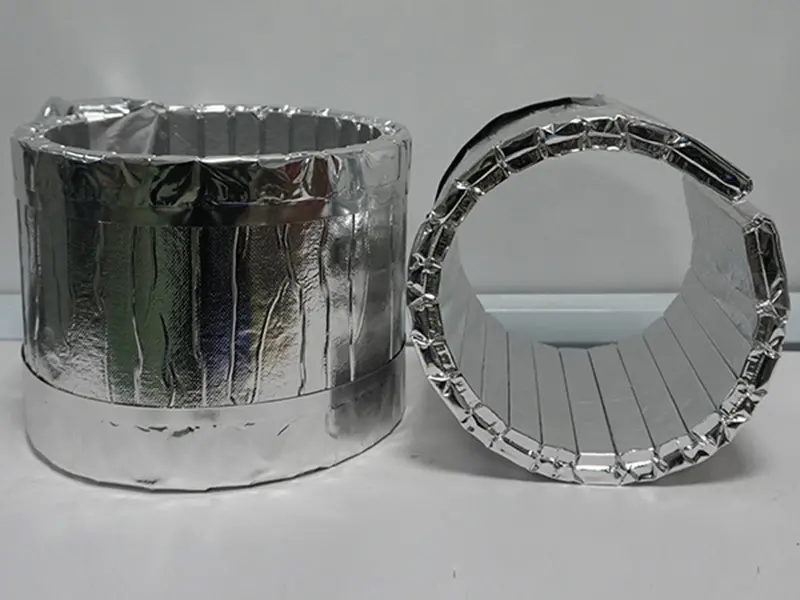
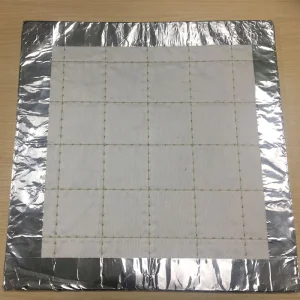
In electric vehicles, battery compartments operate under challenging temperature ranges. Using a 20mm VIP battery insulation blanket provides double benefits: it prevents thermal propagation between cells during thermal runaway, and maintains battery efficiency in sub-zero winter temperatures, extending vehicle range. Because of space limits under EV chassis, the high thermal density of 20mm VIPs is an ideal solution for automotive OEMs.
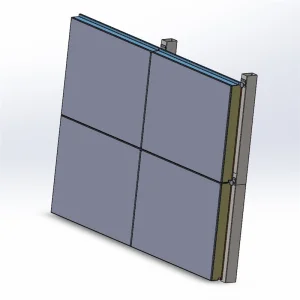
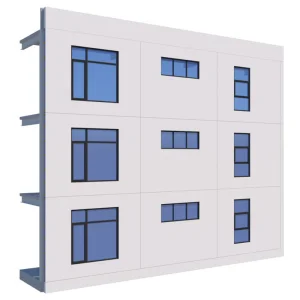
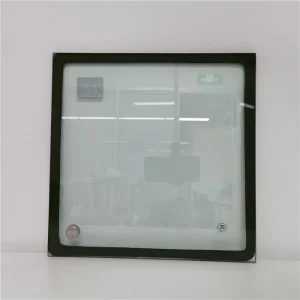
Commercial real estate relies heavily on VIP integration to meet net-zero carbon standards. Applying VIPs to facade framing or interior walls helps properties achieve high energy certifications (such as LEED or Passivhaus) without sacrificing rentable indoor square footage. The 20mm customized system acts as a high-efficiency exterior insulation layer, reducing HVAC consumption by up to 40% when paired with vacuum insulated glass (VIG) window assemblies.
Why procurement officers choose Zerothermo Technology as their long-term vacuum insulation supplier.






Integrating VIP systems to optimize performance, lower carbon footprints, and meet strict thermal regulations.
Providing high-efficiency thermal insulation solutions for building envelope systems through innovative products such as vacuum insulation panels and vacuum insulated glass, empowering the construction sector to reduce carbon emissions and achieve carbon neutrality.
Providing high-efficiency thermal insulation solutions for building envelope systems through innovative products such as vacuum insulation panels and vacuum insulated glass, empowering the construction sector to reduce carbon emissions and achieve carbon neutrality.02
Providing high-efficiency thermal insulation solutions for building envelope systems through innovative products such as vacuum insulation panels and vacuum insulated glass, empowering the construction sector to reduce carbon emissions and achieve carbon neutrality.03
Providing high-efficiency thermal insulation solutions for building envelope systems through innovative products such as vacuum insulation panels and vacuum insulated glass, empowering the construction sector to reduce carbon emissions and achieve carbon neutrality.03


Meeting international building code certifications, environmental directives, and carbon reporting requirements.
In an era of strict environmental governance, materials used in critical infrastructure must demonstrate compliance with international directives. VIP systems manufactured by Zerothermo comply with globally recognized standards. Our fumed silica cores are made from inorganic compounds, making them inherently non-combustible. They carry a Class A1 Fire Classification, which is vital for building envelope approvals in high-density urban areas.
Using 20mm fumed silica vacuum insulation panels supports green building rating systems like LEED, BREEAM, and DGNB. By offering high thermal resistance with minimal thickness, these panels contribute to energy efficiency credits and lifecycle carbon reduction metrics. Detailed Environmental Product Declarations (EPDs) are available to simplify the green building audit process.
Unlike polyurethane foams that rely on fluorocarbon blowing agents, fumed silica vacuum panels do not outgas ozone-depleting substances or VOCs. They are fully compliant with RoHS and REACH regulations. This makes them safe for sensitive environments, such as pharmaceutical storage vaults, vaccine transport systems, and household appliances.
Real-world projects demonstrating VIP thermal barrier performance in diverse environments.


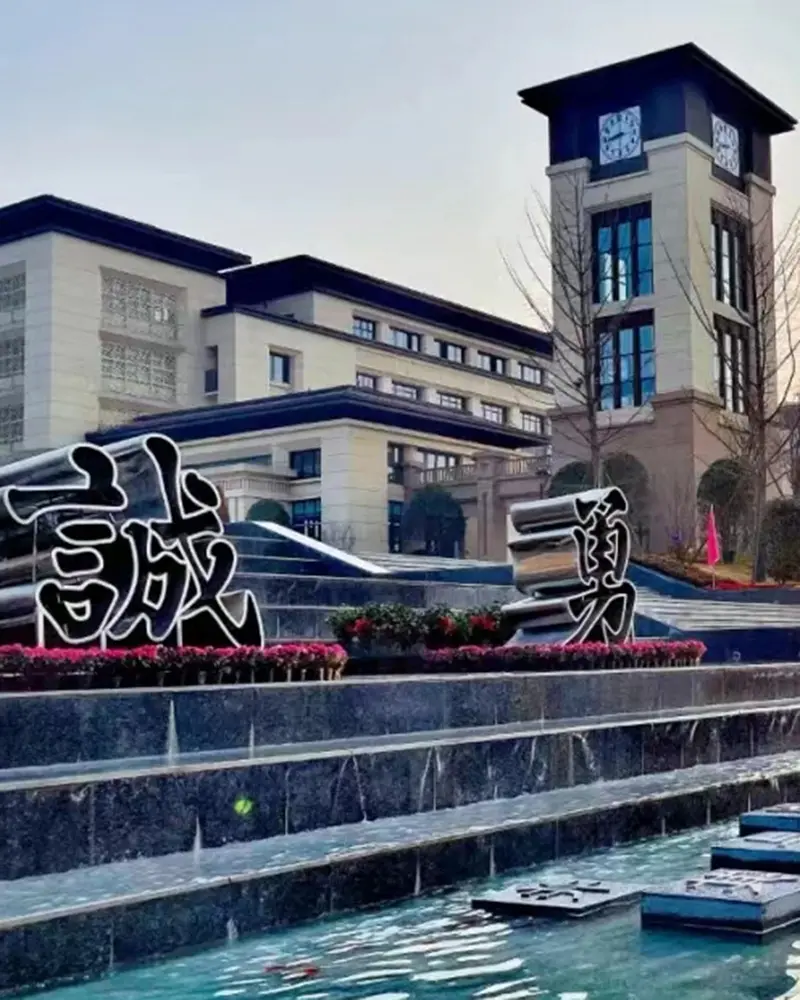
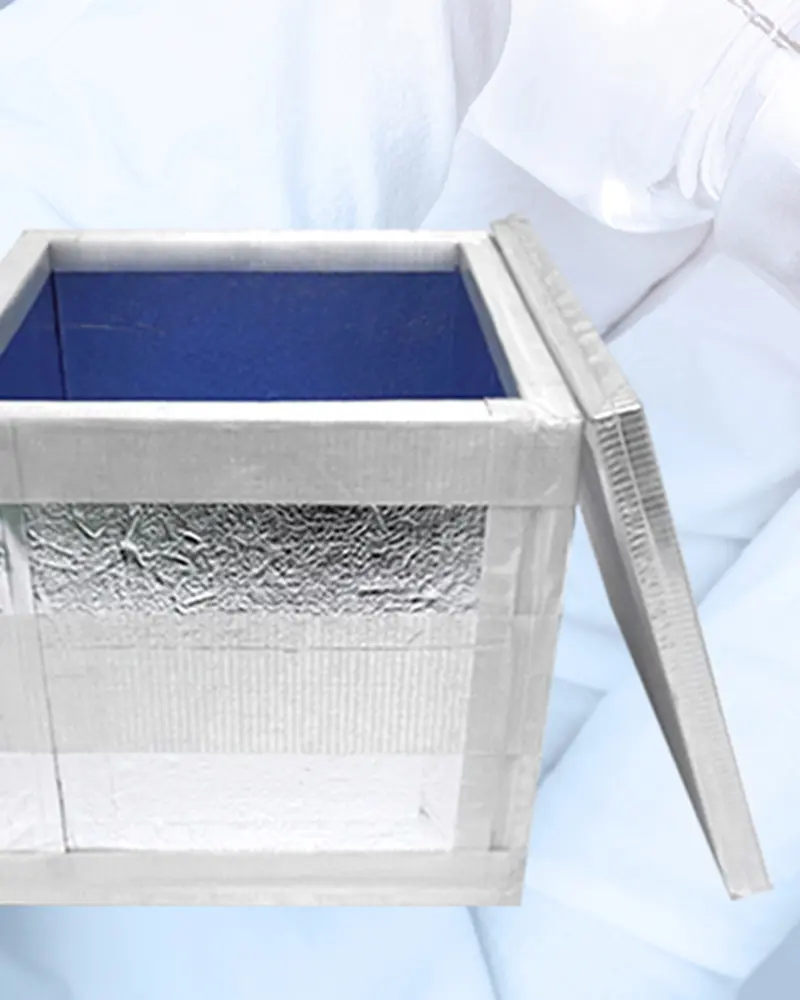
Committed to supporting China’s "dual-carbon" goals, Zerothermo Technology drives high-quality development of new quality productivity while promoting sustainable industrial advancement.
The roadmap toward smarter, bio-based core materials and integrated real-time vacuum monitoring.
As thermal insulation demands evolve, the R&D roadmap for VIPs focuses on two main innovations: smart monitoring and sustainable raw materials. Currently, identifying a compromised vacuum panel requires specialized thermography cameras. Tomorrow's high-tech installations will feature smart systems that monitor panel performance continuously throughout their service life.
We are currently developing next-generation VIP systems with integrated RFID-based pressure sensors. These thin sensors are laminated directly between the core and the outer barrier layer. During routine maintenance or quality audits, field technicians can scan the exterior of a building facade or shipping container with a handheld RFID reader. This allows them to verify the internal vacuum pressure of each panel without damaging the barrier film.
To further reduce the embodied carbon of vacuum insulation systems, R&D projects are exploring hybrid cores that combine fumed silica with bio-based silica aerogels derived from agricultural waste, like rice husk ash. This reduces the raw material footprint while maintaining the microporous structures required to suppress gas-phase thermal conduction.
Expert answers addressing the design, installation, procurement, and performance limits of custom 20mm vacuum panels.
We offer a one-stop vacuum insulation board solution. Contact us for a technical consultation and quote.


Premium thermal barrier profiles designed for advanced industrial applications and customized machinery integration.