
Explore our state-of-the-art VIP materials engineered for optimal thermal barrier control across global construction, cold chain, and clean energy sectors.
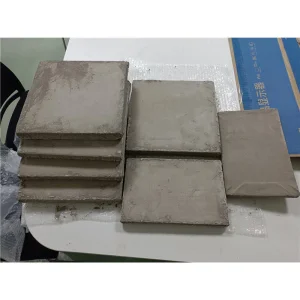
High structural strength VIP designed to withstand shear stresses in load-bearing environments.
View Factory Details →
Aerogel-grade protection optimized for battery containment cell thermal runaway prevention.
Request Quotes →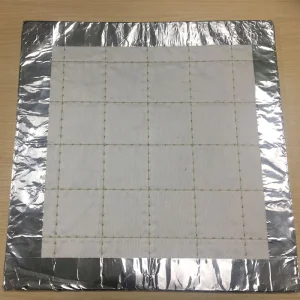
Flexible microporous silica matrix for intricate curves and extremely low thermal drift profiles.
Discover Manufacturers →
Rigid high-temperature panels built to conform to fire safety standards and ratings.
Get Pricelist →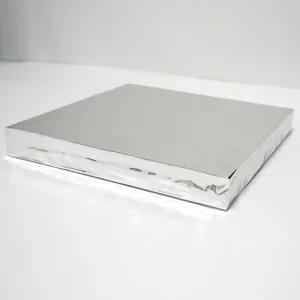
Bespoke dimensional stability and density ratios configured for aerospace and petrochemical vessels.
Check Companies →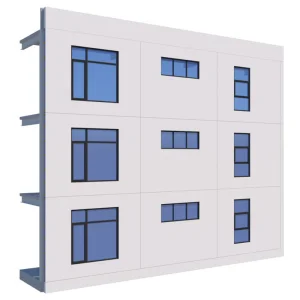
Unified design combining aesthetics and premium thermal insulation layers for modern exteriors.
View Decorative Pricelist →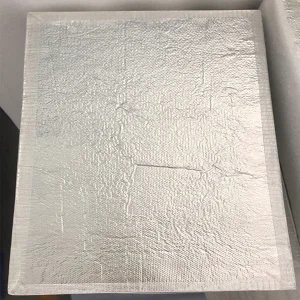
Superlative low-conductivity vacuum panel encased in high-density puncture protection film.
View Specifications →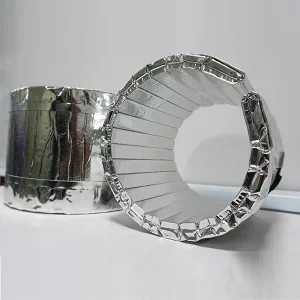
Thermal jacket engineered to maximize standby efficiency and reduce energy loss in water systems.
Request Factory Price →Vacuum Insulation Panels (VIPs) represent the vanguard of thermal insulation performance. By utilizing a core material encapsulated within a gas-barrier envelope and drawing a vacuum to reduce internal pressure below 1 mbar, VIPs achieve a thermal conductivity rating ($\lambda$-value) of 0.0015 to 0.004 W/(m·K). This represents a five-to-tenfold increase in thermal efficiency relative to conventional insulation media like polyurethane foam, EPS, or mineral wool.
This whitepaper establishes the engineering protocols required to design, handle, and install VIP systems sourced from major Chinese factories. The strategic shift toward low-carbon construction (Passive House design) and battery-powered mobility (EVs) has turned VIP implementation from a niche high-end solution into an essential industry standard.
Ensuring dynamic thermal adaptation through specialized product sizes, geometries, and composite structures tailored directly by Zerothermo Technology.
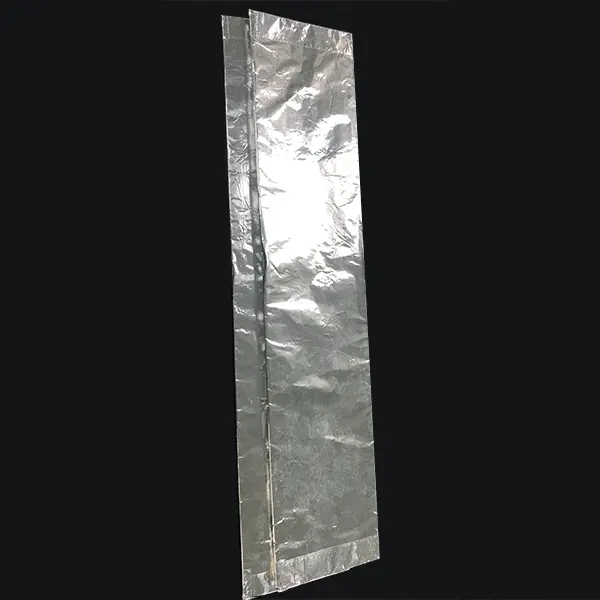
Thickness range: 5mm - 15mm customized dimensions. Integrated with fire-resistant silica arrays to provide thermal runaway insulation for EV battery packs.
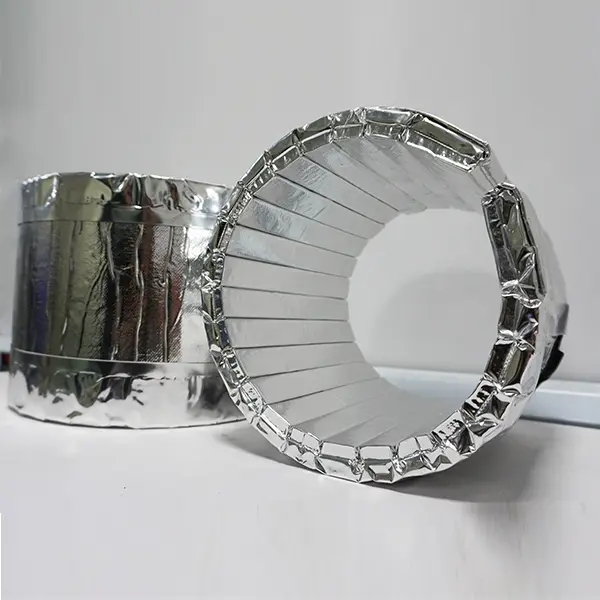
Engineered for high-temperature resistance to minimize standby energy loss in industrial water heaters, heating tanks, and thermal stores.

Utilizes ultra-low thermal conductivity fumed silica cores to prevent thermal conduction across elevator shaft access doors during high-heat scenarios.
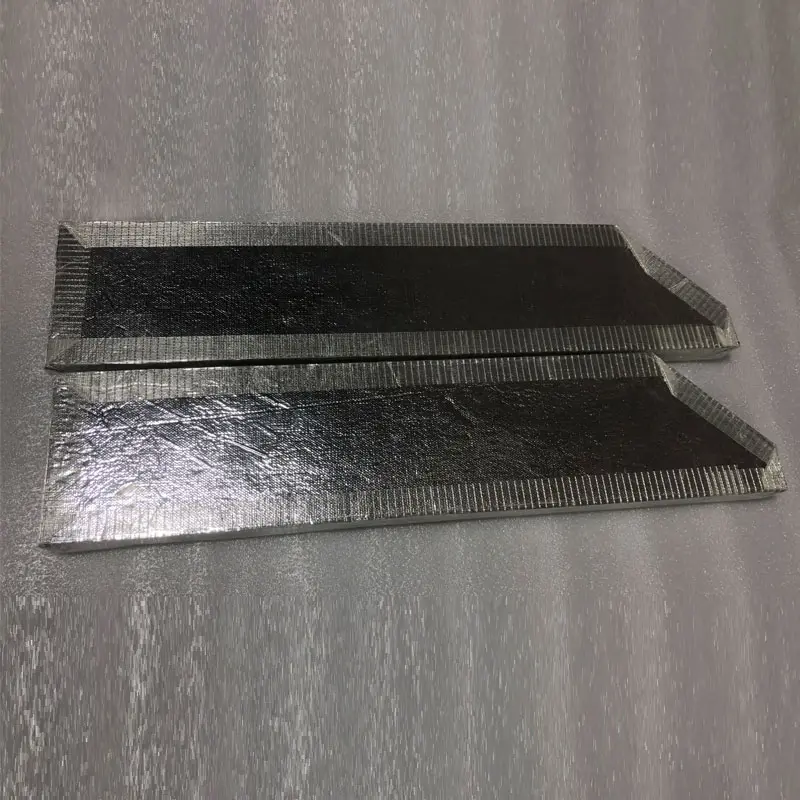
Engineered with complex geometries, cutouts, and specialized radii to fit around corners, pipes, and compound curved profiles.
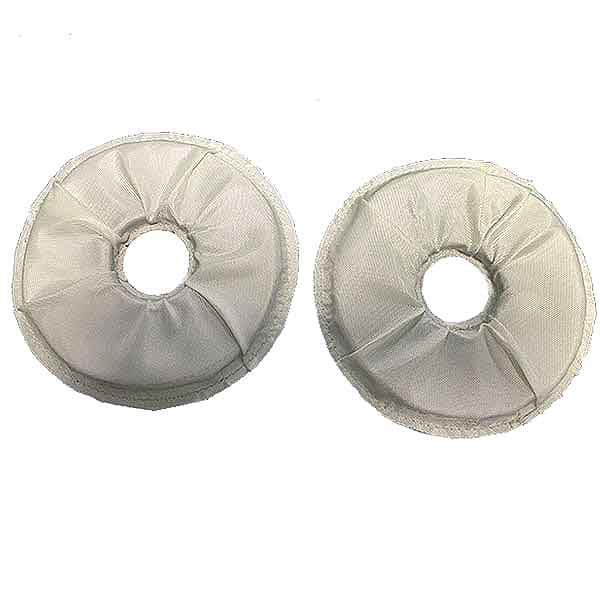
Curved nano thermal mats designed for petrochemical pipes, high-temperature conduits, and thermal reactor jackets.
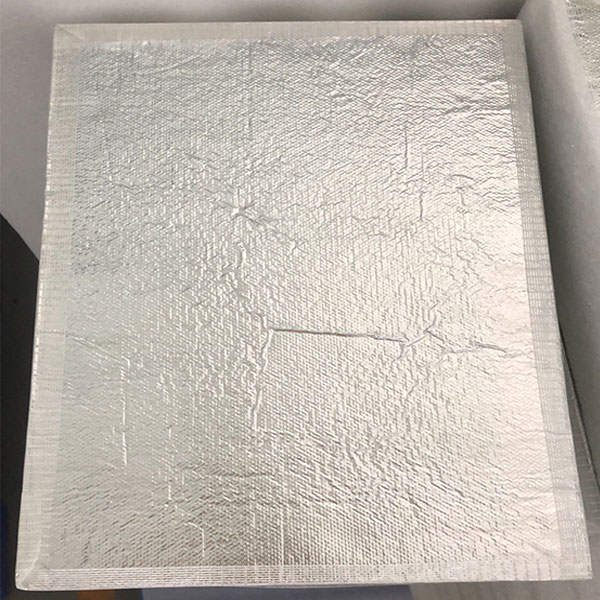
Integrates advanced PET protective layer to improve durability and simplify installation in harsh jobsite conditions.
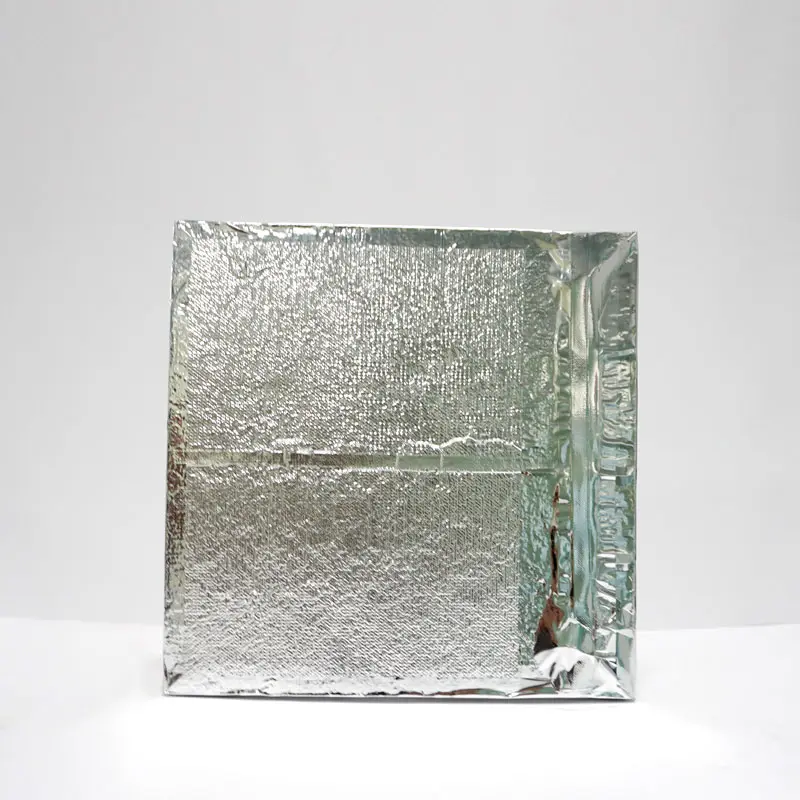
High-reliability panels designed to withstand cyclic temperature swings and long-distance transport, extending vaccine and biological storage life.
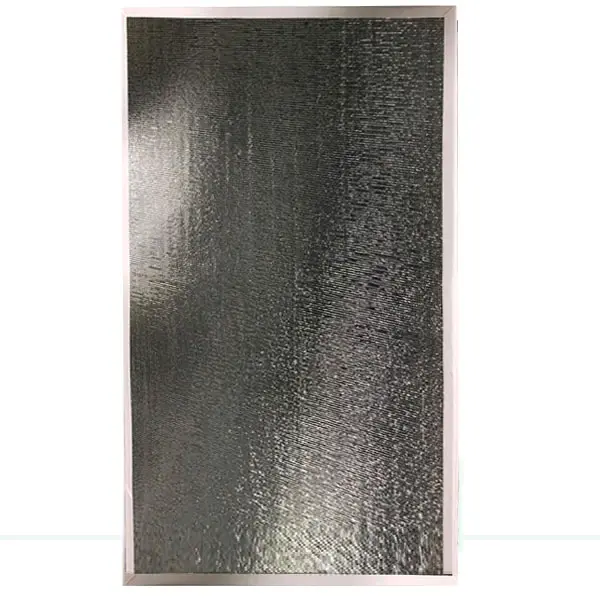
Oversized VIP units up to 1200mm x 800mm designed to reduce joints and speed up building facade installation.
To maintain thermal efficiency over a 30-to-50-year service life, installers must understand the delicate balance of vacuum conservation. The vacuum core material—typically fumed silica (which has a pore diameter of approximately 10-20 nanometers)—acts as a structural pillar against external atmospheric pressure, which exerts a force of approximately 10 metric tons per square meter on the panel face.
The barrier envelope is a key factor in VIP longevity. It usually consists of multi-layer metalized laminate films (PET, aluminum, and PE). The aluminum layer limits water vapor transmission (WVTR) and oxygen transmission (OTR), while the internal polymer layer provides a heat-sealable boundary. Any scratch, abrasion, or sharp bend in the envelope can create micro-fractures, which will degrade the vacuum level and reduce the thermal R-value over time.
The surface intended to receive VIP insulation must meet strict flatness specifications:
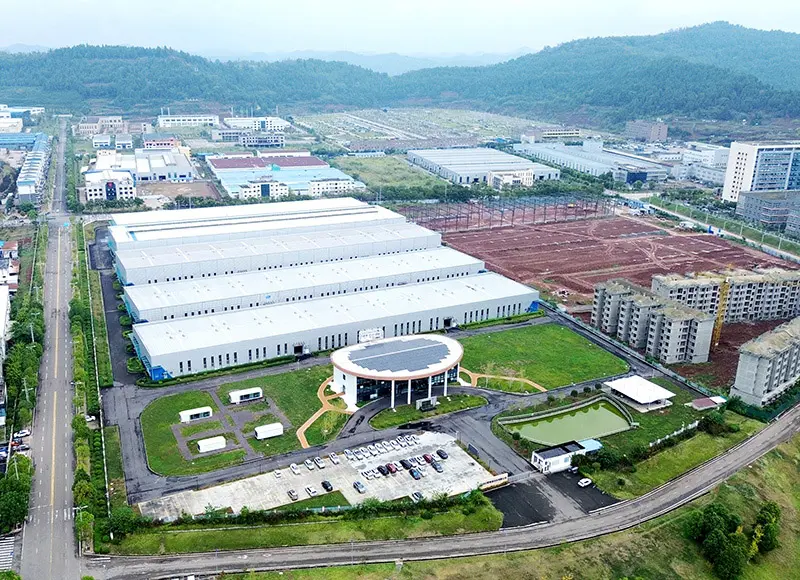
Zerothermo Technology Co., Ltd., a subsidiary of CBVAC Group and a national high-tech enterprise, is headquartered in the Beijing Economic-Technological Development Area with its production base located in Nanchong City, Sichuan Province. This facility stands as one of China’s largest comprehensive production centers for vacuum technology application products.
Our production base integrates fully automated core filling, envelope thermal sealing, and laser testing processes to manufacture highly specialized products, including non-standard flanges, shaped flanges, and customized VIP matrices that satisfy demanding energy efficiency and space utilization requirements.
Special sizes beyond standard ANSI/ASME/DIN specs built to client specifications.
Square, oval, or customized geometries for complex structural joints.
Diameters exceeding 60 inches down to micro-precision flanges.

Installing VIP panels requires a combination of architectural planning, mechanical care, and material chemistry. The following sequence details the steps necessary to install VIPs successfully on walls, roofs, floors, and industrial housings.
Because VIPs cannot be cut to fit on site, a CAD layout must be finalized before manufacturing. This layout should map standard panel sizes across the target area to maximize coverage (typically 90-95%). The remaining gaps must be filled with non-vacuum infill materials, such as aerogel blankets or PIR boards. This is known as the "hybrid installation model."
VIPs must not be pierced with mechanical dowels or anchor bolts. Instead, use solvent-free, single-component polyurethane adhesives or customized cementitious flexible mortars.
Although VIPs have low internal thermal conductivity, heat can still flow through the envelope layers at the panel joints. This is known as the linear thermal bridge coefficient ($\psi$-value). To minimize this effect:
Why global procurement agencies select Zerothermo Technology for high-performance insulation projects.
Every production batch undergoes helium mass spectrometer leak detection and thermal response checks to verify long-term performance.
Our engineers convert CAD layouts into structured assembly kits, producing bespoke shaped panels to match complex structures.
Operating out of our Nanchong facility, our high-volume production lines ensure consistent delivery timelines for major infrastructure programs.
We pack vacuum panels in customized crates with edge protectors and moisture barriers to ensure they arrive undamaged.
We provide full-lifecycle technical support, from CAD layout modeling to on-site installation training, ensuring project success.
Vacuum Insulation Panels are used in a variety of industries that require high thermal control, space efficiency, and durability. Below is an overview of how VIP systems are utilized in major global sectors.
The transportation of temperature-sensitive biologics, vaccines, and clinical trials requires strict temperature control (e.g., -70°C for mRNA vaccines, or 2°C to 8°C for insulin). VIP-insulated transport containers provide high thermal performance, extending shipping windows to over 120 hours without requiring heavy active cooling systems.
In high-density urban areas, wall thickness directly impacts rentable floor space. Using VIPs allows designers to achieve U-values under 0.15 W/(m²·K) with thin wall assemblies. This is especially useful for:
Lithium-ion battery packs operate best within a temperature range of 15°C to 35°C. Exposure to extreme cold reduces capacity, while high temperatures can trigger thermal runaway. VIP-based thermal barriers isolate battery modules from external ambient temperature shifts and help protect passenger compartments from excessive heat.
How our vacuum insulation panels help reduce carbon emissions and optimize energy performance in key sectors.

Provides highly efficient thermal barrier systems for pharmaceutical shippers and logistics containers to maintain stable temperatures during transport.

Delivers thin, high-efficiency insulation for building envelopes, helping reduce energy consumption and meet passive house standards.

Engineered for high-temperature applications, including industrial kilns, lab equipment, and specialized safety doors.

Custom panels tailored for modular cabins, transportable structures, and temporary exhibits requiring quick installation and high thermal efficiency.
A common question in VIP procurement is the selection of the core material. The core determines both the thermal performance and the expected lifespan of the panel.
Fumed silica is an amorphous, nanoporous powder produced by pyrogenic silica deposition.
Fiberglass cores utilize micro-glass fibers organized into a compressed mat structure.
Explore real-world case studies showcasing how our VIPs are integrated into demanding industrial applications.

Custom vacuum panels deployed to insulate precision cleanrooms and maintain stable environment temperatures.
Read Case Study →
Large-scale thermal insulation panels integrated into machinery enclosures for power-saving operations.
Read Case Study →
Integrated vacuum insulation wall system used to reduce energy demand and meet regional green building standards.
Read Case Study →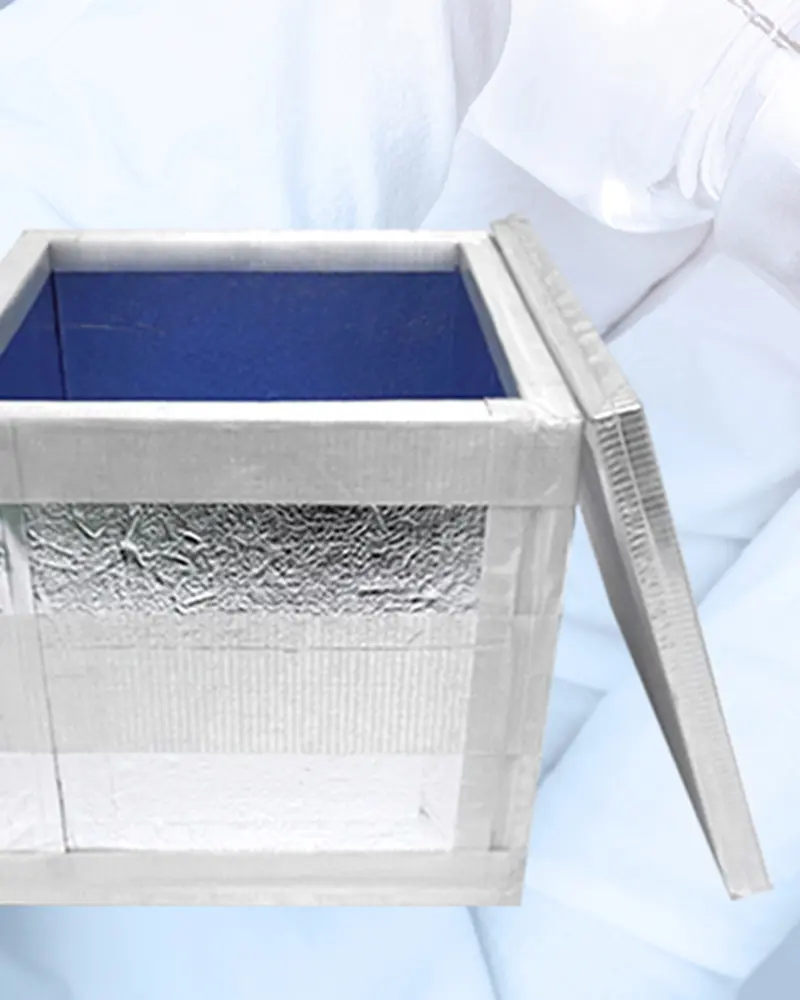
Fumed silica VIP panels integrated into cold chain shippers, maintaining ultra-low temperatures during transit.
Read Case Study →Procuring VIPs internationally requires careful vetting of potential manufacturing partners to ensure product quality and lifespan.
A quality manufacturer will verify the vacuum level of every panel prior to shipping. Ask for records of pressure decay tests or laser deflection measurements, which check the tension of the outer film to confirm vacuum integrity.
The heat-welded seams of the barrier film are potential points of leakage. Inspect the weld width (which should be at least 10 mm) and check for wrinkles, air bubbles, or contamination in the seal area that could compromise the vacuum over time.
Ensure the supplier holds certifications relevant to your market, such as CE mark for European construction, ISO 9001 for quality systems, and RoHS/REACH compliance for chemical safety.
Updates on vacuum insulation technology, sustainable industrial practices, and exhibition events.
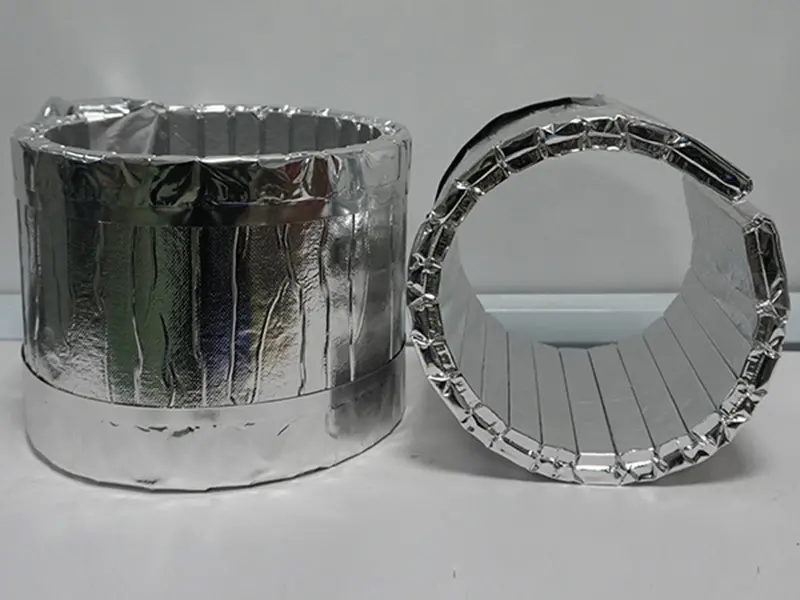
An in-depth look at how thermal barrier boards prevent heat transfer and improve structural stability in fire doors.
Published: 2023/Apr/19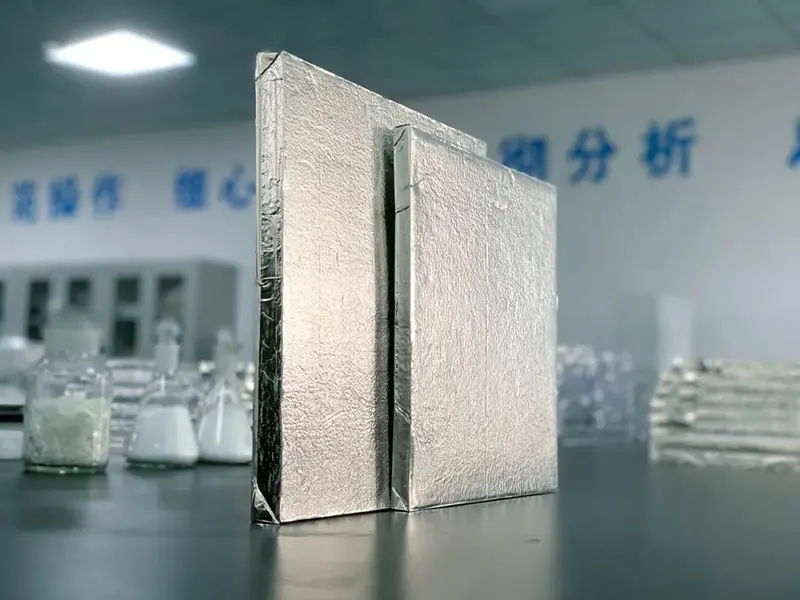
Our engineering team presented our latest line of fumed silica panels and custom battery blankets at the Canton Fair.
Published: 2023/Apr/17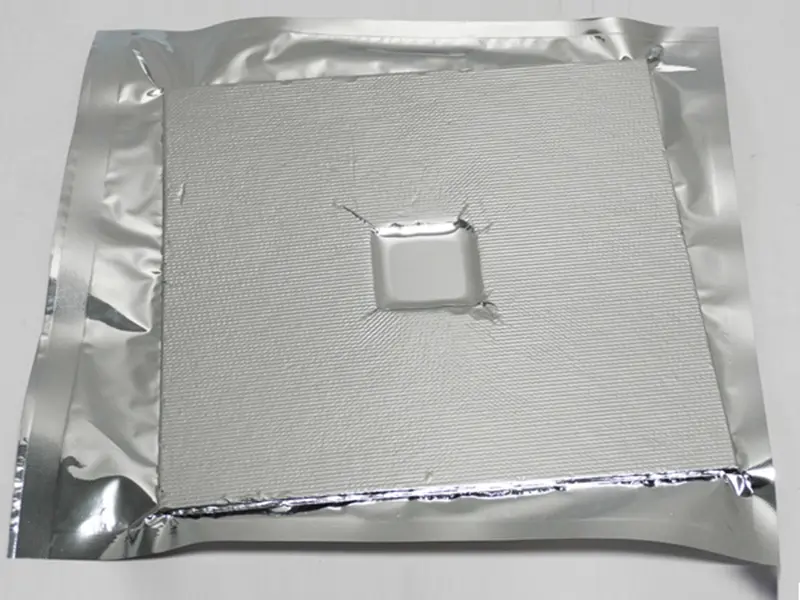
How nano-microporous panels are replacing traditional materials in high-temperature industrial applications.
Published: 2023/Apr/13Answers to common engineering questions regarding the handling, installation, and performance of VIPs.
Get in touch with our engineering team for CAD planning assistance, sample requests, and project quotes.
We provide one-stop vacuum insulation solutions, from initial engineering design and CAD layout modeling to automated factory production.
Follow us on social media:


Browse our selection of fiberglass-core VIPs, vacuum insulated glass, and prefabricated wall panels built to international standards.
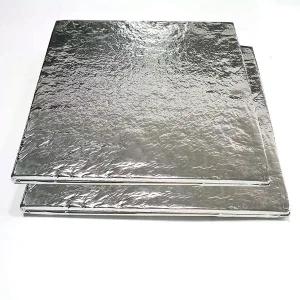
Designed to maximize storage volume in home refrigerators and commercial deep freezers.
View Specifications →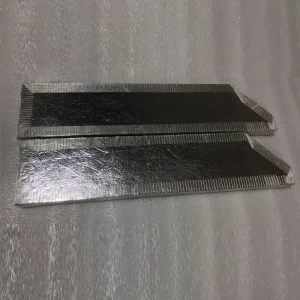
Precision-molded vacuum panels designed for complex configurations and curved surfaces.
Explore Factory →
Pre-engineered structural wall segments containing core vacuum panel layers for fast site assembly.
Request Quote →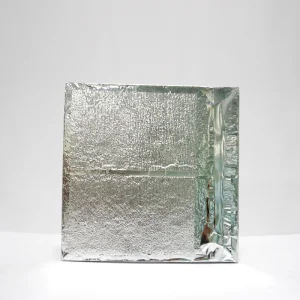
High-integrity insulation panels built to withstand shipping vibrations and protect payloads.
View Logistics Range →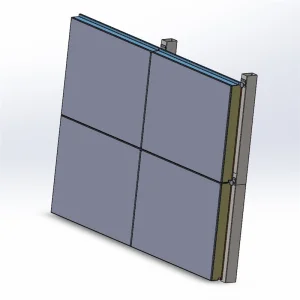
Combining exterior decorative finishes with internal vacuum thermal barriers in a single system.
View Pricelist →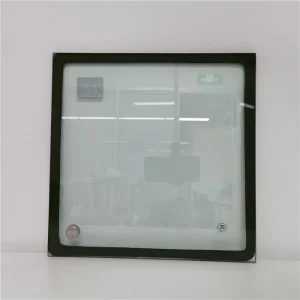
Double-pane glass units featuring an internal vacuum gap, providing high thermal efficiency for windows.
Get VIG Quotes →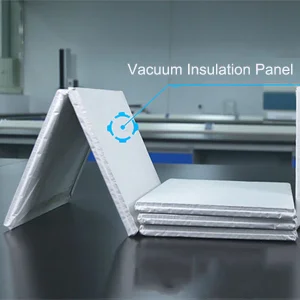
Thin profile insulation designed for exterior masonry facade retrofits and space saving.
Request Pricing →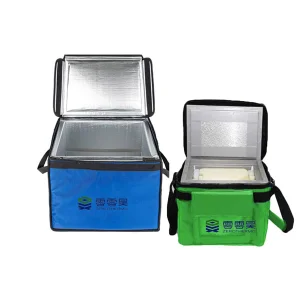
Highly insulated transport container designed for vaccine storage and global medical supply chains.
Find Manufacturers →