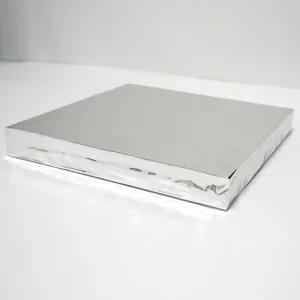
Explore our core catalog of advanced high-barrier vacuum insulated panels, custom microporous systems, and specialized vacuum insulated glass designed to deliver ultimate thermal resistance at minimum thickness.
The contemporary construction landscape is undergoing a systemic paradigm shift driven by stringent building energy regulations, the rise of Offsite Manufacturing (OSM), and global net-zero commitments. Standard insulation structures like expanded polystyrene (EPS), polyurethane (PU) foam, and mineral wool are increasingly pushing the limits of physical space efficiency. To meet high-performance building standards (such as passive house certifications, ASHRAE 90.1, and the EU’s Energy Performance of Buildings Directive) without expanding wall thickness, architects must specify thermal insulation materials with extremely low thermal conductivity.
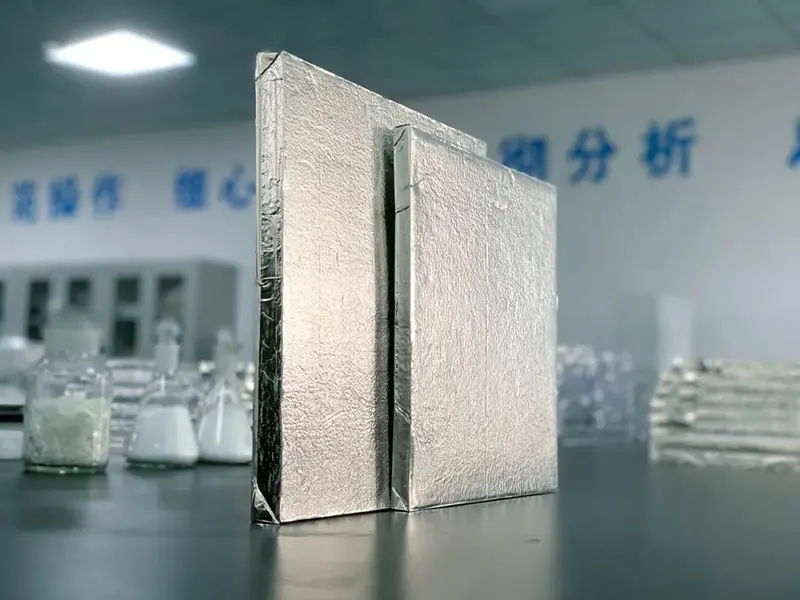
Vacuum Insulated Panels (VIPs) present the most technically viable solution, providing thermal performance that outperforms traditional materials by a factor of five to ten. When deployed in modular home manufacturing, VIPs allow developers to reduce wall thickness by up to 75% while achieving identical or superior U-values. This dynamic directly unlocks additional interior usable floor area, optimizing investment returns in dense urban centers where every square inch carries significant market value.
In B2B industrial sourcing, "cheap" does not mean choosing sub-standard components that compromise building envelopes. Rather, it represents Total Cost Optimization: lowering production costs through raw-material engineering, minimizing logistics overhead by reducing panel weight, and streamlining prefabricated assembly times to reduce on-site labor costs. Zerothermo Technology achieves this optimization through automated core manufacturing and high-speed envelope sealing under the quality control frameworks of our parent enterprise, CBVAC Group.
By leveraging advanced fumed silica cores wrapped inside specialized multi-layer barrier laminates under deep vacuum conditions, our panels achieve a design thermal conductivity ($\lambda$) of $\le 0.004 \text{ W/(m}\cdot\text{K)}$. This material design effectively stops heat transfer via conduction, convection, and radiation, providing long-lasting insulation performance designed to match the typical 50-year service life of modern residential and commercial structures.
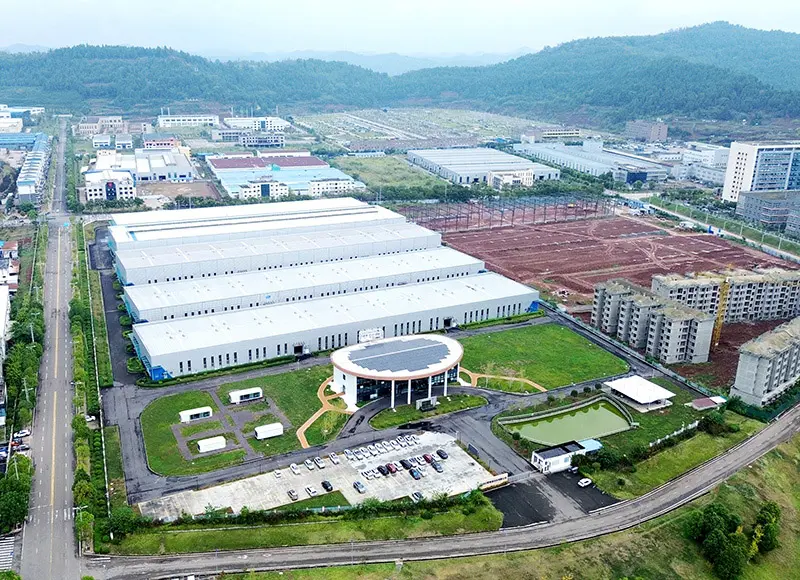
As a national high-tech subsidiary of the CBVAC Group, our Nanchong City production base in Sichuan Province stands as one of China's largest comprehensive production centers for industrial vacuum applications.
Historically, the adoption of vacuum insulation panels was limited by high raw material costs and specialized design demands. However, modern automated production methods have resolved these barriers. Fumed silica, when combined with optimized opacifiers, provides a stable, long-lasting structure that maintains high thermal performance even in the presence of minor envelope wear. This technological progress allows modular home manufacturers to confidently integrate VIPs as standard components in wall assemblies, floor build-ups, and roof structures.
By sourcing directly from large-scale manufacturing facilities, procurement managers can achieve pricing structures that compete directly with traditional high-performance insulation systems, when measured on a total system-value basis. This value is realized through reduced structural framework sizes, lighter support foundations, and lower shipping volumes.
Modular construction varies significantly by geographic region, requiring insulation configurations designed to meet specific environmental conditions:
To streamline global specifier approvals, our production processes and products comply with strict international testing frameworks:
From custom-shaped barrier envelopes to battery insulation matrices for new energy vehicles, our manufacturing lines deliver custom configurations built to your precise CAD coordinates.
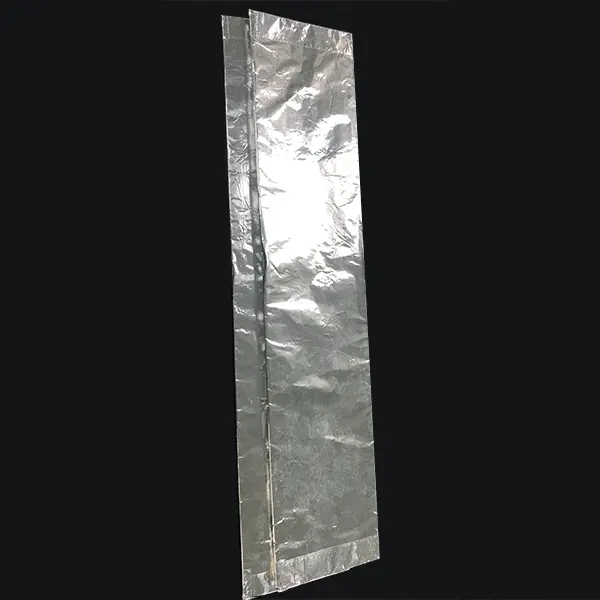
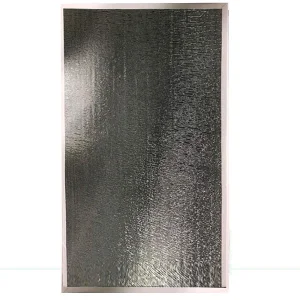
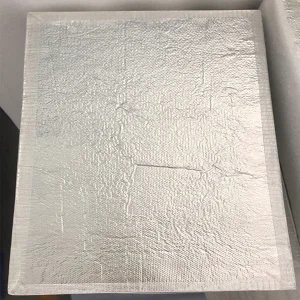
Product Details: Size: Customized Thickness: 5-...
View Detail →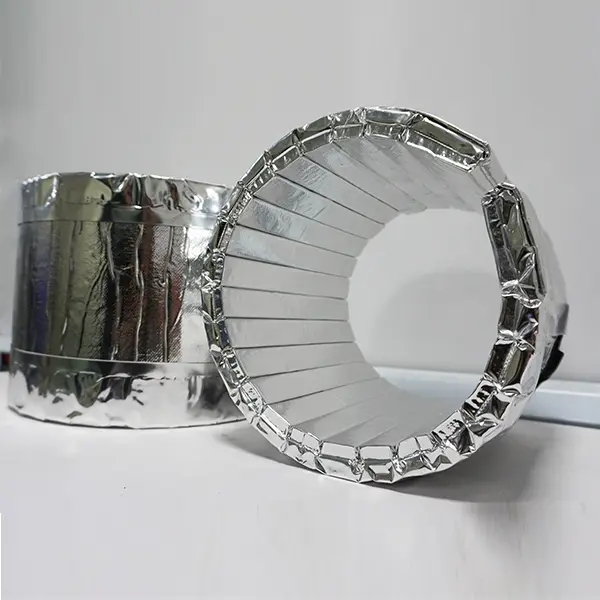
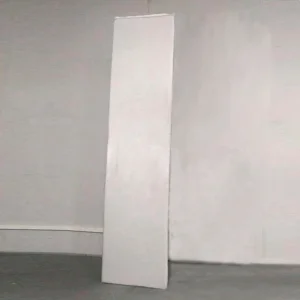
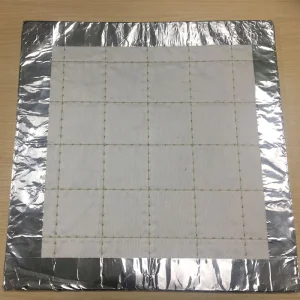
Product Details: Size: Customized Thickness: 5...
View Detail →
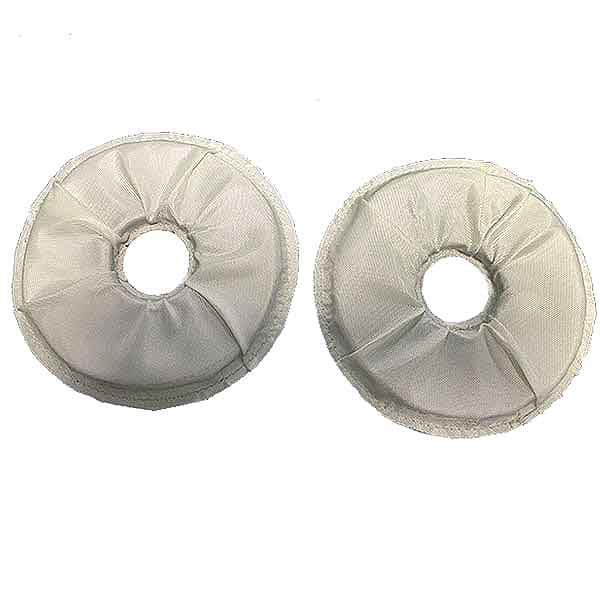
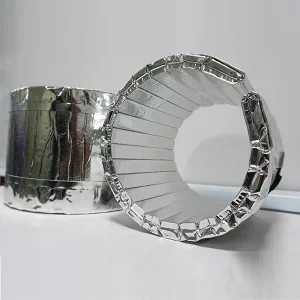
Our elevator fireproof door high temperature na...
View Detail →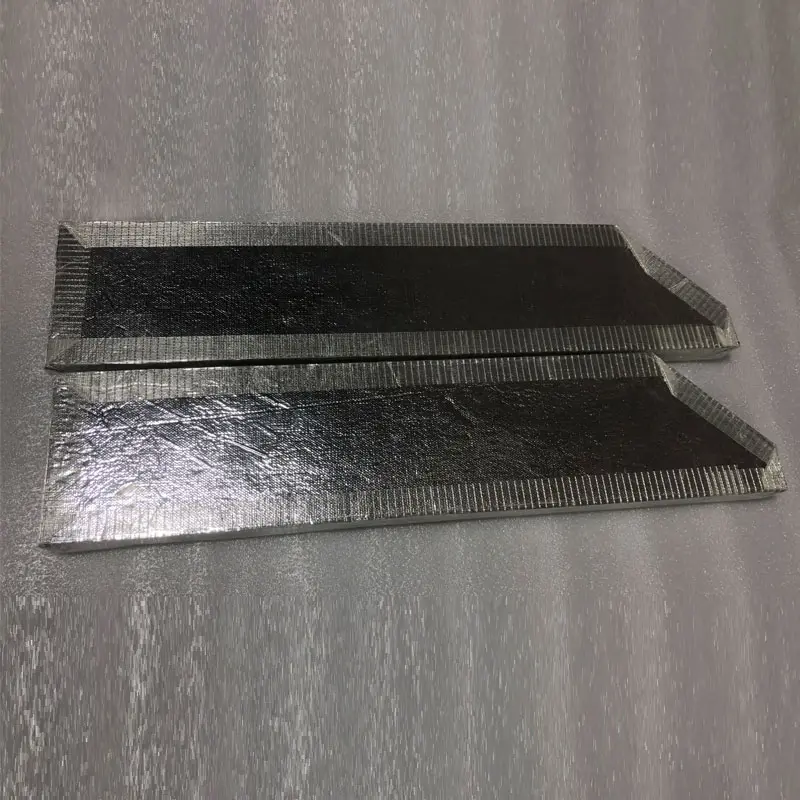
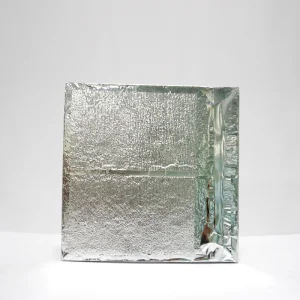
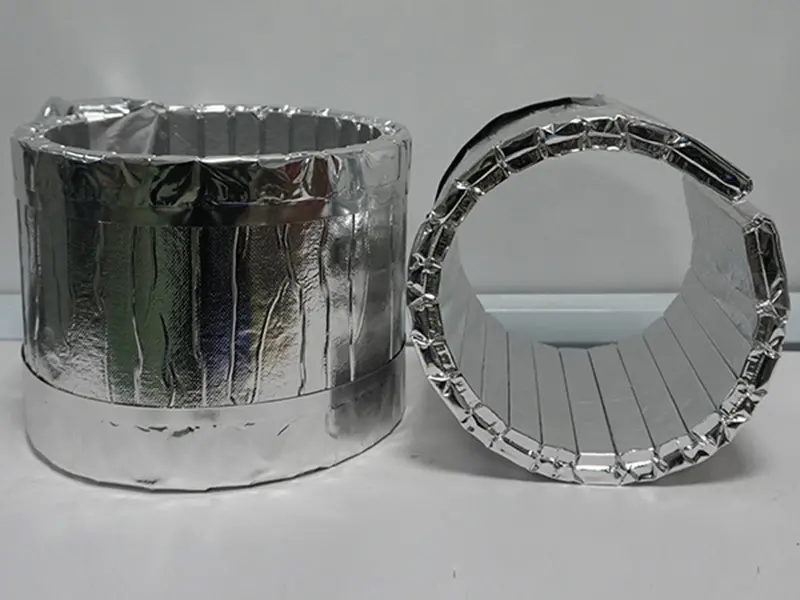
Product Specification Product Features Custom R...
View Detail →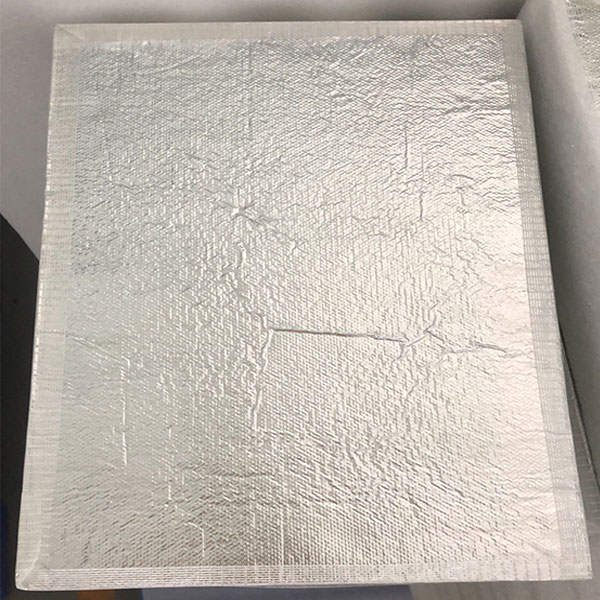
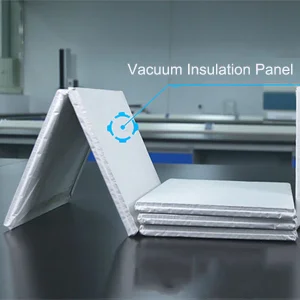
Product Features Size Details Zerothermo vacuu...
View Detail →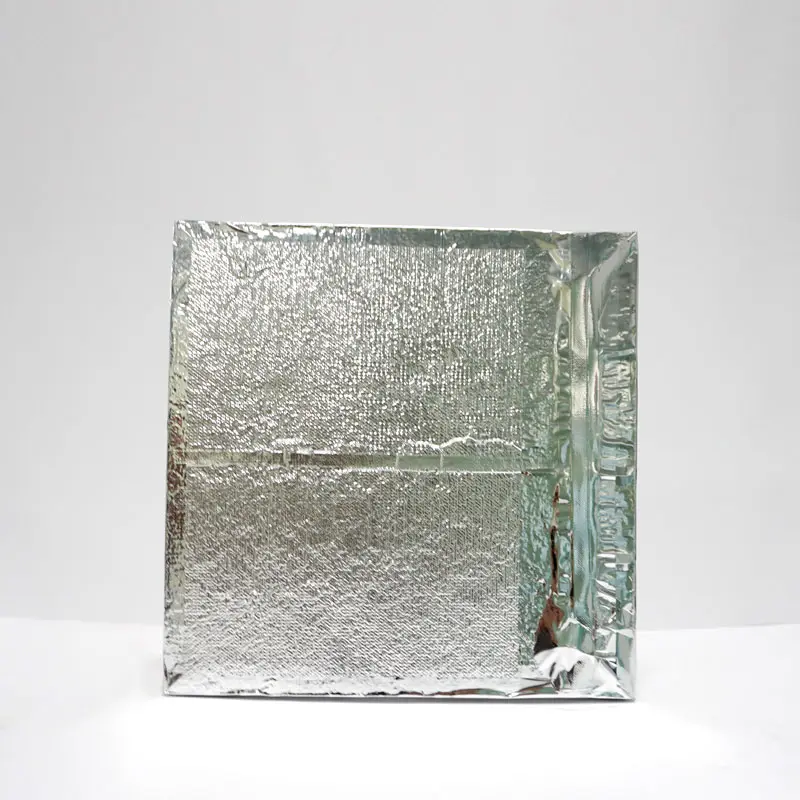
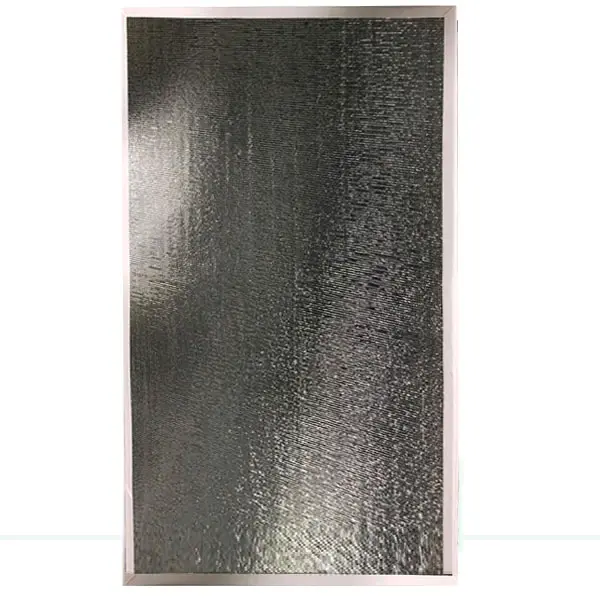
Product Features Product Specification Size ...
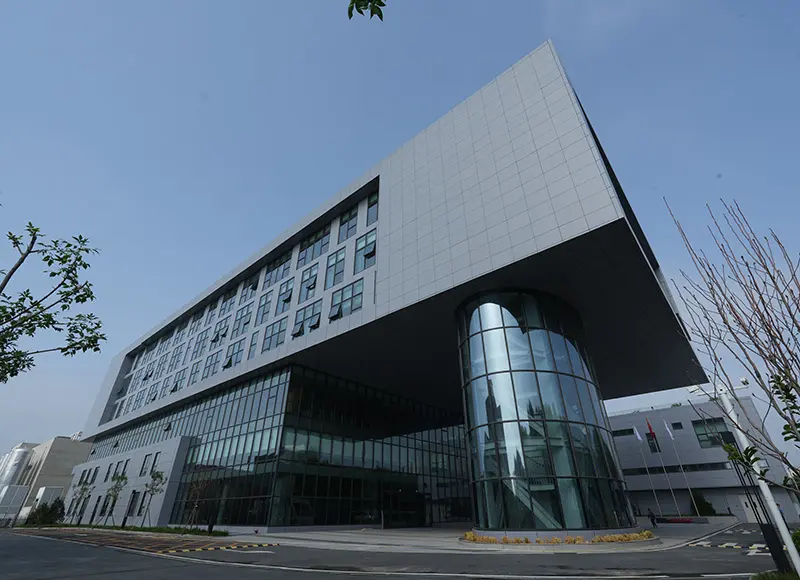
View Detail →Zerothermo Technology Co., Ltd., a subsidiary of the CBVAC Group and a national high-tech enterprise, is headquartered in the Beijing Economic-Technological Development Area. Our state-of-the-art production base in Nanchong City, Sichuan Province, stands as one of China’s largest comprehensive manufacturing bases for advanced vacuum technology application products.
Leveraging decades of industrial vacuum science, our engineering teams develop thermal performance solutions for construction, cold-chain logistics, new energy vehicles, and high-temperature industrial equipment. Because we are built upon high-vacuum technology, we understand the physics of gas permeation and envelope engineering better than traditional insulation companies.
Further demonstrating our vacuum engineering pedigree, we design and produce specialized industrial vacuum flanges for custom machinery and system applications:




Strict QA systems control every stage of production from raw core material extraction to vacuum seal integrity verification.

In-house architectural and mechanical design teams turn custom blueprints into fabrication-ready specs.

Automated manufacturing lines provide massive volume capacity, satisfying large-scale modular developer schedules.

Robust protective packaging and integrated logistical partners protect delicate vacuum seals during international transport.
As carbon taxes rise and global regulatory bodies adopt lifecycle assessments (LCA) for structural components, the building envelopes of tomorrow must evolve beyond simple thermal resistance values. The roadmap for vacuum insulation technology centers on three primary pillars of research and development:
Current high-end VIPs use fumed silica cores. While fumed silica is stable and non-combustible, R&D aims to lower production costs by introducing aerogel hybrids and synthetic sub-micron matrices. These materials aim to maintain high thermal performance at slightly higher vacuum levels, reducing requirements on the outer gas barrier wrap.
To assure long-term performance, next-generation VIP configurations integrate RFID-enabled wireless sensors. These paper-thin sensors, placed within the vacuum envelope, allow site engineers to verify internal pressure instantly during building handovers and throughout the structure's service life, providing verifiable building performance records.
By designing fumed silica cores for easy separation from the outer PET-barrier laminates at demolition, we establish a closed-loop recycling path. This material loop returns silica core structures directly to manufacturing processes, minimizing carbon intensity throughout the building envelope lifecycle.
Zerothermo Technology is committed to supporting China’s "dual-carbon" goals and global decarbonization schedules:

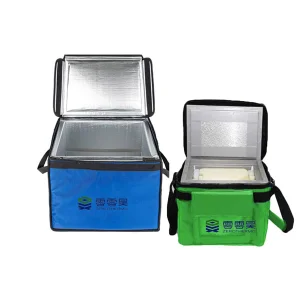
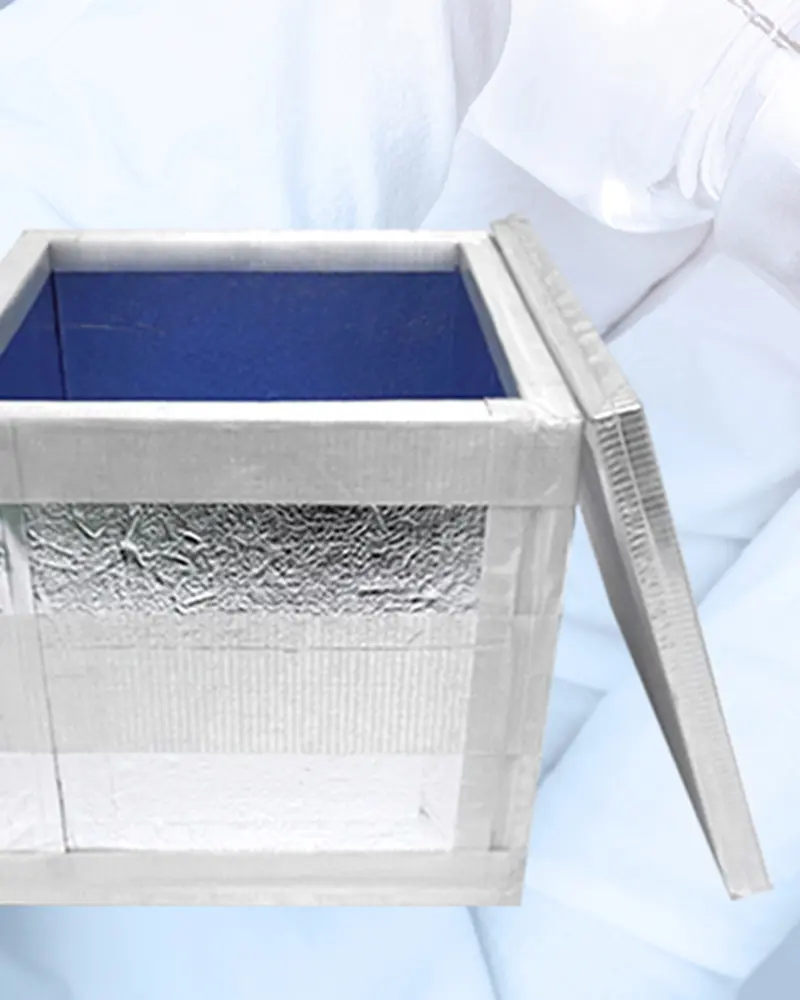
Providing high-efficiency thermal insulation solutions for temperature-sensitive shipping containers and logistics systems, ensuring vaccine and therapeutic product safety.

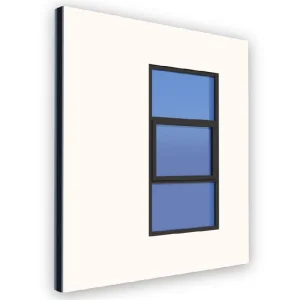
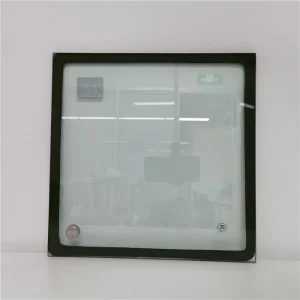
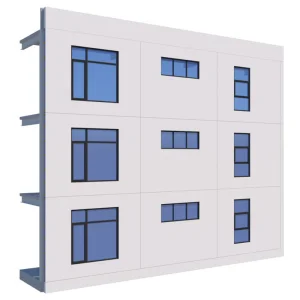
Delivering high-performance insulation envelopes for wall, floor, and roof systems using vacuum insulated glass and fumed silica panels to support carbon neutrality goals.

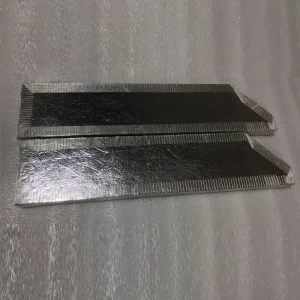
Providing specialized thermal protection systems for high-temperature industrial processes, fire doors, and backup energy storage configurations.

Supporting pre-assembled glamping pods, mobile hotels, and remote tourism infrastructure, providing thermal comfort in variable climates.



Review detailed answers to technical questions commonly asked by structural engineers, modular building designers, and energy consultants when specifying vacuum insulation systems.
By removing gas molecules from inside the fumed silica core, VIPs eliminate convective heat transfer and minimize molecular gas conduction. The nanostructured pores of the fumed silica core (averaging 50–100 nm) are smaller than the mean free path of air molecules at standard pressure, creating high thermal resistance even if slight pressure loss occurs over long service lives.
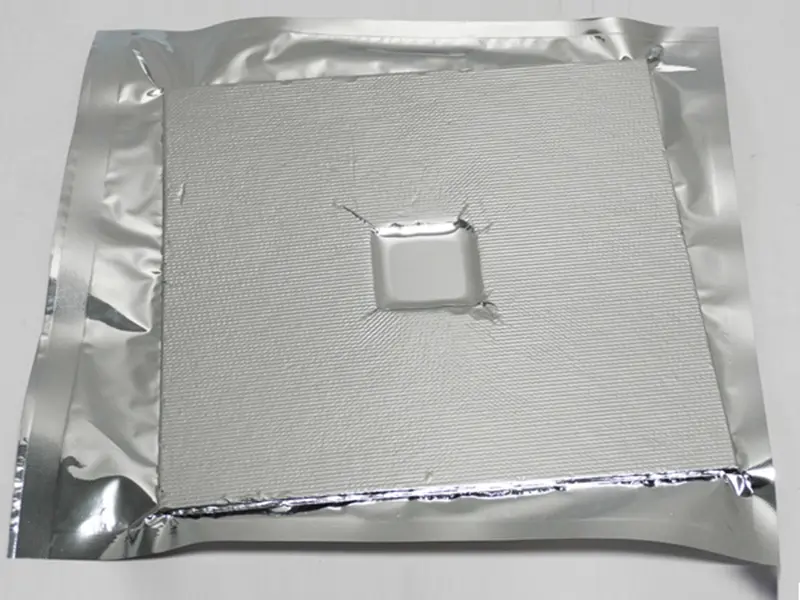
No. Vacuum insulation panels cannot be cut, drilled, or post-processed on site. Any break in the protective barrier foil will cause immediate loss of internal vacuum, raising the thermal conductivity to approximately $0.020 \text{ W/(m}\cdot\text{K)}$. Consequently, panels must be engineered, pre-fabricated, and certified to exact CAD drawings. Designers use a combination of primary VIP panels and small margins of traditional compressible materials (like PU or mineral wool) at panel boundaries to accommodate building tolerances.
Long-term performance is verified through accelerated temperature and humidity aging tests (e.g., exposing panels to temperatures of 50°C and 80% relative humidity). By measuring the rate of gas and moisture permeation through the barrier foil, engineers project the pressure increase over time. Typical designs ensure the internal pressure remains low enough to maintain stable insulation performance for over 50 years.
Since the metallic or metalized barrier wraps at panel edges have higher thermal conductivity than the cores, joint interfaces can create minor thermal bridges. Designers mitigate this by using multi-layer staggered layouts, overlapping joints, or enclosing the VIPs within a protective layer of EPS, PU, or aerogel. This arrangement ensures a continuous thermal barrier across the envelope.
Our fumed silica cores are made of inorganic non-combustible materials that achieve European Class A1 non-combustible performance. When enclosed in barrier foils, the complete assembly typically achieves Class B or higher (BS EN 13501-1), depending on the configuration. For high-temperature zones and elevator shaft fire doors, we recommend our specialized high-temperature nano microporous panel systems.
While the initial unit cost ($/\text{m}^2$) of vacuum insulation is higher than mineral wool or EPS, it delivers significant cost benefits when analyzing the complete system. Reducing wall thickness increases usable interior space, reduces structural load requirements, and lowers shipping and assembly times, providing a lower total cost of ownership for high-density modular housing projects.
Our engineering team provides comprehensive support from draft review to volume manufacturing. Submit your specifications to request a project quotation.
We offer a one-stop vacuum insulation board solution. Contact us for technical support and custom manufacturing estimates.
Follow Us on Social Media


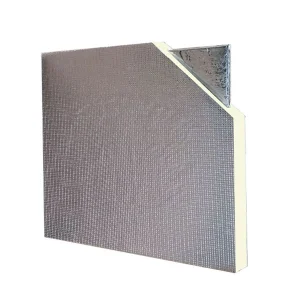
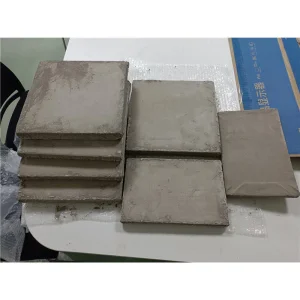
Browse our secondary catalog of building shield systems, specialized vacuum insulation walls, and thermal barriers for new energy storage architectures.


 +8615892792306