
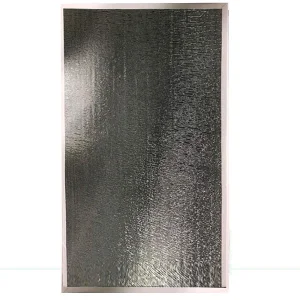
Tailored sizing for thermal management in extreme environments.
Get Quotes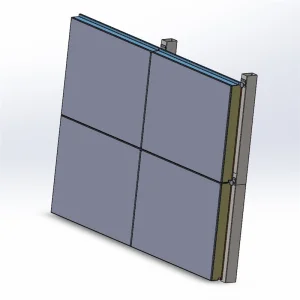
Prefabricated thermal insulation systems for zero-energy building facades.
View Pricelist
High-grade composite blankets optimized for electric vehicle batteries.
Get Factory Quote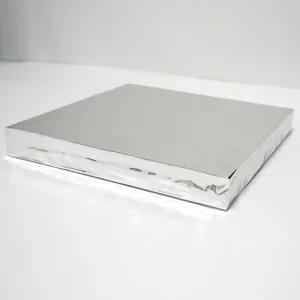
Ultra-low thermal conductivity engineered for heavy industrial furnaces.
View Spec Sheet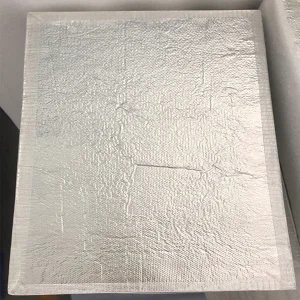
Added mechanical protection barriers for long-term construction envelopes.
Compare Quotes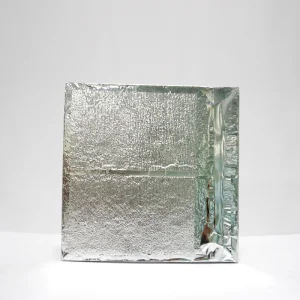
Ensuring ultra-extended thermal stability for vaccine boxes and cold transport.
Source Factory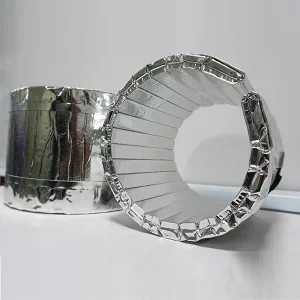
Superior heat retention blankets for industrial heat pumps and water tanks.
Get Quotes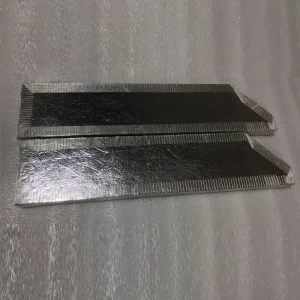
Custom 3D geometric configurations for specialized engineering machinery.
Custom QuoteVacuum Insulated Glass (VIG) represents the pinnacle of architectural glazing technology, bridging the gap between structural transparent design and solid-wall thermal resistance. Conventional double glazing relies on inert gas fills (such as Argon or Krypton) to reduce convective heat transfer. In contrast, VIG eliminates the medium of heat transfer entirely by establishing a deep vacuum zone (typically $10^{-2}$ to $10^{-4}$ Pa) between two panes of glass.
By removing gas molecules, thermal conduction and convection are virtually eliminated. The thermal resistance of VIG is primarily controlled by the low-E coating configurations and the density of the micro-spacer array (support pillars that prevent the panes from collapsing under atmospheric pressure, which exerts up to 10 tons per square meter of force).
| Glazing System Type | Typical Thickness (mm) | U-Value ($W/m^2\cdot K$) | R-Value ($h\cdot ft^2\cdot^\circ F/Btu$) | Acoustic Insulation (STC / dB) |
|---|---|---|---|---|
| Standard Single Glazing | 6 mm | 5.8 | 0.98 | 25 - 28 |
| Double Glazing (Argon Filled, Low-E) | 24 mm | 1.2 - 1.6 | 3.5 - 4.7 | 32 - 35 |
| Triple Glazing (Double Low-E, Argon) | 36 - 44 mm | 0.6 - 0.9 | 6.3 - 9.5 | 34 - 38 |
| Next-Gen Tempered VIG (Zerothermo Tech) | 8.3 - 12.3 mm | 0.4 - 0.6 | 9.5 - 14.2 | 39 - 43 |
“VIG achieves the thermal barrier performance of a standard insulated cavity wall within a profile thickness of less than 12 mm, revolutionizing modern curtain wall designs and retrofitting projects.”
Global construction is undergoining a massive regulatory shift toward Net-Zero Energy Buildings (NZEBs). Windows are traditionally the weakest thermal link in a building's envelope, accounting for up to 40% of building energy losses. Key global policies, such as the European Union’s Energy Performance of Buildings Directive (EPBD) and ASHRAE 90.1 in North America, are driving down allowable U-values for windows.
In parallel, industrial cooling, logistics, and transport sectors rely heavily on cutting-edge materials. In electric vehicles (EVs) and new energy vehicles (NEVs), integrating battery insulation blankets ensures optimal cell operating temperatures ($15^\circ\text{C}$ to $35^\circ\text{C}$), preventing thermal runaway and increasing range in winter conditions.
Procurement leads and facade engineers must scrutinize structural and manufacturing variables before shortlisting VIG and VIP factories. Consider the following crucial benchmarks during your factory evaluation:
The next phase of transparent insulation combines vacuum technology with electrochromic dynamic glass, allowing active control over the Solar Heat Gain Coefficient (SHGC) while maintaining the low U-value of VIG. Additionally, hybrid structural designs integrate Vacuum Insulated Glass as the outer pane, backed by an argon-filled cavity and laminated inner glass to achieve high acoustic and structural wind-load tolerances in high-rise constructions.
Product Details: Customized Size, 5-15mm thickness. Engineered for extreme thermal isolation in battery cells.
Product Details: Flexible geometries, customized sizing. Up to 1000°C thermal protection thresholds.
Our elevator fireproof door high-temperature nano-microporous panels offer rapid thermal containment.
Product Features: Customized 3D modeling, PET film encapsulation, complex curve compatibility.
Zerothermo Technology Co., Ltd., a subsidiary of CBVAC Group and a national high-tech enterprise, is headquartered in the Beijing Economic-Technological Development Area with its production base located in Nanchong City, Sichuan Province. This facility stands as one of China’s largest comprehensive production centers for vacuum technology application products.
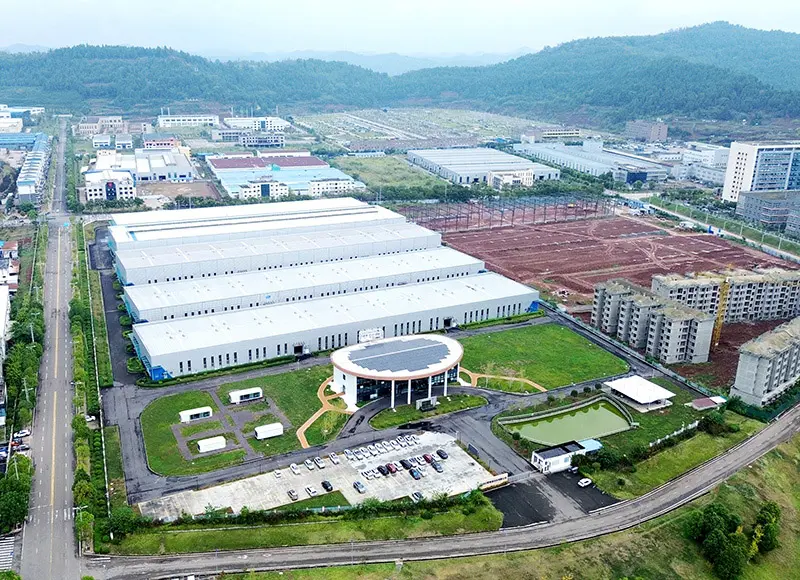
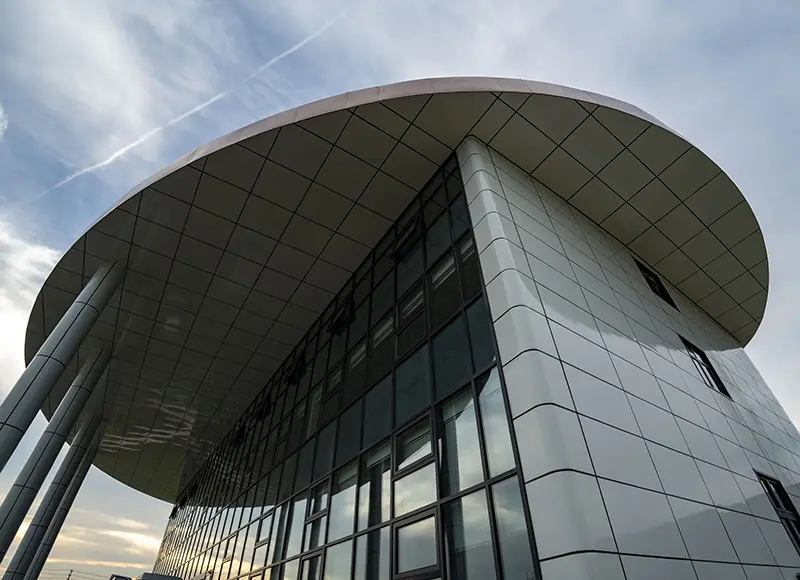
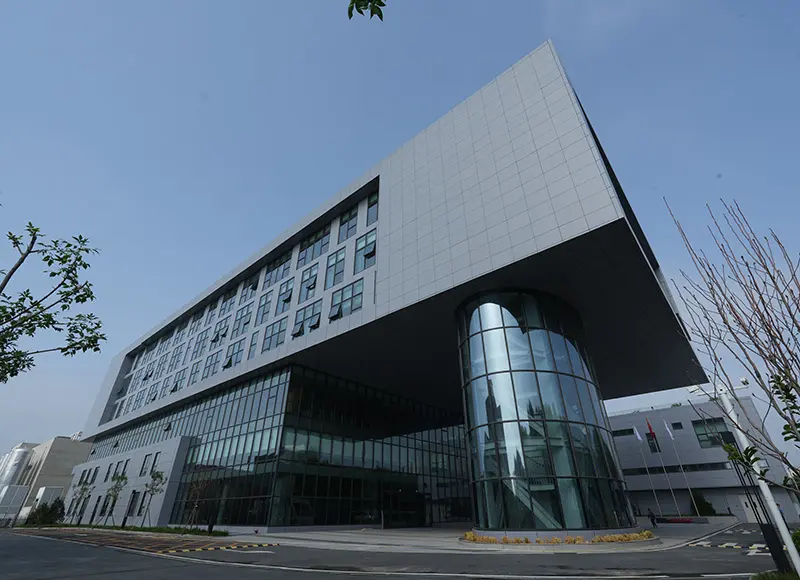
Inside the automated production floor: ISO 8 cleanroom vacuum sealing machines and state-of-the-art flatness calibration lines.
Unparalleled standards across every vacuum insulation panel and double glazed panel produced.
Swift engineering execution from custom CAD drawings to finished components.
High-volume automatic production facilities ensuring steady raw material sourcing.
Dedicated packaging and shipping setups protective against mechanical vibration decay.
Providing high-efficiency thermal insulation solutions for logistics containers via VIP technology.
Empowering the construction sector to reduce carbon footprint and achieve net-zero targets using VIG.
Providing custom nano microporous insulation options for furnaces, fireproof elevator doors, and kilns.
Supplying mobile cabins and modular luxury units with premium insulation panels for severe climates.

Cleanroom wall VIP panel assembly.
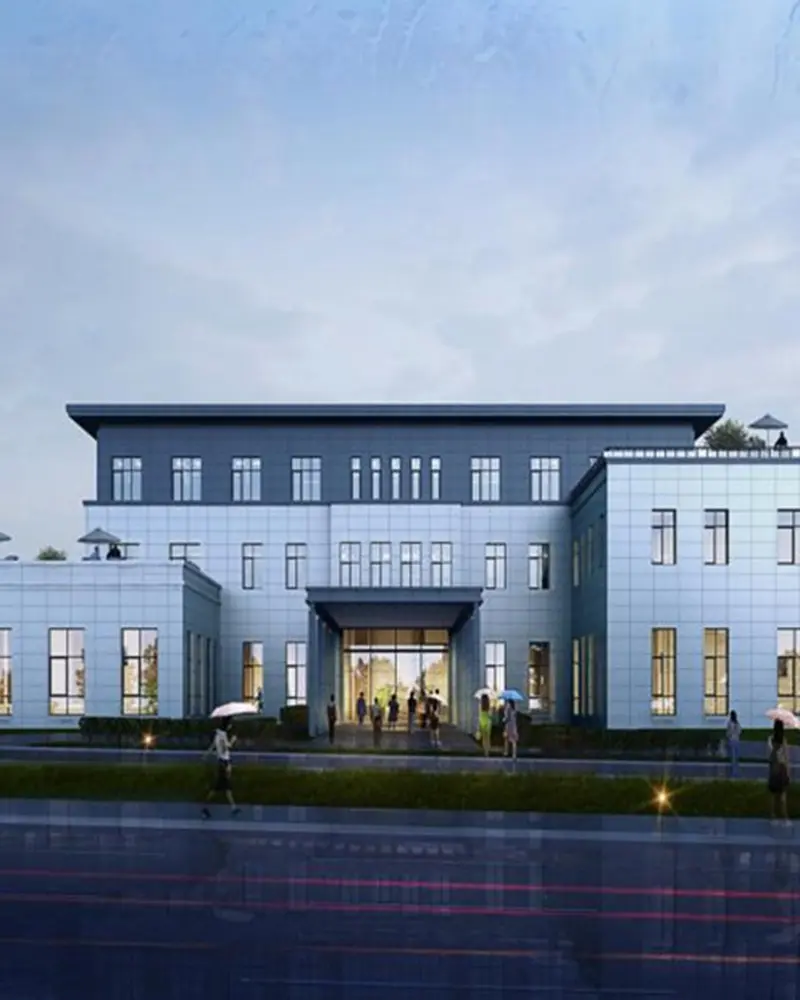
Ultra-low U-value glass facade retrofit.

Green campus construction utilizing low-emission VIG.
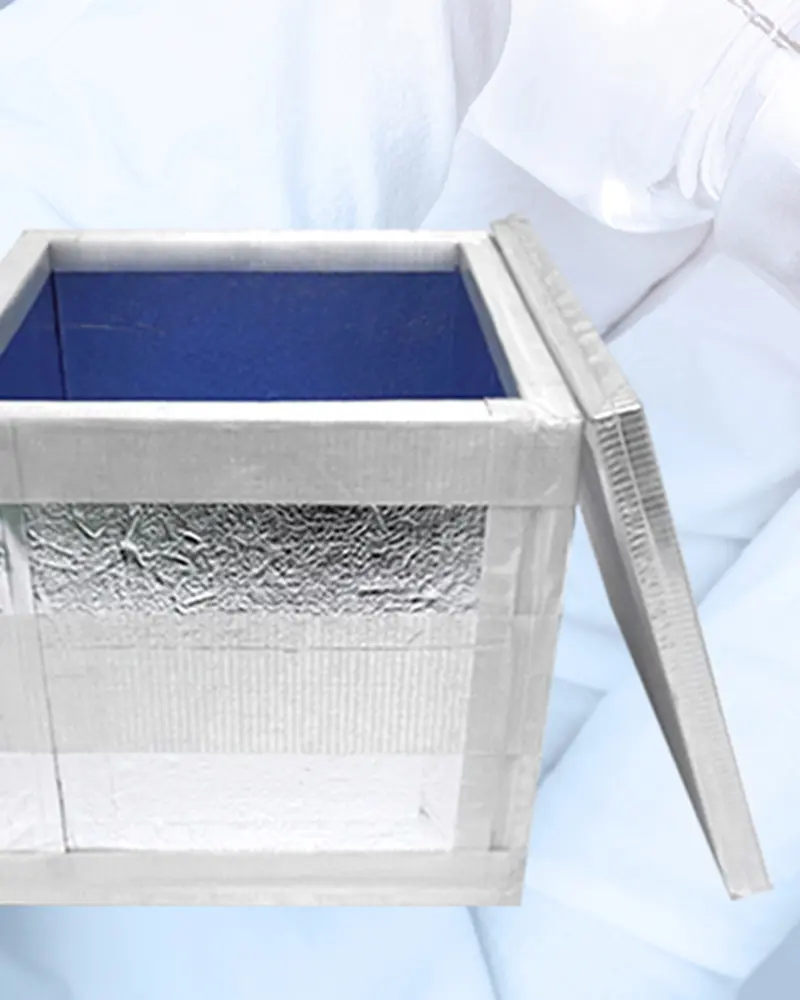
Fumed silica VIP shipping containment solution.
Speak directly with our system engineers for quotes, technical parameters, and samples.


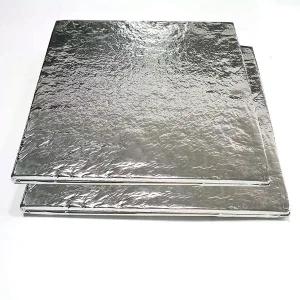
Ideal core material for commercial cold boxes and transport freezers.
Get Quotes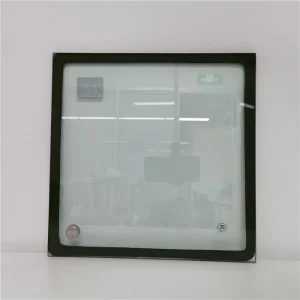
Industrial supply pricing for high-efficiency safety architectural glazing.
Request Price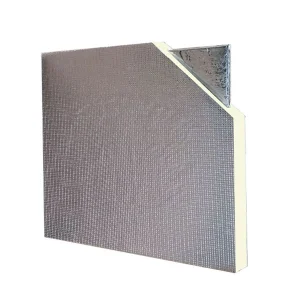
Composite barrier panel maximizing structural load and thermal efficiency.
View Pricelist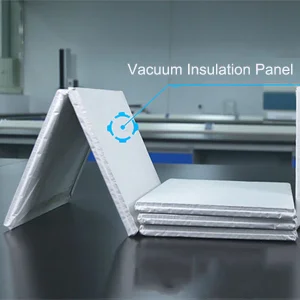
Building heat shield technology engineered to minimize structural wall thickness.
Get Quotes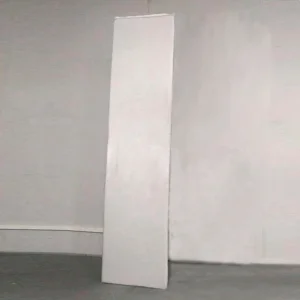
Specially certified fireproofing containment elements for elevators.
View Specs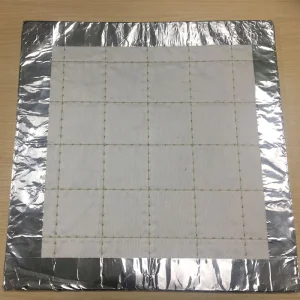
Bendable high-temperature blankets for wrapping pipes and turbines.
Source Factory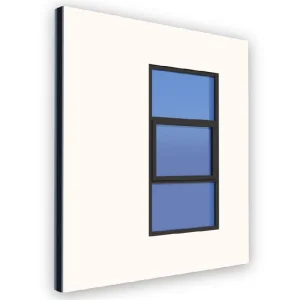
Modular thermal insulation sections ready for immediate building assembly.
Get Quotes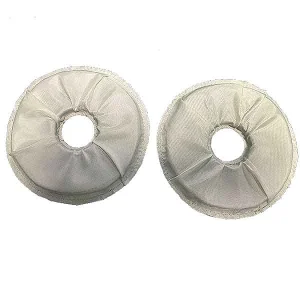
Custom-cut circular blankets for industrial thermal processing facilities.
Request Price
