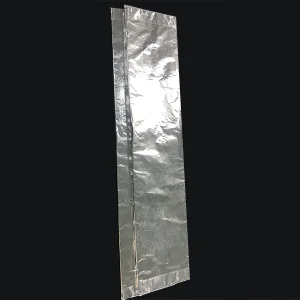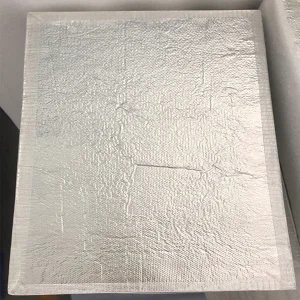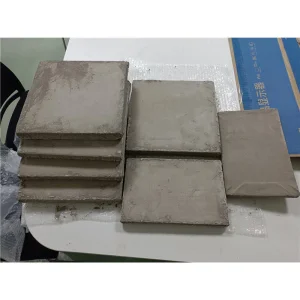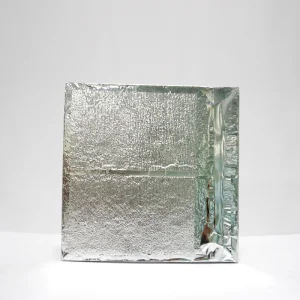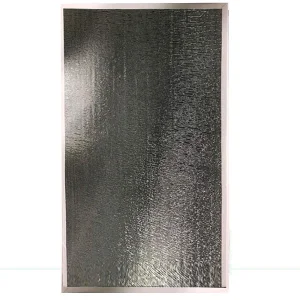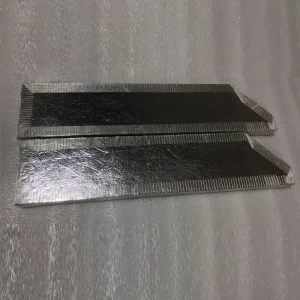
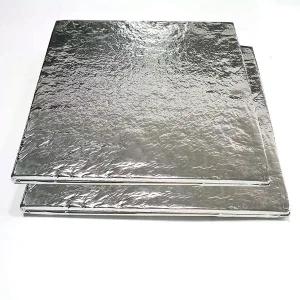
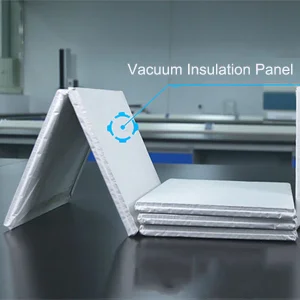
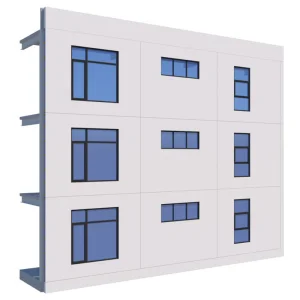
In today's highly industrial landscape, thermal management has transitioned from a straightforward material selection process to an intricate engineering science. High-temperature Vacuum Insulation Panels (VIPs) represent the absolute zenith of this evolution. Standard insulation relies on trapping air inside porous structures; however, heat still transfers via convection and gas conduction. VIPs circumvent these physical limitations by evacuating the air, creating a high-grade vacuum that virtually eliminates gas conduction.
This massive discrepancy in efficiency allows system engineers to drastically reduce insulation thickness by up to 90% while achieving identical thermal resistance. This spatial optimization translates directly into higher volumetric capacities for refrigeration systems, increased safety envelopes in battery packs, and reduced operational footprint in high-temperature industrial processes.
The performance profile of a high-temperature VIP is inherently linked to its core structure. Fiberglass core VIPs are highly efficient at lower temperatures, making them popular for refrigerators, freezers, and cold chain containers. However, under high-temperature conditions or extended lifetimes, fiberglass core panels face physical degradation and structural collapse. Fumed silica, containing nano-sized pores, remains highly stable under intense heat profiles and maintains its structural integrity even at high pressure differentials. The micro-pore size of fumed silica is smaller than the mean free path of air molecules at atmospheric pressure, ensuring that even if vacuum degradation occurs over time, the thermal conductivity rises very slowly compared to fiberglass.
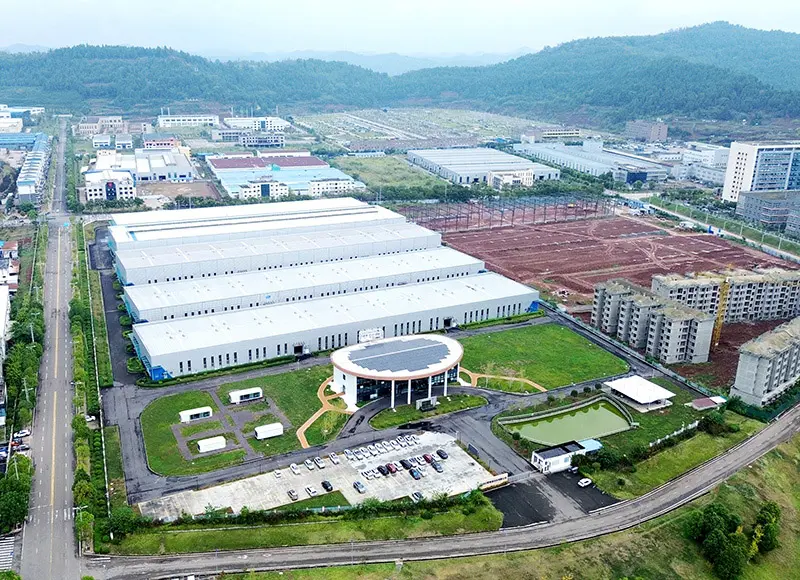
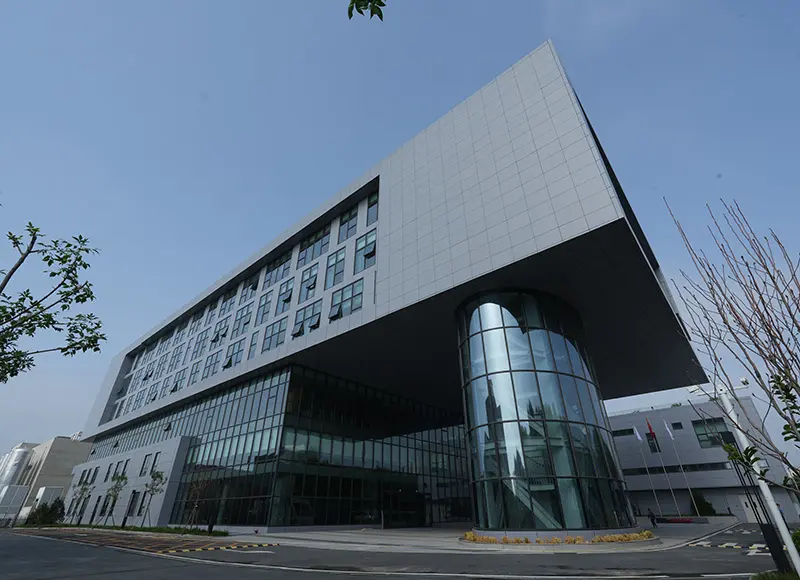
Zerothermo Technology Co., Ltd., a subsidiary of CBVAC Group and a national high-tech enterprise, is headquartered in the Beijing Economic-Technological Development Area with its production base located in Nanchong City, Sichuan Province. This facility stands as one of China’s largest comprehensive production centers for vacuum technology application products.
Utilizing CBVAC's legacy of ultra-high vacuum system design and manufacturing, Zerothermo brings industrial-grade control, advanced robotics, and state-of-the-art testing equipment to the vacuum insulation market, serving tier-one global logistics, aerospace, building construction, and energy automotive enterprises.

Special sizes (beyond the range of ANSI/ASME/DIN and other standards) are produced according to customers' drawings or technical parameters.

Square, oval or other special shaped flanges. - Oversize/small diameter: such as diameter over 60 inches or micro precision flanges.

Tailored configurations are customized to integrate seamlessly with specific system geometries, extreme thermal limits, and physical load-bearing requirements.


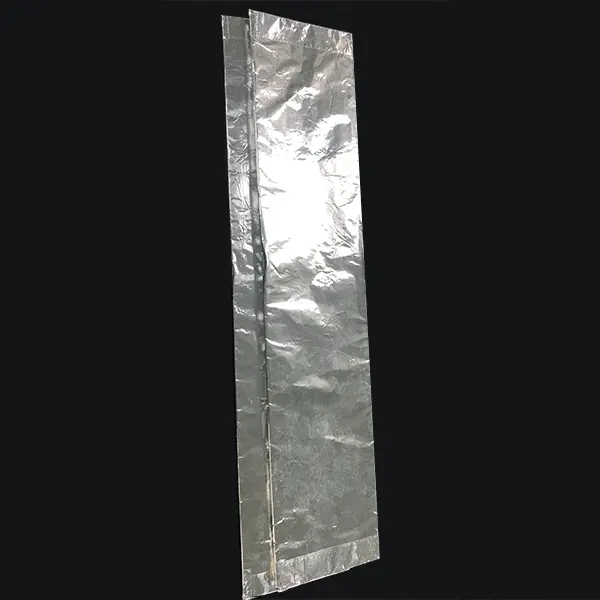
Size: Customized | Thickness: 5-15mm. Designed for thermal runaway containment and spacing constraints in EV battery packs.
Inquire Custom Details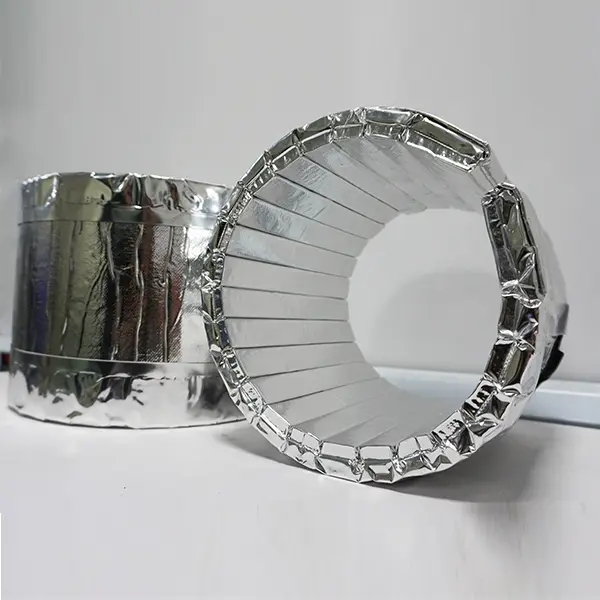
Size: Customized | Thickness: 5-30mm. Reduces energy loss for high-capacity industrial boiler systems.
Inquire Custom Details
Engineered specifically for elevator fireproof doors, maintaining safety boundaries under extreme thermal loads.
Inquire Custom Details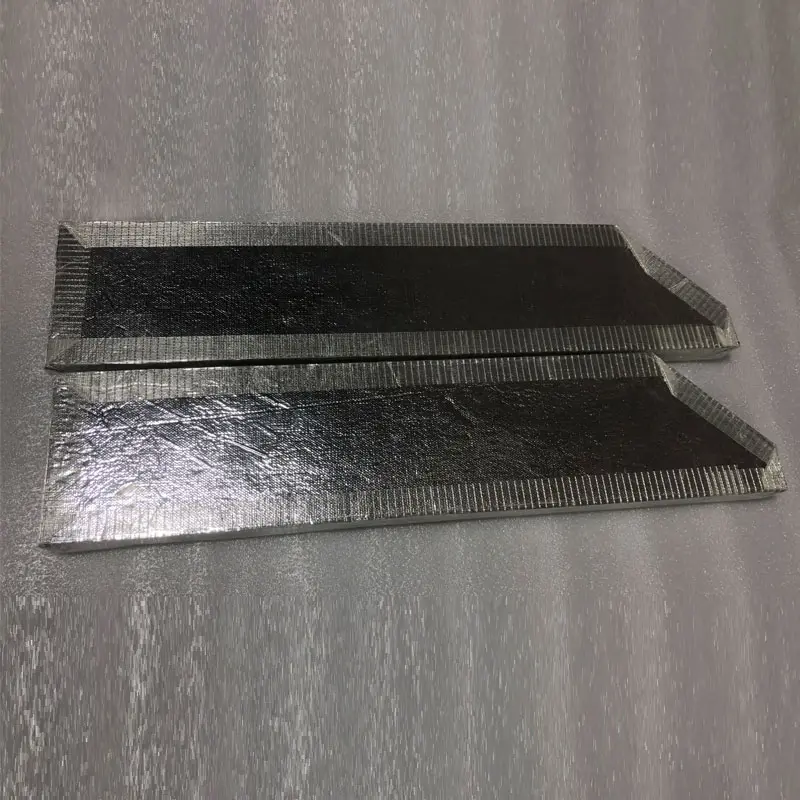
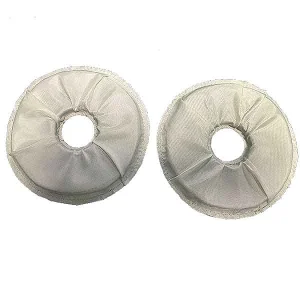
Accommodates complex 3D structures, ports, and pipes without sacrificing core vacuum thermal integrity.
Inquire Custom Details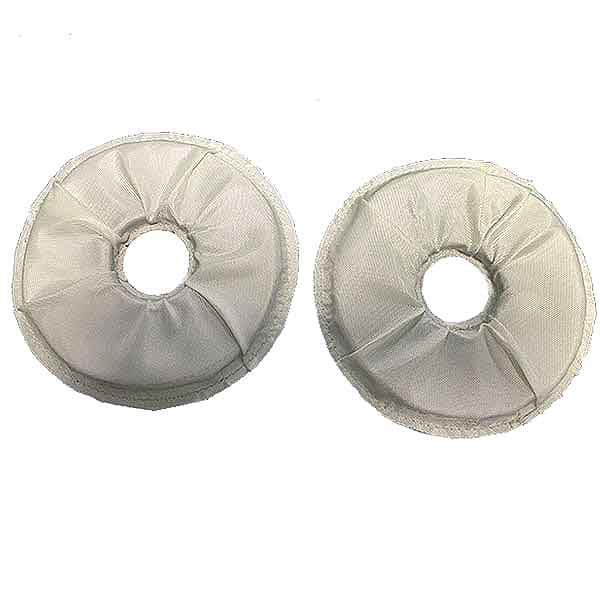
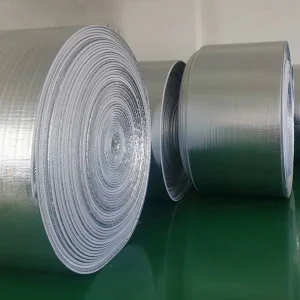
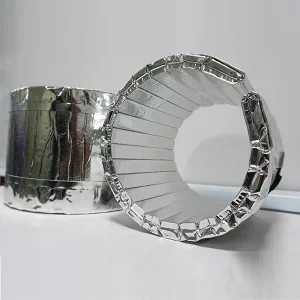
Offers high structural flexibility, allowing wrapped insulation around cylindrical pipes and spherical reactors.
Inquire Custom Details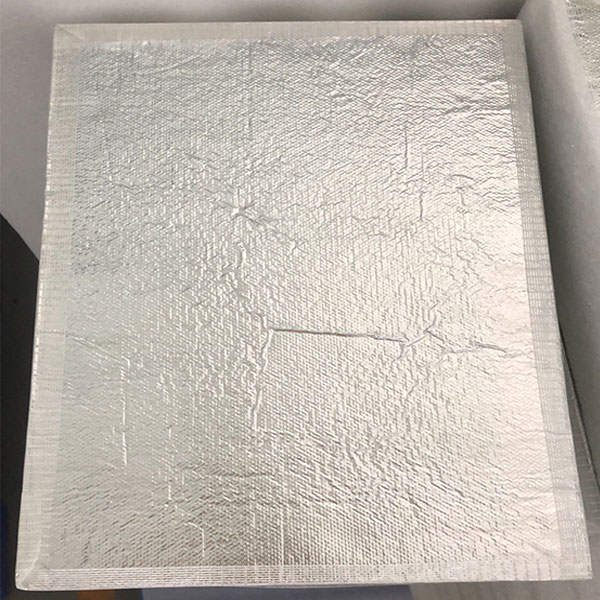
Offers extreme thermal performance under critical space constraints for premium residential systems.
Inquire Custom Details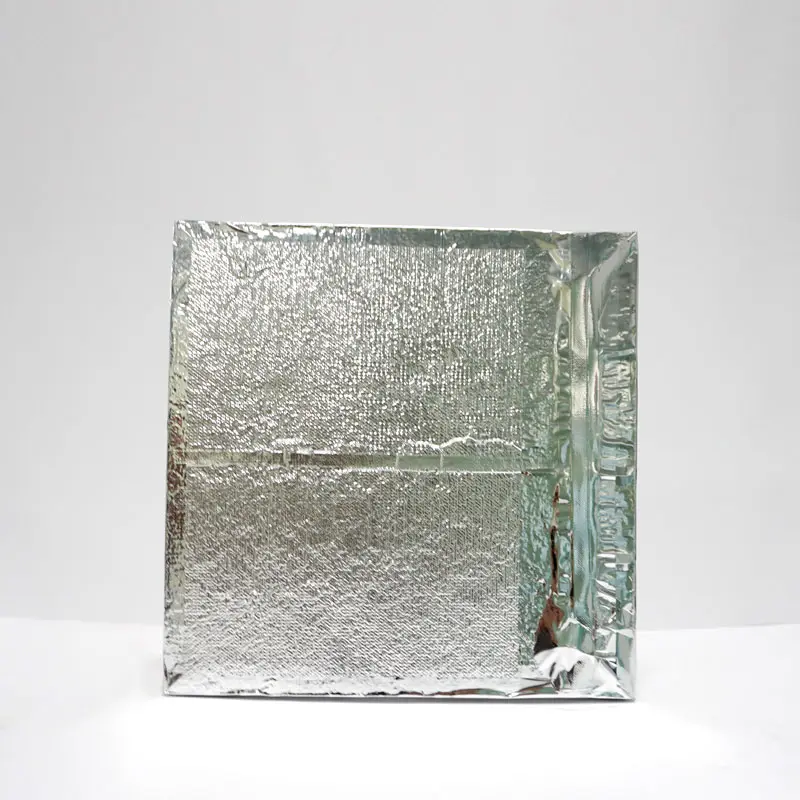
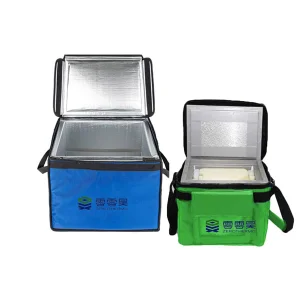
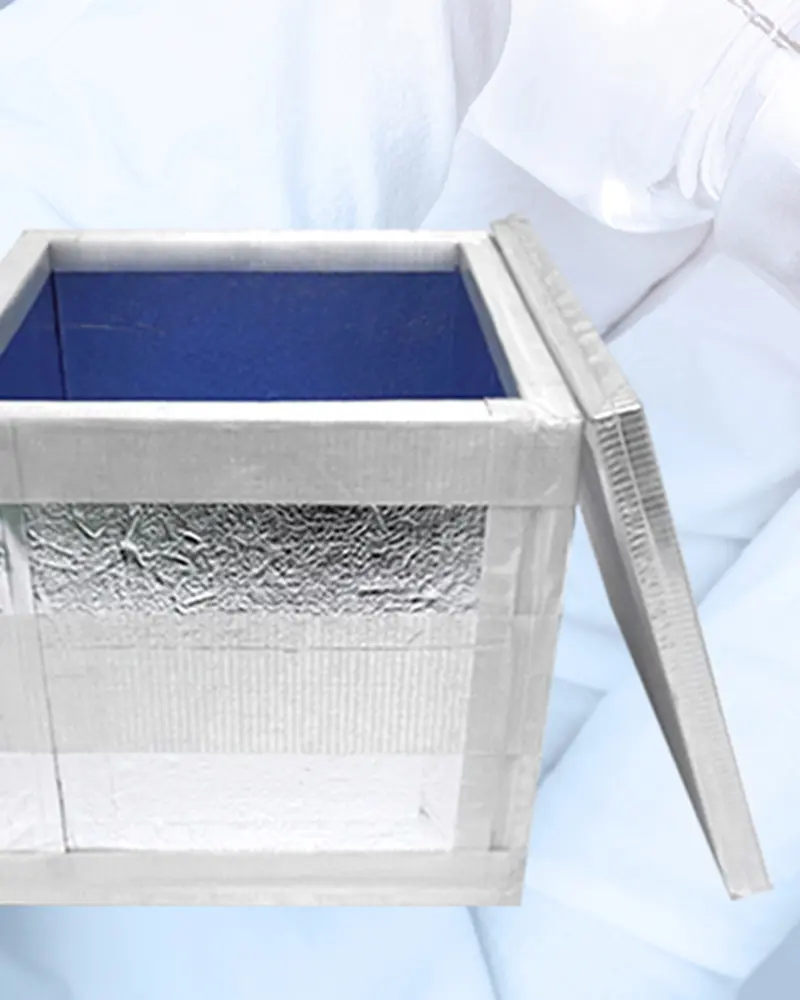
Maintains static temperatures inside vaccine shippers and ultra-deep freeze logistics boxes.
Inquire Custom Details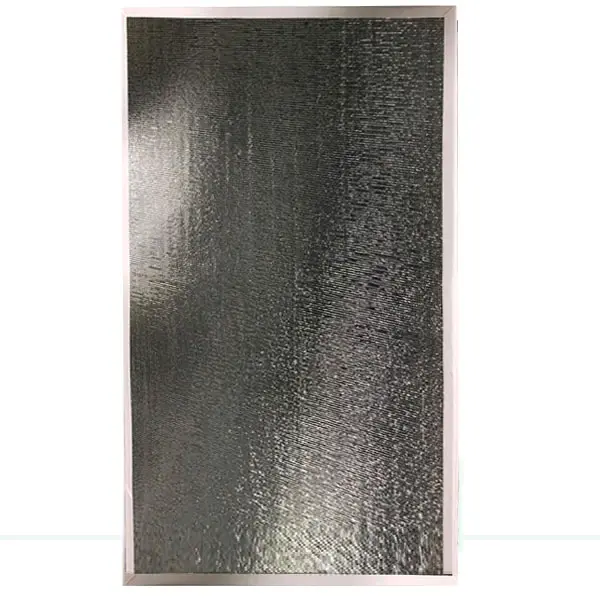
Oversized modular panels for bulk shipping containers, cold rooms, and large architecture projects.
Inquire Custom DetailsAs energy regulations tighten globally, the demand for cutting-edge insulation has surged. China has established itself as the global epicenter for VIP development and mass production. Understanding the fundamental advantages of sourcing high-temperature VIPs from China is critical for international purchasing directors, system integration engineers, and supply chain managers.
The manufacturing of high-temperature vacuum insulation panels is heavily dependent on the immediate availability of raw materials. The fumed silica core requires high-purity silicon tetrachloride as a precursor, while the exterior barrier envelopes need multi-layered polymer matrices with high-barrier sputtered aluminum coatings. China hosts the world’s most concentrated cluster of high-grade fumed silica producers and advanced polymer foil laminators. This localization of components reduces raw material transport times and costs, offering protection against global supply chain disruptions.
In thermal engineering, vacuum preservation is highly dependent on process consistency. Manual vacuum sealing leads to variable sealing pressures, which degrade thermal barrier lifespan. Chinese factories, particularly national high-tech entities like Zerothermo, have integrated advanced vacuum sealing automation. This includes automated optical inspection (AOI) to detect envelope micro-defects and robotic packaging lines that maintain optimal low-moisture cleanrooms, ensuring long-term vacuum stability.
Because the core raw material processing and vacuum evacuation steps are energy-intensive, manufacturing VIPs in Western facilities involves high overheads. By operating in key industrial hubs within China, producers like Zerothermo leverage specialized energy infrastructure and optimized logistics. This enables them to deliver premium fumed silica VIPs with a thermal conductivity performance of <0.005 W/m·K at prices comparable to inferior fiberglass products produced elsewhere.
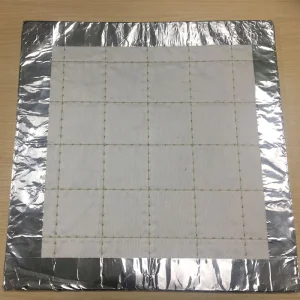
Modern applications, such as NEV battery packs and aerospace structures, rarely feature standard rectangular dimensions. Specially shaped VIPs, featuring custom cutouts, circular geometries, and varying thicknesses, are essential. Chinese manufacturers provide unmatched design agility, transforming custom CAD models into production-ready thermal blankets or panels within days rather than weeks.

Unparalleled quality standards verified through strict vacuum retention tests.

Rapid prototype execution from custom design configurations to mass production.

A large production footprint ensures prompt order fulfillment for global contracts.

Seamless global shipping networks ensure secure transit for high-vacuum panels.

Committed to technical support, lifecycle testing, and cooperative R&D.

Achieves precise temperature stability within cold boxes, ensuring safe shipping for bio-vaccines and clinical drugs over long distances without power supply.

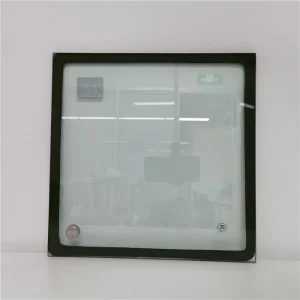
Integrates ultra-thin thermal insulation walls and vacuum insulated glass, enabling modern buildings to achieve passive design benchmarks and lower carbon footprints.

Provides critical containment and process energy saving solutions for industrial ovens, metal smelting systems, and pipe networks operating up to 1000°C.

Supports mobile structural cabins, temporary exhibitions, and insulated structures in eco-tourism sites that require rapid setup and reliable weather resistance.
Purchasing high-temperature vacuum insulation panels involves several technical considerations beyond pricing. Procurement teams must examine key physical characteristics to ensure long-term system compatibility. The checklist below outlines essential parameters for industrial projects:
| Performance Parametric | Standard Specification (Fumed Silica) | Testing Methodology / Standard | Engineering Significance |
|---|---|---|---|
| Thermal Conductivity (λ) | < 0.005 W/m·K (at 25°C) | ASTM C177 / ISO 8302 | Determines the minimum thickness required to prevent thermal loss. |
| Density | 160 - 220 kg/m³ | ASTM C303 | Affects overall system weight, critical in NEV battery and aerospace applications. |
| Temperature Tolerance | -70°C to 80°C (up to 1000°C for microporous cores) | GB/T 10294 / DIN EN 12667 | Defines operating limits for structural stability and fire resistance. |
| Internal Vacuum Pressure | < 1.0 mbar (0.1 kPa) | Dynamic vacuum sensor testing | Directly impacts long-term thermal isolation efficiency. |
| Gas Permeation Rate | < 0.05 g/m²·day | ASTM F1249 (Moisture) / ASTM D3985 (Oxygen) | Controls degradation over the panel's design lifespan (typically 20-50 years). |
Corporate procurement teams should verify that prospective VIP manufacturers possess certifications like ISO 9001, ISO 14001, and CE markings. Additionally, ask for lifetime testing data generated under accelerated aging conditions (typically 50°C and 90% Relative Humidity) to verify long-term performance stability in humid or tropical environments.


Our dedicated applications team is available to assist with thermal simulations, system design reviews, and bulk procurement logistics. Contact us directly through the details below: