
Engineered to deliver exceptional thermal barriers, reducing electricity consumption in commercial and industrial architectures across West Africa.
Ghana is currently undergoing a rapid architectural transformation. Urban centers like Accra, Kumasi, and the port city of Tema are experiencing a surge in the construction of commercial high-rises, upscale residential apartments, and industrial logistics parks. However, this growth is met with distinct challenges: high ambient tropical temperatures, intense solar radiation, and escalating electricity tariffs. In Ghana, air conditioning systems represent up to 60% of a commercial building’s energy bill.
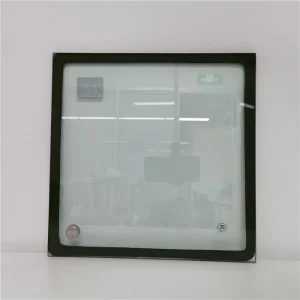
Architects and project developers are increasingly adopting international standards such as the International Finance Corporation’s (IFC) EDGE Certification (Excellence in Design for Greater Efficiencies). To achieve EDGE compliance, buildings must achieve a minimum 20% reduction in energy use, water use, and embodied energy in materials. Standard single-pane or traditional double-glazed units (IGUs) struggle to combat solar heat gain in West Africa. This is where Vacuum Insulated Glass (VIG) serves as a game-changing solution.
Information Gain Insight: Vacuum Insulated Glass replaces the air or gas cavity of a traditional double-glazed window with a micro-vacuum space (under 0.3mm). This physically eliminates thermal conduction and convection. Consequently, the U-value drops from 2.8 W/m²K (standard double glazing) to a staggering 0.4 - 0.6 W/m²K, translating to a reduction of up to 45% in HVAC cooling load under the Ghanaian sun.
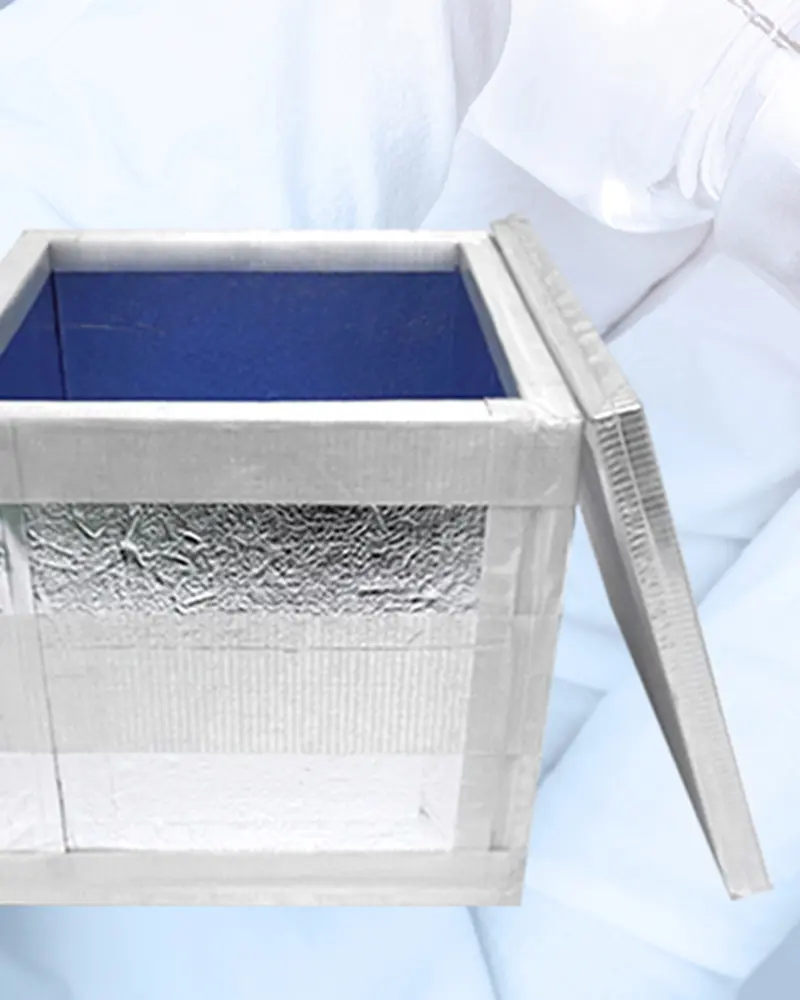
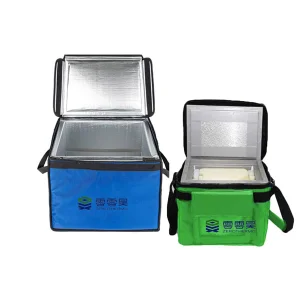
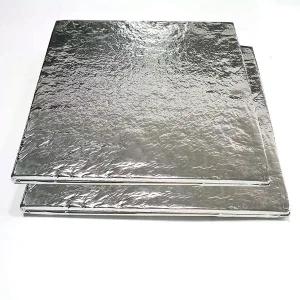
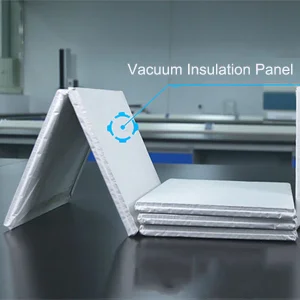
Beyond architecture, the industrial landscape of Ghana requires advanced thermal barriers. With the expansion of Tema Port and the growth of agriculture-based exports, the cold chain network is vital. Vacuum Insulation Panels (VIPs) based on fumed silica cores are essential for vaccine transport containers, medical storage, and refrigerated trucks carrying perishable agricultural products across the Economic Community of West African States (ECOWAS).
Understanding the engineering behind next-generation thermal conservation.
Our technology, developed in partnership with CBVAC Group, leverages advanced vacuum mechanics to manufacture panels and glass units with near-zero heat transfer coefficients. By implementing a high-vacuum chamber during sealing, we ensure our products remain structurally sound and thermally consistent for over 25 years.

High-precision micro-pillars prevent the glass panes from collapsing under atmospheric pressure while remaining virtually invisible to the naked eye.

Innovative low-temperature metallic alloy sealing guarantees that the vacuum integrity is maintained throughout severe outdoor temperature swings.

Advanced getter materials absorb remaining trace molecules over time, ensuring the internal vacuum level remains below 10⁻⁴ Pa for decades.
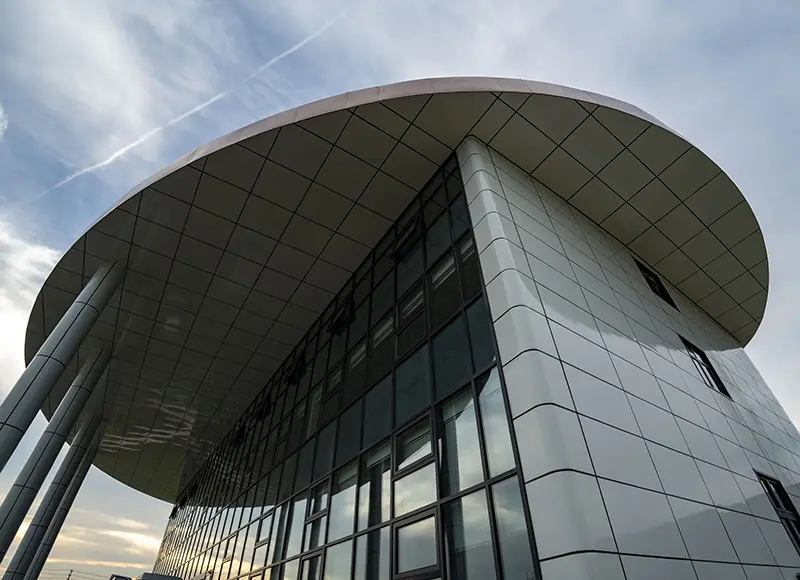
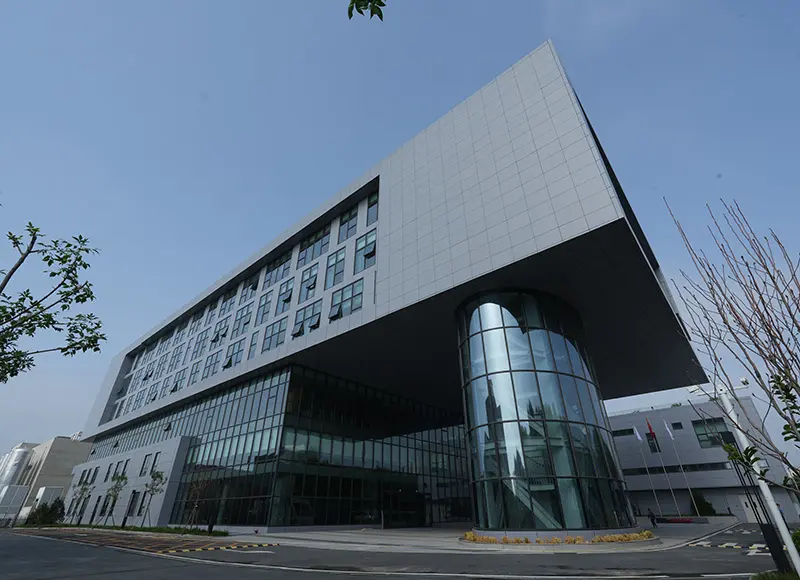


Providing OEM/ODM thermal envelope engineering tailored to local climatic demands and strict structural constraints.
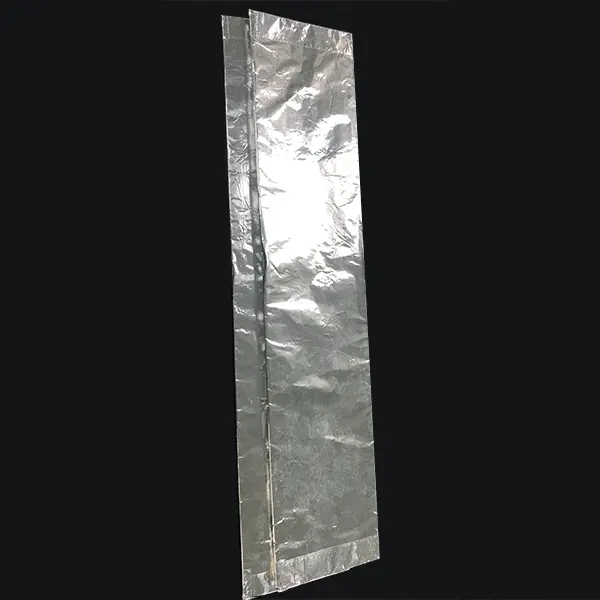
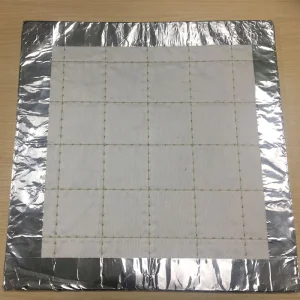
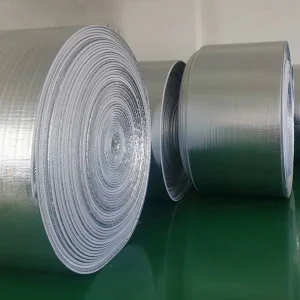
High-efficiency safety blankets engineered with ultra-low thermal conductivity, customized for high-temperature operating environments.
Send Inquiry Now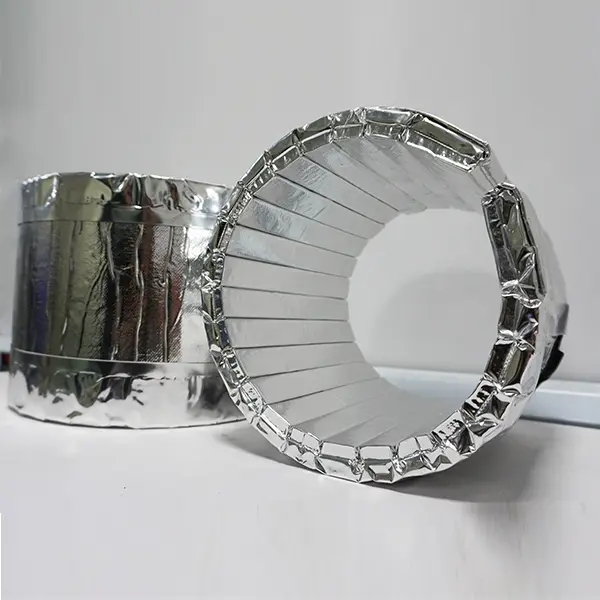
Specially manufactured blankets designed to retain heat in commercial high-capacity water systems across hotels and multi-family structures.
Send Inquiry Now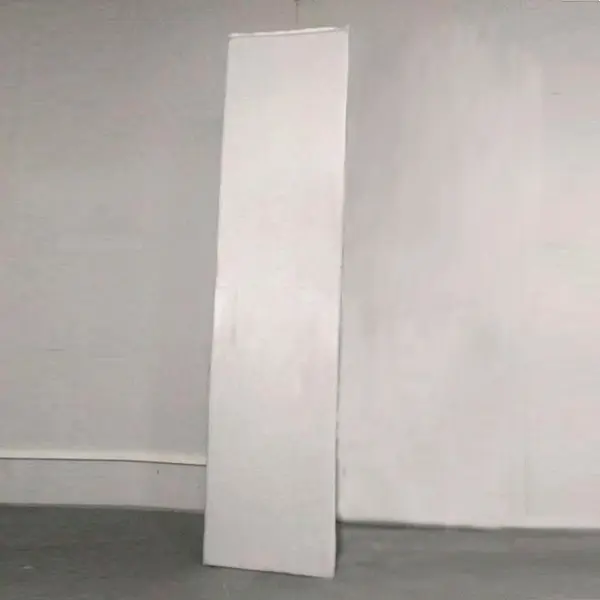
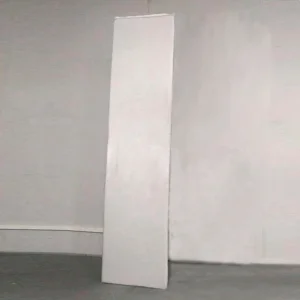
Elevator fireproof door thermal panels that provide structural integrity and prevent thermal bridging during localized fire hazards.
Send Inquiry Now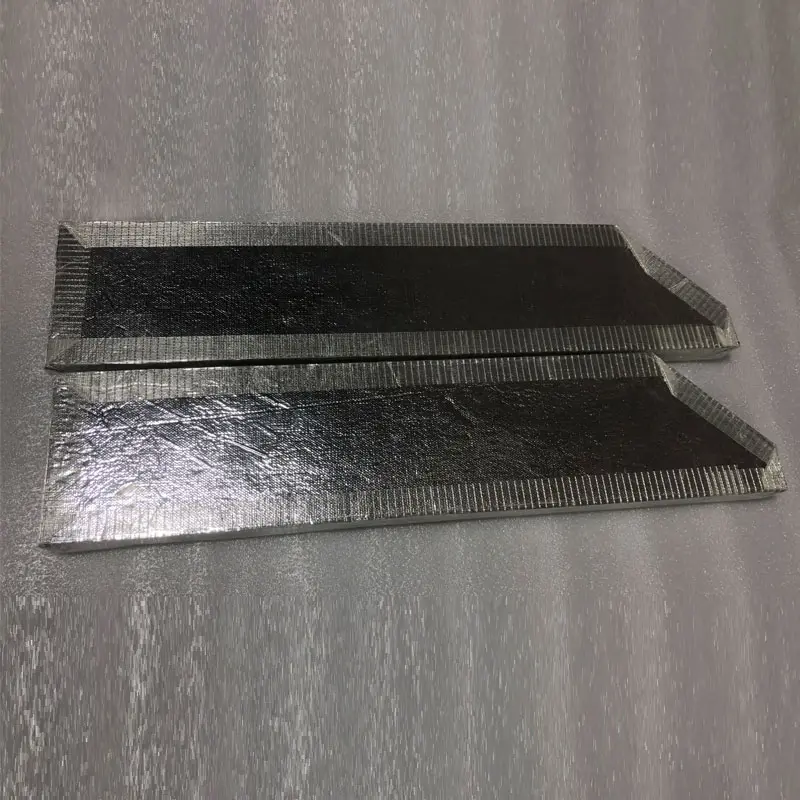
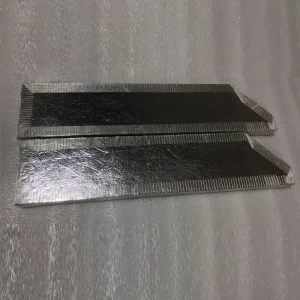
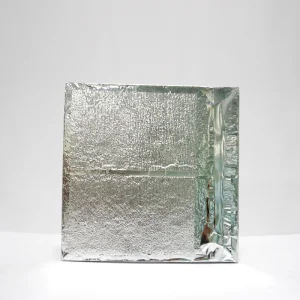
Vacuum insulation panels tailored for atypical space constraints in transport shipping and highly specialized aerospace equipment.
Send Inquiry Now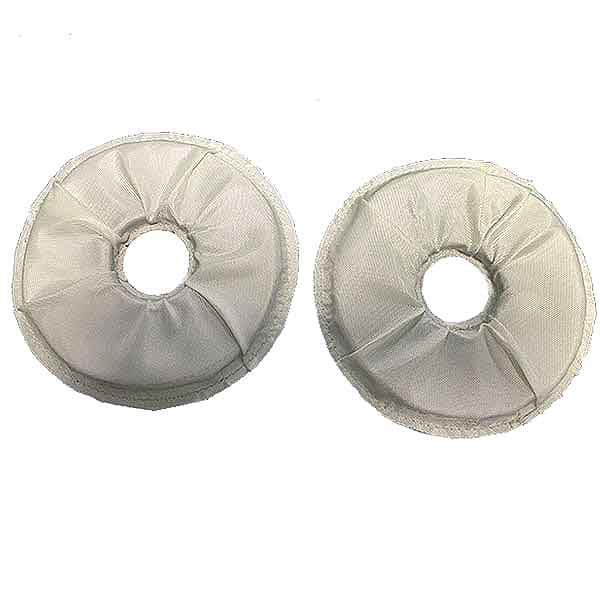
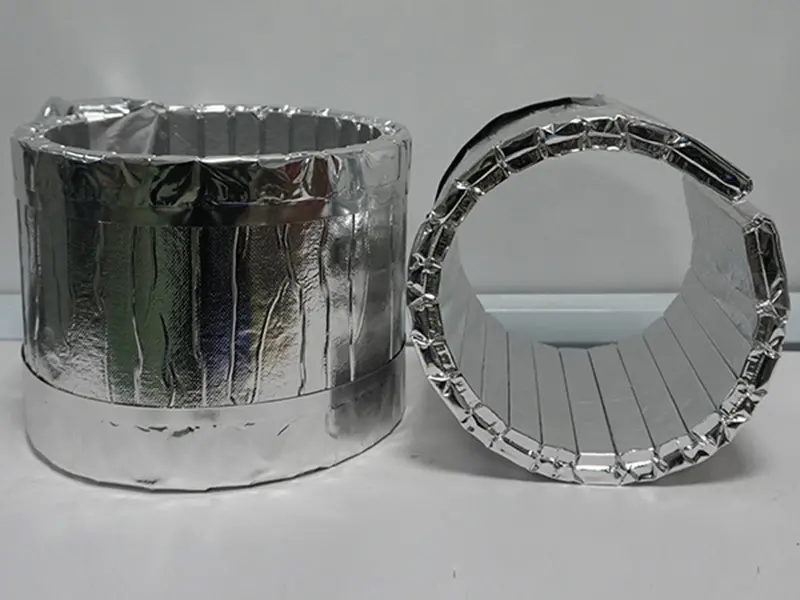
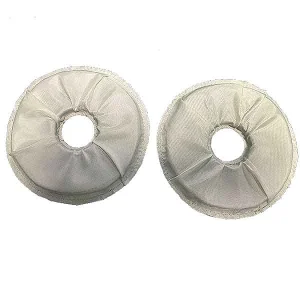
Round shape flexible nano thermal protection blankets that adapt to custom piping lines and industrial process conduits.
Send Inquiry Now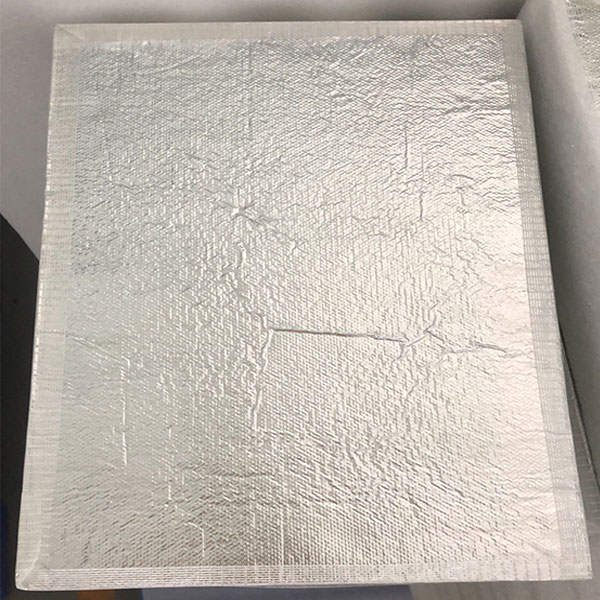
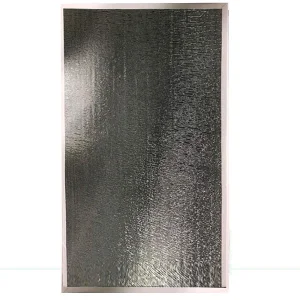
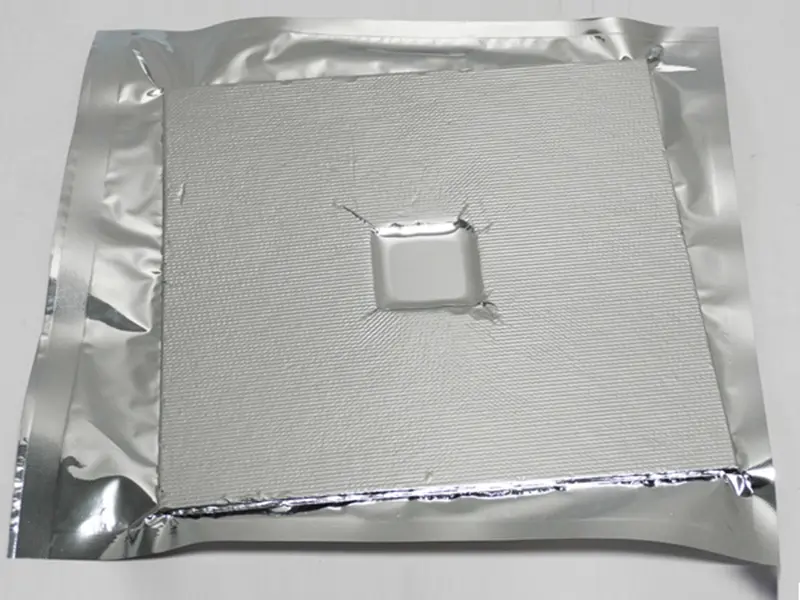
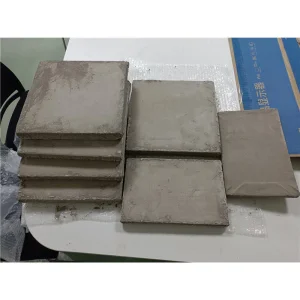
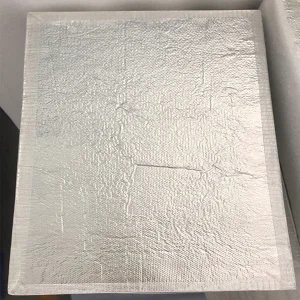
Advanced vacuum panels lined with protective PET films, ideal for under-roof insulation configurations in hot zones.
Send Inquiry Now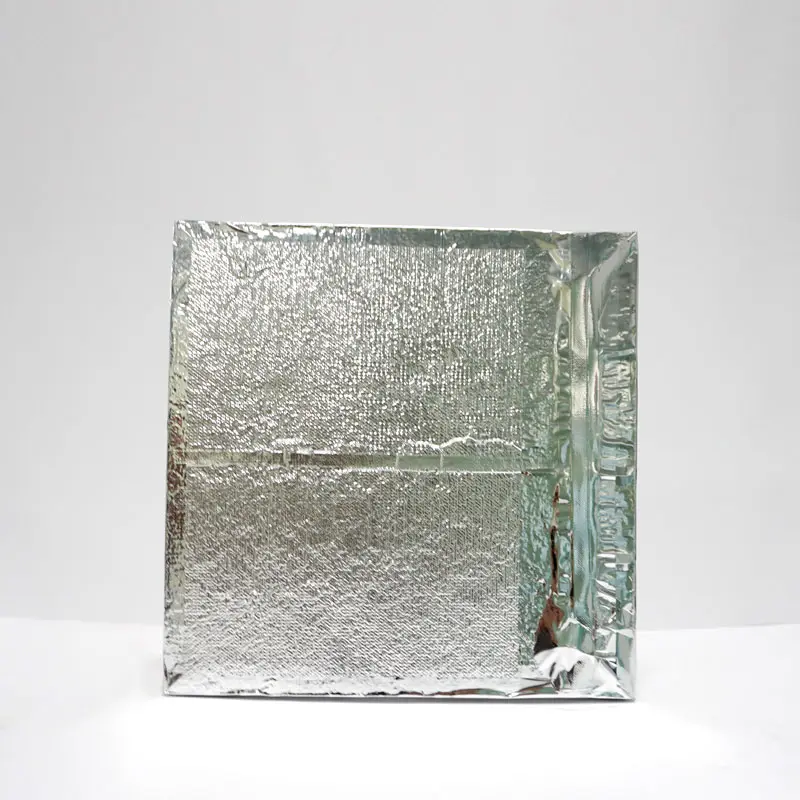
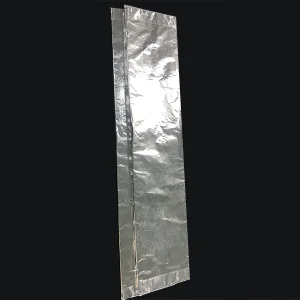
High-efficiency containment liners optimized for refrigerated shipment arrays leaving Tema Port for European distribution.
Send Inquiry Now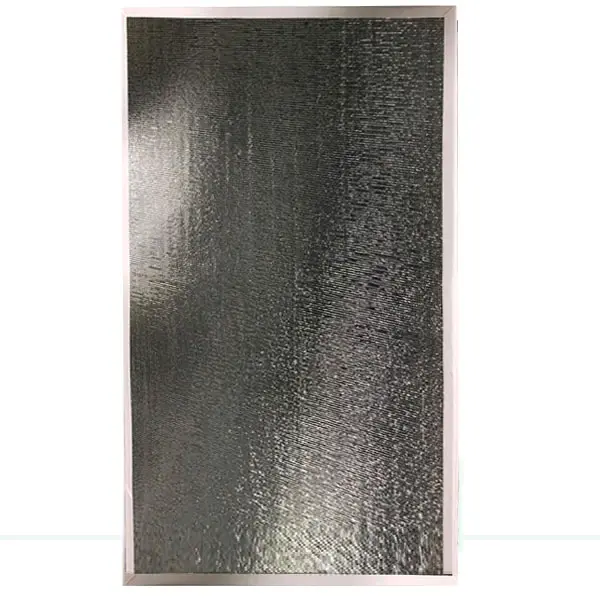
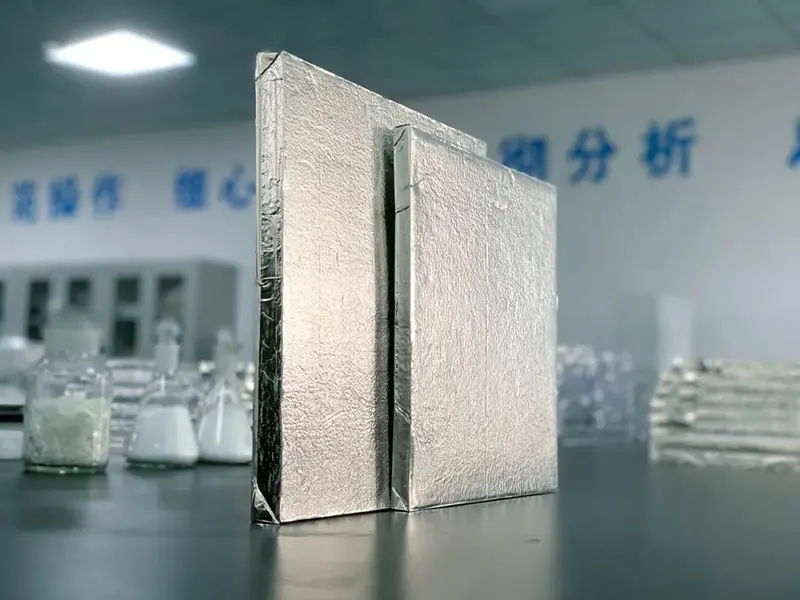
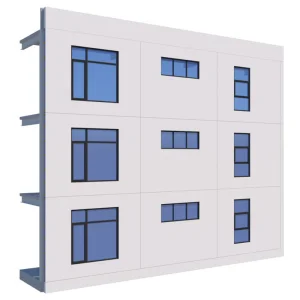
Large format panel installations designed for modular building panels, combining rapid onsite setup with extreme insulation ratings.
Send Inquiry NowZerothermo Technology Co., Ltd. (Subsidiary of CBVAC Group) – National High-Tech Enterprise


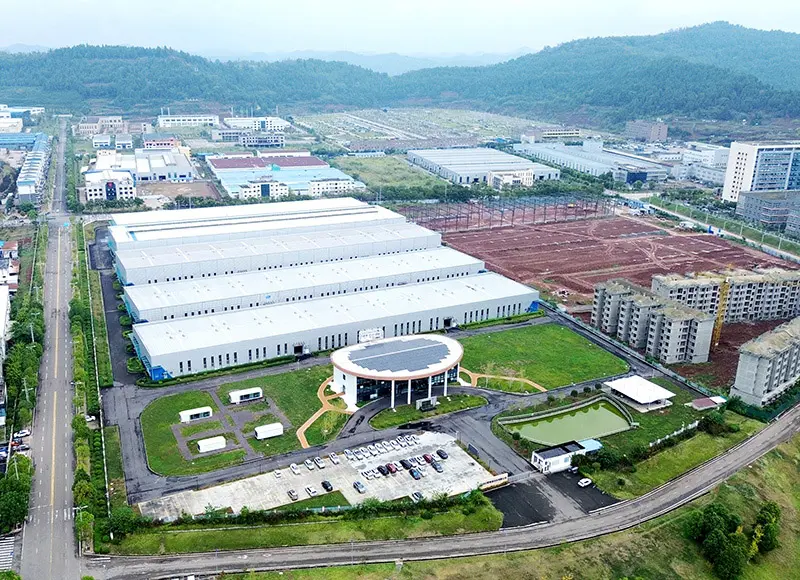
Headquartered in the Beijing Economic-Technological Development Area, with our key manufacturing base in Nanchong City, Sichuan Province, Zerothermo houses one of the largest vacuum application facilities in Asia. Every single VIG pane undergoes strict pressure mapping, helium leak testing, and thermal imaging calibration to guarantee its performance in tropical conditions before sea freight shipment to the Port of Tema, Accra.
Our global supply chain operates under a fully digitized quality management framework, ensuring consistent lead times, ocean-ready timber crate packaging, and comprehensive onsite installation guides for project engineers in West Africa.
Providing localized deployment pathways for building envelope, transport, and energy systems.
By replacing traditional building glass with Vacuum Insulated Glass, real estate developers in Ghana can achieve a substantial reduction in both initial air conditioning capital cost (HVAC downsizing) and long-term operating costs. This helps buildings achieve high ratings under green assessment schemes.


Showcasing real-world applications of vacuum thermal technologies in demanding projects.



Technical explanations and procurement guidelines for local buyers in Ghana and ECOWAS.
Pricing is highly dependent on glass specification (e.g., tempered, laminated, low-E coatings, overall glass thickness). Standard VIG units average between $150 to $300 per square meter, FOB China. Inquire directly for a detailed landed cost estimation to Tema Port, including shipping and custom-clearance parameters.
VIG is highly suited for coastal environments. Because the internal space is a high vacuum, there is zero moisture or condensation inside the unit. The metal edge sealing ensures that humid saline air cannot enter the cavity, preventing seal failure issues that often affect standard double-glazed windows in Accra.
Like all tempered glass units, Tempered Vacuum Insulated Glass cannot be cut, drilled, or altered once it has been processed and sealed at the factory. All dimensional measurements, cutout specifications, and hardware mounting holes must be accurately detailed during the initial design phase before manufacturing starts.
Commercial structures in high-temperature zones like Ghana see an average HVAC energy consumption reduction of 30-45%. The initial investment premium of VIG over typical double glazing is generally recovered in energy savings within 3 to 5 years, while simultaneously increasing the market value of the building via certifications like EDGE.
Stay updated with the latest technological developments and green building initiatives.

Detailed factory quotes and catalogs for industrial structures and logistics networks.
Send us your structural blueprints or project sizing specifications. Our engineering team provides complimentary calculations within 24 hours.
Get in touch directly with our international export department. We provide direct container freight shipments, customized design drawings, and on-site technical support for project installations across Ghana.


