
Ultra-thin, energy-efficient high-temperature insulation materials optimized for building enclosures and transit systems.

Ultra-thin microporous core engineered to withstand critical elevator shafts and egress zones in modern high-rises.
Get Pricing Specs →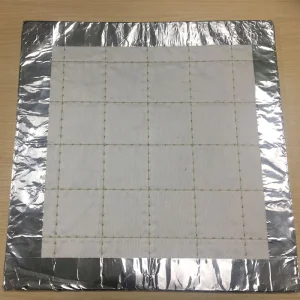
High-performance flexible barriers for high-temperature pipe manifolds, machinery enclosures, and district heating plants.
Get Pricing Specs →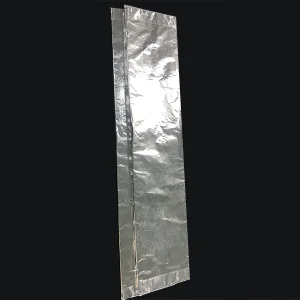
Thermal runaway protection blankets customized for regional electric fleets, battery systems, and transit safety enclosures.
Get Pricing Specs →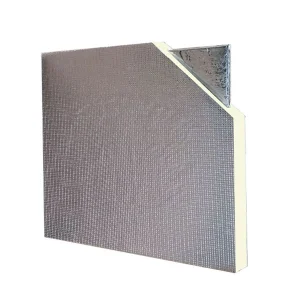
Maximum space optimization with ultra-high thermal resistance for pharmaceutical cold chain transport and cooling boxes.
Get Pricing Specs →The Greater Boston area—encompassing structural hubs like Cambridge’s Kendall Square, the Seaport District, and the Financial District—presents one of the most stringent and technically demanding building environments in the world. As developers and architectural engineers navigate the challenges of historic restoration alongside the fast-paced growth of biotechnology, life science laboratories, and high-density residential towers, traditional thermal insulation options are proving insufficient. To address the dual requirements of optimal space maximization and strict compliance with the Massachusetts State Building Code (780 CMR) and national standards like NFPA 285, design teams are increasingly specifying advanced materials such as Vacuum Insulation Panels (VIPs) and nanoporous fire-safety blankets.
In Boston, safety standards are heavily shaped by both historical precedents and the current concentration of highly specialized laboratory infrastructure. All new construction and extensive renovations must strictly align with the local Building Code (780 CMR), which adopts and modifies the International Building Code (IBC). In particular, fire containment and barrier performance in external curtain walls and elevator egress points require thorough engineering checks.
Boston is home to a world-leading concentration of pharmaceutical, biomedical research, and cold chain shipping operations. Maintaining safe temperatures for vaccines, biological specimens, and advanced therapeutics demands reliable thermal control. Integrating fumed silica vacuum insulation panels into regional distribution boxes and shipping containers provides critical safety margins. If power is interrupted during transport, these VIPs maintain interior temperatures for extended periods, reducing the risk of product loss.
At the same time, high-temperature industrial pipelines, district steam networks operating beneath historic Boston streets, and power generation systems rely on flexible nano thermal blankets. These blankets protect adjacent infrastructure from heat damage, minimize energy loss, and prevent accidental ignition of nearby organic or chemical contaminants.
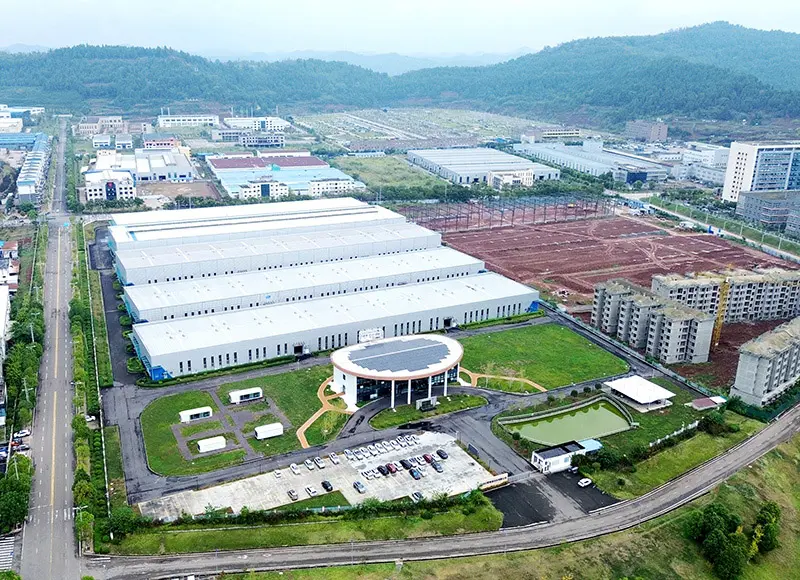
Zerothermo Technology Co., Ltd., a proud subsidiary of the CBVAC Group, is a leading national high-tech enterprise. Headquartered in the Beijing Economic-Technological Development Area, with our primary manufacturing base in Nanchong City, Sichuan Province, we operate one of China’s largest and most advanced facilities dedicated to vacuum insulation and high-temperature thermal barriers.
Our facility serves as a complete center for vacuum technology applications. We combine scientific research, precision engineering, and volume production to manufacture systems that meet demanding international performance standards. By leveraging our group's industrial expertise, we support building developers, transit authorities, and pharmaceutical organizations worldwide with dependable thermal solutions.

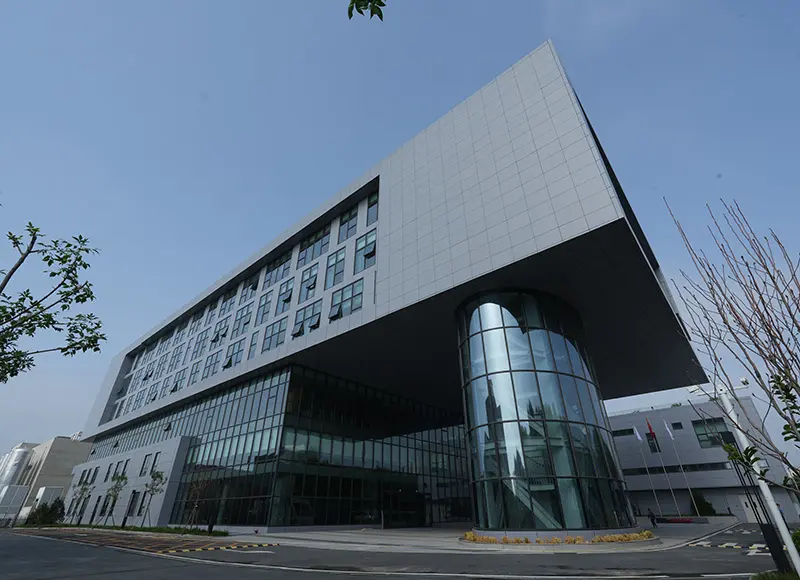
We provide custom vacuum systems, including non-standard and specially shaped flanges (square, oval, and large-diameter styles exceeding 60 inches) constructed according to custom drawings and precise engineering requirements.
Pioneering the next generation of building envelopes and safety systems through vacuum engineering, micro-void controls, and sustainable materials.
Our products undergo rigorous testing, meeting standards such as ASTM, UL, and CE. Every production lot is verified for thermal resistance and safety compliance.
We engineer custom barrier sizes, unique form factors, and targeted performance grades to match project schedules and regional requirements.
Automated vacuum processing centers and strict material handling systems ensure stable performance and reliable product supply.
From complex architectural facades to precise medical shipping, our vacuum insulation panels help solve complex thermal challenges.

High-performance vacuum insulation panels designed to maintain reliable cold-chain temperatures for vaccines and biological samples.

Ultra-thin external VIP core cladding designed to help buildings meet strict energy codes and maximize interior floor space.

Microporous silica and thermal mats engineered to insulate high-temperature piping systems and reduce heat transmission.

Space-saving insulation solutions designed to upgrade historic envelopes without altering structural dimensions.
See how our vacuum insulation systems are specified across commercial and institutional development projects.

Replacing thick structural panels with high-efficiency VIPs, recovering valuable floor space in high-density office zones.

Supplying thin vacuum insulated glass (VIG) and perimeter wall insulation to meet local green building requirements.

Improving energy efficiency in historic residential halls with thin, vacuum-sealed interior wall retrofits.
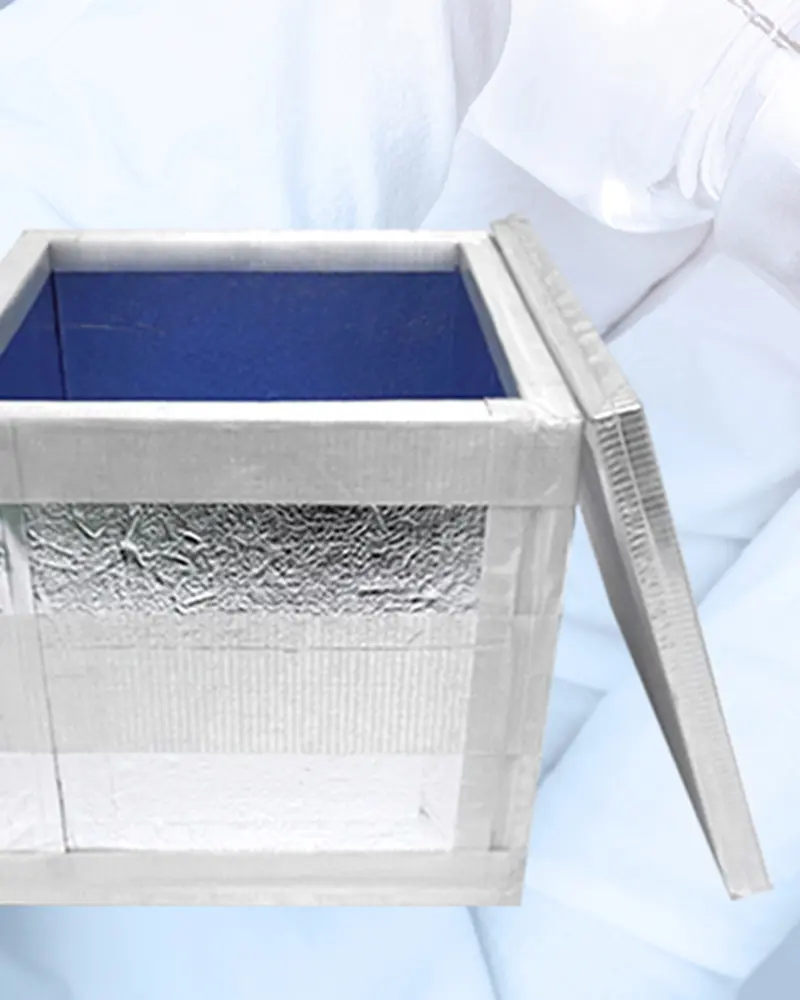
Supplying vacuum insulation panels to protect temperature-sensitive clinical materials during transit.
Key information regarding structural fire ratings, material thickness, compliance, and shipping logistics.
Vacuum Insulation Panels (VIPs) utilize a microporous core material (such as fumed silica) that is vacuum-sealed inside a high-gas-barrier envelope. This configuration eliminates gas conduction and convection, resulting in thermal performance up to five to ten times greater than traditional options like fiberglass or EPS. This allows projects to achieve target R-values within a fraction of the typical thickness.
Our non-combustible core materials, such as nano-microporous silica, are designed to handle temperatures up to 1000°C. In exterior wall assemblies, they function as non-combustible components that resist vertical flame spread, supporting the building's compliance with NFPA 285 and localized energy requirements under Massachusetts code.
Because VIPs rely on an internal vacuum to achieve their high performance, they cannot be cut, drilled, or punctured on-site without losing their vacuum rating. We work closely with project teams during the design phase to manufacture panels to the precise shapes and dimensions required, minimizing the need for on-site modifications.
We provide full end-to-end support for Boston projects, starting with initial specification checks and thermal modeling, through to production and international shipping. Standard lead times vary by order volume and customization details, and we provide transparent tracking updates throughout transit to keep your construction timeline on track.
In high-density urban areas like Boston, real estate value is measured by the square foot. Standard construction methods often require thick exterior walls to meet energy codes, which reduces the usable interior footprint. By implementing high-efficiency materials like vacuum insulation, engineers can design thinner wall profiles without compromising on thermal or fire safety.
Our research and development focus is centered on controlling heat transfer mechanisms at the molecular level. Standard insulation relies on trapping air pockets, but these pockets still allow gas conduction. Our panels use a fumed silica core with a pore size smaller than the mean free path of air molecules. When vacuum-sealed, this structure virtually eliminates heat transfer, providing long-term reliability and insulation performance for critical building sections.
Additionally, for application areas like fire doors, machinery walls, and high-temperature piping systems, our nano microporous insulation boards provide stable thermal resistance. In testing, these materials remain stable during direct flame contact, helping protect occupants and equipment and supporting compliance with modern fire safety regulations.
Browse our complete catalog of vacuum insulation panels, fireproof glass systems, and custom thermal barriers.
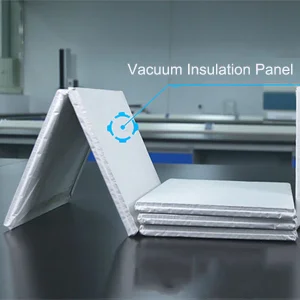
Engineered for exterior and interior building facades, providing thin, code-compliant thermal resistance.
Request Quote →
Ultra-thin structural glass units designed to deliver superior sound insulation and thermal performance.
Request Quote →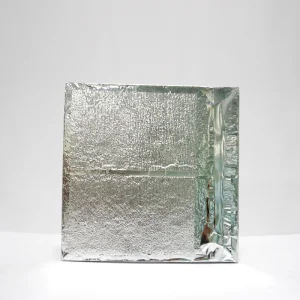
High-efficiency VIPs developed to maintain stable temperatures for sensitive biomedical and food shipments.
Request Quote →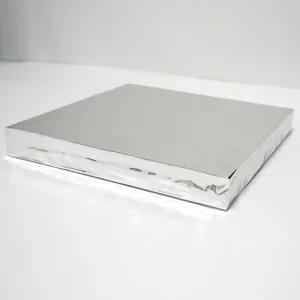
High-temperature protection panels designed for industrial kilns, heat shields, and machinery enclosures.
Request Quote →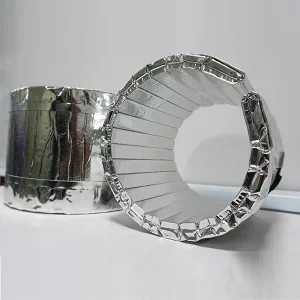
Form-fitting insulation wraps designed to improve energy efficiency in residential and industrial water heating systems.
Request Quote →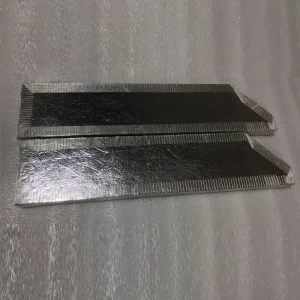
Custom-cut vacuum insulation panels with protective outer layers, designed for installation around complex pipe joints.
Request Quote →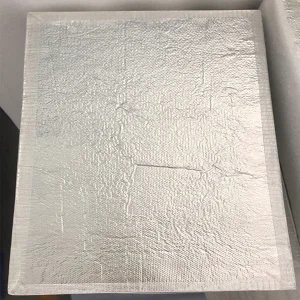
Specially laminated thermal barriers designed to resist moisture and maintain insulation performance over time.
Request Quote →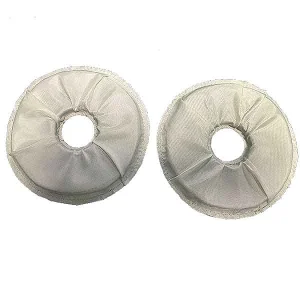
Flexible thermal mats designed for mechanical bends, turbine piping, and high-temperature industrial installations.
Request Quote →Connect with our technical team to discuss design specifications, custom dimensions, and product quotes.
Our engineering support team is available to assist with custom system configurations, load evaluations, and compliance documentation.
Zerothermo Technology Co., Ltd. © CBVAC Group Subsidiary. All product designs and structural specifications are subject to rigorous verification testing.