
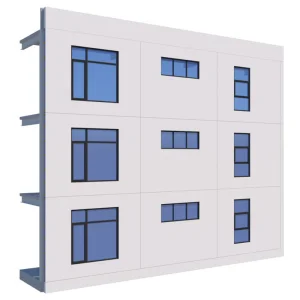
Integrated structural-insulated panels providing superior architectural finish alongside high-grade thermal barrier performance.
View Detail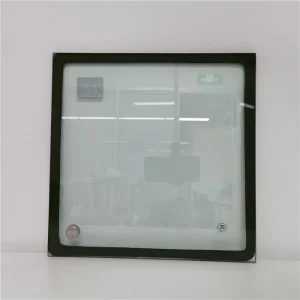
Energy-efficient glazing systems utilizing vacuum gaps to eliminate conductive and convective heat transmission paths.
View Detail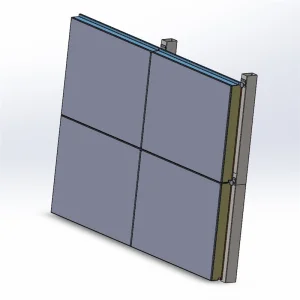
An all-in-one building envelope element that pairs dry-installation ease with premium thermal resistance limits.
View Detail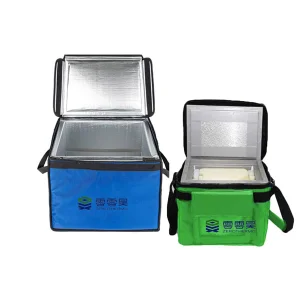
Ultra-reliable cold chain distribution systems integrating core fumed silica vacuum insulation panels for stable temperatures.
View Detail
Factory-assembled unitary wall structures incorporating VIP technology, engineered specifically for commercial building facades.
View Detail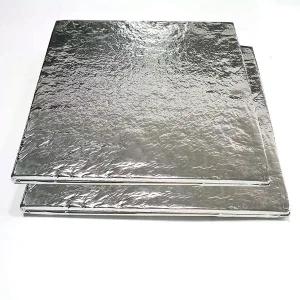
High-grade fiberglass core VIPs designed for space-constrained home appliances and architectural installations.
View Detail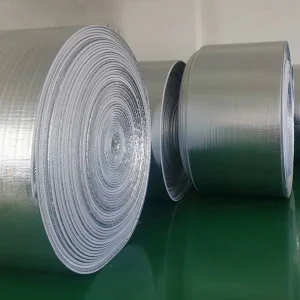
Reflective radiant foil laminated foam rolls engineered for commercial roof thermal shielding and building envelope integration.
View Detail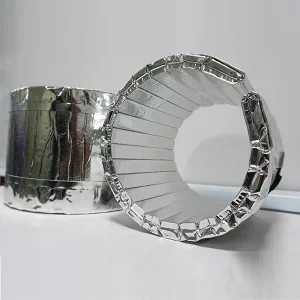
Nano-porous flexible thermal blankets engineered to control heat loss in high-temperature domestic water heaters.
View DetailThe global construction and industrial insulation sectors are undergoing a massive technological shift. Driven by international climate directives such as the EU's Energy Performance of Buildings Directive (EPBD) and ASHRAE 90.1, traditional materials like expanded polystyrene (EPS), extruded polystyrene (XPS), and mineral wool are reaching their thermal limits. The core problem is thickness: to meet modern Net-Zero Energy Building (NZEB) standards, traditional materials must be applied in thicknesses exceeding 200–300 mm. This consumes valuable footprint area, complicates architectural anchorings, and increases installation weight.
To overcome these limitations, advanced material sciences have introduced Vacuum Insulation Panels (VIPs) and Nano Microporous Insulation Panels. By eliminating air (which acts as a conduction medium), VIPs achieve thermal conductivities as low as 0.0018 W/m·K. This is up to ten times more efficient than traditional options, allowing designers to specify thinner walls and lighter building facades while achieving identical or superior thermal barriers.
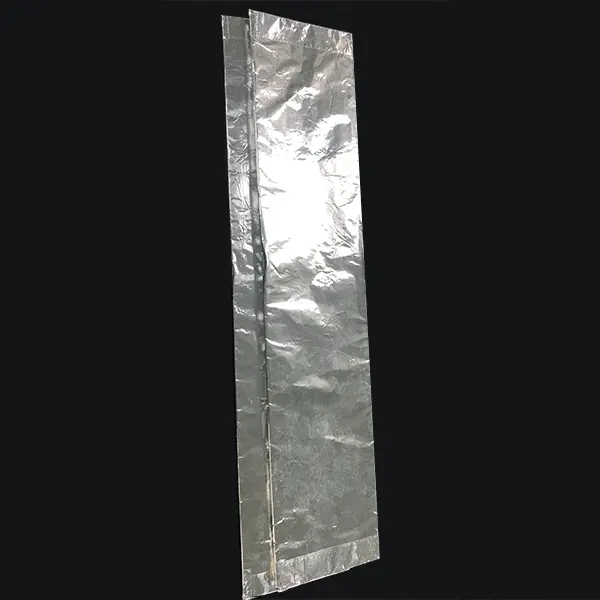
Product Details: Size: Customized Thickness: 5-...
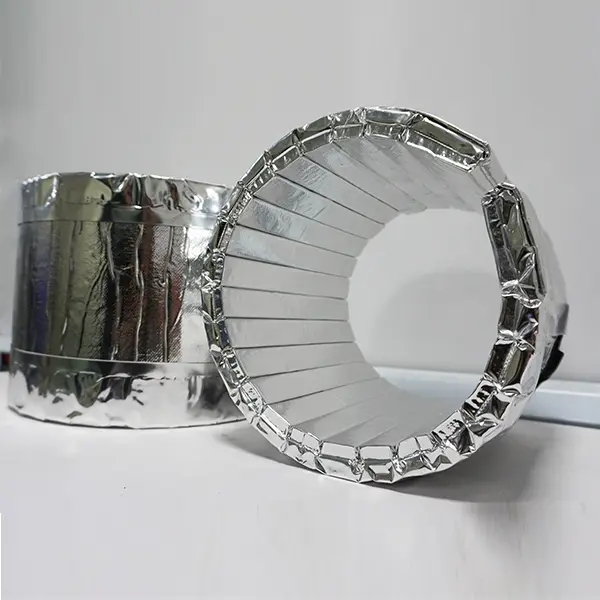
Product Details: Size: Customized Thickness: 5...

Our elevator fireproof door high temperature na...
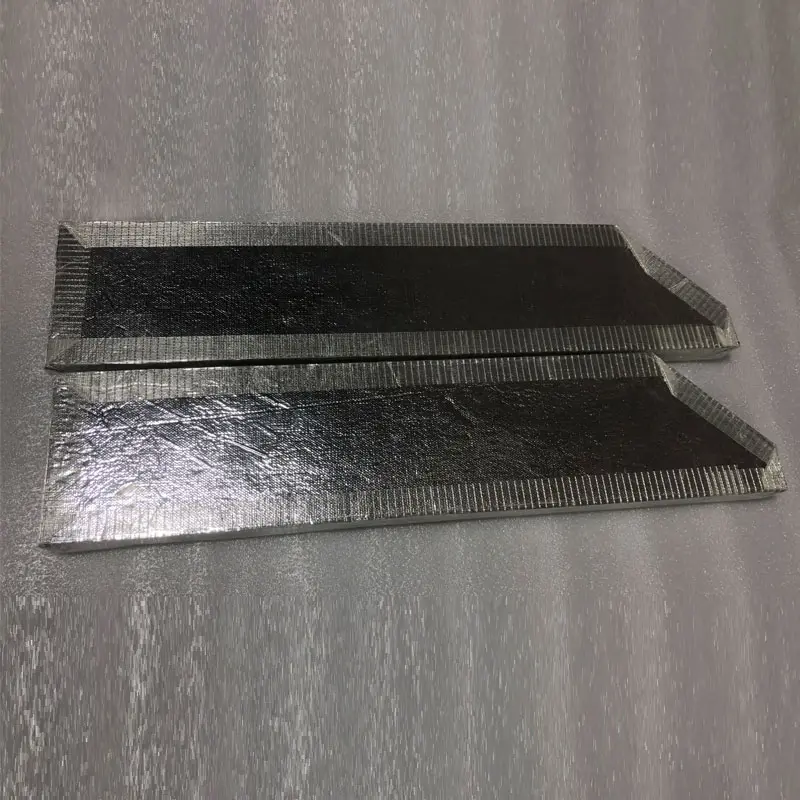
Product Features Product Details T...
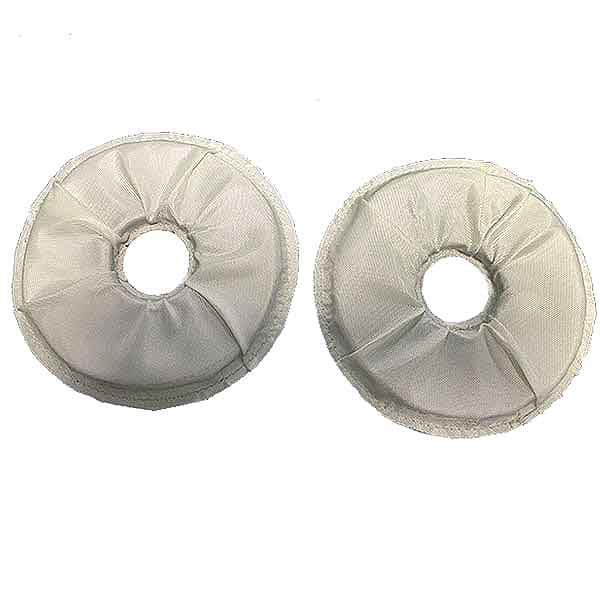
Product Specification Product Features Custom R...
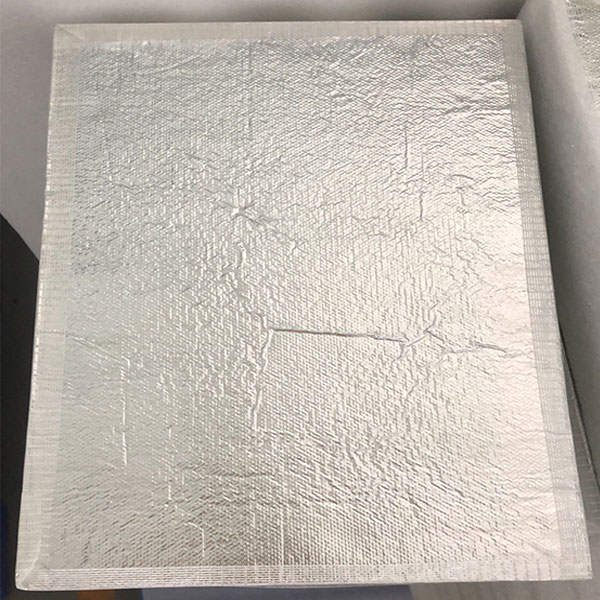
Product Features Size Details Zerothermo vacuu...
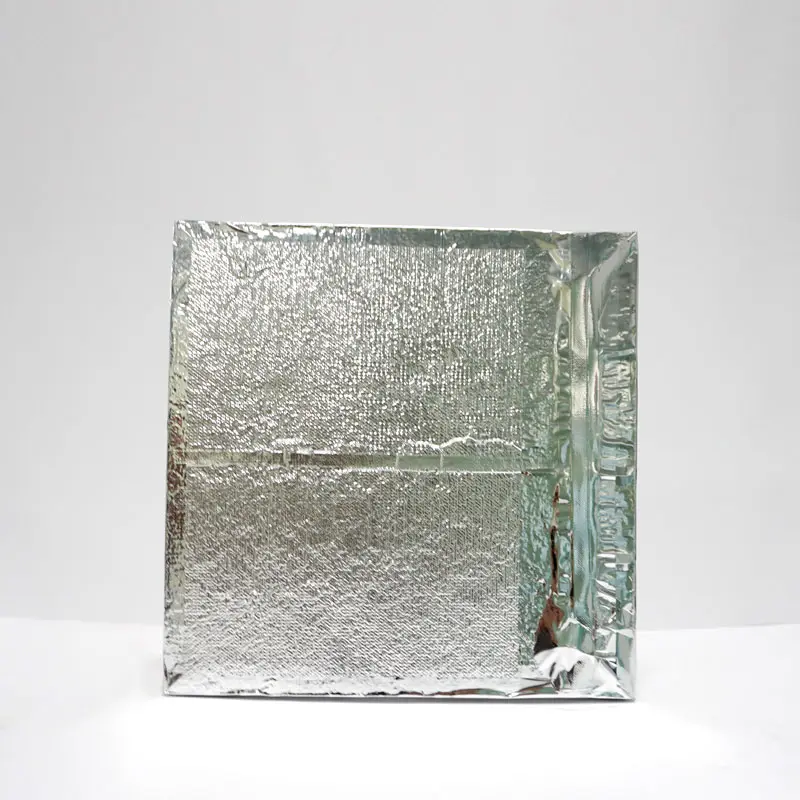
Product Features Vacuum insulation Pan...
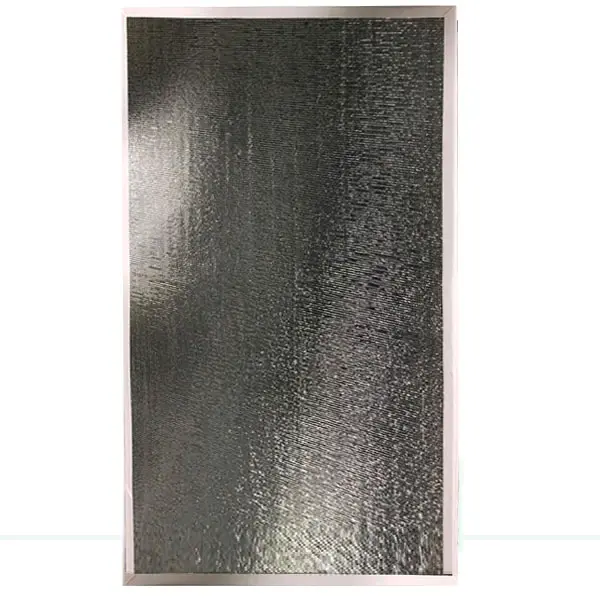
Product Features Product Specification Size ...
ABOUT US
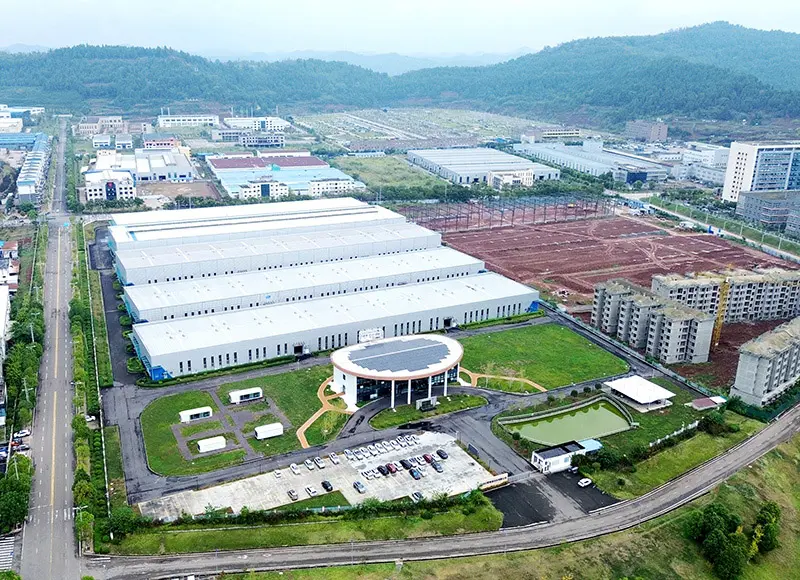
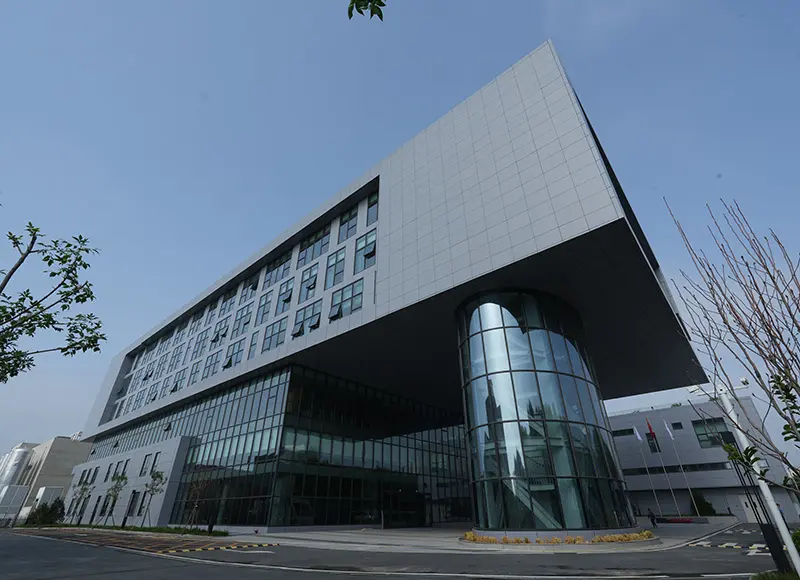
Zerothermo Technology Co., Ltd., a subsidiary of CBVAC Group and a national high-tech enterprise, is headquartered in the Beijing Economic-Technological Development Area with its production base located in Nanchong City, Sichuan Province. This facility stands as one of China’s largest comprehensive production centers for vacuum technology application products.

Special sizes (beyond the range of ANSI/ASME/DIN and other standards) are produced according to customers' drawings or technical parameters.

Square, oval or other special shaped flanges. - Oversize/small diameter: such as diameter over 60 inches or micro precision flanges.

Special sizes (beyond the range of ANSI/ASME/DIN and other standards) are produced according to customers' drawings or technical parameters.




When selecting custom insulation solutions, engineering procurement managers must balance thermal efficiency, fire safety, mechanical strength, and functional longevity. Because thermal performance deteriorates if vacuum seal degradation or moisture infiltration occurs, checking core physical specifications is critical.

Manufactured under strict ISO 9001 and ISO 14001 certifications, ensuring every panel undergoes helium leak detection and thermal imaging testing before delivery.

Specialized design processes accommodate custom shapes, dimensions, complex cut-outs, and multi-layered foil barriers designed for demanding thermal applications.

Supported by our Nanchong industrial base, we operate large-scale automated lines that deliver thousands of square meters daily with high accuracy.

Protective export crates, moisture-barrier packaging, and coordinated customs processes ensure safe ocean, air, and land transport.

Drawing on CBVAC Group's extensive history in vacuum applications, we support projects from initial concept through engineering validations.





Providing high-efficiency thermal insulation solutions for building envelope systems through innovative products such as vacuum insulation panels and vacuum insulated glass, empowering - the construction sector to reduce carbon emissions and achieve carbon neutrality.

Providing high-efficiency thermal insulation solutions for building envelope systems through innovative products such as vacuum insulation panels and vacuum insulated glass, empowering - the construction sector to reduce carbon emissions and achieve carbon neutrality.02

Providing high-efficiency thermal insulation solutions for building envelope systems through innovative products such as vacuum insulation panels and vacuum insulated glass, empowering - the construction sector to reduce carbon emissions and achieve carbon neutrality.03

Providing high-efficiency thermal insulation solutions for building envelope systems through innovative products such as vacuum insulation panels and vacuum insulated glass, empowering - the construction sector to reduce carbon emissions and achieve carbon neutrality.03
Deploying advanced insulation requires customized strategies depending on the end application. Below is an overview of how these high-performance materials are integrated into structural environments:
For modern glass facades, thermal bridging at floor slabs and spandrel zones remains a major source of heat loss. Incorporating prefabricated fumed silica vacuum panels into these spandrel sections reduces overall system depth by up to 75%. This configuration prevents condensation issues and reduces heating/cooling demands in glazed commercial buildings.
Pharmaceutical cold storage and cold chain distribution centers require precise temperature control. Standard polyurethane insulation panels require thick dimensions that limit storage capacity. By integrating VIP-based composite wall boards, facility owners can increase interior volume by 15-20% while maintaining thermal stability, even during power losses.
High-temperature processing plants, piping systems, and elevator fire doors require materials capable of withstanding extreme heat. Flexible nano-microporous mats and rigid nano panels prevent heat transfer at temperatures up to 1000°C. Their high-density structures prevent heat radiation, helping industrial facilities conserve energy and ensure operational safety.

High-tech insulation board implementation for advanced manufacturing facility walls.

Precision thermal envelope project featuring high-efficiency panels.

Public construction energy-saving insulation envelope retrofit project.
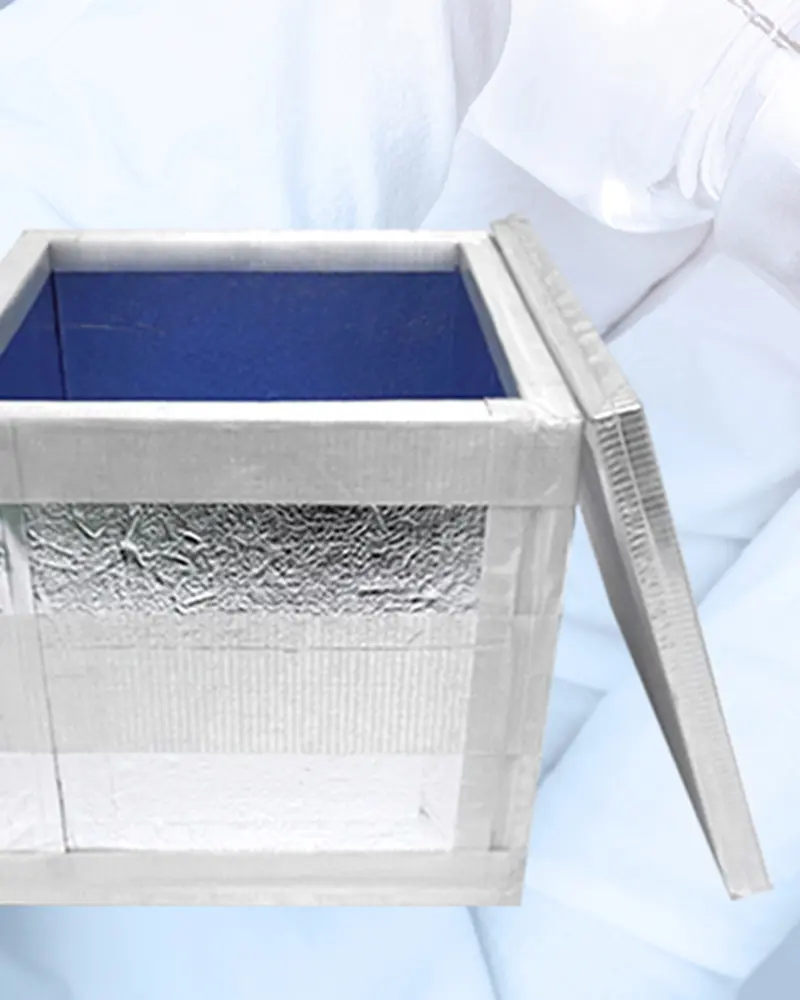
Custom insulated boxes featuring fumed silica VIP panels for medical cold storage.
Because structural insulation is subject to strict regional safety laws, compliance is an essential part of B2B procurement. We verify that our panels meet national building and material standards across major international markets.
We work closely with local engineering consultants to provide project-specific wind-load calculations, detailed installation drawings, and technical field support to ensure proper design and code compliance on-site.
Committed to supporting China’s “dual-carbon” goals, Zerothermo Technology drives high-quality development of new quality productivity while promoting sustainable industrial advancement
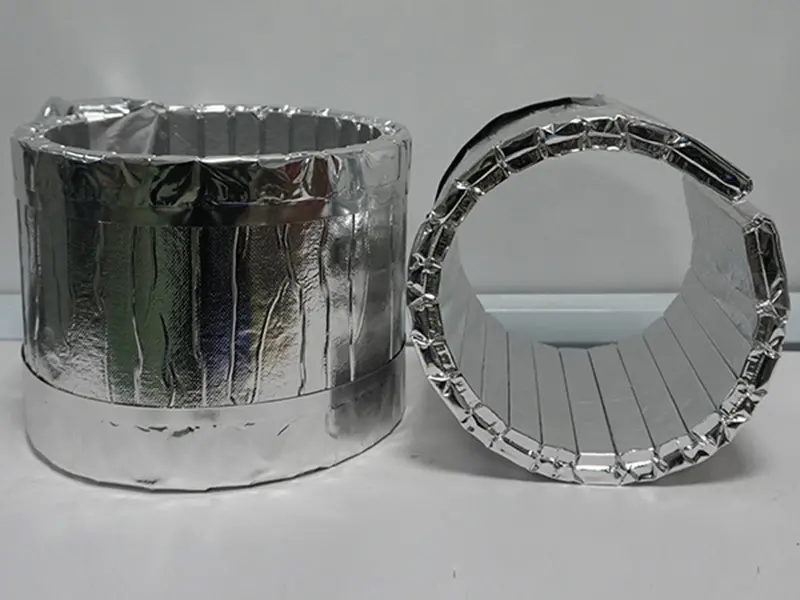
Analyzing fireproof performance criteria for passenger elevator door thermal insulation systems.

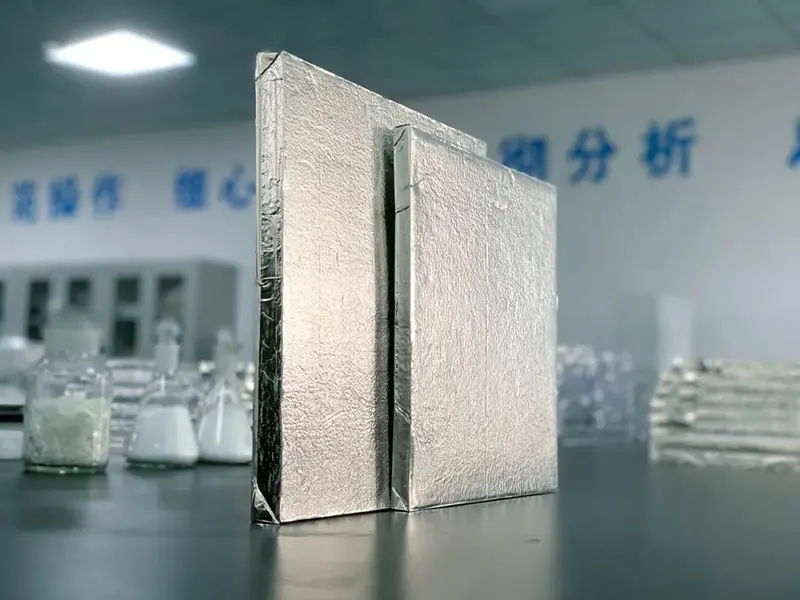
Showcasing new fumed silica and vacuum technology products at the Canton Fair.
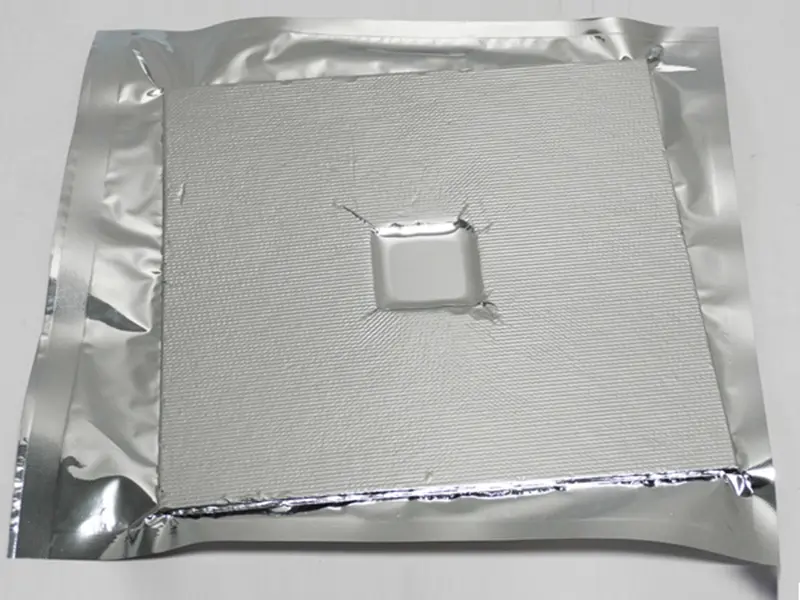
How advanced nano thermal barriers are optimizing heat-management systems in heavy industry.
A: Fumed silica cores offer a thermal conductivity of 0.0018 to 0.0022 W/m·K and maintain their performance for up to 50 years. Their inorganic composition also makes them naturally fire-resistant. Fiberglass cores offer a slightly lower initial thermal conductivity (0.0015 W/m·K) but are more prone to moisture absorption and rapid aging, which typically limits their effective lifespan to 10-15 years.
A: No, VIPs cannot be cut, drilled, or altered on-site, as puncturing the outer envelope releases the vacuum and lowers the panel's thermal performance to that of the core material alone. All custom shapes, dimensions, and penetrations must be designed in advance and factory-fabricated.
A: Thermal bridging is addressed during design. We recommend using multi-layered, offset configurations or wrapping the panels in high-performance insulation margins, such as nano-microporous blankets or high-density PU foam. This minimizes heat loss along the joints.
A: Yes. The fumed silica cores of our panels are made from inorganic material, which is inherently non-combustible and achieves Class A fire ratings under European EN 13501-1 and Chinese GB 8624 codes.
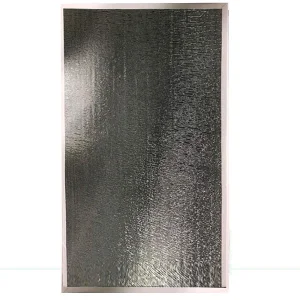
Large-format fumed silica panels designed to maximize insulation in shipping containers and logistics systems.
View Detail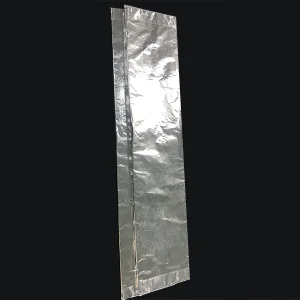
Tailored thermal runaway barriers designed to insulate electric vehicle battery packs.
View Detail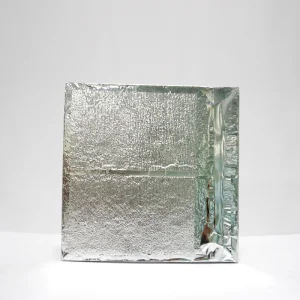
Low-temperature VIP panels engineered for storage reliability across modern biopharmaceutical distribution channels.
View Detail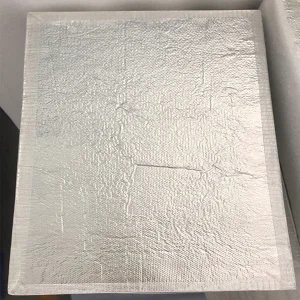
Fumed silica VIP panels reinforced with outer PET protective films to prevent abrasion and punctures.
View Detail
High-temperature insulation panels designed for safety in modern elevator door frames.
View Detail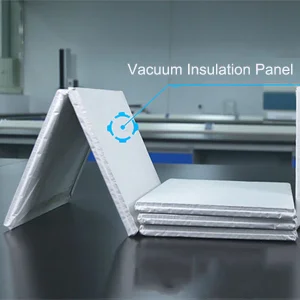
Cost-efficient VIP cladding cores designed for thermal shielding in commercial wall designs.
View Detail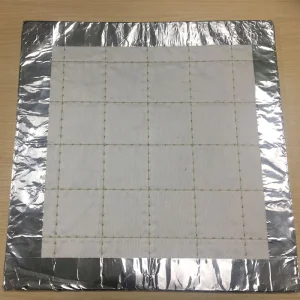
Flexible, thin thermal mats designed for wrapping pipelines and industrial components.
View Detail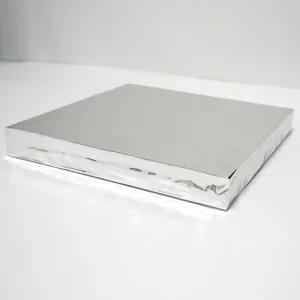
Industrial-grade microporous panels engineered for high-temperature containment and thermal protection.
View DetailWe offer a one-stop vacuum insulation board solution. Contact us for a solution.


 +8615892792306