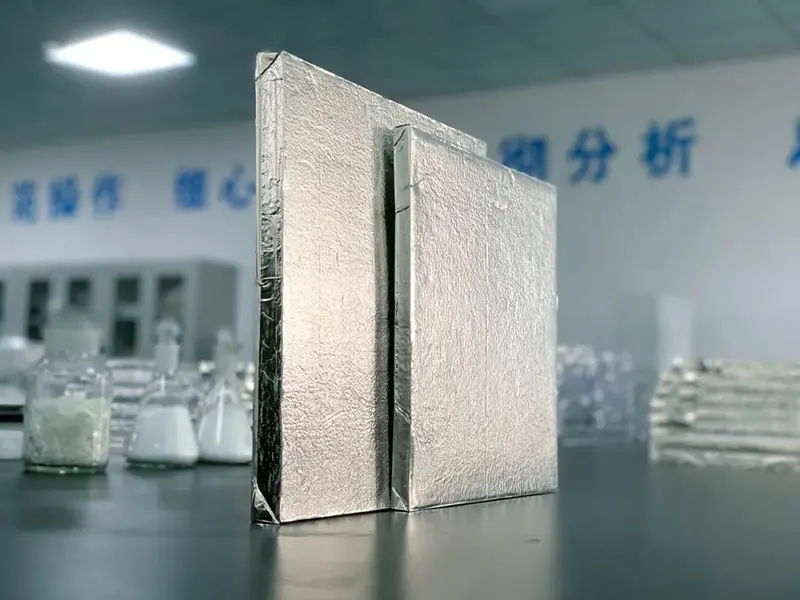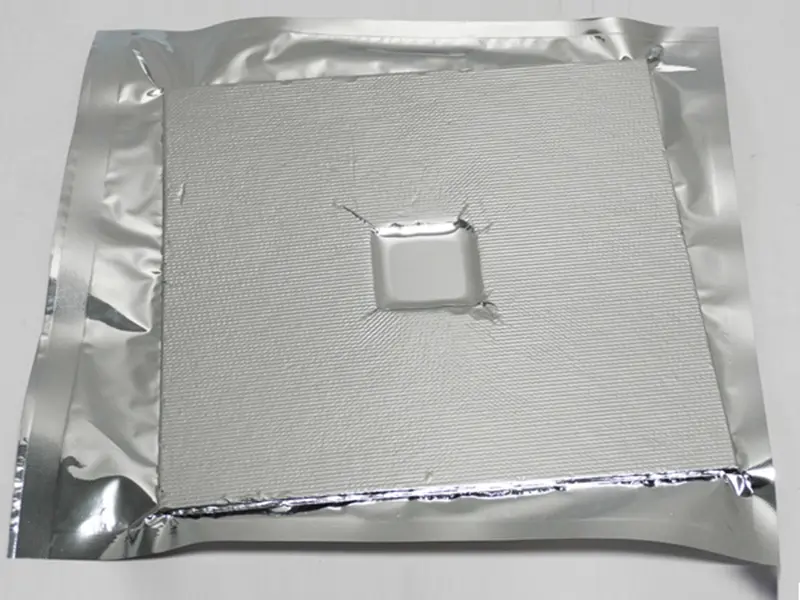
Premium thermal barrier panels optimized for cold chain logistics, high-temperature operations, and architectural infrastructure
An In-Depth Tech Paper on Thermal Efficiency, Bulk Procurement Dynamics, and the Shift to Fumed Silica Cores
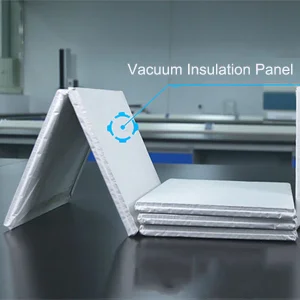
As carbon neutrality mandates tighten across North America, Europe, and Asia-Pacific, conventional insulation materials such as polyurethane, expanded polystyrene (EPS), and mineral wool are failing to meet the strict space-to-performance metrics required by modern industries. The international community's commitment to "dual-carbon" goals has prioritized energy conservation inside high-density envelopes. This has driven the widespread adoption of Vacuum Insulation Panels (VIPs), which exhibit thermal conductivities as low as 0.0015 W/m·K to 0.0025 W/m·K—nearly ten times lower than typical polyurethane foams.
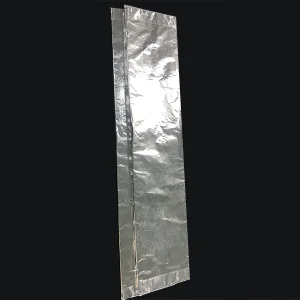
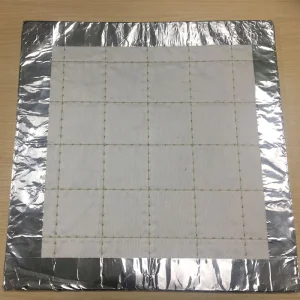
VIPs achieve their ultra-low thermal conductivity by evacuating air from a microporous core material, which is then sealed inside a high-barrier envelope. This design reduces gas-conduction by ensuring that the pore sizes of the core material (such as fumed silica) are smaller than the mean free path of air molecules—an engineering concept known as the Knudsen Effect.
In high-end applications like pharmaceutical cold chains, building insulation, and New Energy Vehicle (NEV) battery wraps, core material choice is critical. While fiberglass core VIPs offer lower initial manufacturing costs, they suffer from rapid performance degradation over time due to gas outgassing and moisture absorption. Fumed silica cores, on the other hand, feature natural micropores (~10-20 nm) that act as an inherent buffer against vacuum degradation. This structure provides a reliable operating lifespan of over 30 to 50 years, making fumed silica the industry standard for architectural integration and high-value transport systems.
| Performance Characteristic | Fumed Silica Core VIP | Fiberglass Core VIP | Standard Polyurethane (PU) |
|---|---|---|---|
| Initial Thermal Conductivity | 0.004 - 0.005 W/m·K | 0.0015 - 0.0025 W/m·K | 0.022 - 0.028 W/m·K |
| Aged Thermal Conductivity (15 Years) | 0.006 - 0.008 W/m·K | 0.012 - 0.015 W/m·K | 0.032 - 0.038 W/m·K |
| Service Life Expectancy | 30 to 50 Years | 5 to 15 Years | 10 to 15 Years |
| Environmental Safety | Non-toxic, Recyclable | Irritant fibers, hard to recycle | Combustible, releases VOCs |
| Moisture Absorption Risk | Very Low (Hydrophobic options available) | High (requires intensive desiccants) | Medium |
Sourcing managers face several challenges when securing VIPs for large industrial projects: precision dimensional customization, mechanical protection, seal preservation, and logistical scalability. Since VIPs cannot be cut, drilled, or modified after fabrication without losing their internal vacuum, a high degree of engineering collaboration between the buyer and manufacturer is required from the design phase. As a result, procurement has shifted toward high-capacity Chinese manufacturing centers that combine design, automated vacuum sealing, and rigorous testing on a large scale.
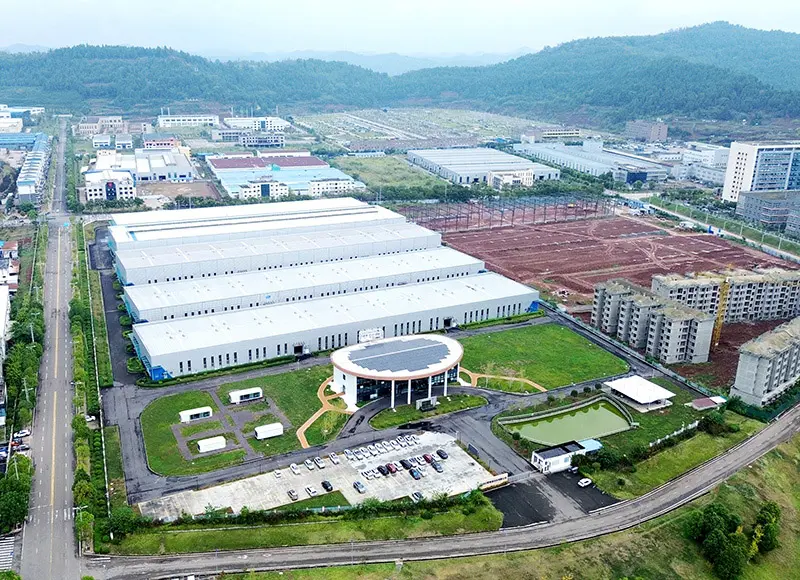
A subsidiary of the CBVAC Group and a national high-tech enterprise, Zerothermo Technology is headquartered in the Beijing Economic-Technological Development Area, with our primary production base located in Nanchong City, Sichuan Province. This facility stands as one of China's largest and most technologically advanced centers for vacuum insulation application manufacturing.
Integrating basic research, material engineering, vacuum physics, and automated volume production, Zerothermo provides custom-tailored solutions for challenging environments. Supported by CBVAC's decades of high-vacuum expertise, our production workflows utilize in-line automated chamber evacuations and helium mass spectrometer leak detection. This guarantees that every shipped panel meets strict lifetime performance standards.
Special sizes (beyond standard ANSI/ASME/DIN ranges) are manufactured according to custom engineering drawings or technical parameters.
Shaped structures (square, oval, non-symmetric) and oversize/small diameter tolerances (diameters exceeding 60 inches or micro-precision requirements).

Tailoring physical configurations, core matrices, and multi-layer barriers for specialized target environments
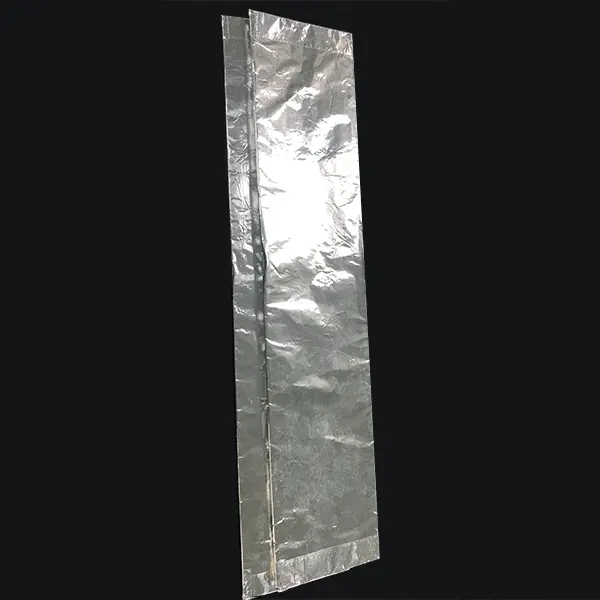
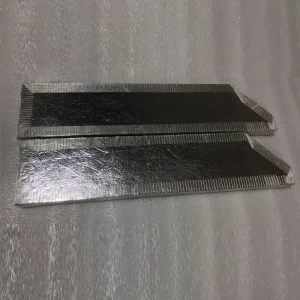
Size: Customized. Thickness: 5-15mm. Provides high-limit thermal runaway prevention, keeping adjacent cells insulated under high-temperature anomalies.
View Details →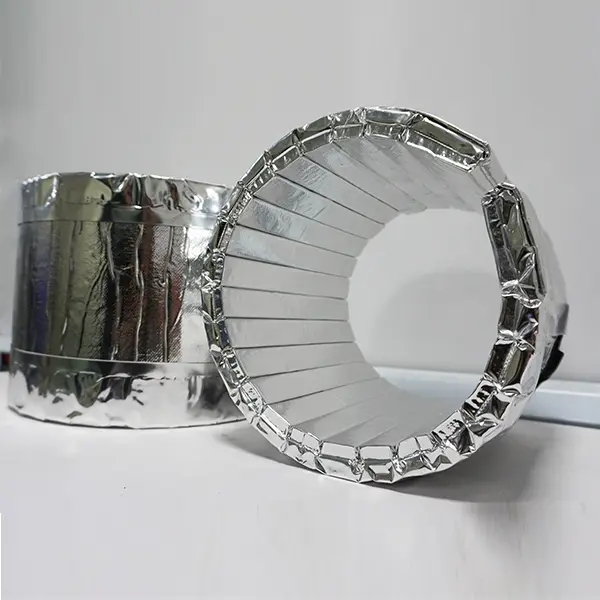
Thickness: 5-20mm. High-efficiency thermal wraps designed for hot water systems to minimize standby heat loss and energy use.
View Details →
Elevator shaft safety wraps using nanoporous fumed silica cores. Maximizes fire containment while maintaining thin-wall profiles.
View Details →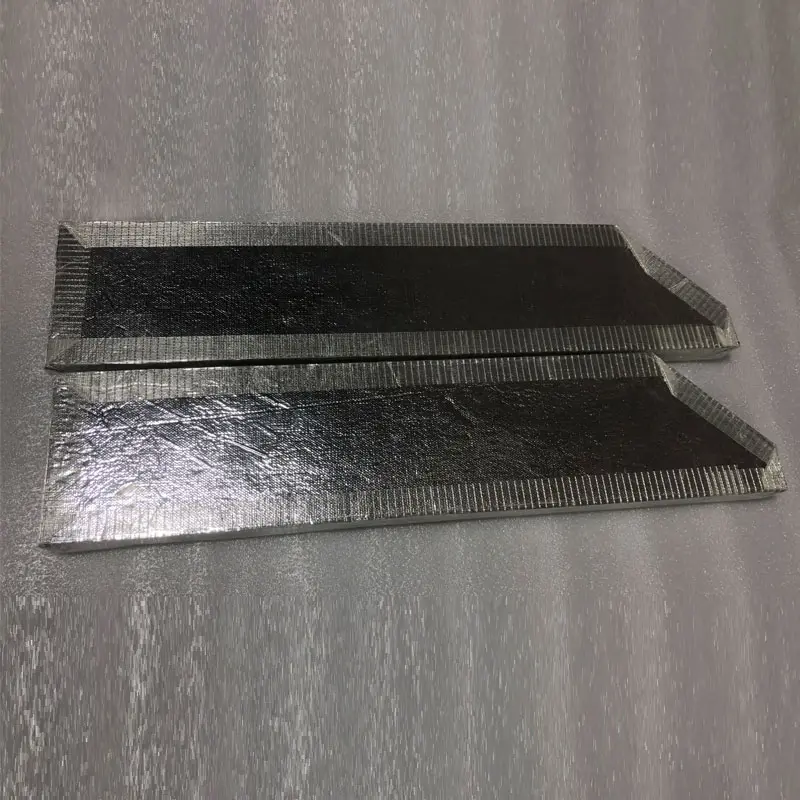
Advanced non-planar options: L-shape, U-shape, and customized pass-through port shapes engineered without compromising vacuum integrity.
View Details →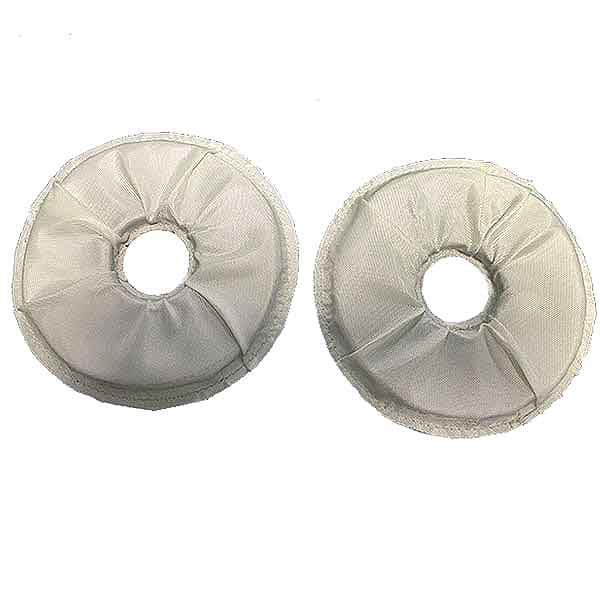
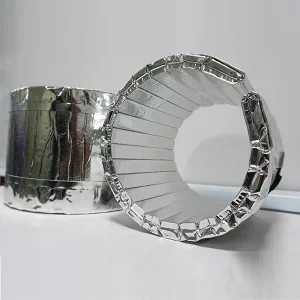
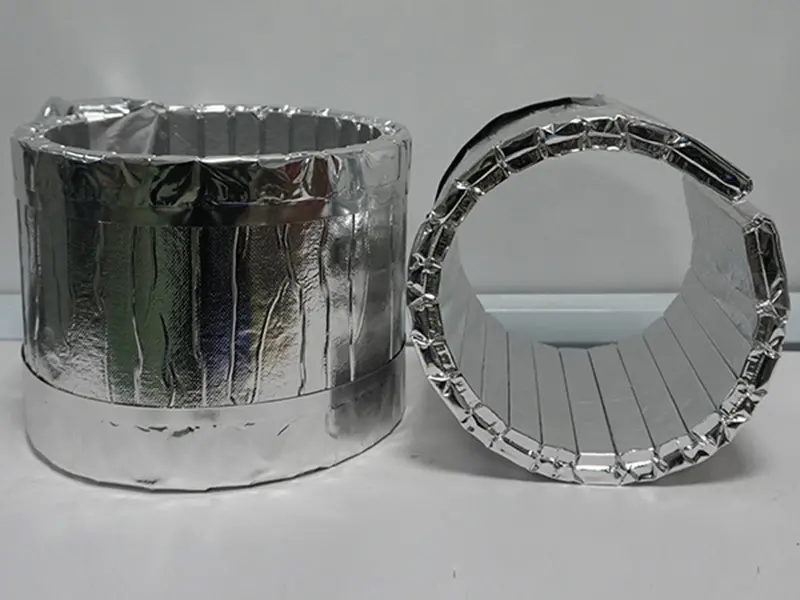
Curved nano thermal barriers for cylindrical vessels, piping, and industrial reactor cores operating at high temperatures.
View Details →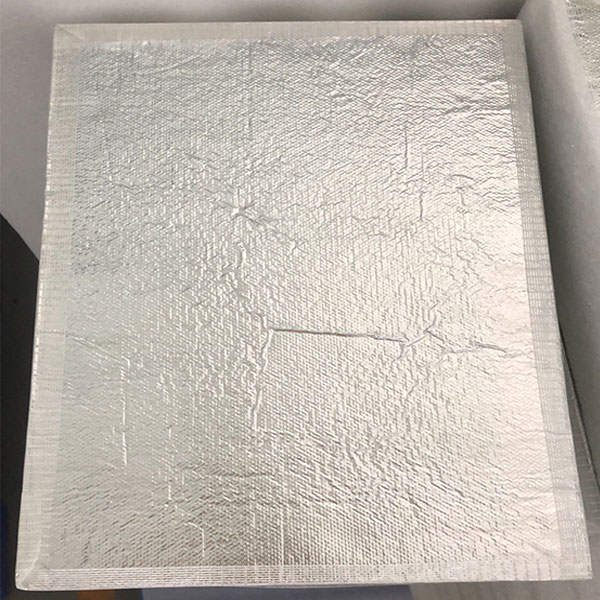
Combines a fumed silica core with a high-strength outer PET skin. Designed for heavy-duty construction and floor layouts.
View Details →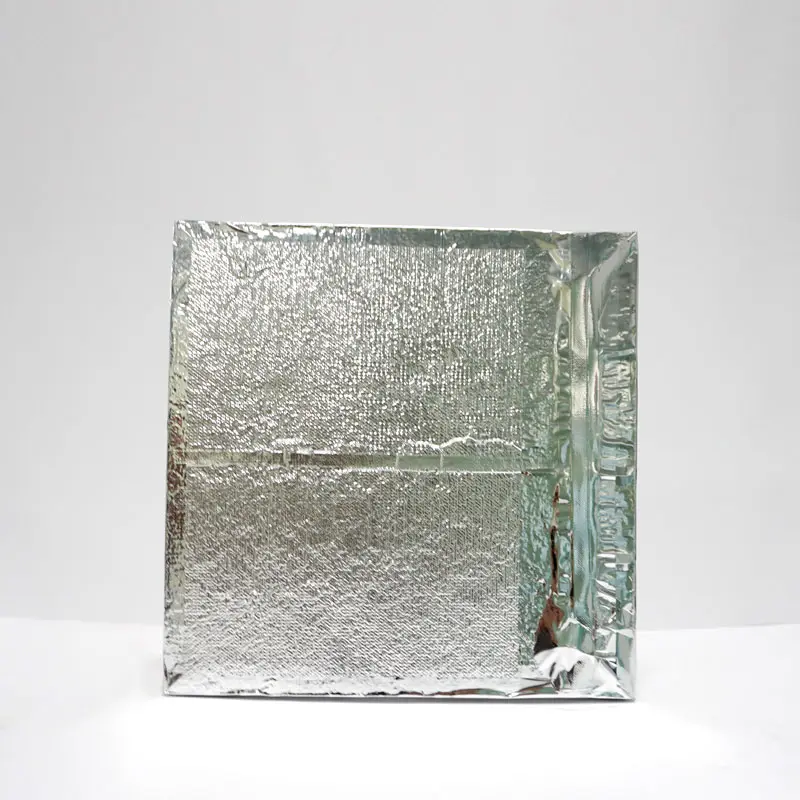
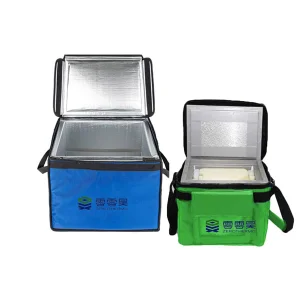
Designed for vaccine shippers, lab delivery cases, and cryogenic storage. Extends temperature hold times without adding bulk.
View Details →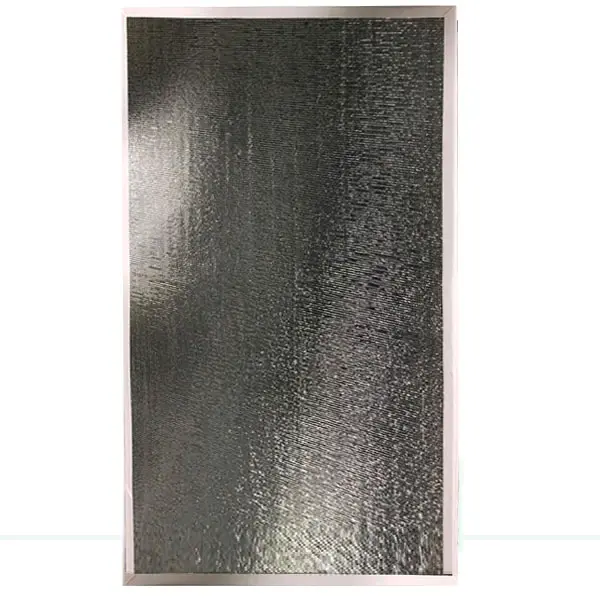
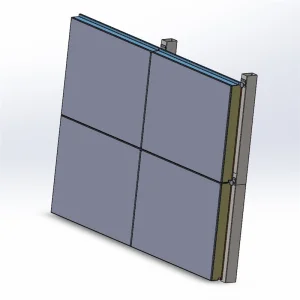
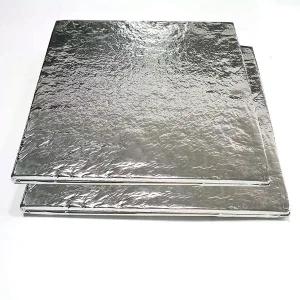
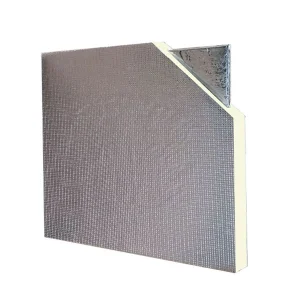
Large-format vacuum insulation panels up to 1500mm x 1000mm. Minimizes joints and thermal bridging in large-scale wall installations.
View Details →Why Zerothermo stands at the forefront of international vacuum insulation logistics and engineering
Every panel undergoes automated helium leak verification and custom sensor-based pressure checks. This ensures performance standards meet international construction codes and cold-chain safety regulations.
We support special profiles, cutouts, circular geometries, and multi-layer film combinations. This flexibility meets the custom specifications of architecture and battery engineering design loops.
Equipped with high-volume automatic chamber vacuum sealing lines, we manage massive, fast-turnaround production runs while keeping costs competitive for large-scale infrastructure projects.
Located near major industrial rail networks and international ocean shipping hubs, we handle bulk export customs, secure container packaging, and reliable sea freight logistics worldwide.
As part of the CBVAC Group, Zerothermo supports your project from initial design and simulation to installation and post-project optimization.
How our vacuum insulation panels help key global industries reduce energy use and carbon emissions
Our vacuum systems are engineered for diverse environments, ranging from cryogenic logistics boxes to high-temperature furnace barriers. We match the physical structure, core density, and protective barrier foils to your application's specific mechanical and thermal stresses.


Maintains strict internal temperatures (down to -70°C for dry ice applications) for vaccines, biological reagents, and high-value drugs, minimizing external heat intrusion during long transits.
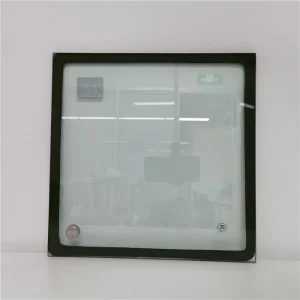
Provides high-efficiency thermal insulation solutions for building envelope systems through products like vacuum insulation panels and vacuum insulated glass, helping the construction sector reduce carbon emissions.
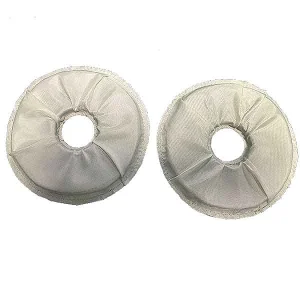
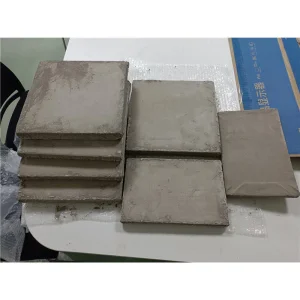
Designed for heat shields, high-temperature industrial kilns, lab furnaces, and fireproof elevator doors. Significantly reduces wall thickness compared to standard refractory wools.
Specialized mobile cold lockers, custom luxury exhibition environments, and temperature-controlled storage panels tailored for low-carbon travel systems and historical asset protection.
Real-world applications showing performance and thermal barrier reliability

Supplying cleanroom micro-thermal isolation envelopes with custom fumed silica panels.

Large-scale installation of custom flat and curved vacuum panels on chemical transport vessels.

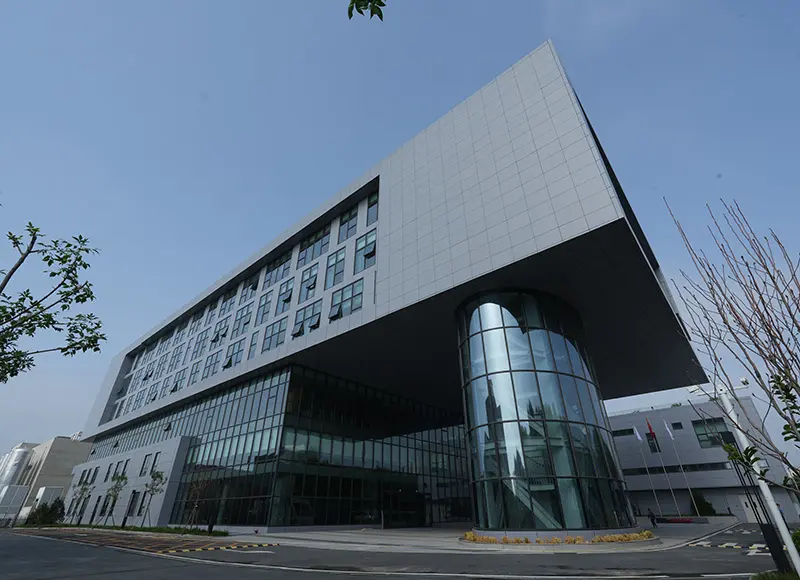
Integrated vacuum-insulated wall facade installation, reducing building heat loss and improving energy savings.
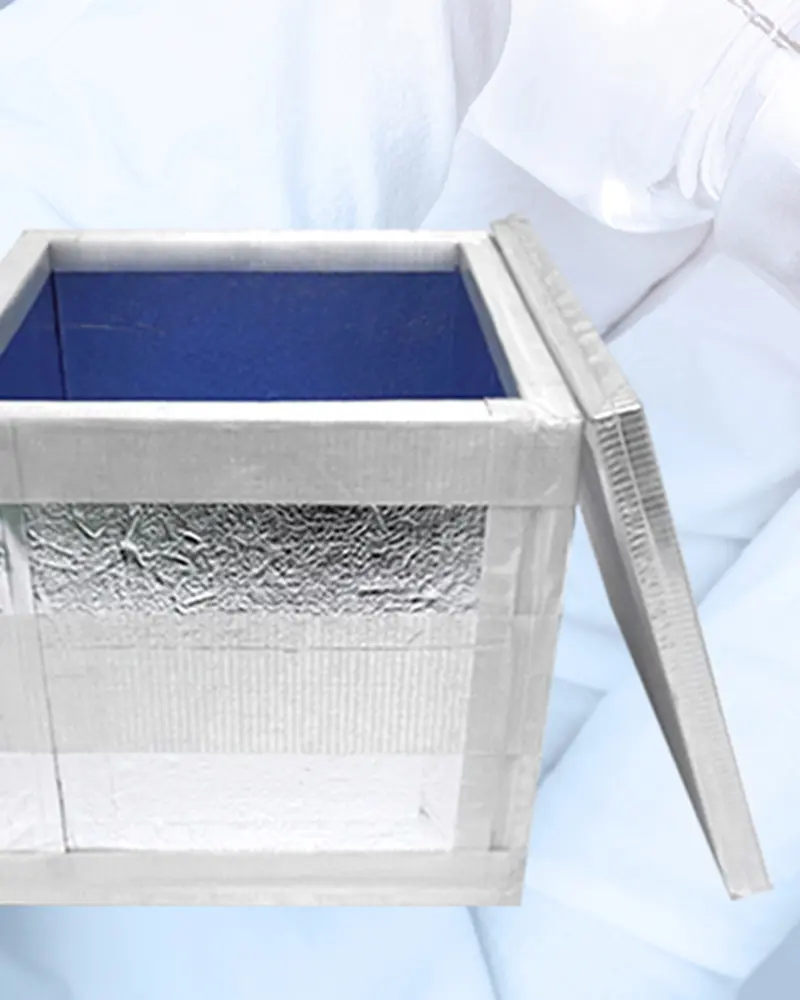
High-performance phase change material (PCM) shippers utilizing 20mm VIP panels for global pharmaceutical transit.
Expert technical insights on bulk procurement, customization parameters, and VIP performance
Updates on energy-saving regulations, high-temperature material science, and global trade fairs
Discussing changes in international fire codes and the role of nanoporous materials in elevator shafts...

Showcasing our new line of thin-film VIPs and vacuum insulated architectural glass designs...
Exploring how microporous materials improve safety and performance in modern metallurgy, aerospace, and NEV battery cells...
Discuss technical specifications, custom sizes, and volume pricing with our engineering team
Whether you need custom-shaped panels for new energy vehicle battery compartments or bulk orders for architectural facades, our engineering department provides complete support from design to delivery.


Complete vacuum-sealed products, glass systems, and high-temperature thermal barrier mats