
As the global construction sector pivots toward decarbonization and net-zero energy buildings (NZEBs), the demand for high-performance building envelopes has escalated. Traditional double and triple glazing systems, while improvements over monolithic glass, are reaching their thermodynamic limits. Heavy profiles, structural load constraints, and diminishing returns on thermal resistance (R-value) are forcing architects and engineers to seek alternative solutions. Enter Vacuum Insulated Glass (VIG) and high-performance Vacuum Insulation Panels (VIPs)—revolutionary technologies that redefine the physics of thermal insulation.
"Vacuum Insulated Glass eliminates convective and conductive heat transfer across the glazing cavity, delivering triple-pane thermal performance in a profile as thin as single-pane glass. This is the cornerstone of 21st-century architectural efficiency."
The operational principle of Vacuum Insulated Glass is deceptively simple yet highly complex in execution. By evacuating the air from the cavity between two panes of glass to create a vacuum layer (typically below 0.1 Pa), convective and conductive heat transfer is almost completely eliminated. This leaves only radiative heat transfer, which is easily mitigated through advanced Low-Emissivity (Low-E) coatings.
To prevent the two glass sheets from collapsing under atmospheric pressure (equivalent to a crushing load of approximately 10 tons per square meter), an array of micro-spacers (or pillars) is placed between the panes. These pillars, typically made from high-strength stainless steel or ceramics, are engineered to be virtually invisible to the naked eye while retaining high structural load capabilities. The edge-sealing technology—using either polymer-based glass solder or advanced low-temperature metal welding—ensures a hermetic seal that maintains the vacuum for a service life exceeding 25 to 50 years.
When selecting architectural glass, the primary metric is the U-value (thermal transmittance). Let us examine how customized vacuum glazing compares to traditional thermal insulation technologies:
The global demand for energy-efficient windows is driven by stringent international policies. Under the European Green Deal and the Energy Performance of Buildings Directive (EPBD), all new buildings must be zero-emission by 2030. In North America, updates to ASHRAE 90.1 and localized mandates like California's Title 24 are continually lowering allowable U-values for commercial facades.
Furthermore, urban centers are witnessing a significant push for retrofitting historic buildings. Standard double or triple glazing cannot be installed in historic wood or steel frames without compromising the building's architectural integrity. Custom vacuum glazing provides the thinness of historical glass with modern, state-of-the-art thermal values, making it the premier choice for historic preservation projects worldwide.
Procuring vacuum insulated glass at a commercial scale requires a factory partner capable of custom engineering. Because tempered vacuum glass cannot be cut or post-processed after the vacuum and edge sealing are completed, every dimension, corner cut, and drill hole must be engineered with absolute precision before production. Working with an established national high-tech manufacturer like Zerothermo Technology ensures that architects and facade engineers receive custom-tailored solutions that integrate seamlessly with custom frame systems.


Tailored Technical Engineering
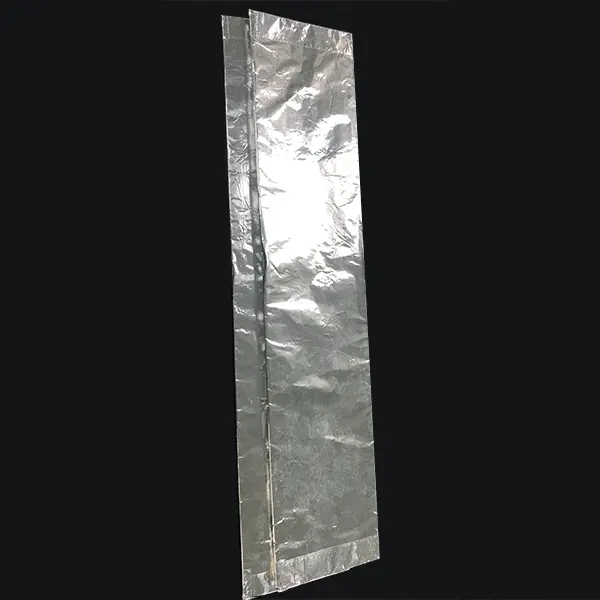
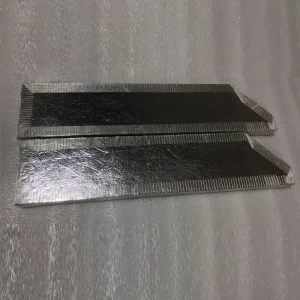
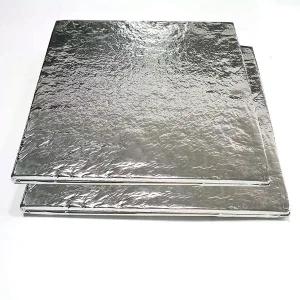
Product Details: Size: Customized. Thickness: 5-50mm. Designed for thermal runaway protection in EV battery enclosures.
View More +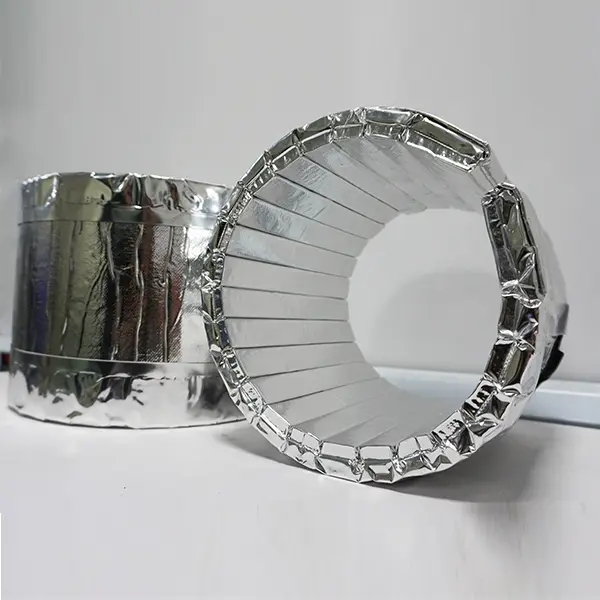
Product Details: Size: Customized. Thickness: 5-50mm. Perfect thermal barrier wraps for water heaters and storage tanks.
View More +
Designed specifically for elevator fireproof doors, protecting structures during extreme high-temperature events.
View More +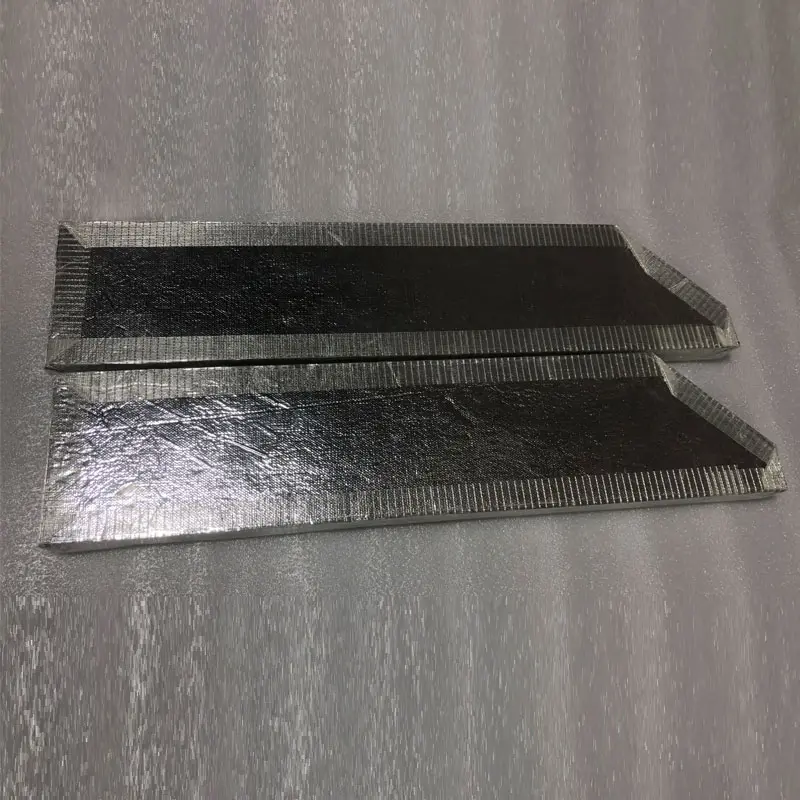
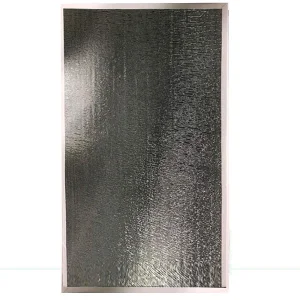
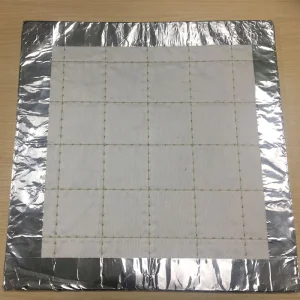
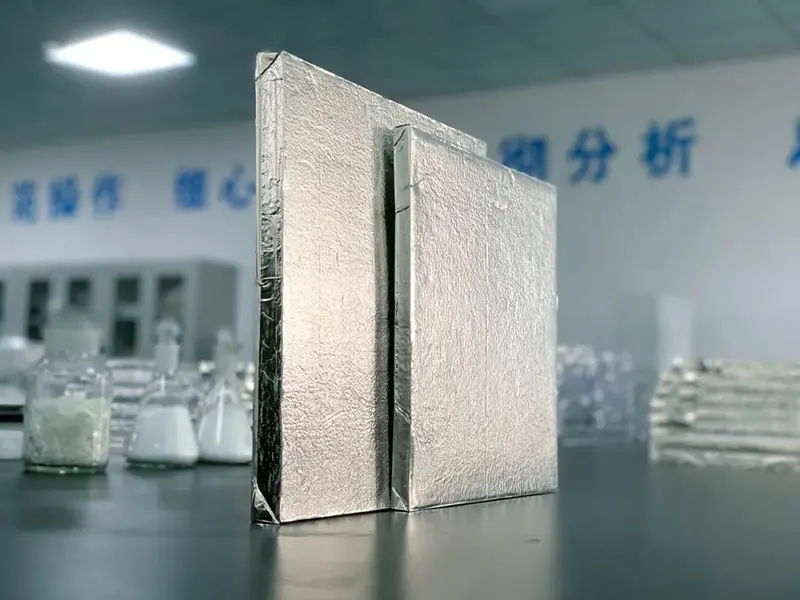
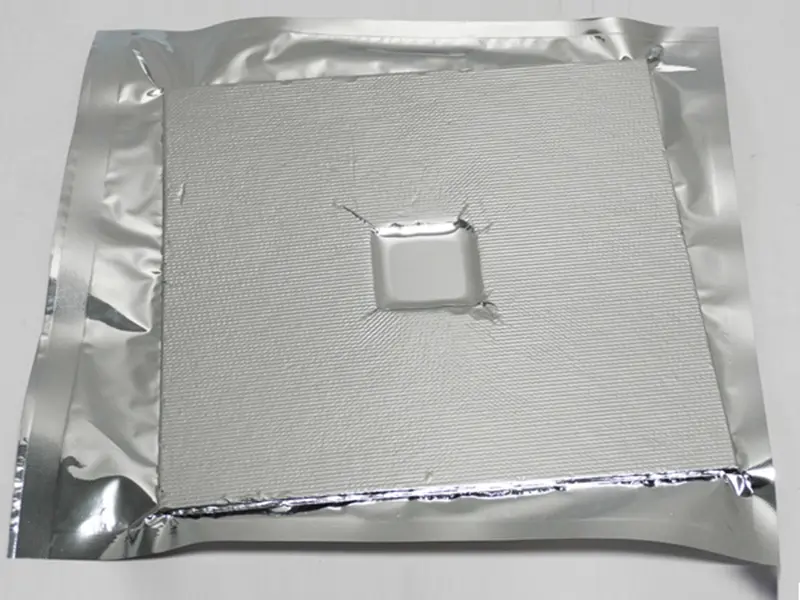
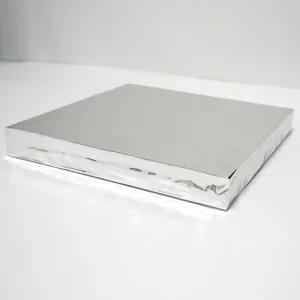
Innovative vacuum panels with tailored shapes and PET protective films, ideal for complex envelope installations.
View More +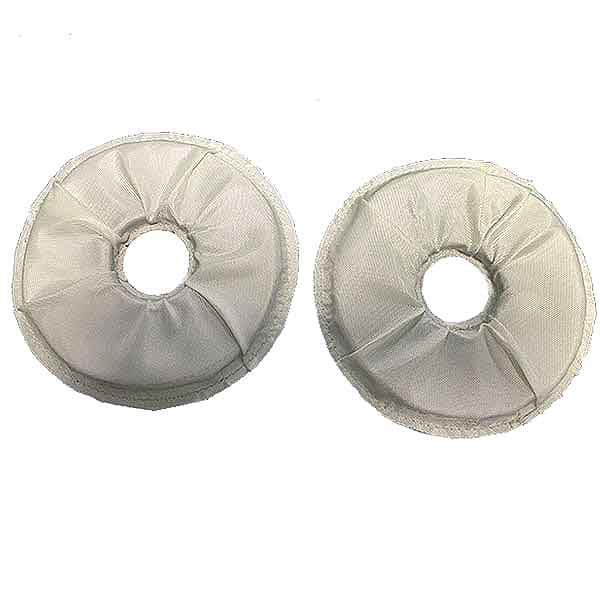
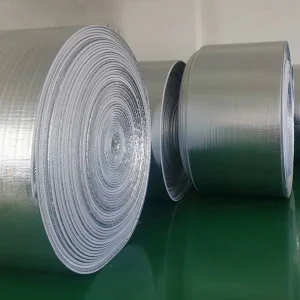
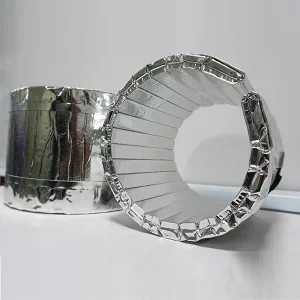
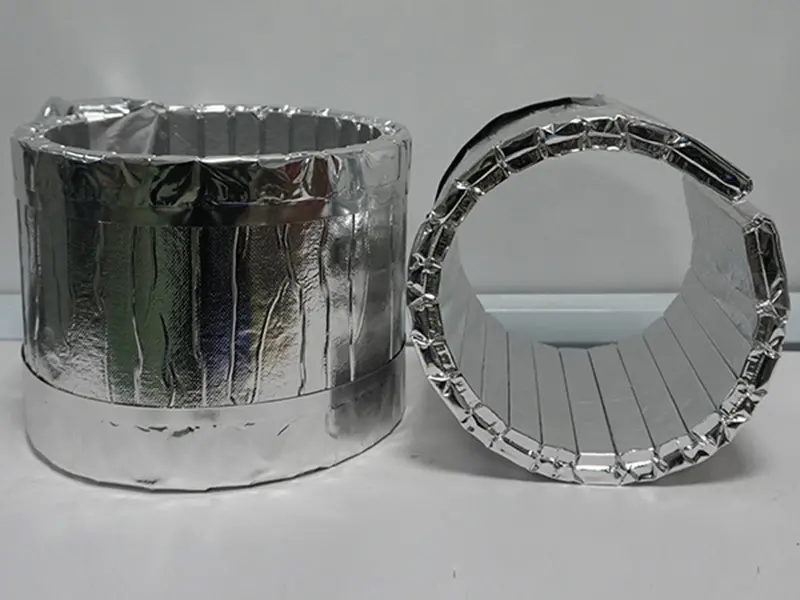
High flexibility thermal barrier blankets engineered for rounded pipes and complex cylindrical industrial systems.
View More +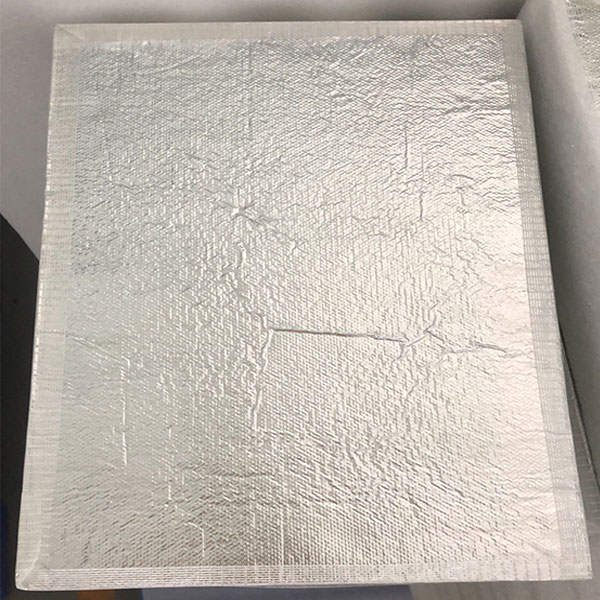
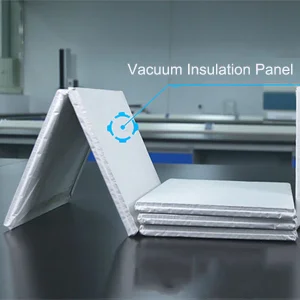
Advanced vacuum core properties offering extremely low thermal conductivity values for refrigeration applications.
View More +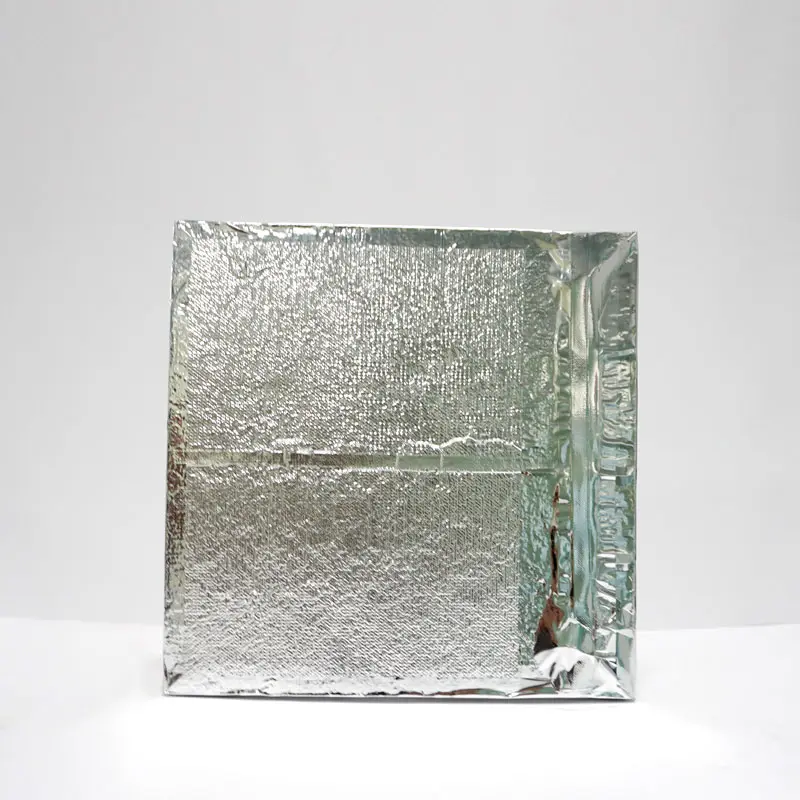
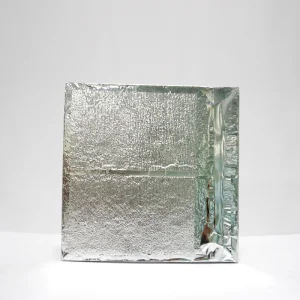
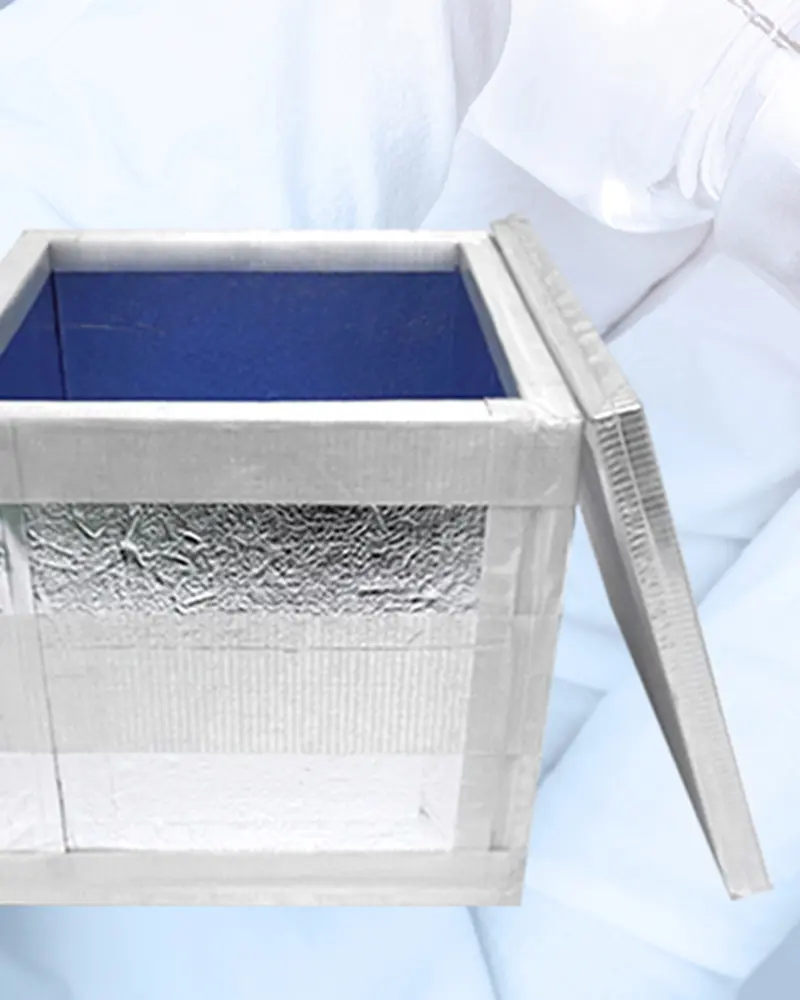
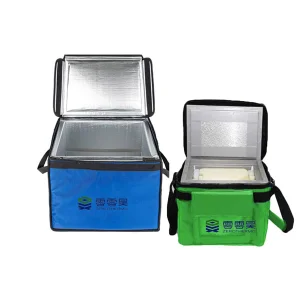
Optimized VIP insulation structures designed for cold chain transport box envelopes and vaccine coolers.
View More +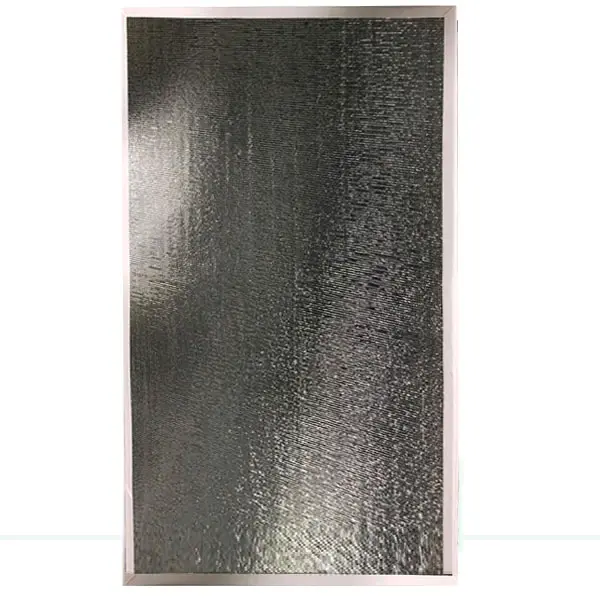
Oversized vacuum insulation core structures built for heavy-duty cold chain logistics systems and containers.
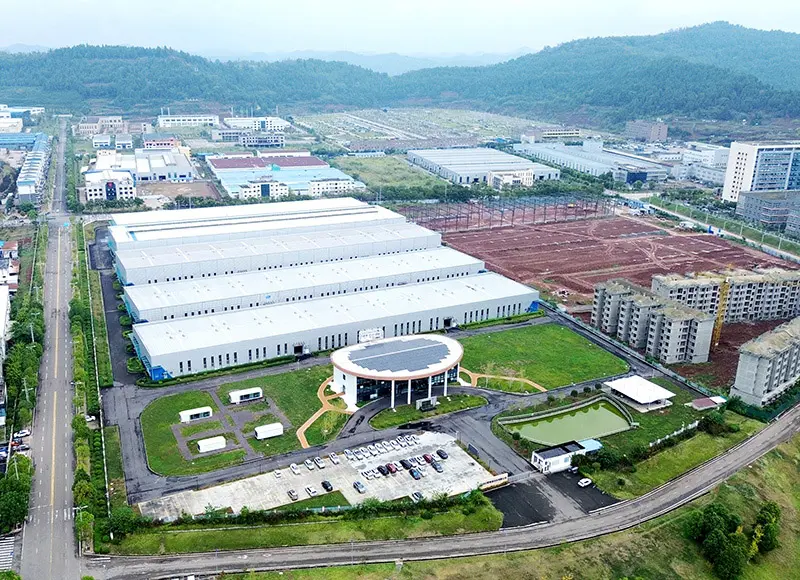
View More +Zerothermo Technology Co., Ltd., a subsidiary of CBVAC Group and a national high-tech enterprise, is headquartered in the Beijing Economic-Technological Development Area with its production base located in Nanchong City, Sichuan Province. This facility stands as one of China’s largest comprehensive production centers for vacuum technology application products.

Special sizes (beyond the range of ANSI/ASME/DIN and other standards) are produced according to customers' drawings or technical parameters.

Square, oval, or other special shaped flanges. Oversize/small diameter: such as diameter over 60 inches or micro precision flanges.

Special sizes (beyond the range of ANSI/ASME/DIN and other standards) are produced according to customers' drawings or technical parameters.

Why Partners Choose Us


Global Applications
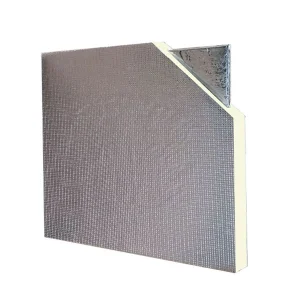
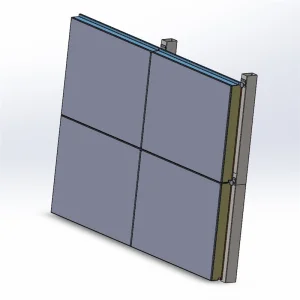
Providing high-efficiency thermal insulation solutions for building envelope systems through innovative products such as vacuum insulation panels and vacuum insulated glass, empowering the construction sector to reduce carbon emissions and achieve carbon neutrality.
Providing high-efficiency thermal insulation solutions for building envelope systems through innovative products such as vacuum insulation panels and vacuum insulated glass, empowering the construction sector to reduce carbon emissions and achieve carbon neutrality.
Optimizing energy consumption in high-heat production facilities using customized nanoporous thermal panels to block radiation and conduction.
Providing unique architectural restoration products, modern structural glazing, and thermal components for high-profile green resorts.


Portfolio




As vacuum science advances, the focus is shifts toward hybridizing structures and optimizing cost profiles. The R&D roadmap for Zerothermo focuses on three key innovations:
For large-scale infrastructure and architectural integration, structural certification is mandatory. Premium custom vacuum glazing units undergo testing under international conditions, including ASTM E2190 (for insulating glass durability), SGCC/IGCC safety glass certification, and CE marking for European structural integrity requirements. Achieving compliance involves rigorous pressure tests, temperature cycling (-40°C to +80°C), and humidity-resistance profiling to ensure the internal vacuum does not decay over the building’s lifecycle.
Knowledge Base
Custom vacuum insulated glass (VIG) can achieve center-of-glass U-values as low as 0.4 to 0.5 W/(m²·K). This is significantly better than typical triple glazing (which averages 0.7 to 0.8 W/(m²·K)), despite being up to 4 times thinner and 70% lighter.
No. Tempered vacuum insulated glass cannot be cut, drilled, or modified once the vacuum sealing process is complete. All dimensions, processing holes, and edge specifications must be precisely detailed and finalized during the engineering design phase before fabrication.
Through our advanced low-temperature metal and inorganic glass frit edge-sealing technology, the vacuum cavity remains intact for over 25 to 50 years under standard environmental conditions, ensuring consistent thermal performance over the building’s service life.
Pricing depends on variables such as glass sheet thickness (e.g., 4mm+V+4mm or 5mm+V+5mm), the inclusion of specific Low-E coatings, structural laminates, safety glass tempering requirements, custom shapes, and overall shipment volume.
The micro-spacers are engineered with diameters of less than 0.5mm and are placed in a grid layout (typically spaced 20mm to 40mm apart). They are virtually invisible from standard viewing distances and do not impede transparency or daylight transmission.
Corporate News

We offer one-stop vacuum insulation and glazing solutions. Contact us for custom designs, thermal performance modeling, and volume wholesale quotes.



 +8615892792306