White Paper: Advanced Vacuum Insulation & Next-Generation Thermal Wall Systems
1. Executive Summary & The Global Shift to Ultra-Low Lambda Insulation
As global carbon mitigation directives expand (including the EU’s Energy Performance of Buildings Directive and US state-level Net-Zero building mandates), the construction and logistics sectors face a major challenge. Conventional thermal insulation materials like expanded polystyrene (EPS), extruded polystyrene (XPS), and rockwool require excessive thickness to meet the required low U-values. This reduces usable interior square footage and complicates structural envelopes.
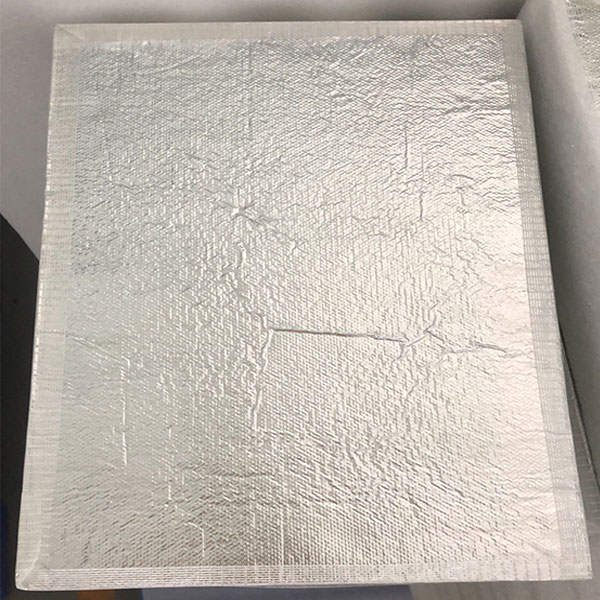
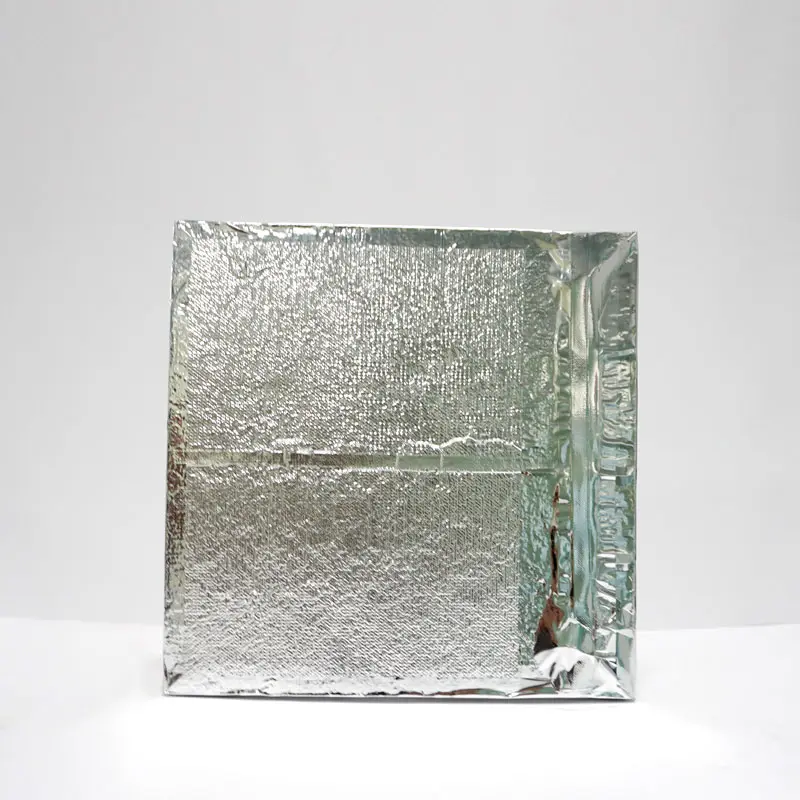
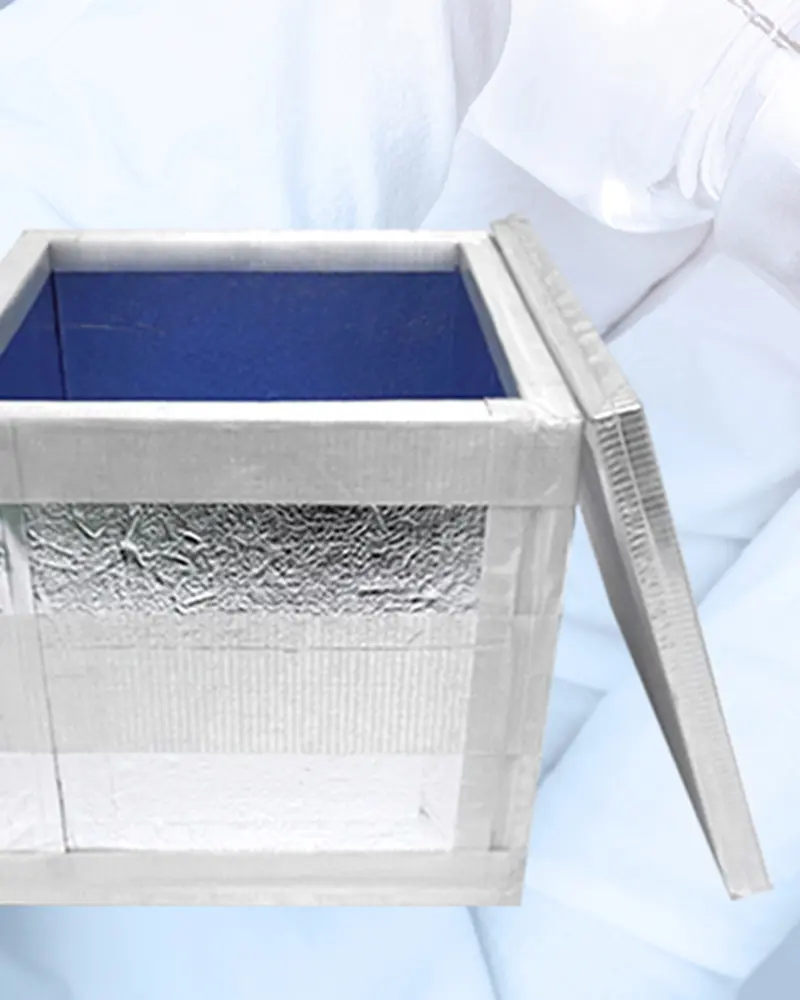
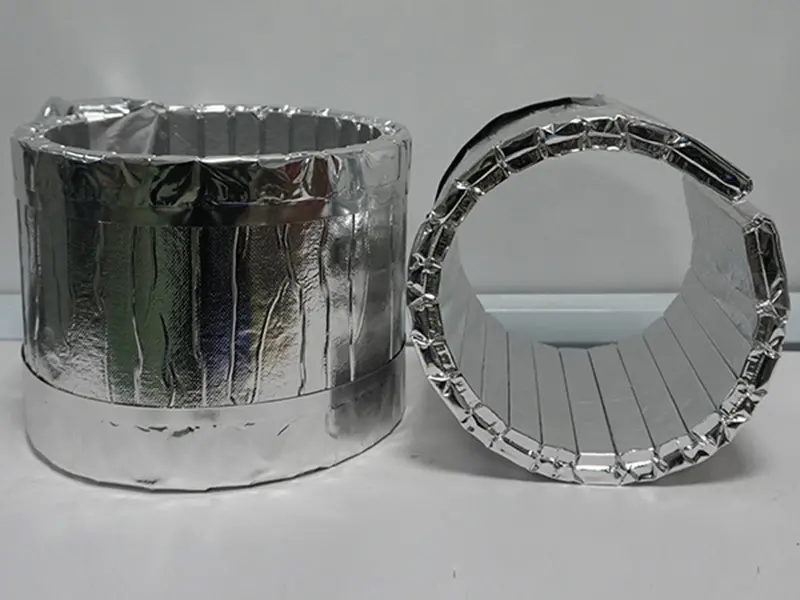
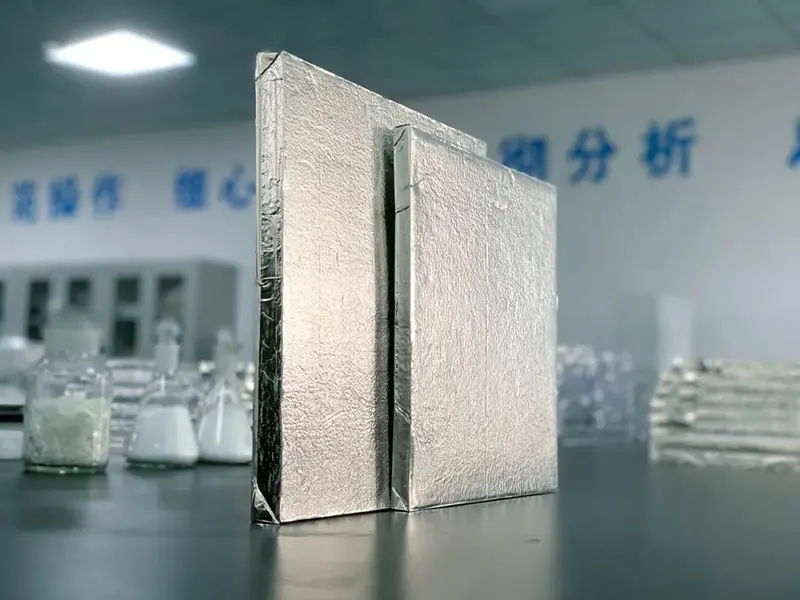
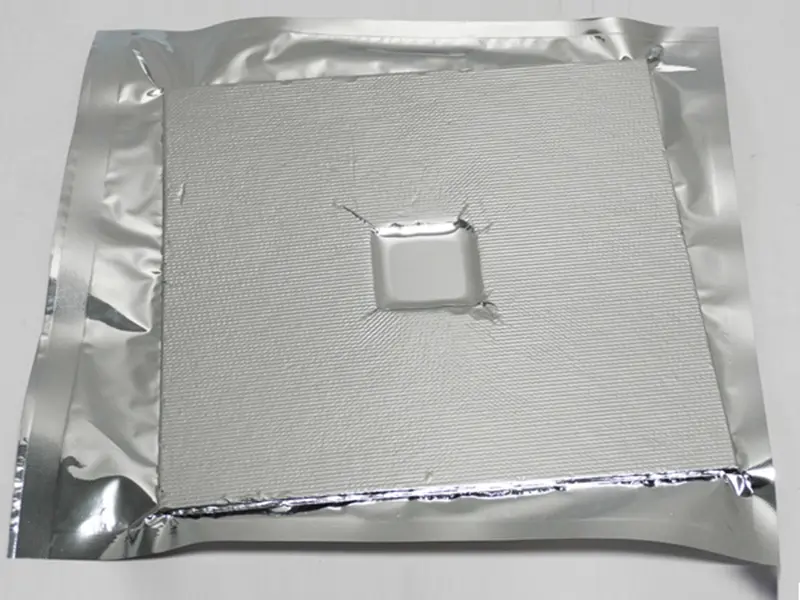
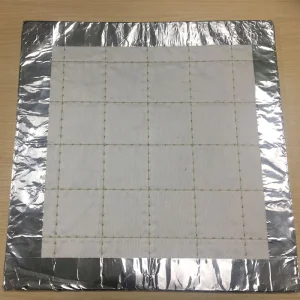
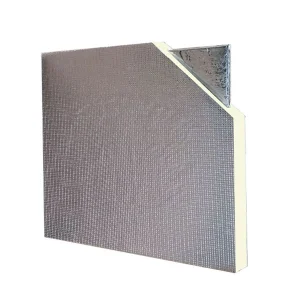
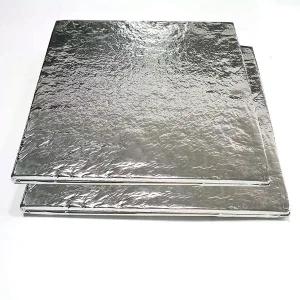
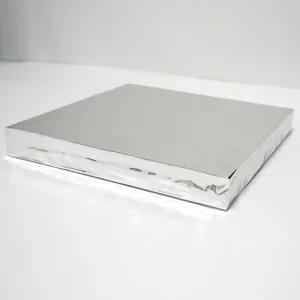
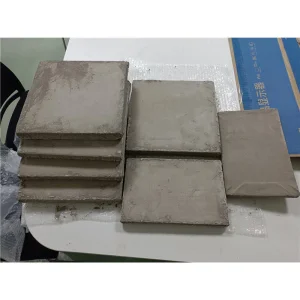
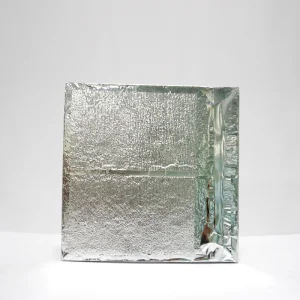
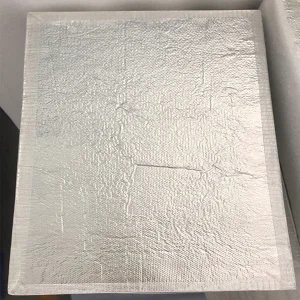
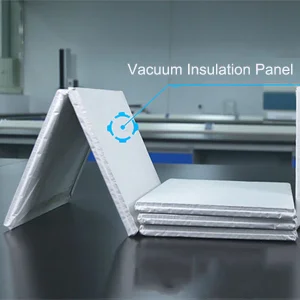
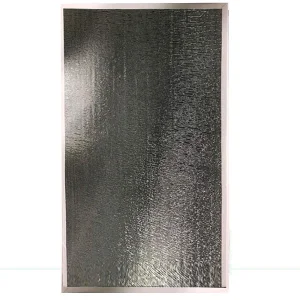
Custom thermal wall boards incorporating Vacuum Insulation Panel (VIP) cores offer a solution. Utilizing fumed silica or fiberglass cores sealed under a vacuum, VIPs achieve thermal conductivities as low as 0.004 W/(m·K)—ten times lower than standard insulation. This allows design engineers to optimize building energy performance without sacrificing space.
| Insulation Type | Core Material Density (kg/m³) | Nominal Thermal Conductivity (W/m·K) | Required Thickness for U-Value 0.15 W/(m²K) | Expected Service Life (Years) |
|---|---|---|---|---|
| Fumed Silica VIP (Zerothermo VIPs) | 180 - 220 | 0.004 - 0.005 | ~30 mm | 50+ |
| Fiberglass Core VIP | 220 - 260 | 0.002 - 0.003 (initial) | ~20 mm | 15 - 25 (highly prone to degradation) |
| Polyurethane Foam (PU) | 35 - 45 | 0.022 - 0.026 | ~150 mm | 30+ |
| Extruded Polystyrene (XPS) | 30 - 40 | 0.030 - 0.035 | ~210 mm | 50 |
2. Global Sourcing Insights: Procurement Criteria for Technical Buyers
For procurement officers in multinational engineering firms, importing vacuum-insulated products requires a focus on structural longevity, barrier durability, and edge-thermal bridging effects. Core points of evaluation include:
- Transient Thermal Performance over Time: Over time, atmospheric gas slowly diffuses into the vacuum core, raising thermal conductivity. Fumed silica panels maintain low lambda levels even when pressure rises to 100 mbar, whereas fiberglass-based alternatives degrade quickly under similar conditions.
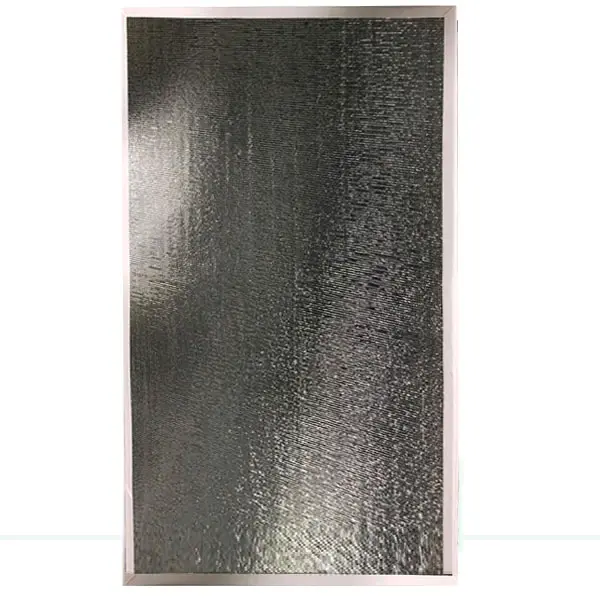
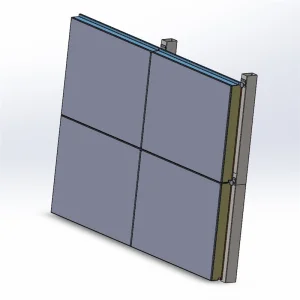
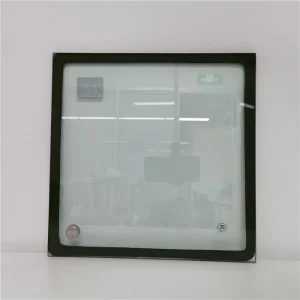
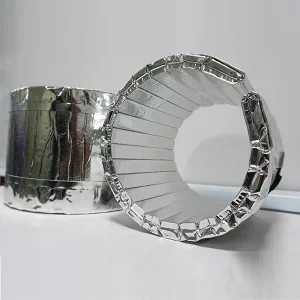
- Structural Edge Attenuation: Minimizing the thermal bridging effect along the perimeter of custom thermal wall boards is essential. Zerothermo’s non-standard composite frames provide edge thermal breaks that prevent local energy losses.
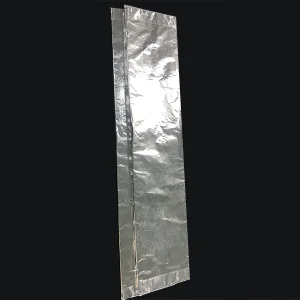
- Multilayer Barrier Film Robustness: PET and aluminum-laminated barrier films must withstand shear stresses during wall placement without puncture or micro-fractures.
3. China Factory 4.0: Supply Chain Resilience & Manufacturing Competitiveness
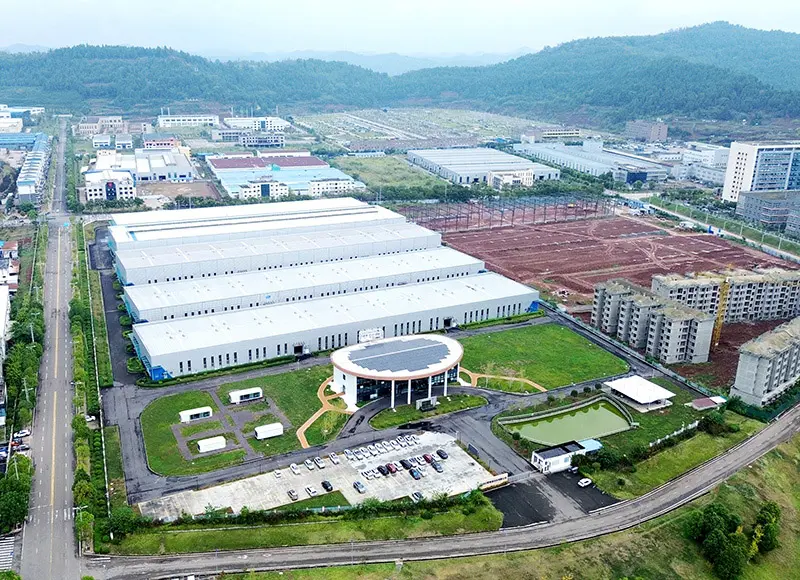
Zerothermo Technology Co., Ltd. (a subsidiary of the CBVAC Group) maintains a large-scale manufacturing center in Nanchong City, Sichuan Province. Integrating automated vacuum sealing equipment, precision laser-cutting, and computerized thermal conductivity testing, the production line provides high throughput with consistent quality control.
By producing our own raw fumed silica core structures and leveraging integrated domestic supply chains, we protect global partners from resource shortages and logistical delays. This localized integration ensures consistent product supply, even during volatile international trade windows.