
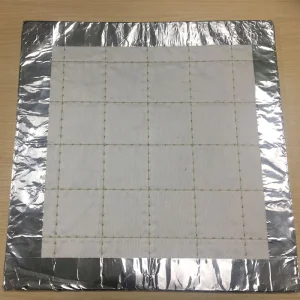
Advanced microporous structure offering flexibility and superior thermal protection under harsh conditions.
View Details →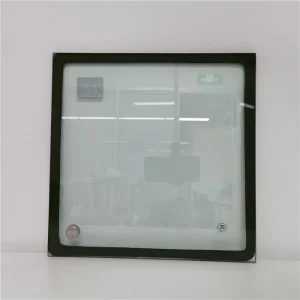
Industry-grade tempered safety glass incorporating high-vacuum insulation for ultra-efficient windows.
View Details →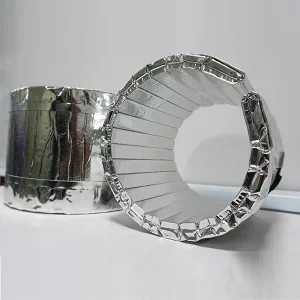
High-density silica thermal wrapping optimized for containment of hot industrial processing storage tanks.
View Details →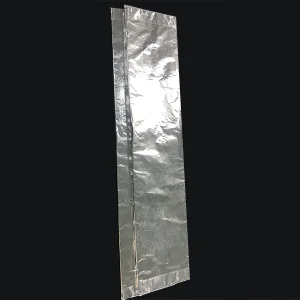
Precision-engineered cell thermal barrier layers designed to mitigate thermal runaway risk in NEV battery packs.
View Details →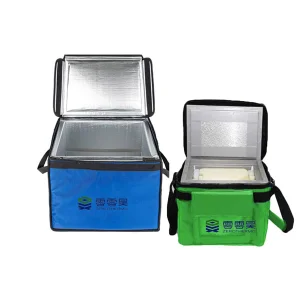
Specialized VIP-core cooling containment optimized for deep cold chain logistics, vaccine safety and storage.
View Details →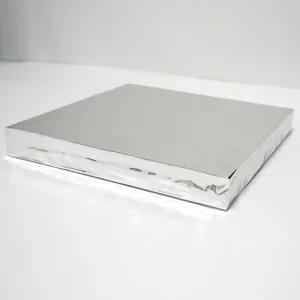
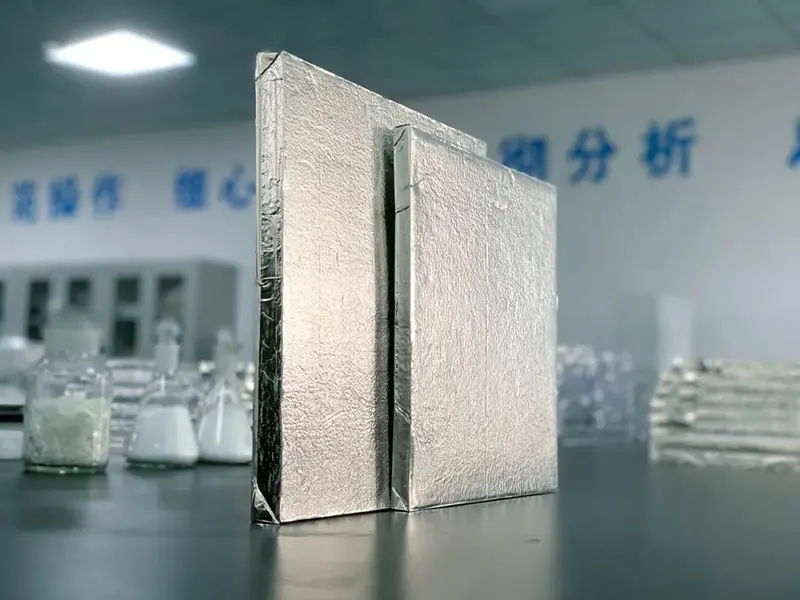
Extreme thermal resistance panels designed to perform continuously at peak industrial process temperatures.
View Details →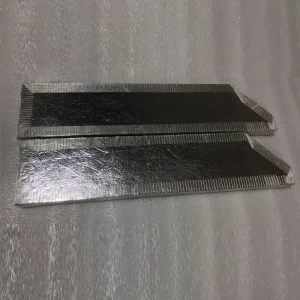
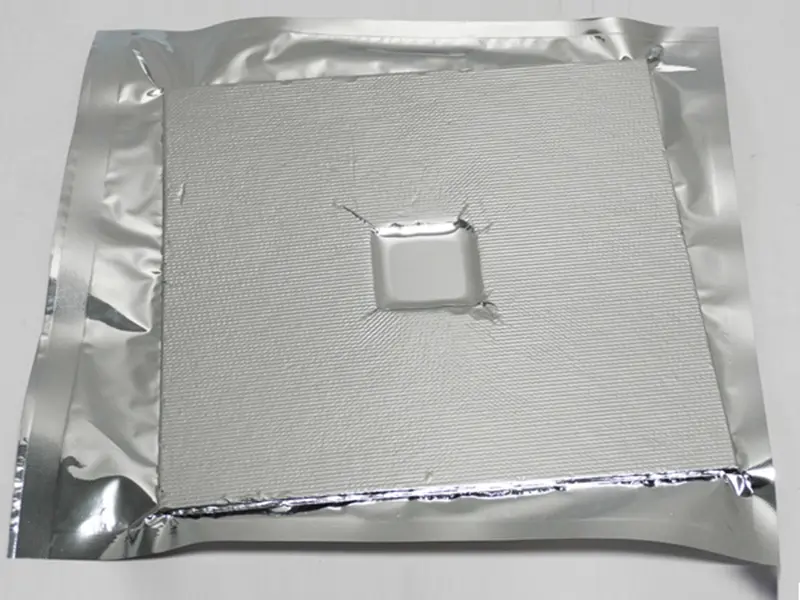
Optimized PET-encapsulated shaped vacuum structures offering thermal performance for customized curves and contours.
View Details →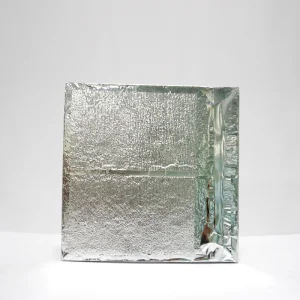
Maximum thermal resistance VIPs tailored for low-temperature transit vehicles and marine reefer units.
View Details →In modern industrial architectural design, the thermal envelope serves as the primary barrier against atmospheric temperature fluxes. Standard polyurethane (PUR), polyisocyanurate (PIR), and rockwool composite roofing systems struggle to balance physical thickness constraints with increasingly strict building envelope U-value codes. Our proprietary fumed silica core Vacuum Insulation Panels (VIPs) represent a significant thermal performance improvement in industrial and commercial building envelope construction.
Compared to traditional insulation options which exhibit thermal conductivity levels of 0.022 W/(m·K) to 0.040 W/(m·K), fumed silica VIP cores achieve a center-of-panel thermal conductivity as low as 0.004 W/(m·K). By integrating these advanced vacuum-layered structures directly into metal sheet panel assemblies, building designers can reduce the overall structural thickness of roofing systems by up to 75% while maintaining the exact same insulation performance. This thermal efficiency improvement significantly reduces structural dead loads, cuts down overall material transportation footprints, and optimizes building energy models to meet strict green building certification requirements.
The performance of our thermal insulation systems relies on manipulating physical heat transfer pathways. Standard gases (mostly Nitrogen and Oxygen) carry heat inside conventional porous insulation via convection and molecular collision. Our nano-microporous fumed silica cores trap gas molecules within structured pore sizes smaller than the average path length of a free air molecule (approximately 70 nanometers at standard pressure). This principle, known in thermodynamics as the Knudsen Effect, helps prevent gas phase heat conduction even without a complete vacuum. Once encapsulated under vacuum conditions, our panels virtually eliminate conduction and convection, leaving thermal radiation as the only minor heat transfer mechanism.
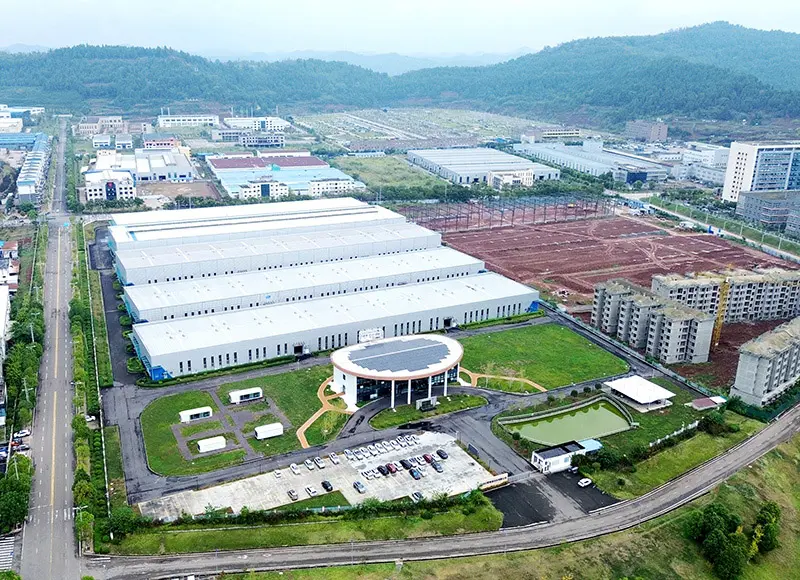
Zerothermo Technology Co., Ltd., a subsidiary of the renowned CBVAC Group and a recognized national high-tech enterprise, is headquartered in the prestigious Beijing Economic-Technological Development Area. Our state-of-the-art production base is strategically located in Nanchong City, Sichuan Province. This massive facility stands as one of China’s largest and most technologically advanced comprehensive production centers for vacuum technology application products.
We leverage decades of vacuum research, high-barrier film material science, and cleanroom assembly automation to deliver premium thermal shielding solutions globally. As direct industrial innovators, we control the entire vertical supply chain—from processing high-purity fumed silica core raw materials to configuring custom dimensions for industrial architectural envelopes and new energy transportation applications.

Custom dimensions manufactured to drawings or project-specific parameters.

Square, oval, and other non-standard profiles built for unique system envelopes.

High-vacuum structural interfaces manufactured to strict tolerances.
Highly engineered 5-15mm thick micro-porous barrier sheets designed for space-constrained vehicle battery compartments.
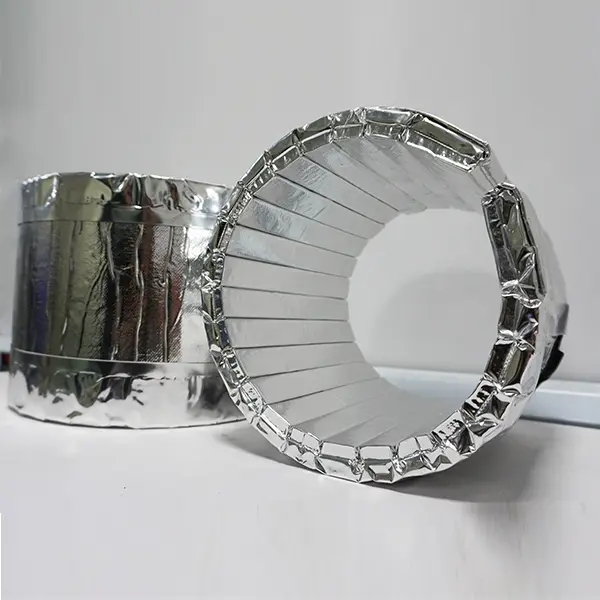
High thermal stability backing insulation that reduces standby losses for commercial boilers and large storage vessels.
Advanced structural barrier panels designed for high-stress industrial applications and high-temperature environments.
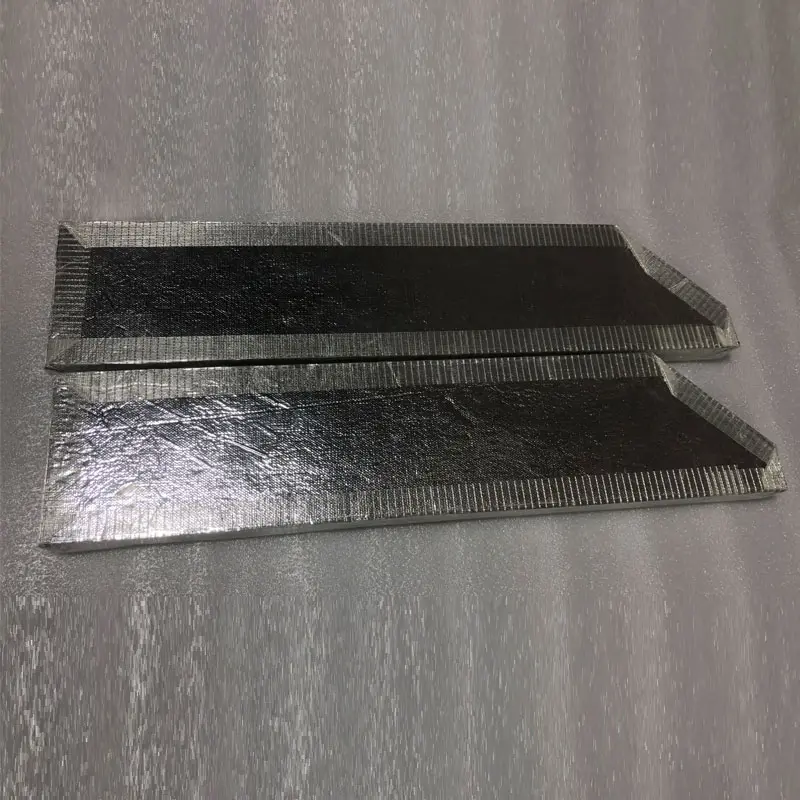
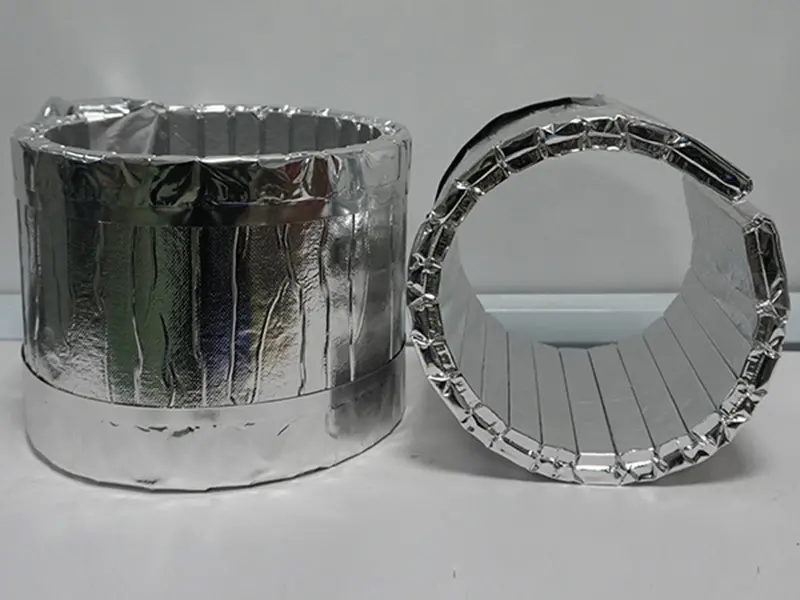
Engineered non-planar geometries designed to insulate curved storage vessels and complex piping designs.
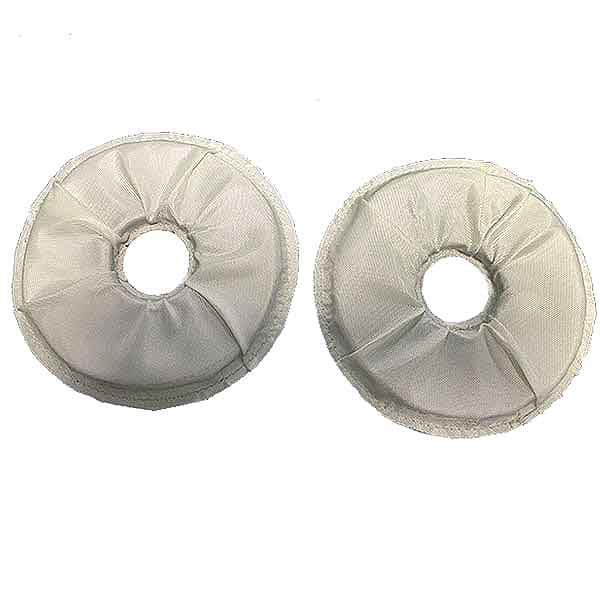
Circular, contoured flex-mats engineered for industrial plant piping, machinery, and circular furnace shells.
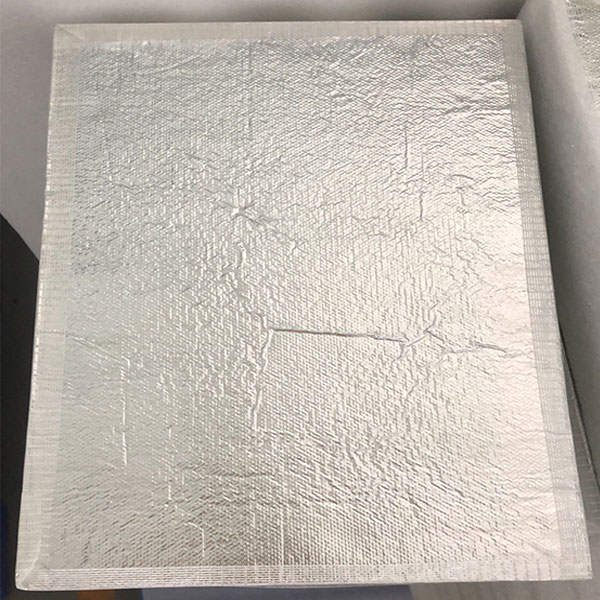
High-efficiency vacuum panels tailored for long-term cooling optimization in commercial refrigerators.
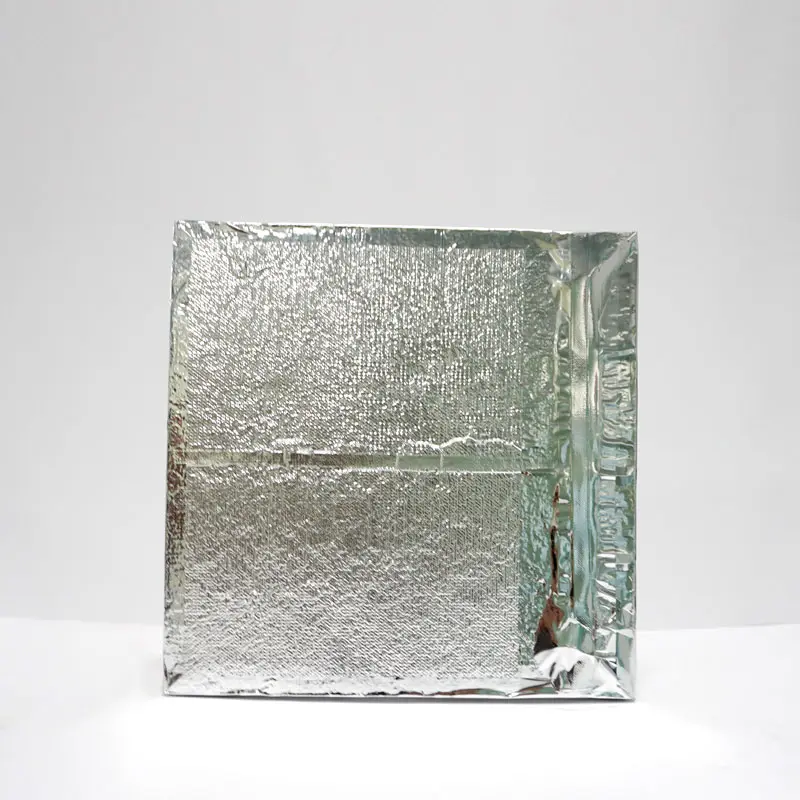
Advanced insulation core panels that minimize cryo-fluid losses and optimize refrigeration cycle performance.
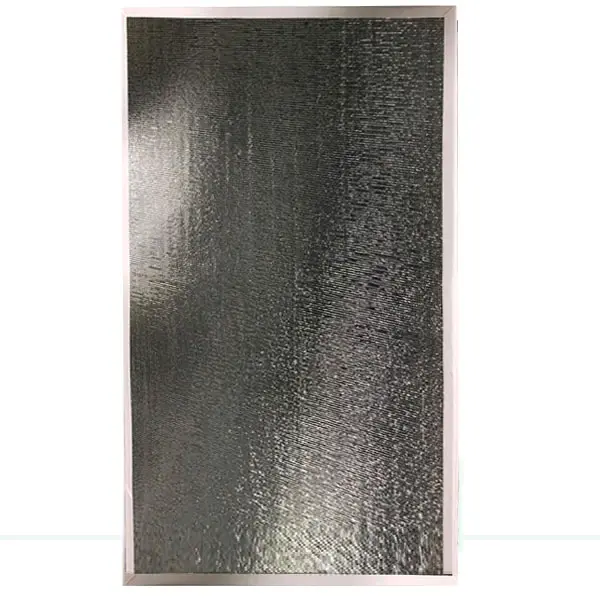
Large structural core units configured to cover large areas on commercial roofing structures.


In the global market for ultra-performance thermal materials, the capacity to deliver high-quality, high-consistency vacuum products depends on advanced manufacturing infrastructure. The Zerothermo production facility located in Nanchong City, Sichuan Province, represents a major hub in this sector. Supported by our parent entity, the CBVAC Group—a leader in high-vacuum seal engineering—we utilize advanced processing technologies that set our products apart from standard local fabrication centers.
The performance of a Vacuum Insulation Panel (VIP) depends heavily on the purity and quality of its core material. Many suppliers rely on outsourced, low-density glass fiber cores which are susceptible to aging and physical collapse. Zerothermo utilizes internally processed fumed silica. Fumed silica cores offer a long service life, resisting degradation for over 50 years even if the internal vacuum level experiences slight pressure changes over time.
Our vertical integration process spans every step of manufacturing: from refining raw silica nanoparticles and consolidating core structures, to automated laser-welding of high-barrier PET outer films, and final quality check using laser-optics vacuum testing. This comprehensive manufacturing control ensures that every thermal roofing sheet leaving our facility meets our strict quality standards before export.

Unparalleled manufacturing standards matching demanding certifications.

Swift prototyping and dimensional engineering tailored to your specifications.

High-volume manufacturing lines that ensure prompt project delivery.

Secure international shipping and customs clearing coordination.

Decades of engineering support and performance guarantees.
Advanced insulation materials play a critical role across a range of modern industrial applications. Standard insulation materials often struggle to perform in challenging operational environments, such as high-temperature processing zones, sub-zero cold chain logistics, or ultra-low emission building designs. Our specialized thermal barrier configurations help address these demanding technical requirements.
| Insulation Material Category | Typical Thermal Conductivity (W/m·K) | Standard Thickness Required (for R-30 rating) | Fire Safety Rating | Service Lifespan |
|---|---|---|---|---|
| Zerothermo Fumed Silica VIP | 0.004 - 0.006 | ~30 mm - 40 mm | Class A (Non-combustible core) | Over 50 Years |
| Polyisocyanurate (PIR) Board | 0.022 - 0.028 | ~130 mm - 150 mm | Class B1 / B2 | 15 - 20 Years (Degrades) |
| Rockwool Composite Panel | 0.038 - 0.044 | ~200 mm - 240 mm | Class A | 20 - 30 Years (Moisture sensitive) |
| Expanded Polystyrene (EPS) | 0.034 - 0.038 | ~180 mm - 220 mm | Class B2 / Combustible | 10 - 15 Years |
1. Zero-Energy Industrial Envelopes: High-efficiency thermal roofing sheets form the primary envelope system in ultra-low energy buildings. The inclusion of VIPs minimizes thermal bridging along steel purlins, preventing internal surface condensation during cold seasons and reducing heating and cooling costs.
2. Deep Cold Logistics Parks: Cold chain hubs storing pharmaceutical products require highly stable environmental controls. By incorporating fumed silica panels into exterior walls and ceilings, operators can reduce refrigeration energy consumption by up to 40% and extend critical cold-holding times during power interruptions.
3. High-Temperature Protective Enclosures: In processing plants, elevator shafts, and fire doors, our micro-porous silica panels function as thin thermal barriers. These panels are engineered to prevent flame and heat propagation, protecting critical operational infrastructure.
We deliver highly specialized thermal performance configurations across complex modern industries, assisting global enterprises in reaching energy targets and safety standards.
Providing high-efficiency thermal insulation solutions for building envelope systems through innovative products such as vacuum insulation panels and vacuum insulated glass, empowering the cold chain sector to reduce energy losses.
Providing high-efficiency thermal insulation solutions for building envelope systems through innovative products such as vacuum insulation panels and vacuum insulated glass, empowering the construction sector to reduce carbon emissions and achieve carbon neutrality.
Providing custom nano-microporous barriers that resist extreme temperatures in industrial furnaces, laboratory chambers, and processing plants.
Providing specialized architectural panel envelopes for modular container cabins and green eco-resorts built in challenging climates.


Procuring specialized vacuum thermal insulation products requires careful technical evaluation. Unlike standard foam boards, VIP-integrated sheets function as sealed systems. Procurement officers, site engineers, and project leads should assess several key technical parameters during the sourcing process:
A vacuum insulation panel maintains its high performance through low internal pressure. If the outer barrier film is punctured during shipping or installation, the panel's thermal conductivity can increase from 0.004 W/(m·K) to approximately 0.020 W/(m·K). Ensure that your supplier tests every panel using non-destructive quality checks, such as optical deflection or high-frequency sensor testing, prior to packing and dispatch.
Commercial structures must comply with strict fire safety regulations. Many polyisocyanurate and expanded polystyrene panels require thick fire retardants and can release toxic smoke during a fire. Ensure the selected cores are rated Class A non-combustible. Fumed silica cores are naturally fire-resistant, helping the composite roofing assembly meet strict regional fire codes.
A primary challenge with vacuum-insulated panels is the edge effect. The outer barrier film, which often contains thin aluminum layers, can transfer heat along the perimeter of the panel. Our engineers address this thermal bridging by using high-resistance multi-layer polymer matrices and offset installation layouts, helping maintain consistent thermal performance across the entire roofing structure.

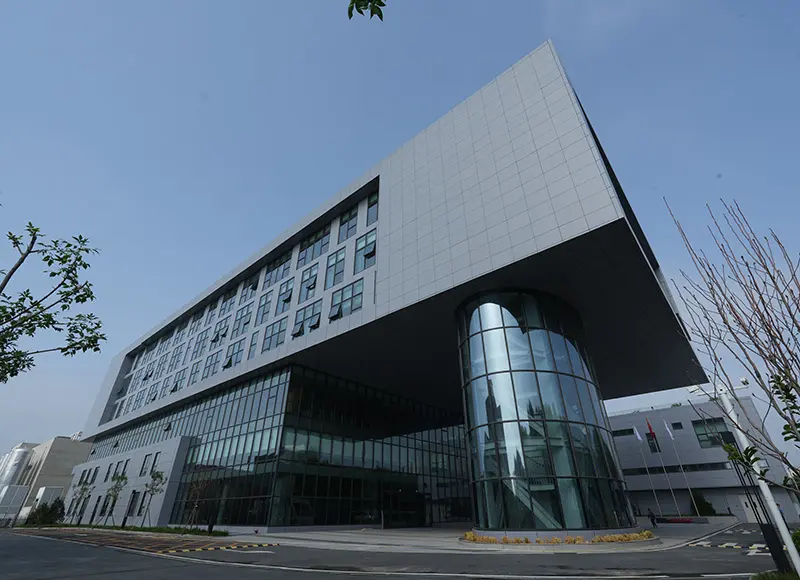
High-efficiency cleanroom envelope design using structural vacuum panel installations for semiconductor testing environments.

Double-barrier ceiling VIP installation designed to control ambient temperatures within tight tolerances.
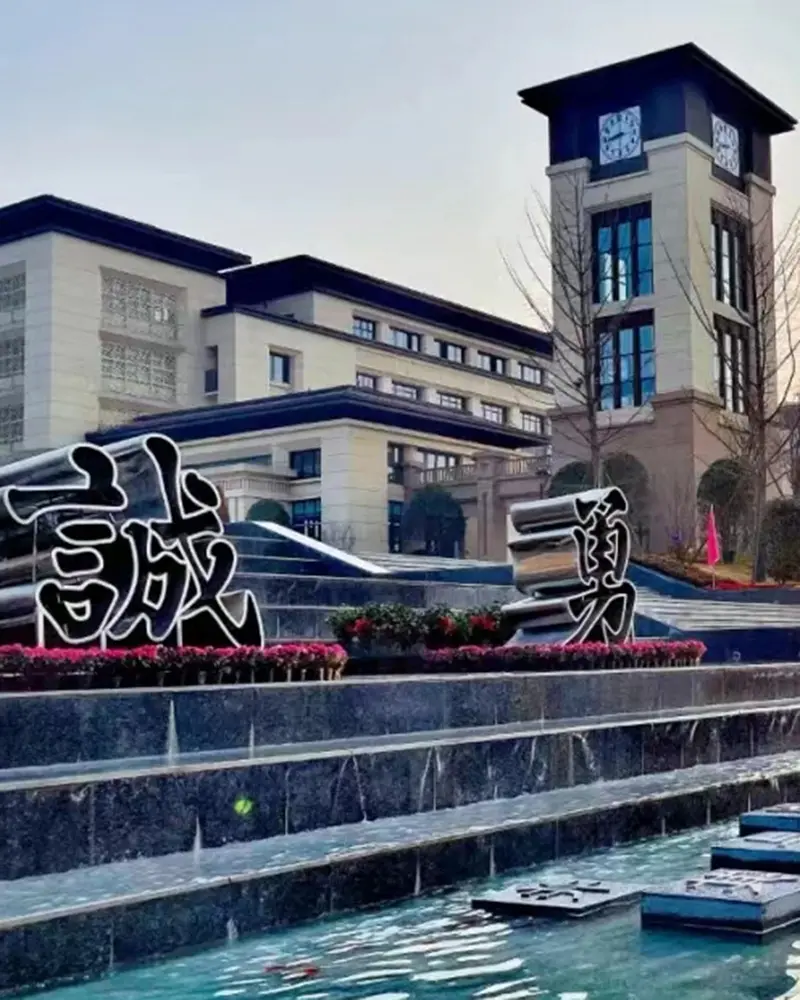
Green school design utilizing vacuum-insulated building envelope panels to reduce heating and cooling costs.
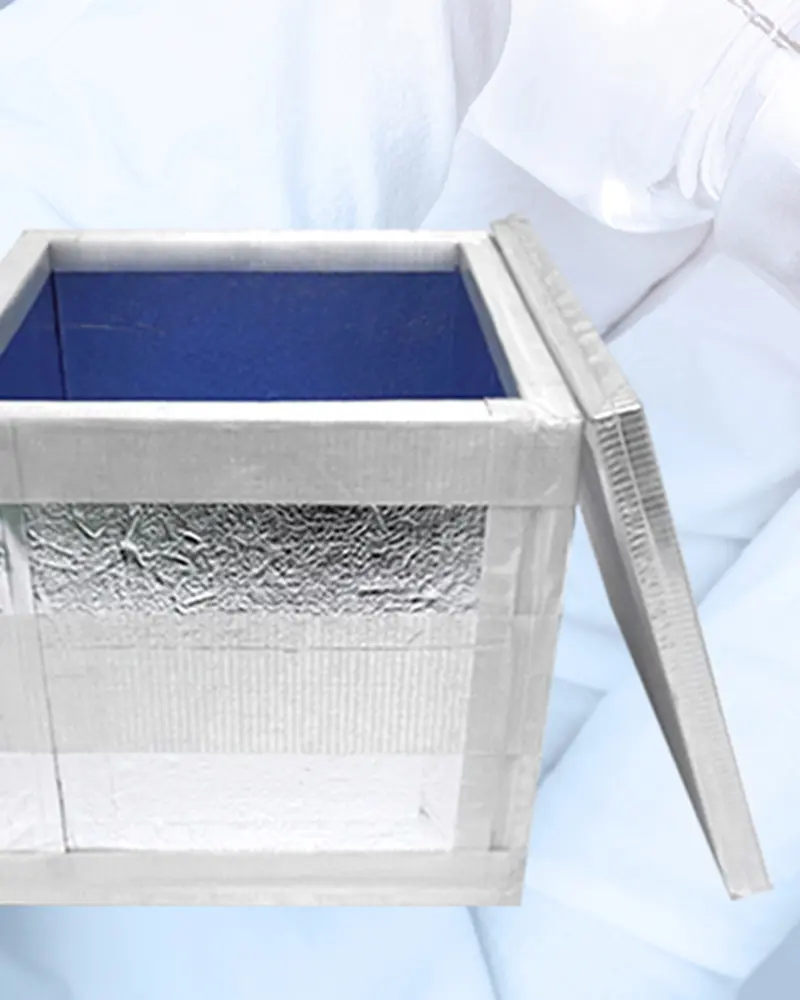
High-efficiency thermal logistics containers developed for long-duration transit of critical medical supplies.
Analyzing structural safety designs and how thin-profile thermal panels help delay heat transfer in commercial elevator shafts.
Reviewing our presented product range, custom fumed silica designs, and key developer inquiries from the event.
An in-depth review of nano-scale thermal barriers designed for extreme industrial processing environments.
We offer comprehensive, custom-engineered vacuum insulation solutions. Contact our engineering team to discuss your project specifications and receive a technical quote.


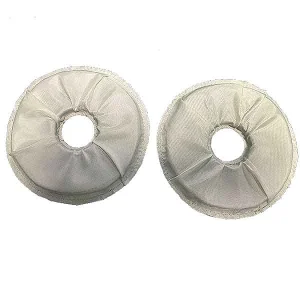
Contoured, high-temperature flexible blanket mats engineered for thermal wrapping applications.
View Details →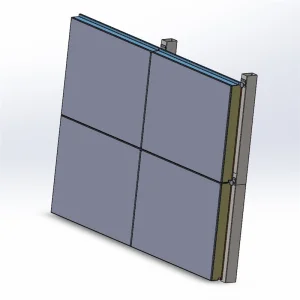
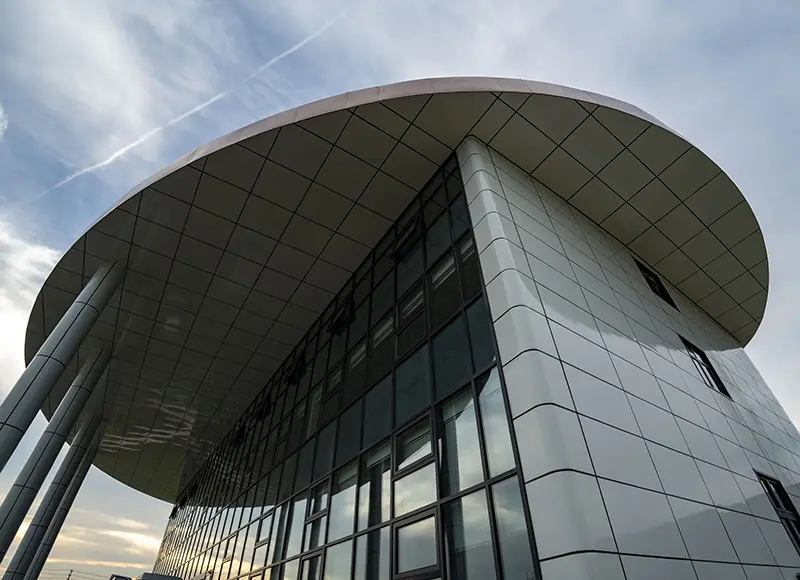
Dual-function exterior structural panels combining aesthetic cladding with high-efficiency vacuum cores.
View Details →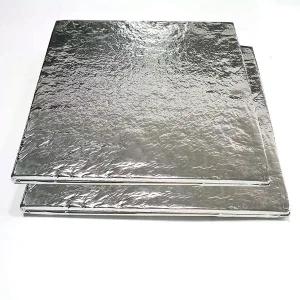
Fiberglass core vacuum panels designed for residential refrigeration units and building wall systems.
View Details →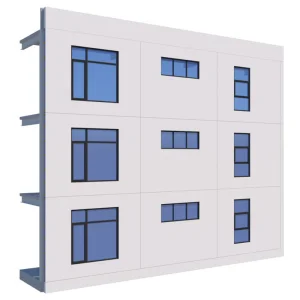
Custom modular panels engineered for rapid building retrofits and energy envelope upgrades.
View Details →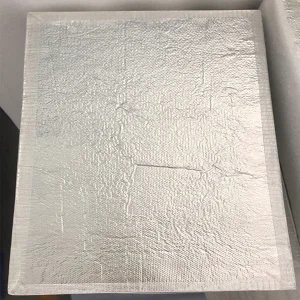
Engineered multi-layer PET barrier film panels designed to prevent gas transmission and core degradation.
View Details →
Ultrathin structural insulation core panels designed for fireproof elevator containment systems.
View Details →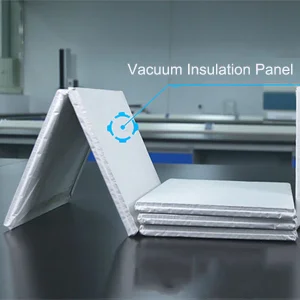
High-efficiency heat shield panels designed for architectural walls, minimizing exterior-to-interior thermal transfer.
View Details →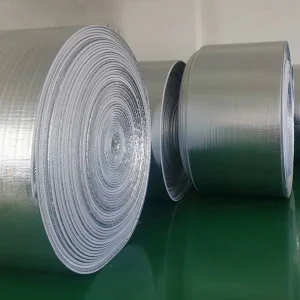
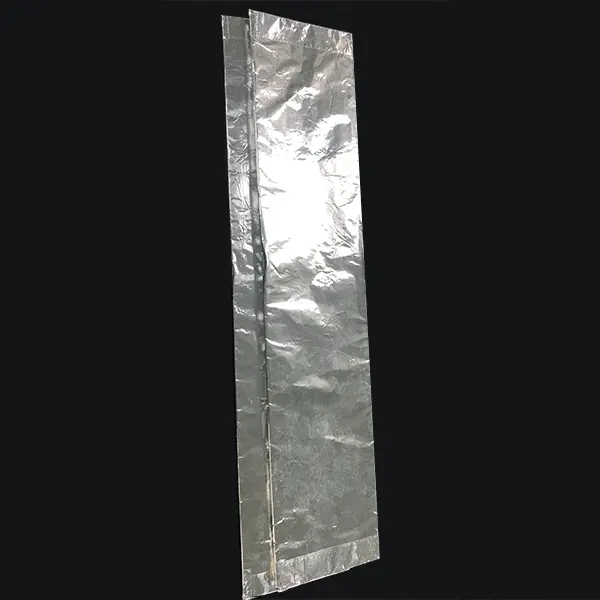
Reflective foil-faced composite rolls designed for easy installation and radiant heat shielding in roofing systems.
View Details →

 +86 158 9279 2306