
In the contemporary industrial and architectural landscape, thermal performance is no longer just a metric of building comfort—it is a critical driver of decarbonization, operational efficiency, and regulatory compliance. Traditional thermal insulation materials, such as standard polyurethane foam and mineral wool, are increasingly hitting their physical and environmental limits. In response, the integration of Vacuum Insulation Panels (VIPs), nano-microporous barriers, and custom composite structures has redefined expectations for building envelopes, cold chains, and ultra-high-temperature environments.
The global demand for high-efficiency insulated panels is shifting toward customized systems. Urban density requires thinner walls with superior thermal resistance (R-value), boosting the market for composite insulated metal panels. The expansion of global cold chains, especially in pharmaceuticals and food distribution, requires strict temperature maintenance. Additionally, the industrial sector needs robust thermal protection for EV battery enclosures, marine transportation, and heavy-duty machinery. Industry reports forecast that advanced vacuum-based structures will experience a high compound annual growth rate (CAGR), driven by global net-zero commitments and stricter building codes like the EU Energy Performance of Buildings Directive (EPBD) and ASHRAE 90.1.
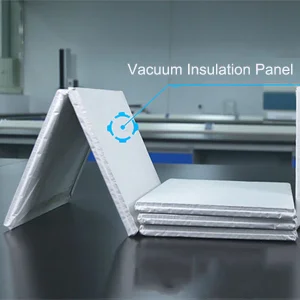
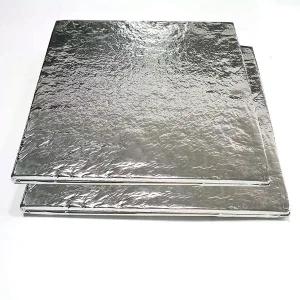
At the center of vacuum insulation's performance is the suppression of gas conduction. Gas conduction dominates heat transfer in standard insulation materials. By evacuating the air from a porous core material (such as fumed silica or fiberglass) and sealing it in a gas-barrier envelope, VIPs achieve a thermal conductivity ($\lambda$) of less than 0.004 W/(m·K). This performance is roughly five to ten times better than conventional insulating foams. Fumed silica cores also maintain long-term stability and resist aging because their extremely small pore structure (approx. 100 nm) limits gas movement even if vacuum pressures slowly degrade over several decades.
Specially developed ultra-thin thermal barriers tailored for electric vehicle (EV) battery packs. Thickness ranges from 5mm to 15mm, offering robust fire safety, thermal runaway mitigation, and structural stability under high mechanical vibrations.
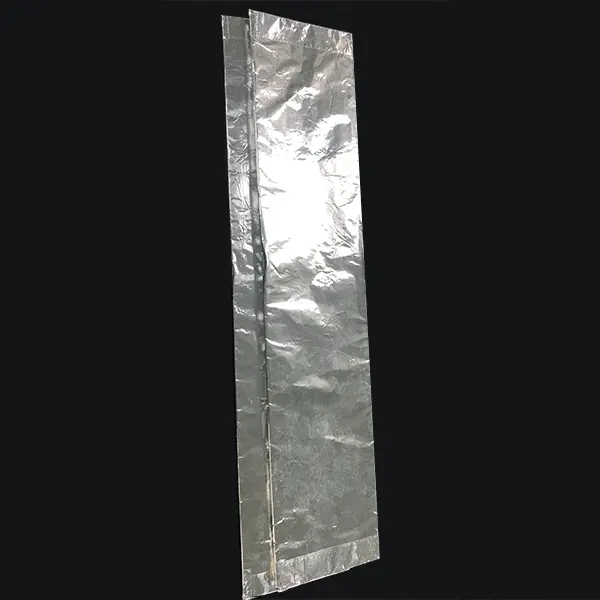
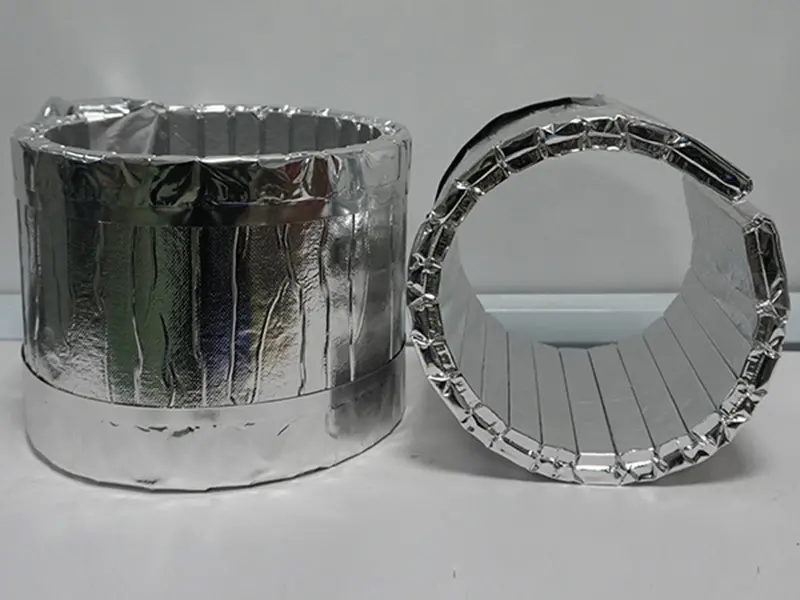
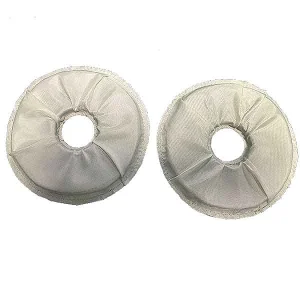
Custom flexible nano thermal wraps designed specifically for domestic and industrial water heaters. Provides superior heat retention, energy savings, and low space footprints for space-restricted utility designs.
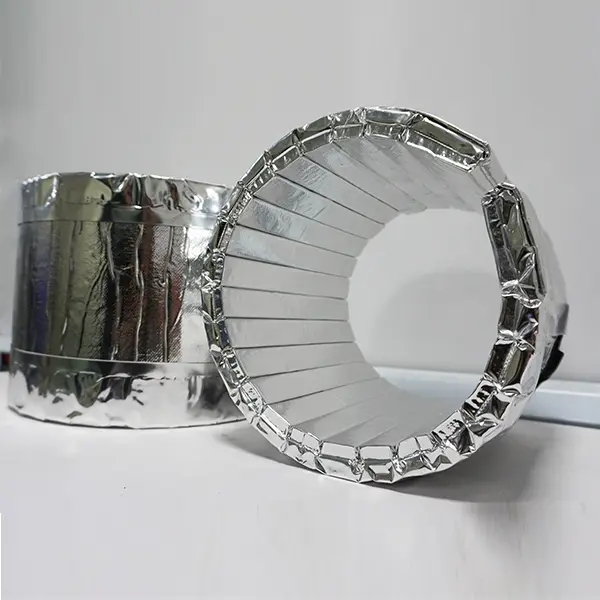
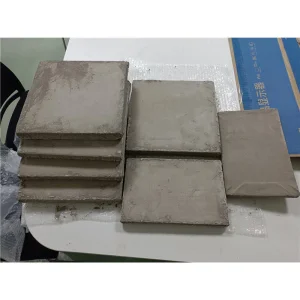
Elevator fire protection structures need slim profiles and high-temperature fire resistance. Our customized nano microporous panels fit within thin metal frames, ensuring fire resistance of up to 120 minutes without bulky framing.

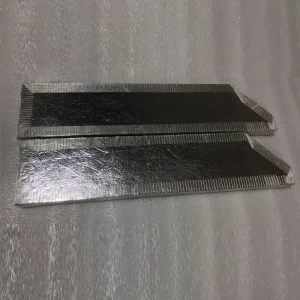
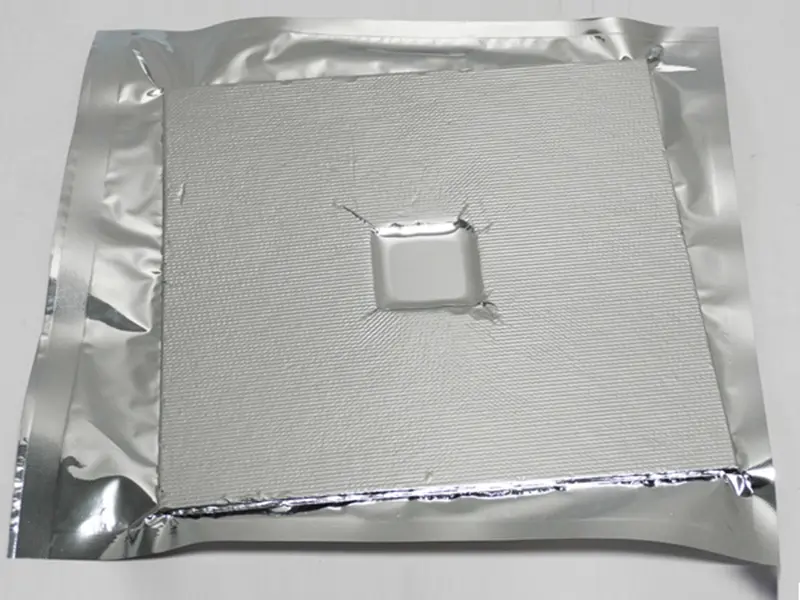
Vacuum insulation is typically restricted to flat rectangular surfaces. Our shaped VIP designs enable complex geometric cuts, holes, and curved patterns, allowing insulation wraps around pipes, containers, and structural corners.
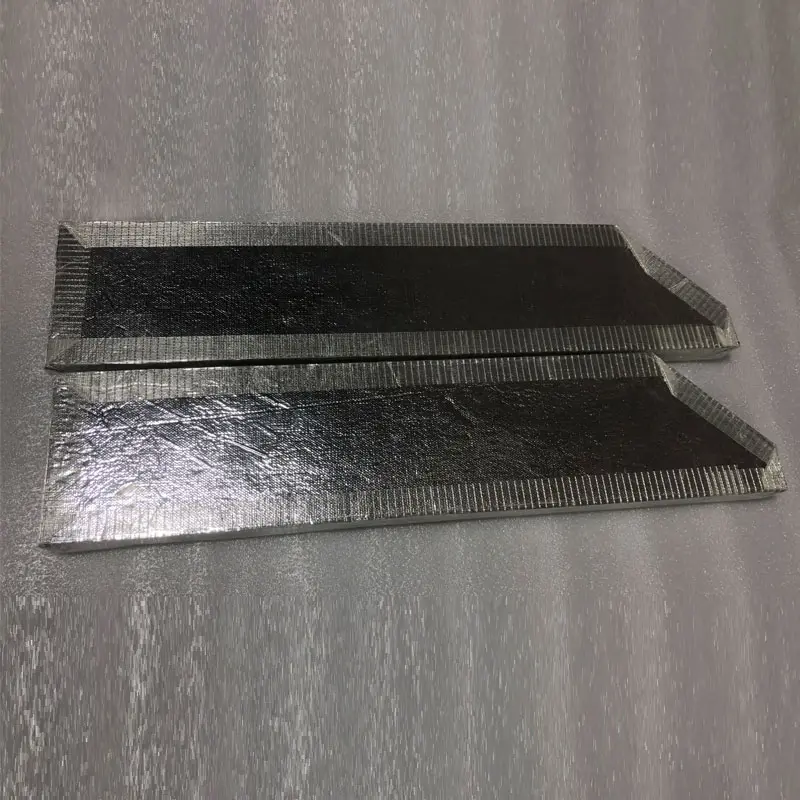
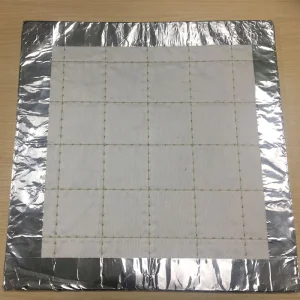
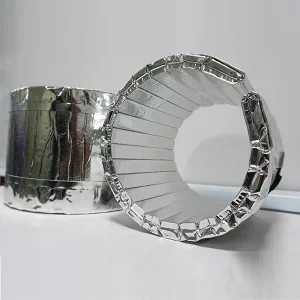
Flexible thermal insulation blankets designed for cylindrical pipes, turbines, and chemical reactor vessels. Suitable for continuous service temperatures exceeding 950°C, minimizing surface radiation loss.
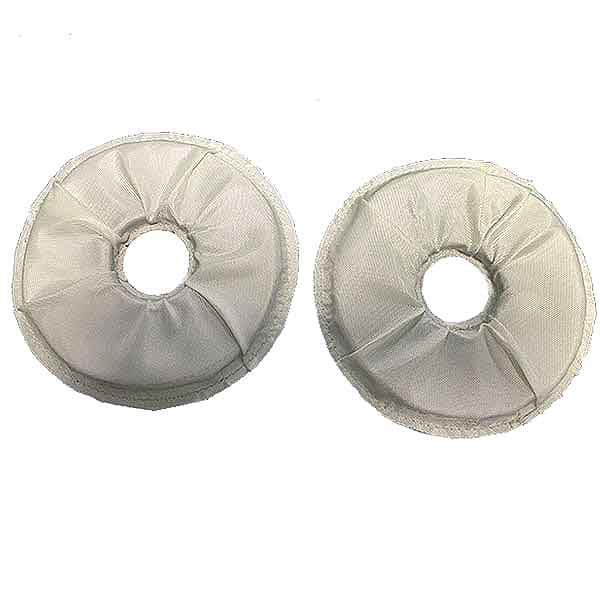
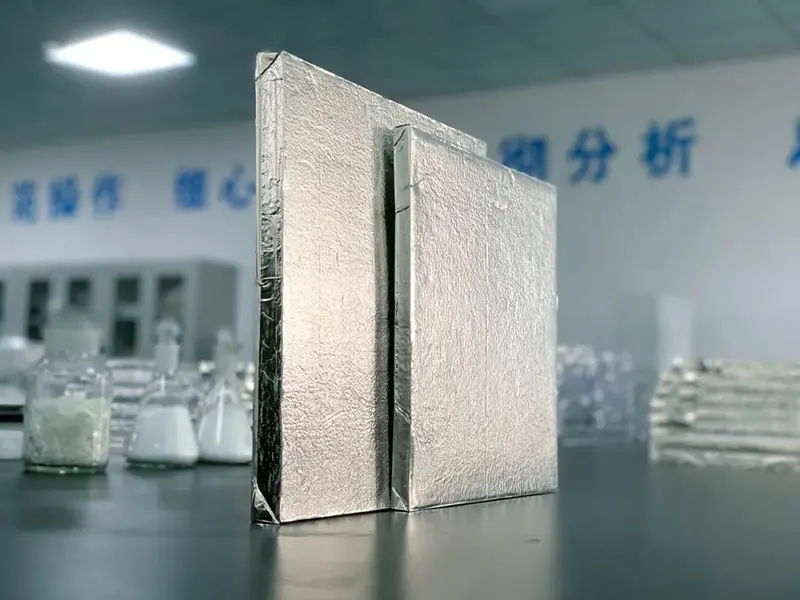
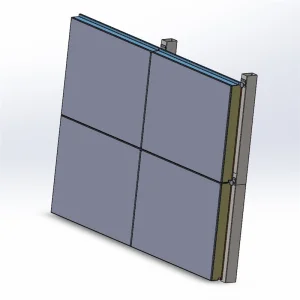
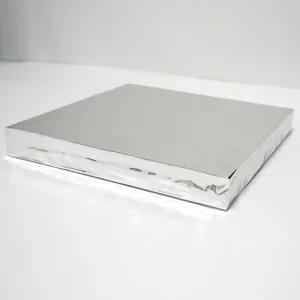
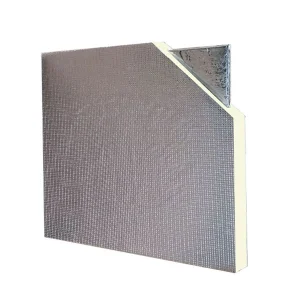
Incorporating premium composite barrier films, these core-insulated panels deliver thermal performance down to 0.0035 W/(m·K), serving as high-performance architectural wall panels and cryogenic transport insulation.
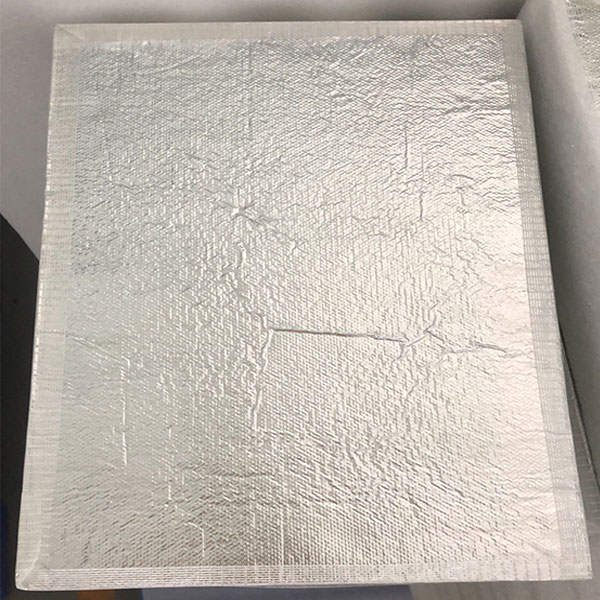
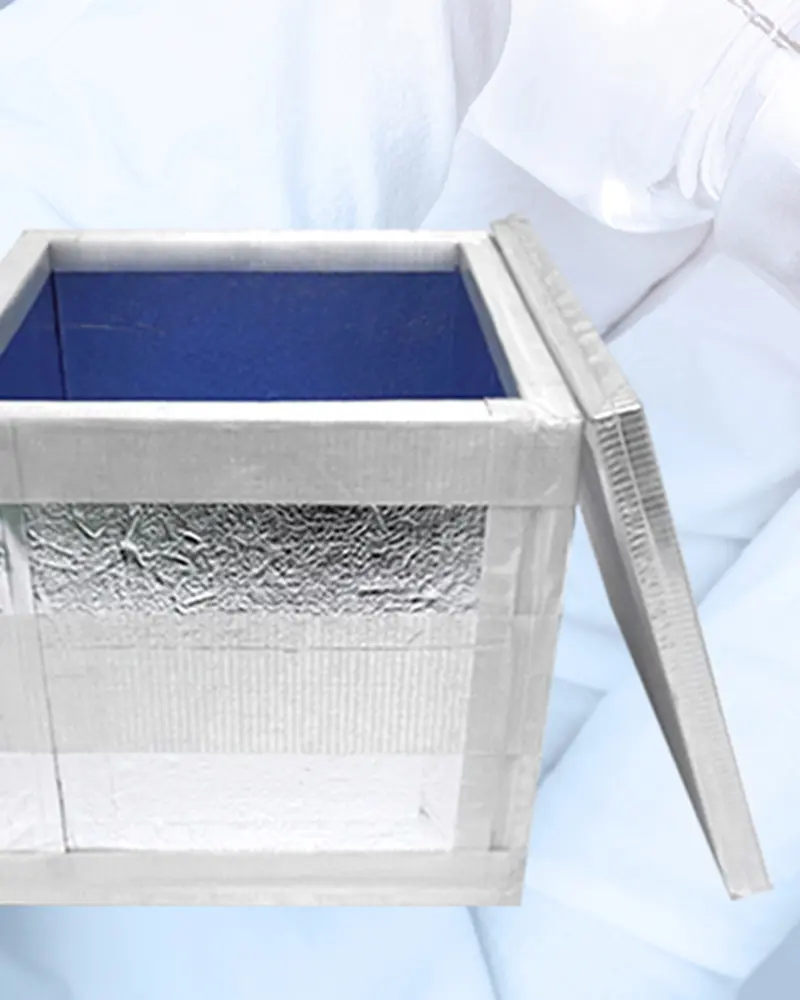
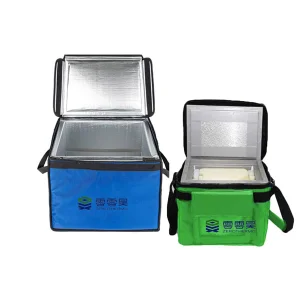
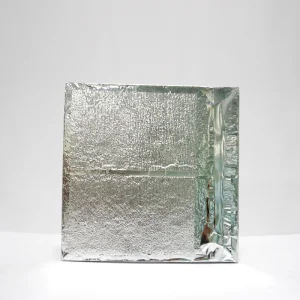
Designed for vaccine transport shippers and medical containers. These panels ensure stable temperatures for cold chain systems during global transits, without the need for constant electrical power.
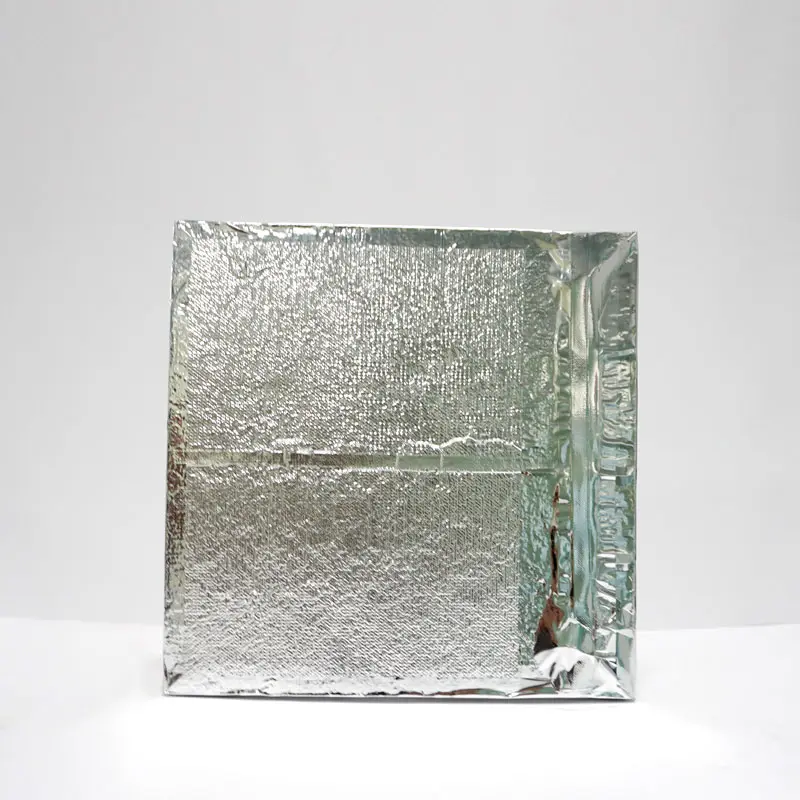
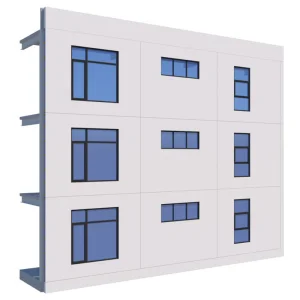
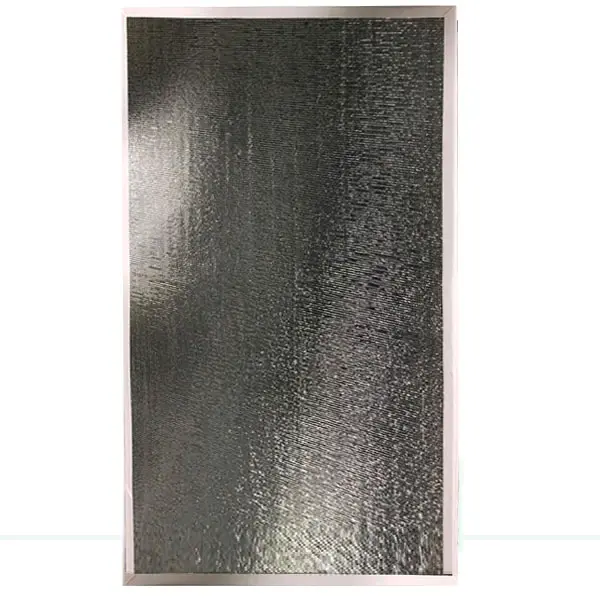
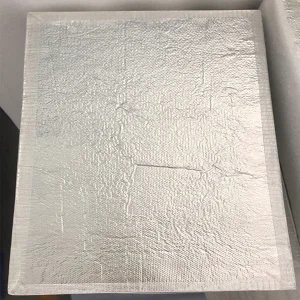
Custom dimensions built to scale for building façades, cold room construction, and industrial walk-in freezers. Large formats eliminate thermal bridging along connection seams.
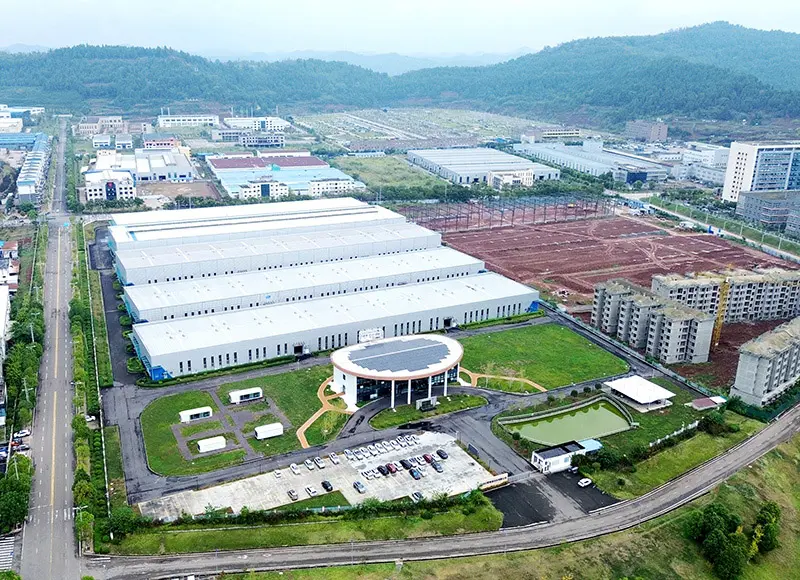
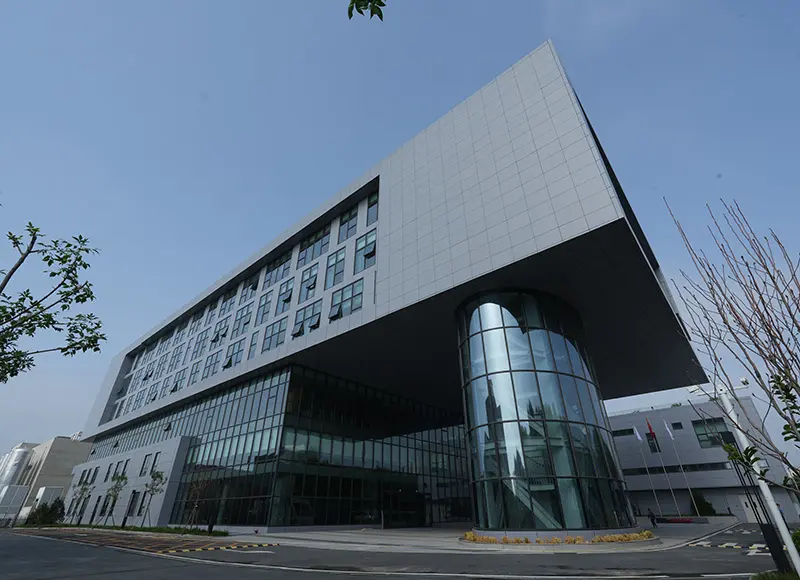
Zerothermo Technology Co., Ltd., a subsidiary of CBVAC Group and a national high-tech enterprise, is headquartered in the Beijing Economic-Technological Development Area, with its primary production base in Nanchong City, Sichuan Province. This facility stands as one of China’s largest comprehensive manufacturing centers for advanced vacuum technology applications.
Leveraging decades of vacuum technology experience from CBVAC Group, Zerothermo specializes in manufacturing vacuum insulation panels (VIPs), vacuum insulated glass (VIG), and high-temperature microporous materials. We provide custom thermal control solutions for global clients in architectural design, logistics, and heavy industrial machinery.

Specialized dimensions produced according to client designs, exceeding typical ANSI/ASME/DIN standards to handle extreme high-vacuum seals.

Square, oval, and oversized custom flanges (exceeding 60 inches) designed for semiconductor chambers and heavy industrial pressure vessels.

Ensuring ultra-tight tolerances for high-vacuum and cleanroom systems, preventing outgassing and micro-leakages.

Providing high-efficiency thermal insulation solutions for cold transport systems using vacuum insulation panels. These help secure vaccines and biologics globally, maintaining precise temperatures without active power sources.
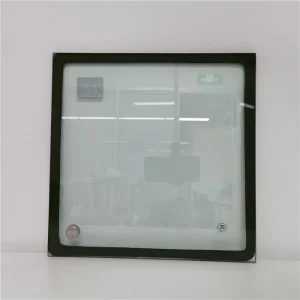
Integrating VIPs and double-glazed vacuum insulated glass (VIG) into structural walls. Helps building envelopes meet near-zero energy building (NZEB) guidelines by preventing thermal bridging.
Integrating flexible microporous thermal insulation mats in heavy-duty machinery, metallurgical furnaces, and exhaust systems. Reduces radiant heat losses at operational temperatures up to 1000°C.
Customizable, modular thermal wall panels and structural systems designed for energy-efficient resort cabins and modular hotels. Offers extreme climate protection and fast on-site installation.










We provide comprehensive thermal insulation solutions for architects, building envelope engineers, logistics providers, and high-temperature industrial system developers. Reach out to our design department for technical support and custom pricing.




 +86 158 9279 2306