
Engineered core solutions utilizing nano-microporous fumed silica and fiberglass technologies to minimize thermal loss across automotive, cold chain, and building envelopes.
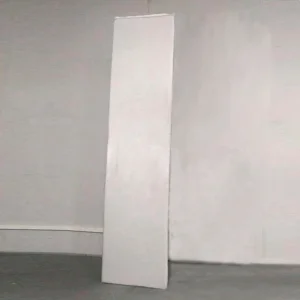
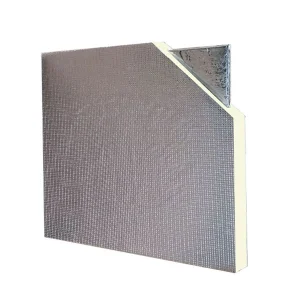
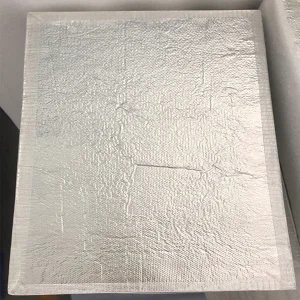
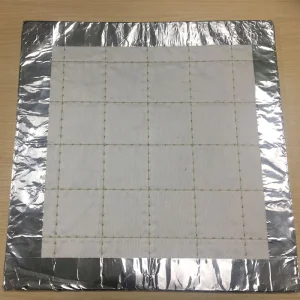
For decades, solar thermal collector manufacturers relied on mineral wool, fiberglass, and polyurethane (PU) foams to isolate absorber plates and reduce heat transfer out of the collector casing. However, these traditional bulk materials suffer from high thermal conductivity (commonly in the range of 0.030 to 0.045 W/m·K) and display drastic degradation over time when subjected to the persistent high stagnation temperatures and moisture intrusion typical of outdoor solar arrays.
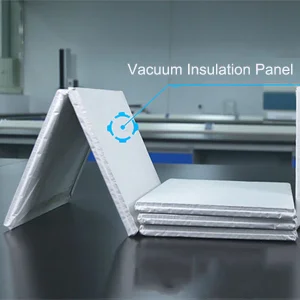
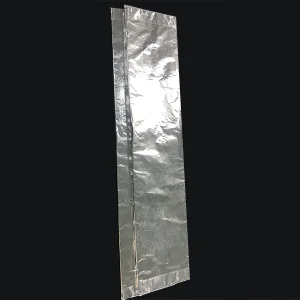
Vacuum Insulation Panels (VIPs) shift the paradigm entirely. By creating a microscopic vacuum environment (<1 mbar) wrapped in gas-tight, multi-layered metalized barrier foils, the primary channels of heat transfer—conduction and convection through air molecules—are virtually eliminated. A fumed silica core, exhibiting a core pore size in the range of 10 to 100 nanometers, acts as the primary structure. This nano-microporous structure is smaller than the mean free path of air molecules at atmospheric pressure, ensuring that even if there is slight pressure loss over time, the thermal conductivity remains exceptionally low. This is governed by the Knudsen Effect, which dictates that gaseous conduction drops significantly as the pore scale falls below the molecular collision threshold.
| Insulation Material | Typical Thickness Required | Thermal Conductivity (λ) | Long-Term Temperature Limits | Moisture Resistance |
|---|---|---|---|---|
| Traditional Polyurethane (PU) Foam | 50 mm - 80 mm | 0.022 - 0.028 W/m·K | Up to 90°C (Degrades rapidly above) | Medium (Degrades via outgassing) |
| Mineral/Rockwool Blanket | 60 mm - 100 mm | 0.035 - 0.045 W/m·K | Up to 600°C | Poor (Absorbs humidity) |
| Fumed Silica VIP (Zerothermo) | 10 mm - 25 mm | ≤ 0.004 W/m·K (Initial) | Up to 120°C (Continuous) | Excellent (Hermetic Barrier film) |
By shifting to VIPs, solar thermal collector factories can reduce collector casing profiles by up to 75% while achieving equal or superior overall thermal resistance ($R$-value). Lower heat loss through the rear and sides of the frame translates directly to higher operational efficiency, particularly under high-temperature differences between the fluid loop and ambient environment, as seen in solar cooling systems, organic Rankine cycles (ORC), and process steam generation.
Every engineering pipeline has bespoke dimensional and thermal tolerance criteria. Our technical teams build customized VIP dimensions, complex form factors, and protective encapsulation matrices to fit unique collector casings and cold chain formats.
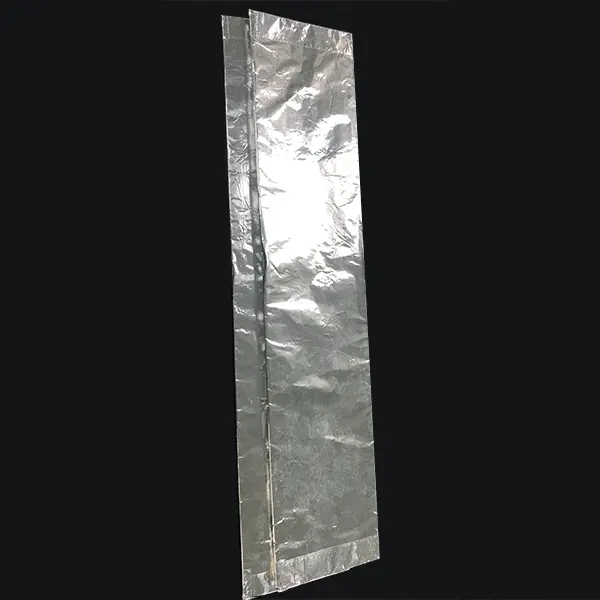
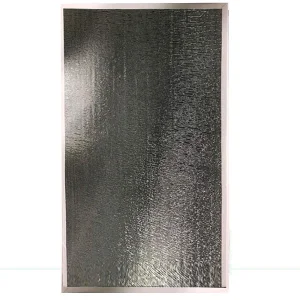
Custom dimensions with thicknesses from 5mm to 15mm for EV battery pack fire barrier systems.
View More +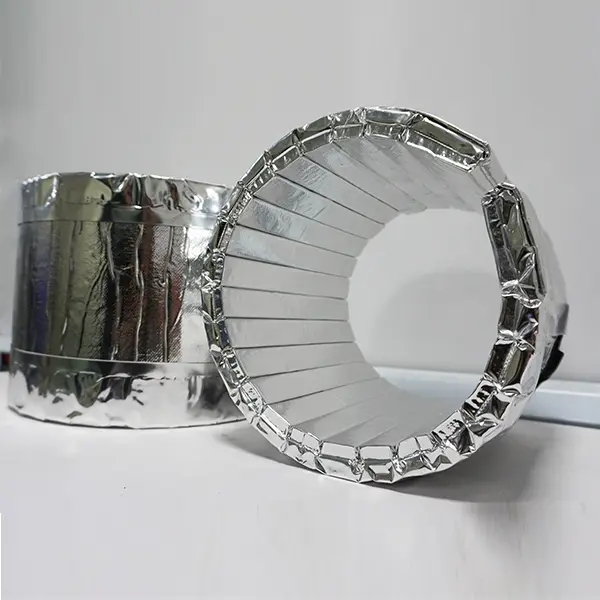
Flexible and rigid core geometries optimized for water heating reservoirs and collector pipes.
View More +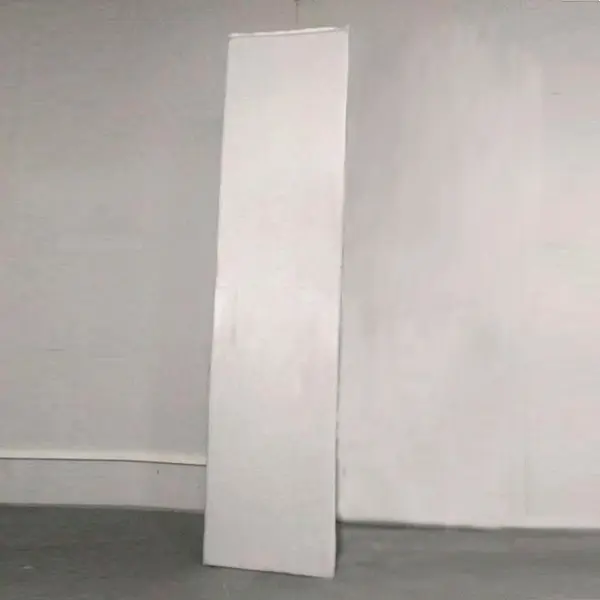
Elevator fireproof door safety insulation and high temperature industrial safety zones.
View More +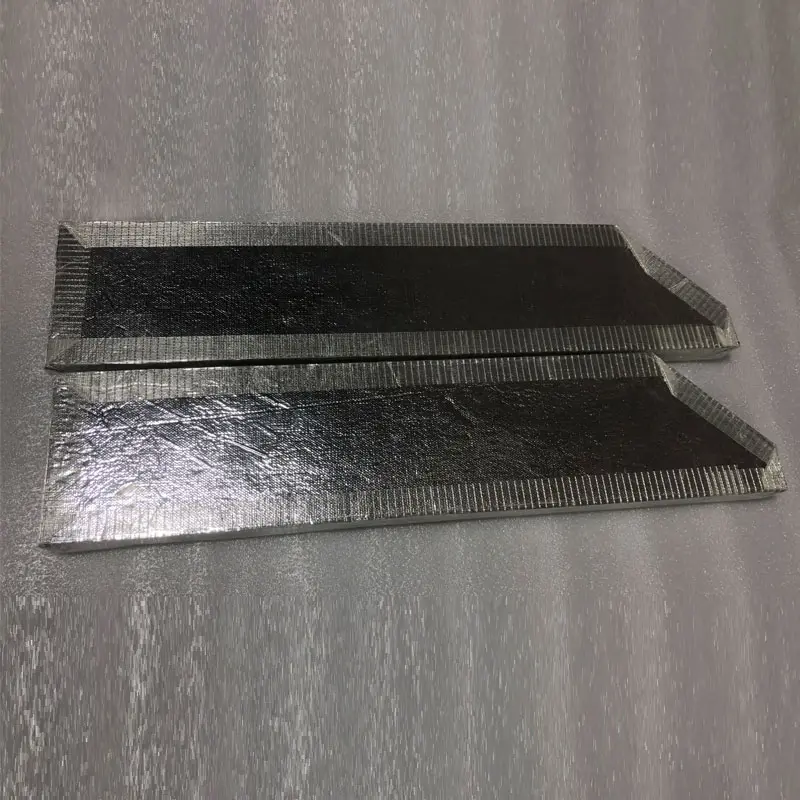
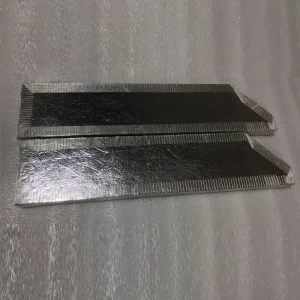
Irregular shapes, customized cutouts, and specialized penetrations for solar collector headers.
View More +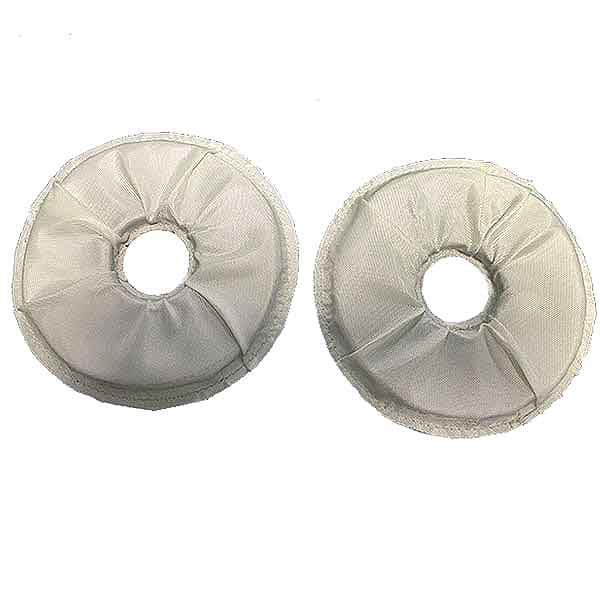
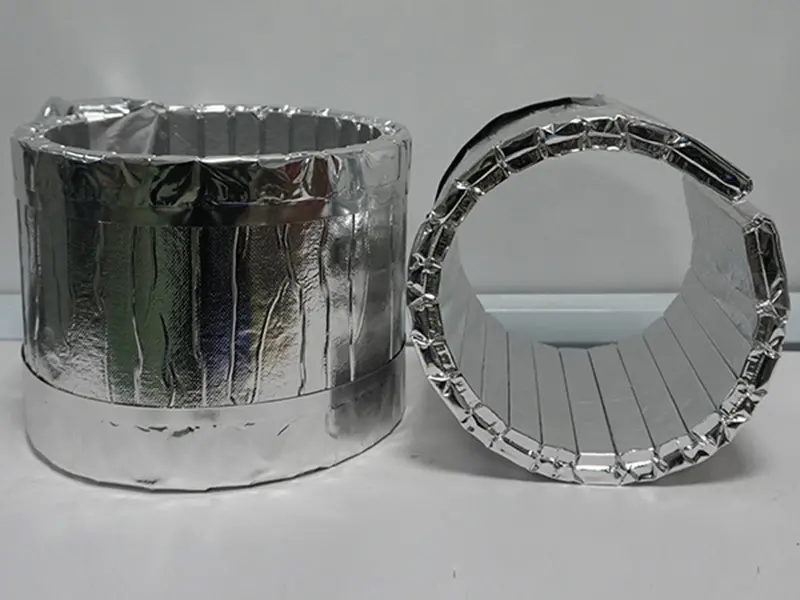
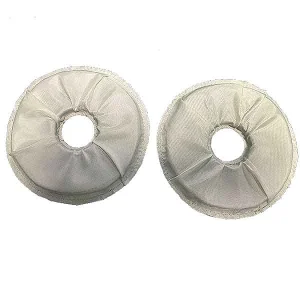
Circular and cylindrical wrap-around blankets for industrial storage tanks and boilers.
View More +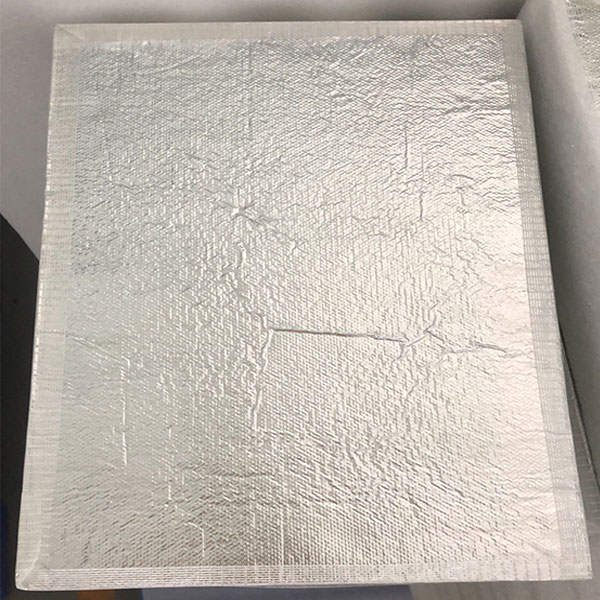
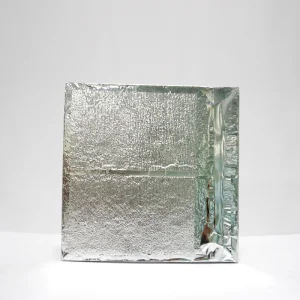
PET protective film laminate models providing robust puncture protection and moisture barrier.
View More +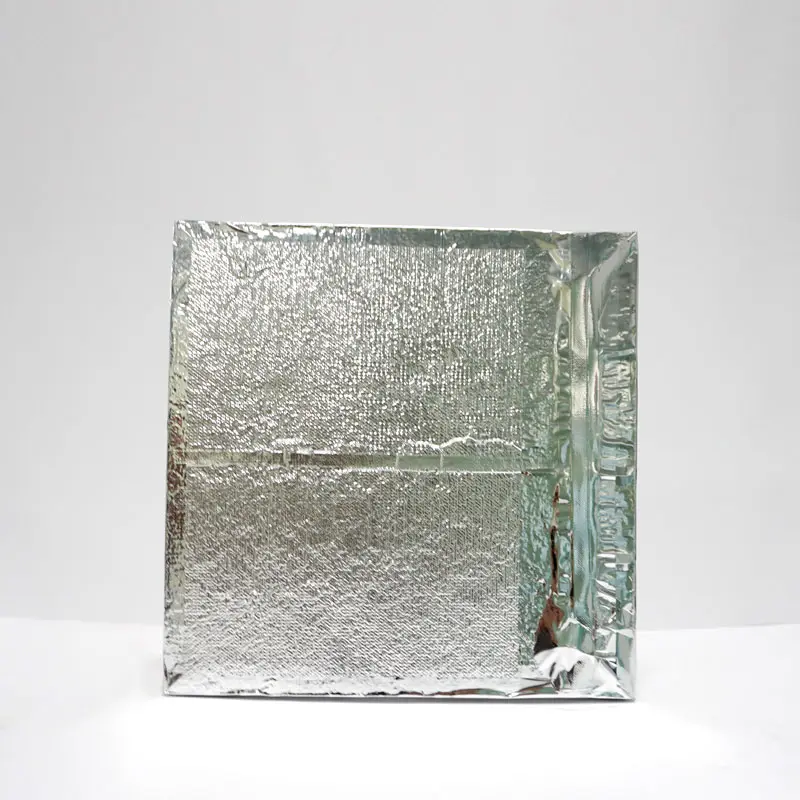
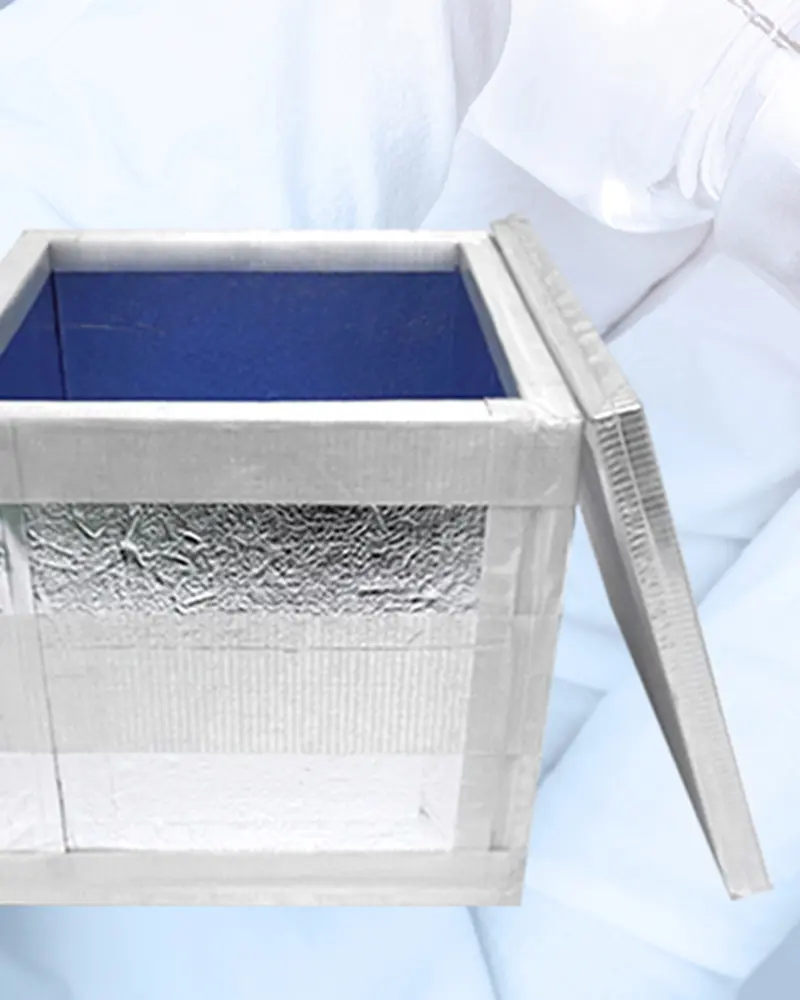
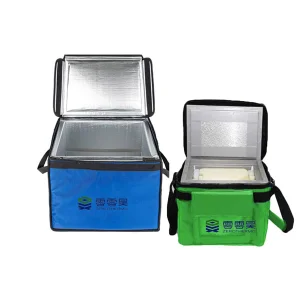
Phase change material paired panel configurations for pharmaceutical transportation units.
View More +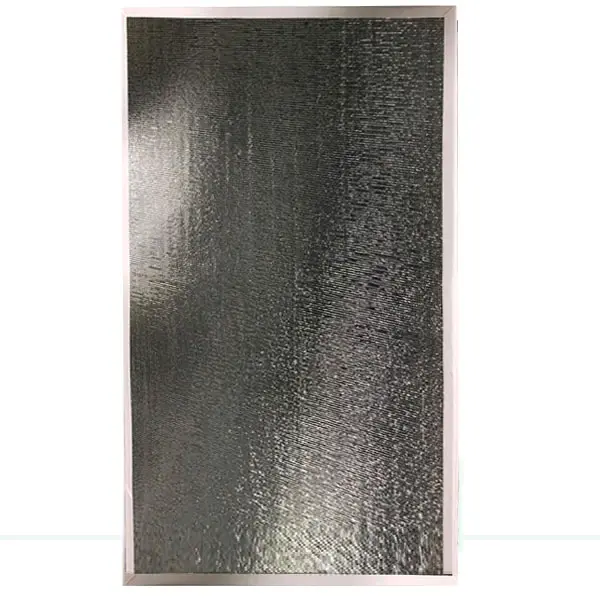
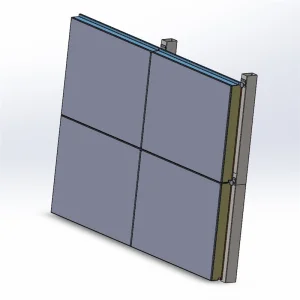
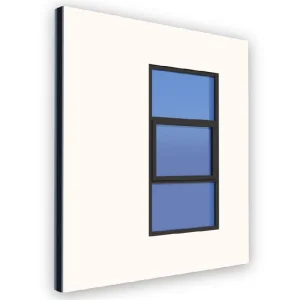
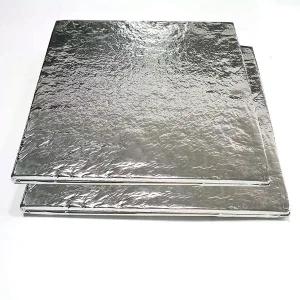
Oversized vacuum panels up to 1200mm x 800mm formats for architectural envelopes.
View More +In the roadmap toward achieving global carbon-neutral industrial process heat (IPH) systems, solar thermal collectors must operate at higher temperatures (80°C to 250°C). Traditional flat-plate collectors lose dynamic output rapidly under high temperature gaps because of strong convection inside the air space and conduction through the insulation frame. Evacuated tube collectors address this but introduce complex glass-to-metal seal systems that raise installation and replacement costs.
The Strategic Hybrid Integration: Incorporating Zerothermo's fumed silica VIPs inside flat-plate collector frames builds a hybrid design. The collector backsheet thermal loss rate decreases from a standard $U$-value of $0.8 \text{ W/m}^2\text{K}$ down to less than $0.15 \text{ W/m}^2\text{K}$, rivaling the thermal isolation of complex glass vacuum tubes at a significantly lower assembly cost.
The next generation of solar thermal systems envisions an integrated vacuum structure where the collector frame itself acts as a vacuum chamber. This requires high structural stability to combat external atmospheric pressure (approx. 10 tons per square meter). Our research alongside CBVAC Group is focused on producing specialized metal flange envelopes and support matrices that will allow factories to build completely flat vacuum collector panels, yielding over 80% optical-to-thermal transfer efficiency even in harsh arctic regions.
Zerothermo Technology Co., Ltd., a subsidiary of CBVAC Group and a national high-tech enterprise, is headquartered in the Beijing Economic-Technological Development Area with its production base located in Nanchong City, Sichuan Province. This facility stands as one of China’s largest comprehensive production centers for vacuum technology application products.
Leveraging parent CBVAC Group's extensive heritage in industrial vacuum systems, Zerothermo translates advanced laboratory vacuum technology into highly scalable, field-proven insulation solutions. Our specialized cleanroom factories output high-grade fumed silica core structures, high-barrier laminates, and customized protective sheets, making us the partner of choice for solar thermal collector factories and global cold chain providers.
Explore Our Core Laboratories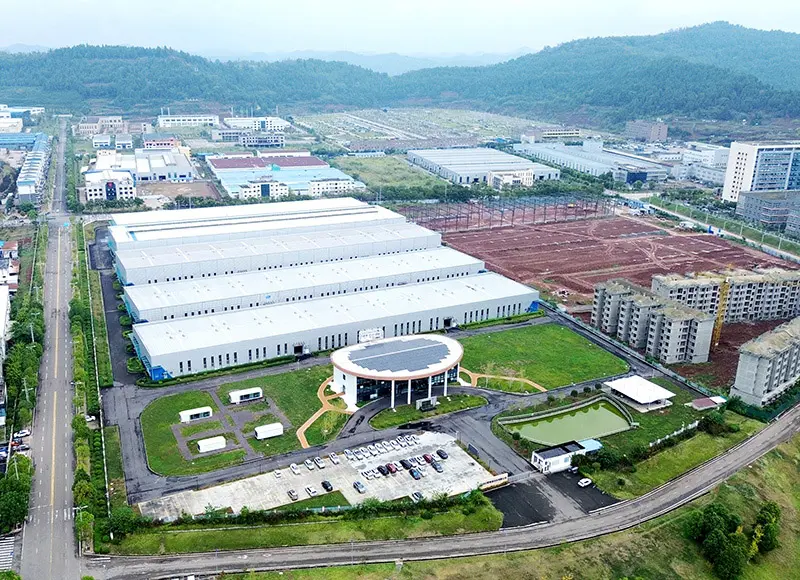
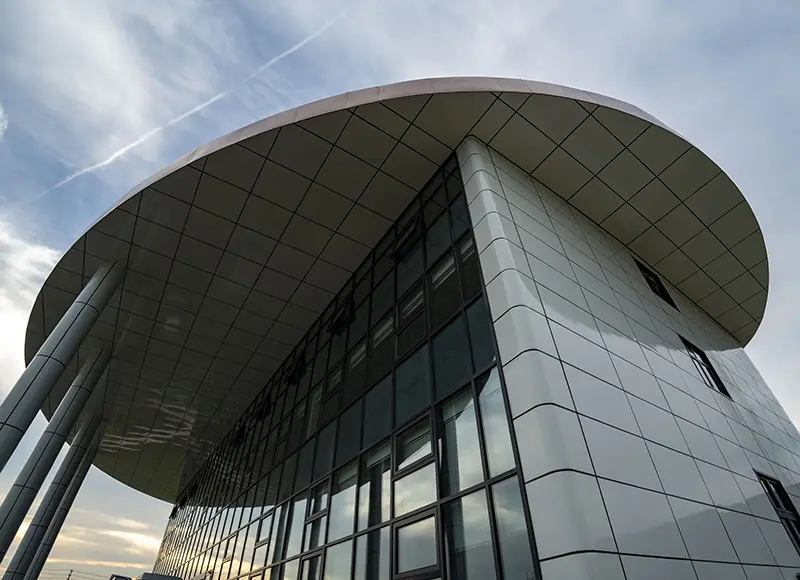
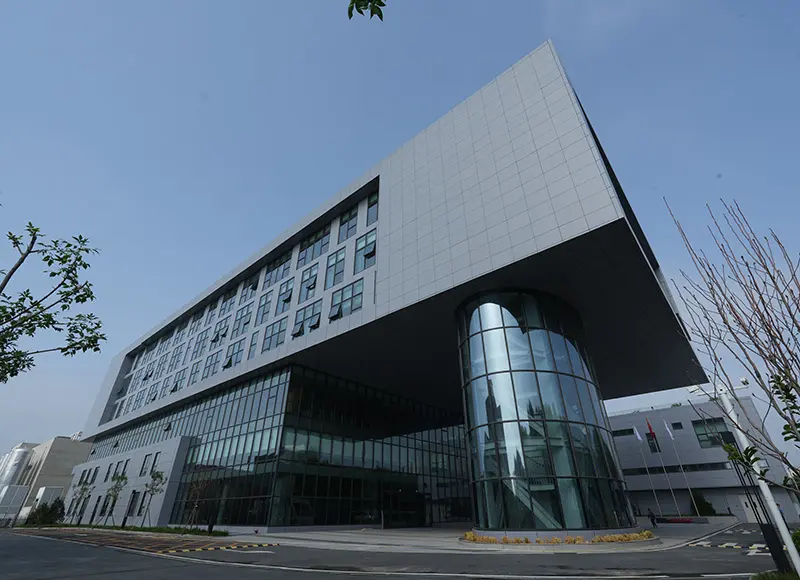
In the global vacuum insulation market, consistent thermal performance requires strict manufacturing process controls. At Zerothermo's modern production base in Nanchong City, Sichuan Province, we run highly automated Factory 4.0 production environments designed to resolve variables that cause vacuum decay.
Our integration within the parent CBVAC Group supply chain allows us to lower manufacturing costs for vacuum technology application products. Solar thermal factories benefit from reliable, high-volume production schedules, stable pricing, and custom shapes without paying the premium prices common in Western markets.
Providing custom engineering pipelines, reliable high-volume production, and trusted global supply chains.


Solar thermal collector manufacturing and architectural design require adherence to strict regional safety, performance, and environmental standards. Standard polyurethanes risk releasing toxic gases under high temperatures, while poor-quality insulation can degrade and release dust during assembly. Zerothermo VIPs and microporous materials undergo testing to meet global quality standards.
Required Environmental Standards: Our fumed silica VIPs are completely non-toxic, halogen-free, and comply with the European Union's REACH (Registration, Evaluation, Authorization and Restriction of Chemicals) and RoHS (Restriction of Hazardous Substances) directives. This makes them suitable for residential building envelopes, food cold chain containers, and clean energy applications.
Fire Performance Standards: The core of our fumed silica board is inherently non-combustible and certified to meet Class A1 reaction-to-fire standards according to EN 13501-1. This fire safety level is critical for solar collector installations integrated on rooftops, elevator fireproof doors, and transit container packages.
Supported by CBVAC Group, we engineer customized non-standard and shaped flanges to guarantee vacuum performance for solar, pharmaceutical, and high-temperature piping systems.

Special sizes (beyond the range of ANSI/ASME/DIN and other standards) are produced according to customers' drawings or technical parameters.

square, oval or other special shaped flanges. - Oversize/small diameter: such as diameter over 60 inches or micro precision flanges.

Special sizes (beyond the range of ANSI/ASME/DIN and other standards) are produced according to customers' drawings or technical parameters.
Deploying advanced vacuum insulation panels to reduce carbon emissions, meet environmental goals, and optimize thermal performance across diverse global sectors.

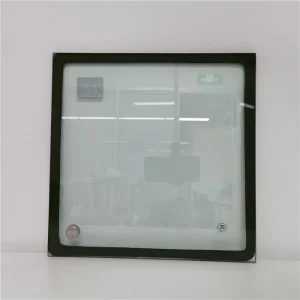
Providing high-efficiency thermal insulation solutions for building envelope systems through innovative products such as vacuum insulation panels and vacuum insulated glass, empowering the construction sector to reduce carbon emissions and achieve carbon neutrality.

Providing high-efficiency thermal insulation solutions for building envelope systems through innovative products such as vacuum insulation panels and vacuum insulated glass, empowering the construction sector to reduce carbon emissions and achieve carbon neutrality.02

Providing high-efficiency thermal insulation solutions for building envelope systems through innovative products such as vacuum insulation panels and vacuum insulated glass, empowering the construction sector to reduce carbon emissions and achieve carbon neutrality.03

Providing high-efficiency thermal insulation solutions for building envelope systems through innovative products such as vacuum insulation panels and vacuum insulated glass, empowering the construction sector to reduce carbon emissions and achieve carbon neutrality.03
View our latest project updates and technical milestones, highlighting the real-world performance of fumed silica panels and microporous insulation.

Clear, direct answers regarding the integration, lifespan, and properties of our vacuum insulation panels in demanding applications.
Under standard operating conditions within a solar thermal collector casing or building wall system, the internal vacuum of Zerothermo's fumed silica VIP is designed to last 25 to 50 years. This longevity is achieved by using high-barrier PET film laminates that limit the permeation of gas and water vapor to minimal levels.
No, vacuum insulation panels cannot be cut, drilled, or modified. Modifying the panel punctures the hermetic barrier foil, causing loss of internal vacuum and raising the thermal conductivity to the standard atmospheric value of the core material (approximately 0.020 W/m·K). Therefore, we offer custom dimension services to manufacture panels to your exact specifications.
Our fumed silica VIP core material is highly stable and can withstand continuous service temperatures up to 120°C, and short-term exposure up to 150°C. For applications with higher temperature limits, we recommend using our special microporous silica configurations, which are stable at temperatures up to 900°C.
Fumed silica VIPs maintain a lower thermal conductivity over time compared to fiberglass core VIPs, as they are less sensitive to minor increases in internal vacuum pressure. Additionally, fumed silica VIPs are non-combustible and do not require hazardous chemicals for production, offering a safer and more durable solution for architectural and clean energy systems.
Submit your custom dimensions, operating conditions, and supply requirements. Our engineering team will review your specifications and provide a detailed quote within 24 hours.


Explore our specialized range of vacuum insulated glass, custom-shaped VIPs, and high-temperature mats designed for architectural facades and vaccine shipping containers.

 +8615892792306