
Discover our core collection of ultra-thin, high-thermal-resistance vacuum insulation panels engineered for complex retrofits and cold chain applications.
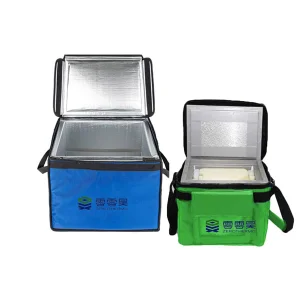
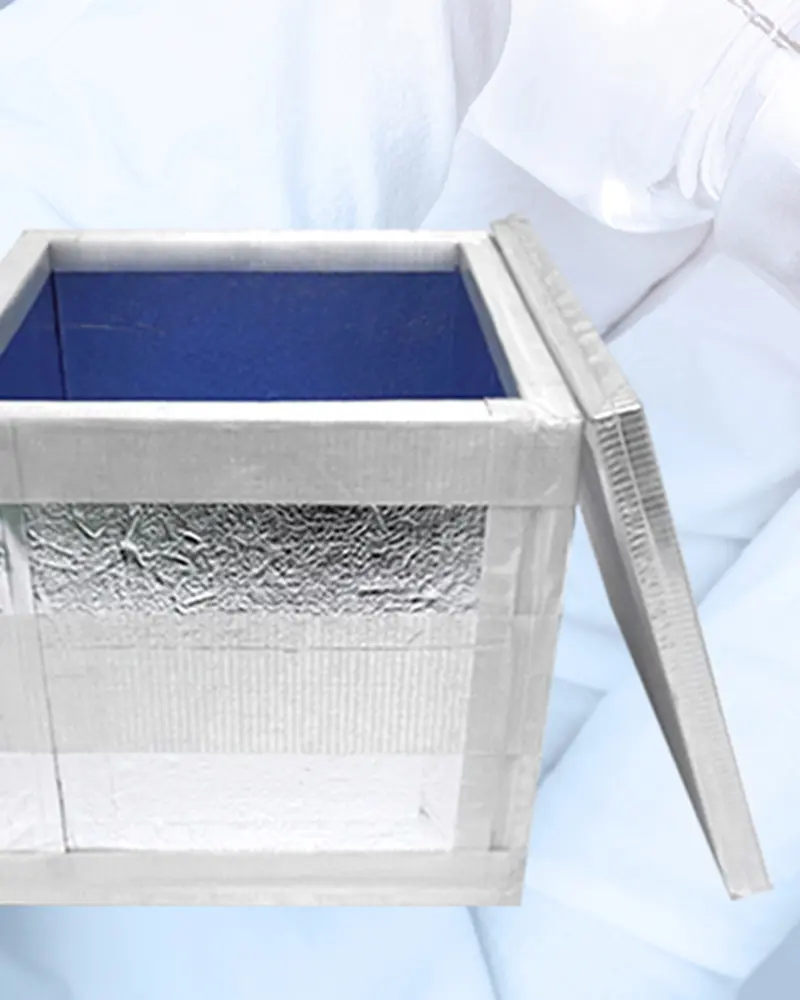
Designed for precise temperature regulation, this cold chain box utilizes advanced fumed silica cores to guarantee extreme thermal hold times.
View Details
Prefabricated architectural panel integrations optimizing space utilization and maximizing building envelope thermal efficiency.
View Details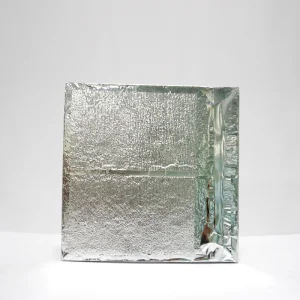
High-performance logistic-grade panels providing industry-leading protection for vaccines and biological materials.
View Details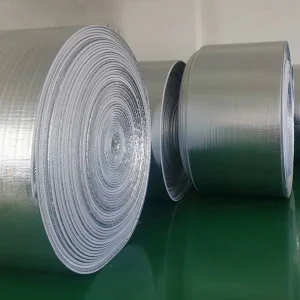
Aluminum-clad radiant barrier boards providing multi-layered reflection and low emittance properties for high-exposure roofs.
View Details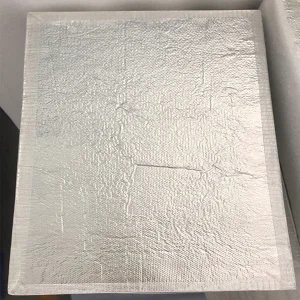
Engineered with high-integrity protective PET film backing, reducing installation damage and maintaining premium thermal barrier efficiency.
View Details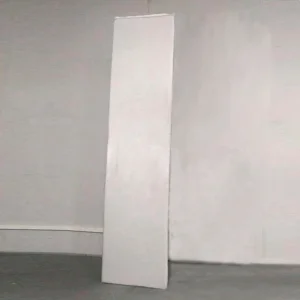
Premium fireproof panels designed to withstand extreme thermal conditions in elevators and safety doors.
View Details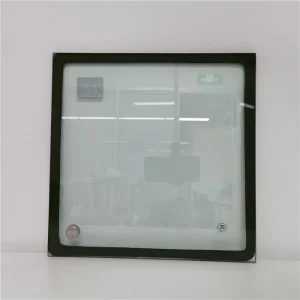
State-of-the-art double-glazed vacuum insulated glass delivering structural integrity and outstanding acoustic properties.
View Details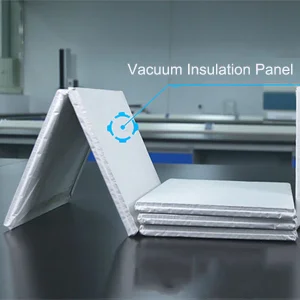
Cost-efficient structural wall components perfect for exterior retrofitting projects requiring high insulation values.
View DetailsIn the wake of worldwide transitions toward Net-Zero carbon emissions, the architectural and industrial retrofitting sectors are experiencing unprecedented regulatory pressure. Tightening building codes, rising energy costs, and ESG mandates require properties to undergo deep thermal retrofits. However, conventional insulation materials like Expanded Polystyrene (EPS), Mineral Wool, and Polyurethane (PU) foam face a fundamental physical limit: to achieve high R-values, they require significant thickness. In urban environments, space is an expensive commodity. Using thick insulation reduces leasable indoor floor space or requires substantial external adjustments to building envelopes.
This is where Vacuum Insulation Panels (VIPs) represent a major technological leap. Achieving a thermal conductivity ($\lambda$-value) of less than 0.004 W/m·K—which is up to ten times lower than typical mineral wool—VIPs offer a thin-profile solution for retrofits. This paper details the manufacturing landscape of VIPs in China, procurement considerations for global enterprises, compliance standards, and localized deployment strategies designed to secure maximum return on investment.
SEO Insight & Information Gain: While standard insulation materials provide R-values of approximately R-5 to R-7 per inch, Fumed Silica-based Vacuum Insulation Panels (VIPs) achieve values up to R-35 to R-45 per inch. This makes VIPs the ideal choice for thin-profile building envelope retrofits, historic preservation, and urban cold-chain infrastructure.
For procurement officers and structural engineers, selecting insulation is a balance of thermal performance, durability, fire safety, and lifecycle cost. The table below provides a comprehensive comparison to help guide procurement decisions:
| Insulation Type | Thermal Conductivity (W/m·K) | Required Thickness for R-20 | Fire Classification | Service Lifespan | Space Preservation |
|---|---|---|---|---|---|
| Fumed Silica VIP | 0.0035 - 0.0045 | ~15 - 20 mm | Class A1 / A2 (Non-combustible core) | Up to 50 Years | Excellent (Max Space Saved) |
| Aerogel Insulation | 0.015 - 0.018 | ~75 - 90 mm | Class A2 | 20 - 30 Years | Moderate |
| Polyurethane (PU) Board | 0.022 - 0.026 | ~110 - 130 mm | Class B1 / B2 (Combustible) | 15 - 25 Years | Poor |
| Mineral Wool | 0.035 - 0.040 | ~175 - 200 mm | Class A1 | 30 - 50 Years | Very Poor |
A common concern among engineers is the aging and potential vacuum degradation of VIPs. Over a 30 to 50-year service life, pressure inside a vacuum panel rises due to gas and water vapor transmission through the barrier film. Traditional glass-fiber core VIPs degrade rapidly if the envelope is compromised, with thermal conductivity jumping to 0.020 W/m·K. In contrast, Fumed Silica core VIPs feature small pores (~10-100 nm) that limit gas conduction even if internal pressure rises. This ensures the panel retains high insulation properties throughout its operational lifetime, representing a major advantage for retrofitting projects.
Tailoring specific shapes, sizes, and temp ranges to meet complex commercial requirements.
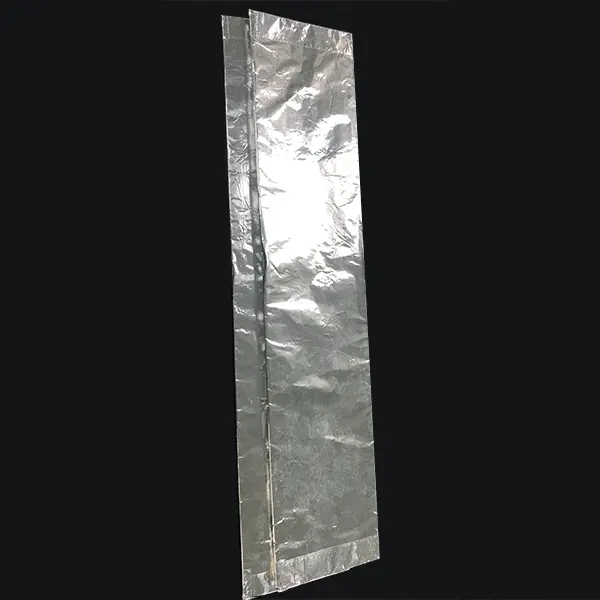
Product Details: Size: Customized Thickness: 5-30mm. Specifically engineered for EV thermal runaway containment.
View More +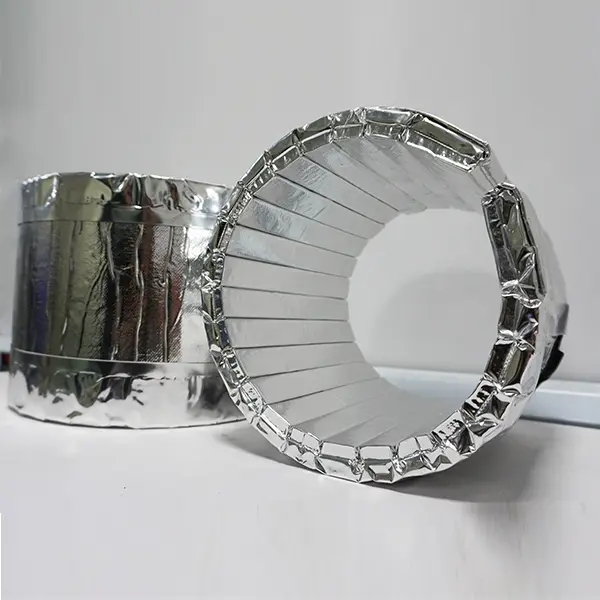
Product Details: Size: Customized Thickness: 5-50mm. Designed to reduce water heater energy loss.
View More +
Our elevator fireproof door high temperature nano microporous insulation panels offer exceptional fire-retardant capability.
View More +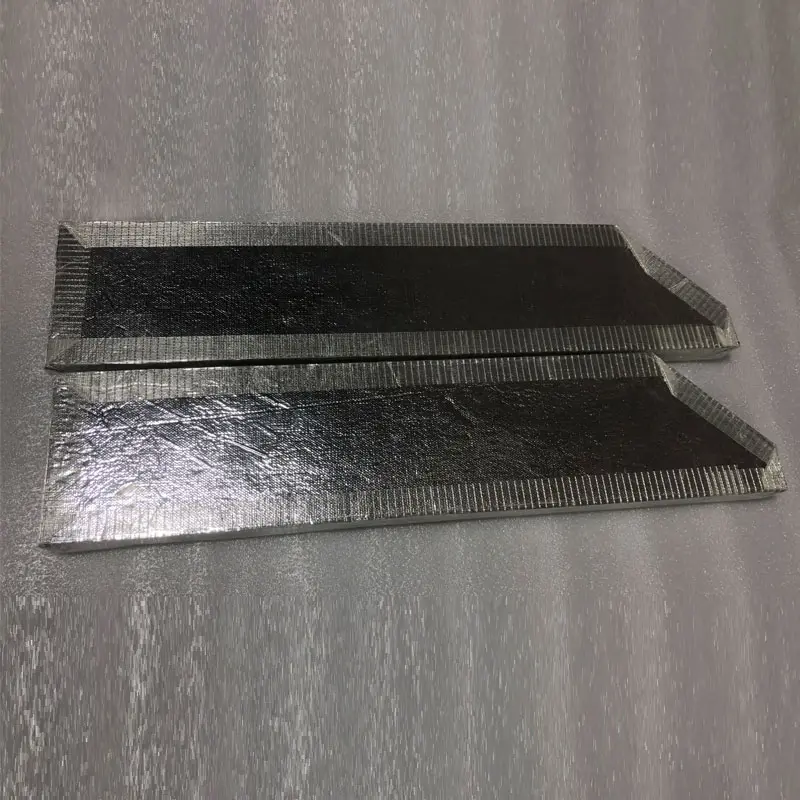
Product Features: Custom shapes, structural cut-outs, and corner curves tailored to complex geometries.
View More +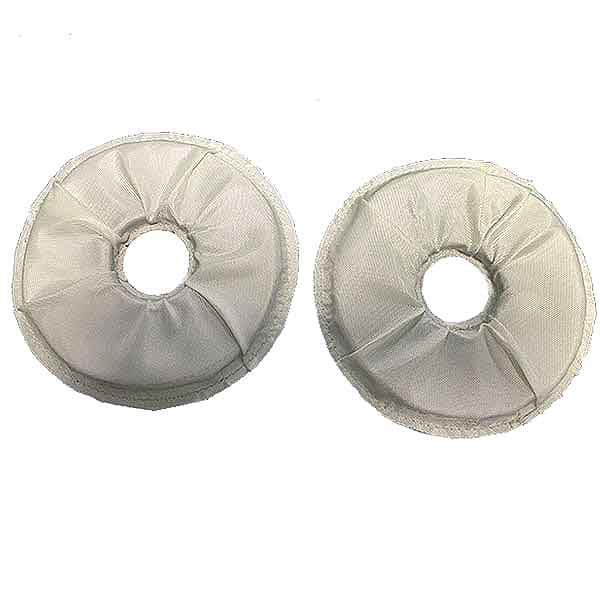
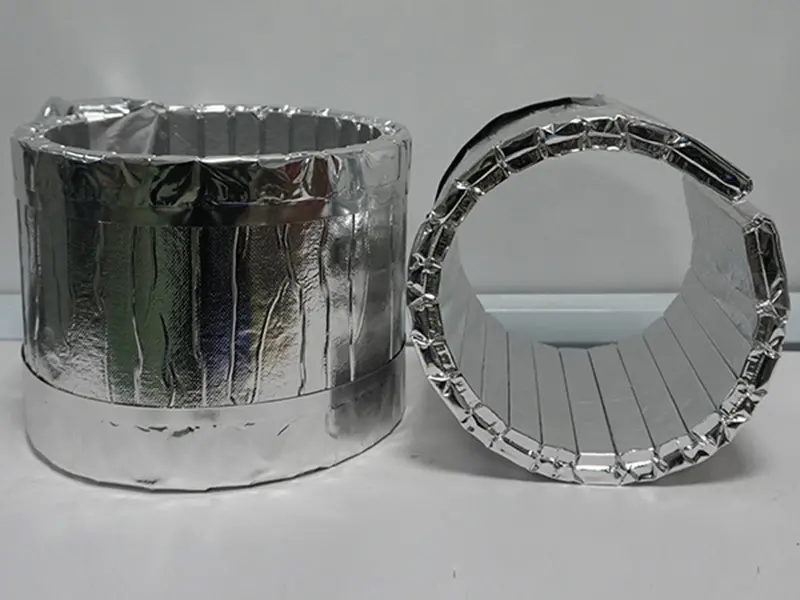
Product Specification: Round, cylindrical, or flexible panels designed for high temperature pipes and tanks.
View More +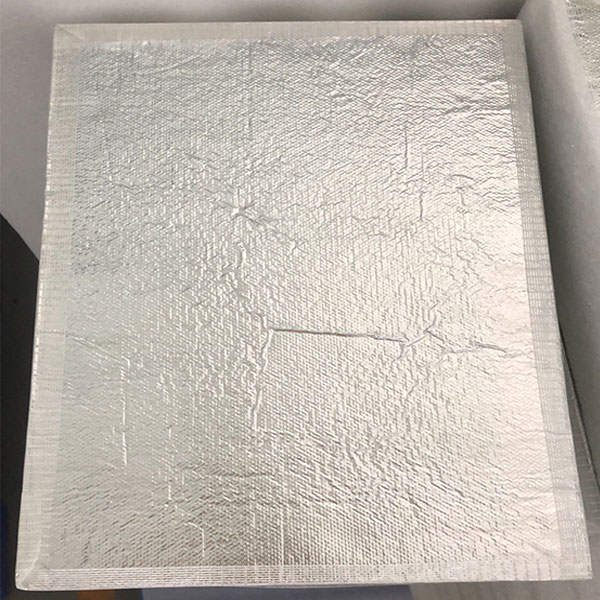
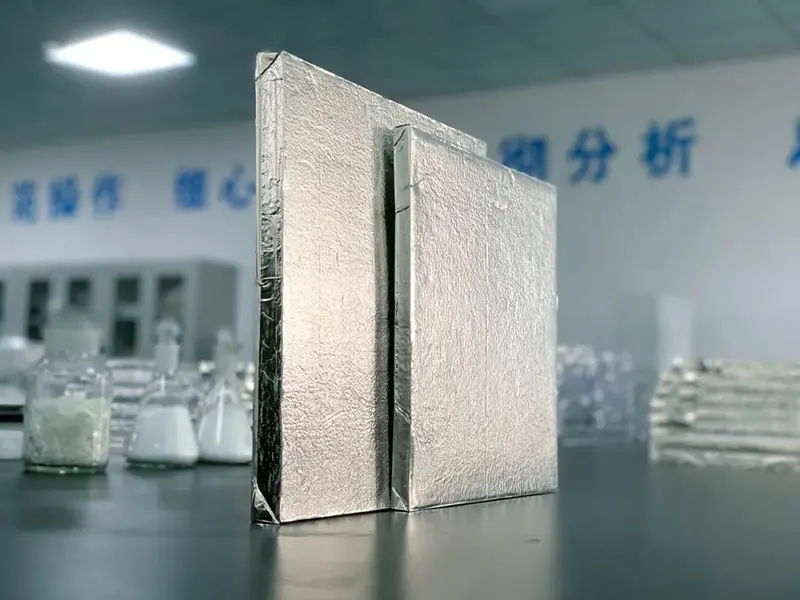
Product Features: Custom sizes. Zerothermo vacuum insulation panels provide outstanding thermal performance.
View More +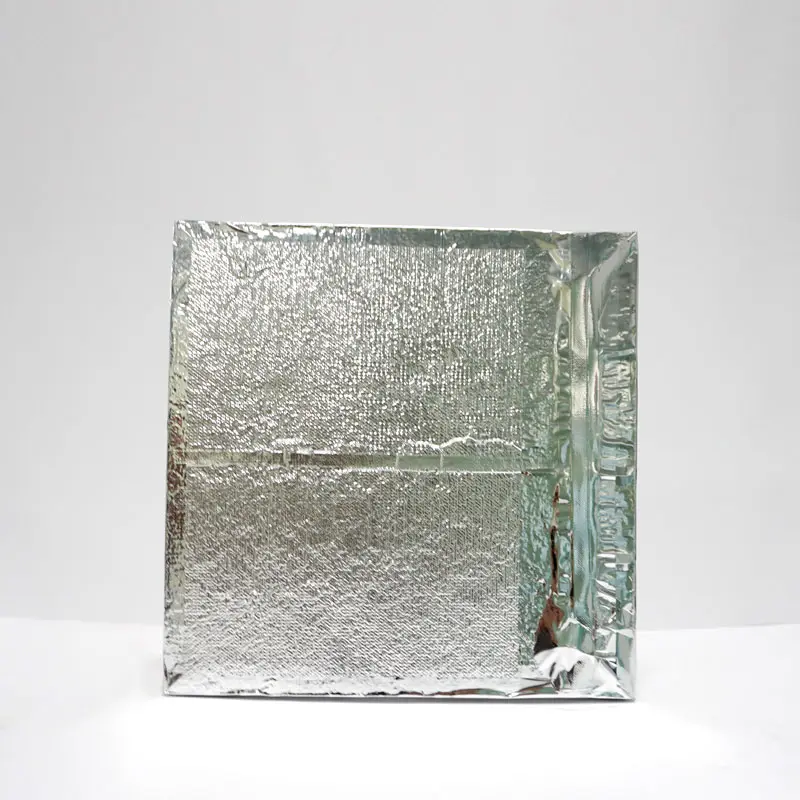
Product Features: High stability cold chain panel engineered for medical and biological logistics.
View More +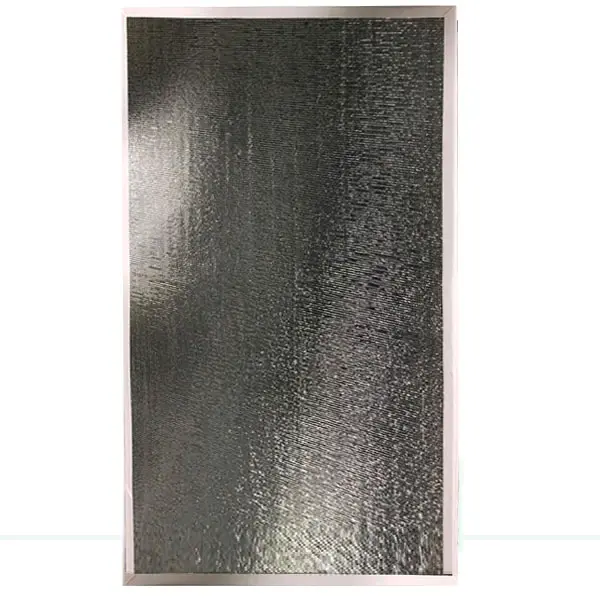
Product Features & Specifications: Oversized panel configurations designed for industrial envelope retrofits.
View More +For global procurement managers, sourcing vacuum insulation panels is not just about unit price; it requires evaluating capacity, consistency, and technological capability. The bulk of global fumed silica processing and VIP manufacturing is centered in China. As a national high-tech enterprise and subsidiary of the prominent CBVAC Group, Zerothermo stands out at the forefront of this industrial base.
China's supply chain advantages are built on three primary pillars:
Zerothermo benefits from the raw material abundance of fumed silica, high-barrier envelope films, and desiccant materials right within our local supply ecosystem. This reduces logistics overhead, guarantees stable input material quality, and shields international buyers from the pricing volatility seen in smaller regional suppliers.
Operating out of one of China's largest comprehensive production centers for vacuum technology application products in Nanchong City, Sichuan Province, Zerothermo has scaled automated production. Large-scale vacuum chamber encapsulation ensures consistent, low internal pressure across production batches, minimizing deviations in thermal performance.
Each production run undergoes thermal conductivity checks, helium leak detection tests, and pressure verification. This strict testing process minimizes the risk of on-site panel failures, which is essential since vacuum panels cannot be cut or modified after production.
Zerothermo Technology Co., Ltd., a subsidiary of CBVAC Group and a national high-tech enterprise, is headquartered in the Beijing Economic-Technological Development Area with its production base located in Nanchong City, Sichuan Province. This facility stands as one of China’s largest comprehensive production centers for vacuum technology application products.

Special sizes (beyond the range of ANSI/ASME/DIN and other standards) are produced according to customers' drawings or technical parameters.

square, oval or other special shaped flanges. - Oversize/small diameter: such as diameter over 60 inches or micro precision flanges.

Special sizes (beyond the range of ANSI/ASME/DIN and other standards) are produced according to customers' drawings or technical parameters.

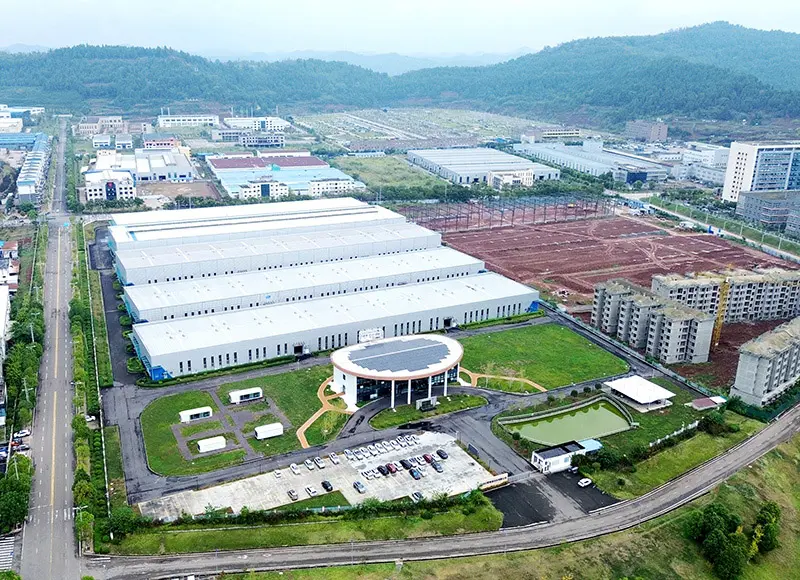

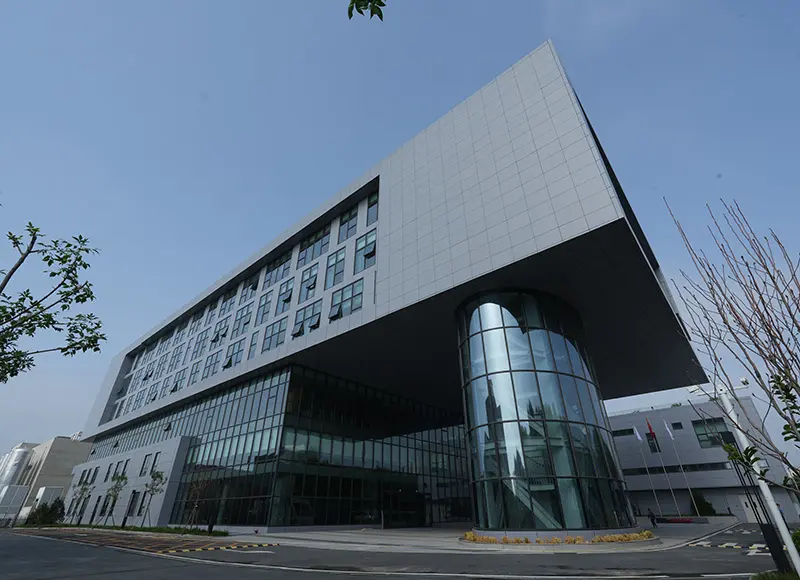
Why Zerothermo stands as the preferred long-term partner for global enterprises in vacuum insulation solutions.


Procuring Vacuum Insulation Panels for retrofit projects in European, North American, or Asia-Pacific markets requires strict adherence to regional construction standards. Since VIPs are high-performance building envelope components, regulatory bodies verify their fire classification and thermal stability over time.
Because Vacuum Insulation Panels contain a core under vacuum sealed in a high-barrier envelope, they cannot be cut, drilled, or shaped on-site. Any puncture destroys the vacuum, raising the thermal conductivity to roughly 0.020 W/m·K. To prevent issues during installation, projects should employ a hybrid insulation layout:
Pro-Tip for Project Managers: Design your insulation layout with a 90/10 rule. Use VIPs to cover 90% of the flat wall area, and fill the remaining 10% (edges, corners, and window perimeters) with field-adjustable polyurethane (PU) or aerogel boards. This hybrid approach accommodates on-site measurements without risking the vacuum integrity of the panels.
Discover how vacuum insulation technology improves efficiency across cold chain, architecture, and high-temp industries.





Providing high-efficiency thermal insulation solutions for building envelope systems through innovative products such as vacuum insulation panels and vacuum insulated glass, empowering the construction sector to reduce carbon emissions and achieve carbon neutrality.

Providing high-efficiency thermal insulation solutions for building envelope systems through innovative products such as vacuum insulation panels and vacuum insulated glass, empowering the construction sector to reduce carbon emissions and achieve carbon neutrality.02

Providing high-efficiency thermal insulation solutions for building envelope systems through innovative products such as vacuum insulation panels and vacuum insulated glass, empowering the construction sector to reduce carbon emissions and achieve carbon neutrality.03

Providing high-efficiency thermal insulation solutions for building envelope systems through innovative products such as vacuum insulation panels and vacuum insulated glass, empowering the construction sector to reduce carbon emissions and achieve carbon neutrality.03
Explore real-world applications of our VIP systems in high-performance structures and temperature-sensitive logisitics.



The insulation market is shifting from simply satisfying minimum thermal requirements to maximizing long-term energy savings. Several structural trends are driving the adoption of VIPs in commercial and industrial settings:
In major metropolitan centers, building space limits options for exterior modifications. VIP systems allow developers to achieve compliance with high thermal standards while maintaining the building's original exterior look and preserving rentable interior space.
Global demand for temperature-sensitive pharmaceuticals and cold storage has increased requirements for thermal envelope performance. VIPs help reduce power consumption in refrigerated warehouses and maintain temperature stability during transport, protecting valuable payloads.
Modern off-site construction uses prefabricated VIP-integrated wall components. Combining VIPs with concrete or steel panels simplifies installation, reduces thermal bridging at structural connections, and speeds up on-site assembly.
Answers to common engineering and procurement questions regarding VIP systems.
Stay updated on our latest product announcements, trade shows, and technological advancements.

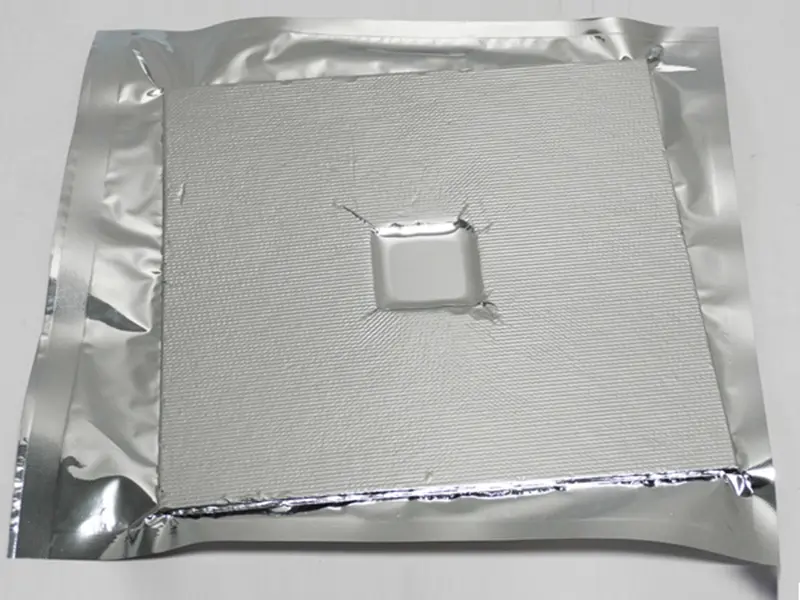
Submit your dimensions and thermal requirements, and our engineering team will provide a tailored quote within 24 hours.
Contact us to discuss your project requirements or request additional technical documentation.


Explore our full line of reinforced, high-temperature, and vacuum insulation solutions.
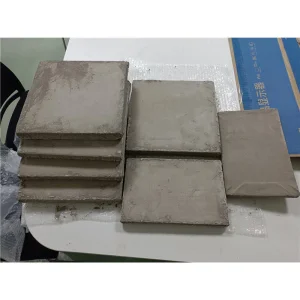
Mechanically reinforced panels designed to withstand higher compression forces in floor and structural retrofits.
View Details
Thermally efficient protective layers helping optimize battery performance and safety in electric vehicles.
View Details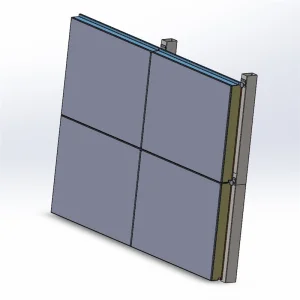
Combined insulation and finish panels designed for quick, dry-assembly exterior retrofitting.
View Details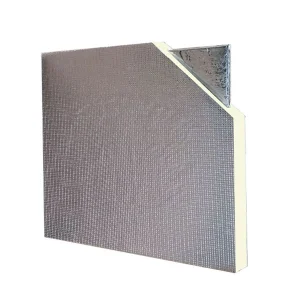
Composite panels combining PU foam protection with a high-performance VIP core, ideal for temperature-sensitive shipping containers.
View Details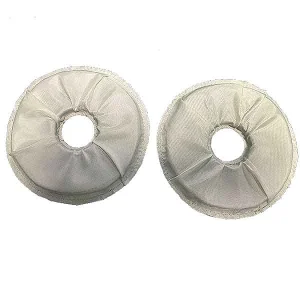
Flexible high-temperature mats designed for piping, turbines, and complex industrial shapes.
View Details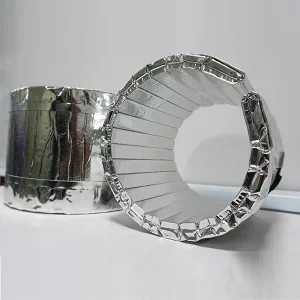
Thermal wrap insulation designed to reduce heat loss in water heaters and industrial storage tanks.
View Details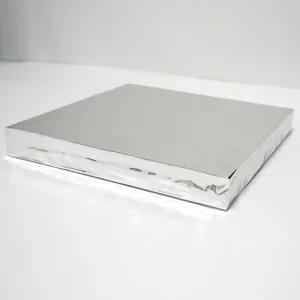
Custom-cut microporous panels designed for high-temperature kilns, ovens, and processing equipment.
View Details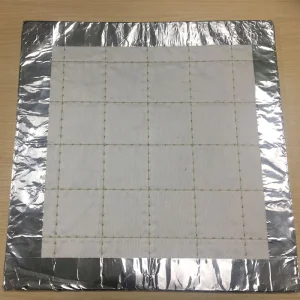
Premium-grade flexible nano thermal mats designed for challenging high-temperature industrial processes.
View Details
 +8615892792306