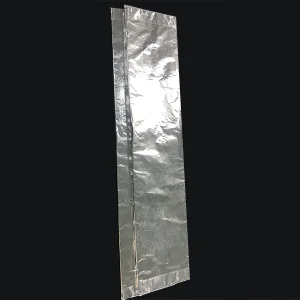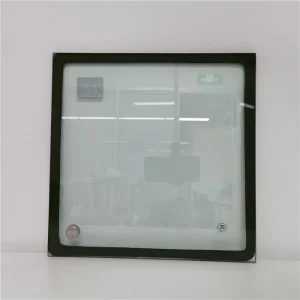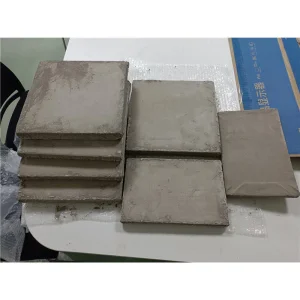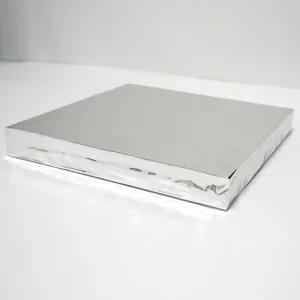
Explore our state-of-the-art thermal barriers customized for cryogenic refrigeration, household appliances, logistics, and high-performance building envelopes.
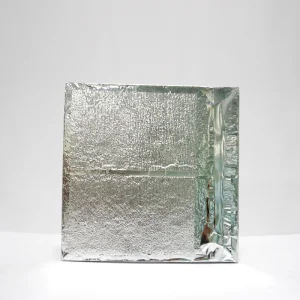
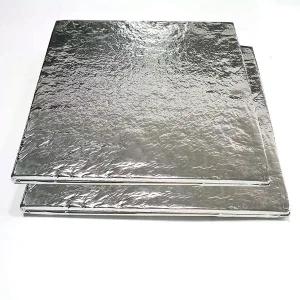
An analysis of energy standards, heat transfer coefficients, and core microstructures in high-vacuum barriers.
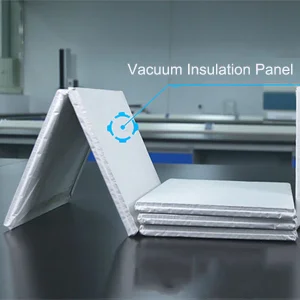
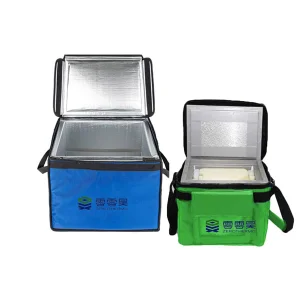
Global regulatory bodies continue to aggressively raise energy efficiency standards for residential refrigerators, commercial coolers, and medical cold storage containers. Traditional insulation methods, predominantly polyurethane (PU) foam and expanded polystyrene (EPS), are hitting their theoretical limits. The thermodynamic challenge of achieving Class A energy certification (such as the EU Ecodesign labels or US Energy Star requirements) without increasing wall thickness—which reduces internal storage volume—has placed Vacuum Insulation Panels (VIPs) at the center of modern thermal design.
In conventional porous insulation materials, heat transfer occurs through three mechanisms: solid conduction, radiative transfer, and gas conduction. Gas conduction is generally the largest contributor. By extracting air from a porous core material and sealing it in a gas-tight envelope, VIPs drop the internal pressure below 1 mbar. At these low pressures, the mean free path of the remaining gas molecules exceeds the average pore size of the core material (known as the Knudsen Effect). This virtually eliminates gas convection and thermal transfer, lowering thermal conductivity to a range of 0.0015 to 0.003 W/m·K—nearly ten times lower than standard polyurethane foam (~0.022 W/m·K).
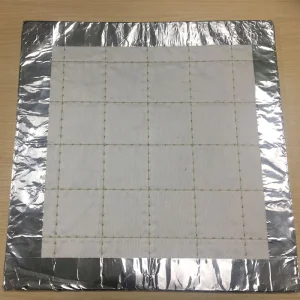
To implement VIPs successfully into refrigerator configurations, engineers must account for the structural properties of different core structures and the gas-barrier film. If the barrier film allows slow permeation of water vapor or ambient air over a 15-year lifecycle, the vacuum inside the panel will degrade, raising thermal conductivity. Therefore, modern refrigerator design requires high-performance core materials, such as fumed silica or specialized fiberglass, combined with multi-layer laminated barrier foils to maintain long-term insulating properties.
Choosing the right core material depends on the target service life, mechanical stresses, cost boundaries, and temperature ranges of the final product. Below is a comparative breakdown of key variables:
| Insulation Core Type | Initial Thermal Conductivity | Conductivity After 10+ Years | Optimal Pressure Range | Expected Lifespan | Primary Industrial Use |
|---|---|---|---|---|---|
| Fumed Silica (with Opacifier) | 0.004 - 0.005 W/m·K | 0.006 - 0.007 W/m·K | 1 - 100 mbar | 20 to 30 Years | Premium Refrigerators, Medical Coolers, Architecture |
| Fiberglass (Microfine Glass Fiber) | 0.0015 - 0.002 W/m·K | 0.008 - 0.012 W/m·K | < 0.1 mbar | 10 to 15 Years | Household Freezers, Retail Display Coolers |
| Polyurethane Foam (PU) | 0.020 - 0.024 W/m·K | 0.025 - 0.030 W/m·K | Atmospheric | 10 to 15 Years | Standard Appliances, Entry-level Insulation |
| Aerogel Composite Board | 0.013 - 0.016 W/m·K | 0.015 - 0.018 W/m·K | Atmospheric | 15 to 20 Years | Industrial High-Temp, Aerospace, Retrofitting |
Tailor-made structural form-factors, temperature tolerances, and envelope foils engineered to meet unique OEM and industrial design specifications.
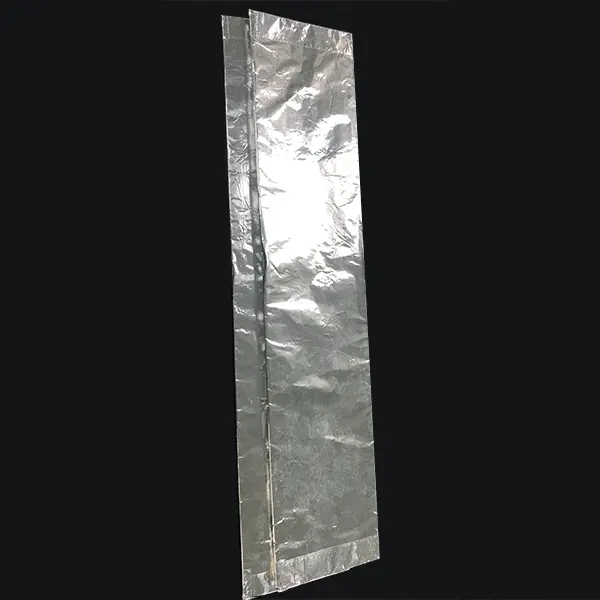
Product Details: Size: Customized Thickness: 5-...
View More +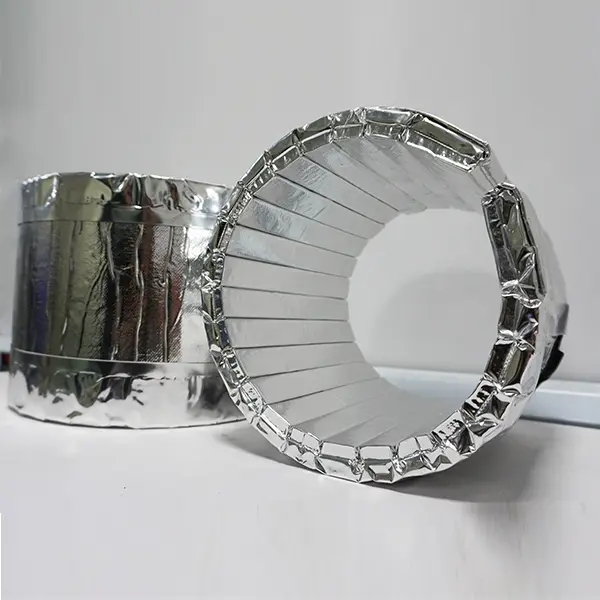
Product Details: Size: Customized Thickness: 5...
View More +
Our elevator fireproof door high temperature na...
View More +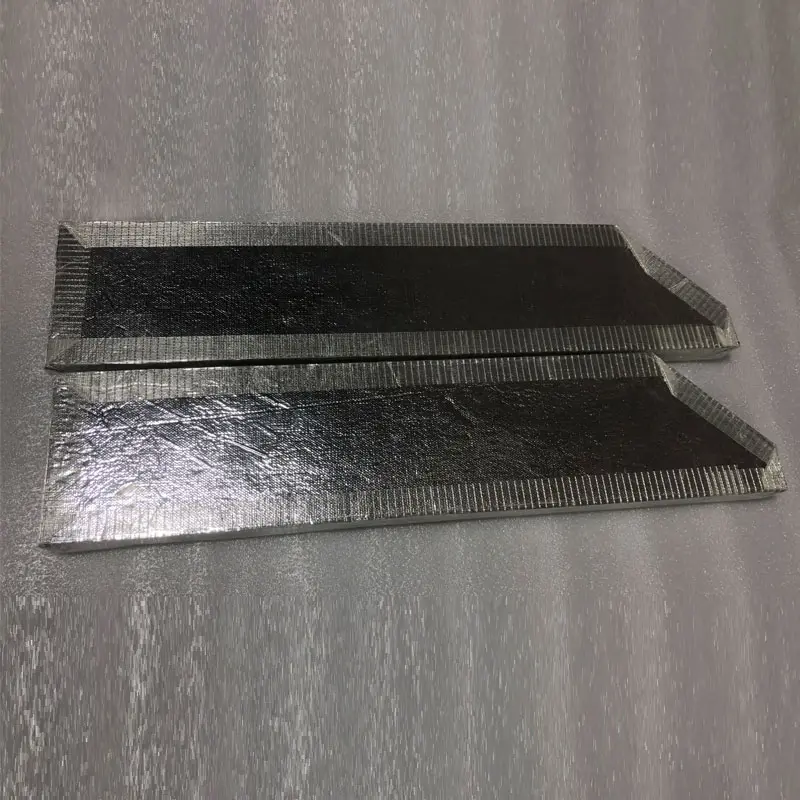
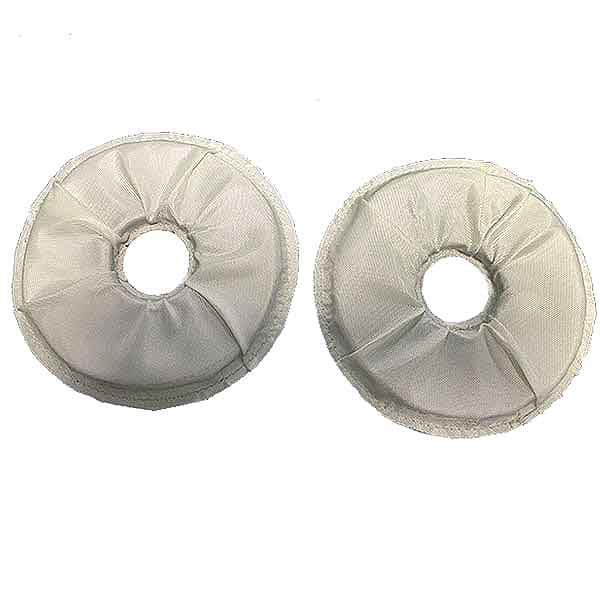
Product Specification Product Features Custom R...
View More +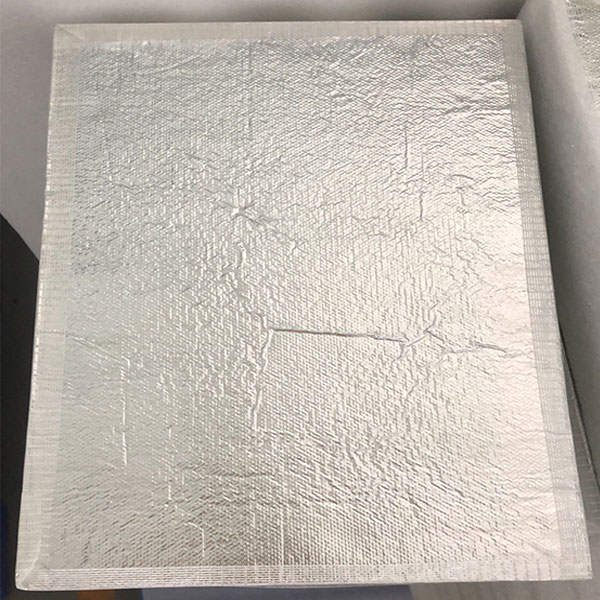
Product Features Size Details Zerothermo vacuu...
View More +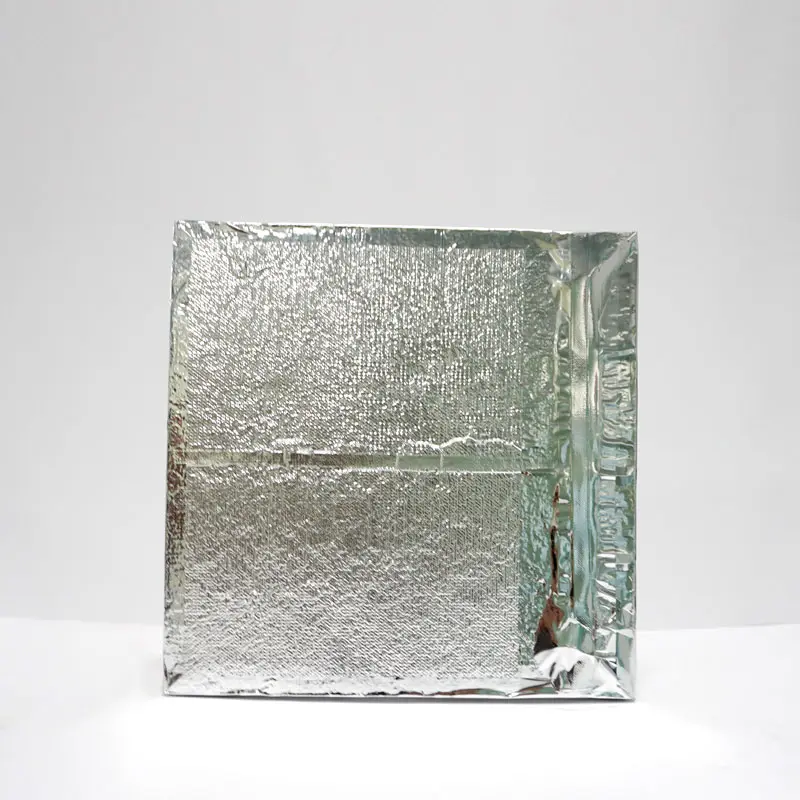
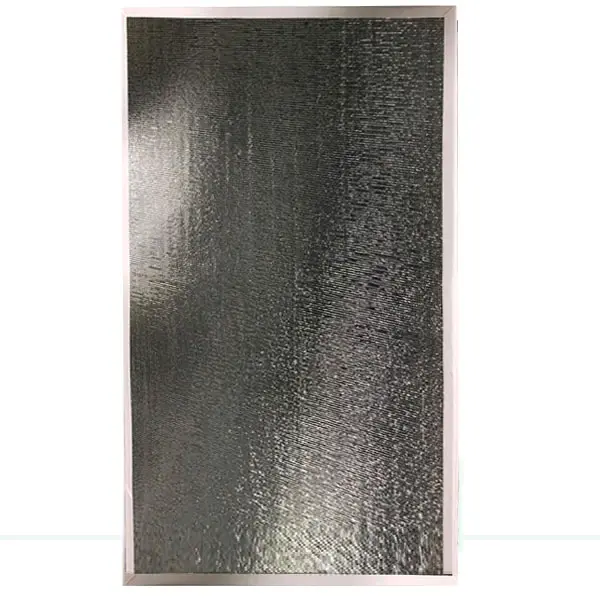
Product Features Product Specification Size ...
View More +Discover how CBVAC Group's vacuum technology heritage drives Zerothermo to produce high-performance vacuum insulation panels.
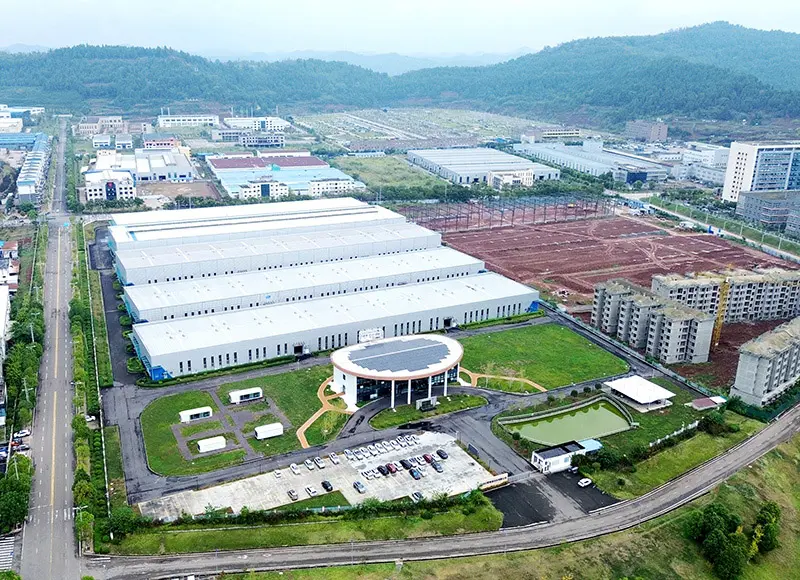
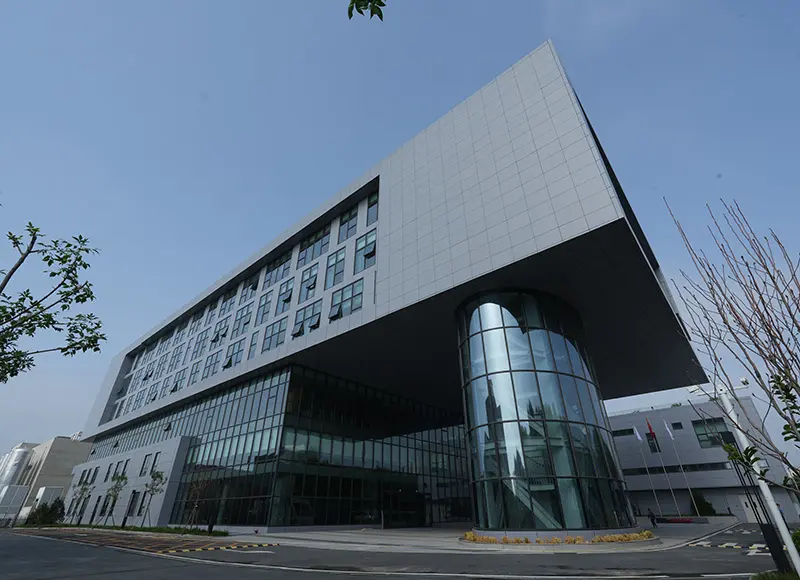
Zerothermo Technology Co., Ltd., a subsidiary of CBVAC Group and a national high-tech enterprise, is headquartered in the Beijing Economic-Technological Development Area with its production base located in Nanchong City, Sichuan Province. This facility stands as one of China’s largest comprehensive production centers for vacuum technology application products.
By leveraging our expertise in vacuum physics, material science, and automation technology, we deliver high-performance vacuum insulation panels and insulated glass solutions that help global industries reduce carbon emissions and work toward carbon neutrality.

Special sizes (beyond the range of ANSI/ASME/DIN and other standards) are produced according to customers' drawings or technical parameters.

square, oval or other special shaped flanges. - Oversize/small diameter: such as diameter over 60 inches or micro precision flanges.

High-vacuum components and integrated flanges designed for specialized laboratory equipment and high-end industrial systems.




How our localized supply chain dynamics lower production costs for high-performance thermal barriers.
The global VIP market relies on specialized manufacturers who can produce these panels at scale while keeping costs manageable. By setting up our main production center in Nanchong City, Sichuan Province, Zerothermo has established a highly integrated supply chain that spans from raw material processing to final vacuum packaging. This localized production framework offers several distinct advantages for high-volume commercial refrigerator manufacturers:
We source high-purity fumed silica core materials and advanced barrier films domestically, shielding our production from the volatility of international freight and raw material supply shocks.
By leveraging CBVAC Group's expertise in vacuum coating, we design and manufacture high-barrier films with extremely low gas transmission rates (GTR) in-house, ensuring reliable quality control.
Our plant features automated chamber-vacuum sealers and high-speed core pressing equipment, delivering precise manufacturing tolerances and consistent thermal performance across large batches.
This manufacturing ecosystem allows us to achieve cost efficiencies that make VIPs a viable alternative to polyurethane foam in standard refrigeration lines. Furthermore, our location near major transportation hubs in Western China gives us access to reliable rail and ocean shipping routes. This allows us to supply global appliance plants in Europe, North America, and East Asia quickly and cost-effectively, maintaining stable delivery lead times.
Insights into hybrid PU-VIP configurations, outgassing management, and next-generation barrier foils.
Integrating Vacuum Insulation Panels (VIPs) into automated appliance production lines requires a clear understanding of the design challenges involved. Because VIPs cannot be cut, drilled, or bent after they are sealed, appliance manufacturers must design them into the refrigerator walls before injecting polyurethane foam. This method—known as a hybrid PU-VIP configuration—combines the structural strength and adhesion of PU foam with the superior thermal barrier performance of VIPs.
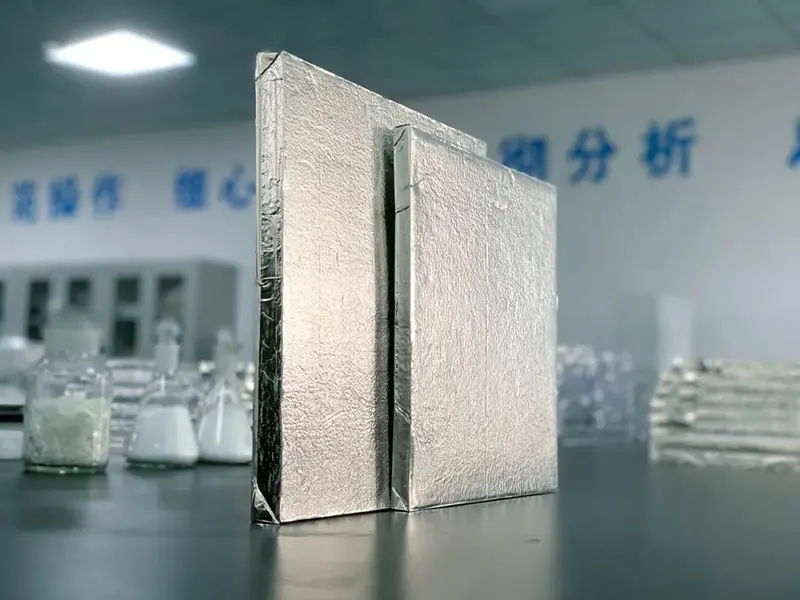
Combining flat fumed silica VIPs with liquid PU foam injection. The foam secures the VIPs in place and seals the gaps between the panels, reducing thermal bridging along the edges.
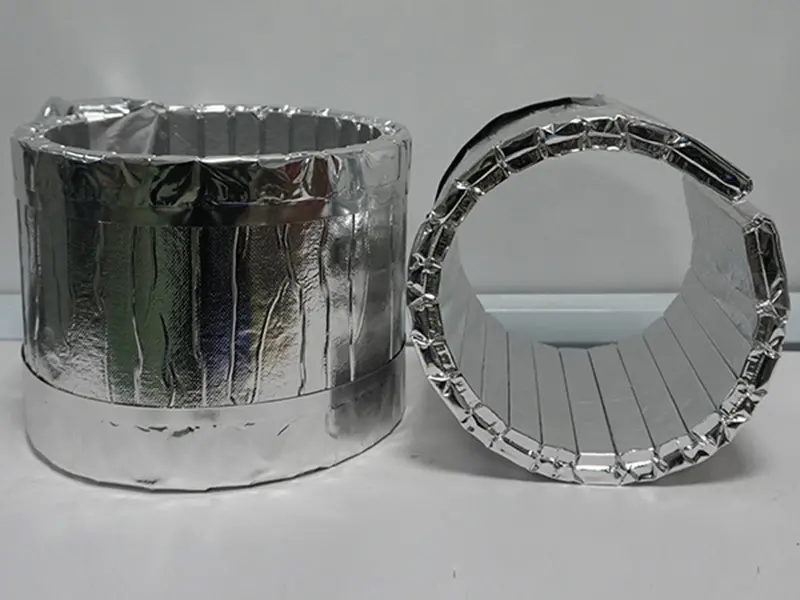
Developing custom curved and L-shaped panels to wrap around refrigerator corners without gaps. This is paired with thinner, metallized polymeric barrier films that reduce thermal bridging.
Developing recyclable silica formulations and inorganic barrier layers to create fully recyclable panels, preparing appliance manufacturers for future circular economy regulations.
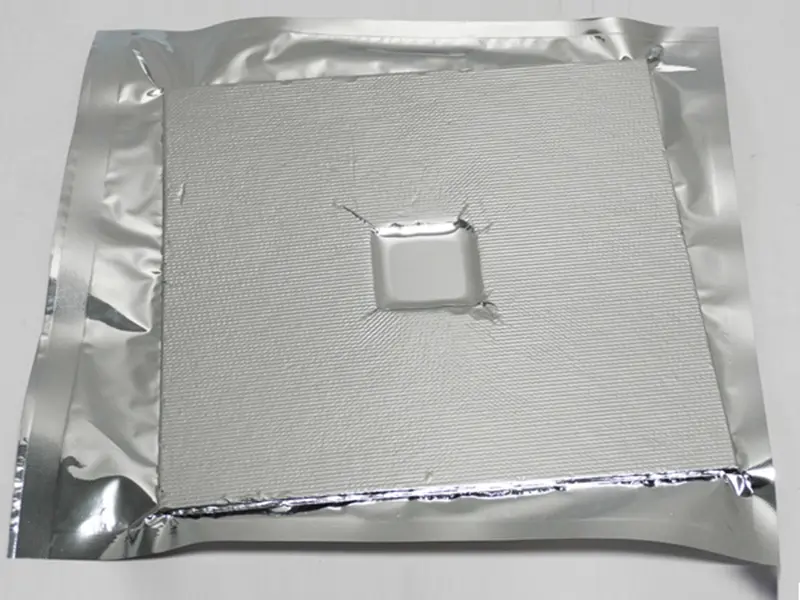
A key focus of this technology roadmap is mitigating the edge-effect. The barrier foil surrounding the panel—often containing micro-thin layers of aluminum—conducts some heat around the vacuum core. This thermal bridging can degrade the panel's overall insulation performance. To combat this, we use advanced multi-layer films with thinner aluminum coatings or aluminum-free polymer structures. These materials reduce edge-effect heat transfer while maintaining the low gas and moisture permeability needed to protect the vacuum core.
Our Technology

Our manufacturing systems follow strict quality protocols, ensuring each panel delivers consistent thermal performance and meets global standards.

We offer flexible sizing, shapes, and edge finishes, allowing refrigerator OEMs to integrate VIPs into their production lines with minimal changes.

Our production facilities in Nanchong City scale to meet high-volume demands while keeping product quality consistent across batches.

We work with top international shipping partners to ensure our vacuum panels arrive safely at appliance plants worldwide.

We provide ongoing technical support, assistance with assembly integration, and post-sales service to build strong long-term relationships.
solution

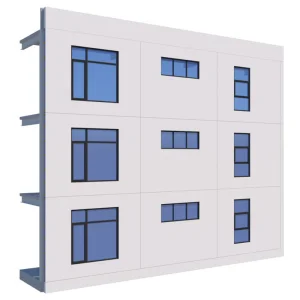
Providing high-efficiency thermal insulation solutions for building envelope systems through innovative products such as vacuum insulation panels and vacuum insulated glass, empowering - the construction sector to reduce carbon emissions and achieve carbon neutrality.

Providing high-efficiency thermal insulation solutions for building envelope systems through innovative products such as vacuum insulation panels and vacuum insulated glass, empowering - the construction sector to reduce carbon emissions and achieve carbon neutrality.02

Providing high-efficiency thermal insulation solutions for building envelope systems through innovative products such as vacuum insulation panels and vacuum insulated glass, empowering - the construction sector to reduce carbon emissions and achieve carbon neutrality.03

Providing high-efficiency thermal insulation solutions for building envelope systems through innovative products such as vacuum insulation panels and vacuum insulated glass, empowering - the construction sector to reduce carbon emissions and achieve carbon neutrality.03
Case



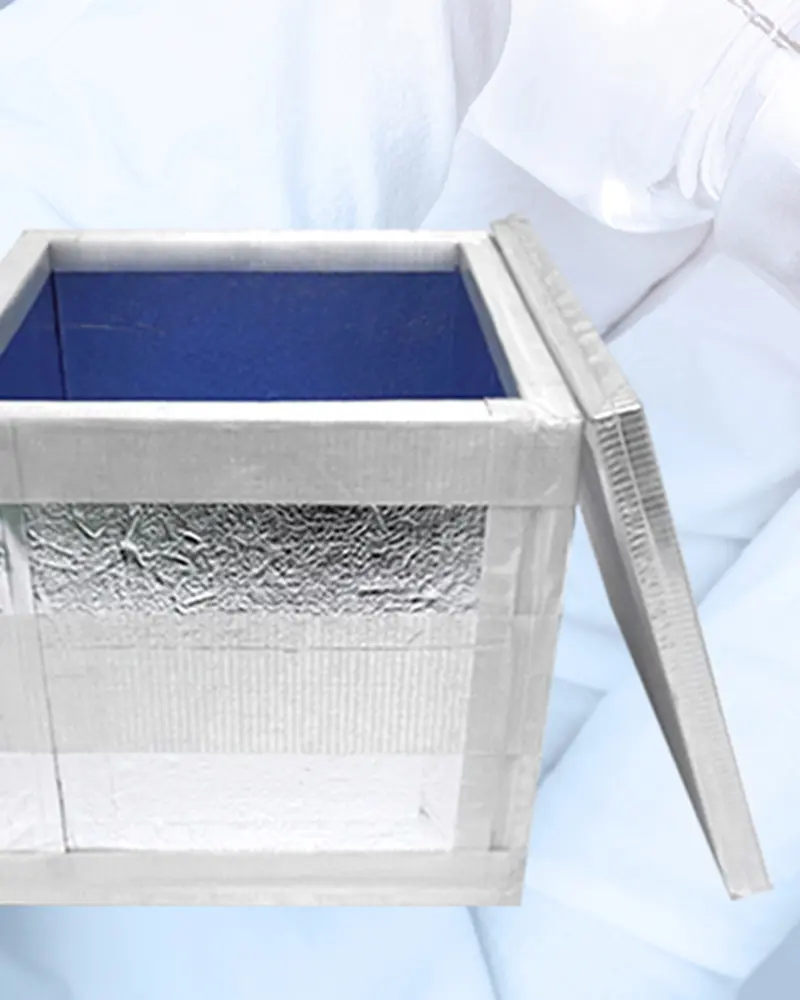
News and Information
Committed to supporting China’s “dual-carbon” goals, Zerothermo Technology drives high-quality development of new quality productivity while promoting sustainable industrial advancement

Ensuring our vacuum insulation panels meet international environmental and safety standards.
Exporting domestic appliances and cold-chain containers to markets like North America and the European Union requires compliance with strict safety and environmental standards. Standard polyurethane foams often face scrutiny over the blowing agents used during manufacturing, which can release greenhouse gases or volatile organic compounds (VOCs). In contrast, fumed silica VIPs are environmentally inert and free of ozone-depleting substances.
By sourcing VIPs that meet these international certifications, OEMs can streamline their product approval processes. Our compliance documentation simplifies the path to obtaining energy efficiency markings and environmental certifications, helping our partners bring their products to market faster.
Common questions from engineers and procurement teams regarding vacuum insulation panel integration.
Explore our specialized thermal materials, from vacuum-insulated glass to microporous high-temperature panels.




Our Technology
We offer a one-stop vacuum insulation board solution. Contact us for a custom proposal.
Whether you need custom sizing, thermal performance simulations, or bulk supply pricing, our engineers are ready to assist you.