
Explore our top-tier vacuum insulation panels and thermal barrier solutions, engineered for maximum energy preservation.
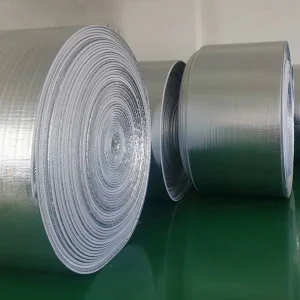
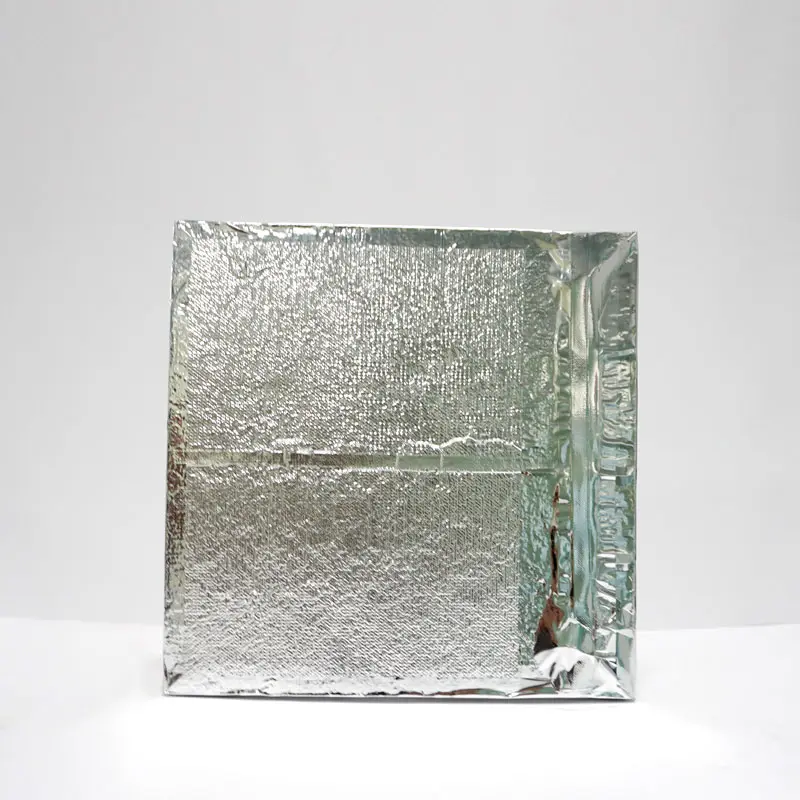
High-grade metal aluminum foil composite foam board rolls designed for structural roof heat barriers and massive factory roof linings.
View Factory Quotes »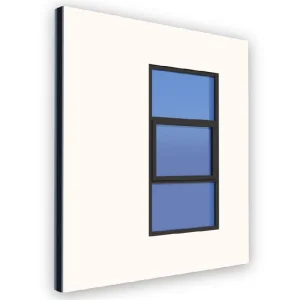
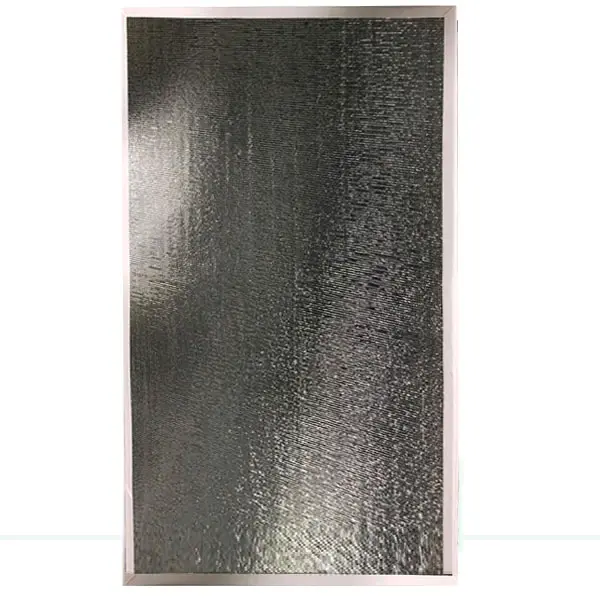
Prefabricated modular vacuum insulated wall panels engineered to decrease envelope envelope thickness while tripling R-value insulation ratings.
Request Pricing Details »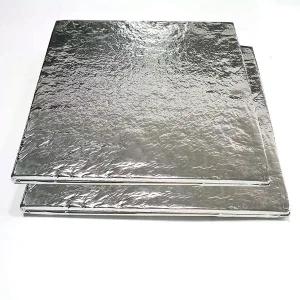
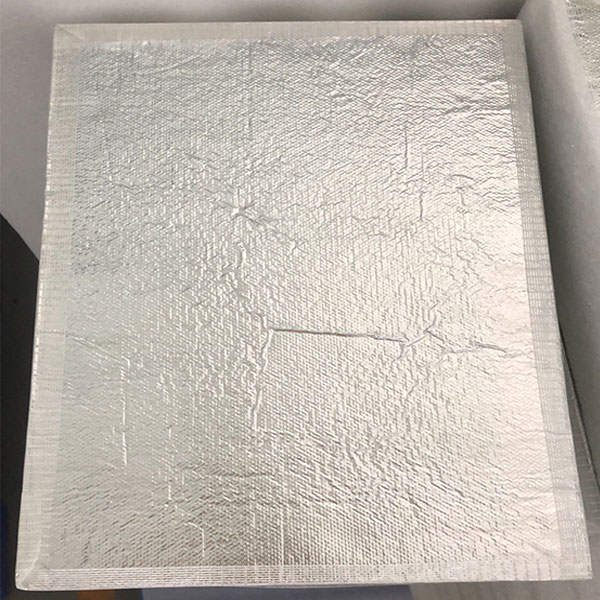
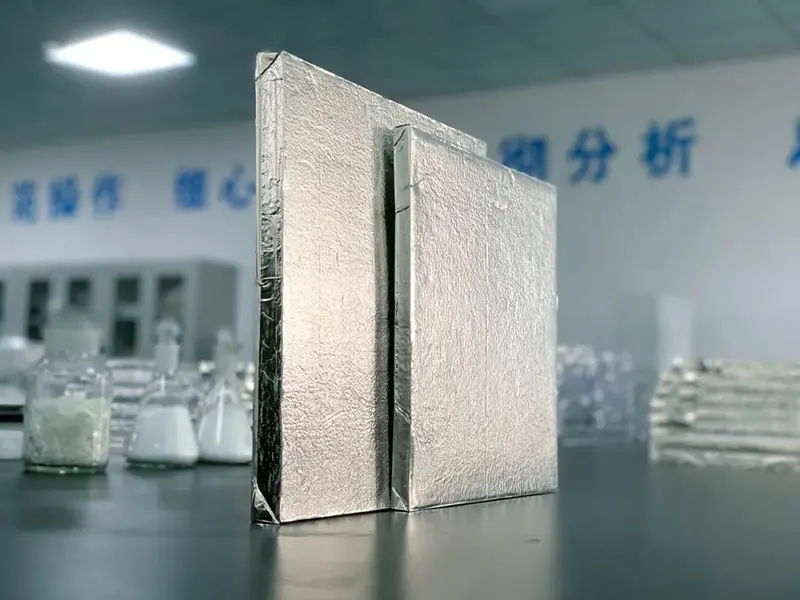
Premium low-conductive fiberglass core vacuum panels optimized specifically for refrigeration units, deep-freezers, and modular construction assemblies.
Explore Custom Manufacturing »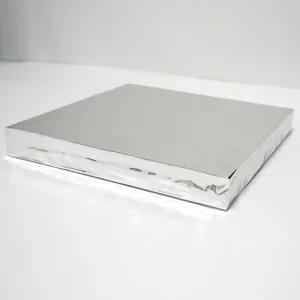
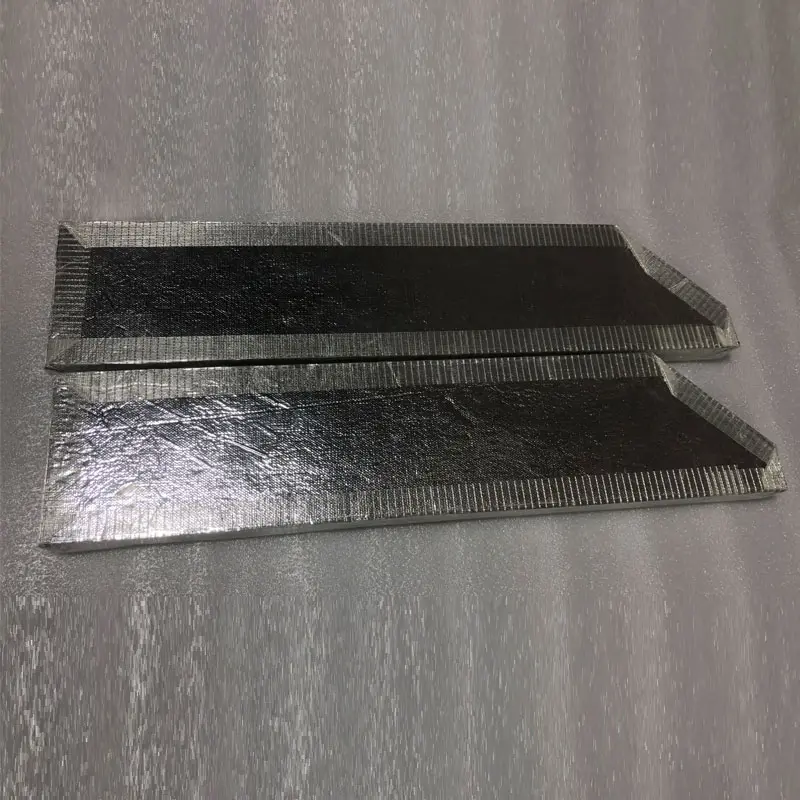
Tailored ultra-low thermal conductivity panels optimized for high-temperature furnace lining, keeping heat dissipation under critical industry thresholds.
Get Factory Pricelist »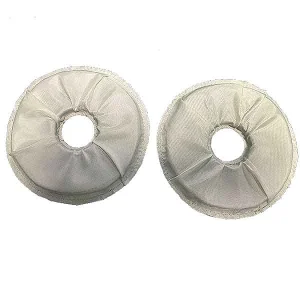
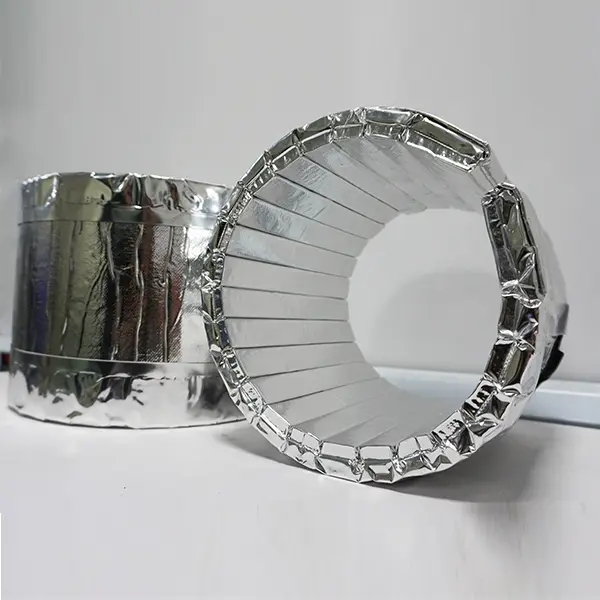
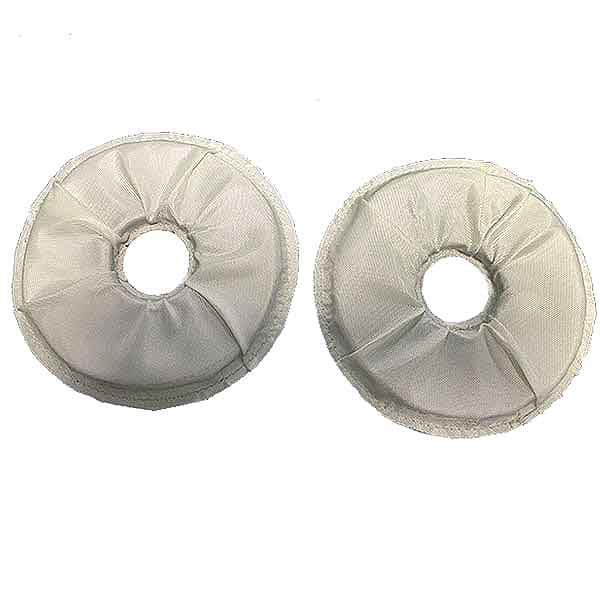
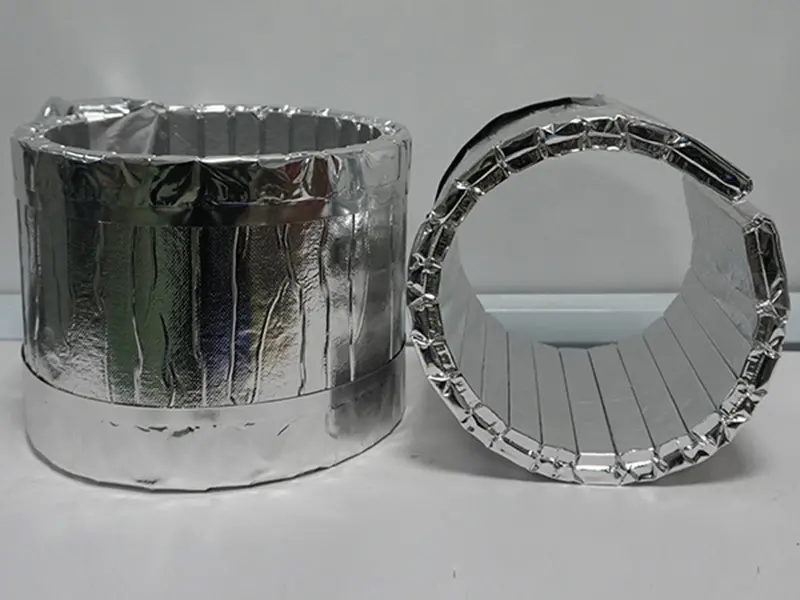
Round and customizable flexible high-temperature nano microporous blankets designed to wrap around pipes, curves, and non-linear oven configurations.
Request Customized Quotes »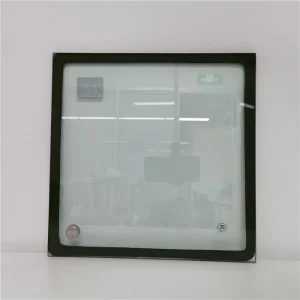
Sturdy double-pane tempered glass containing a vacuum space, providing perfect visibility alongside unmatched heat-retaining capability.
Get Custom OEM Quotes »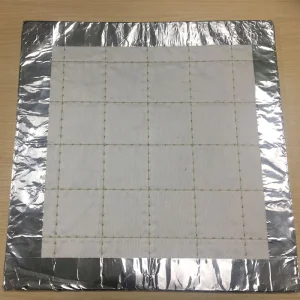
Premier temperature-resistant nano silica mats, delivering mechanical flexibility and space-saving integration for extreme industrial thermal envelopes.
Discover Core Technology »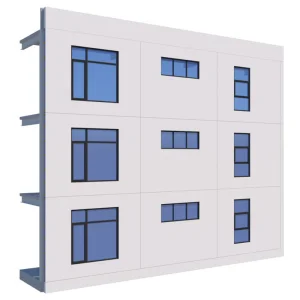
High-aesthetic modular wall cladding solutions that combine architectural beauty with the ultimate heat-barrier capabilities of vacuum technology.
Compare Modern Designs »In modern manufacturing ecosystems, thermal processing stands as one of the most energy-intensive steps. Industrial ovens—ranging from curing ovens in automotive paint booths to high-temperature sintering kilns in metallurgy—have historically relied on bulky insulating materials like ceramic fiber and rockwool. Today, the global manufacturing sector is undergoing an aggressive transition. Faced with soaring energy costs and stringent ESG (Environmental, Social, and Governance) mandates, global factories are prioritizing Vacuum Insulation Panels (VIPs) as a primary mechanism to curb carbon emissions.
This exceptional performance allows factory planners to optimize space layout drastically. For example, replacing a 150mm rockwool layer with a 25mm vacuum insulation panel saves precious square footage on the plant floor. In regions like Western Europe, North America, and Northeast Asia, where carbon pricing and strict environmental regulations are the norm, integrating China-manufactured VIPs into industrial thermal processing systems has become the new standard for achieving operational efficiency.
We design, configure, and fabricate precision vacuum products custom-tailored to unique client layouts and thermodynamic requirements.
Exploring the physics behind VIPs: Core Materials, Gas Adsorption, and Long-Term Integrity
The performance of a VIP is governed by its core matrix. Fumed silica has become the preferred choice for industrial ovens due to its nanoscale pores (~10-20nm), which suppress gas molecule collisions even under higher internal vacuum pressures compared to fiberglass. Fiberglass cores excel in low-temp cryogenic cold chains but require extremely high vacuum thresholds (< 0.1 mbar) that are difficult to sustain under industrial thermal stresses over 150°C.
Over time, moisture and atmospheric gases (like Nitrogen and Oxygen) slowly permeate the barrier films of the VIP. Chinese manufacturers incorporate specialized barium-lithium or calcium oxide-based getter packages inside the envelope. These gettering agents chemically react with and immobilize intruding gas molecules, thereby sustaining the vacuum for up to 50 years under standard conditions.
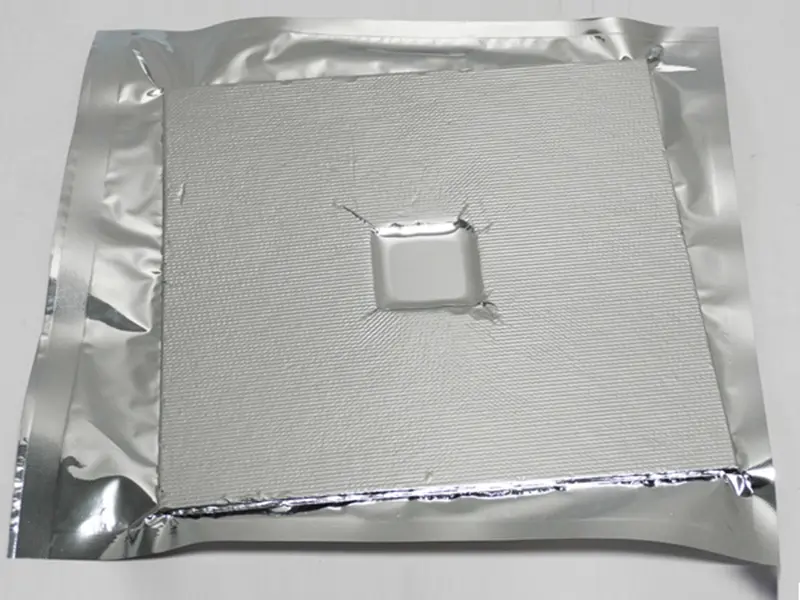
The outer envelope consists of complex laminated films—primarily PET, aluminum foil, and polyamide (PA). For high-temperature setups, custom metalized PET layers (multi-layered foil systems) prevent thermal degradation of the polymer matrix, ensuring mechanical robustness and minimizing linear heat conduction at the panel edges.

Patents and IP Assets

Enterprise Global Clients

State-Of-The-Art Bases

Square Meters Yearly Yield
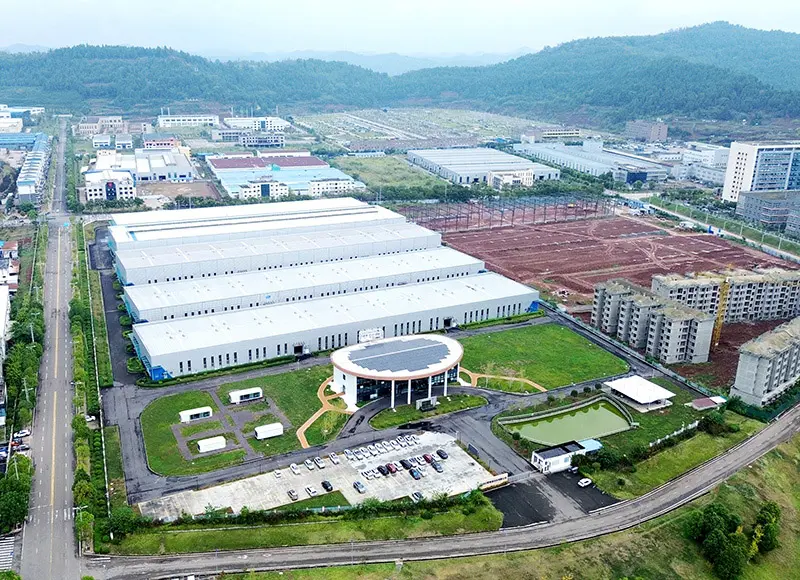
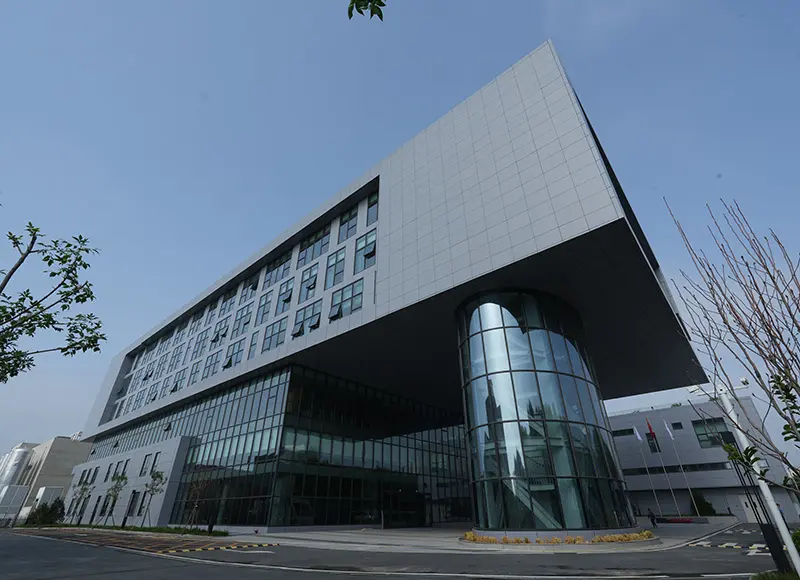
Zerothermo Technology Co., Ltd., a subsidiary of CBVAC Group and a national high-tech enterprise, is headquartered in the Beijing Economic-Technological Development Area with its production base located in Nanchong City, Sichuan Province. This facility stands as one of China’s largest comprehensive production centers for vacuum technology application products.
Our engineering capabilities extend past pure thermal panel production. We possess advanced metalworking machinery for custom flange systems essential to vacuum chambers:

Special sizes (beyond the range of ANSI/ASME/DIN and other standards) are produced according to customers' drawings or technical parameters.

Square, oval or other special shaped flanges. - Oversize/small diameter: such as diameter over 60 inches or micro precision flanges.

Special sizes (beyond the range of ANSI/ASME/DIN and other standards) are produced according to customers' drawings or technical parameters.


Cold Chain
Builds
High Temp
Tourism
Committed to supporting China’s “dual-carbon” goals, Zerothermo Technology drives high-quality development of new quality productivity while promoting sustainable industrial advancement
For procurement and lead thermal engineers analyzing quantitative parameters.
| Parameter / Property | Fiberglass Core VIP | Fumed Silica Core VIP | Conventional Ceramic Fiber |
|---|---|---|---|
| Thermal Conductivity (W/m·K) | 0.0015 – 0.0025 (at 25°C) | 0.004 – 0.006 (at 25°C) | 0.035 – 0.045 (at 25°C) |
| Max Temperature Threshold | Up to 80°C | Up to 950°C (with nano- microporous core) | Up to 1100°C |
| Lifespan in Vacuum Environment | 10 to 15 years | 30 to 50 years (depending on barrier) | Degrades under cycles |
| Environmental & Health Safety | Fiberglass handling precautions | Eco-friendly, recyclable silica | Refractory ceramic fibers (RCF) restrictions |
When designing thermal processing equipment (such as automotive powder-coating systems, industrial ovens, or semiconductor annealing units), engineers must address two key factors: transient thermal heat loss and steady-state energy consumption. Traditional insulation relies on a thickness barrier to slow heat flow. However, over time, the mechanical structural framework absorbs a vast amount of energy during heat-up cycles.
Integrating high-temperature fumed silica VIPs within the wall structure results in a much thinner insulating layer. This allows the overall metal frame mass to be reduced. The calculation shows that by using a composite insulation layout—composed of a 30mm microporous silica VIP backed by a 50mm high-density mineral wool sheet—ovens can reduce overall start-up heating time by up to 25%. This configuration decreases standby electricity consumption during idle shifts, translating to substantial annual cost savings for medium-sized operations.
We offer a one-stop vacuum insulation board solution. Contact us for a solution
Our engineering team is ready to analyze your drawings, calculate thermal performance margins, and supply competitive price estimates for volume orders of custom vacuum panels.


Answering crucial engineering queries regarding VIP operation, customization, and thermal resilience.
At ambient temperatures, gases inside standard porous insulation transfer heat via molecular collision. Inside a VIP, the air is evacuated, creating a vacuum. This reduces gas-phase thermal conduction to near zero. High-temperature VIPs feature fumed silica cores. These cores contain nanoscale pores that restrict the movement of remaining gas molecules. As a result, they can maintain thermal performance at temperatures up to 950°C.
No, Vacuum Insulation Panels cannot be cut, drilled, or modified after fabrication. Any breach of the outer barrier foil results in immediate loss of vacuum, causing the panel's thermal conductivity to rise to that of non-evacuated silica (approx. 0.020 W/m·K). All panels must be sized and fabricated to match design requirements prior to the evacuation and sealing processes.
A fumed silica VIP containing integrated getter packages typically maintains its insulation performance for 30 to 50 years under standard conditions. When exposed to continuous thermal cycles up to 80°C (such as in battery compartments or climate chambers), the rate of gas permeation increases. However, the use of high-barrier multi-layered films and tailored getter compounds helps maintain thermal performance over decades.
Thermal bridging at the joints of adjacent VIP panels is managed using multi-layer overlapping designs or by pairing the VIPs with flexible nano blankets. By offsetting the joints between layers or adding a thin backer insulation board, the edge heat leak is mitigated, ensuring uniform thermal resistance across the oven envelope.
For low-temperature or cryogenic applications (such as LNG storage and cold chain logistics), fiberglass cores provide excellent thermal performance at lower initial costs. For high-temperature setups (such as industrial ovens and fire doors), fumed silica cores are required due to their thermal stability and capacity to maintain structural integrity under high heat.
Precision-manufactured products designed to meet specific industrial, battery, and architecture requirements.
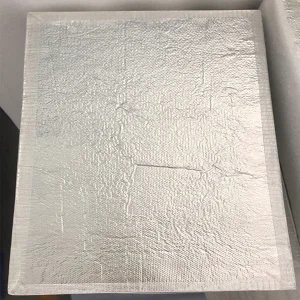
Ultra-low thermal conductivity VIPs wrapped in protective PET film, designed for cleanroom applications and equipment protection.
Request Quote Details »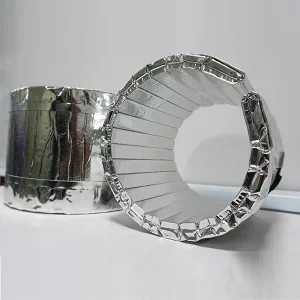
High-temperature microporous blankets designed for boiler and water heater insulation, reducing standby energy losses.
Request Bulk Prices »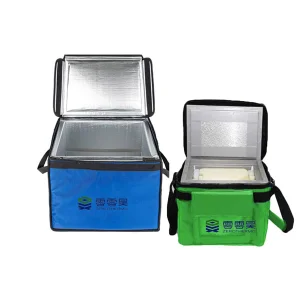
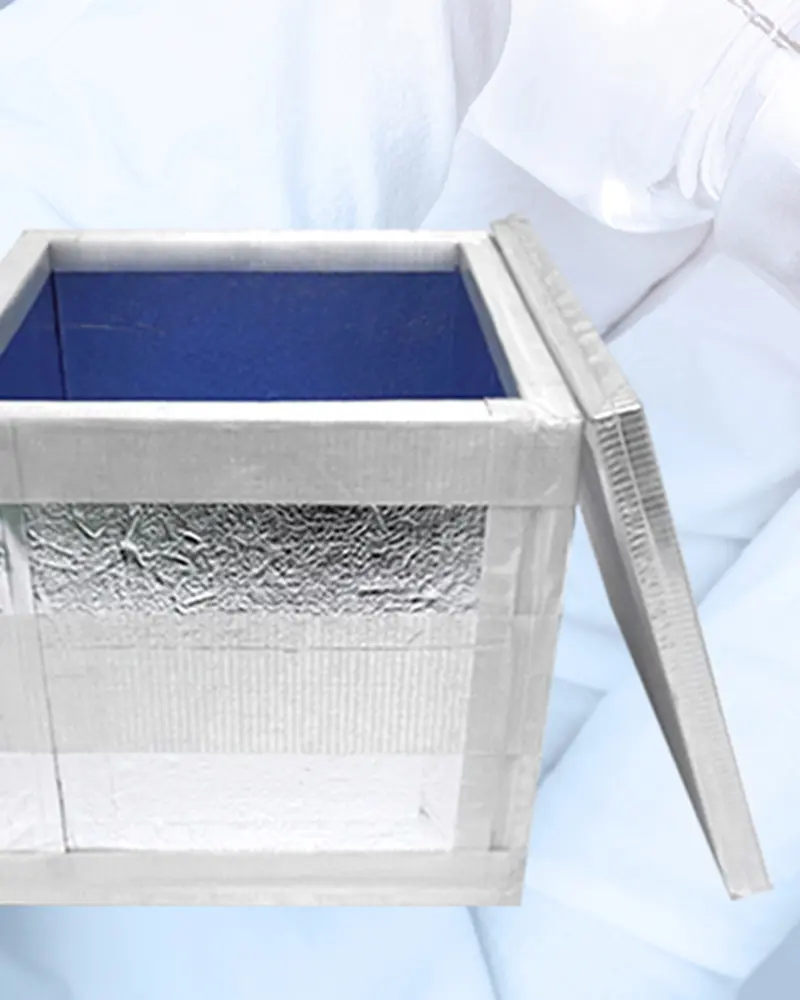
High-performance vacuum-insulated cooler boxes designed for pharmaceutical, vaccine, and cold-chain food transit.
Compare Custom Models »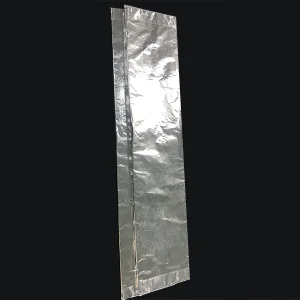
Custom thermal barrier layers designed for EV battery packs, helping manage cell temperatures and prevent thermal runaway.
Get Factory Quotation »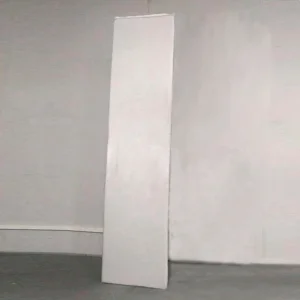
Ultra-thin microporous panels designed for fire doors, providing high thermal resistance while maintaining standard door profiles.
View Door Pricelist »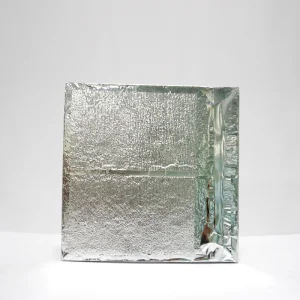
Vacuum panels optimized for low-temperature transit, designed to protect temperature-sensitive goods during shipping.
Compare Product Specifications »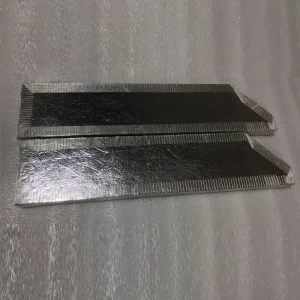
Vacuum panels available in custom non-standard geometries, designed for precise fit in complex industrial setups.
Request Geometric Templates »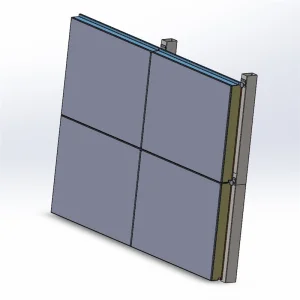
Prefabricated wall panels combining exterior styling with integrated vacuum insulation for architectural cladding.
Request System Specs »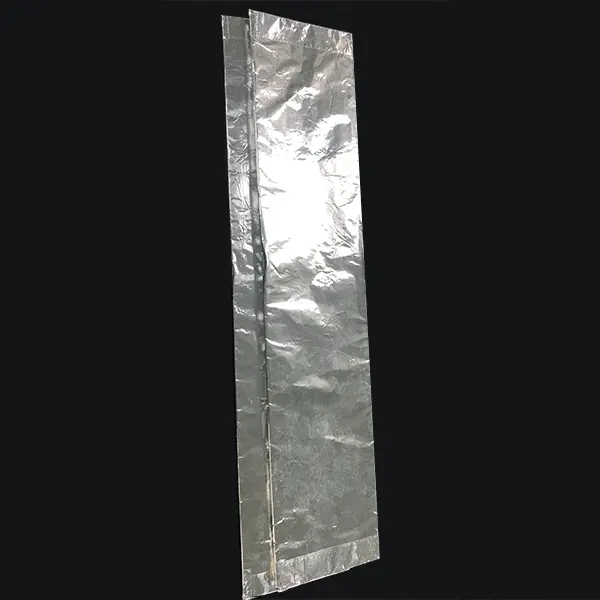









 +8615892792306