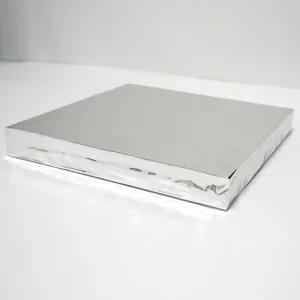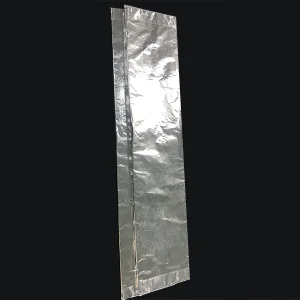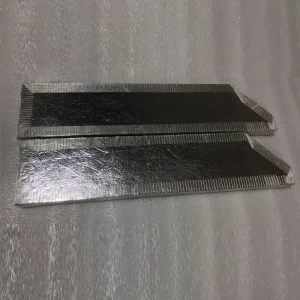
Discover our core thermal protection solutions, featuring custom-fabricated vacuum insulation panels and hybrid vacuum architectural glass options manufactured to exceed international energy-saving mandates.
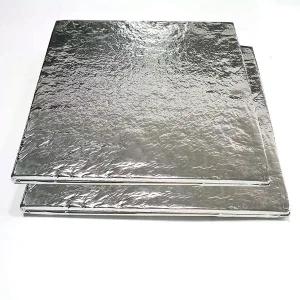
Modern architectural design is undergoing a massive revolution. In response to global decarbonization mandates and stricter building code requirements (such as Germany’s GEG or the USA's ASHRAE standards), developers can no longer rely on conventional double or triple glazing. Standard insulated glass units (IGUs) are bulky, heavy, and exhibit thermal conductivity limitations that hinder high-efficiency green construction.
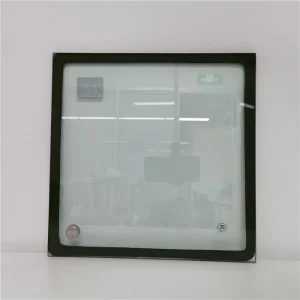
Vacuum Double Glazing (VDG), frequently categorized under Vacuum Insulated Glass (VIG), resolves these pain points. By placing a vacuum gap (less than 10-2 Pa) between two panes of glass, it completely eliminates convective and conductive heat transfer across the inner glazing chamber. The result is a glass unit with the thickness of single glazing (6mm to 12mm) but the thermal performance of a thick insulated wall. When planning retrofits or new commercial projects, analyzing the China Vacuum Double Glazing cost structure is critical to achieving target budgets without sacrificing mechanical and thermal parameters.
Understanding Information Gain: Unlike standard pricing lists that only specify rough numbers, this guide breaks down the macro-economic manufacturing variables, material science factors (such as tempered vs. annealed options, micro-spacer configurations, and low-E coatings), and total cost of ownership (TCO) matrices to empower engineering leads with actionable data.
When requesting quotes for VDG, B2B procurement managers must understand that cost is governed by several core structural components:
| Glazing Specification Component | Impact on Mechanical Performance | Average Cost Variance Factor |
|---|---|---|
| Tempered Glass Processing | Essential for safety glass certification and wind resistance; highly recommended for commercial envelopes. | +20% to +35% over annealed VIG |
| Getter Material Activation | Ensures long-term absorption of remaining gas molecules to maintain vacuum integrity over 25+ years. | Standard component, factored in base rate |
| Low-E (Low-Emissivity) Coating | Reduces radiative heat transfer. Single, double, or triple silver Low-E configurations. | +10% to +25% depending on coating complexity |
| Micro-Spacer Grid Array | Prevents glass panels from collapsing together under intense atmospheric pressure. Spacer spacing (typically 20mm-40mm). | Varies based on customized visual tolerances |
Over the past five years, advanced automation and scalable factory outputs in mainland China have significantly reduced the global cost threshold for Vacuum Double Glazing. What was once a highly customized, cost-prohibitive specialty product is now scaling toward mass adoption. The optimization of automated edge sealing, laser welding, and inline quality control has allowed leading enterprises like Zerothermo Technology Co., Ltd. to output VIG panels that achieve optimal return-on-investment profiles for large-scale architectural projects, pharmaceutical cold chains, and commercial refrigeration enclosures.
Zerothermo Technology Co., Ltd., a subsidiary of the distinguished CBVAC Group and a recognized national high-tech enterprise, is headquartered in the prestigious Beijing Economic-Technological Development Area. Our state-of-the-art production base is strategically located in Nanchong City, Sichuan Province. This facility stands proud as one of China’s largest and most comprehensive production centers for vacuum technology application products.
By utilizing state-of-the-art vacuum seals, advanced thermal performance materials, and precise mechanical engineering, we deliver custom-tailored solutions to global markets, including non-standard flanges, shaped flanges, and next-generation vacuum thermal insulation systems.

Custom dimensions beyond the scope of traditional ANSI, ASME, and DIN parameters fabricated per design drawings.

Square, oval, and other custom geometric profiles. Oversized up to 60+ inches or micro-precision requirements.

Optimized edge sealing configurations and high-vacuum components designed for zero leakage tolerances.
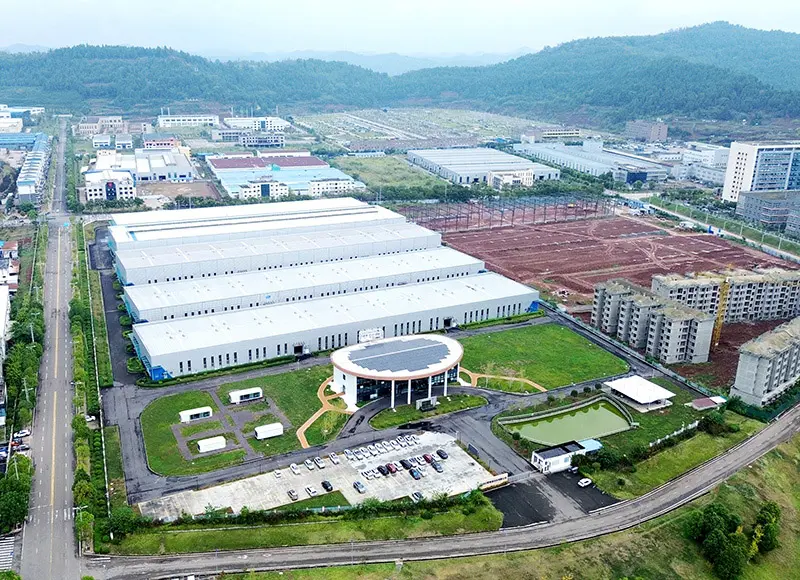
Explore our vast manufacturing floor and modern testing laboratories via virtual factory tours.


Every commercial development demands specialized thermal barrier dimensions. From low thermal conductivity VIPs to ultra-thin glass setups, explore our core technology capabilities:
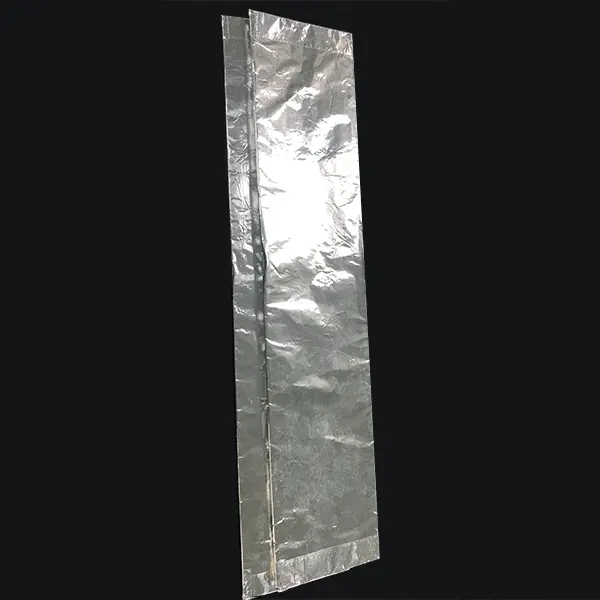
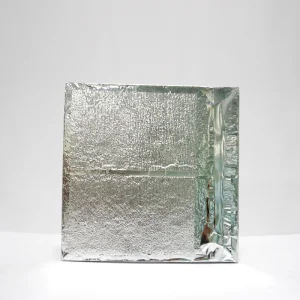
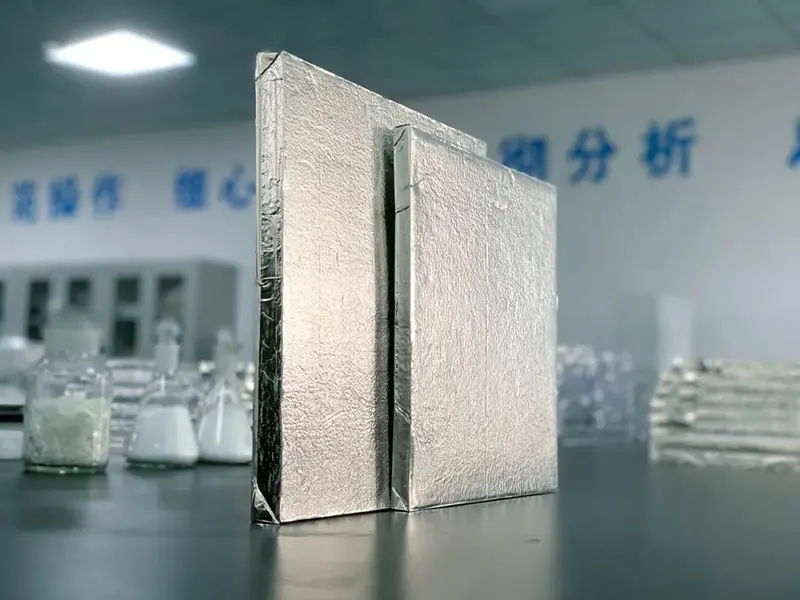
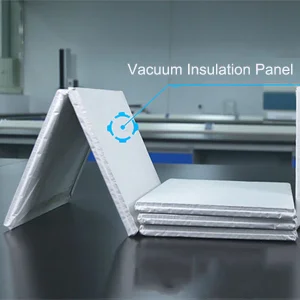
Product Details: Customized sizes, typical thickness 5-15mm. Prevents thermal runaway propagation across lithium-ion modules in electric vehicle battery packs.
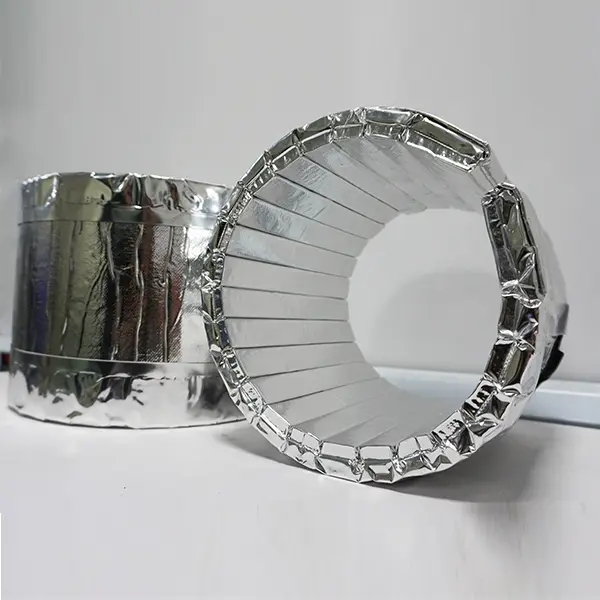
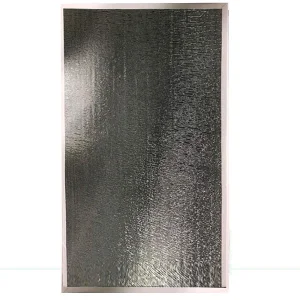
Product Details: Advanced custom sizing with thicknesses starting from 5mm, providing industrial-grade heat protection for storage systems.
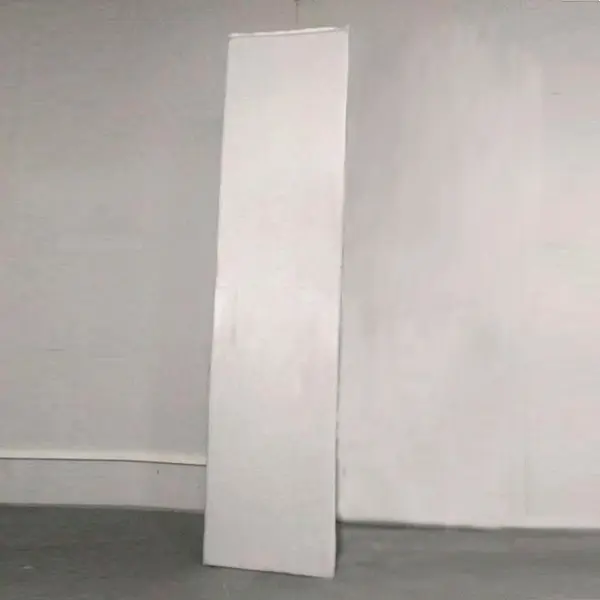
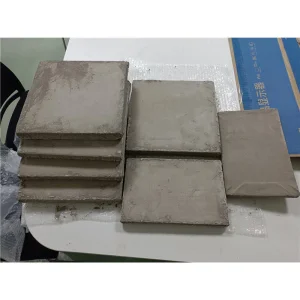
Engineered for elevator fire doors and extreme thermal bulkheads, utilizing microporous cores to withstand intense fire exposure.
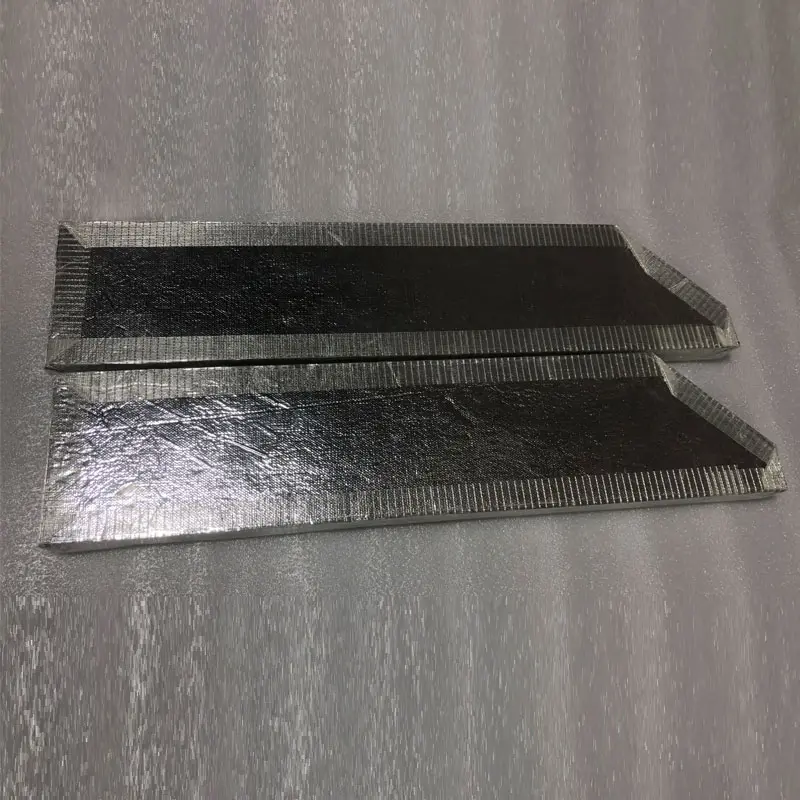
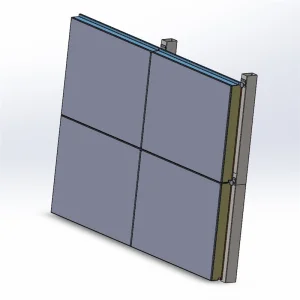
Complex 3D geometries, L-shapes, and curved profiles customized to meet space-restricted refrigeration and building voids.
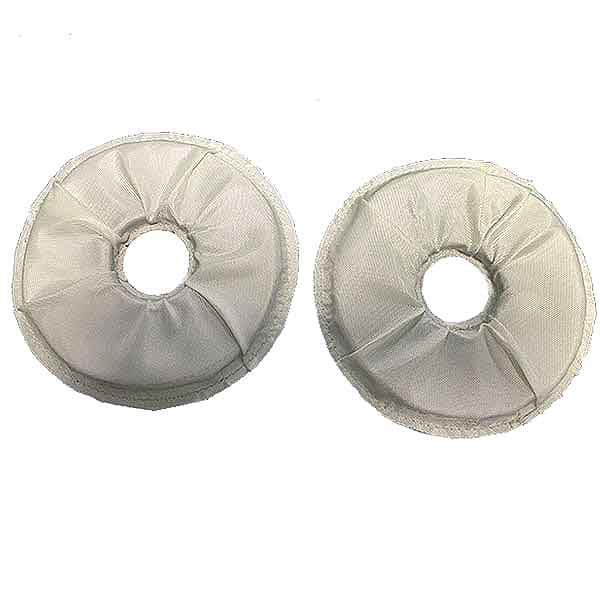
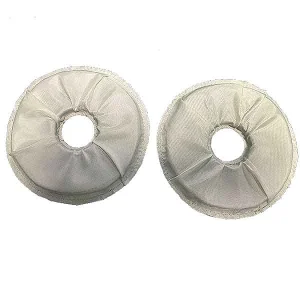
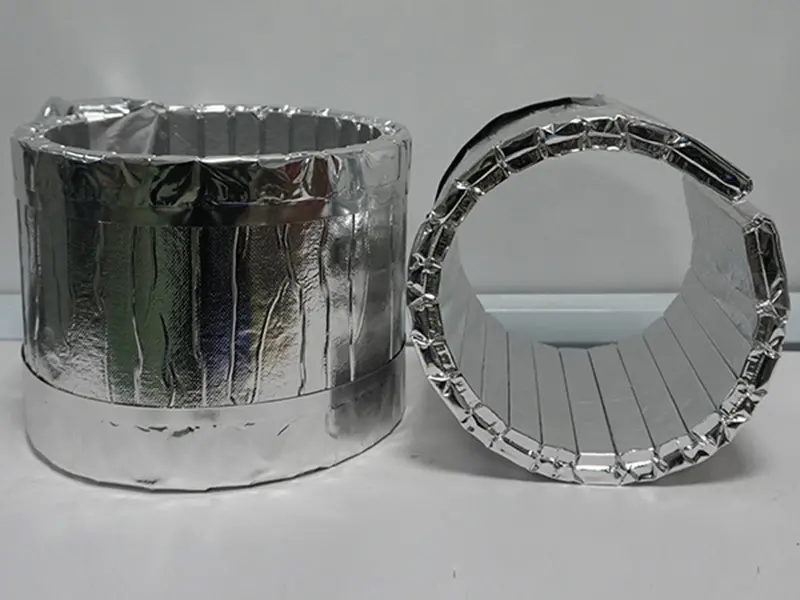
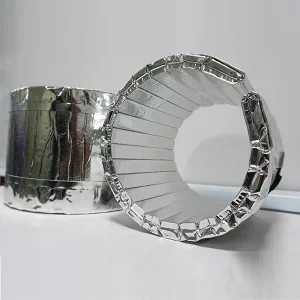
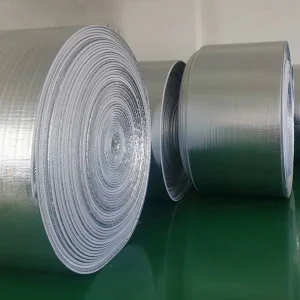
Highly flexible, wrap-around thermal blankets with exceptionally low thermal conductivity designed for high-temperature pipeline systems.
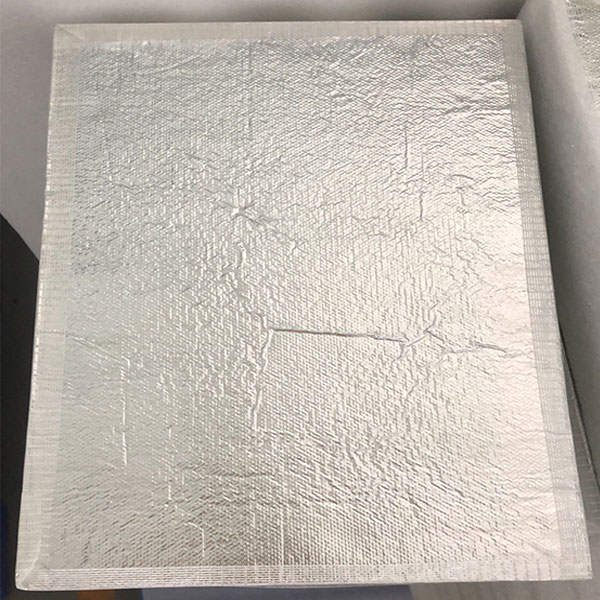
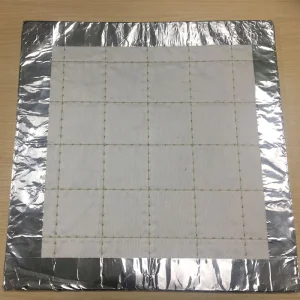
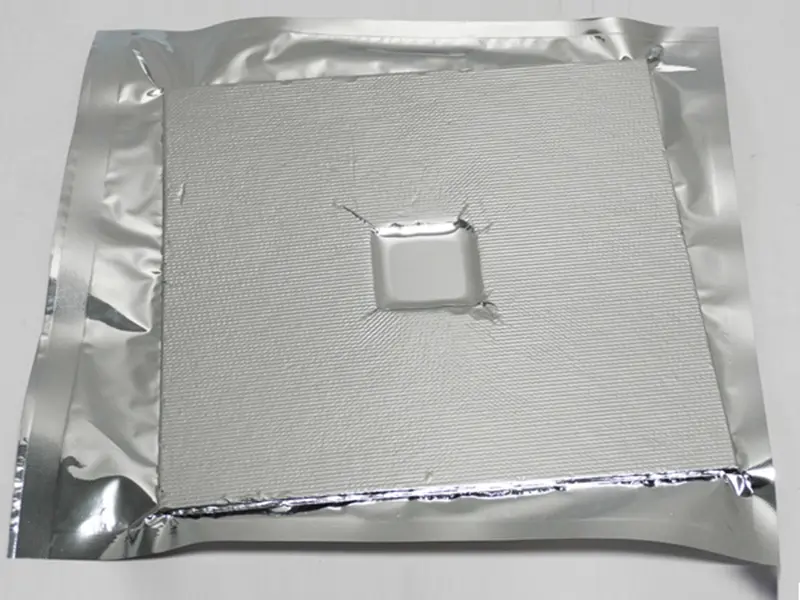
Provides robust moisture-barrier sealing and optimal structural rigidity to ensure ultra-low thermal degradation over decades.
We leverage advanced high-vacuum sealing expertise from CBVAC Group to provide global clients with reliable supply chain guarantees:

Unparalleled standards across our testing and structural performance criteria. Every VIP and VDG batch is traceably certified.

From CAD design parameters to custom glass coatings, we transition fast from prototype phase to global production volumes.

Equipped with automatic edge seal production lines, guaranteeing consistent quality output for massive architectural projects.

Robust international supply connections with custom wooden crate packing to guarantee scratch-free long-distance shipments.

Decades of institutional stability as part of the CBVAC Group, offering continuous warranty and engineering support.
Providing high-efficiency thermal insulation solutions for building envelope systems through innovative products such as vacuum insulation panels and vacuum insulated glass, empowering the global market to reduce carbon emissions and achieve carbon neutrality goals.

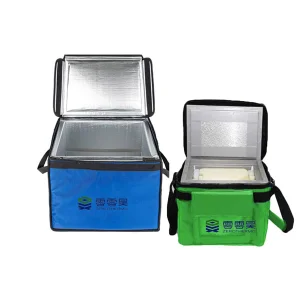
Ensuring steady sub-zero storage stability for vaccine shipping containers.

Delivering high-efficiency envelope units to reduce HVAC building loads.

Microporous high-temperature thermal barriers designed for kilns and doors.

Innovative space capsule modular homes utilizing fumed silica structural insulation.
Our vacuum technologies have been successfully integrated into critical projects worldwide, showing remarkable durability and thermal efficiency:

Thermal management upgrade of high-accuracy process systems.

Minimizing thermal fluctuations in clean room facilities.

High performance energy-saving glazed windows installed in classrooms.
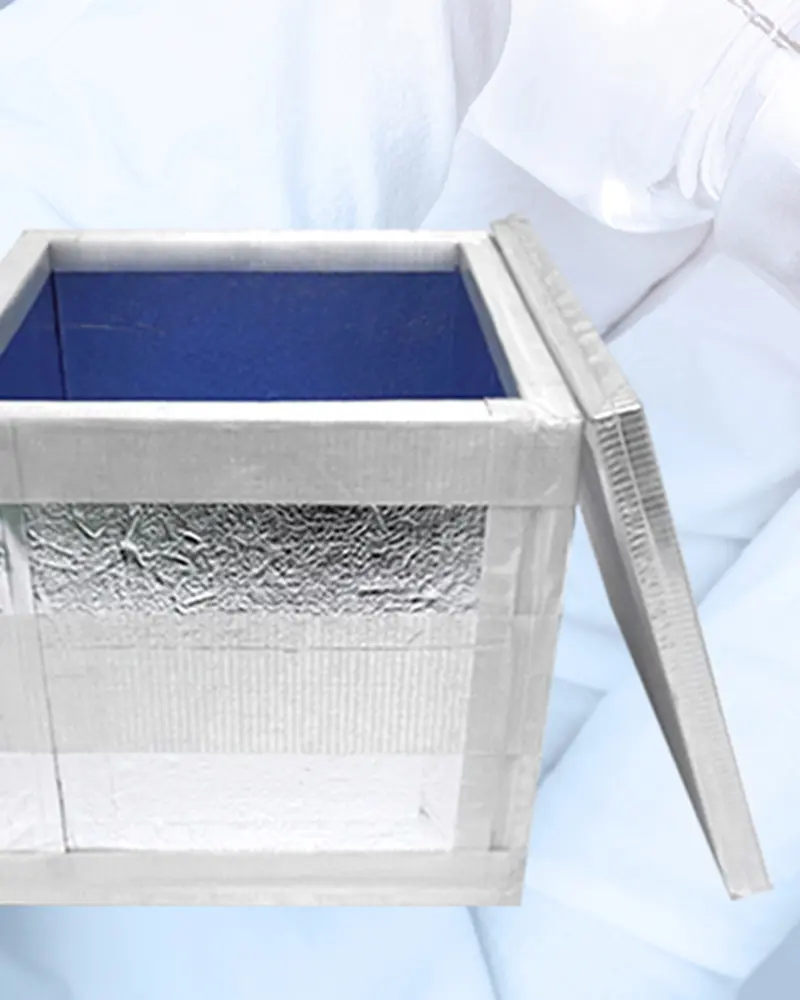
Preserving pharmaceutical supplies during long-range distribution channels.
As the construction industry transitions toward Zero Energy Buildings (ZEBs) and passive house designs, the technical evolution of vacuum double glazing is accelerating. Current global research focuses on mitigating edge thermal bridging—a phenomenon where heat bypasses the vacuum layer through the seal material at the glass edges. Leading edge designs now utilize flexible alloy strips or high-durability composite materials that minimize edge conductive losses while maintaining structural elastic tolerances during thermal contraction/expansion cycles.
Moreover, the cost path is closely tied to the transition to hybrid vacuum glazing systems. A hybrid VIG panel places a standard low-E glass pane separated by a dry-gas argon cavity adjacent to the vacuum cavity. This layout provides dual benefits: the inner vacuum gap provides primary insulating properties (U-value down to 0.4 W/m²K), while the outer chamber absorbs heavy wind loads and solar heat gains. Over the next decade, B2B sourcing costs for these high-performance configurations are expected to stabilize further as high-volume automated sputtering and continuous vacuum furnaces increase manufacturing yields across regional Chinese manufacturing hubs.
Find technical answers regarding performance parameters, structural stability, custom orders, and average price calculations.
The total price is determined by glass panel thickness (usually 4mm to 8mm), heat treatment requirements (fully tempered glass is costlier but mandatory for safety codes), custom shape specifications (arched or irregular designs require CNC profiling), and the specification of Low-E coatings. Large standard rectangular layouts offer the most economical production rates.
Vacuum Insulated Glass (VIG) routinely achieves a U-value of 0.4 to 0.6 W/(m²·K), whereas traditional triple-pane glazing with argon filling is typically around 1.1 to 1.3 W/(m²·K). Furthermore, VIG achieves this performance at only 25% of the overall structural thickness and weight, saving considerable framing material costs.
Our VDG units are engineered to maintain their internal vacuum structure for over 25 years. This longevity is secured by our high-performance glass edge sealing metallurgy and integrated getter arrays that capture micro-gases over the operating life of the installation.
No, vacuum insulation panels (VIPs) cannot be trimmed, cut, or drilled after fabrication because breaching the protective barrier envelope instantly destroys the internal vacuum, raising the thermal conductivity to typical core material levels. All sizing details must be specified during the draft phase before factory sealing.
Stay informed about our recent international exhibitions, new product rollouts, and breakthrough thermal engineering publications.

Submit your sizing dimensions, required thermal performance metrics, and order quantity parameters below. Our engineering desk will calculate customized budget prices within 24 business hours.
Whether you require fumed silica panels for cold storage envelopes, high-temperature blankets, or architectural tempered VIG, Zerothermo Technology provides scalable configurations engineered to your projects.


Further exploration of our thermal isolation systems. Browse our industrial thermal barriers and specialized high-performance insulating boards.




 +8615892792306