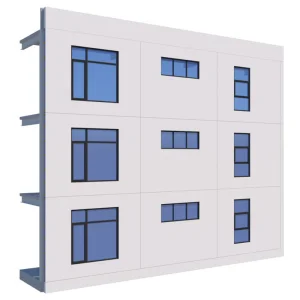
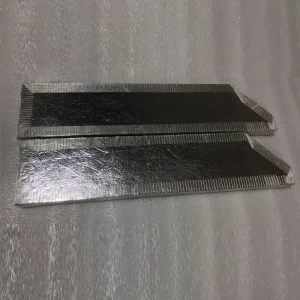
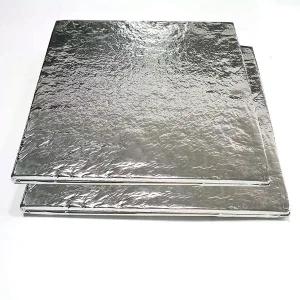
As the international construction and industrial sectors converge on stricter carbon-neutral policies (such as the EU's Energy Performance of Buildings Directive and China's Dual-Carbon mandates), standard insulating materials like EPS, XPS, and PU foam are reaching their physical performance limits. Achieving the required thermal resistance values (R-values) under traditional systems requires thick wall assemblies that reduce usable interior square footage and drive up construction materials and structural costs. The industry's evolution calls for high-efficiency, thin-profile envelopes. This is where modern vacuum thermal insulation panels (VIPs) provide a quantum leap forward.
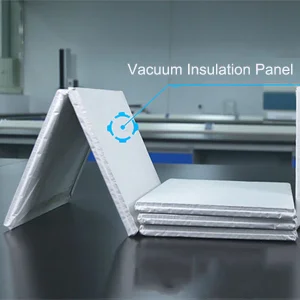
Information Gain Concept: Conventional insulation depends on trapping gas molecules within microscopic pores to block heat transfer. By evacuating this gas entirely, Vacuum Insulation Panels (VIPs) lower gaseous thermal conductivity to zero, dropping the overall thermal conductivity rate down to an ultra-low value of ≤ 0.004 W/(m·K). This allows a 15mm to 30mm VIP core to match or exceed the insulation capacity of a 150mm standard fiberglass wall wrap.
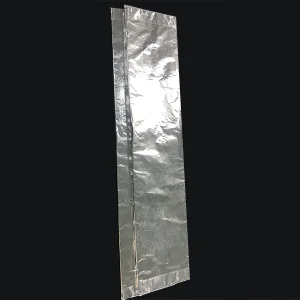
Thermal wall cladding from advanced manufacturers relies on a core material sealed within a high-barrier, gas-tight membrane under a severe vacuum. The choice of core material dictates the lifespan, thermal stability, and safety profile of the panel:
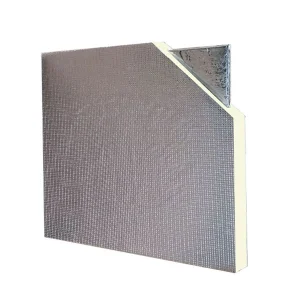
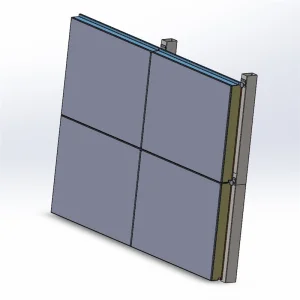
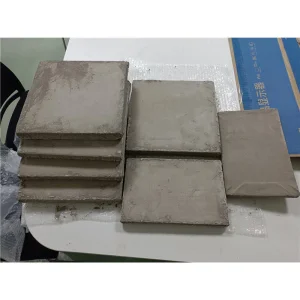
Integrating vacuum panels into building facades requires careful structural engineering. Because VIPs cannot be cut, drilled, or nailed on-site without destroying their vacuum core, manufacturers supply prefabricated unit thermal walls. These combine VIPs with protective layers (such as calcium silicate boards, PU protection frames, or decorative finishing skins) to form drop-in cladding cassettes. Engineers must model point thermal bridges ($\chi$-value) at joints and fixing points to ensure the system delivers consistent, high-performance insulation across the entire envelope.
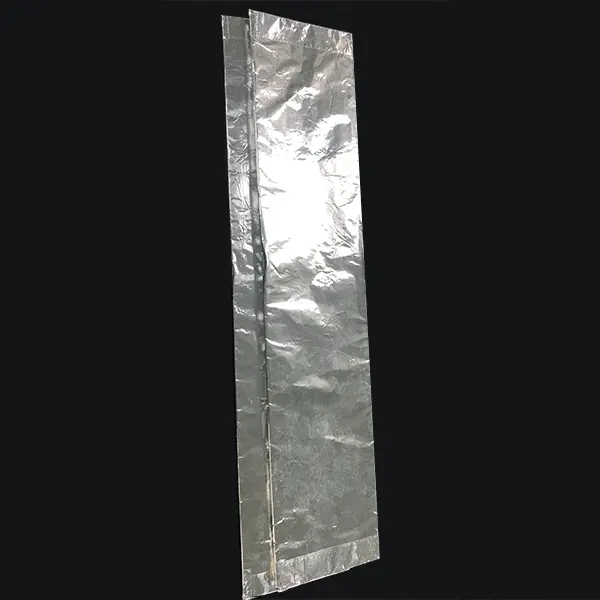
Customized thickness (5-15mm) battery barrier sheets designed for thermal runaway containment and cabin comfort in electric vehicles.
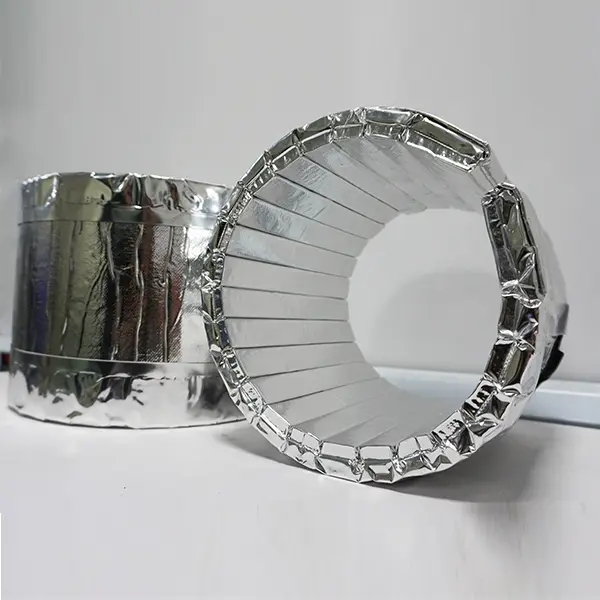
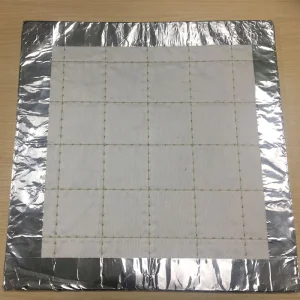
Custom-engineered thermal blankets for high-temperature tanks, optimizing thermal retention and reducing standby energy loss.
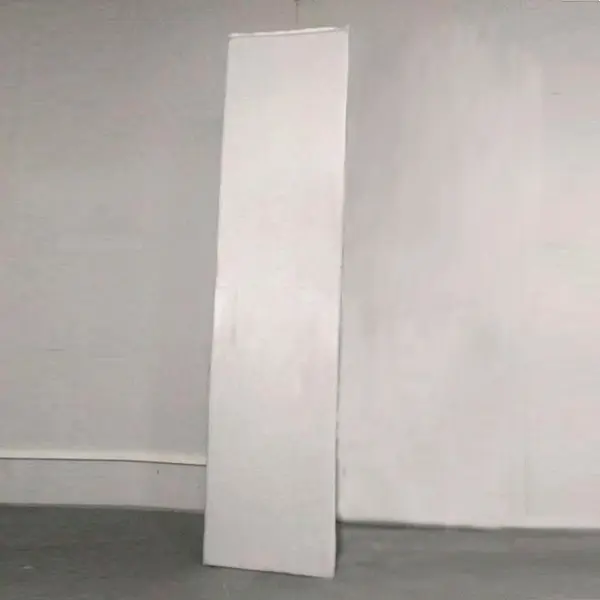
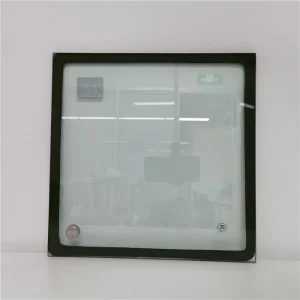
Advanced microporous cores developed specifically for elevator fireproof doors, maintaining high thermal barriers in emergency fire scenarios.
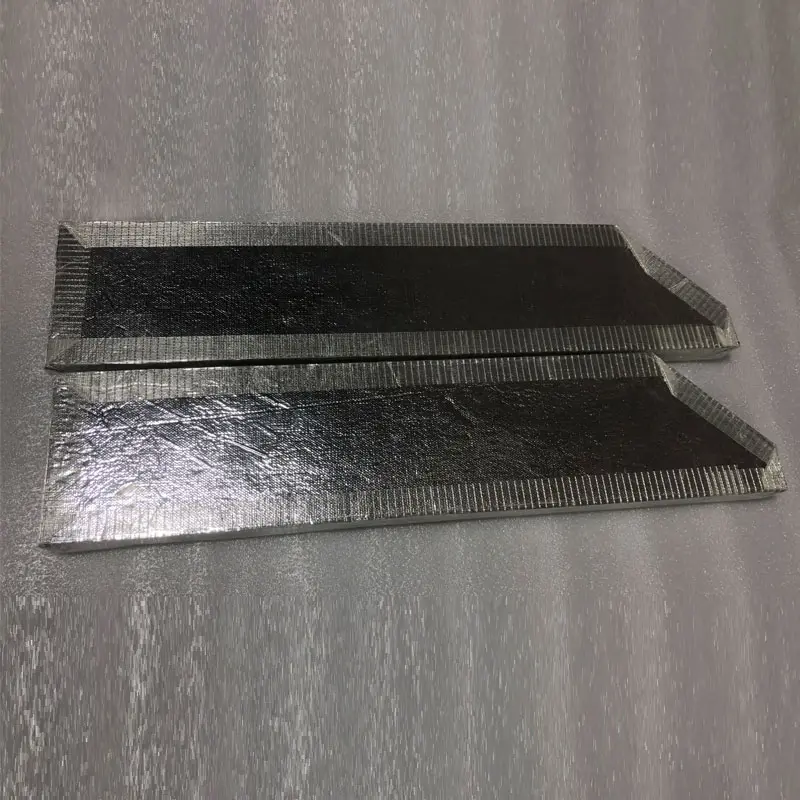
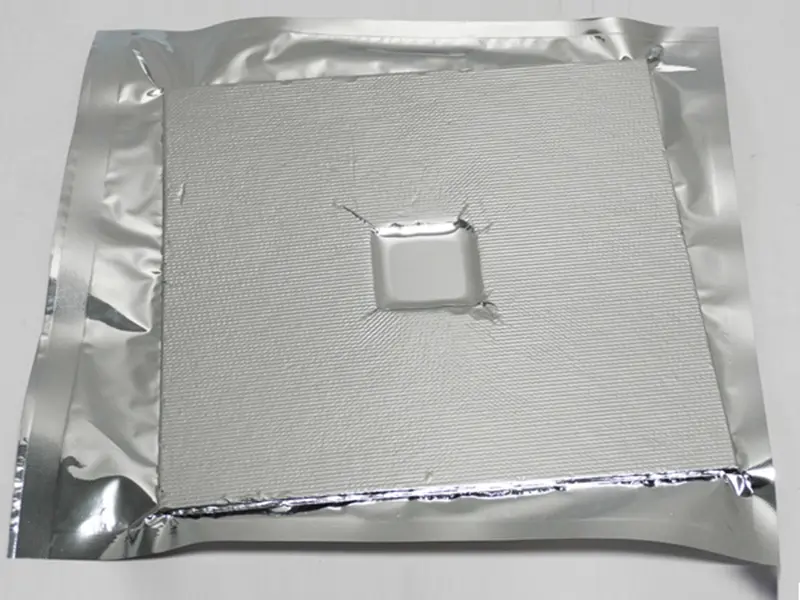
Individually tailored geometries, penetrations, and cutouts protected by PET barrier films to fit irregular architectural or industrial layouts.
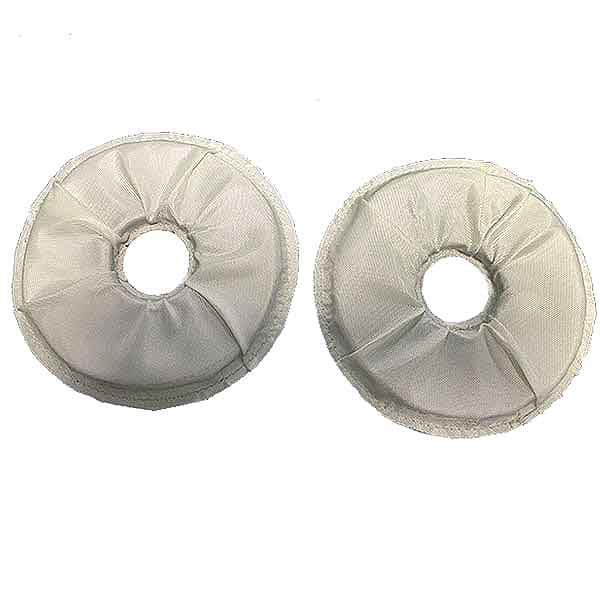
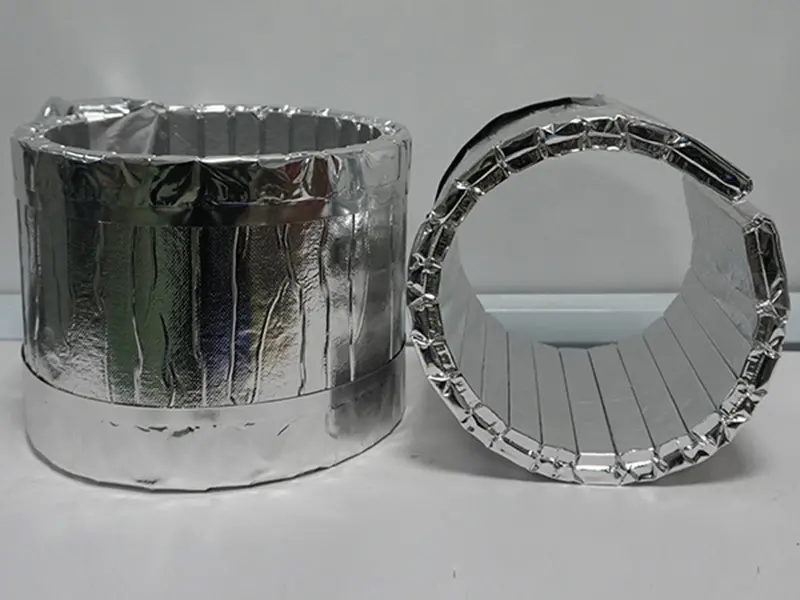
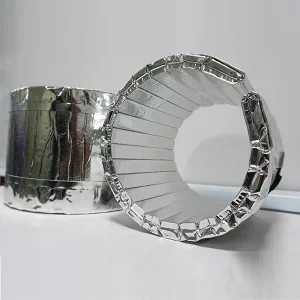
Highly bendable, nano-insulated sleeves designed to insulate piping systems and cylindrical reactor chambers operating under heavy thermal loads.
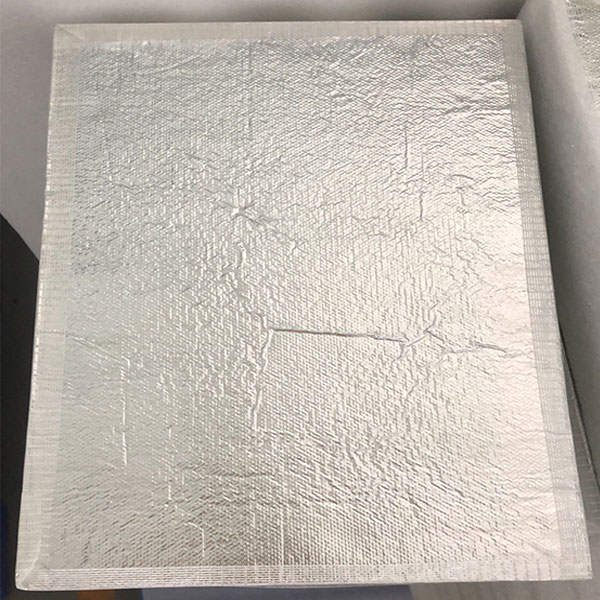
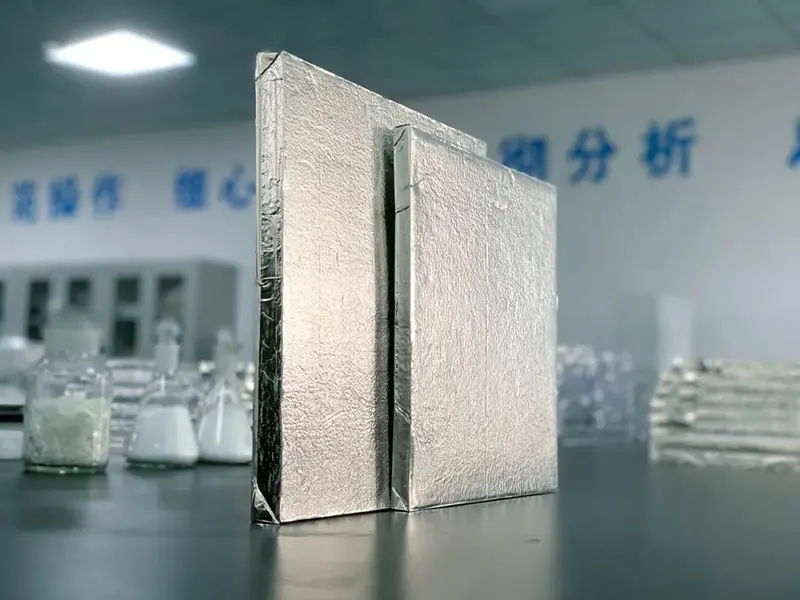
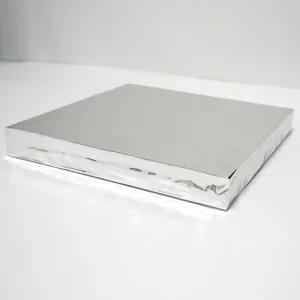
Ultra-insulated standard architectural plates for high-performance facades, roofs, and flooring assemblies.
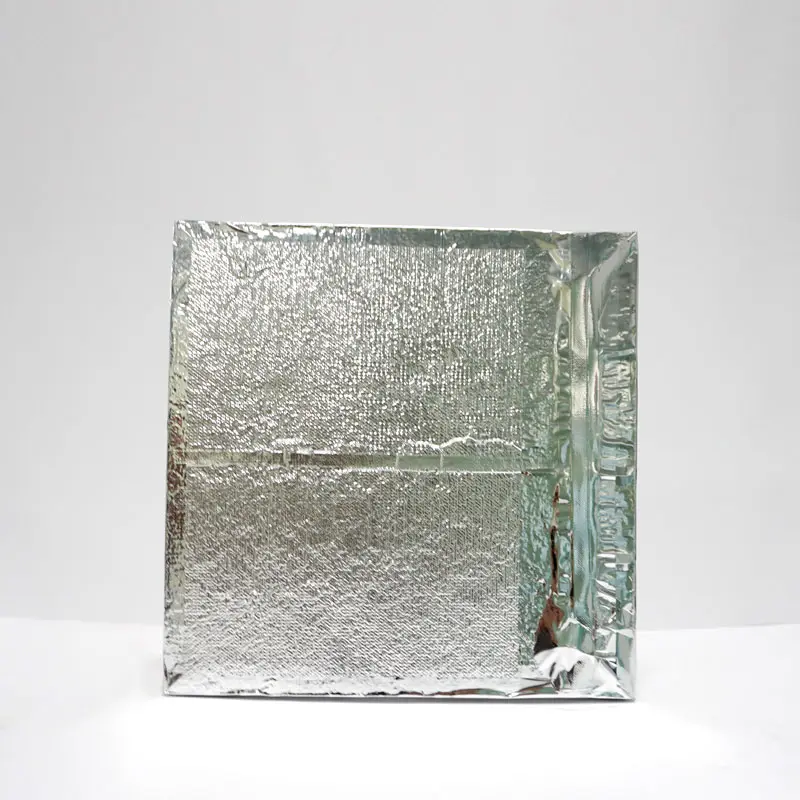
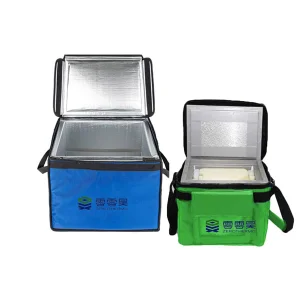
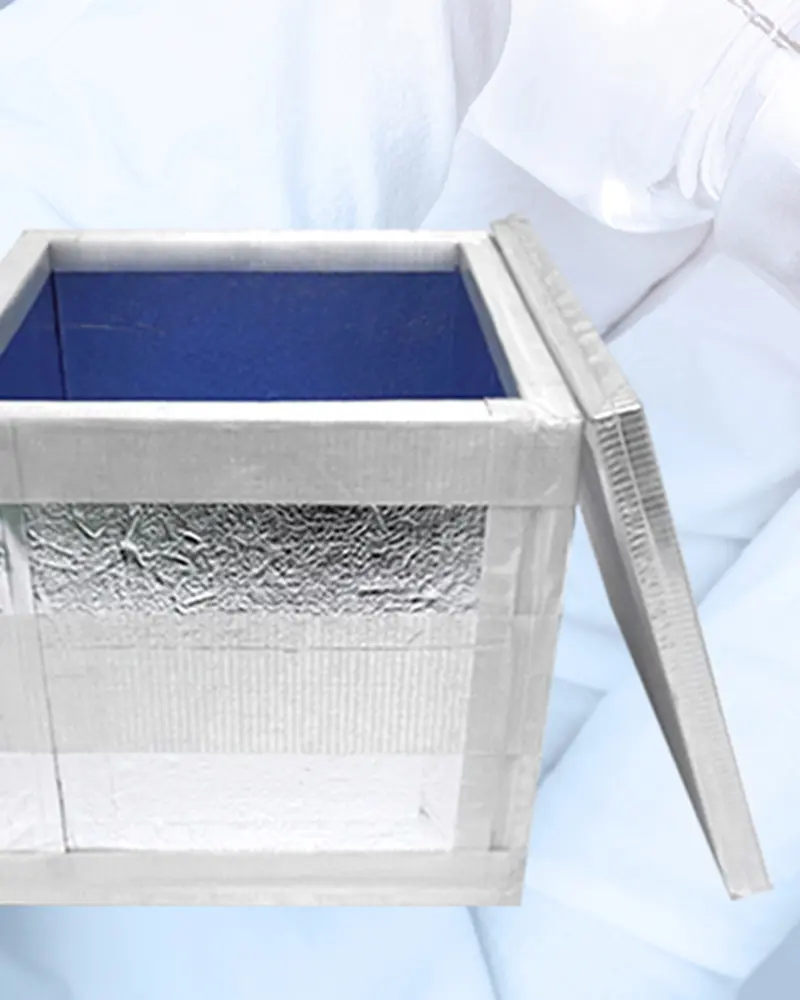
Optimized core boards for cold storage facilities, deep-freeze logistics containers, and temperature-sensitive biological packaging.
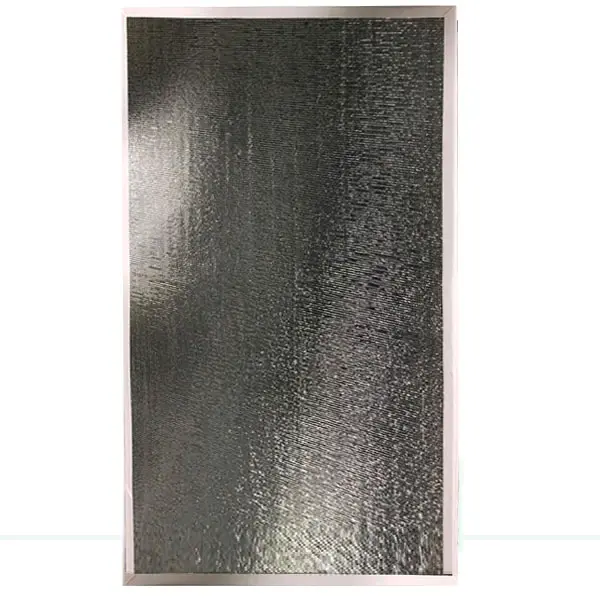
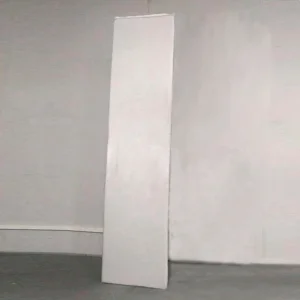
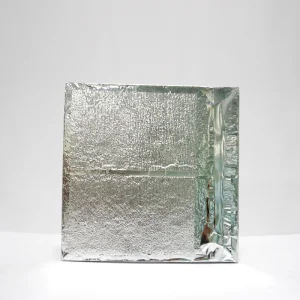
Extra-large format VIP core elements to speed up installation times and reduce joint-related thermal bridging in modular building construction.
Zerothermo Technology Co., Ltd., a proud subsidiary of the CBVAC Group, is a national high-tech enterprise at the forefront of China's vacuum insulation industry. Headquartered in the Beijing Economic-Technological Development Area, we manage our core manufacturing base from Nanchong City, Sichuan Province. This facility stands as one of China’s largest comprehensive production centers for vacuum technology application products, serving global markets with certified thermal wall cladding solutions.

Special sizes (beyond the range of ANSI/ASME/DIN and other standards) are produced according to customers' drawings or technical parameters.

Square, oval, or other special shaped flanges. - Oversize/small diameter: such as diameter over 60 inches or micro precision flanges.

Special sizes (beyond standard ANSI/ASME/DIN boundaries) configured to client drawings and local architectural structural parameters.
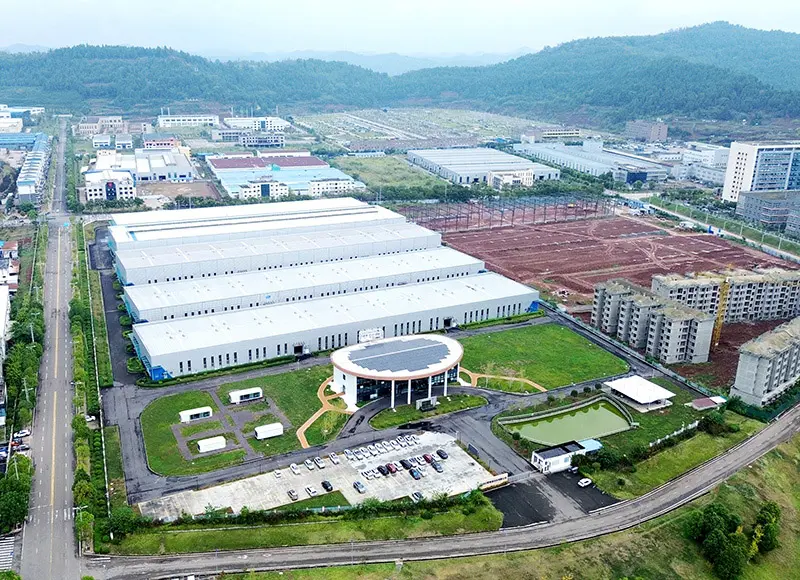
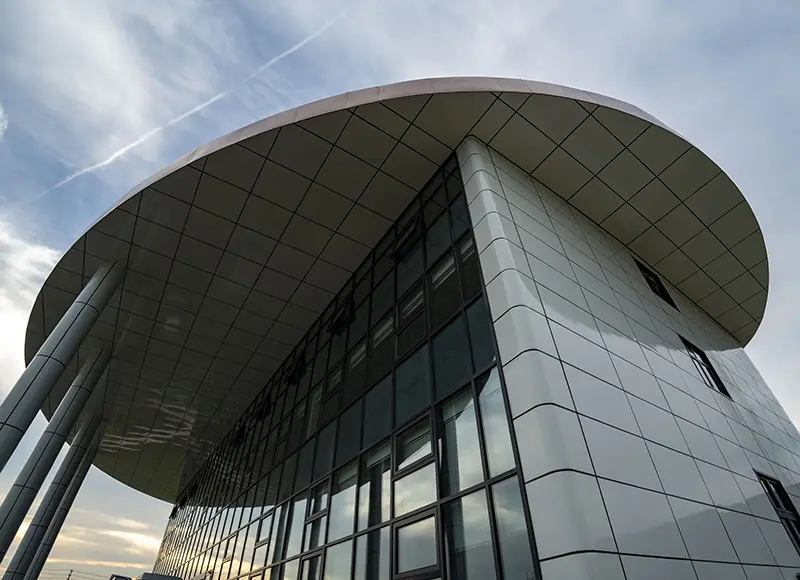
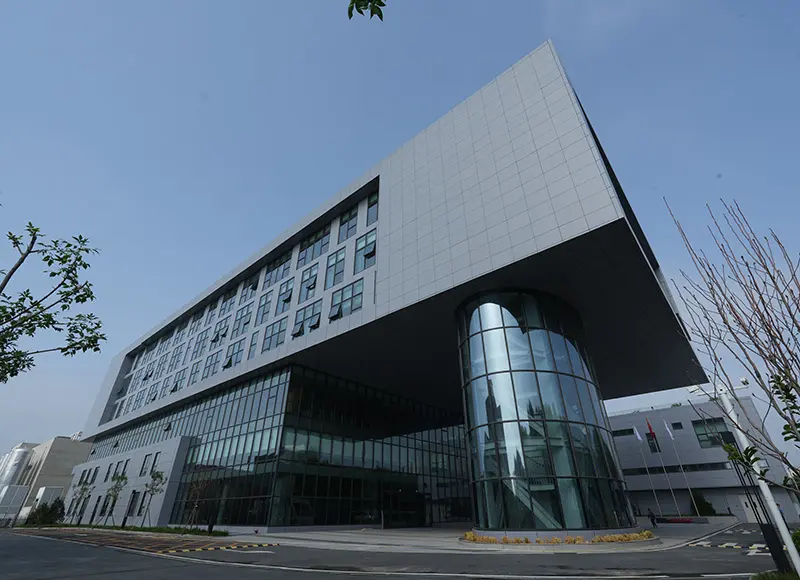


For international B2B procurement managers, sourcing vacuum thermal insulation systems from China offers key advantages in scale, supply chain integration, and cost. Zerothermo Technology provides high-value thermal wall cladding solutions through localized supply networks and large-scale manufacturing centers:
China accounts for a major portion of the global production capacity of fumed silica and barrier films. Sourcing raw materials locally protects our production line from global supply shocks and keeps pricing stable for multi-year contracts.
Our Sichuan production base uses fully automated vacuum encapsulation chambers and in-line gas leakage detection systems. This setup guarantees stable core compression and vacuum levels across large-volume production runs.
Operating under the CBVAC Group, Zerothermo leverages high-volume manufacturing lines that output over 400,000 square meters of vacuum insulation panels annually. This capacity allows us to supply large-scale commercial real estate and cold chain container rollouts without the bottlenecks that smaller manufacturers face.






Our vacuum panels are manufactured under strict ISO 9001 quality standards and comply with CE marking, REACH directives, and international ASTM fire testing regulations.
Specifying high-performance thermal insulation for global building projects requires aligning with local building codes, safety rules, and operational limitations. B2B buyers must review key design factors before placing factory orders:
Our VIP thermal wall systems are engineered to help projects meet standard regional codes, including:
In mid-rise and high-rise commercial structures, non-combustible building materials are a key requirement. While standard polyurethane (PU) and polystyrene (EPS/XPS) insulation require flame-retardant additives, fumed silica is naturally non-combustible. Combined with high-temperature nano microporous panel technologies, Zerothermo VIPs achieve Class A fire safety ratings. This provides an excellent safety margin for elevator shafts, fire doors, and exterior cladding systems.
Installation Tip: Because VIP cores cannot be modified on-site, architects should use a hybrid insulation design. Arrange standard-dimension VIP panels in primary configurations, and fill corner zones or geometric variances with traditional insulation. This approach optimizes the overall thermal performance of the wall envelope while keeping costs in check.
Our engineering team is ready to assist you with system sizing, thermal modeling, and custom fabrications. Reach out to request technical documentation or project pricing.