Advanced Engineering Solutions
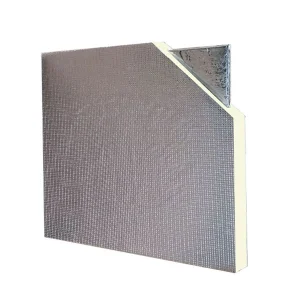
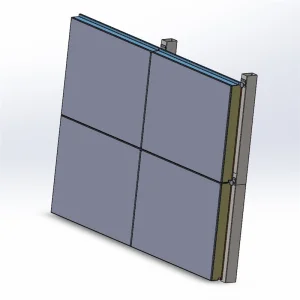
Modern building construction faces the twin challenges of environmental regulations and energy cost volatility. In this context, industrial facilities, distribution centers, and commercial hubs require high-performance cladding systems. Standard roofing options no longer satisfy structural and thermal insulation standards. This is where Sandwich Panel Roof technology engineered with vacuum-insulated cores offers a solution.
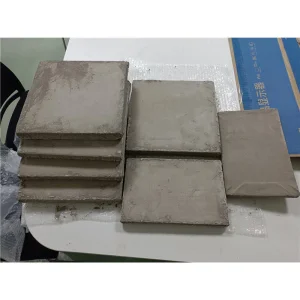
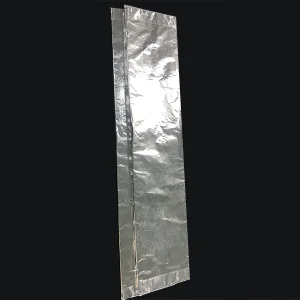
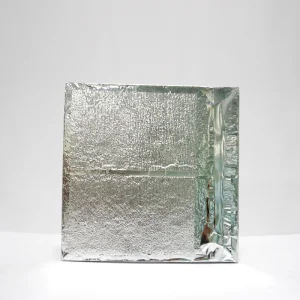
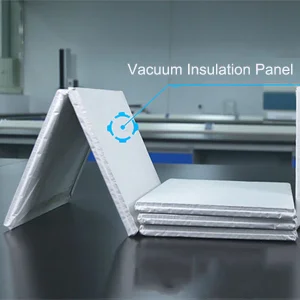
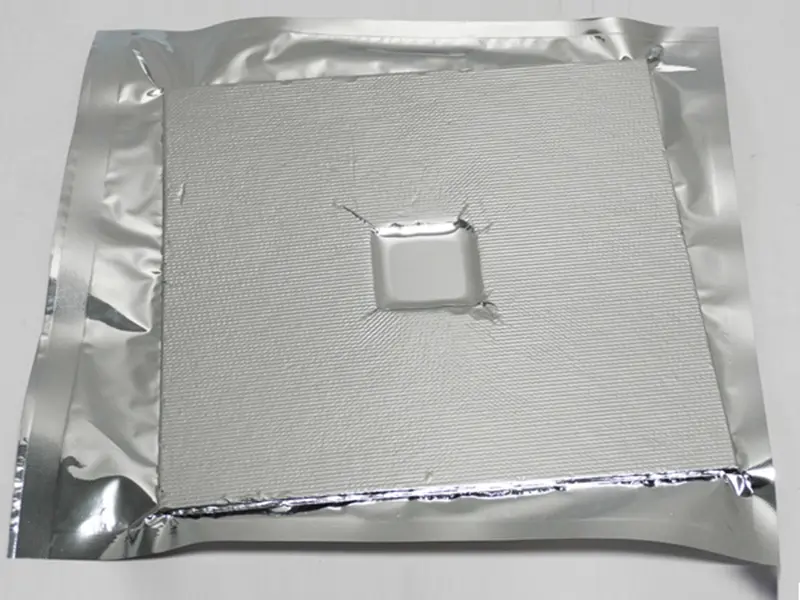
Historically, polyurethane (PU), polyisocyanurate (PIR), mineral wool, and expanded polystyrene (EPS) served as the primary cores for corrugated metal roofing. However, to meet stringent global codes, manufacturers have integrated Vacuum Insulation Panels (VIPs) into these composite structures. By enclosing a microporous core within a gas-tight envelope and evacuating internal pressure, the thermal conductivity can drop to values as low as 0.004 W/(m·K). This exceeds the thermal resistance of traditional insulation materials by a factor of five to ten.
Note: Lower thermal conductivity values directly result in less energy loss through structural thermal bridges.
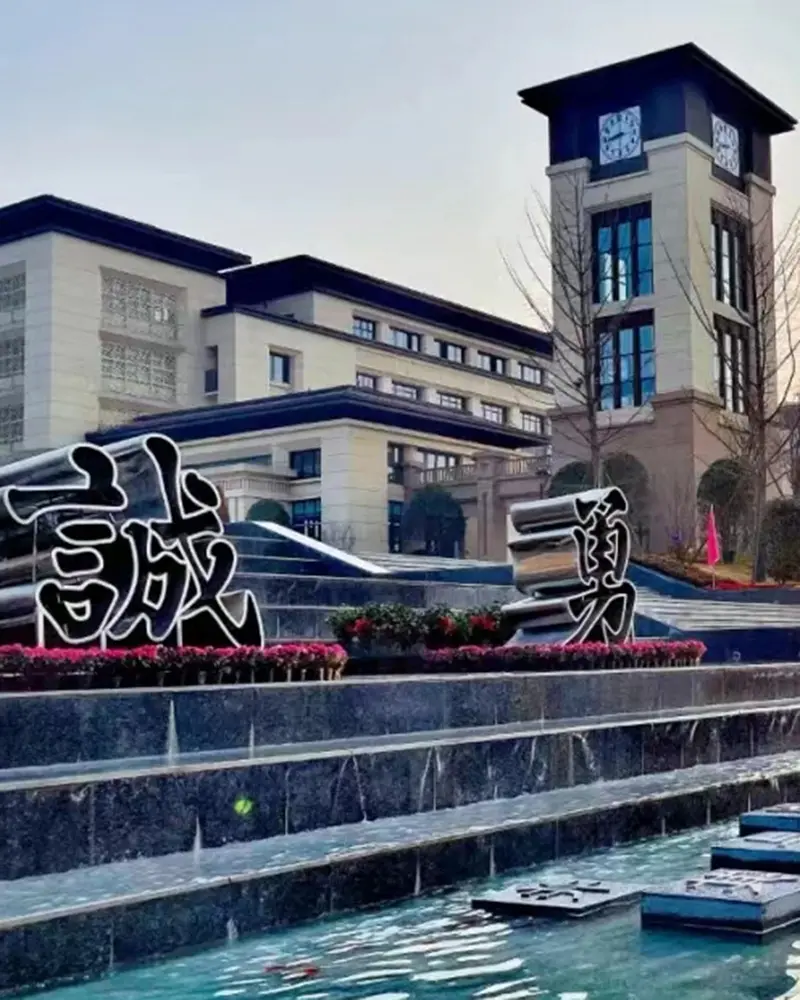
Zerothermo Technology Co., Ltd., a subsidiary of CBVAC Group, is a national high-tech enterprise at the forefront of vacuum technology applications. Headquartered in the Beijing Economic-Technological Development Area, the company maintains its production base in Nanchong City, Sichuan Province. This facility serves as one of China’s largest and most comprehensive manufacturing hubs for advanced vacuum insulation panels, fireproof microporous cores, and tempered vacuum insulated glass.

Custom-engineered sizes extending beyond traditional ANSI/ASME/DIN standards, manufactured to precise custom design drawings.

Custom profiles including square, oval, or oversized configurations exceeding 60 inches, along with high-precision micro-flanges.

Optimized interface components built using premium alloys to ensure structural sealing and system integrity under high vacuum.
By leveraging CBVAC's deep engineering history, Zerothermo has developed automated production methods for fumed silica vacuum insulation panels. These products find application across high-performance architectural systems, cold chain logistics, pharmaceutical transport, and industrial thermal management.
The construction industry is transitioning from passive thermal isolation to active energy-efficient systems. The roadmap for Sandwich Panel Roof technology outlines a clear path: integrating vacuum-based cores with smart interfaces to create multi-functional envelopes.
By using hybrid fumed silica and aerogel cores, next-generation panels maintain a high thermal R-value even under accidental moisture ingress or surface wear, extending their operational lifespan.
Integrating innovative getter materials within the panel core captures trace outgassed molecules over time, ensuring stable vacuum insulation performance for up to 50 years.
Embedding temperature and moisture sensors allows real-time health monitoring of the building's thermal envelope, integrating with building management systems.
Furthermore, research is currently focused on combining VIP panels with photovoltaic roof elements (BIPV). This approach transforms roof coverings into active generators while retaining high thermal resistance to minimize interior HVAC cooling and heating loads.
Industrial applications have diverse requirements depending on their operational profiles. Standard roofs fail to support extreme thermal environments, cold chains, or fire-safety facilities. Below are customized systems matching specific industrial environments:
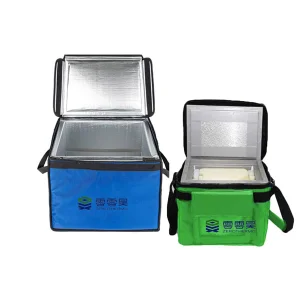
Ensuring precise temperature control in medicine warehouses by eliminating thermal bridge risks. Vacuum insulation panels maintain temperature stability, preventing product degradation and reducing cooling energy demands.
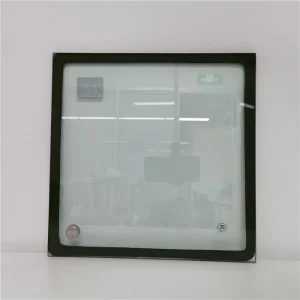
Empowering net-zero emissions structures with vacuum-insulated roofs and tempered vacuum-insulated glass. These systems reduce heating energy losses, supporting efforts to achieve carbon neutrality.
Utilizing high-temperature nano-microporous blankets and fire-resistant materials to insulate industrial kilns, piping networks, and commercial heating systems, reducing overall heat loss.
Protecting structural components in remote modular dome designs and temporary exhibits from environmental degradation while preserving interior comfort through high-performance insulation.
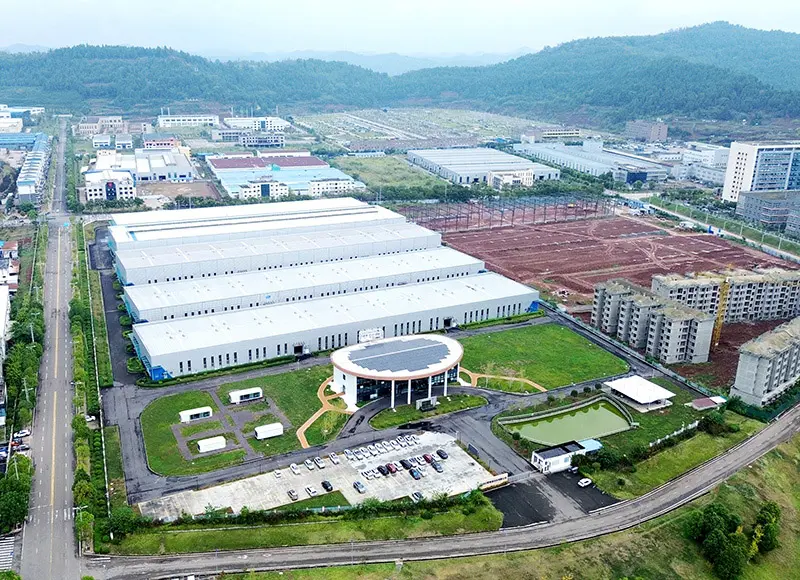
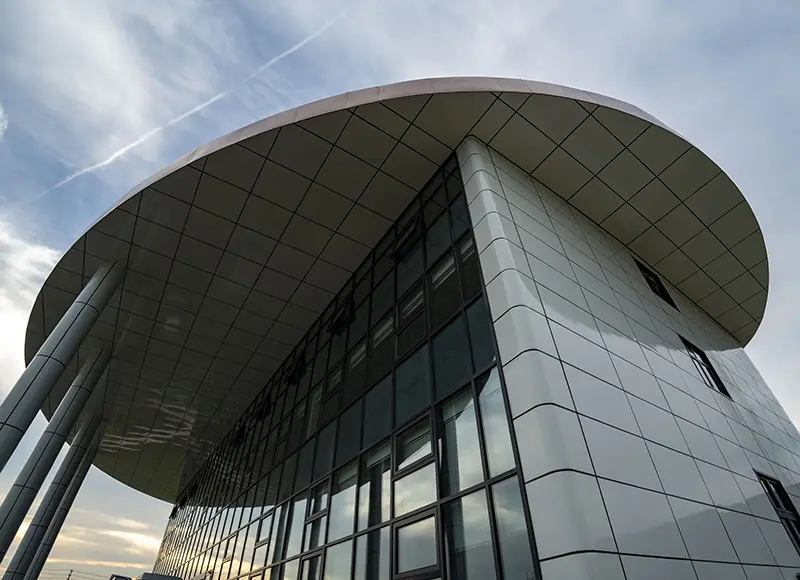
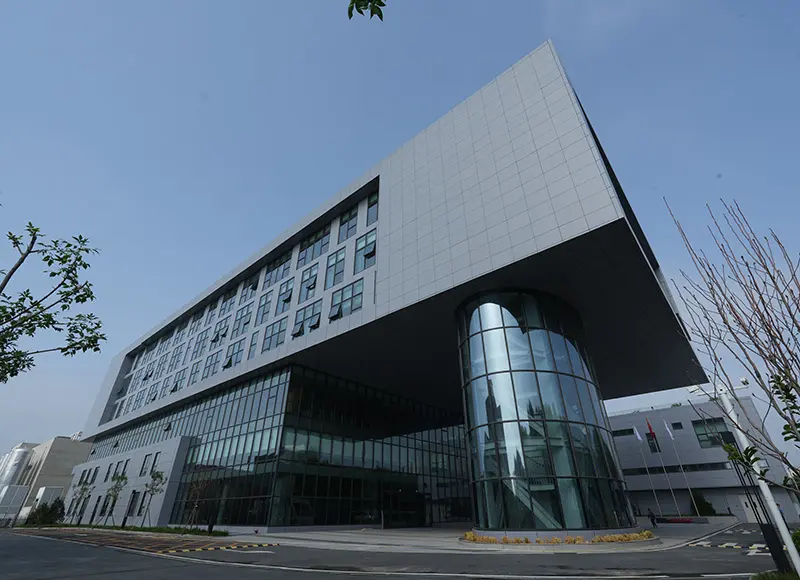
Purchasing building envelopes from Chinese manufacturers involves evaluating both price and supply chain stability. Zerothermo utilizes Factory 4.0 technologies at its Nanchong production facility, ensuring consistency and scale across all products:
Traditional VIP manufacturing relies on manual processing, which can result in inconsistent vacuum levels. Zerothermo's automated vacuum chamber machines maintain precise and uniform evacuation parameters. This approach yields core panels with consistent target internal pressure (< 1 mbar), reducing variations in thermal performance.
Every sandwich roof insulation panel is marked with a unique QR code. This allows tracking of core raw materials, foil batch numbers, pressure levels, and QA testing results throughout the manufacturing lifecycle.
By sourcing fumed silica directly from raw material facilities near the Sichuan plant, shipping costs are kept to a minimum. These local logistics advantages are reflected in competitive project quotes for international developers.
Tailored Configurations
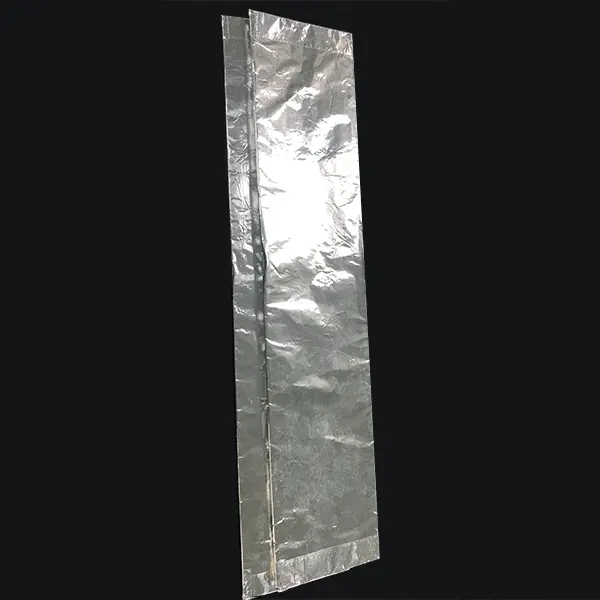
Customized size and thickness (5mm+) designed to prevent battery thermal runaway.
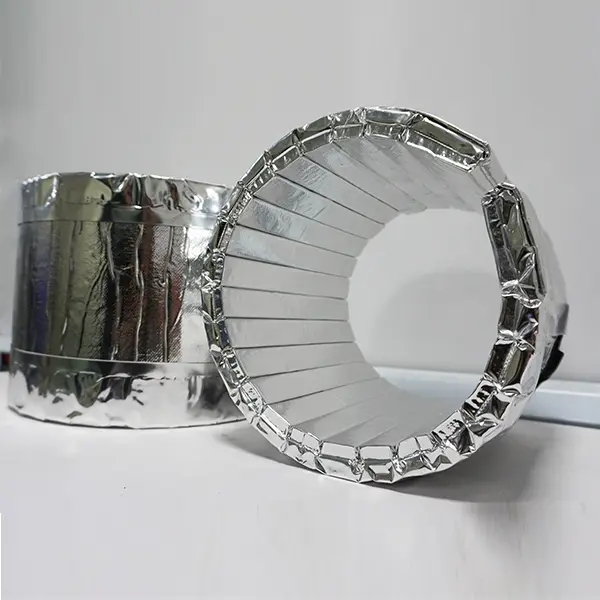
Optimized insulation wraps for commercial and residential high-temp water systems.
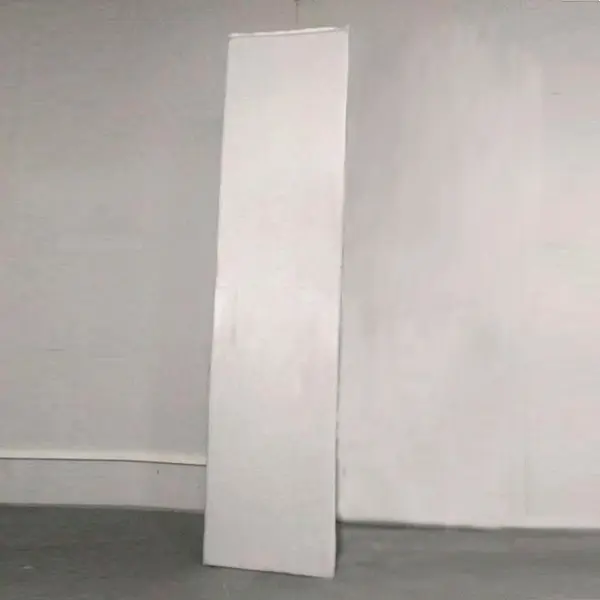
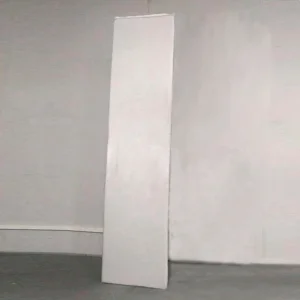
Elevator fireproof door thermal panels engineered for fire containment.
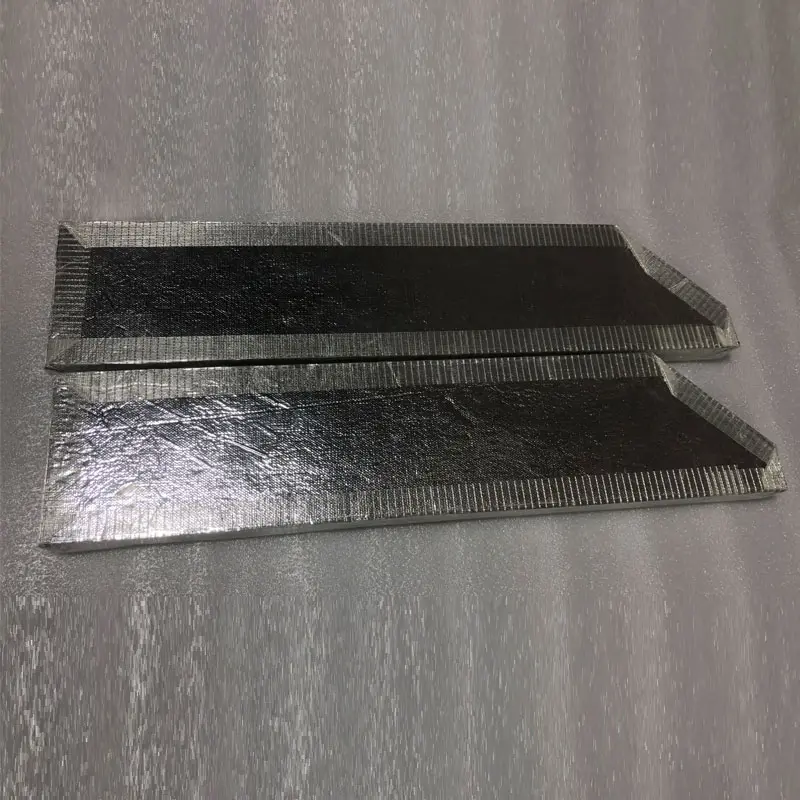
Special vacuum panel profiles designed for non-linear geometries and piping systems.
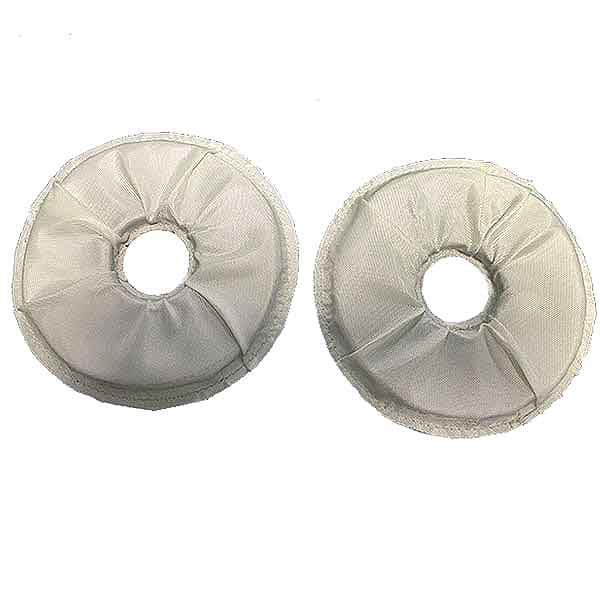
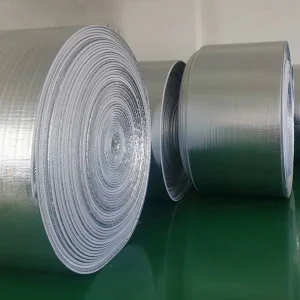
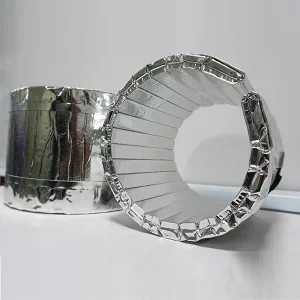
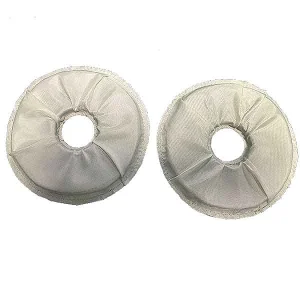
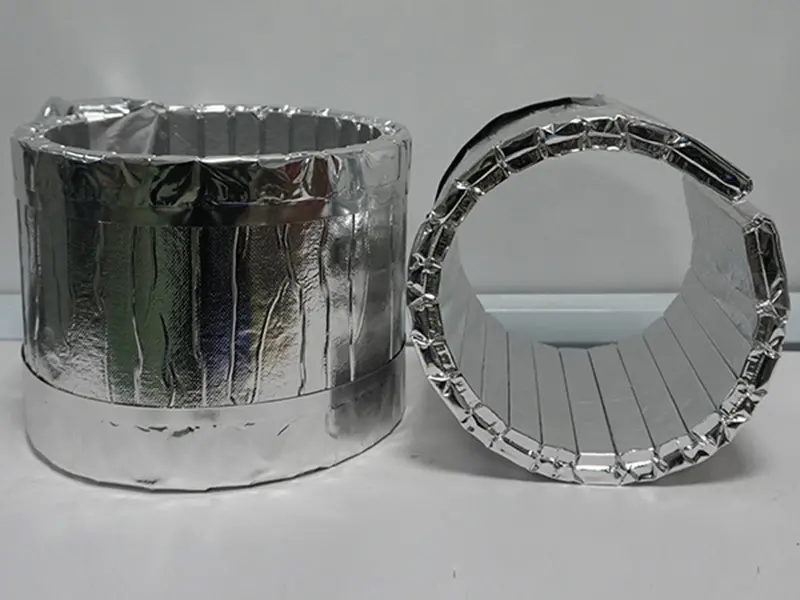
Flexible circular insulation jackets designed for high-temperature pipelines.
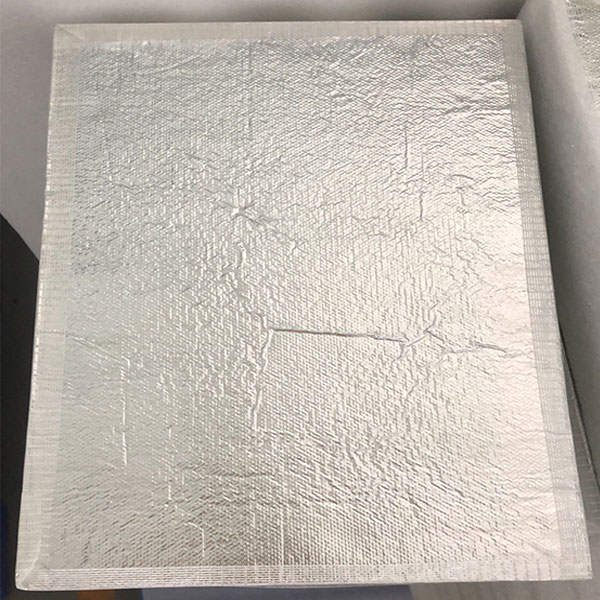
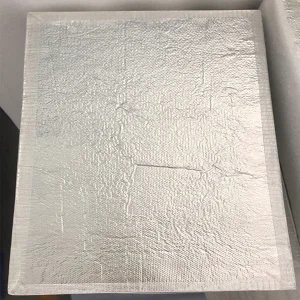
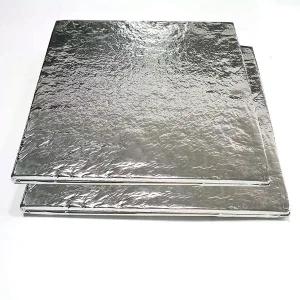
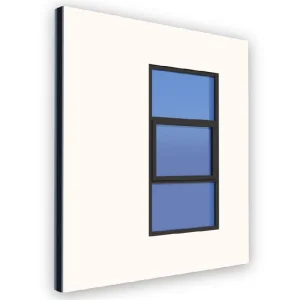
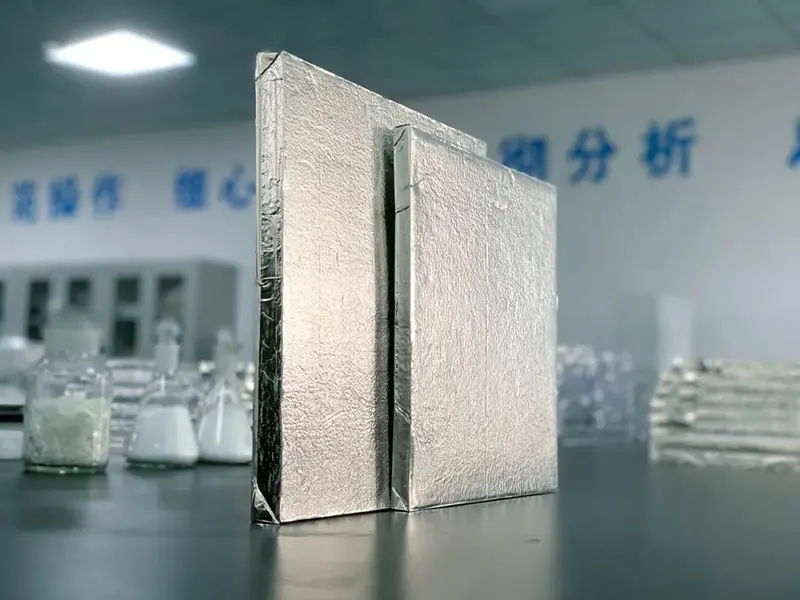
Advanced fumed silica vacuum insulation panel systems designed for building envelopes.
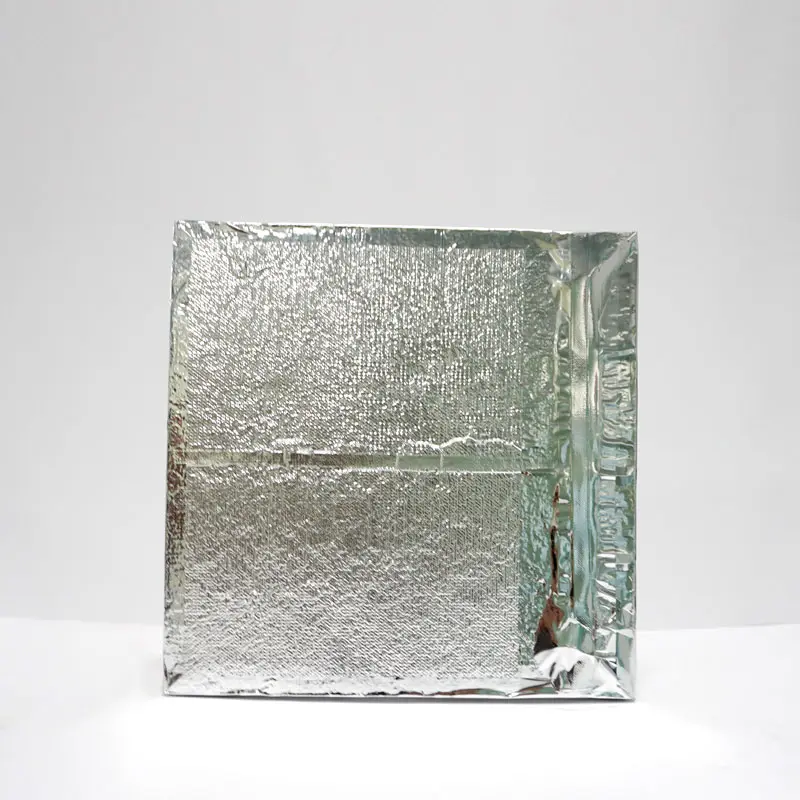
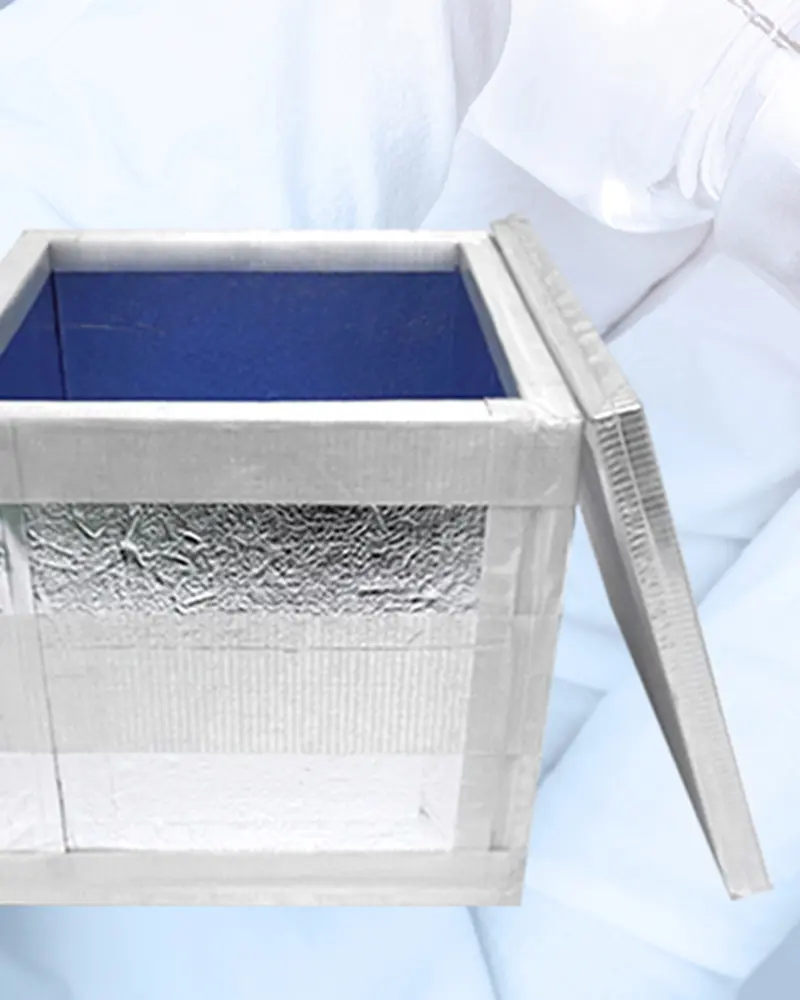
Integrated vacuum panels designed to support cold storage warehouses and transport containers.
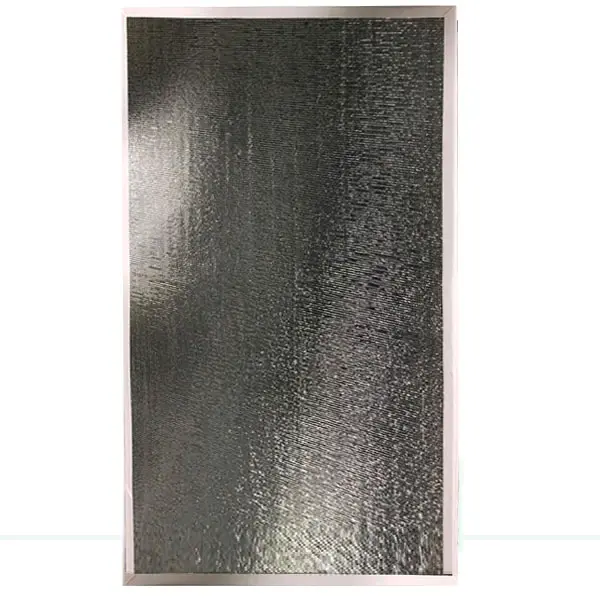
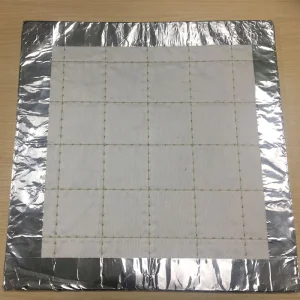
Large format vacuum panels configured for industrial roof assemblies.
When procurement managers request quotes for Sandwich Panel Roof shipments, structural and safety performance parameters are primary considerations. The checklist below highlights key compliance parameters verified during production:
| Technical Spec | Evaluation Parameter | Compliance Standard |
|---|---|---|
| Fire Classification | Flame spread, smoke production, dripping behavior. | EN 13501-1 (Class A1/A2), ASTM E84 (Class A) |
| Thermal Resistance | Aging simulation, long-term thermal resistance (LTTR). | ASTM C518 / ISO 8301 |
| Mechanical Properties | Tensile strength, shear strength, bending capacity. | EN 14509 specifications |
| Acoustic Performance | Airborne sound insulation performance (Rw). | ISO 10140-2 (Up to 28 dB reduction) |
Zerothermo addresses localized regulatory compliance by validating panels through accredited third-party testing agencies before shipping. Our technical department provides comprehensive engineering and support materials, including structural wind-load charts, detailed thermal bridging calculations, and custom joint design details to streamline local building authority approvals.
Case Studies

News & Events
Below are detailed answers to common technical and commercial questions received from design engineers, estimators, and international procurement managers:
Contact our engineering and sales teams to request detailed product quotes, thermal conductivity validation documentation, or layout assistance for your custom architectural projects.


Advanced Cladding & Panel Materials