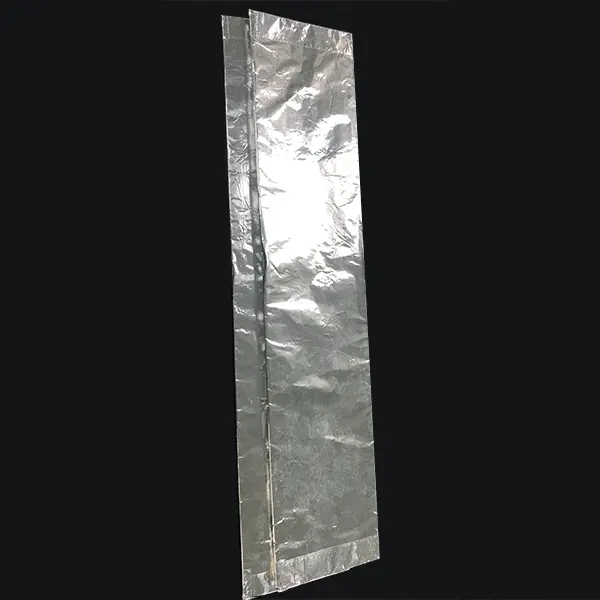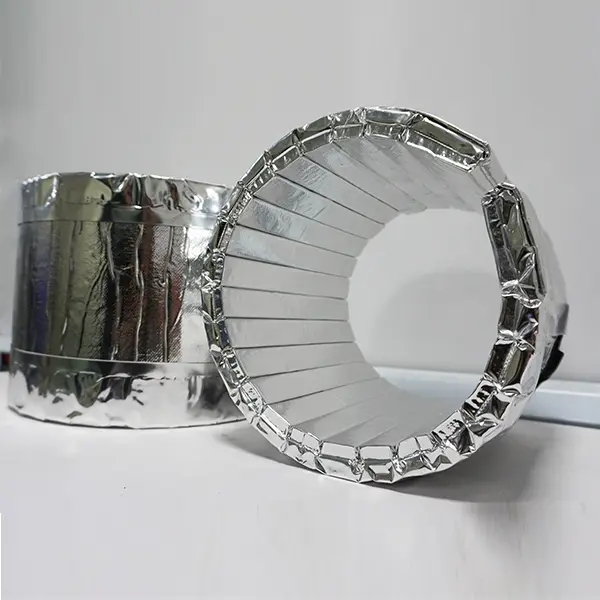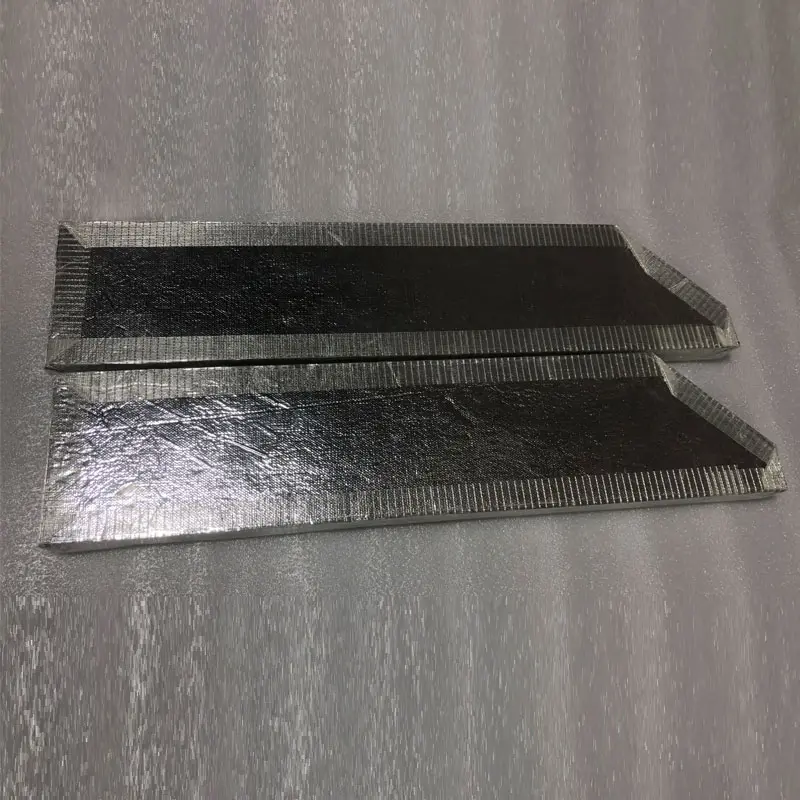
China Reflective Insulation Board Pricelist & Company

State-of-the-Art Thermal Barrier Solutions and Industry 4.0 Custom VIP Manufacturing for High-Performance Industrial Applications

High Performance Materials

Advanced Thermal Insulation Products

Deep-Dive Technical Analysis: The Science of Reflective Insulation & VIP Technologies

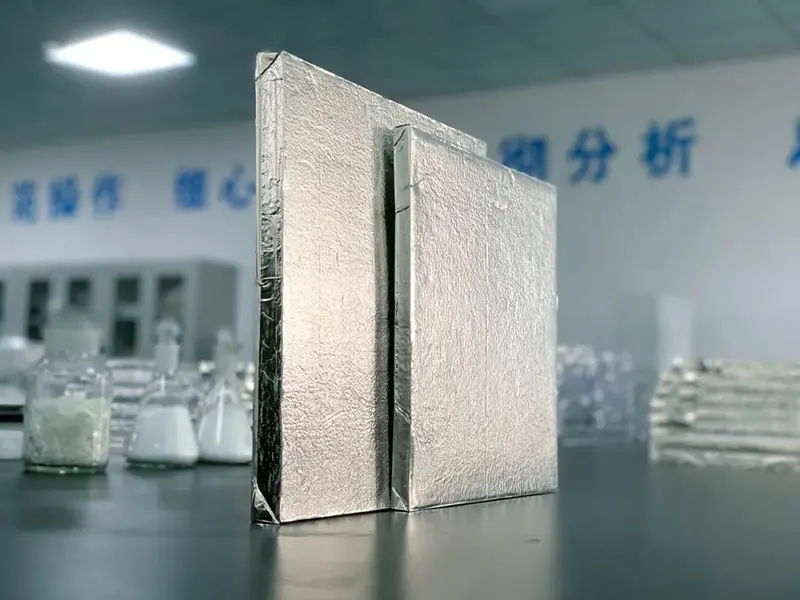
In the era of rapid industrial transformation and global carbon neutrality directives, conventional thermal barriers like EPS, XPS, and mineral wool are increasingly falling short. Engineered systems must combine absolute minimal thickness with unparalleled thermal resistance. Modern reflective insulation boards and vacuum insulation panels (VIPs) are the cutting edge of this design evolution, offering structural configurations that achieve a thermal conductivity rating (λ-value) as low as 0.0035 W/m·K.

The Thermodynamics of Radiant Barriers and Nanoporous Cores

Heat transfer is composed of three components: conduction, convection, and radiation. Reflective insulation boards address these issues through a composite, multi-layered architecture:

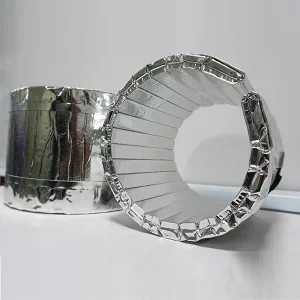
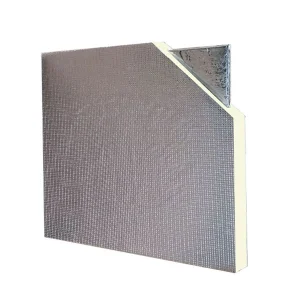
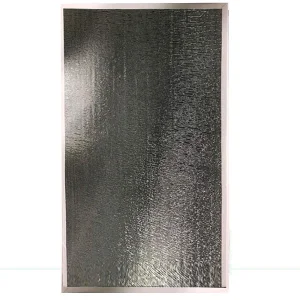
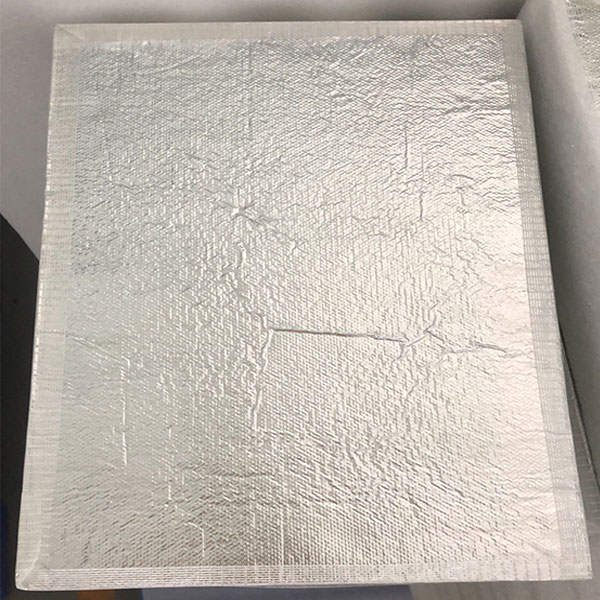
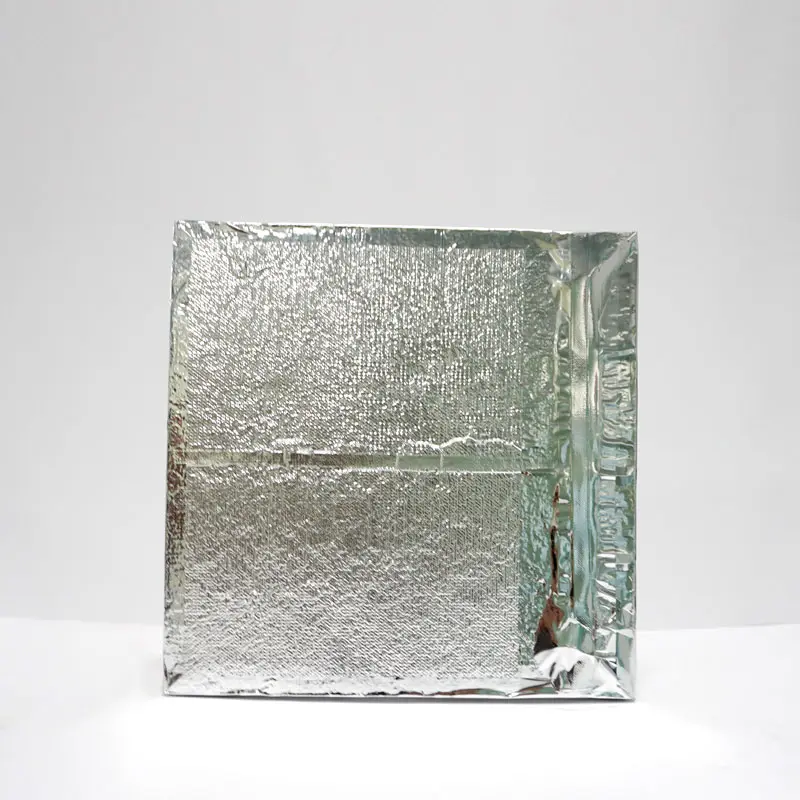
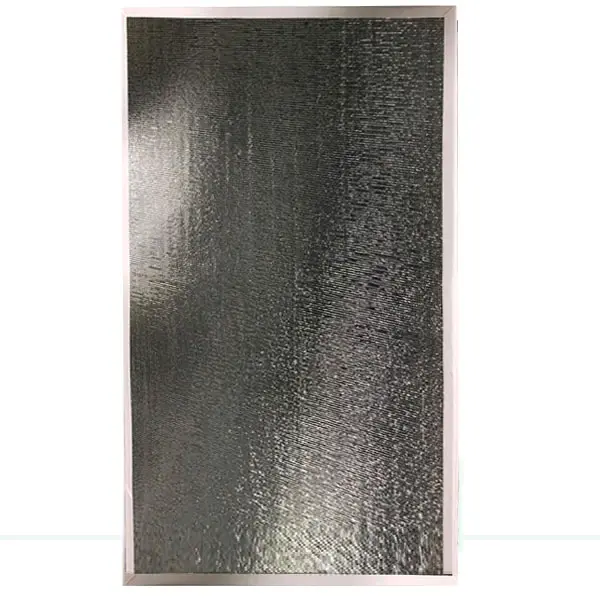
  • Radiant Barrier Performance: Outer layers wrapped in pure aluminum foil or metalized PET films exhibit ultra-low emissivity (ε ≤ 0.03). This allows the surface to reflect up to 97% of radiant heat, serving as a powerful boundary against infrared radiation.
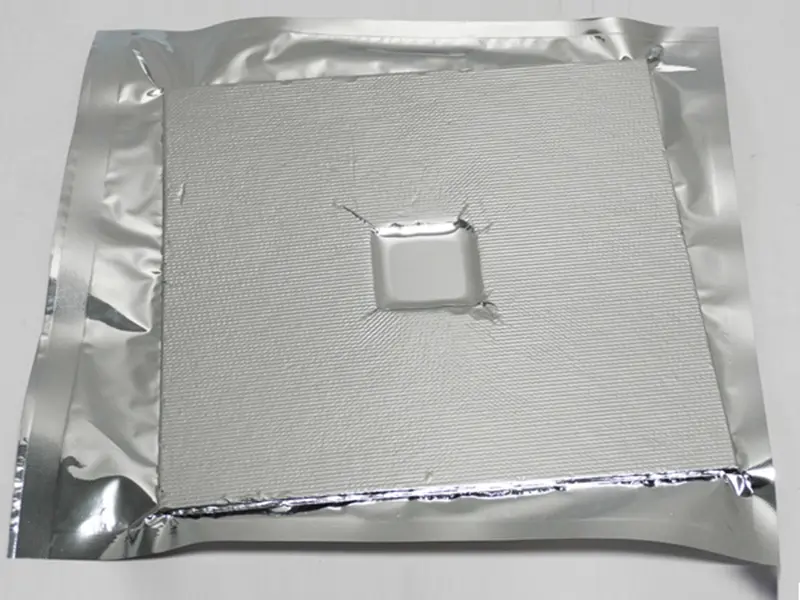
  • Convective Heat Mitigation: By maintaining a vacuum pressure of less than 1 mbar within the envelope of the core, the mean free path of gas molecules becomes limited. Convective gas heat transfer inside the board is reduced to zero.
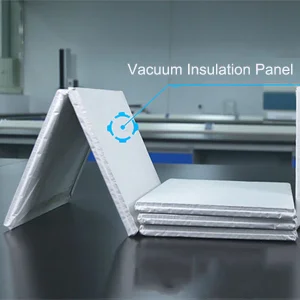
  • Conductive Minimization via Fumed Silica: The core material, composed of nanoporous fumed silica, features a pore structure smaller than the mean free path of air at atmospheric pressure (approximately 70 nm). Even in cases of micro-seepage over a long operational lifespan, the structure restricts conductive heat transfer through gaseous pathways (known as the Knudsen Effect).

Global Procurement Trends and Customization Priorities

Procurement teams within the pharmaceutical cold chain, architecture, and automotive sectors are shifting away from off-the-shelf insulation components. Instead, they demand highly customized solutions. They seek customized geometries, special-shaped vacuum panels, and specific temperature limits (ranging from cryogenic storage at -196°C up to industrial high-temperature zones exceeding 1000°C). Selecting the right reflective board requires understanding the balance between core thickness, film durability, raw material purity, and the overall lifecycle cost.

WHO WE ARE?

Zerothermo Technology

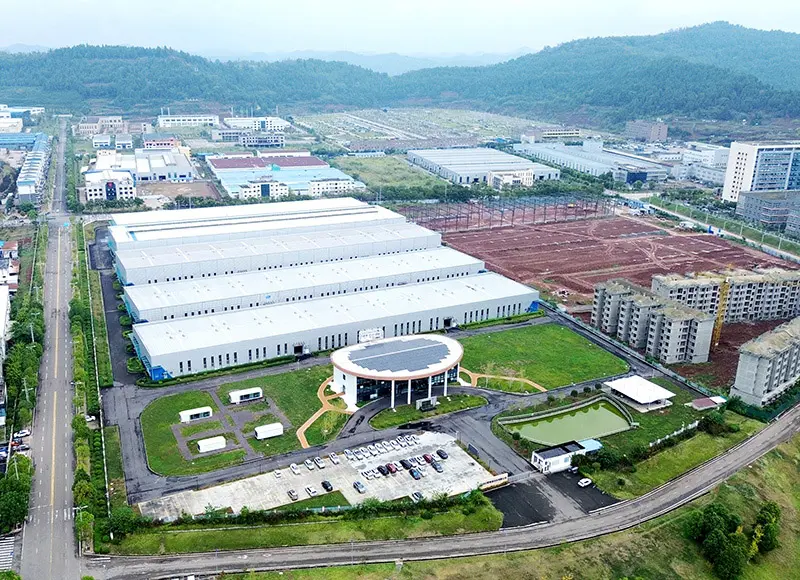
Zerothermo Technology Co., Ltd., a subsidiary of CBVAC Group and a national high-tech enterprise, is headquartered in the Beijing Economic-Technological Development Area with its production base located in Nanchong City, Sichuan Province. This facility stands as one of China’s largest comprehensive production centers for vacuum technology application products.

Engineering Capabilities:

Specializing in custom sizes beyond the range of standard specifications (ANSI/ASME/DIN flanges, non-standard shape parameters, oval/square structures, and oversized diameters exceeding 60 inches).

Non-standard flanges Shaped flanges Oversize flanges
330
Patented Technologies
1100
Key Equipment Units
3+
Global Production Centers
400k+
Annual Capacity (m²)

Core Competitiveness

Unlocking Efficiency and Value

01
World-Class Quality

World-Class Quality

Unparalleled compliance standards across ISO 9001 and CE frameworks.

02
Custom-Tailored Solutions

Customized Design

Swift execution of customized layouts, shapes, and complex designs.

03
Scalable Production

Scalable Production

Massive volume capabilities with uncompromised thermal quality control.

04
Streamlined Logistics

Streamlined Logistics

Integrated global transport and distribution networks.

05
Long-Term Partner

Long-Term Partner

Committed to technical support and post-sale design iterations.

China Industry 4.0: Supply Chain Resilience & Manufacturing Advancements

Procuring reflective insulation boards and vacuum core structures from China offers more than just unit cost savings. The true strategic value lies in supply chain integration and Industry 4.0 automation. The Zerothermo manufacturing plant in Nanchong, Sichuan Province, features advanced, automated vacuum production lines that reduce human error and minimize gas-leakage risks in finished panels.

Advanced Quality Testing Protocols

Each production run goes through strict quality control processes. Every VIP panel undergoes a laser thermal conductivity scan and density validation. The raw fumed silica is processed through multi-stage drying chambers to remove moisture down to ppm levels. This prevents internal outgassing over years of field application. Additionally, we integrate high-performance getters within the panels to maintain interior vacuum levels for over 50 years.

Cost Optimization Matrix & Pricing Model

In thermal insulation procurement, the initial cost is only one part of the equation. Understanding how raw materials impact price is key:

  • Raw Material Formulation: Fumed silica core formulations are more expensive than fiberglass alternatives, but they offer stable performance and are non-hazardous, which is essential for pharmaceutical and residential applications.
  • Envelope Film Specifications: Standard laminated PET films are cost-effective for indoor architectural projects. However, high-durability aluminum foil laminates are required for outdoor construction, underground insulation, and battery casings to prevent vapor transmission.
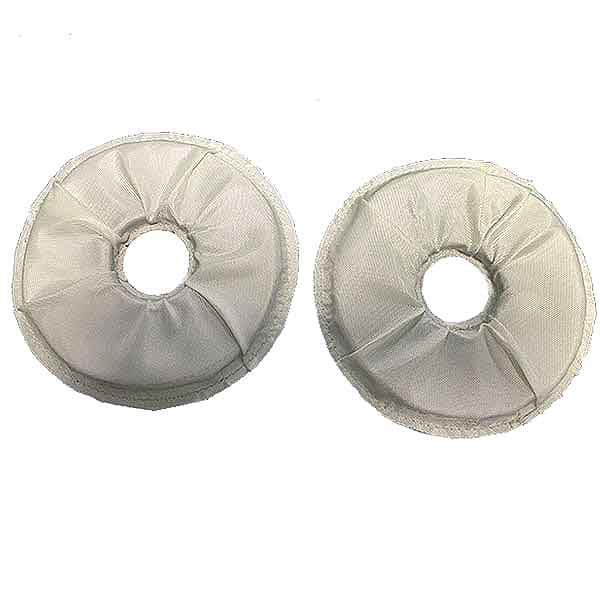
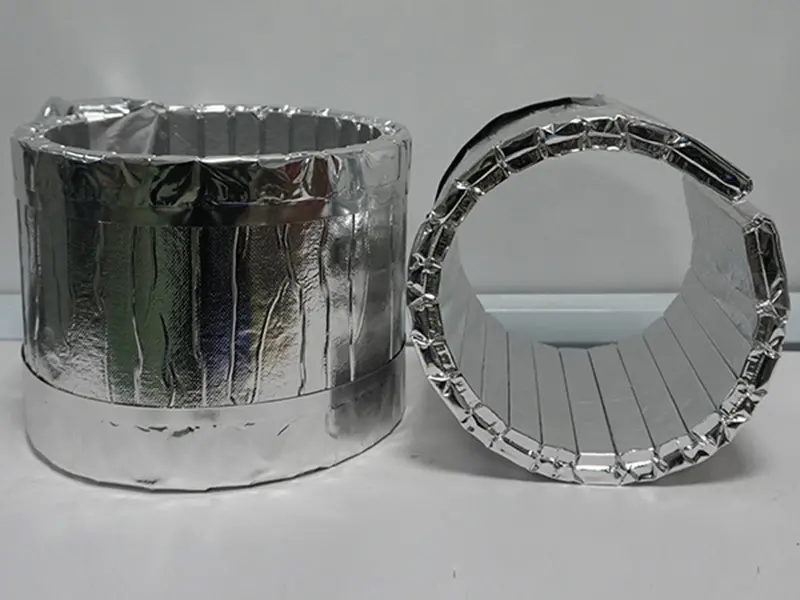
  • Custom Edge Sealing: Customized profiles (L-shapes, U-shapes, or circular cutouts) require specialized sealing frames and adjusted vacuum chamber cycles, which affects pricing.

Versatile Thermal Engineering

Targeted Industry Applications

Pharmaceutical Cold Chain

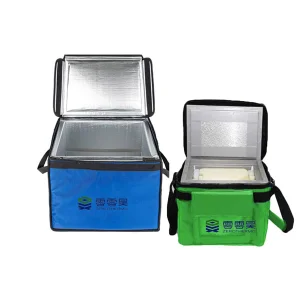
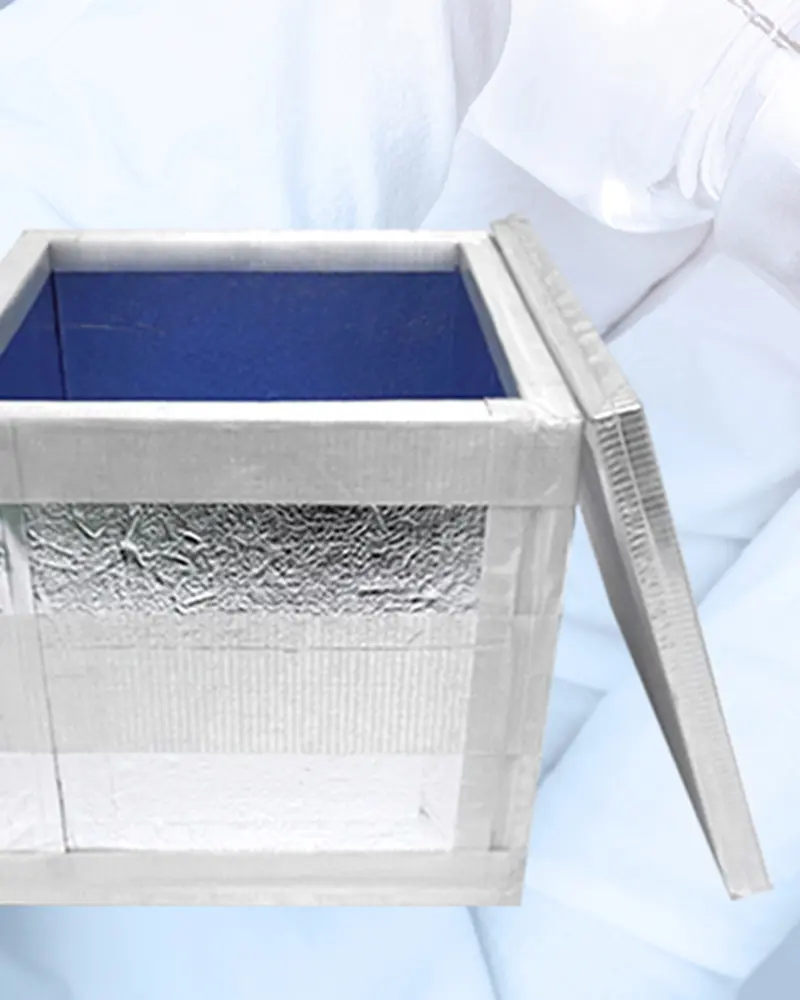
Provides thermal insulation performance for shipping containers and storage boxes, maintaining precise ultra-low temperature environments for vaccine and medical logistics.

Architecture & Construction

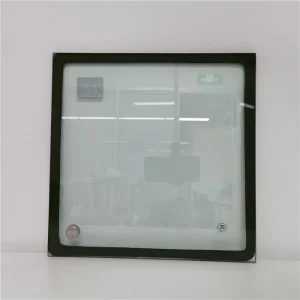
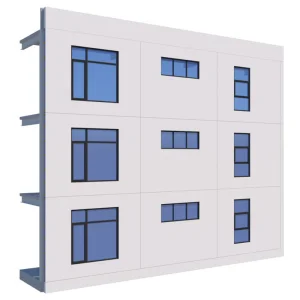
Delivers high-efficiency thermal barriers for building envelopes through vacuum insulation panels and insulated glass, helping the construction sector reduce carbon emissions.

High-Temperature Industry

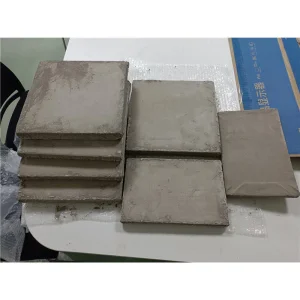
Microporous and nanostructured insulation panels provide thermal protection for industrial ovens, laboratory furnaces, and fire doors.

Culture and Tourism

Thermal panels support outdoor mobile shelters, cabins, and modular glass structures, ensuring energy-efficient heating and cooling in extreme climates.

Cold Chain Core

Pharmaceutical Cold Chain

Building Envelope

Architecture

Industrial Furnace Isolation

High-Temperature Industry

Tourism cabins

Culture and Tourism

Success Stories

Global Project Cases

MultiMicro Tech Project

MultiMicro Technology

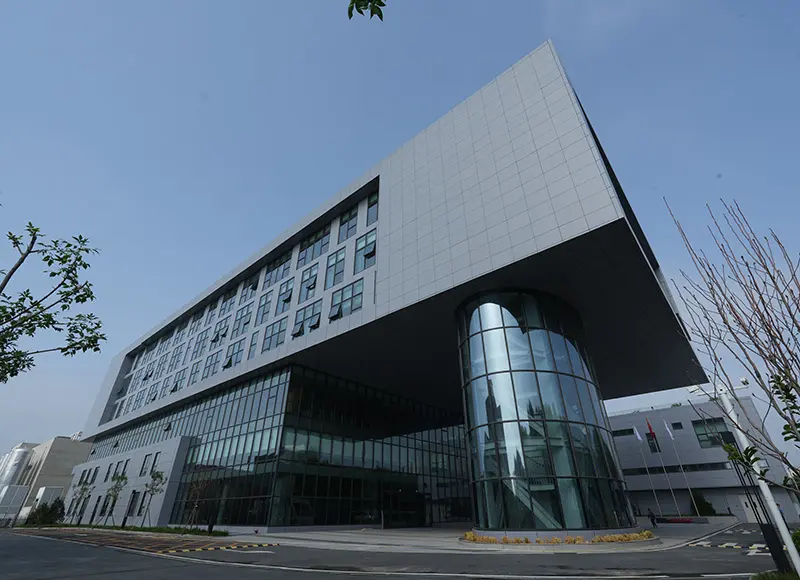
Industrial Clean Room Application

Industrial Clean Rooms

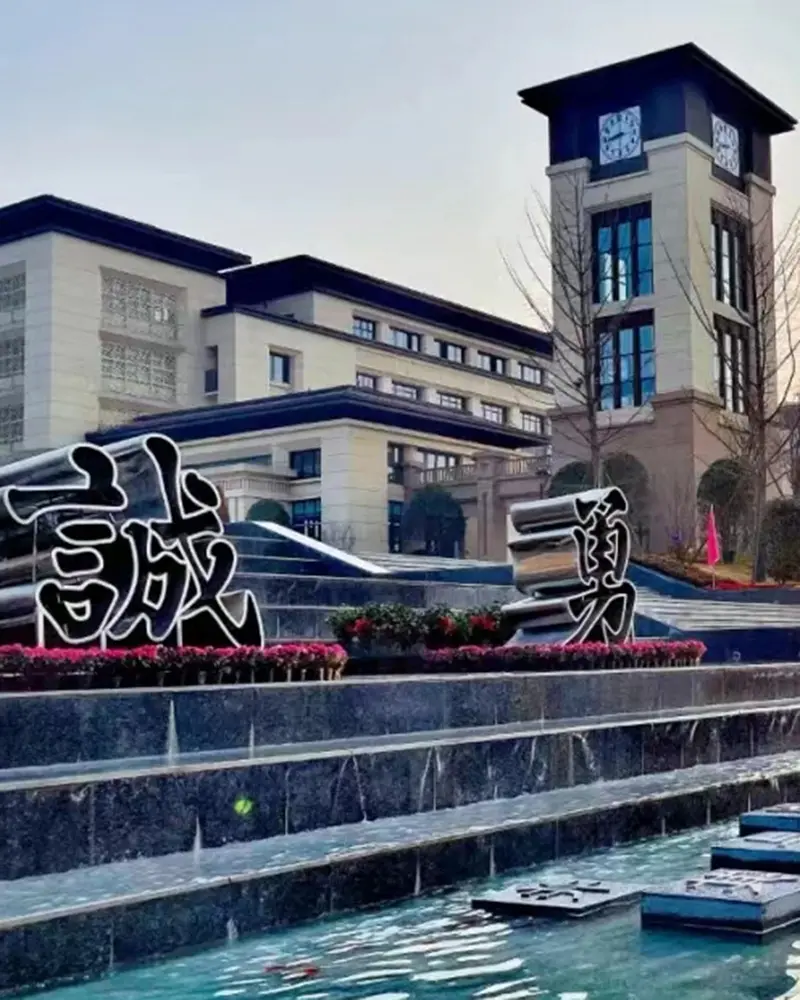
Nanchong High School Building

Nanchong High School

Vaccine Cooler Boxes Batch

Vaccine Insulation Boxes

Explore More Cases

Frequently Asked Questions

Technical & Commercial FAQ

What is the typical lifespan of a Fumed Silica Vacuum Insulation Panel (VIP)?
Under standard operating conditions within wall envelopes or shipping boxes, our fumed silica VIPs are designed to maintain their thermal barrier performance for over 50 years. This longevity is supported by high-quality barrier films and getters that absorb moisture and air molecules over time.
Can these reflective insulation boards be cut or modified on-site during installation?
No, vacuum insulation panels (VIPs) cannot be cut, drilled, or structurally modified on-site, as puncturing the outer envelope will release the vacuum and reduce the panel's thermal resistance to that of atmospheric silica. This is why we offer comprehensive custom sizing and geometric configurations during the manufacturing phase.
How do reflective aluminum layers improve the performance of a vacuum insulation panel?
The reflective aluminum layer reflects up to 97% of radiant heat waves. When combined with the vacuum core (which stops conductive and convective heat transfer), the panel addresses all three forms of heat transfer, providing maximum insulation efficiency.
What factors affect the price list of your reflective insulation panels?
Pricing is primarily determined by: core material chemistry (fumed silica vs fiberglass), envelope film construction (multi-layer laminate film vs standard aluminum foil), size requirements (custom shapes and sizes involve higher manufacturing prep costs), and order volume. For bulk orders, we offer tier-structured price discounts.

Contact Us

Request a Custom Thermal Solution

Zerothermo provides thermal analysis, structural design assistance, and rapid custom prototyping. Contact our engineering team for detailed technical quotes, bulk price lists, or sample kits.

  • Social Icon 1
  • Social Icon 2
  • Social Icon 3
  • Social Icon 4