

In modern architecture, mechanical systems, and refrigeration sectors, the optimization of energy utilization is no longer merely a method to reduce utility bills; it is an absolute mandate driven by the global transition toward decarbonization and strict carbon-neutrality frameworks. Building envelopes and mechanical Heating, Ventilation, and Air Conditioning (HVAC) systems represent the single largest block of energy consumers globally. Within these structures, heat transport via thermal conduction, convection, and radiation must be restricted using high-performance insulation technologies.
The global transition from legacy bulk insulation materials (such as standard glass wool, mineral wool, and expanded polystyrene) to advanced thermal technologies marks a paradigm shift. Today's commercial buildings, industrial facilities, and cold chain logistics providers demand insulation systems that provide maximum thermal resistance (R-value) with minimal physical thickness. This is where Vacuum Insulation Panels (VIPs) and Nano Microporous Insulations come to the forefront. These materials offer thermal conductivity (k-value) ratings as low as 0.002 to 0.005 W/m·K, which is nearly ten times more efficient than traditional polyurethane foam or fiberglass board solutions.
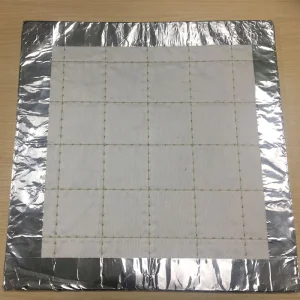
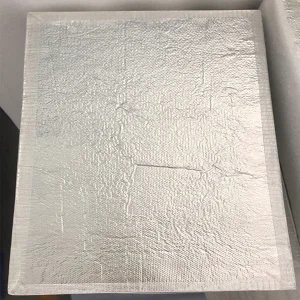
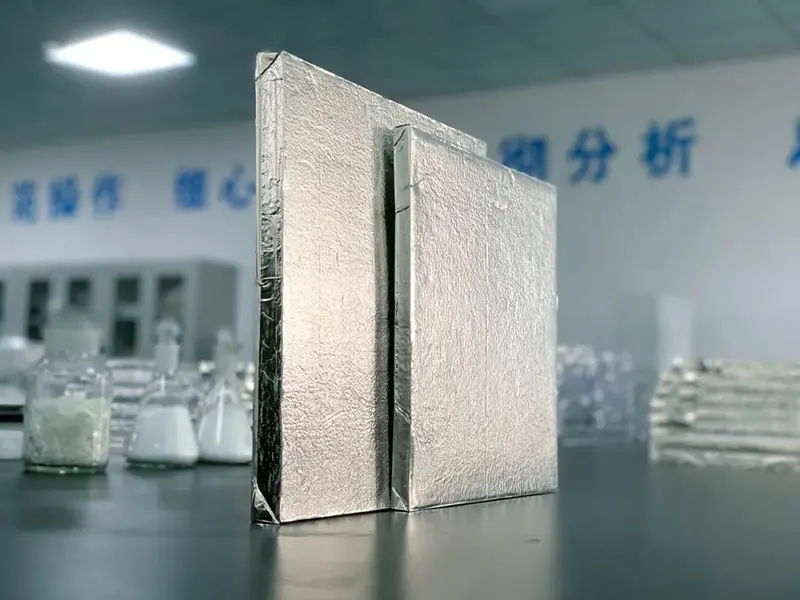
Combining traditional rigid foam boards (polyisocyanurate, polyurethane, or extruded polystyrene) with a core of fumed silica vacuum insulation panels enables manufacturers to supply composite HVAC ductwork and wall boards. This achieves unmatched thermal efficiency while ensuring simple on-site sizing and installation.
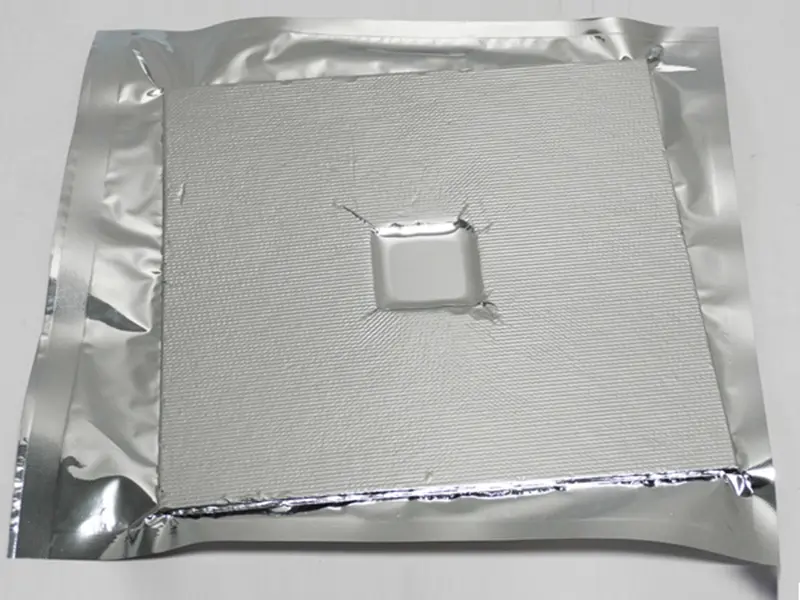
Unlike fiberglass-core VIPs, which are prone to faster performance degradation over time due to vacuum loss, fumed silica-based vacuum insulation panels maintain structural integrity and a low rate of aging. The microporous nature of fumed silica keeps gas conduction minimal even in the event of partial vacuum decline.
Global architectural standards require building envelope components to pass strict fire safety checks (such as ASTM E84 Class A, DIN 4102 B1, or national GB 8624 standards). Advanced vacuum insulation walls and microporous elevator door panels are engineered directly with non-combustible materials to ensure fire safety.
Sourcing HVAC insulation boards from China requires balancing price against technical specifications. The unit price of specialized vacuum boards is driven by factors such as core material type, barrier film composition, panel geometry, and custom cutouts. Buyers must define their performance requirements precisely to avoid paying for excess specifications while meeting localized building code benchmarks.
| Insulation Board Type | Core Material Chemistry | Thermal Conductivity Range (W/m·K) | Standard Thicknesses | Est. Factory Price Range (USD / m²) | Primary Industrial Applications |
|---|---|---|---|---|---|
| Fumed Silica VIP (with PET Film) | Amorphous Fumed Silica + Opacifier | 0.004 – 0.006 | 10mm – 35mm | $25 – $55 | Cold chain logistics containers, premium home refrigerators, exterior walls |
| Fiberglass Core VIP | Ultra-fine Glass Fiber Media | 0.002 – 0.0035 | 5mm – 25mm | $18 – $35 | Industrial freezers, deep temperature lab storage, HVAC ducts |
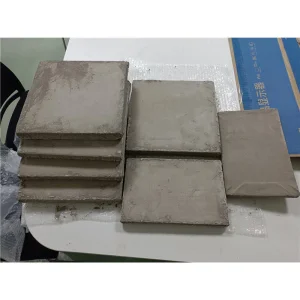
| Nano Microporous Insulated Panels | Silica / Alumina Nanostructured Composites | 0.016 – 0.022 (at 800°C) | 5mm – 50mm | $30 – $75 | Elevator fireproof doors, high-temp industrial furnaces, heat shields |
| Flexible Nano Insulation Blanket / Mat | Aerogel & Nano Fiber Composites | 0.018 – 0.024 | 3mm – 12mm | $15 – $40 | Water heater tanks, curved pipe systems, electric vehicle batteries |
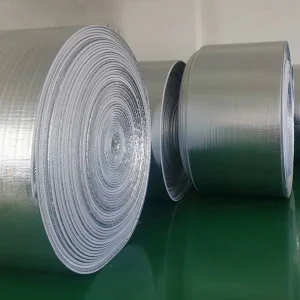
| Aluminium Foil Foam Thermal Board | Cross-linked Polyethylene (XLPE) / Phenolic Foam | 0.028 – 0.038 | 5mm – 100mm | $5 – $15 | Roofing, primary duct lagging, acoustic insulation |
Note: The prices listed represent estimated factory-level pricing structure guidelines. Prices vary based on raw material costs, ordering volume, and packaging configurations.
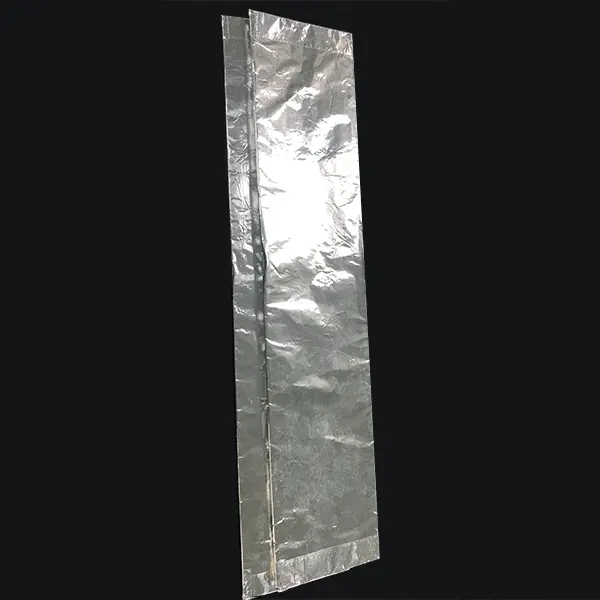
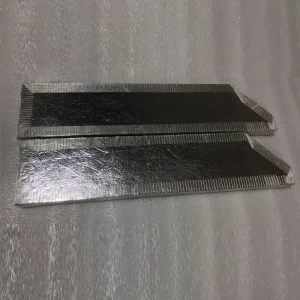
Product Details: Size: Customized, Thickness: 5-15mm. Optimized for thermal runaway prevention in electric vehicle battery packs.
View More +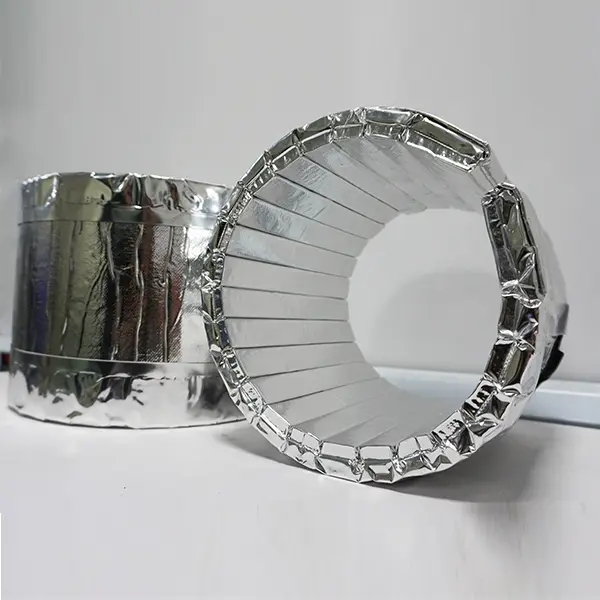
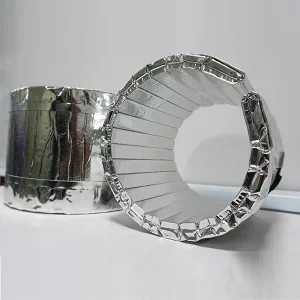
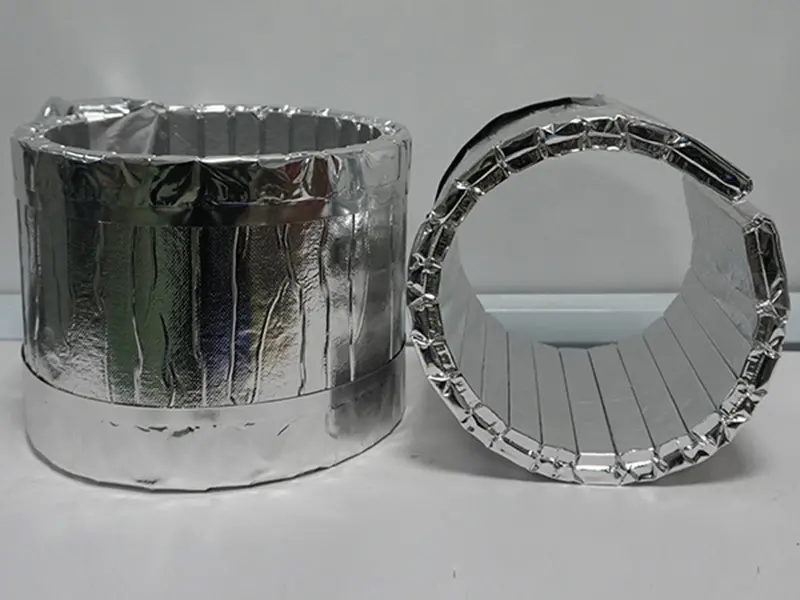
Product Details: Size: Customized, Thickness: 5-20mm. High performance wrapping insulation for commercial heat pumps.
View More +
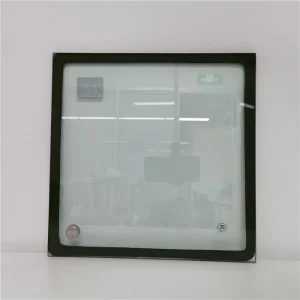
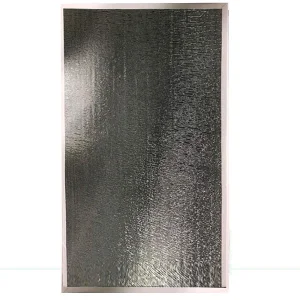
Our elevator fireproof door high temperature nano microporous panels ensure structural safety and thermal integrity during high-heat fires.
View More +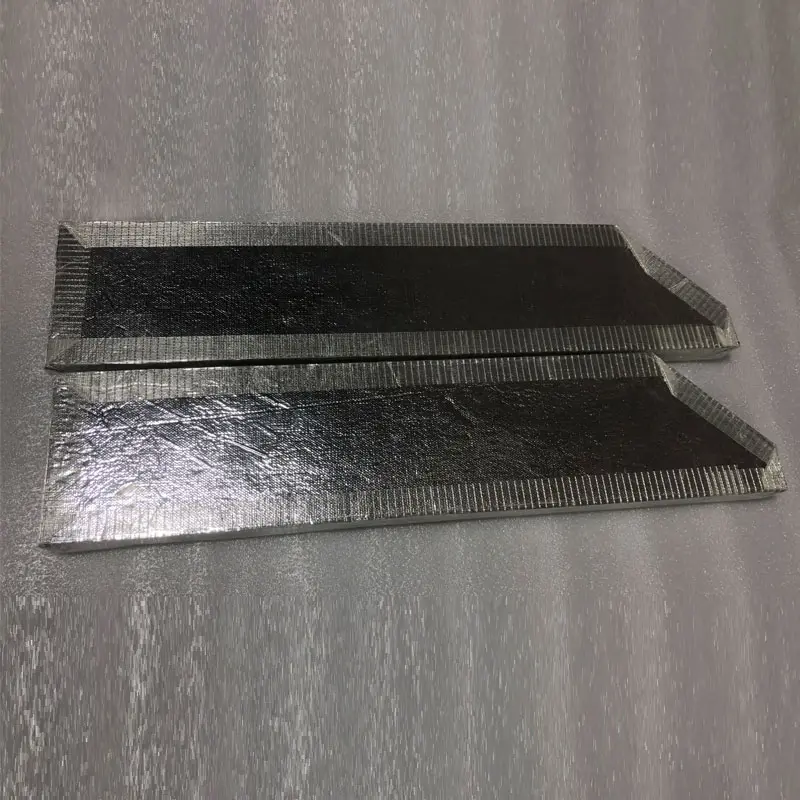
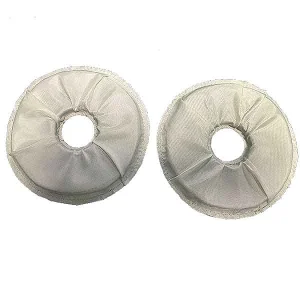
Product Features and custom designs built for architectural corners and circular HVAC components with tight geometric constraints.
View More +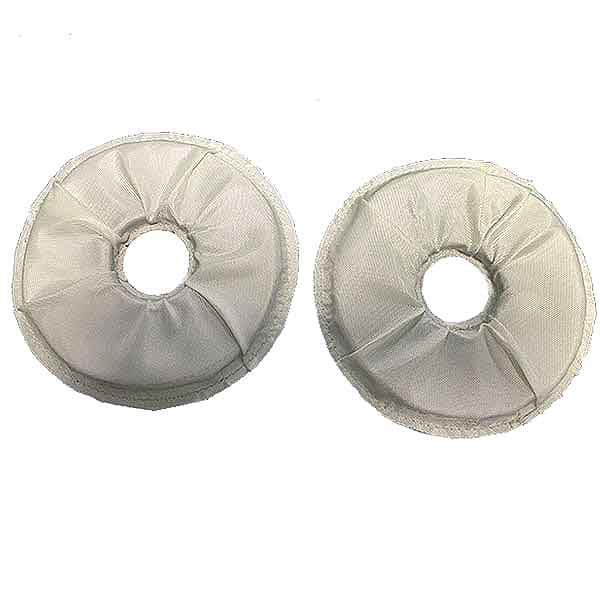
Product Specification and Features. Circular panels tailored for high-temperature ducts and chemical transport pipelines.
View More +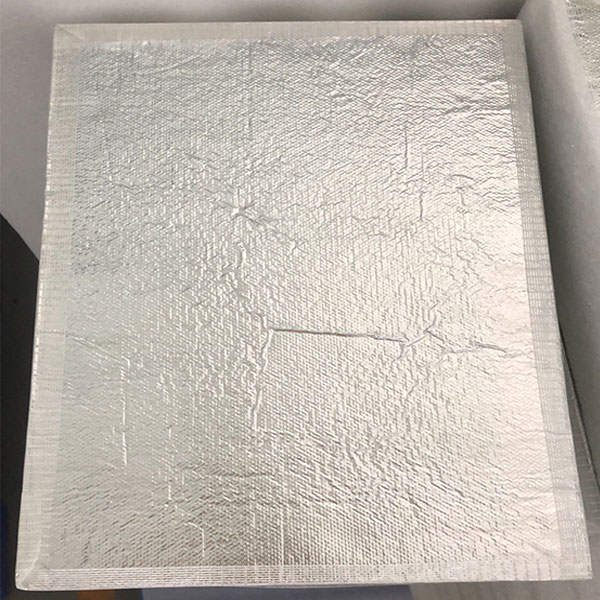
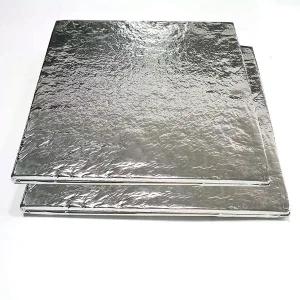
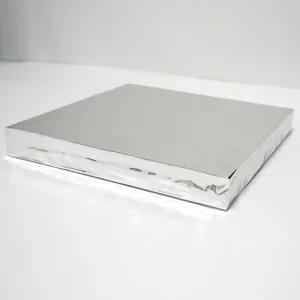
Product Features and Size Details. Zerothermo vacuum insulation technology engineered for minimal spatial footprint.
View More +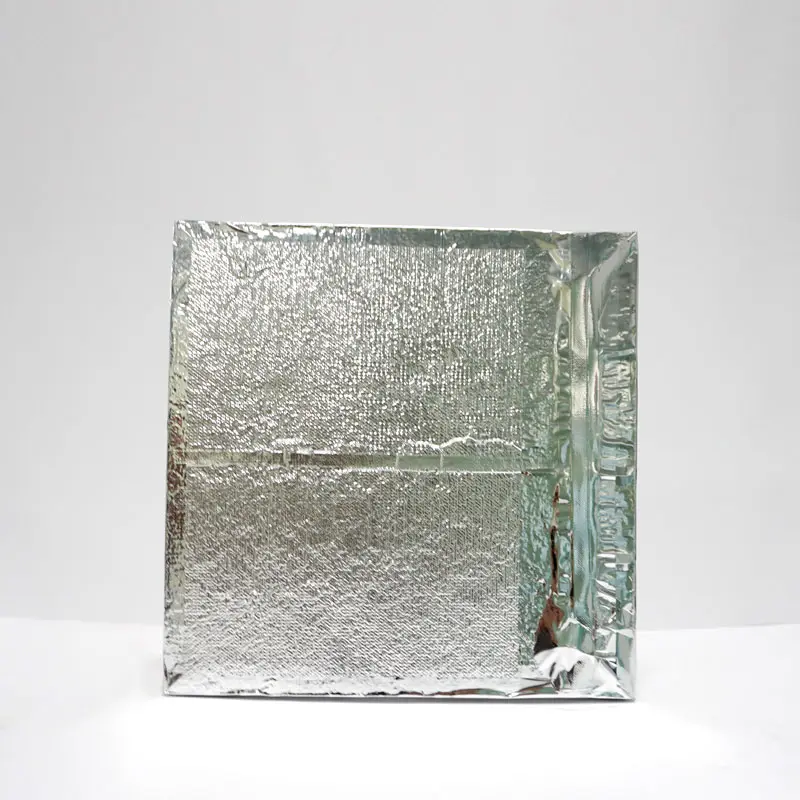
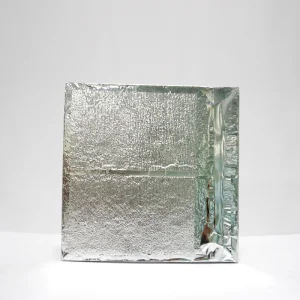
Product Features. High vacuum retention properties to keep temperature-sensitive payloads cold for up to 120 hours.
View More +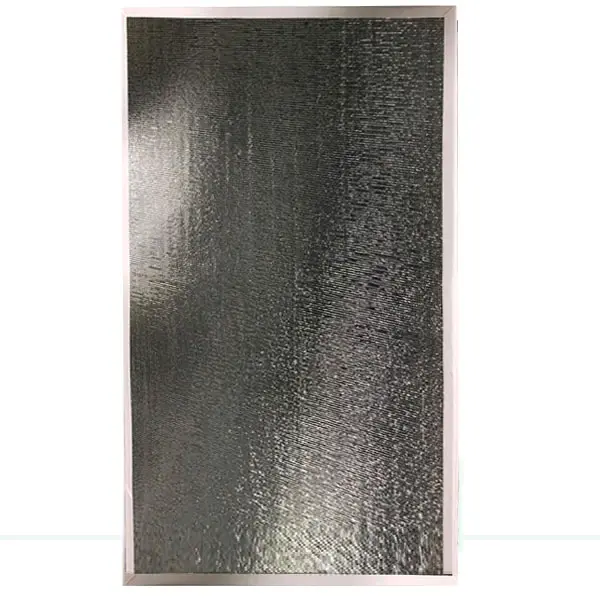
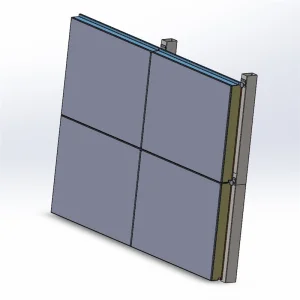
Product Features and Specifications. Large-format panels tailored to prefab building structures and refrigerated shipping containers.
View More +


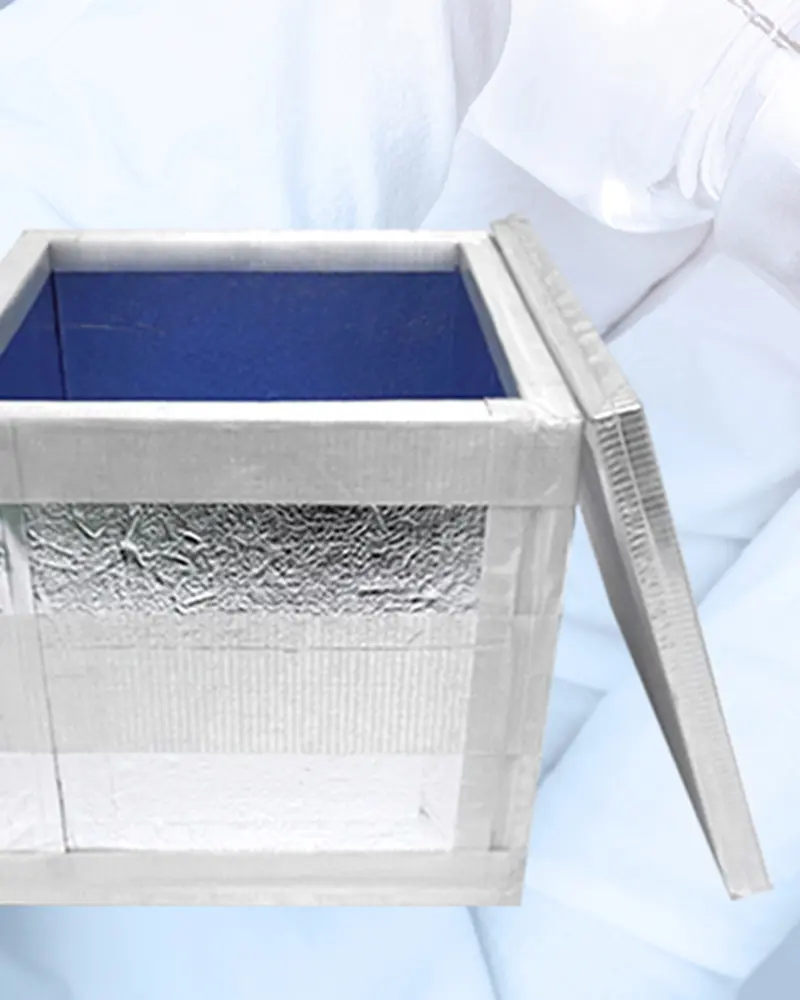
Pharmaceutical shipping containers require precise, uninterrupted thermal envelopes. Utilizing Zerothermo vacuum insulation panels and vacuum-sealed boxes provides reliable temperature retention for shipping vaccines, biological specimens, and active pharmaceutical ingredients without bulky refrigeration systems.
Vacuum insulation panels (VIPs) and high-performance vacuum insulated glass help reduce carbon emissions in the construction sector. By integrating these systems into building envelopes, projects can meet high energy-efficiency ratings (such as LEED or Passive House) with thin wall profiles.
Heavy industries rely on advanced insulation to lower fuel consumption and keep heat contained. Our nano-microporous rigid boards and customizable flexible thermal wraps can handle continuous exposure up to 1000°C, providing heat protection for industrial furnaces, heat exchangers, and commercial boilers.
Energy systems in eco-friendly tourism cabins and modular prefab housing units must operate efficiently in extreme climates. Vacuum-insulated structural wall assemblies provide thermal stability and comfort without requiring massive mechanical HVAC heating or cooling arrays.
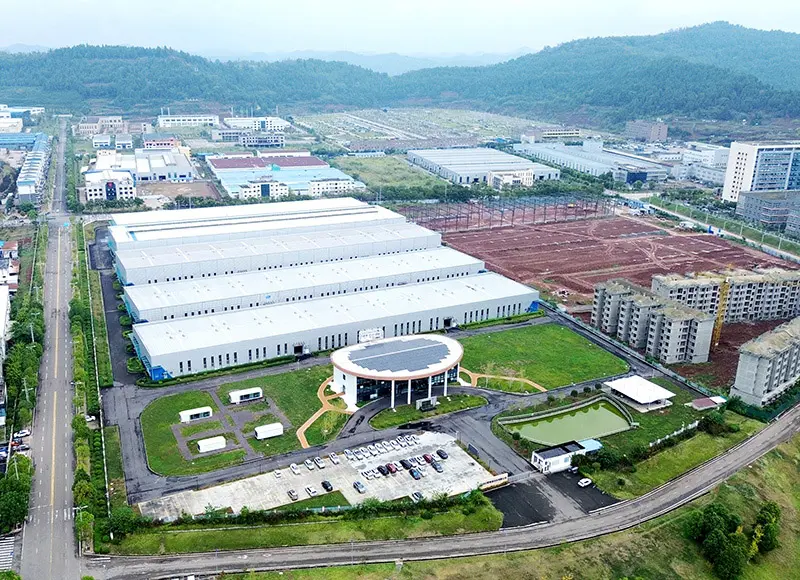
Zerothermo Technology Co., Ltd., a subsidiary of the distinguished CBVAC Group and a recognized national high-tech enterprise, is headquartered in the Beijing Economic-Technological Development Area. Our state-of-the-art production base is strategically located in Nanchong City, Sichuan Province. This massive manufacturing facility stands as one of China’s largest and most comprehensive production centers for industrial vacuum technology and advanced thermal applications.
Drawing on the vacuum engineering expertise of CBVAC Group, Zerothermo specializes in manufacturing advanced materials that exceed the requirements of standard insulation products. We run automated manufacturing lines with strict quality controls to ensure each vacuum insulation panel keeps its pressure and thermal properties over a long service life.

Special sizes (beyond standard ANSI/ASME/DIN ranges) produced to custom drawings and technical parameters.

Square, oval, and specialty geometry flanges. Micro-precision or oversized diameters up to 60+ inches.

Precision manufacturing matching extreme tolerances for critical vacuum seals and thermal isolation systems.







Procuring advanced insulation boards requires meeting local building and fire safety codes in different markets. Zerothermo products comply with major global certifications to facilitate seamless project approval:
Our R&D team works closely with leading technical institutes to advance vacuum insulation technology. The product development pipeline focuses on three key areas:
1. Ultrathin Aerogel Composites: Fusing aerogel technologies with microporous cores to reduce the overall thickness of HVAC insulation boards to under 8mm while maintaining high thermal resistance.
2. Long-Life Outer Membranes: Developing advanced polymer-aluminum laminate barrier films that reduce gas permeation, extending the lifespan of VIPs in structural applications to over 50 years.
3. Integrated Smart Monitoring: Embedding NFC pressure sensors inside VIP cores during assembly. This allows field engineers to quickly verify vacuum integrity on-site using a handheld scanner, ensuring simple quality checks.

We offer comprehensive, technical, and high-performance vacuum insulation board solutions tailored to your project requirements. Reach out to our technical engineering team for sizing, specifications, and customized quotes.
Follow Us Online:








 +8615892792306