The Evolution of Fumed Silica VIP Technology in Industrial Thermal Management
An in-depth analysis of the design considerations, global supply systems, and localization applications of fumed silica-cored vacuum insulation panels.
1. The Macro-Industry Challenge: Moving Beyond Conventional Insulation
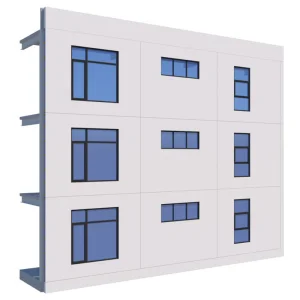
In our current carbon-constrained industrial environment, conventional insulation materials such as polyurethane, rock wool, and expanded polystyrene (EPS) have reached their thermodynamic limits. They require substantial wall thickness to achieve significant thermal resistance (R-values). For instance, achieving an R-value of 40 using conventional materials requires upwards of 200mm of thickness, which compromises valuable spatial volume in refrigerated vessels, cold chain trucks, and urban real estate envelopes.
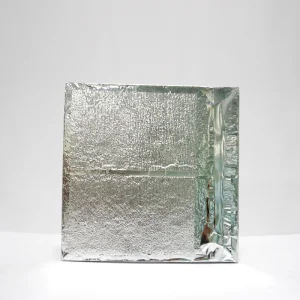
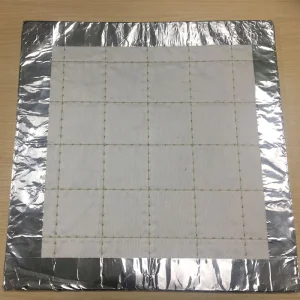
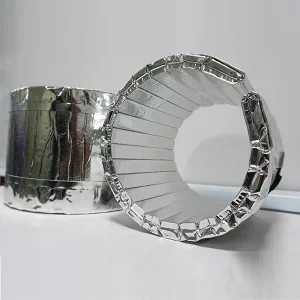
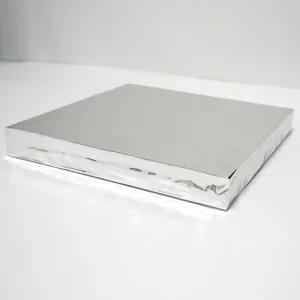
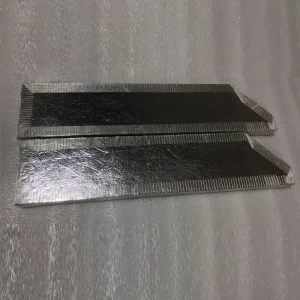
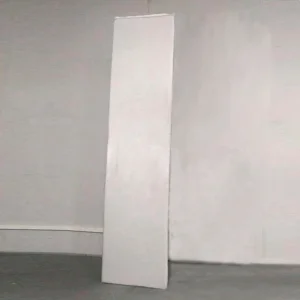
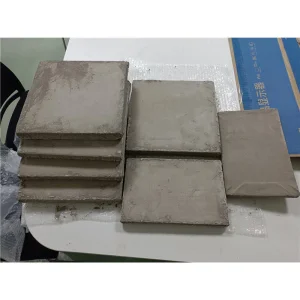
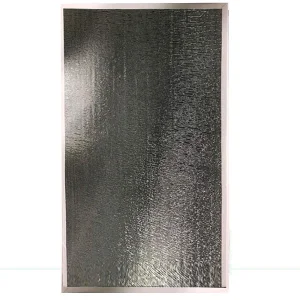
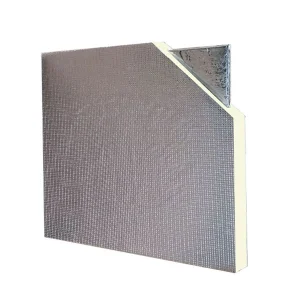
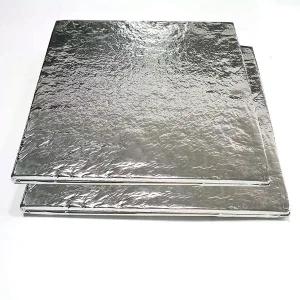
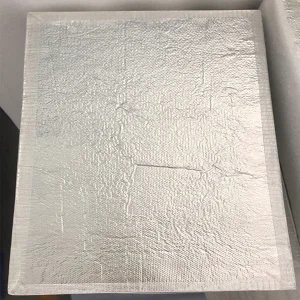
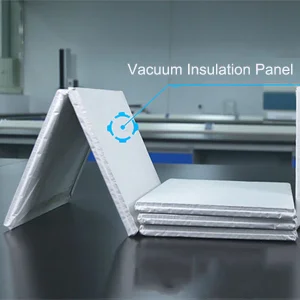
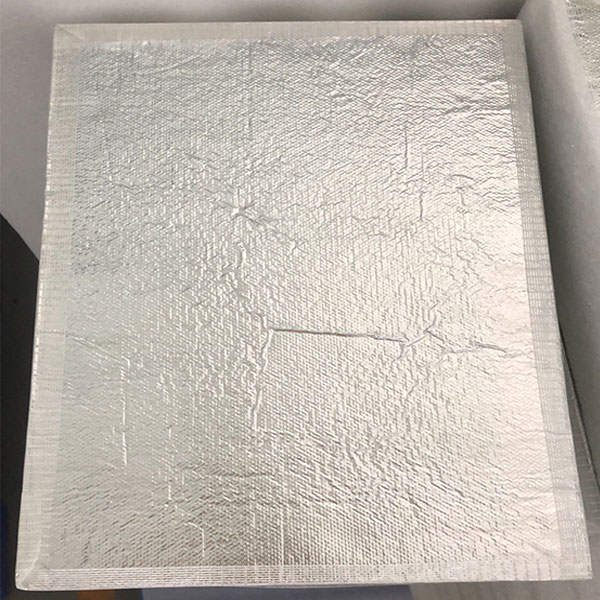
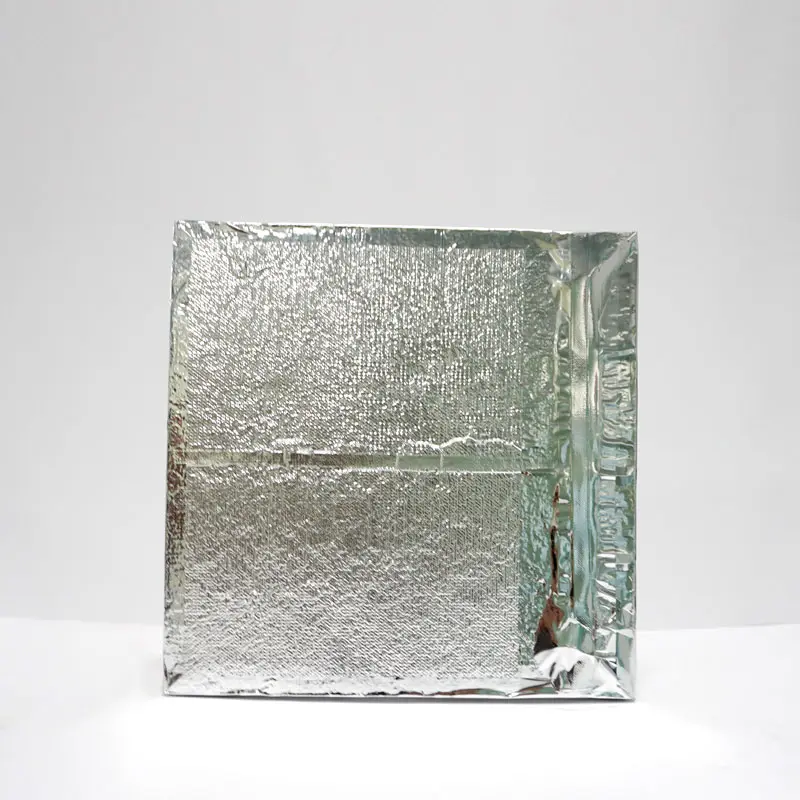
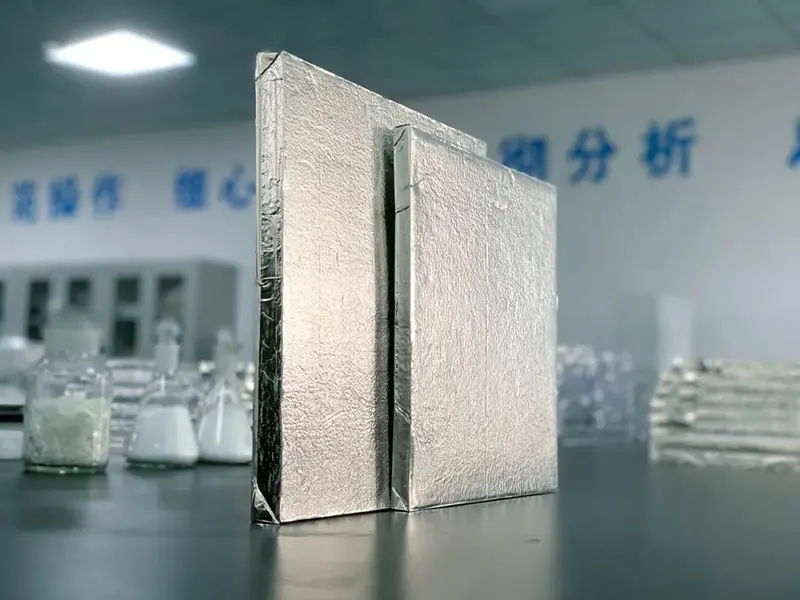
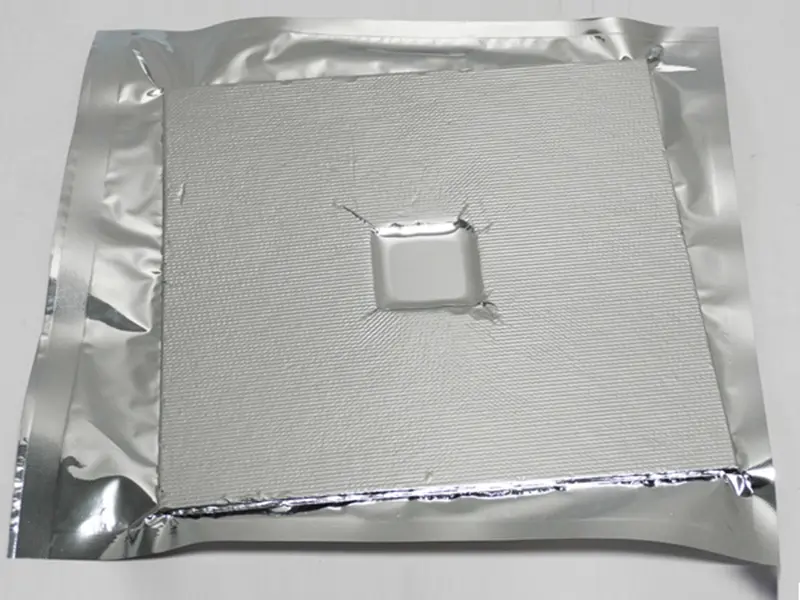
Fumed Silica Vacuum Insulation Panels (VIPs) represent a major advancement in thermal design, achieving thermal conductivity rates as low as 0.004 W/(m·K) under vacuum. Using a core of nano-porous fumed silica (non-crystalline synthetic SiO2) mixed with opacifiers to block infrared radiation, these panels effectively restrict all three modes of heat transfer: gas conduction, solid skeletal conduction, and radiative thermal transmission.
By limiting the internal pore diameter to less than the mean free path of gas molecules (approximately 70nm at standard pressure), fumed silica core structures maintain their thermal performance even if the internal vacuum pressure changes over decades of service.
2. The Global Commercial and Industrial Landscape
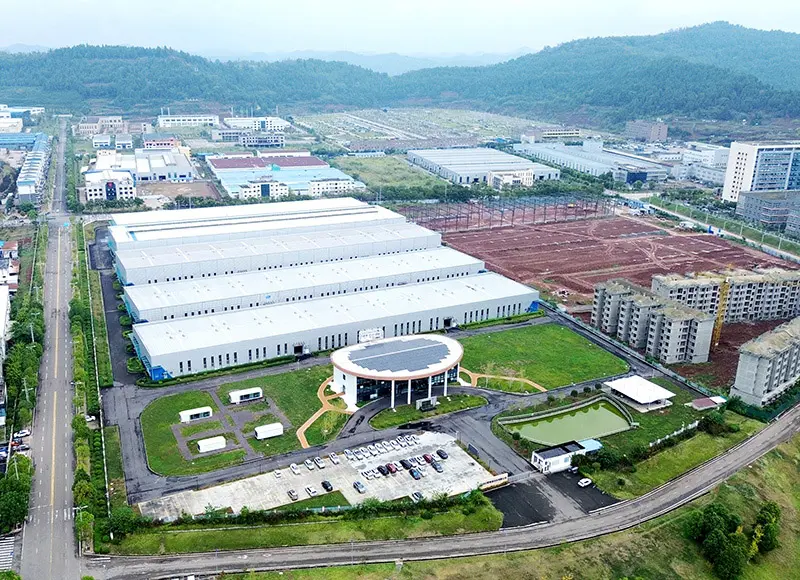
China has established a complete, integrated industrial supply chain for fumed silica vacuum insulation panels. From the raw synthesis of high-purity organosilicon compounds to precision CNC-machined vacuum sealing assemblies, Chinese factories provide unmatched manufacturing scalability and quality consistency.
Global logistics, pharmaceutical distribution networks, and industrial manufacturing systems rely on high-volume production centers to meet performance requirements. This consolidation of chemical manufacturing and vacuum engineering allows companies to scale up production and supply large-scale urban infrastructure projects, global cold chain logistics networks, and international commercial appliance fleets.
3. Localization Support, Customization, and Regulatory Compliance
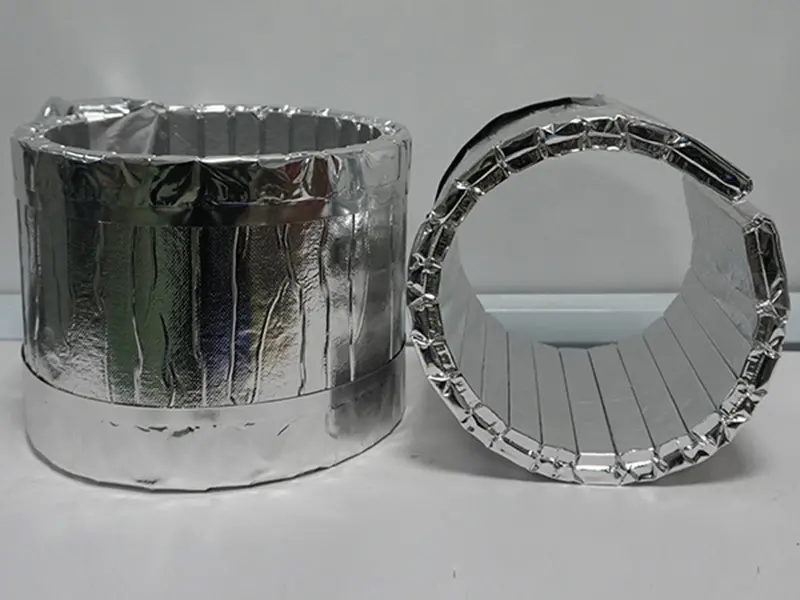
International engineering projects require localized technical support, custom shapes, and compliance with regional standards. Zerothermo Technology provides full design support, helping engineers integrate non-standard panel sizes and custom geometries into their projects.
Our fumed silica VIP solutions meet strict global standards and compliance pathways:
- CE Marking & DIN 4108-10: Demonstrates compliance with European building construction standards for wall claddings and roofing insulation.
- REACH & RoHS Directives: Ensures the components are free from heavy metals, chemical irritants, or ozone-depleting materials.
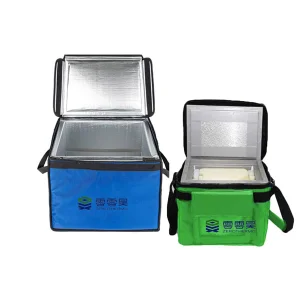
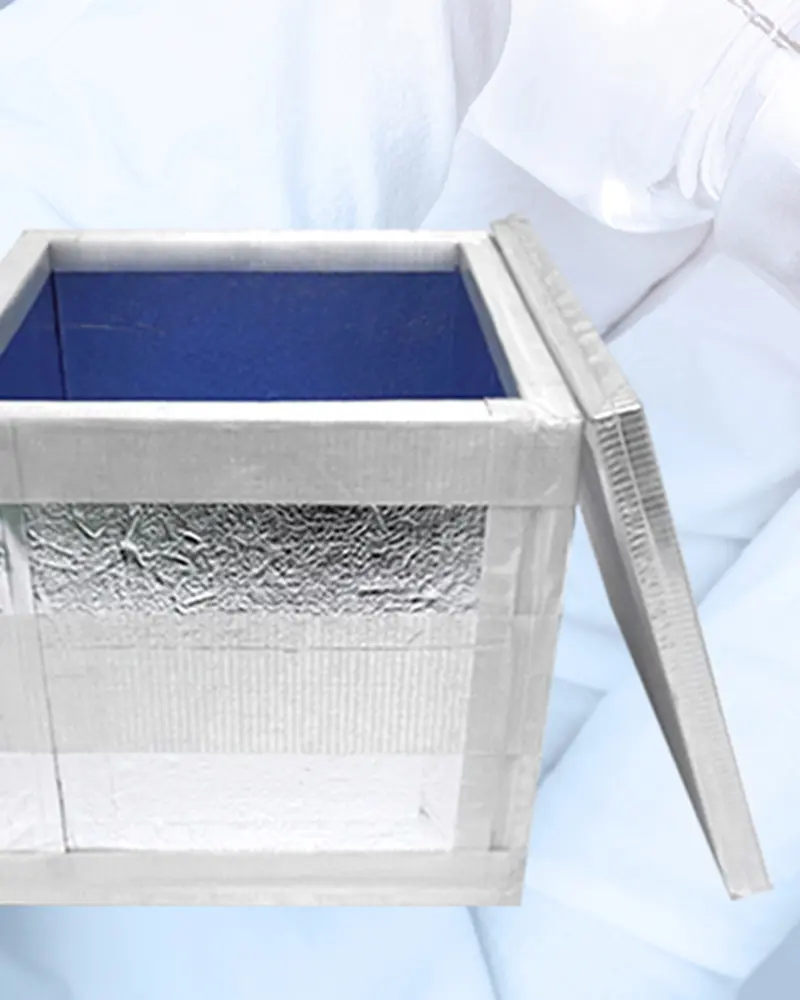
- WHO PQS Certified Cold Chain: Meets strict parameters for pharmaceutical packaging and medical vaccine container insulation.
- ISO 9001 and ISO 14001: Verifies consistent manufacturing quality and environmental compliance across our production bases.
4. Technical Evolution: Future Horizons for VIP Systems (2025-2030)
The next generation of VIP technologies focuses on improving lifetime reliability and reducing edge-thermal bridging. Research teams are developing hybrid cores that combine fumed silica with aerogel matrices to optimize thermal resistance at high temperatures.
Additionally, advanced multi-layer barrier films are being developed to reduce water vapor and oxygen transmission rates down to <0.001 g/m²/day. This advance extends the predicted lifespan of vacuum panels to over 50 years in building applications. We are also integrating passive RFID-based vacuum level sensors into VIP layers, allowing building operators to inspect and monitor the vacuum insulation system's health in real time.











 +8615892792306