
High-efficiency, space-saving vacuum insulated systems and nanostructured barrier materials engineering modern green envelopes.
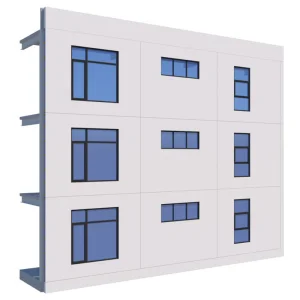
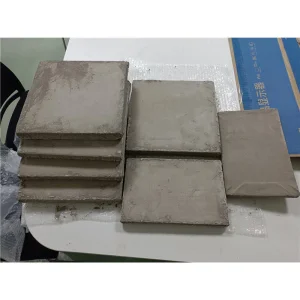
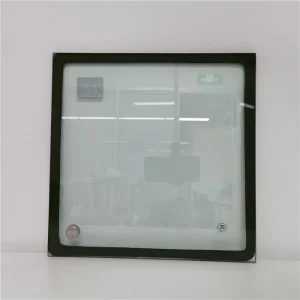
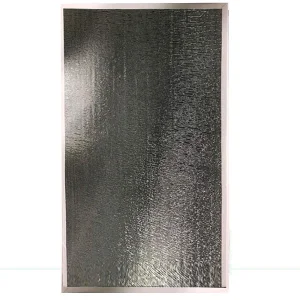
The global construction industry is undergoing a paradigm shift driven by stringent decarbonization targets, rising energy costs, and the absolute necessity of building energy efficiency. Structures account for nearly 40% of global energy-related carbon emissions, with space heating and cooling consuming the lion's share. External Wall Insulation (EWI) systems have shifted from a secondary energy-saving upgrade to a vital design element for code compliance in Net-Zero Energy Buildings (NZEB) and Passive Houses.
Historically dominated by conventional insulation materials such as Expanded Polystyrene (EPS), Extruded Polystyrene (XPS), and Rockwool, the global EWI market is hitting physical limits. To meet modern building energy codes (such as Europe's Energy Performance of Buildings Directive or ASHRAE 90.1 in North America), traditional materials require prohibitive thicknesses. A thickness of 200mm to 300mm of EPS is often necessary to achieve a U-value of less than 0.15 W/(m²·K). This reduces usable floor area, increases structural loading, complicates architectural detailing at window reveals, and dramatically raises installation costs.
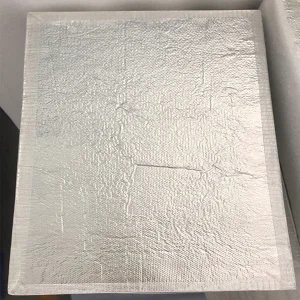
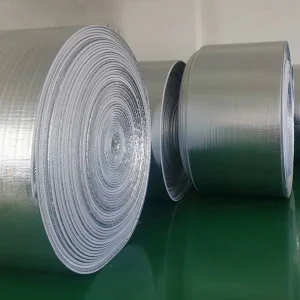
SEO Insight & Semantic Value: Next-generation EWI technology leverages Vacuum Insulation Panels (VIPs) and Nano-microporous materials to achieve thermal performance up to 5-10 times higher than classic insulation materials. This enables hyper-thin envelope assemblies without compromising internal floor area or architectural creativity.
To understand the leap forward offered by China's advanced vacuum insulation systems, a direct comparison of thermal performance indicators is essential. The table below highlights the physical properties of modern materials compared to traditional counterparts.
| Material Type | Core Base Material | Thermal Conductivity (W/m·K) | Required Thickness (for U=0.15) | Fire Safety Class |
|---|---|---|---|---|
| Fumed Silica VIP | Nanostructured Silica Core | 0.004 – 0.006 | ~30 – 40 mm | Class A1 (Incombustible) |
| Polyurethane (PU) Foam | Organic Polymer | 0.022 – 0.028 | ~150 – 180 mm | Class B1 / B2 |
| Extruded Polystyrene (XPS) | Polystyrene Resin | 0.030 – 0.035 | ~200 – 230 mm | Class B1 / B2 |
| Mineral/Rockwool | Basalt Fiber | 0.035 – 0.040 | ~230 – 270 mm | Class A1 (Incombustible) |
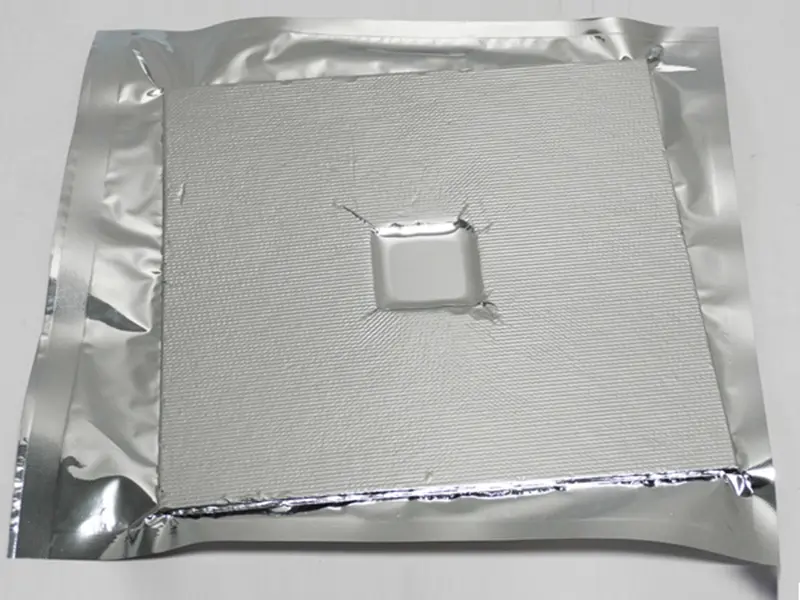
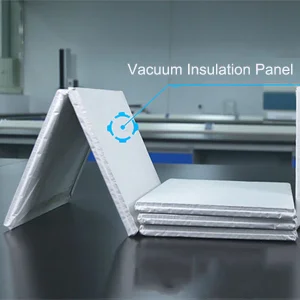
Vacuum insulation technology achieves its low thermal conductivity by reducing gas conduction within the panel. Inside a VIP, the core material is sealed under a high vacuum in a gas-barrier envelope. The Knudsen effect governs this process: when the pore size of the core material (such as fumed silica, typically 10–100 nm) is smaller than the mean free path of air molecules (~68 nm at atmospheric pressure), gas phase thermal conduction drops significantly. If the air is evacuated, gas thermal conductivity approaches zero, leaving only minimal solid-skeleton heat transfer and radiative heat transfer.
Engineered thermal systems built to exact customer specifications. Tailored solutions for high-performance buildings, electric vehicles, and high-temperature industrial sectors.
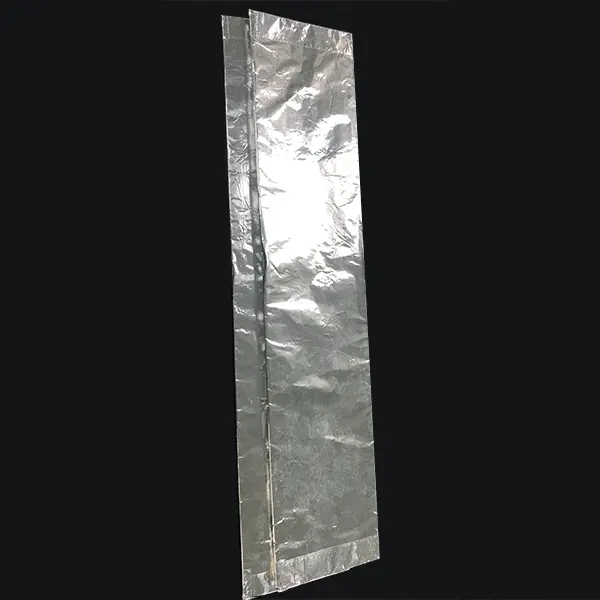
Customized sizes (thickness 5mm+) designed to prevent thermal runaway propagation in high-energy density battery packs.
View More →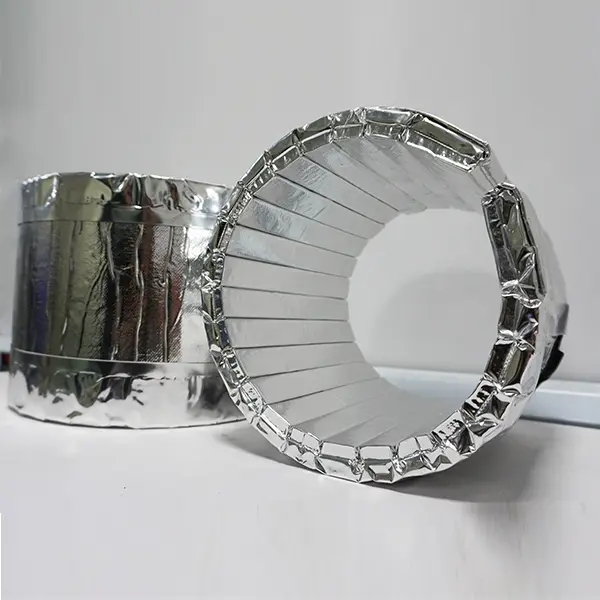
Engineered for extreme heat retention in residential and commercial energy systems, dramatically reducing standby losses.
View More →
Advanced composite materials engineered for high-temperature containment, metallurgical systems, and structural protection.
View More →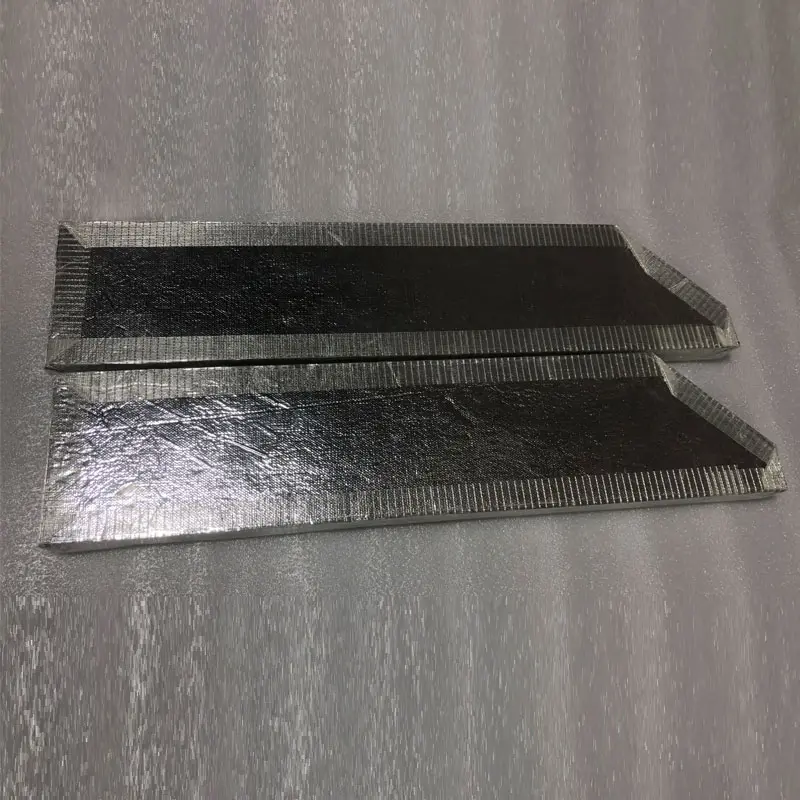
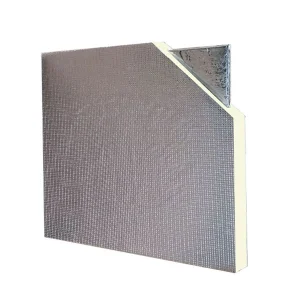
Vacuum panels formed into non-planar shapes, curved panels, and custom cut-outs for sophisticated architecture.
View More →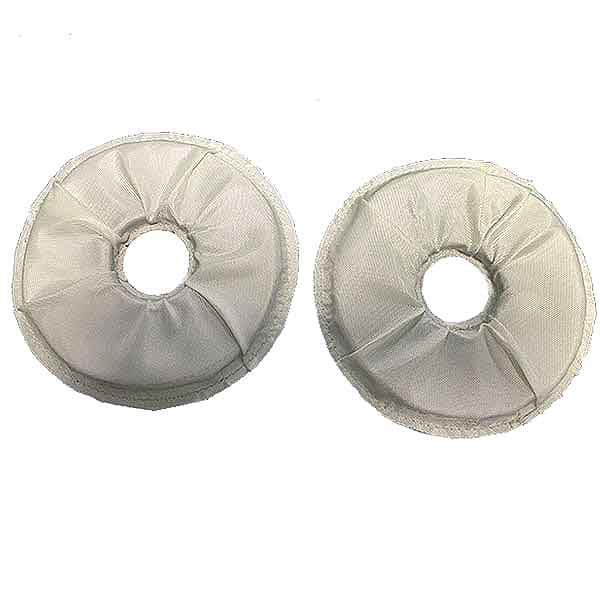
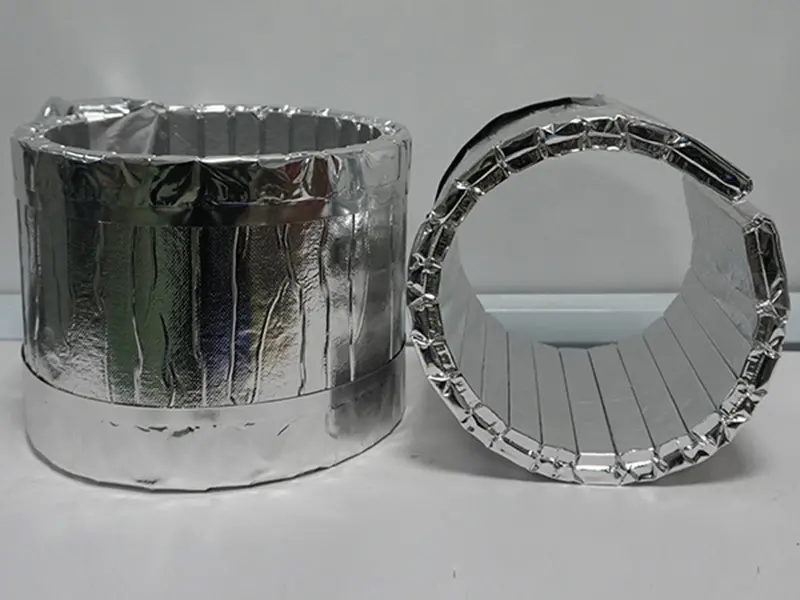
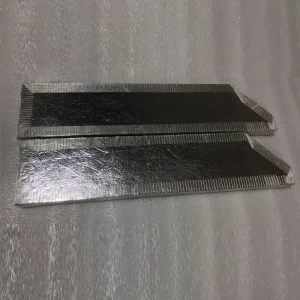
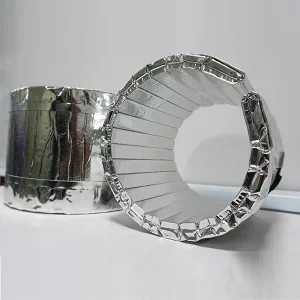
Flexible, high-temperature nano blankets designed for pipes, complex geometry vessels, and industrial processing lines.
View More →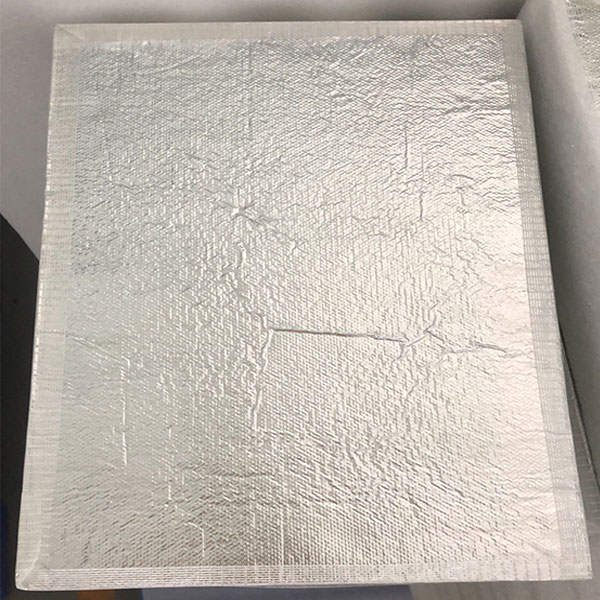
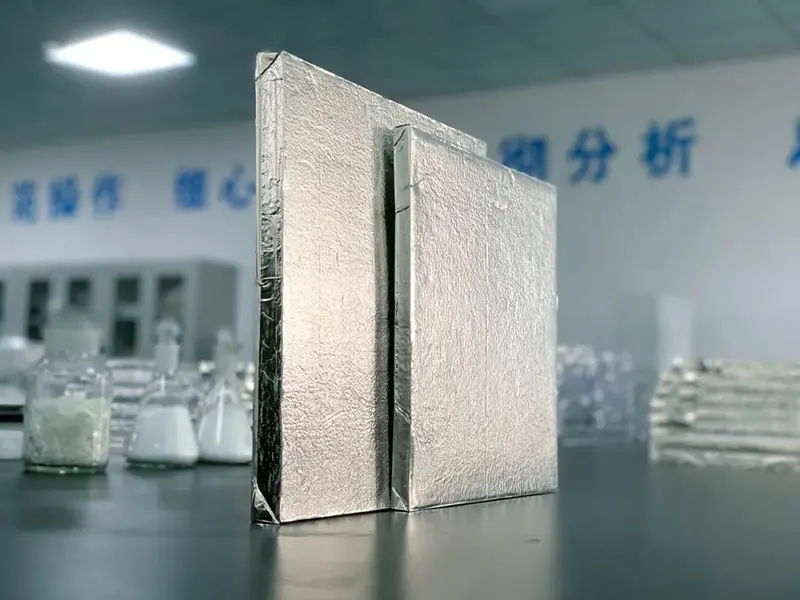
Premium vacuum panels featuring multi-layer PET barrier film protection for extended structural service life.
View More →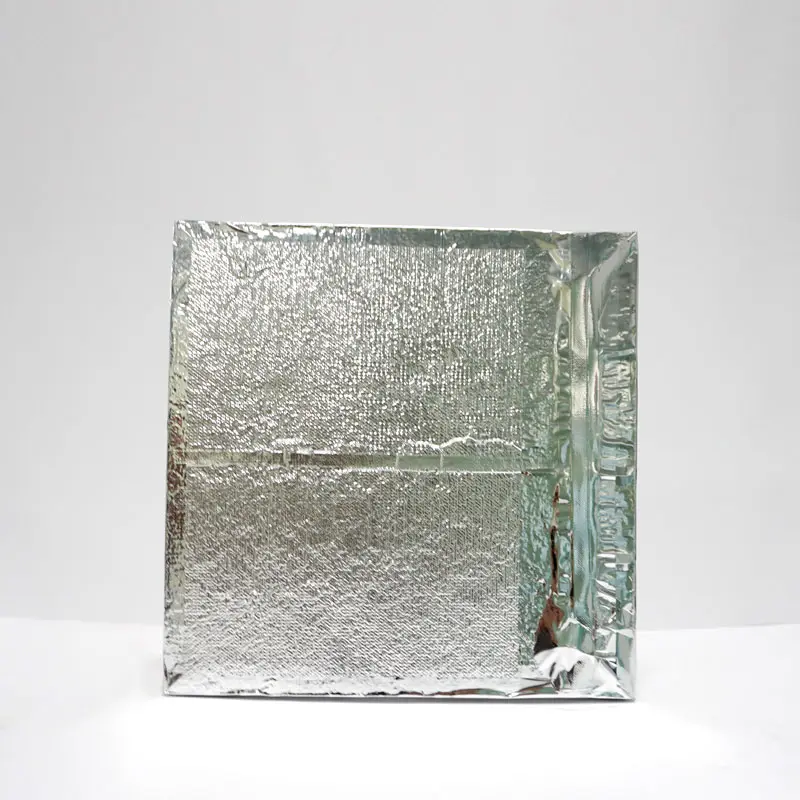
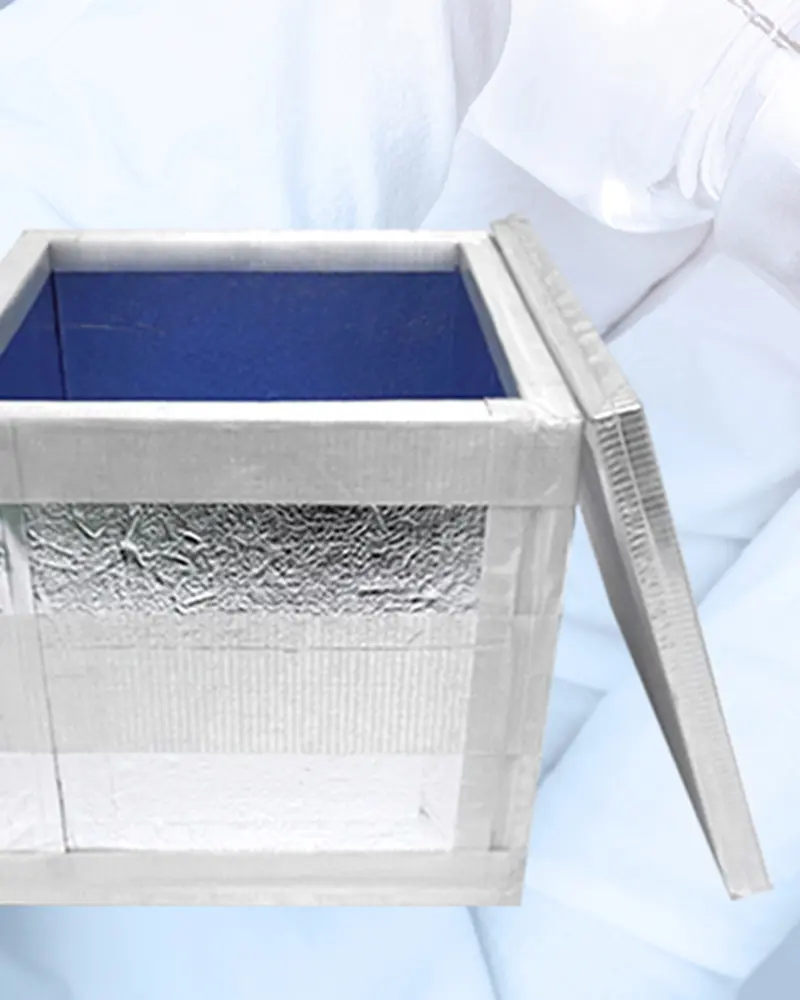
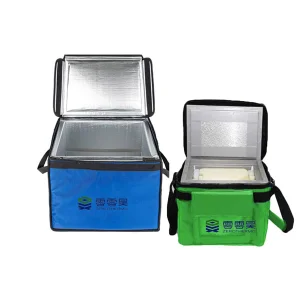
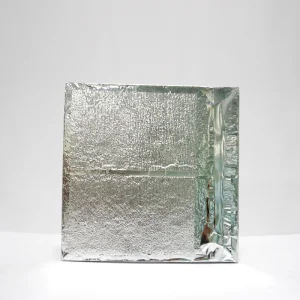
High-durability thermal barrier systems designed for cold-chain shipping containers, vaccine units, and cold storage.
View More →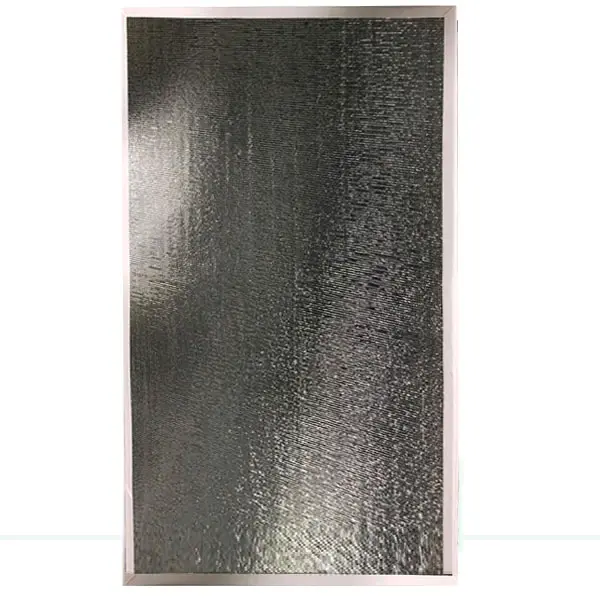
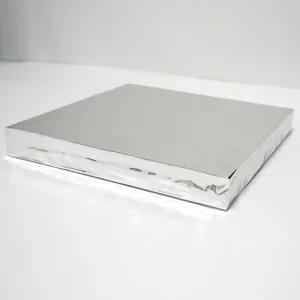
Over-sized panels optimized for commercial cold rooms and refrigerated transport vehicle walls.
View More →ABOUT US
Zerothermo Technology Co., Ltd. is a subsidiary of the prestigious CBVAC Group. As a national high-tech enterprise, we are headquartered in the Beijing Economic-Technological Development Area, with our state-of-the-art production base located in Nanchong City, Sichuan Province. This facility stands as one of China's largest comprehensive production centers for advanced vacuum technology application products.
By integrating industrial-scale vacuum production machinery with nanostructured core materials research, Zerothermo bridges the gap between lab-scale thermal physics and global industrial demand. We design, test, and supply advanced thermal barriers for the construction, logistics, manufacturing, and transportation industries.

Specialized sizes exceeding ANSI/ASME/DIN standards, custom-engineered to customer technical drawings for high-vacuum sealing applications.

Square, oval, and multi-axis vacuum flanges. Custom sizes including micro-precision flanges and diameters exceeding 60 inches.

Vacuum hardware produced and certified according to high-integrity structural standards, ensuring robust seals under challenging environments.

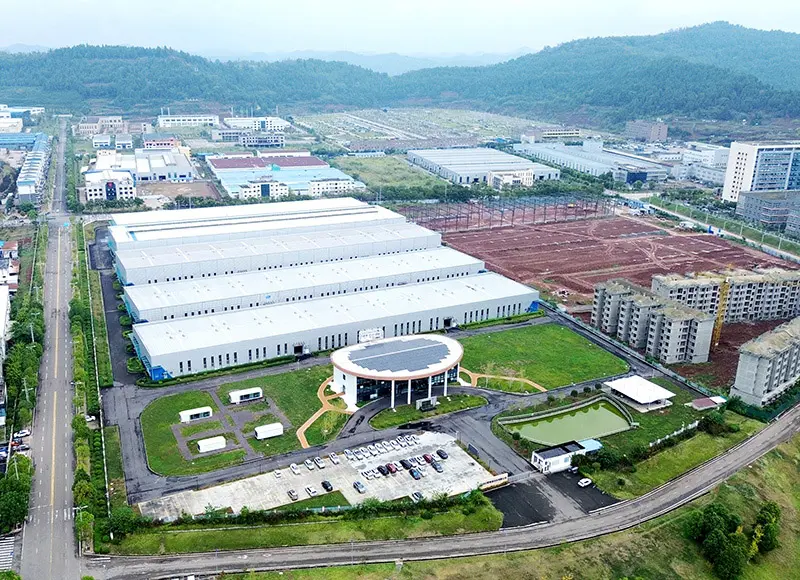
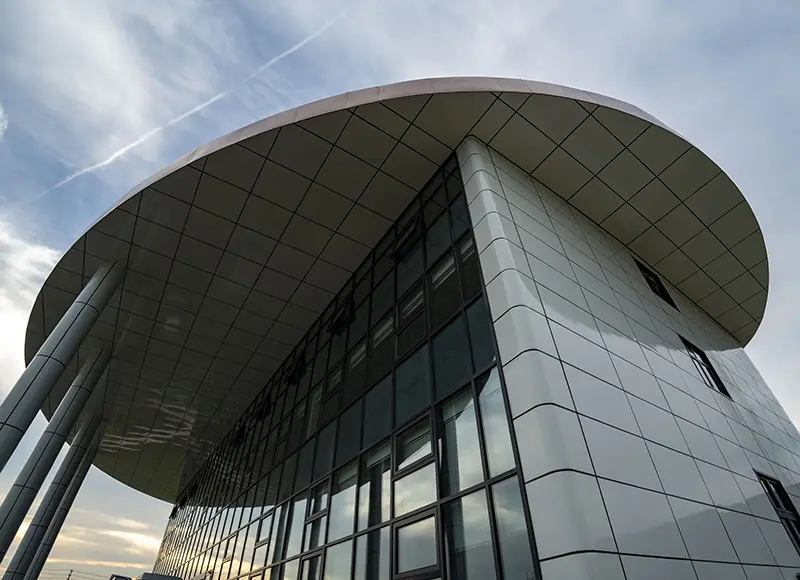
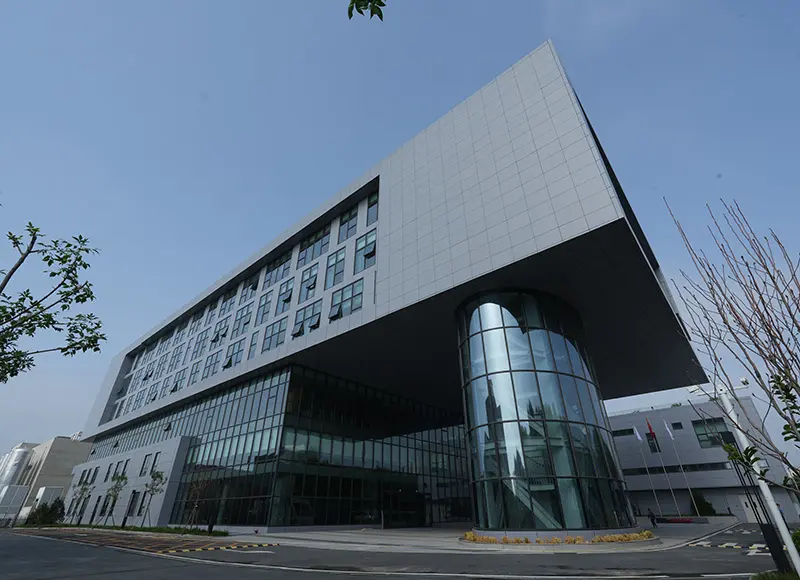
Our Nanchong facility features high-capacity vacuum sealers, automated core-filling stations, and cleanroom environments, ensuring consistent product performance.
Our global operating scale, patent portfolio, and processing capacity powering high-performance insulation projects.


Why architectural firms, cold-chain shippers, and industrial engineering companies specify Zerothermo systems.


Addressing energy containment and thermal protection challenges across diverse global market sectors.
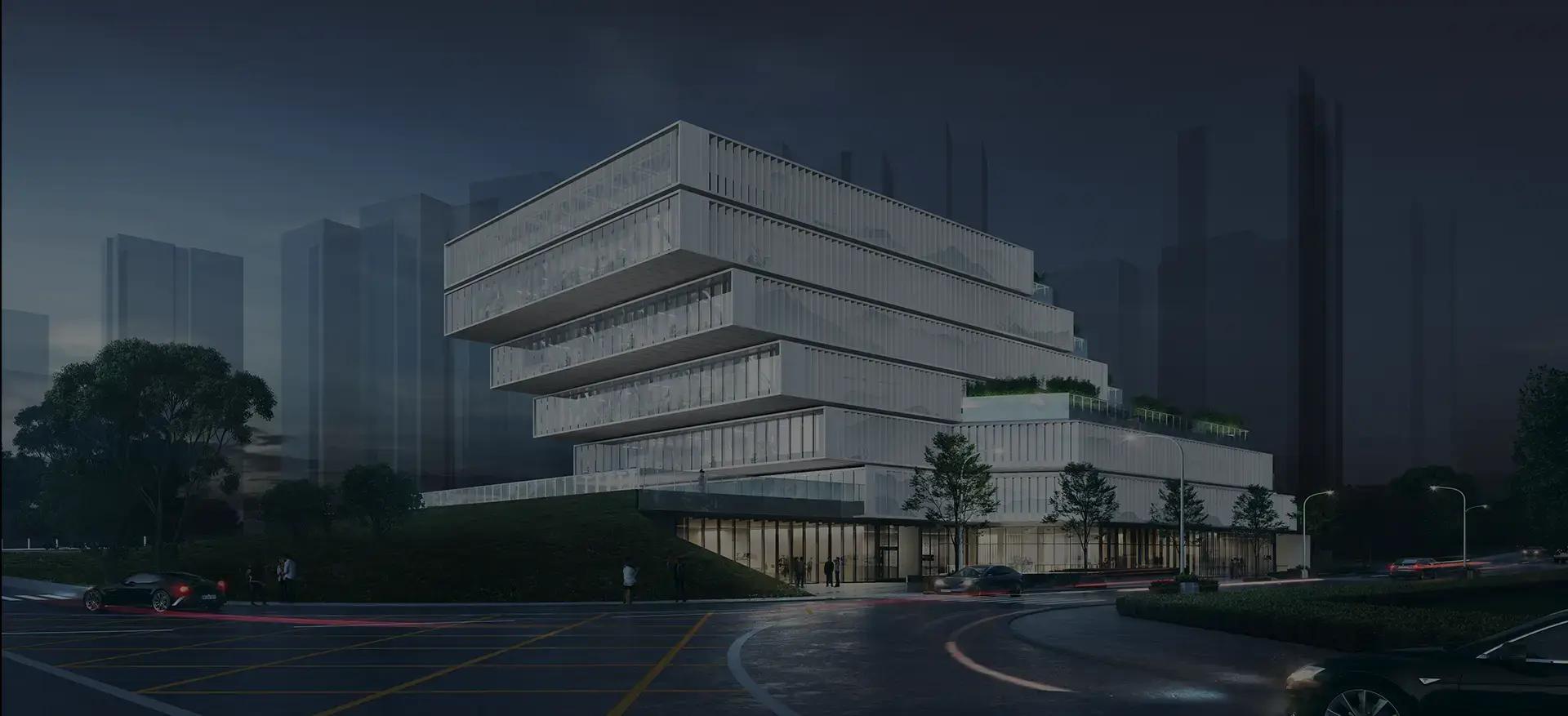
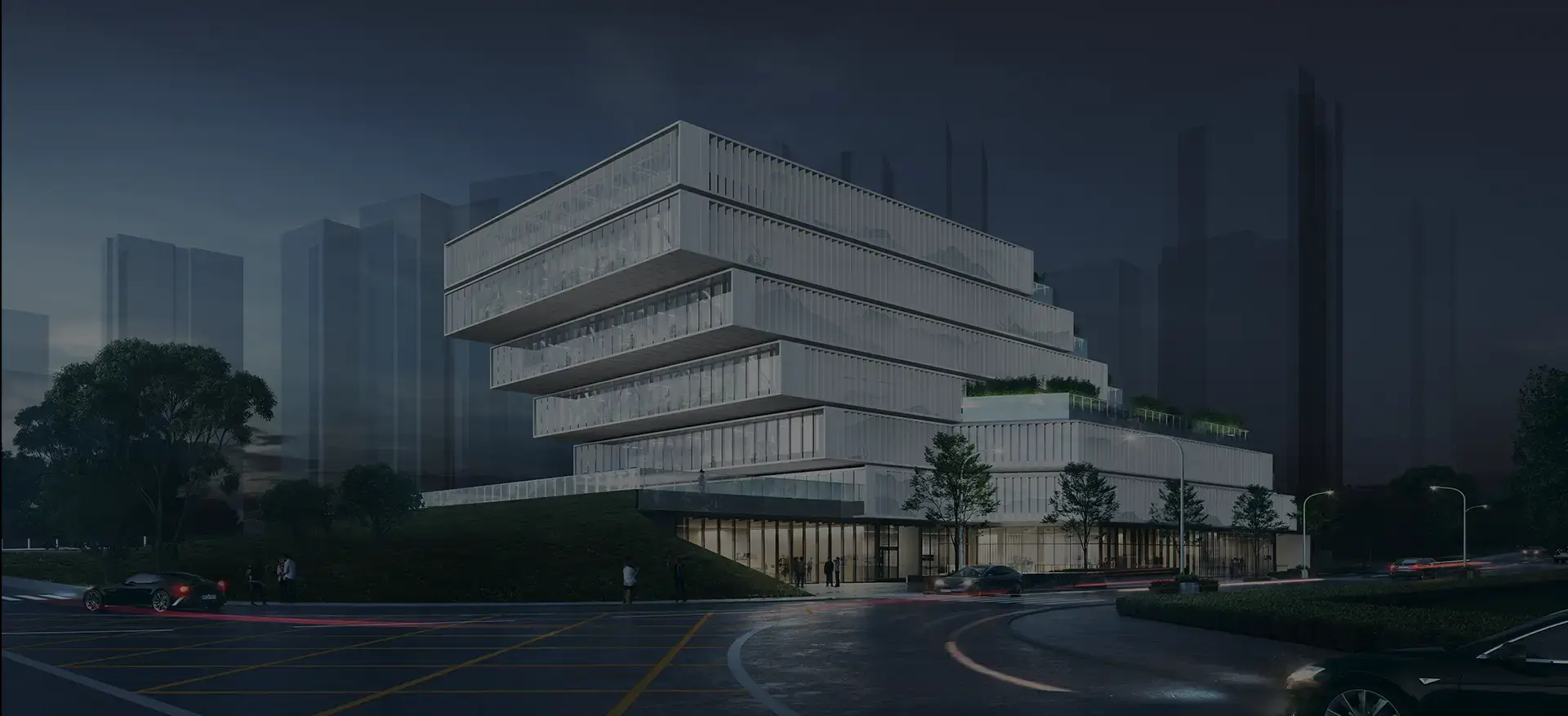
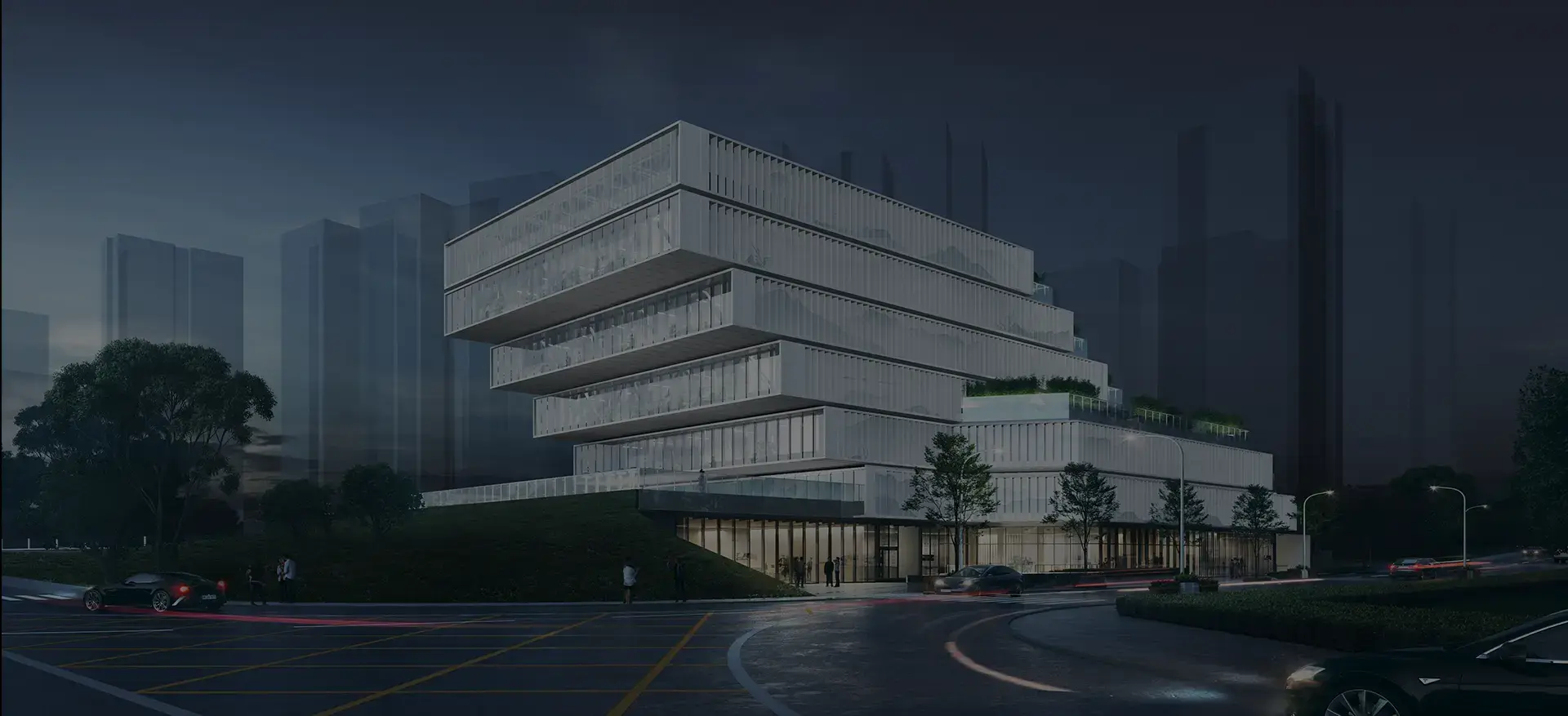


Providing high-efficiency thermal insulation solutions for cold chain packaging systems. Using vacuum insulation panels (VIPs), our shipping containers maintain critical 2°C to 8°C and -20°C temperature ranges longer than traditional coolers, protecting sensitive vaccine and drug shipments over extended transit windows.
Delivering high-efficiency envelope thermal insulation using vacuum insulation panels and vacuum insulated glass (VIG). These thin-profile systems minimize thermal bridging, assist in achieving Passive House certification, and significantly reduce operational carbon emissions.
Implementing microporous and nano-structured insulation solutions for high-temperature process plants, furnaces, and elevator fireproof doors. Our systems prevent heat losses up to 1000°C, lowering energy consumption and protecting nearby structural elements.
Optimizing space and thermal performance in modular hotels, eco-lodges, and scenic cabins. Highly insulating, thin structural panels maximize usable indoor space in prefabricated cabins designed for extreme weather environments.
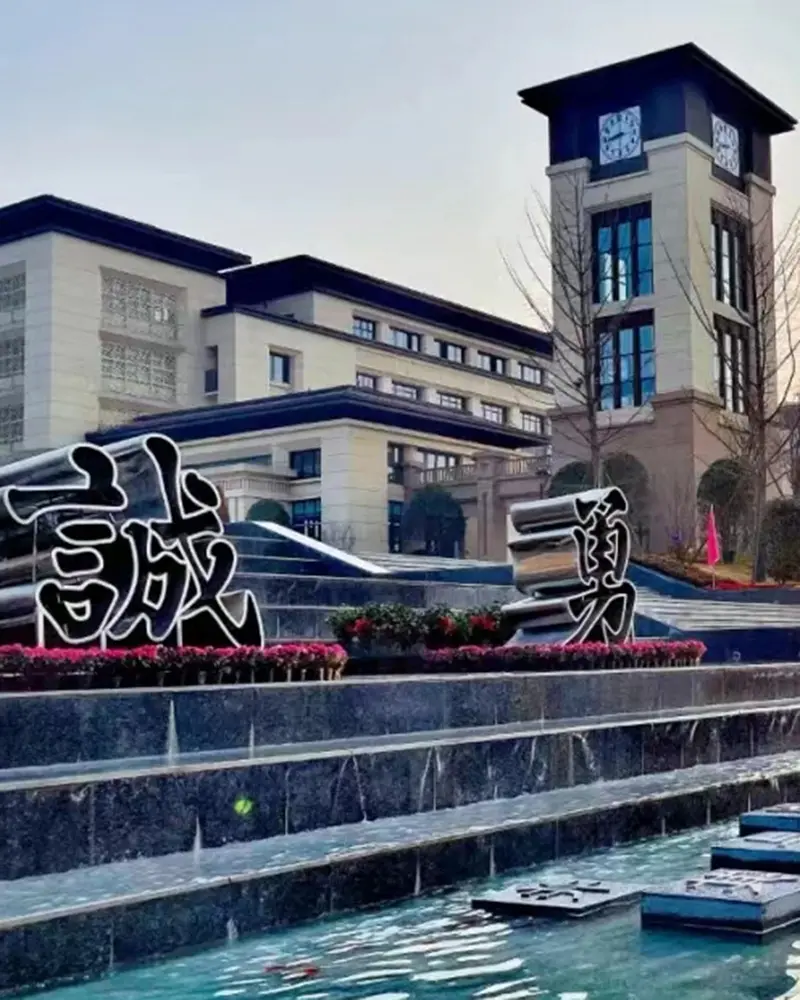
Real-world applications of our advanced thermal systems in educational structures, high-precision equipment facilities, and cold storage chains.


Staying ahead of thermal insulation technology, carbon-neutral materials, and global green building codes.

Answers to complex questions regarding thermal bridging, life expectancy, mechanical fixing, and customized VIP configurations.
Explore our technical catalog of high-durability VIPs, vacuum glass, and specialty insulated systems for demanding applications.

Our Technology
We provide one-stop vacuum insulation solutions for building envelops, logistics systems, and high-temperature processing lines. Reach out to our design and engineering departments to configure solutions matching your thermal and mechanical specifications.


 +86 15892792306