Engineered thermal barriers optimized for sub-zero cold chains, high-temperature storage, and structural energy-efficiency enhancements.
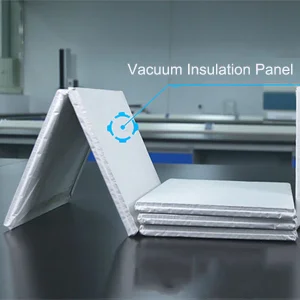
In the global quest for net-zero carbon emissions, industrial energy efficiency and green building envelopment have undergone a paradigm shift. Traditional insulating materials—such as polyurethane foam, mineral wool, and expanded polystyrene (EPS)—are no longer sufficient to meet modern stringency requirements in space-constrained thermal systems. Consequently, two ultra-high-performance material groups have emerged at the forefront of engineering consideration: Vacuum Insulation Panels (VIPs) and Silica Aerogels.
For procurement managers, structural engineers, and OEMs seeking thermal management solutions from manufacturing hubs like China, understanding the exact technical variances, mechanical thresholds, and cost structures of these technologies is paramount. This whitepaper analyzes the core differences, raw material supply chains, performance metrics, and economic values of VIPs and aerogel-based products.
SEO Insight & Information Gain: While many sources list general thermal conductivity values, they fail to specify how aging, micro-structural density, core material type (Fumed Silica vs. Fiberglass), and vacuum degradation factor into real-world applications over a 20-to-50-year lifecycle. Below, we dissect these critical criteria.
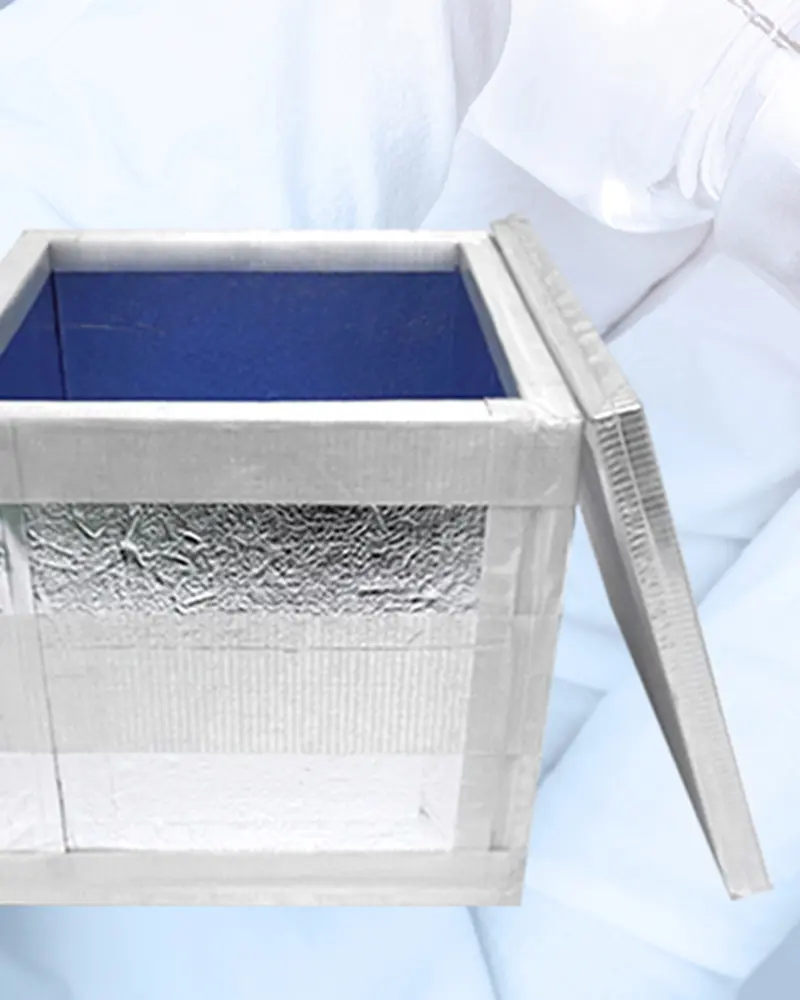
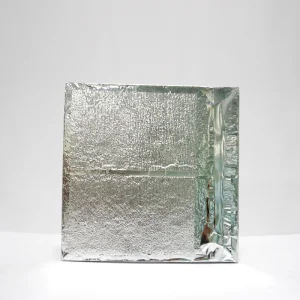
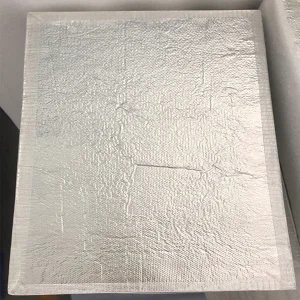
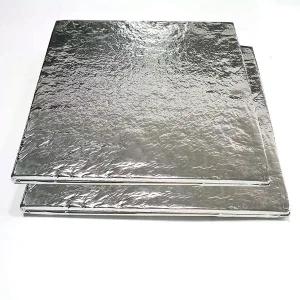
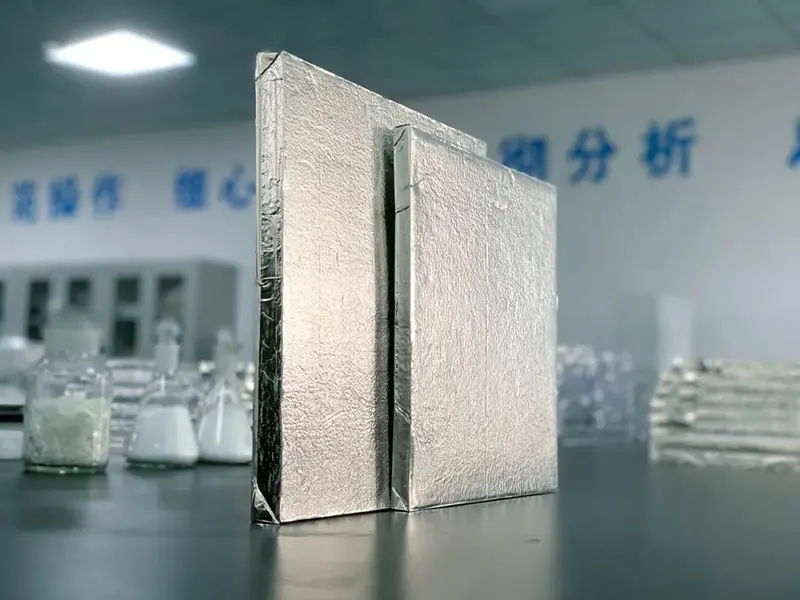
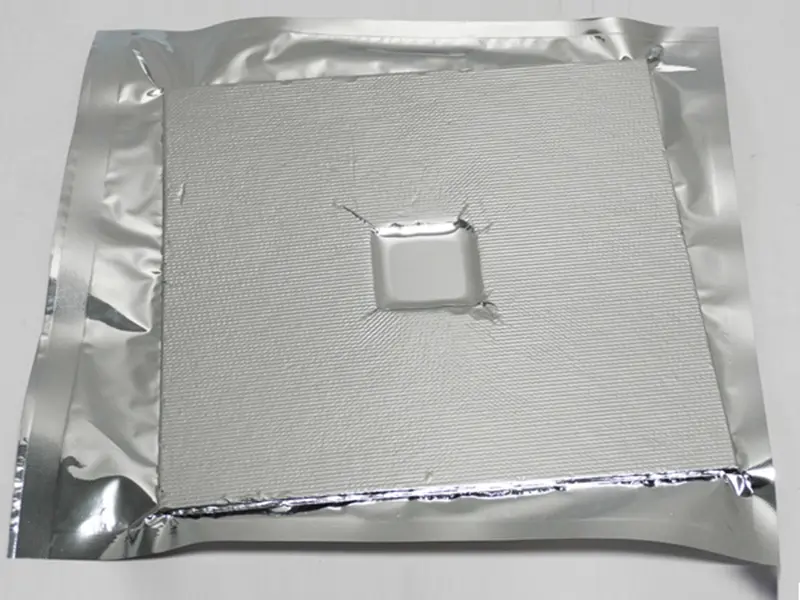
Vacuum Insulation Panels (VIPs): A VIP consists of a highly porous core material enclosed within a gas-tight, multi-layered envelope. During manufacturing, the internal cavity is evacuated to create a vacuum (~0.5 to 5 mbar pressure), and the envelope is hermetically sealed. By eliminating gas convection and conduction—the primary vectors of heat transfer—VIPs achieve a thermal conductivity ($\lambda$) as low as 0.002 to 0.004 W/m·K. Core material selection significantly dictates long-term performance: fumed silica cores possess smaller pore structures (~100 nm) and remain stable under vacuum for decades, whereas fiberglass cores offer lower initial costs but are more susceptible to aging from moisture and gas permeation.
Silica Aerogels: Dubbed "frozen smoke," aerogel is an open-celled, synthetic ultralight material derived from a gel, in which the liquid component has been replaced with gas through supercritical drying. This process preserves the nano-scale solid skeleton (95-99% porosity). The micro-pores restrict air molecule movement to less than their mean free path (the Knudsen effect), reducing gaseous conduction. Typically, silica aerogel is reinforced with structural carriers—such as fiberglass, polyester, or carbon fibers—to produce flexible aerogel insulation blankets. These blankets maintain a thermal conductivity of 0.015 to 0.021 W/m·K at ambient temperatures.
Choosing between these systems requires balancing performance limits against mechanical practicalities. VIPs offer unparalleled thermal performance but require careful handling, whereas aerogels provide durability and versatility at a higher initial material cost. The following table highlights their critical differences:
| Performance Metric | Vacuum Insulation Panels (Fumed Silica Core VIPs) | Silica Aerogel Blankets |
|---|---|---|
| Thermal Conductivity (Initial) | 0.0020 - 0.0040 W/m·K | 0.0150 - 0.0210 W/m·K |
| Thermal Conductivity (Aged - 25 Yrs) | 0.0050 - 0.0080 W/m·K (highly dependent on barrier quality) | Stable at ~0.018 - 0.022 W/m·K (unless structurally compressed) |
| Thickness Requirement (for R-10 value) | approx. 10 - 15 mm | approx. 50 - 75 mm |
| On-site Customizability | Strictly No. Cannot be cut, drilled, or punctured. | Yes. Can be easily cut, wrapped, and tailored on-site. |
| Service Temperature Limit | Up to 80°C (standard); special high-temp cores up to 250°C | Cryogenic (-200°C) up to high-temp industrial (650°C - 1000°C) |
| Hydrophobic Properties | Fully sealed barrier; core remains dry unless envelope fails | Super-hydrophobic throughout the structural volume |
| Compressive Strength | High (approx. 0.15 - 0.25 MPa under vacuum pressure) | Resilient to compression but soft; recovers shape dynamically |
Globally, the VIP market is largely driven by urbanization, cold chain requirements, and energy efficiency standards for domestic appliances (such as refrigerators and freezers). With governments enforcing strict energy labels, household appliance OEMs use VIPs to increase internal storage volumes without expanding the outer envelope footprint of their units.
Meanwhile, the aerogel blanket market is dominated by industrial applications, including deep-water oil and gas extraction subsea pipelines, refinery piping networks, petrochemical complexes, and power plants. Silica aerogel blankets prevent moisture intrusion and mitigate Corrosion Under Insulation (CUI), making them a preferred choice for harsh offshore environments. In the automotive industry, both technologies are widely used to prevent thermal runaway in electric vehicle battery packs, helping to isolate individual cells within confined spaces.
To maximize return on investment, engineering teams must evaluate applications based on the unique characteristics of each insulation type:
The next generation of high-performance insulation focuses on reducing costs, enhancing durability, and improving environmental sustainability:
Providing bespoke dimensional profiles, specialized core formulations, and high-barrier laminates designed for complex high-temperature and cold-chain challenges.
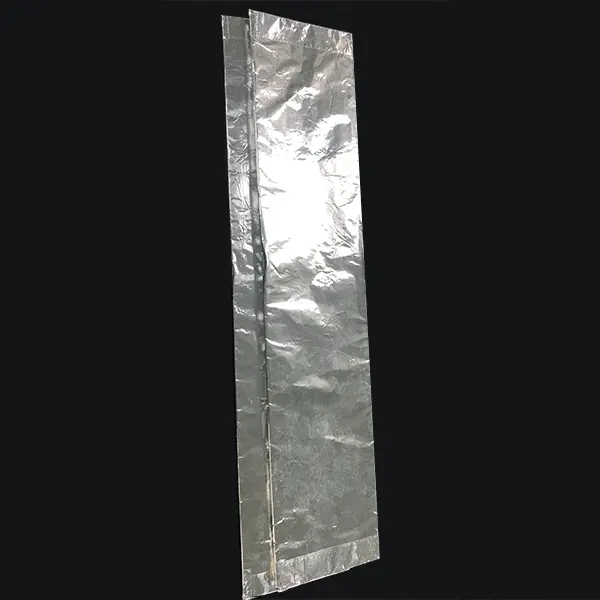
Product Details: Size: Customized Thickness: 5-...
View Details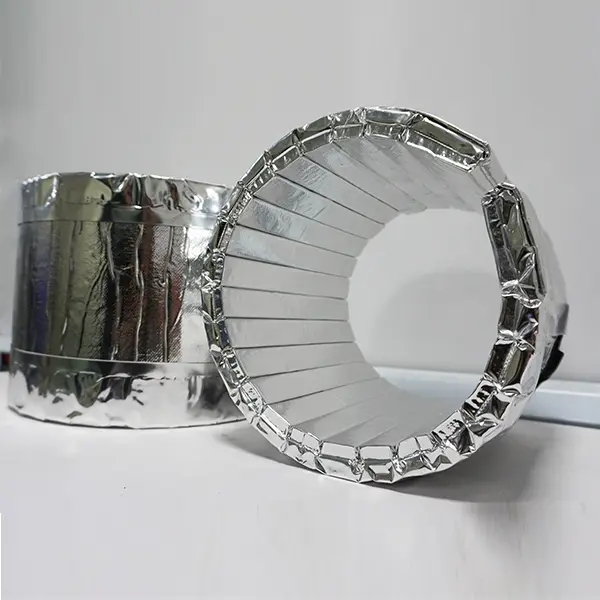
Product Details: Size: Customized Thickness: 5...
View Details
Our elevator fireproof door high temperature na...
View Details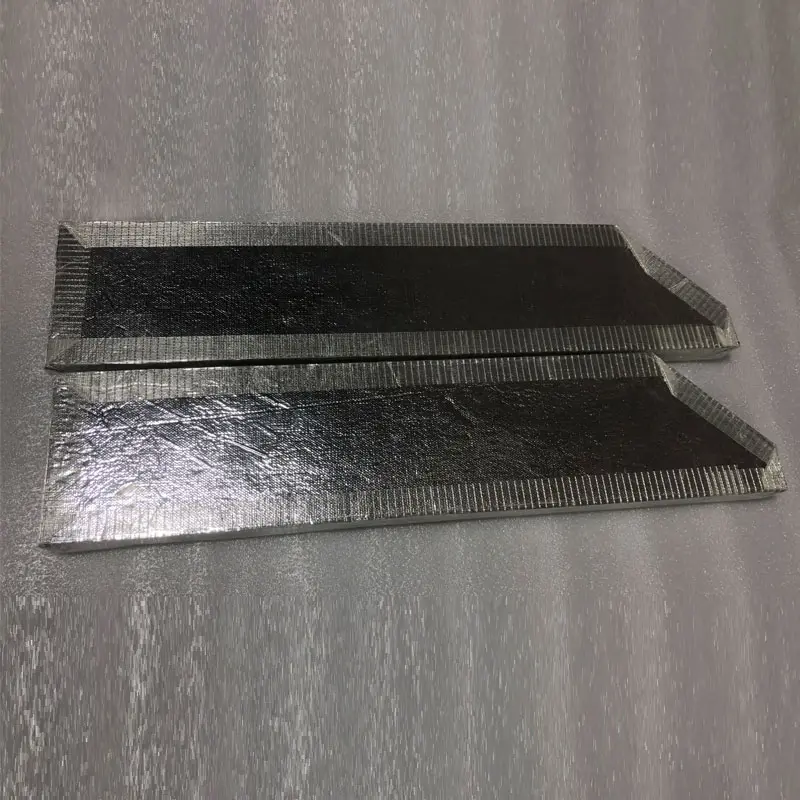
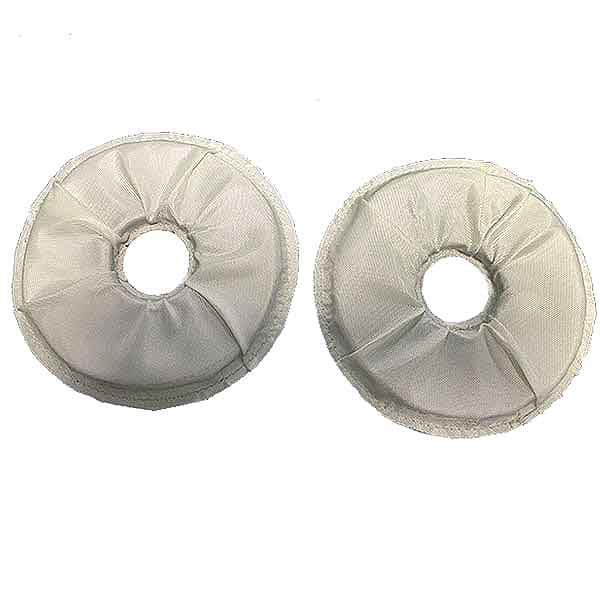
Product Specification Product Features Custom R...
View Details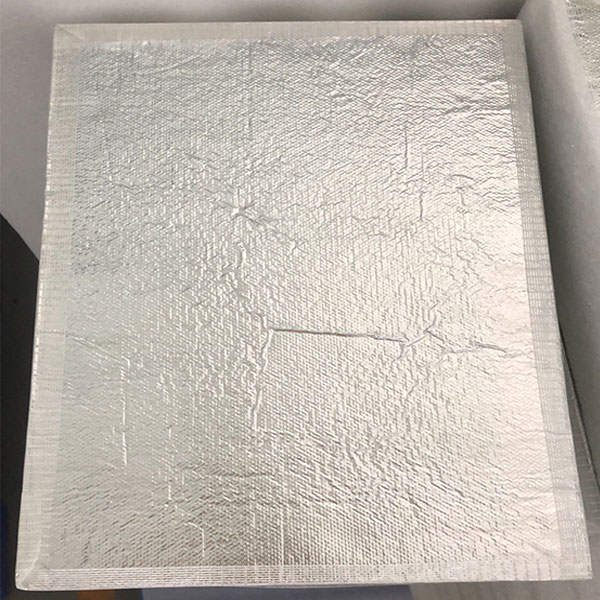
Product Features Size Details Zerothermo vacuu...
View Details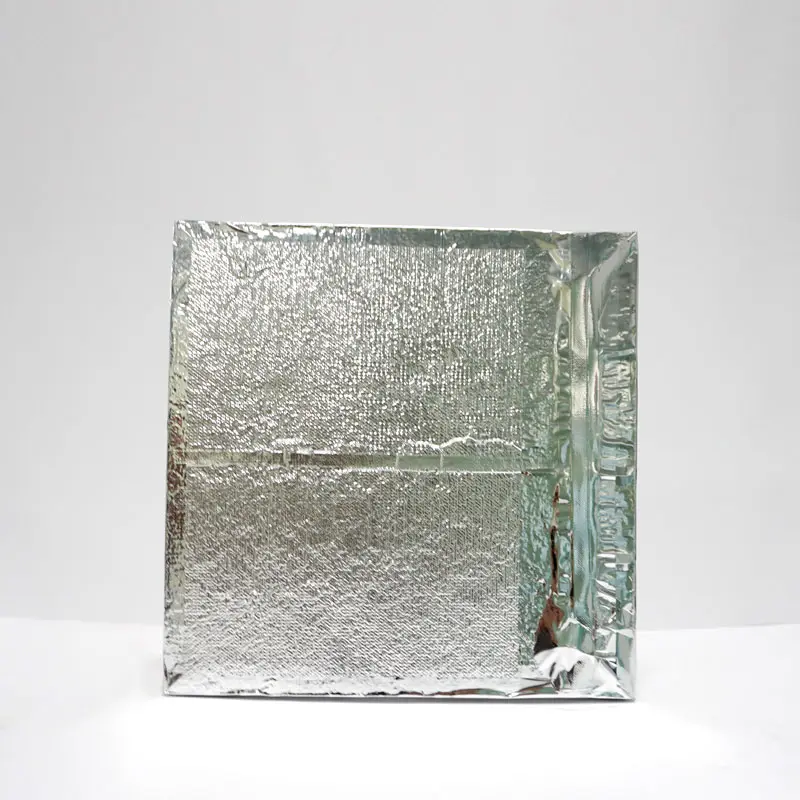
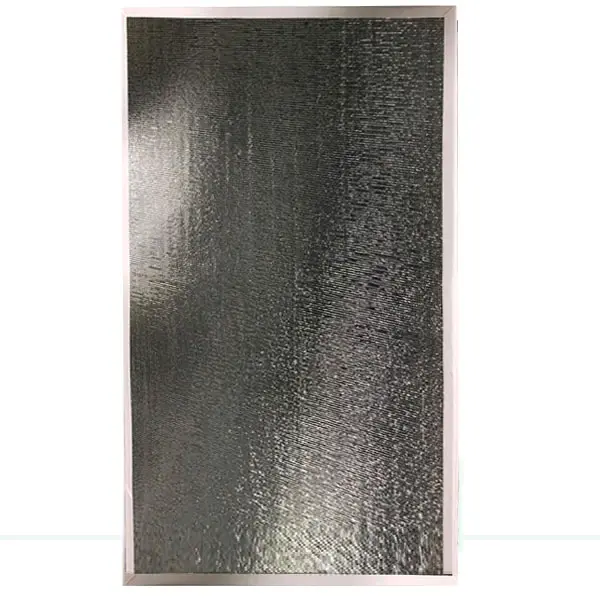
Product Features Product Specification Size ...
View DetailsZerothermo Technology Co., Ltd., a subsidiary of the renowned CBVAC Group and a certified national high-tech enterprise, is headquartered within the high-end industrial cluster of the Beijing Economic-Technological Development Area. Our primary manufacturing facility is located in Nanchong City, Sichuan Province. Spanning state-of-the-art workshops and automated assembly setups, this production facility is one of China’s largest and most advanced centers for vacuum technology research and application development.

We manufacture custom flanges designed to exceed standard sizes (ANSI/ASME/DIN) based on specific engineering drawings and parameters.

We manufacture square, oval, and other custom geometric shapes, including large-scale diameters exceeding 60 inches and micro-precision flanges.

Our technical team supports custom prototyping, testing, and production runs to meet specific project guidelines.
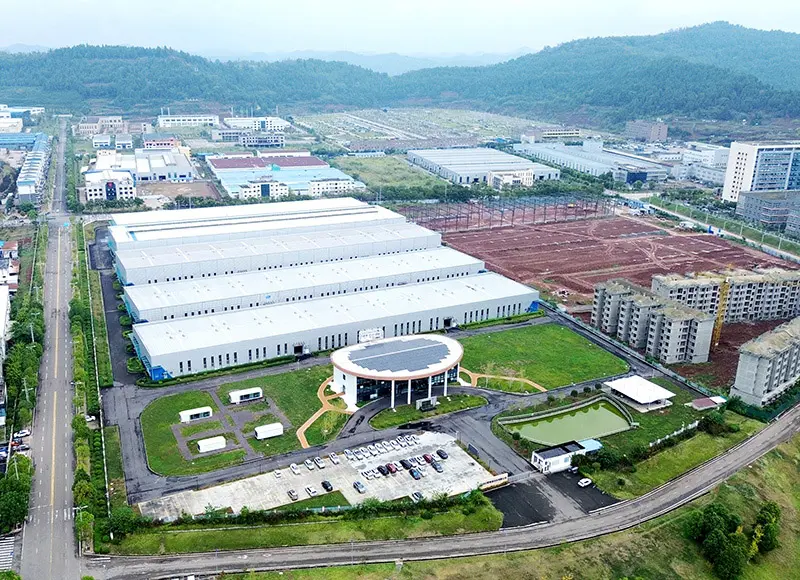

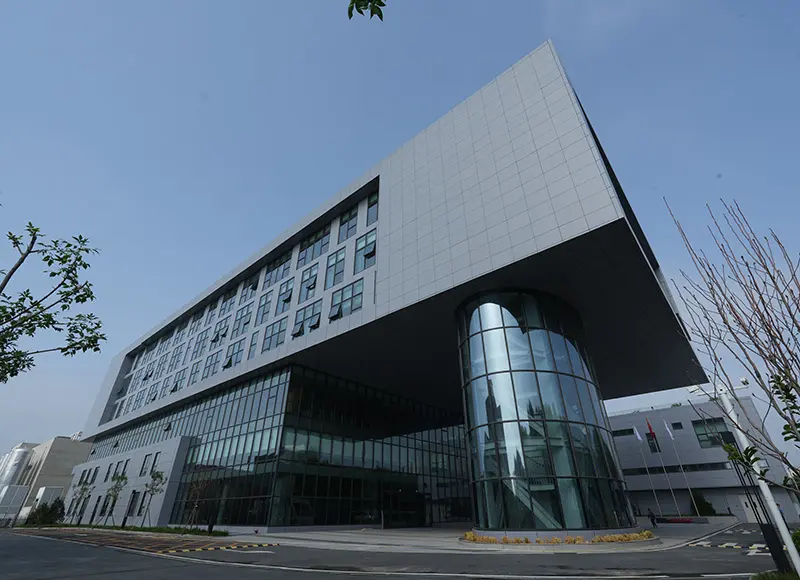


Leveraging deep industrial expertise, precision vacuum engineering, and end-to-end supply chain integration to deliver high-performance thermal insulation solutions.


Providing high-efficiency thermal insulation solutions for building envelope systems through innovative products such as vacuum insulation panels and vacuum insulated glass, empowering the construction sector to reduce carbon emissions and achieve carbon neutrality.
Delivering high-efficiency envelope solutions with slim profiles to meet green building codes and optimize floor area ratios in urban developments.
Providing heavy-duty, thermal-shock-resistant microporous insulation systems designed for industrial furnaces, hot-water tanks, and process piping.


Explore real-world applications of our advanced thermal insulation solutions across commercial, medical, and high-performance sectors.


Addressing the technical, design, and commercial questions raised by procurement managers and structural engineers.
Stay informed on the latest trends in vacuum technology applications, energy efficiency standards, and product innovations.
We provide one-stop vacuum insulation board systems, customized product envelopes, and mechanical parameters for industrial applications. Reach out to our engineering team to request a quote.






Premium low-thermal-conductivity materials engineered for industrial cold chain equipment, container liners, and high-temperature systems.



 +86 15892792306