
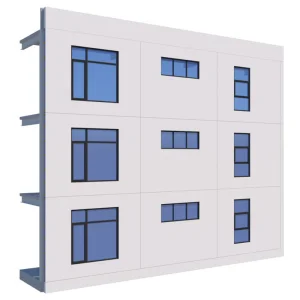
High-efficiency decorative structural integration for outer wall systems.
View pricelist
Advanced reinforcement structures ensuring long-term durability in high load applications.
Explore Factories
Optimized for refrigeration, freezer units, and extreme building envelope solutions.
Get Quotes
Designed for heavy-duty cooler containers requiring extreme temperature control.
Request Custom Size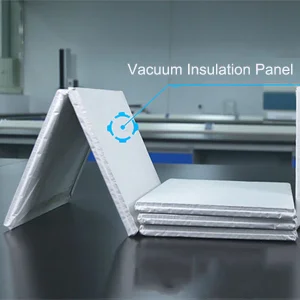
Super thin envelope structure thermal barrier tailored for urban building facades.
View Factories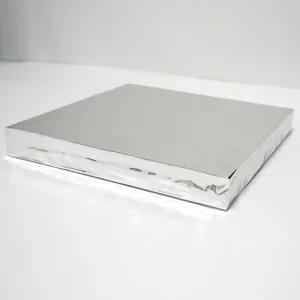
Designed to handle intense thermal radiation in high-temperature systems.
Access Pricelist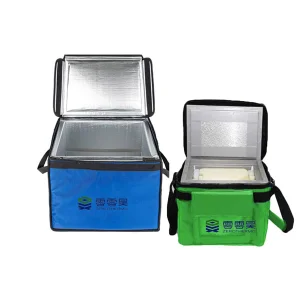
Strict temperature compliance with built-in fumed silica vacuum insulation.
Check Pricing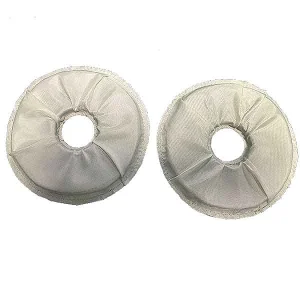
Bespoke rounded design for complex geometries in high-temp industrial pipes.
Request QuotesWhen selecting thermal insulation for industrial refrigeration, green construction, or cold chain logistics, procurement directors and engineering leads face a critical technology path choice: Vacuum Insulation Panels (VIPs) or Polyurethane (PU) Foam. While PU has historically dominated due to lower upfront production costs and manufacturing simplicity, VIP represents the pinnacle of thermodynamics applied to industrial energy efficiency.
Heat transfer happens via three paths: conduction (solid/gas), convection (fluid movement), and radiation. Polyurethane foam slows conduction by trapping low-conductivity blowing gases inside its closed-cell plastic structure. However, gas conduction still remains, and as the blowing agent diffuses and ages, the R-value degrades.
Conversely, VIPs eliminate the gas component entirely. By placing a microporous core material (such as fumed silica or fiberglass) inside an airtight barrier envelope, extracting the air, and sealing it, the gas thermal conduction is reduced to zero. What remains is a thermal barrier that outperforms traditional materials by orders of magnitude.
Information Gain: Fumed Silica VIP core material provides superior thermal stabilization over fiberglass cores, reducing vacuum degradation under ambient temperature swings.
For modern projects, space is premium. In cold chain shipping containers, using thicker walls means less interior cargo volume. In urban real estate, thick insulation walls steal rentable square footage.
Below is a quantitative comparison of typical physical characteristics based on laboratory measurements and manufacturing tolerances. It outlines the specific trade-offs when optimizing for structural integrity, spatial footprint, and longevity.
| Thermal Property & Parameter | Fumed Silica Vacuum Insulation Panel (VIP) | Fiberglass Core VIP | Rigid Polyurethane (PU) Foam |
|---|---|---|---|
| Thermal Conductivity (λ) | 0.004 - 0.005 W/(m·K) | 0.0015 - 0.003 W/(m·K) (initial) | 0.022 - 0.028 W/(m·K) |
| Required Thickness (for R-10) | ~8-10 mm | ~5-7 mm | ~50-60 mm |
| Longevity & Aging degradation | Minimally affected by ambient gas diffusion (20+ years) | Higher degradation if moisture penetrates envelope | Prone to aging; lambda values drift up over 3-5 years |
| Fire Safety Classification | Class A1 / A2 (Non-combustible core) | Class A1 (Non-combustible core) | Class B2 / B3 (Combustible organic polymer) |
| Physical Flexural Adaptability | Rigid panels; must be ordered to size; cannot be cut | Rigid; customizable shape; cannot be cut on-site | Can be cut, carved, injected, or sprayed in situ |
| Environmental Impact | Highly recyclable mineral core; no VOC outgassing | Low VOC; core material recyclable | Requires chemical blowing agents; non-biodegradable |
At Zerothermo Technology, we understand that standard dimensions rarely fit high-performance systems. Our state-of-the-art production base supports a suite of tailored services matching diverse mechanical specifications.
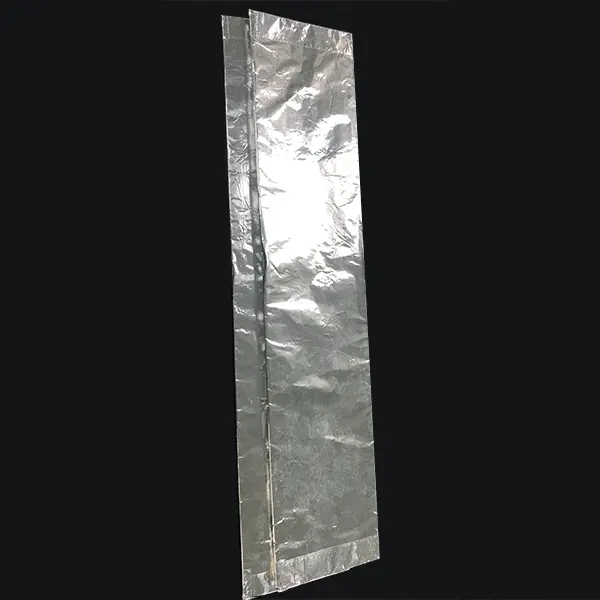
Size: Customized | Thickness: 5-20mm. Ultra-thin barriers preventing thermal runaway propagation in EV packs.
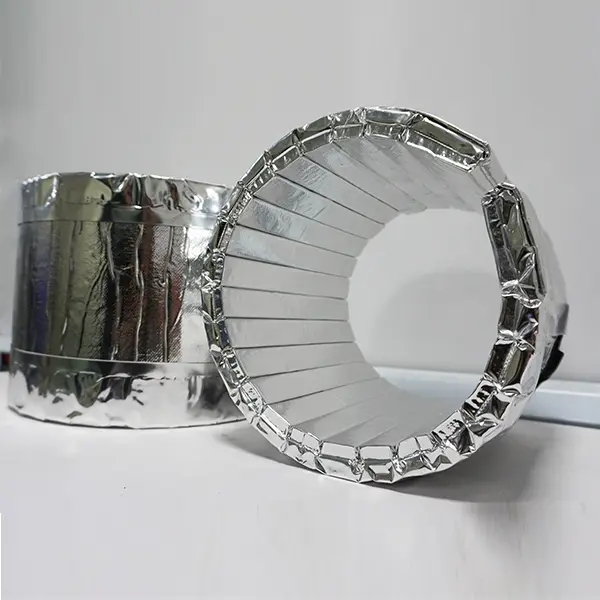
Customized high-heat dynamic barriers with waterproof encapsulation layers.
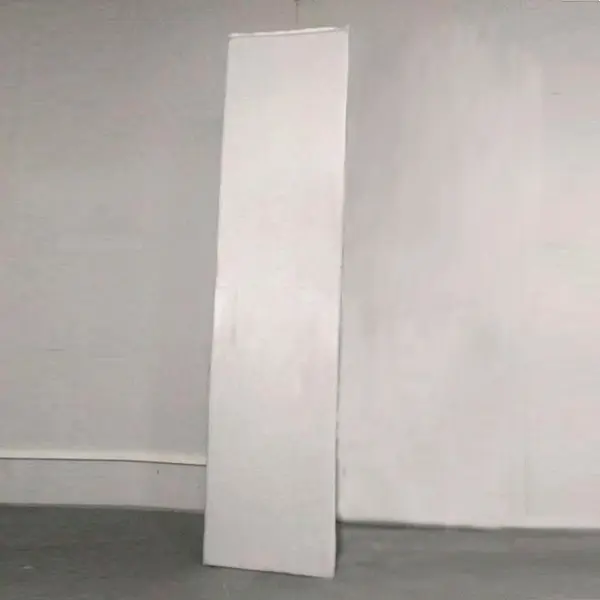
Elevator fire door micro-cores providing vital heat shielding during emergency situations.
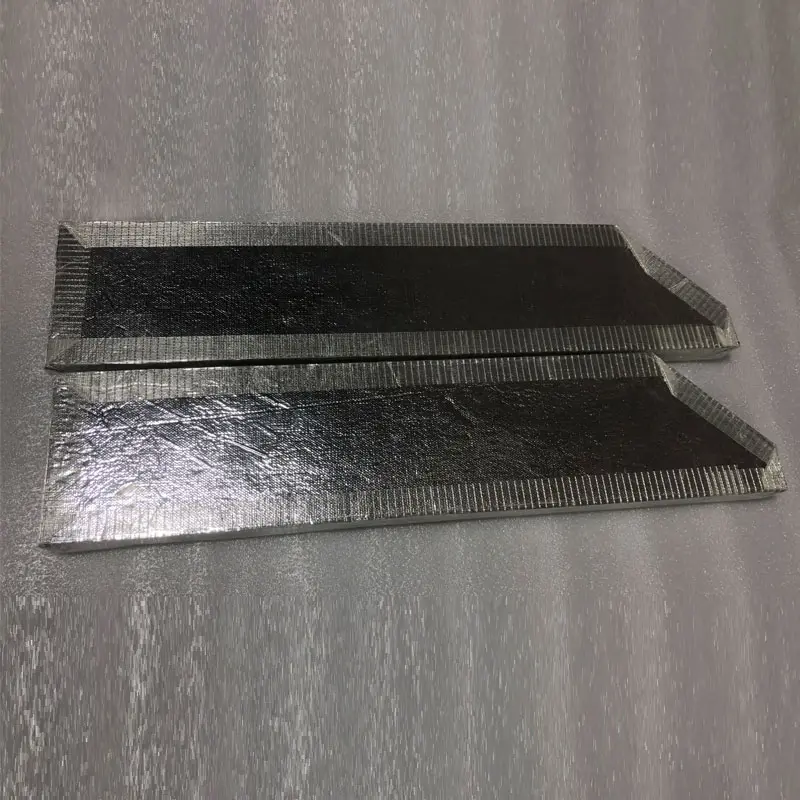
Complex 3D geometries, curves, and cut-outs molded to fit custom cold storage envelopes.
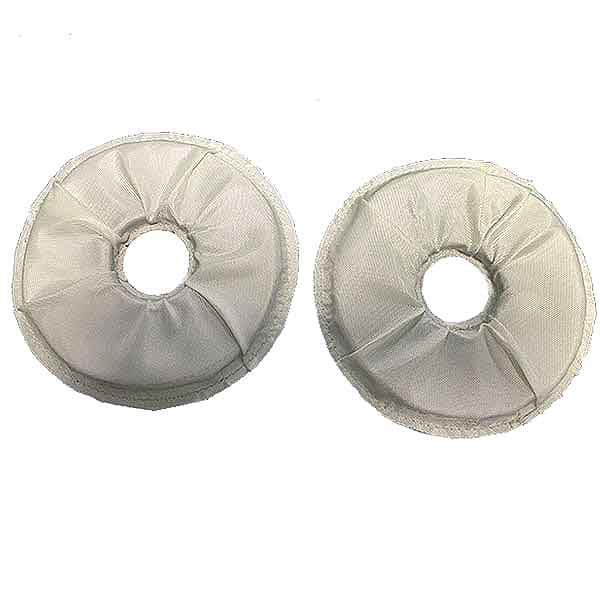
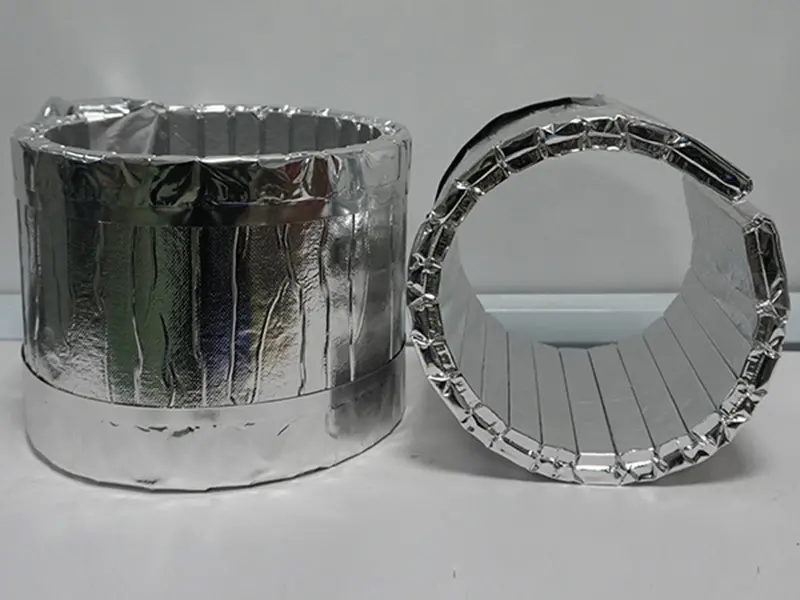
Perfect for high-temperature pipe lagging, cylindrical storage reactors, and rotary valves.
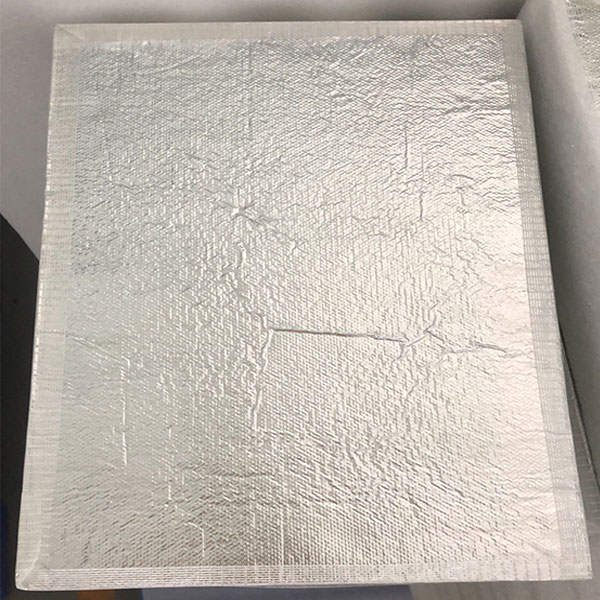
Enhanced surface protection with composite layers to resist on-site installation damage.
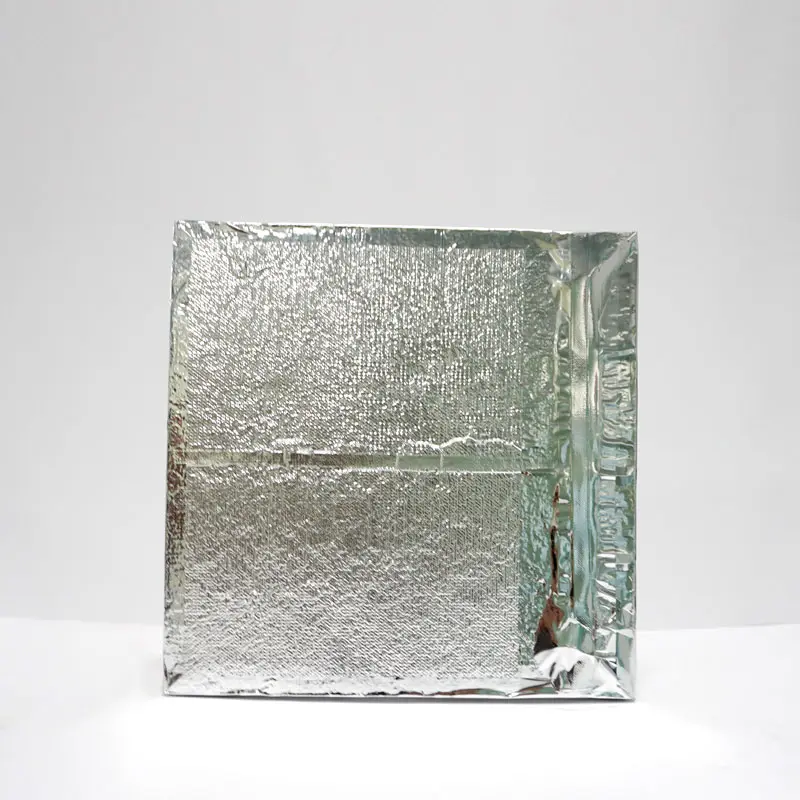
Engineered layers for dry ice transport containers maintaining stable internal temperatures.
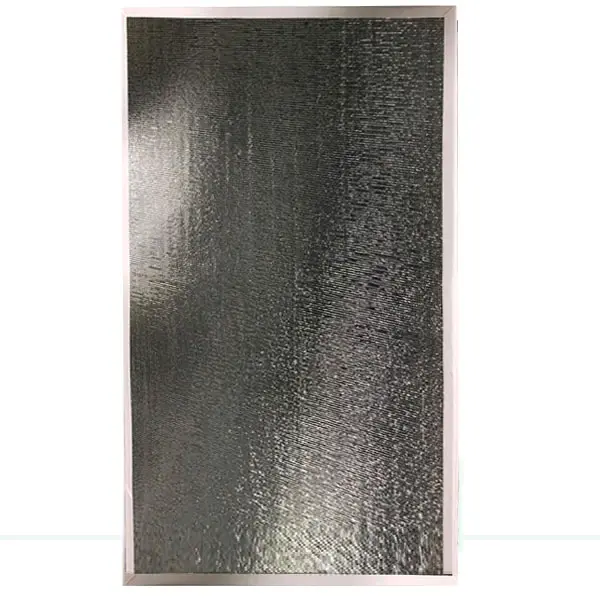
Large format panel installations to minimize thermal bridging in industrial building facades.
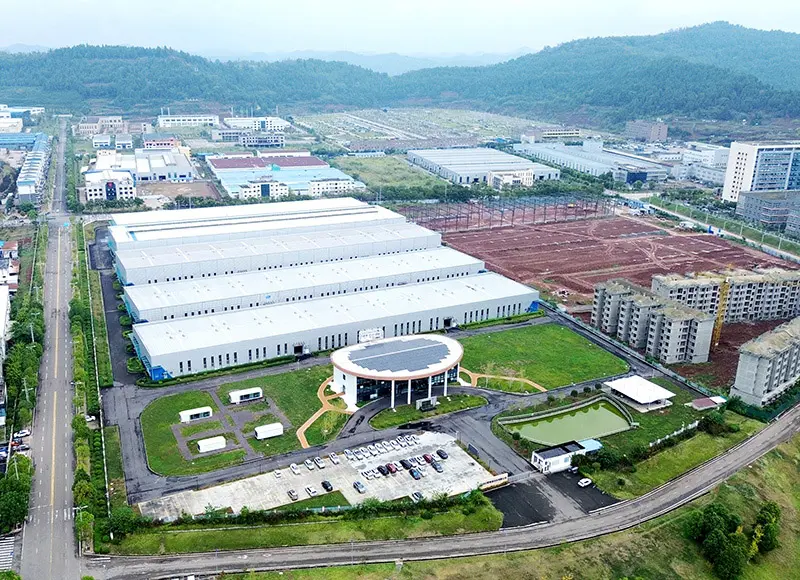
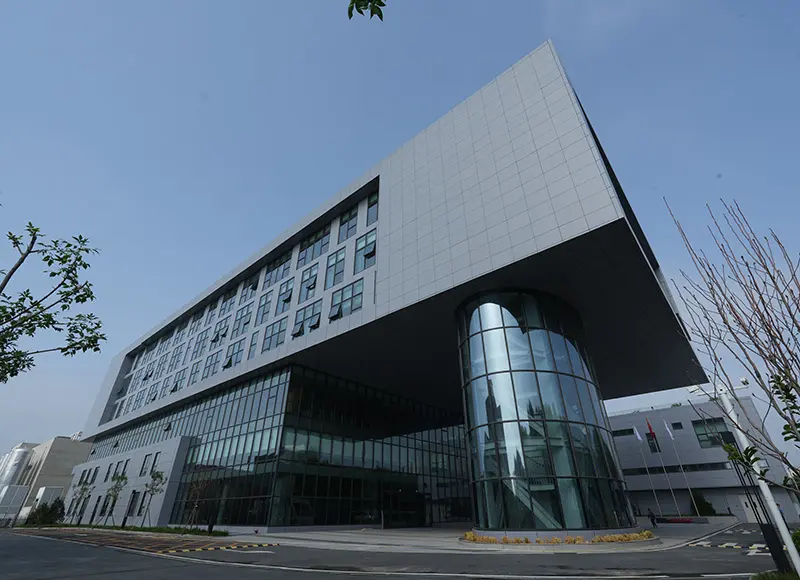
Zerothermo Technology Co., Ltd., a subsidiary of CBVAC Group and a national high-tech enterprise, is headquartered in the Beijing Economic-Technological Development Area with its production base located in Nanchong City, Sichuan Province. This facility stands as one of China’s largest comprehensive production centers for vacuum technology application products.
Leveraging deep industrial expertise in high-vacuum valves, seals, and chamber designs from CBVAC Group, Zerothermo brings aerospace-grade manufacturing practices to advanced thermal solutions. Our industrial footprint covers research and production of insulation systems, vacuum-insulated glass, and microporous materials.

Beyond thermal panels, our capabilities cover high-precision mechanical vacuum interface components, offering robust customization for airtight designs:

Special sizes (beyond the range of ANSI/ASME/DIN and other standards) are produced according to customers' drawings or technical parameters.

Square, oval or other special shaped flanges. - Oversize/small diameter: such as diameter over 60 inches or micro precision flanges.

Tailored flanges engineered specifically to secure gas extraction systems in composite vacuum systems.


Strict quality assurance following ISO 9001 and ISO 14001, executing vacuum extraction monitoring on every single panel.

From CAD engineering to dynamic thermal profiling, we execute prototype and mass-manufacture batches swiftly.

One of China's largest manufacturing footprints for vacuum products ensures uncompromised quality for massive scale orders.

Packaged with specialized edge protectors to assure barrier envelope integrity during international maritime freight.

Supporting clean-tech initiatives, global net-zero building codes, and major commercial refrigerator OEM brands with stable, multi-year supply contracts.
As carbon taxes expand and corporate environmental footprint transparency becomes mandatory, industries are actively shifting from high-emissions, thick polyurethane insulation systems to advanced vacuum technologies.

Providing high-efficiency thermal insulation solutions for building envelope systems through innovative products such as vacuum insulation panels and vacuum insulated glass, empowering the cold chain logistics sector to reduce energy waste.

Providing high-efficiency thermal insulation solutions for building envelope systems through innovative products such as vacuum insulation panels and vacuum insulated glass, empowering the construction sector to reduce carbon emissions and achieve carbon neutrality.

Using nano microporous panels and flexible thermal mats to lock in heat within smelting ovens, industrial pipelines, and elevators, saving up to 40% heat dissipation losses compared to traditional mineral wools.

Equipping mobile modular cabins, scenic modular hotels, and premium cold beverage dispensers with thin-profile VIPs to maximize internal usable floor area while maintaining comfort in extreme conditions.




Our solutions have been verified in real-world scenarios across commercial, educational, and high-tech sectors globally.

Cleanroom wall structures featuring VIP integration to isolate microchip production thermal fluctuations.

Integrated exterior facade cladding providing high energy savings for structural retrofits.

Green construction initiative utilizing eco-friendly, non-combustible VIP panels for main classroom halls.
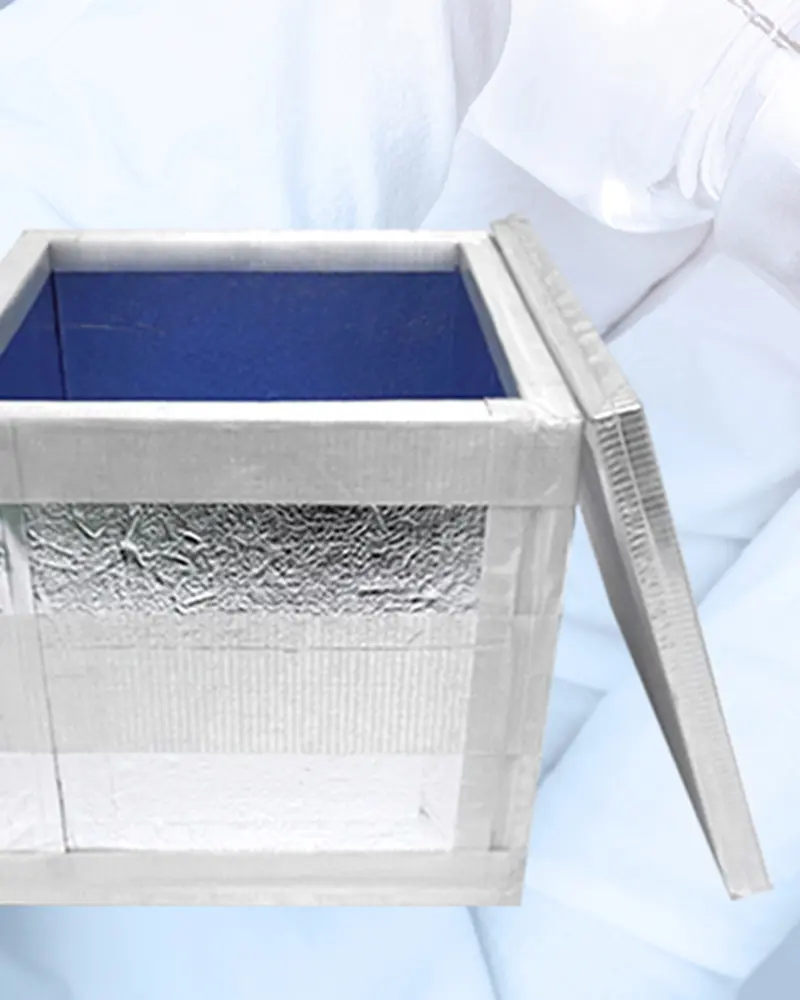
VIP-insulated cooling containers deployed to maintain -70°C for mRNA vaccine transit logs.
Committed to supporting China’s "dual-carbon" goals, Zerothermo Technology drives high-quality development of new quality productivity while promoting sustainable industrial advancement.
Analyzing safety regulations and thermal insulation metrics driving the adoption of nano-microporous technology in commercial elevators.

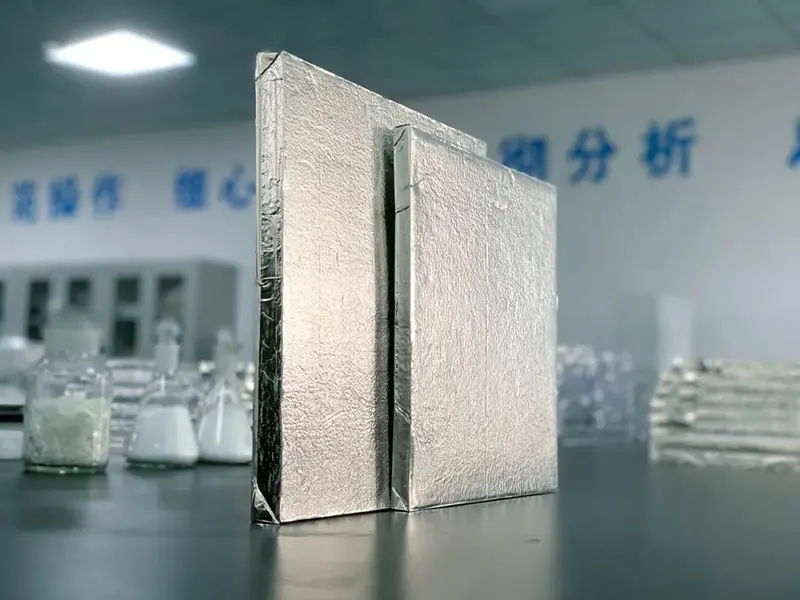
Our sales and technical directors showcase low-thermal-conductivity solutions and answer client structural questions directly.
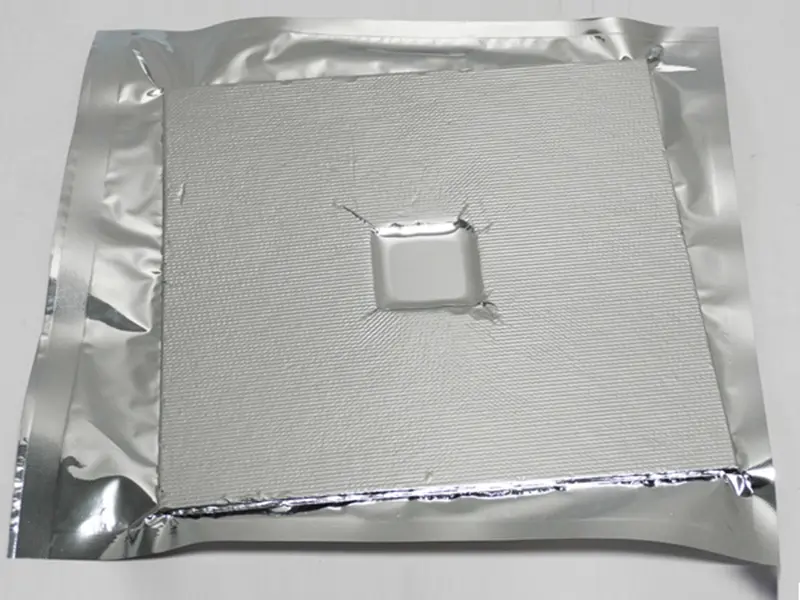
Why nano-microporous composites represent the next thermal technology frontier for localized automotive and space applications.
As a global B2B buyer or system architect, evaluating cheap VIPs against polyurethane requires a deep understanding of core materials, manufacturing limitations, and edge-loss physics.
Not all vacuum panels are equal. Low-cost VIP panels often use fiberglass cores, which deliver excellent initial thermal conductivity (λ ≈ 0.002 W/m·K) but are vulnerable to moisture and atmospheric gas penetration. Over time, moisture degrades the glass fibers and compromises the vacuum pressure, causing a swift drift in insulation performance.
Fumed Silica Core VIPs present a robust, aging-resistant alternative. Silica particles form sub-micron structures that naturally obstruct gaseous transfer. Even if the vacuum barrier suffers minor micro-cracks over decades, the physical properties of fumed silica prevent the R-value from plummeting to traditional insulation levels, ensuring consistent insulation throughout the structure's lifetime.
One major downside of VIPs compared to sprayed or injected polyurethane is the edge thermal bridge. Polyurethane fills every gap, avoiding localized seams. VIP panels must be sealed in high-barrier metallic envelopes (often multi-layer aluminum laminates). This metallic wrapper, while vital for maintaining the vacuum, acts as a micro-conduit for thermal conduction along the borders of the panel.
To eliminate this, leading factories design Shaped and Laminated VIP systems that employ staggered layers or composite edges, allowing panels to interlock seamlessly. Coupling VIP with a secondary thin spray layer of polyurethane or aerogel tape is a common industry solution that ensures full coverage with zero thermal bridging.
Everything you need to know about implementing Vacuum Insulation Panel systems vs. traditional Polyurethane Foam insulation.
Looking for a custom thermal insulation solution or need to compare pricing for bulk industrial manufacturing orders? Zerothermo Technology provides complete, one-stop vacuum insulation solutions, covering core preparation, panel size configuration, and physical performance testing.
Fill out our inquiry form or contact our international sales desk directly. Our technical engineering team will reply within 24 hours with custom thermal modeling configurations and structural suggestions.


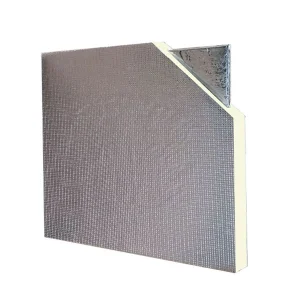
Composite design integrating polyurethane envelope structures with vacuum panels for cold chain boxes.
Access Pricelist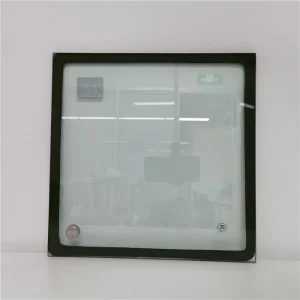
Advanced double-paned insulated glass providing superior soundproofing and thermal insulation.
Request Quotes
Prefabricated panel solutions for quick assembly on modular real estate projects.
Explore Manufacturer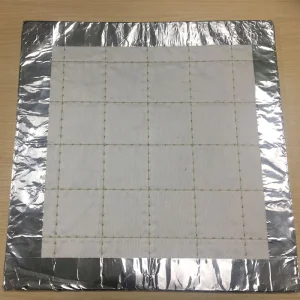
Custom mats handling high heat radiation in specialized furnace enclosures.
Get Price List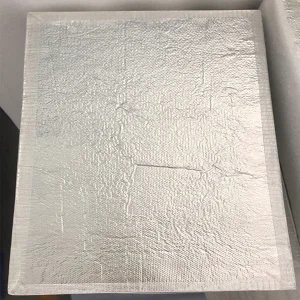
Protective layer configurations ensuring high durability against friction and wear.
Check Specifications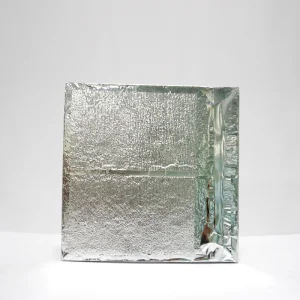
Specialized logistics panels engineered for vaccines, biomedical transport, and fresh food shipping.
Browse Sizes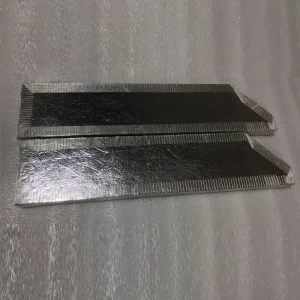
Optimized with protective PET film layers to fit irregular mechanical and structural recesses.
Request Custom Layout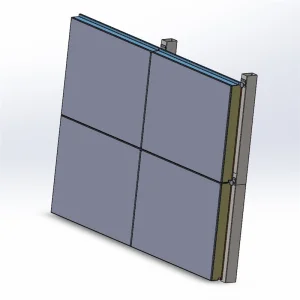
Seamlessly integrates load-bearing structure, thermal barrier, and outer decorative skin.
Get Pricing