Executive Summary: The Structural Shift to Next-Generation Thermal Envelopes
In response to global climate initiatives—most notably the European Green Deal, the US Net-Zero targets, and China's "Dual-Carbon" strategy—the construction and industrial refrigeration sectors are facing unprecedented regulatory pressure. Traditional building insulation options, such as Expanded Polystyrene (EPS), Extruded Polystyrene (XPS), and Mineral Wool, are increasingly showing their limitations. To meet modern ultra-low Energy Building (ULEB) and Passivhaus standards, traditional insulation must be applied in thicknesses up to 200–300 mm. This excessive thickness drastically reduces usable floor space, complicates facade structural attachments, and significantly drives up installation labor costs.
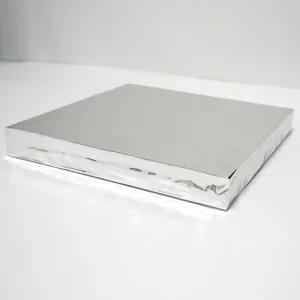
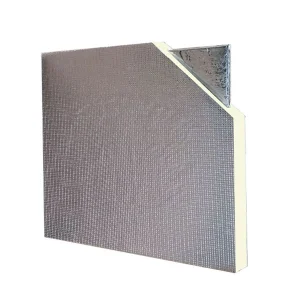
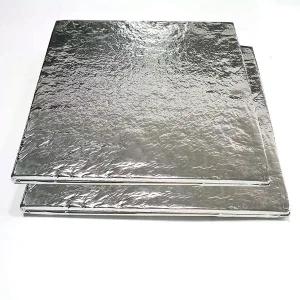
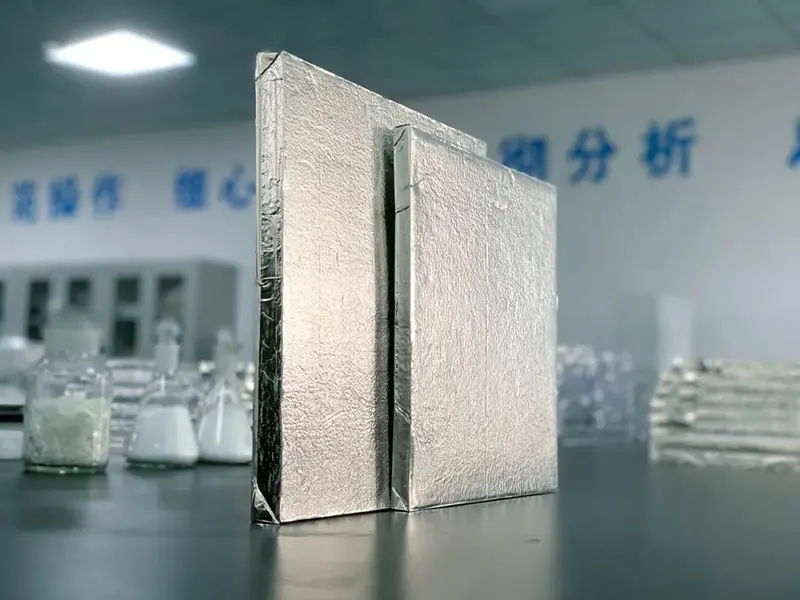
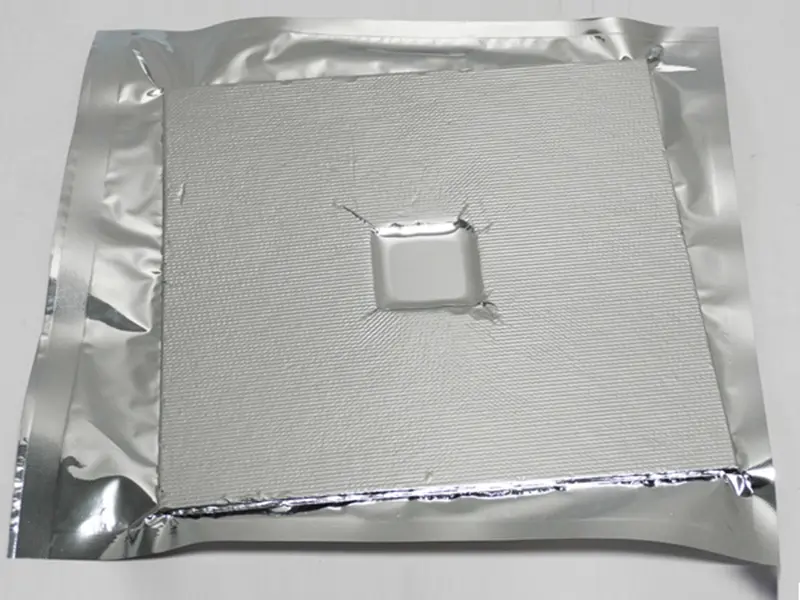
“Vacuum Insulation Panels (VIPs) present a revolutionary solution. With a thermal conductivity rate (lambda value) of less than 0.004 W/m·K—which is up to 5 to 8 times more efficient than conventional materials—VIPs allow for extremely thin envelope designs without compromising insulation performance.”
For high-performance wall insulation factories and engineering procurement companies, sourcing cheap VIP panels that do not compromise mechanical integrity or gas barriers is crucial for commercial scalability. This white paper analyzes the materials science, long-term vacuum decay metrics, architectural integration strategies, and the economic landscape that enables cost-effective high-volume VIP production.
VIP Core Materials Technology Roadmap & Comparative Physics
The thermal efficiency of a Vacuum Insulation Panel is dictated by three primary factors: the core material's pore size, the barrier film's resistance to gas permeation, and the interior vacuum level. Here, we analyze the two main core material options used in modern VIP factories: Fumed Silica and Fiberglass.
1. Fumed Silica Core Materials
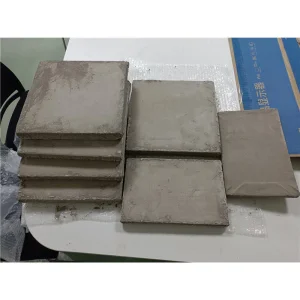
Fumed silica consists of amorphous silicon dioxide nanoparticles that form a highly structured, microporous lattice. Because of its minuscule pore size (ranging from 10 to 100 nanometers), it effectively limits the mean free path of gas molecules. As a result, even if the vacuum level within the panel degrades slightly over time, the fumed silica core remains an exceptional insulator. This material is highly resistant to moisture, exhibits excellent load-bearing properties, and has an expected operational lifespan of over 50 years, making it the premier choice for permanent architectural wall systems.
2. Fiberglass (Glass Wool) Core Materials
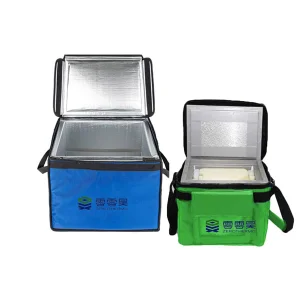
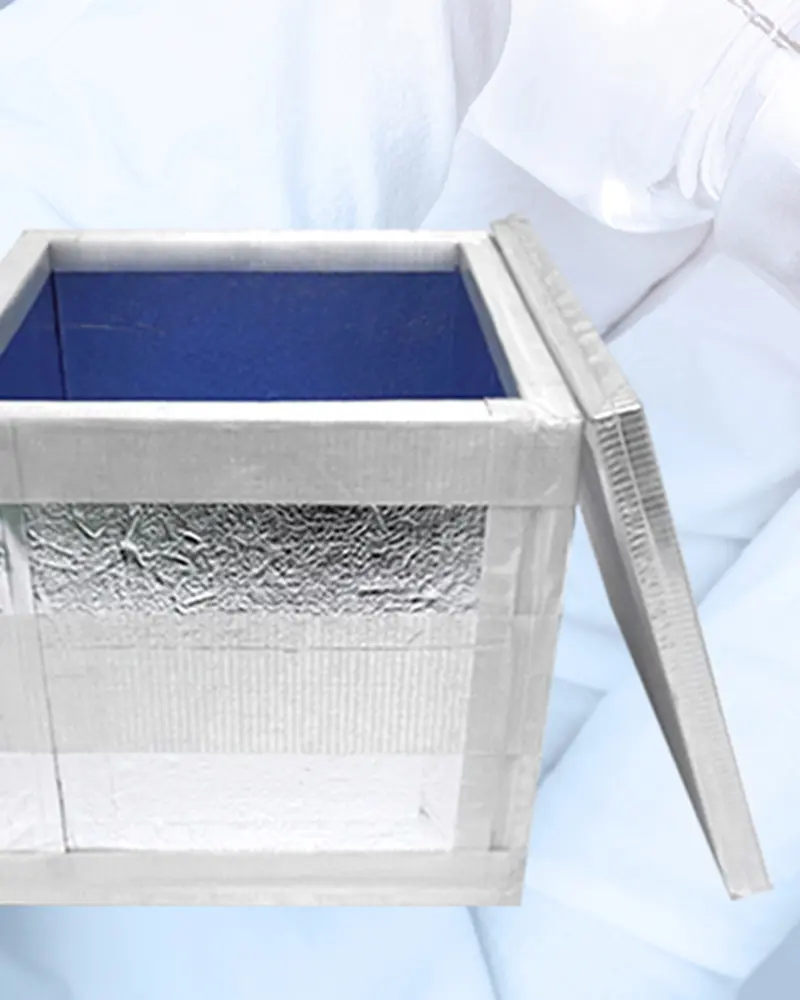
Fiberglass core VIPs utilize ultra-fine glass fibers to create a structured matrix. They offer a very low initial thermal conductivity (often below 0.002 W/m·K under peak vacuum). However, because the pore sizes of fiberglass are significantly larger (1 to 10 micrometers) than those of fumed silica, their thermal performance relies heavily on maintaining a high vacuum level (typically below 1 mbar). A slight leak or outgassing will cause their thermal resistance to degrade much faster. While fiberglass VIPs are generally more economical to produce initially, they are best suited for applications with shorter lifespans or controlled environments, such as commercial refrigeration or cold chain shipping boxes.
| Physical Property |
Fumed Silica Core VIP |
Fiberglass Core VIP |
Conventional EPS Board |
| Initial Thermal Conductivity |
0.004 – 0.005 W/m·K |
0.0018 – 0.0025 W/m·K |
0.031 – 0.038 W/m·K |
Long-term Aging Conductivity (25 Years) |
< 0.006 W/m·K |
> 0.008 W/m·K (pressure dependent) |
Stable at 0.035 W/m·K |
| Pore Size |
10 – 100 nm |
1 – 10 µm |
Macro-cellular (>100 µm) |
| Lifespan Expectancy |
Up to 50+ Years |
10 – 15 Years (highly variable) |
30 – 50 Years |
| Combustibility Rating |
Class A (Non-combustible) |
Class A (Non-combustible) |
Class B1/B2 (Combustible) |
Barrier Film Engineering and Vacuum Preservation Mechanics
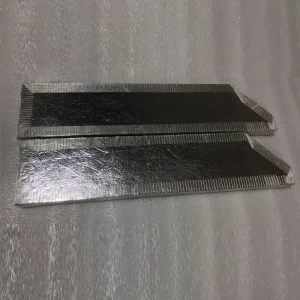
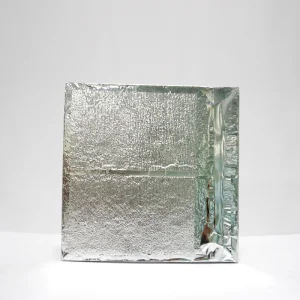
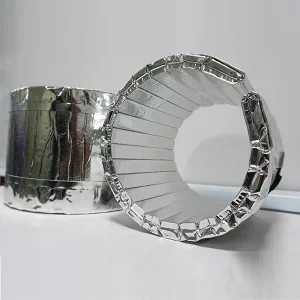
The longevity of a VIP panel relies heavily on the gas barrier envelope that encloses the core material. Most wall insulation factories utilize multi-layered metallized laminate films, which consist of alternating layers of polyethylene terephthalate (PET) and aluminum (Al) vapor deposition. This configuration provides a tortuous path for oxygen, nitrogen, and moisture molecules, drastically reducing the oxygen transmission rate (OTR) and water vapor transmission rate (WVTR).
To prevent localized heat transfer at the edges of the panel, engineers must balance the thickness of the aluminum layers. Thin metallized layers minimize thermal bridging but can increase the risk of pinhole punctures, whereas thick aluminum foil layers prevent gas permeation but can create a significant thermal bridge around the perimeter of the panel. Modern factories solve this dilemma by using optimized multi-layered laminate films with integrated getter materials—such as barium-lithium or calcium oxide—which absorb trace gases and moisture that outgas from the core or slowly seep through the barrier film over decades.
Macro Architectural Integration & Wall Insulation Retrofitting Solutions
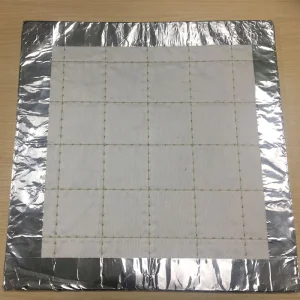
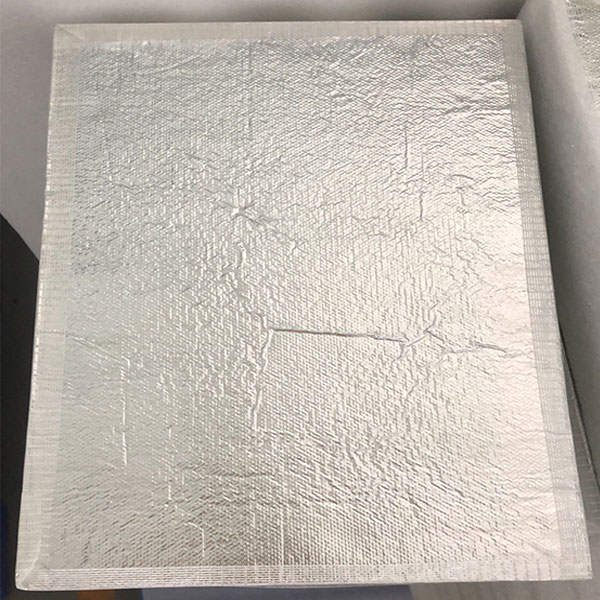
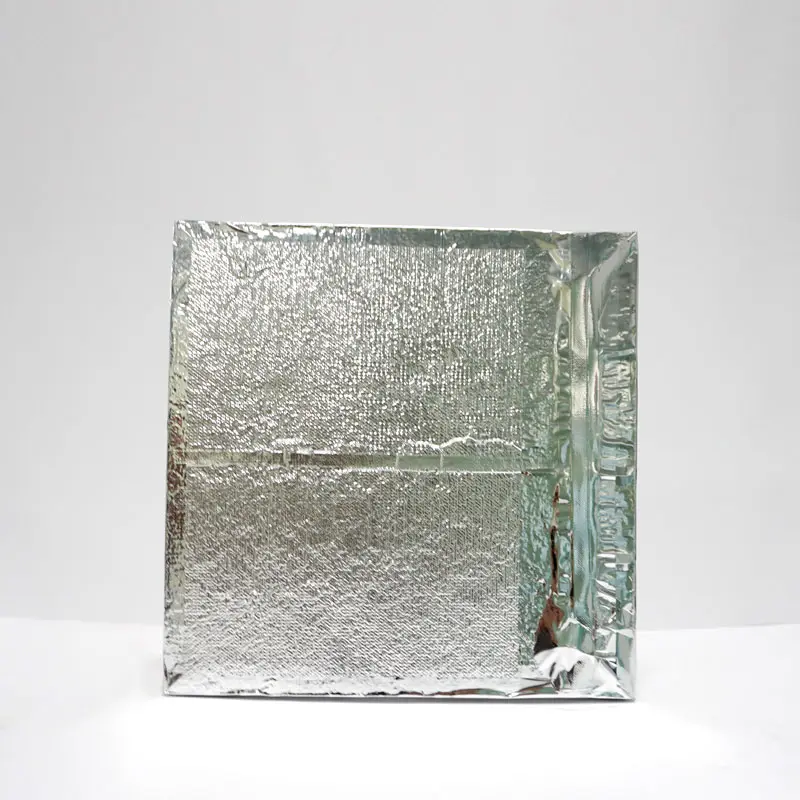
Integrating VIP panels into a building's envelope requires careful planning, as they cannot be cut or drilled on-site. Any puncture to the outer membrane destroys the internal vacuum, immediately reducing the panel's R-value to that of a basic silica or glass wool board. To address this, modern architectural installations use a hybrid system.
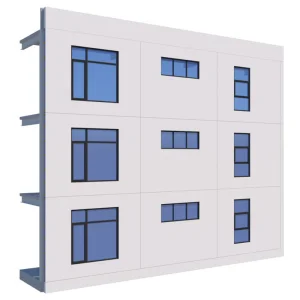
In a typical exterior thermal insulation composite system (ETICS), VIP panels are combined with perimeter "compensating" zones made of EPS, polyurethane, or mineral wool. These compensating boards can be easily cut, trimmed, and drilled to accommodate windows, structural penetrations, and edge adjustments. For high-rise facades and commercial curtain walls, factories supply prefabricated unitized vacuum insulation walls. These units encapsulate the VIP panel inside protective outer layers, shielding the barrier film from physical damage during transportation and installation.
China Industry 4.0: Supply Chain Resilience and Cost Advantages
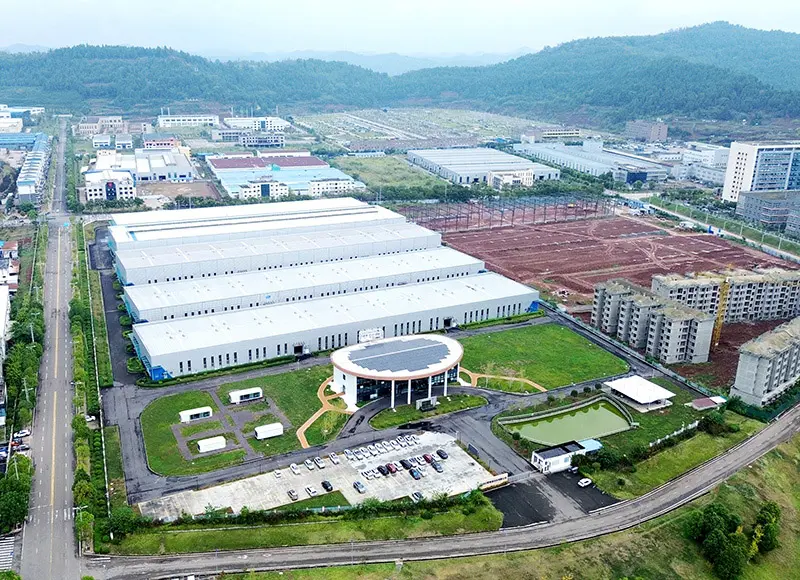
The global demand for cost-effective VIP panels has driven advanced manufacturing centers to adopt automated, high-precision assembly lines. At the forefront of this industrial transition is China's advanced manufacturing infrastructure, which leverages vertical integration to lower production costs without compromising quality.
By automating the entire production process—from initial core molding and high-temperature baking to vacuum chamber evacuation and edge sealing—factories can maintain strict quality control while reducing labor overhead. Additionally, sourcing raw fumed silica and barrier films locally simplifies the supply chain, protecting production schedules from international shipping delays. This combination of scale and efficiency allows manufacturers to supply high-performance, cost-effective VIP panels to major construction projects worldwide.










 +8615892792306