Industrial Catalog
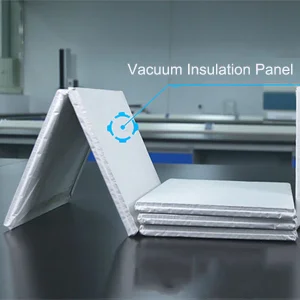
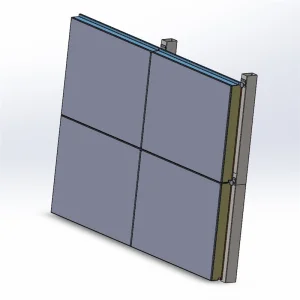
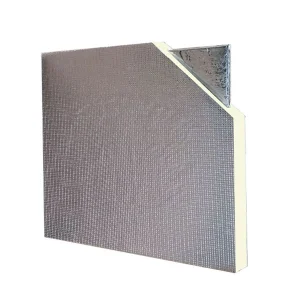
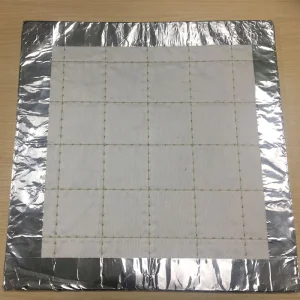
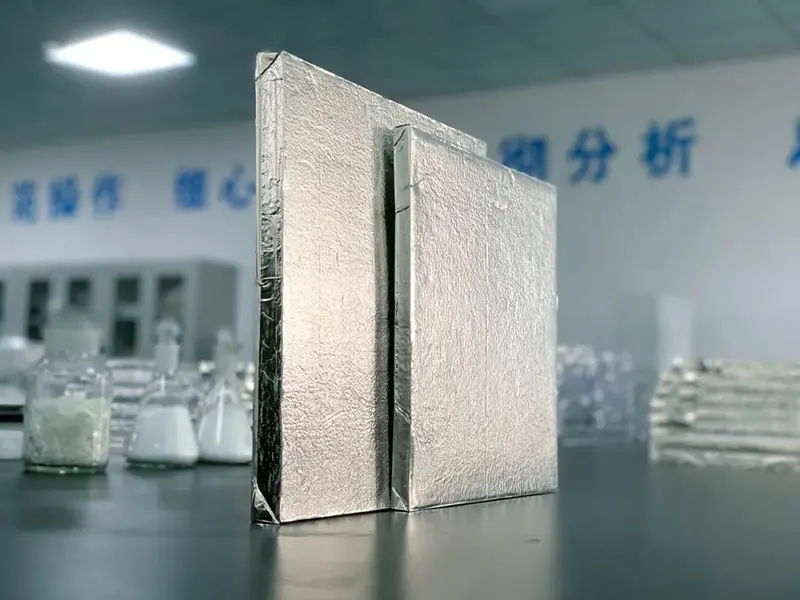
In an era defined by aggressive decarbonization mandates and strict global energy directives, traditional insulation materials like expanded polystyrene (EPS), polyurethane (PU), and rock wool are reaching their thermodynamic physical thresholds. To achieve higher performance yields without increasing insulation thickness, industries are shifting towards Vacuum Insulation Panels (VIPs) and Nano-Microporous Insulation media.
“By eliminating gas convection within a core material under vacuum pressures typically below 1 mbar, VIPs can achieve thermal conductivity values (λ-values) as low as 0.0015 to 0.004 W/m·K. This performance level is up to ten times superior to conventional materials.”
The transition toward super-insulation solutions is driven by two main growth sectors: modern urban architecture seeking high space utilization and cold-chain logistics networks transporting biopharmaceuticals. Within these verticals, manufacturing cost efficiency determines deployment viability.
Globally, the demand for vacuum insulation technology spans regions with strict green building standards (such as the EU's Energy Performance of Buildings Directive and Net Zero Energy Building regulations) and high-density manufacturing areas. Procurement managers look beyond unit pricing to prioritize long-term performance, service life under mechanical stress, and thermal edge bridge mitigation. To support these industrial needs, specialized manufacturing facilities offer customized core compositions, including fumed silica cores for long service life, and fiberglass cores for high initial thermal efficiency in applications like refrigeration units.
China has established itself as a leading provider of high-performance, cost-effective vacuum insulation materials. The region's efficiency advantages stem from integrated supply chains, starting with local raw material processing in places like Sichuan Province. By locating chemical processing, vacuum engineering, and automated high-throughput envelope sealing in close proximity, manufacturers reduce production overheads.
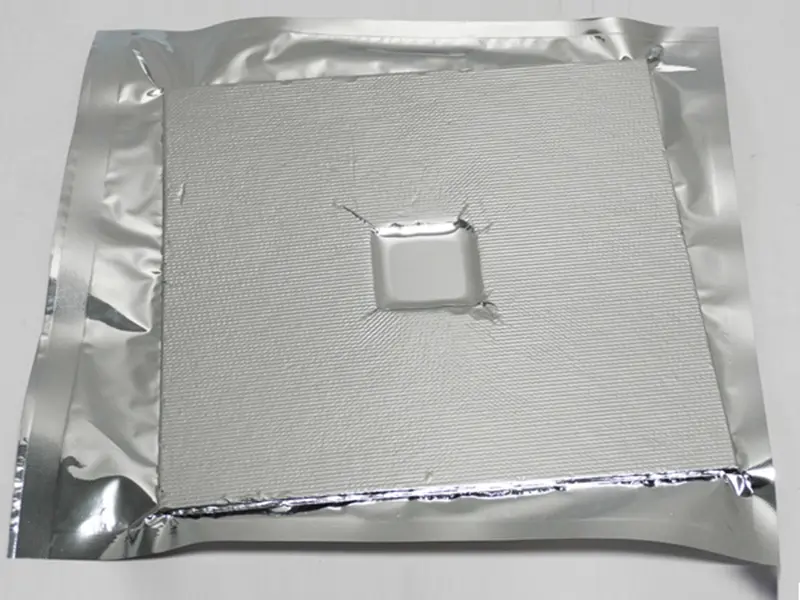
Furthermore, the incorporation of advanced automated testing machinery—such as non-destructive vacuum measurement systems and dynamic thermal conductance monitors—ensures consistent quality across large-scale production runs. Chinese manufacturers utilize advanced barrier laminates with multiple layers of metalized PET films, which significantly reduce gas transmission rates over decades of use. This manufacturing model allows for customized, non-standard shapes and high-volume orders, providing global developers and manufacturers with cost-effective thermal barrier systems.
The applications for vacuum insulation panels and nano-microporous sheets span across several commercial and industrial environments:
Engineered Customization
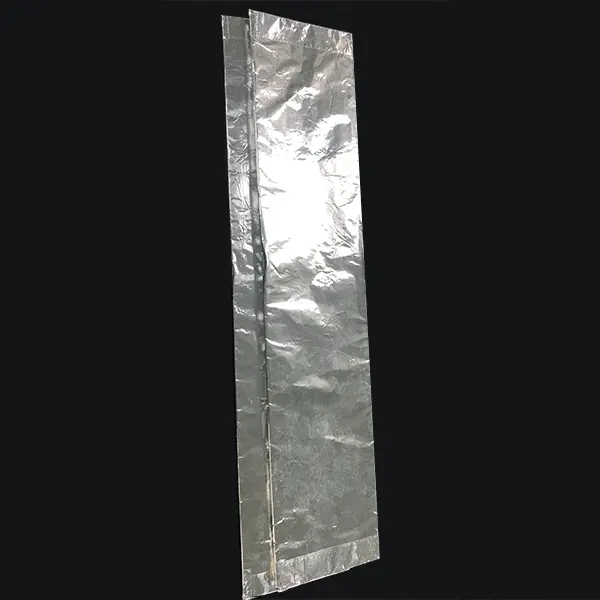
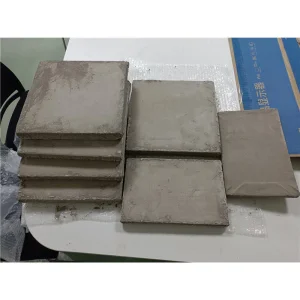
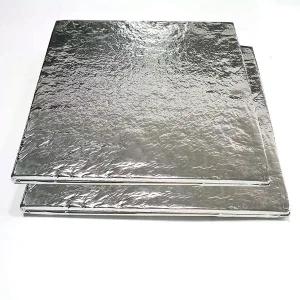
Product Details: Size: Customized Thickness: 5-50mm, optimized for electric vehicle thermal runaway protection.
View More +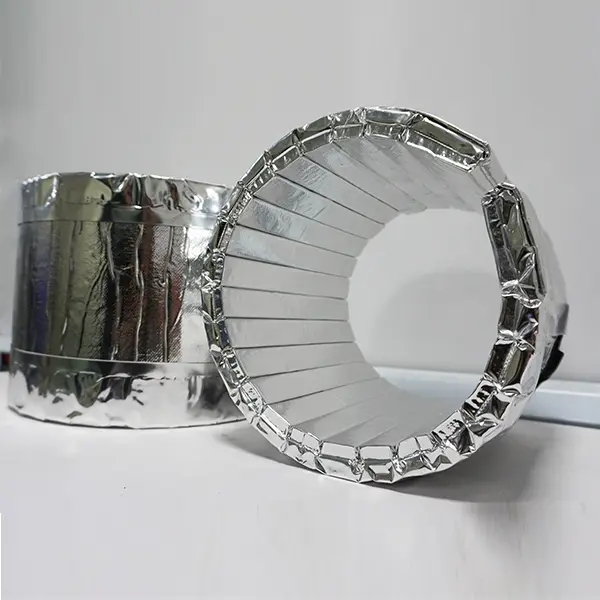
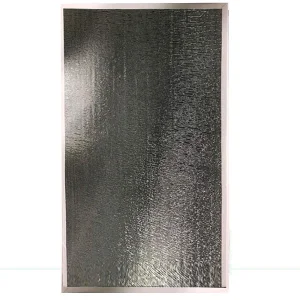
Product Details: Size: Customized Thickness: 5-30mm, designed for high-heat retention.
View More +
Our elevator fireproof door high temperature nano insulation panels provide certified fire safety ratings.
View More +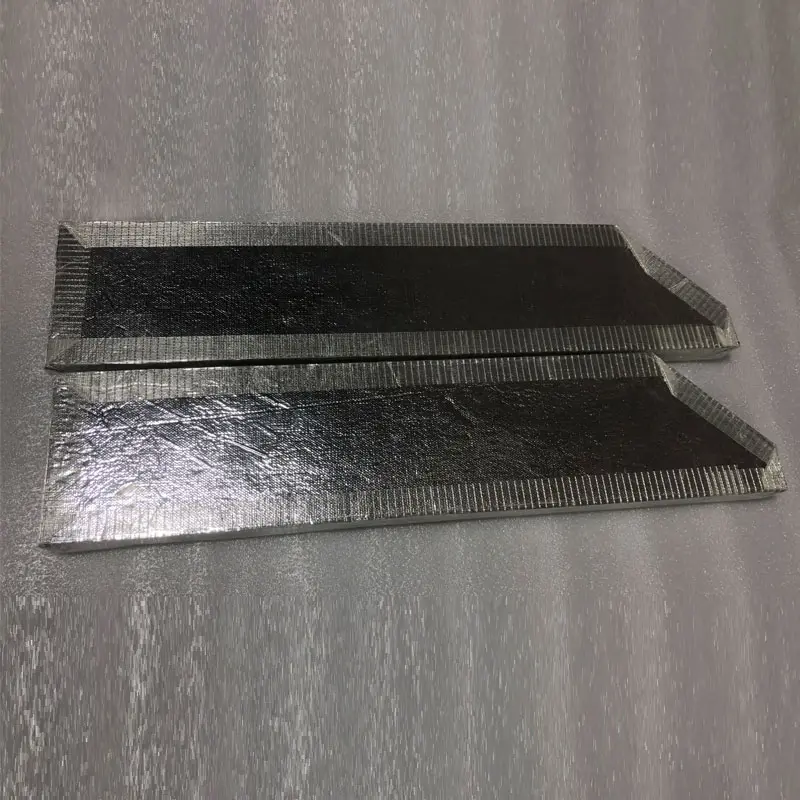
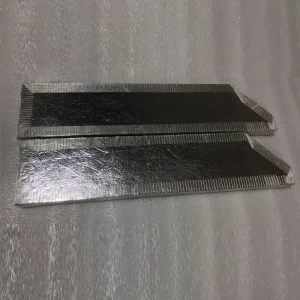
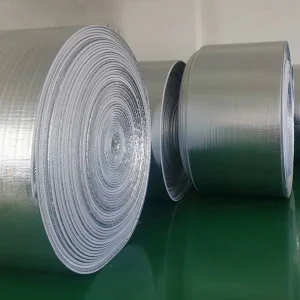
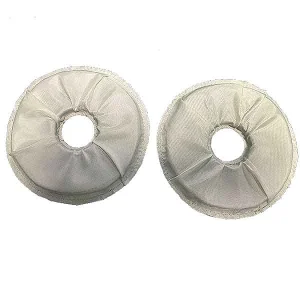
Product Features: Flexible shapes designed for complex geometric contours.
View More +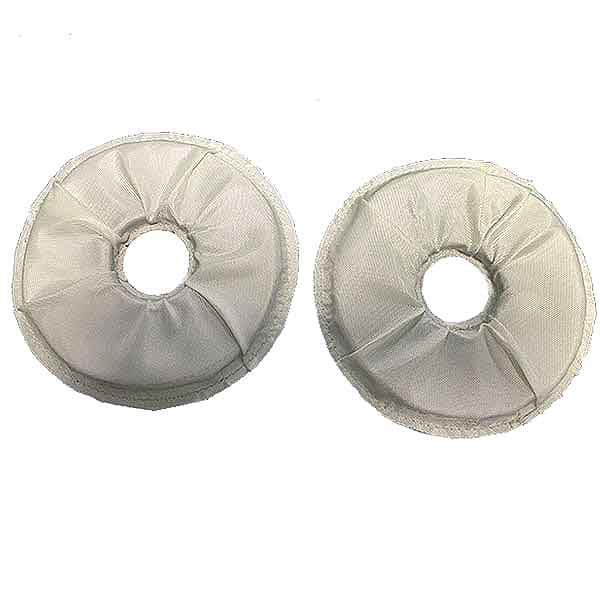
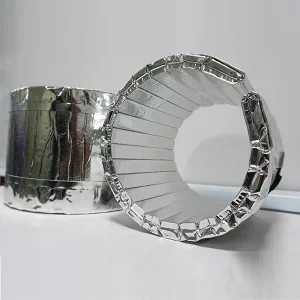
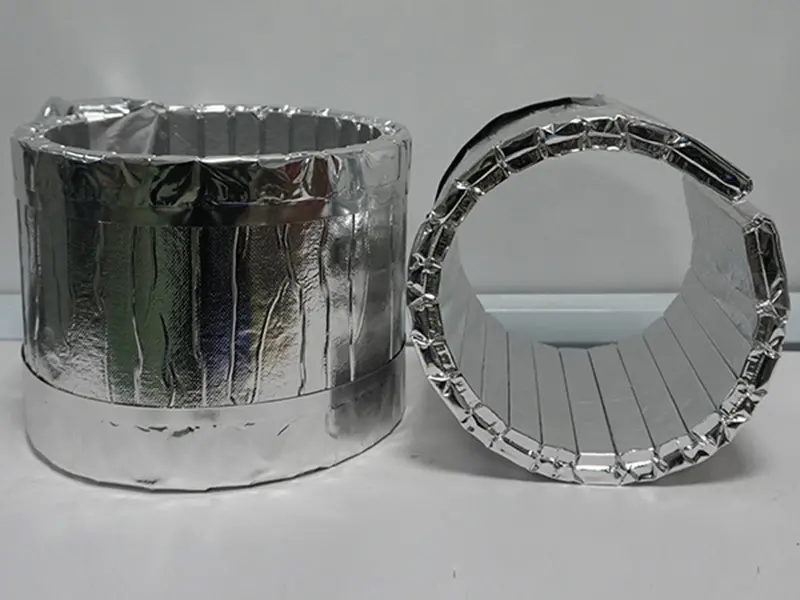
Product Specification: Custom round structural wraps for industrial pipe applications.
View More +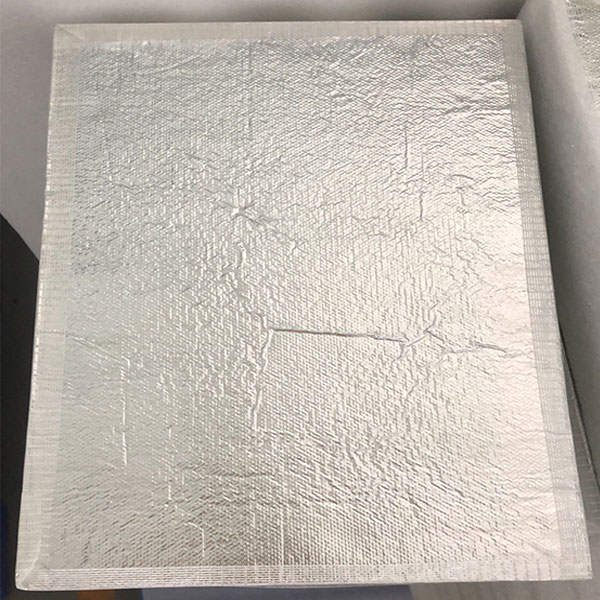
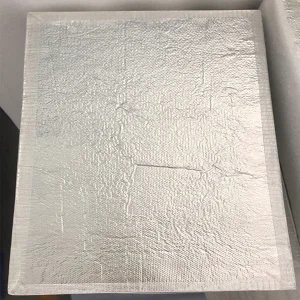
Product Features: Excellent long-term thermal performance under ambient pressures.
View More +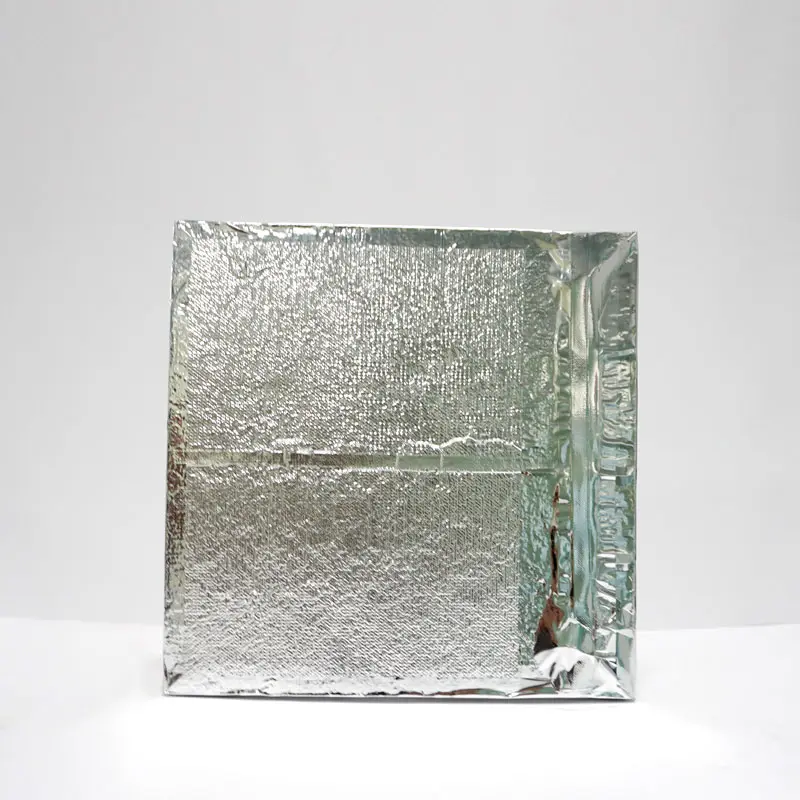
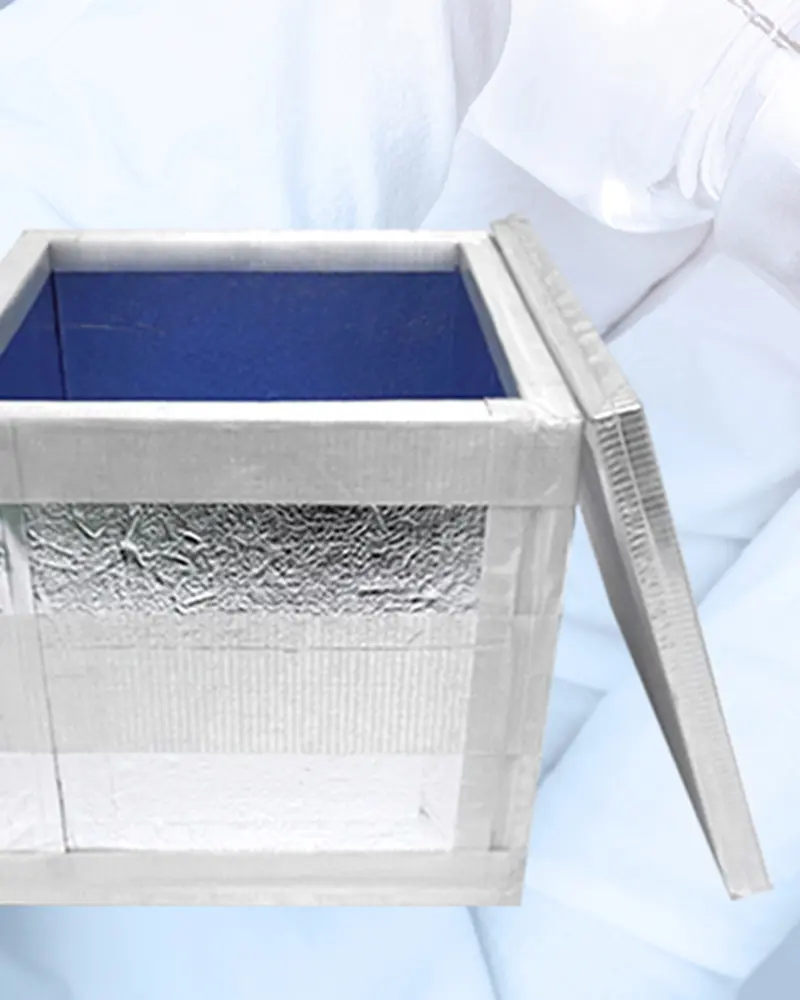
Product Features: Designed for vaccine shipping coolers and pharmaceutical storage.
View More +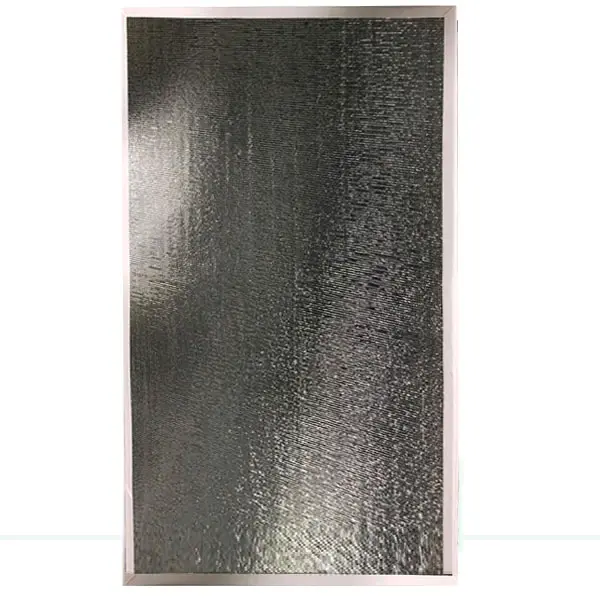
Product Features: Large format vacuum insulation panels designed for refrigerated containers.
View More +Corporate Overview
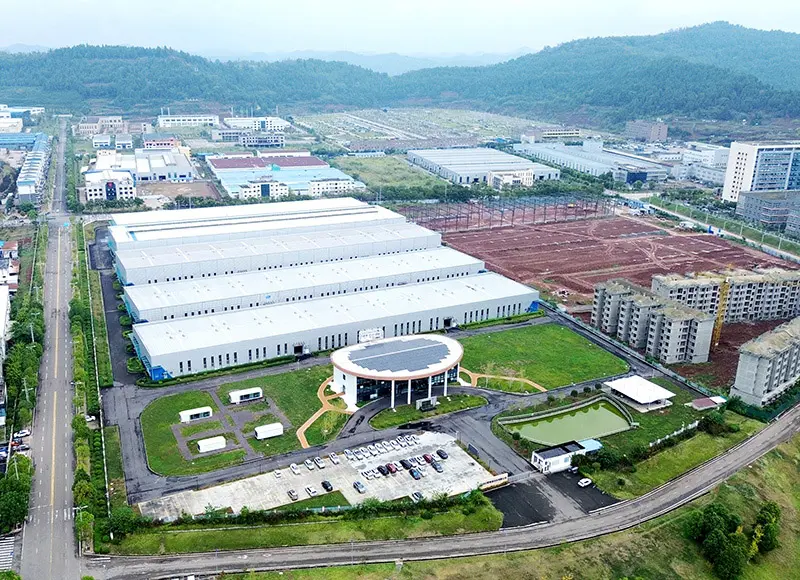
Zerothermo Technology Co., Ltd., a subsidiary of the CBVAC Group, is a national high-tech enterprise. Headquartered in the Beijing Economic-Technological Development Area, the company operates its primary production base in Nanchong City, Sichuan Province. This facility serves as a large-scale integrated production center for industrial vacuum application products in China.
By combining CBVAC's vacuum engineering heritage with advanced research in thermodynamics, Zerothermo produces fumed silica and fiberglass vacuum insulation panels, fireproof microporous barriers, and thermal regulation components for global markets.
Special sizes (beyond the standard range of ANSI/ASME/DIN and other systems) are produced according to custom engineering drawings and specific technical parameters.
Square, oval, and other custom flange geometries, as well as oversized or micro-precision interfaces (such as diameters exceeding 60 inches).
Custom component integration to match high-vacuum seals, thermal isolation barriers, and structural requirements.




Engineered Advantages

Certified compliance with international ISO, RoHS, and CE directives.

Rapid prototyping and customized shape engineering for mechanical layouts.

High-volume manufacturing lines supporting large commercial developments.

Integrated shipping and customs handling for worldwide client delivery.

Technical support, lifetime performance monitoring, and collaborative design.
Market Verticals





Providing high-efficiency thermal insulation solutions for cold-chain shipping containers, cold storage, and logistics units to protect sensitive biological items.

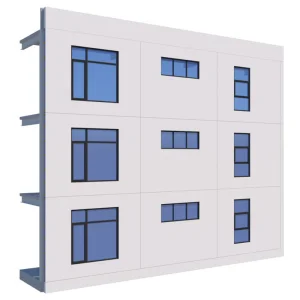
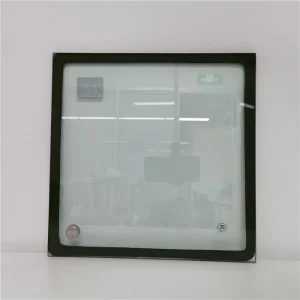
Providing high-efficiency thermal insulation solutions for building envelope systems through products like vacuum insulation panels and vacuum insulated glass, supporting carbon neutrality efforts in the construction sector.

Using flexible nano-microporous blankets and panels to limit heat loss in industrial furnaces, mechanical units, and fire safety systems.

Integrating compact thermal insulation panels into specialty housing designs, prefabricated cabins, and localized portable refrigeration systems.
Proven Performance



Technical Reference
Enterprise News
Connect with Us
We provide standard and customized vacuum insulation configurations for building insulation, cold chain transport, and high-temperature manufacturing. Contact our engineering support team for thermal analysis, configuration designs, and factory price estimates.


Complete Catalog



 +8615892792306