
Technical Whitepaper & Industry Analysis
The Architecture of Ultra-Thin Interior Wall Insulation Systems
In modern architectural engineering and building retrofits, optimizing space while achieving zero-carbon emission guidelines has become a critical objective. Building envelopes are under constant scrutiny to comply with strict international regulatory codes, such as the EU's Energy Performance of Buildings Directive (EPBD) and ASHRAE 90.1. However, traditional interior wall insulation methods using heavy mineral wool, glass fiber, or expanded polystyrene (EPS) introduce an inherent paradox: to achieve higher R-values, the thickness of the insulation material must scale up, directly eating into the usable internal floor space.
Why Factory-Engineered Cheap Interior Wall Insulation Matters
When selecting thermal barriers for partition walls, commercial developers and architects look closely at Total Cost of Ownership (TCO). While raw material costs of conventional fiberglass are cheap, the long-term cost of lost square footage in high-rent urban business districts is immense. The deployment of advanced VIPs effectively resolves this trade-off. By cutting wall profile thicknesses down from 120mm to a mere 15mm-25mm, developers can recover up to 3% to 5% of net leaseable floor area in retrofitted properties, converting thermal efficiency upgrades into direct financial yields.
Core Scientific Principles: The Knudsen Effect & Pore Optimization
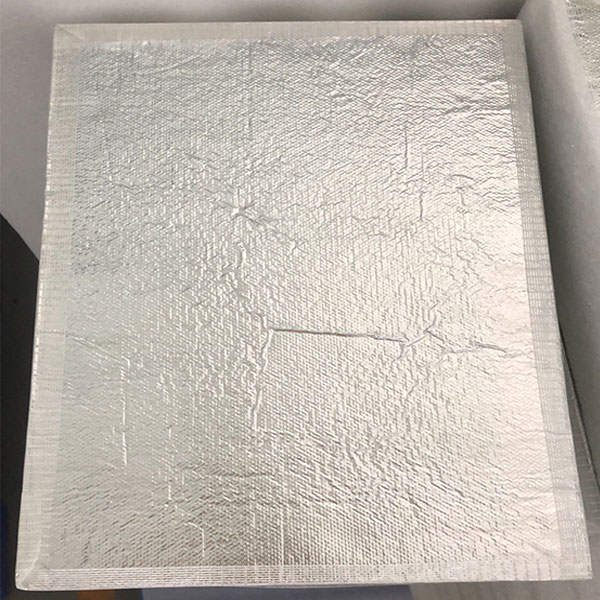
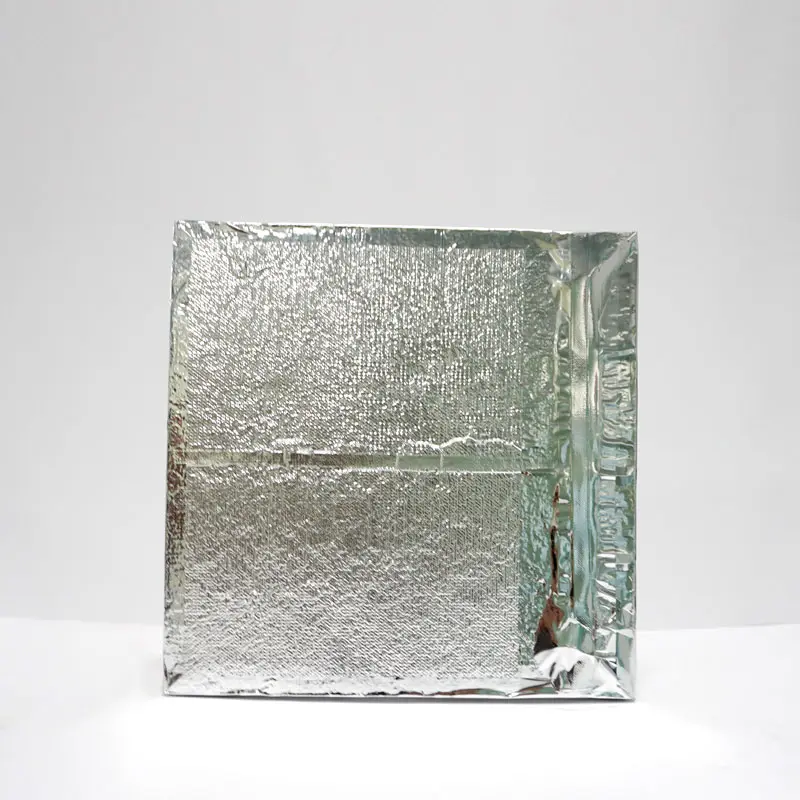
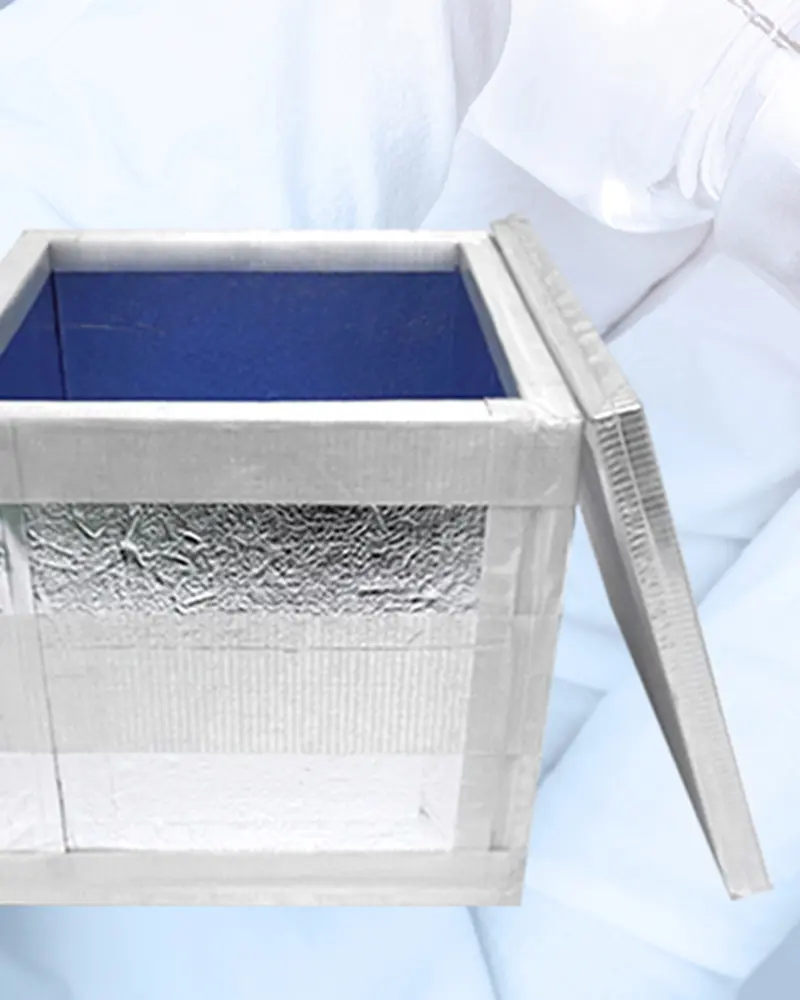
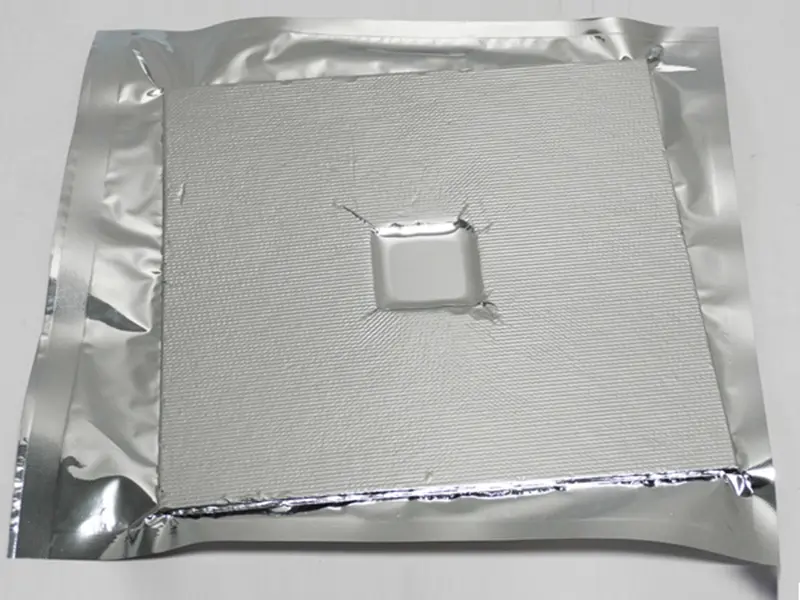
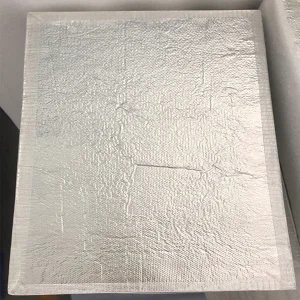
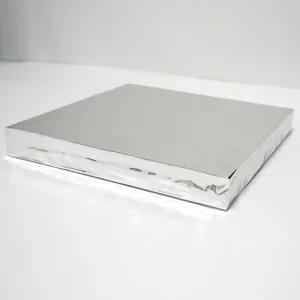
At the center of Zerothermo's vacuum technology lies the physics of the Knudsen Effect. In simple terms, gas conduction is minimized when the physical pore size within the insulating core material is smaller than the mean free path of the surrounding gas molecules (typically 70 nanometers for air under atmospheric pressure). The core of our VIP systems relies on a specialized fumed silica matrix. When this microporous structure is evacuated and sealed under vacuum within high-barrier PET polymer laminate films, gas convection is eliminated, resulting in unmatched thermal stability.
Solving Thermal Bridging in Architectural Layouts
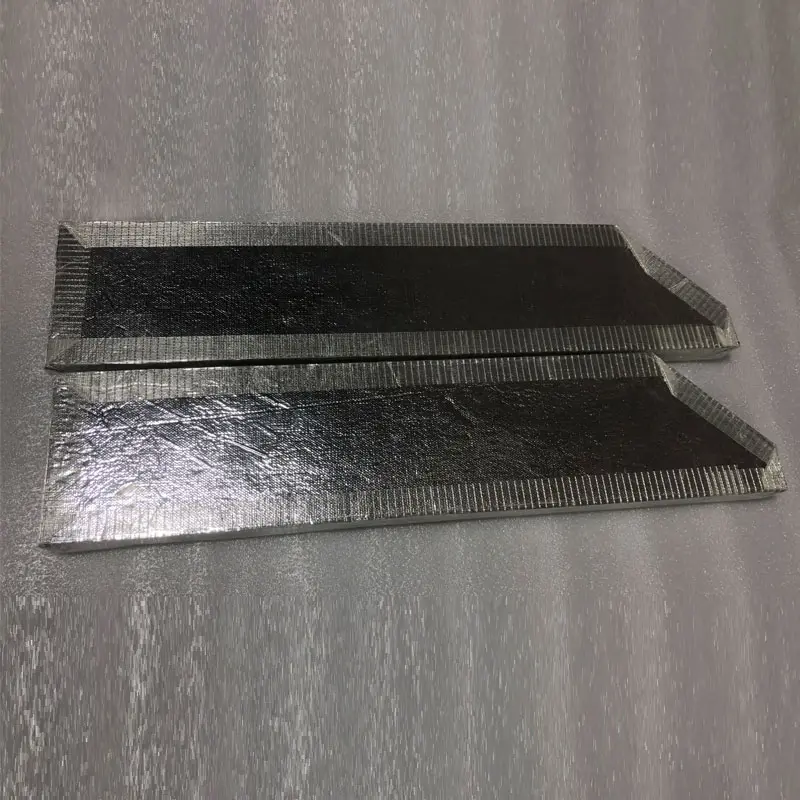
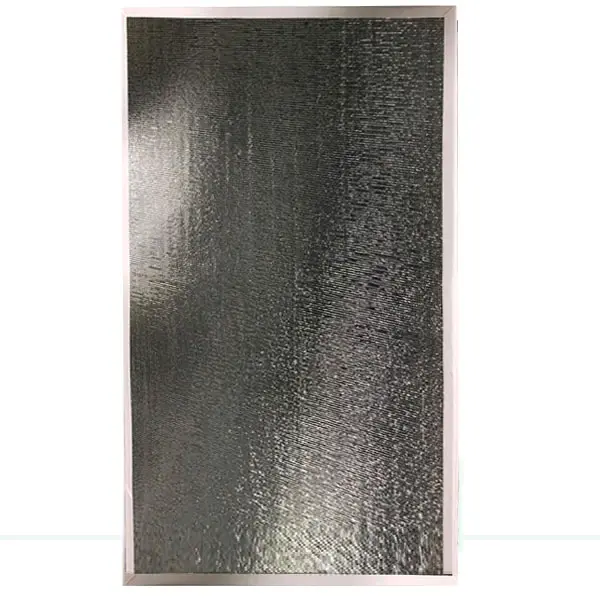
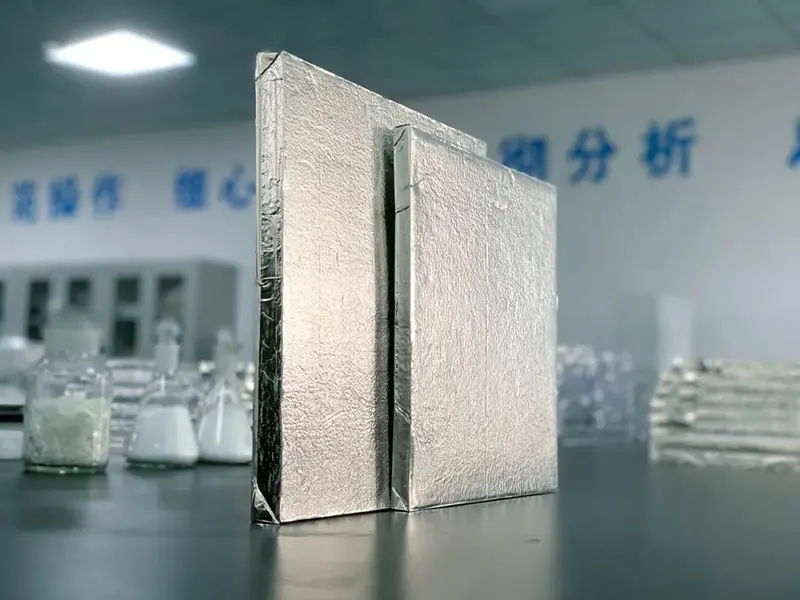
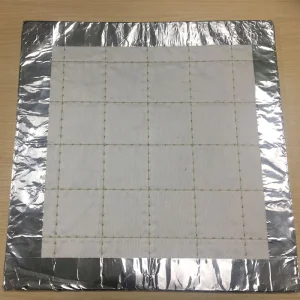
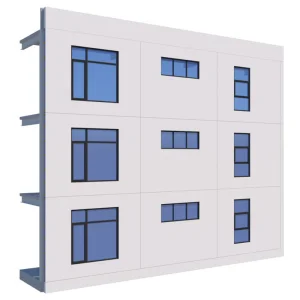
One major challenge of interior wall installations is thermal bridging at structural joints, window reveals, and floor-wall intersections. Because vacuum insulation panels cannot be cut, drilled, or altered on-site, careful modular planning is necessary. Zerothermo specializes in manufacturing composite modular wall boards where VIP cores are integrated with protective margins (EPS, XPS, or polyurethane borders). This hybrid layout allows for on-site trimming and mechanical anchoring without compromising the vacuum seal, enabling flawless thermal transitions across irregular spaces.










 +86 15892792306


