Featured Products Catalog
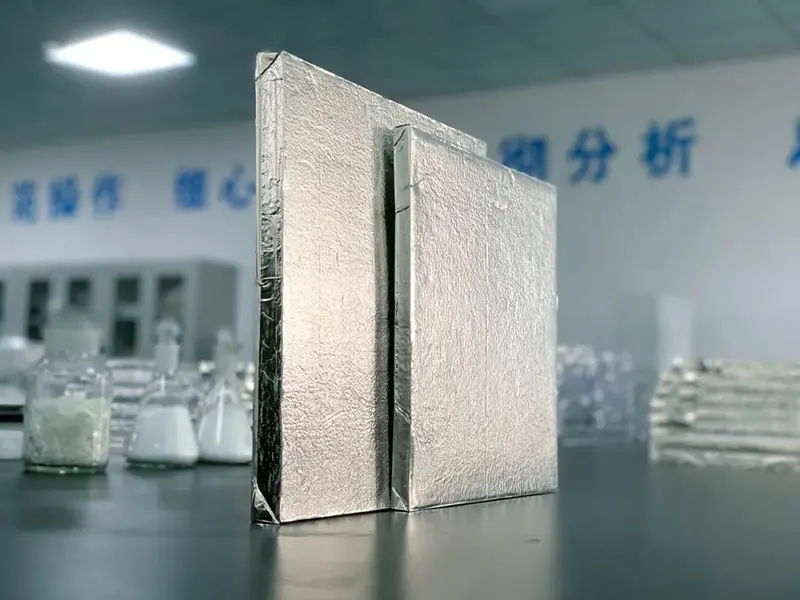
High thermal resistance fiberglass core vacuum insulation panel designed for cold chain containment and structural thermal envelopment.
View Product Details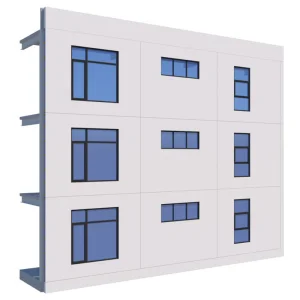
Advanced exterior wall cladding with integrated insulation profiles, reducing construction labor costs and thermal bridging.
View Product Details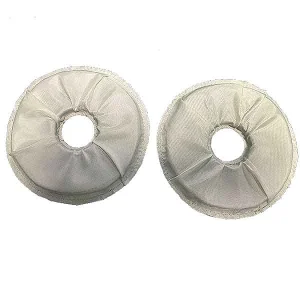
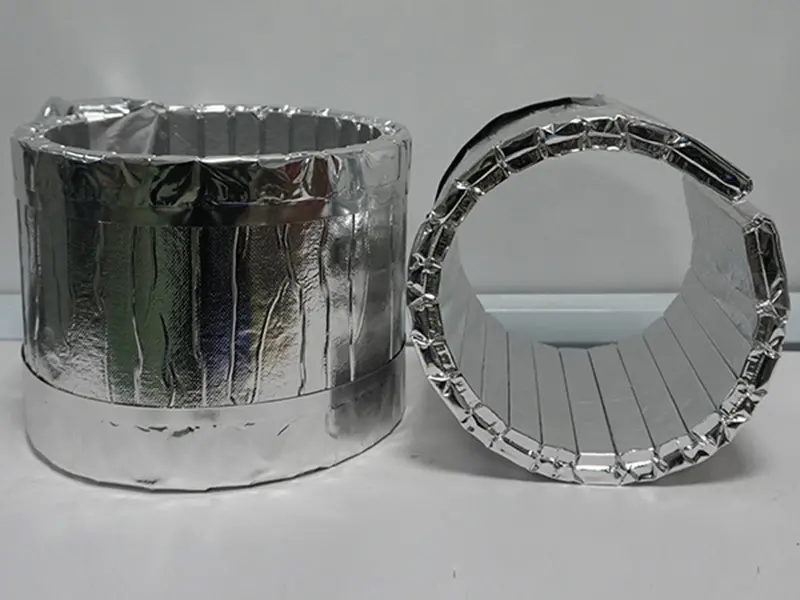
Flexible nanostructured microporous heat shield customized for complex geometries, pipelines, and curved industrial kilns.
View Product Details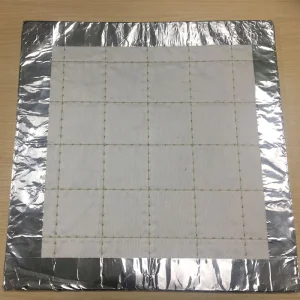
Ultralow thermal conductivity flexible nano mats designed to withstand severe thermal shocks in extreme industrial applications.
View Product Details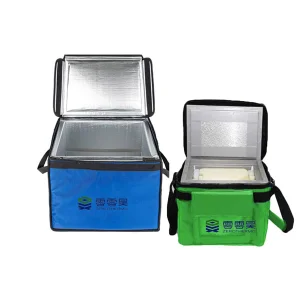
High-integrity medical payload storage boxes utilizing premium fumed silica VIPs for zero-power passive refrigeration.
View Product Details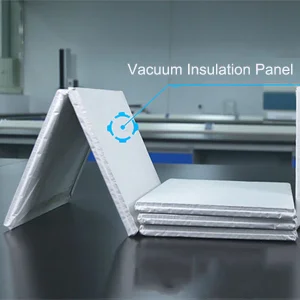
Engineered structural wall thermal barrier systems designed for high-density metropolitan residential and commercial building plans.
View Product Details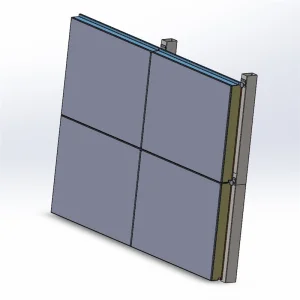
Commercial-ready building envelope solutions combining aesthetic external decoration panels with ultra-efficient inner VIP cores.
View Product Details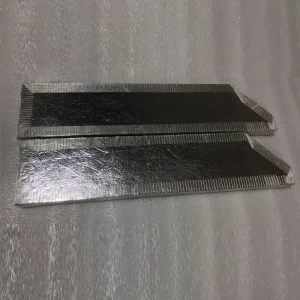
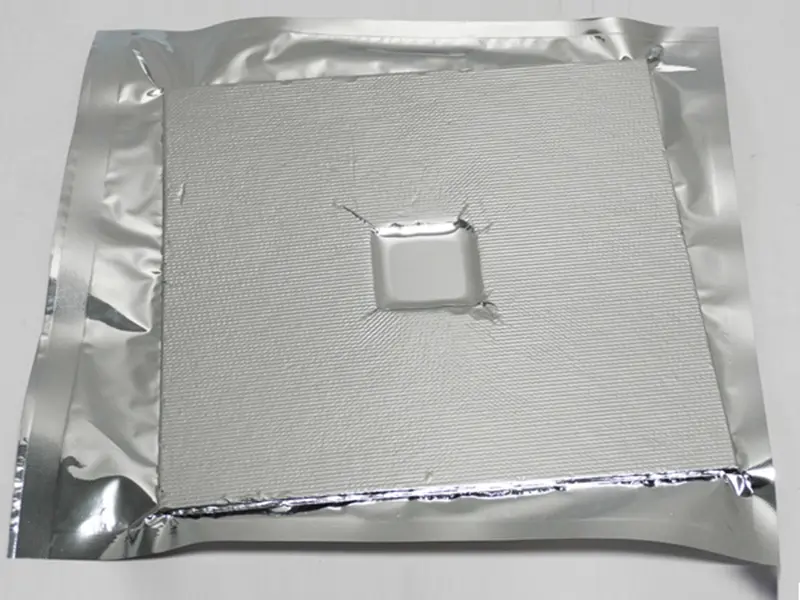
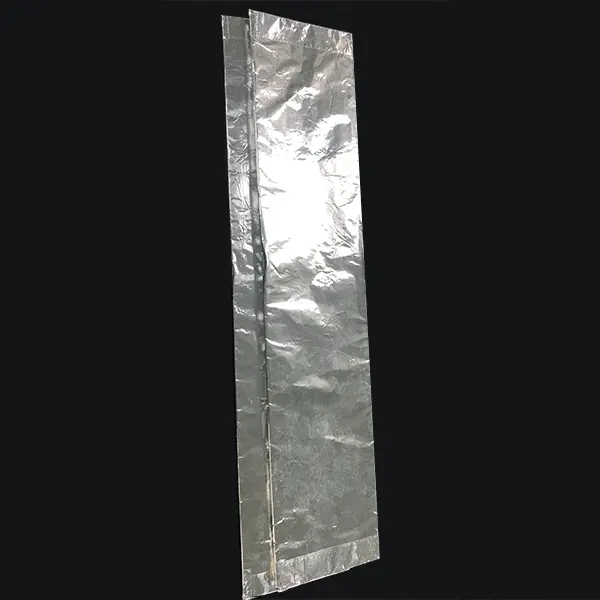
Custom contoured vacuum panels wrapped in protective gas-barrier PET film, ideal for complex mechanical compartments.
View Product DetailsWHITE PAPER
In the modern global industrial landscape, thermal management has evolved from a basic utility requirement into a critical driver of thermodynamic efficiency, environmental compliance, and cost minimization. Industrial systems operating at extreme temperatures (from -200°C in cryogenics up to 1000°C+ in metallurgical processing) require specialized barriers to suppress heat transfer mechanisms. Traditional materials like rockwool, calcium silicate, and ceramic fibers are struggling to meet the stringent demands of modern operations due to high bulk thickness requirements, thermal aging, environmental toxicity, and structural degradation under cyclical thermal stresses.
Enter the next generation of insulation: microporous nano-insulation and vacuum insulation panels (VIPs). These technologies utilize the Knudsen Effect to restrict the mean free path of gas molecules, bringing thermal conductivity coefficients down to ranges previously deemed impossible (under 0.004 W/m·K at ambient conditions). This whitepaper explores the macroeconomics, physical pathways, engineering standards, sourcing criteria, and strategic pricelist variations for high-temperature insulation boards sourced directly from key global manufacturing hubs.
To understand why nano-microporous insulation boards outperform traditional high-temperature refractory panels by factors of 3 to 10, we must examine the four physical mechanisms of heat transfer:
| Insulation Type | Core Density (kg/m³) | Thermal Conductivity at 800°C (W/m·K) | Thickness Required for R-10 (mm) | Typical Lifespan (Years) |
|---|---|---|---|---|
| Nano Microporous Board | 280 - 450 | 0.024 - 0.032 | 25 - 40 | 15+ (Protected) |
| Ceramic Fiber Board | 260 - 320 | 0.120 - 0.180 | 120 - 180 | 5 - 8 (Degrades under vibration) |
| Calcium Silicate Board | 220 - 270 | 0.140 - 0.220 | 140 - 220 | 8 - 10 |
| Fumed Silica VIP (Ambient) | 180 - 220 | 0.005 (at 20°C) | 10 - 15 | 25+ (Hermetically sealed) |
Heavy industries consume over 30% of global primary energy. Optimizing thermal retention within these infrastructures represents the single largest leverage point for reducing carbon footprint and achieving carbon neutrality goals (such as China's "dual-carbon" target and the EU Green Deal). High-temperature insulation boards are integrated as structural components rather than mere coverings:
In gas reformers, ethylene crackers, and electric arc steel furnaces, nano-microporous boards are installed behind traditional firebricks as a backup insulation layer. This hybrid configuration allows engineers to reduce the total refractory lining thickness by up to 50%, expanding the internal volume of the kiln and increasing output while lowering exterior steel shell temperatures to safe handling parameters (<80°C).
Modern flight recorders (black boxes), propulsion compartments, and exhaust shrouds utilize custom flexible nano-insulation blankets to survive rapid thermal spikes. Because weight is a premium, the high energy-density thermal protection system (TPS) offered by nanostructured boards is critical.
Elevator fire doors must prevent smoke passage and structure heat transfer during active fires. Standard rockwool cannot provide the required 2-to-3-hour integrity rating within the slim profile of modern architectural elevator designs. Ultra-thin nano microporous panels (10mm to 20mm) integrated directly into the door cores meet structural fire ratings (such as UL 10C and EN 1634) without compromising aesthetic lines or adding structural load.
The procurement of high-temperature insulation boards is governed by regional factory capacities, chemical source material availability, and supply chain logistics. Currently, the Asia-Pacific region, led by centralized industrial manufacturing bases in China, dominates global supply. Zerothermo Technology Co., Ltd., a subsidiary of the renowned CBVAC Group, operates as a prime example of a national high-tech enterprise leveraging vast local production economies.
Sourcing directly from large-scale factories in Nanchong City, Sichuan Province (one of the largest vacuum application production complexes globally) bypasses secondary distributors. The pricing structures of high-temperature insulation boards are highly sensitive to:
For industrial plants operating in North America, Europe, and the Middle East, purchasing "cheap" insulation can lead to catastrophic losses if the materials lack proper international safety and performance credentials. Sourcing protocols must require adherence to the following standards:
Localized engineering support is vital. Comprehensive manufacturers provide full thermal modeling calculations (such as 1D/2D finite element heat transfer analysis) to assist plant managers in determining the optimal thickness profiles to meet external safety touch points and ambient emission targets.
The thermal insulation industry is undergoing rapid technical evolution. Over the next decade, the focus of major R&D institutions and leading manufacturers is centered around three technological frontiers:
Combining the structural integrity of microporous boards with the extreme low density of silica aerogels. This allows for lighter structural components in transportation sectors, especially EV battery packs where volumetric energy density and thermal runaway protection are paramount.
Integrating tiny wireless pressure sensors inside the envelope of Vacuum Insulation Panels (VIPs). This enables predictive maintenance protocols in critical assets like LNG carriers and ultra-cold medical pharmaceutical storage, alerting logistics teams if vacuum decay occurs before thermal boundaries fail.
Developing organic-binder-free nano boards. Current formulations rely on trace organic binders to provide handling strength during shipping; however, these burn off during the first heating cycle, causing mild degassing and temporary mechanical strength drops. Future formulations aim for 100% inorganic ceramic chemical bonding, ensuring zero outgassing and stable structural characteristics through infinite thermal cycling.
Tailored Engineered Solutions
Product Details: Size: Customized Thickness: 5-...
View More+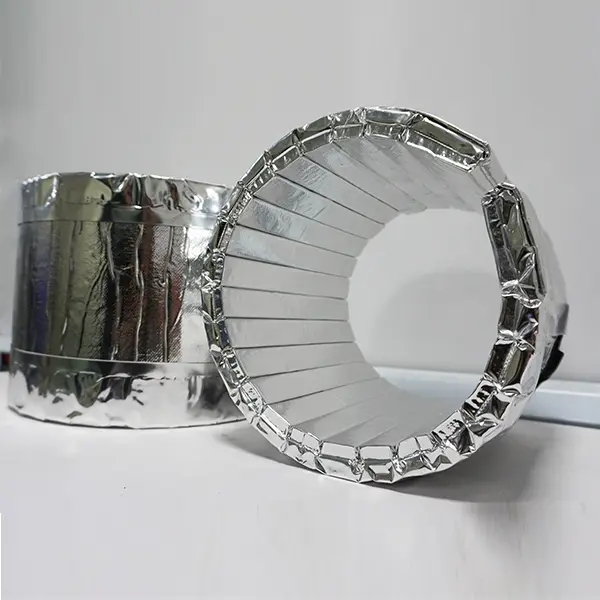
Product Details: Size: Customized Thickness: 5...
View More+
Our elevator fireproof door high temperature na...
View More+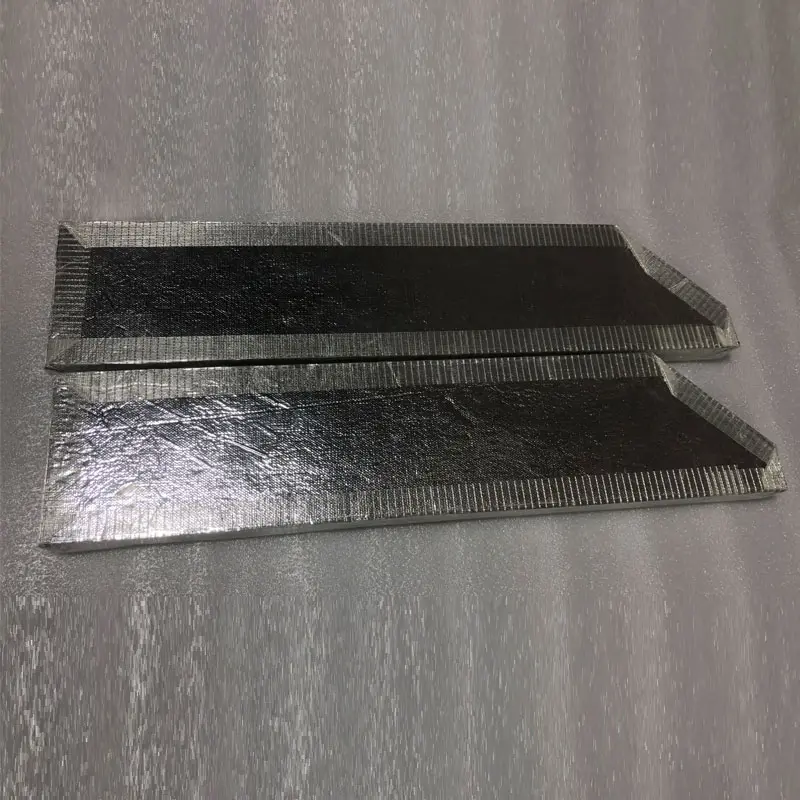
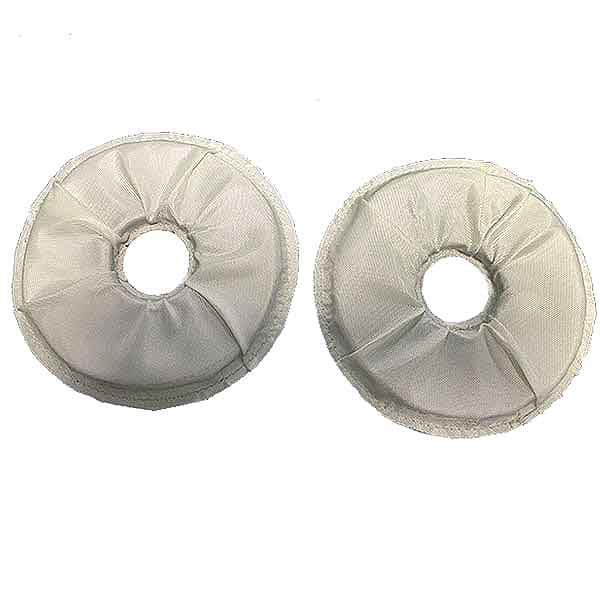
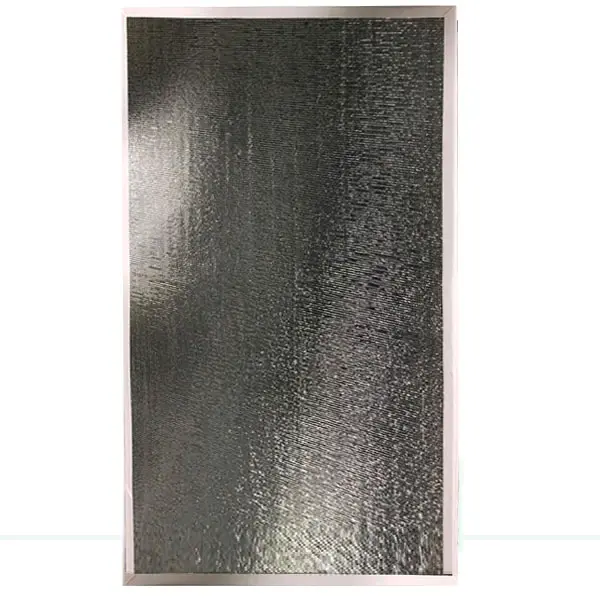
Product Specification Product Features Custom R...
View More+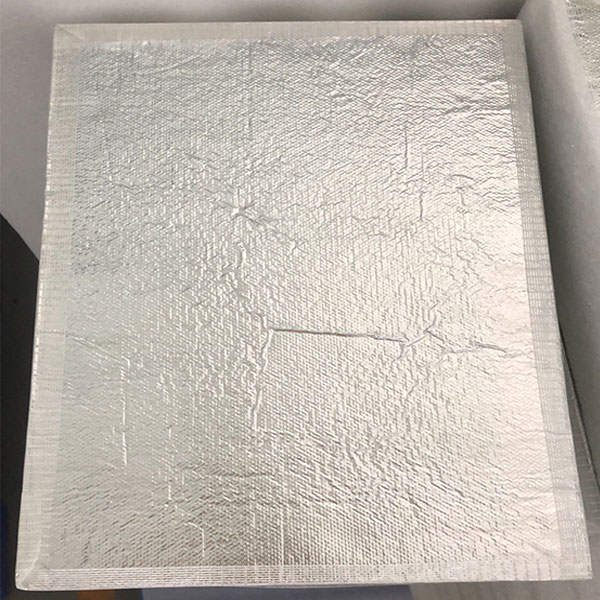
Product Features Size Details Zerothermo vacuu...
View More+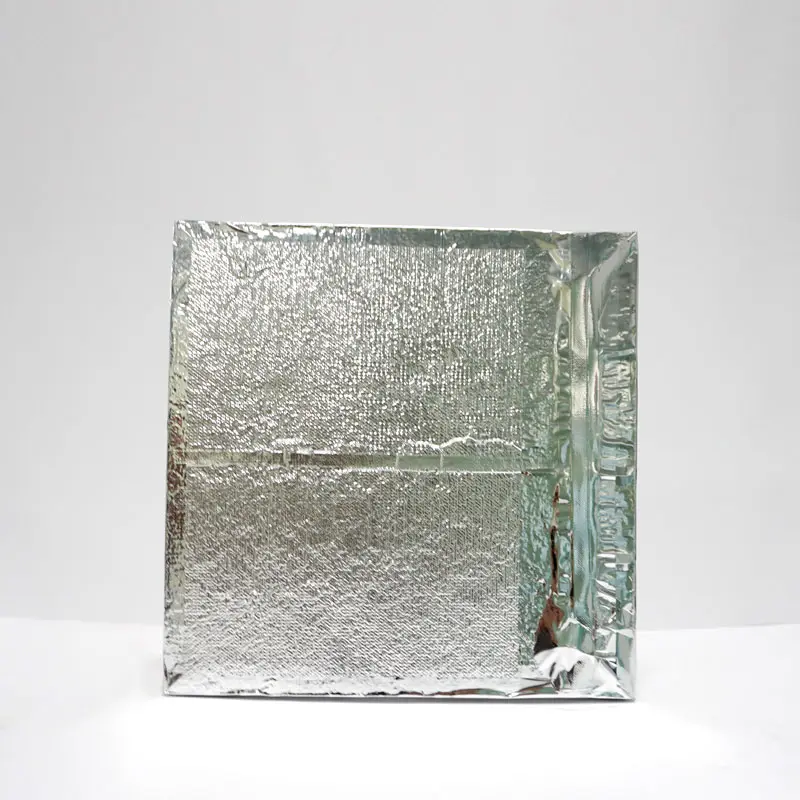
ABOUT US
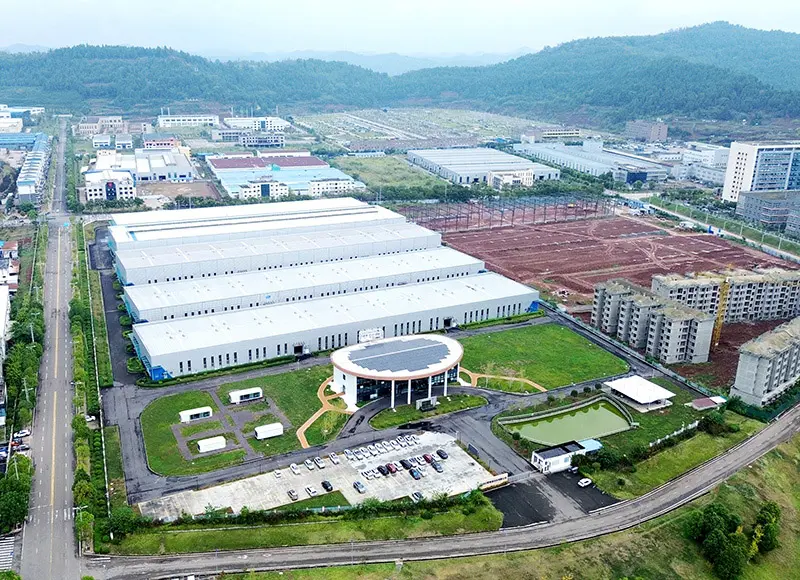
Zerothermo Technology Co., Ltd., a subsidiary of CBVAC Group and a national high-tech enterprise, is headquartered in the Beijing Economic-Technological Development Area with its production base located in Nanchong City, Sichuan Province. This facility stands as one of China's largest comprehensive production centers for vacuum technology application products.

Special sizes (beyond the range of ANSI/ASME/DIN and other standards) are produced according to customers' drawings or technical parameters.

square, oval or other special shaped flanges. - Oversize/small diameter: such as diameter over 60 inches or micro precision flanges.

Special sizes are produced according to customers' drawings or technical parameters with high-accuracy vacuum seals.





Our Technology

Strict quality control protocols matching international standards including CE, SGS, and TUV SUD verifications.

Engineered shapes, circular forms, and bespoke thickness layers optimized for complex CAD project files.

Nanchong production plant maintains high throughput without compromising tight physical tolerances.

Close partnerships with international freight forwarders ensure safe delivery of fragile vacuum items.

Ongoing post-delivery technical consultancy, performance audits, and continuous thermodynamic optimization.
Solution

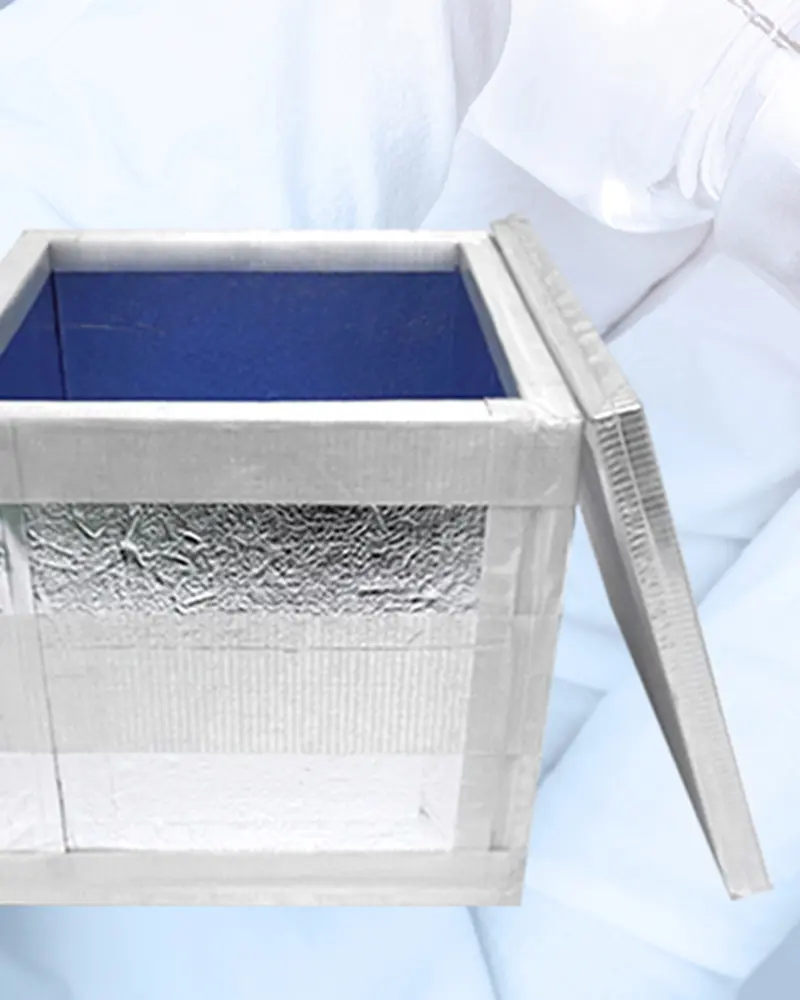
Providing high-efficiency thermal insulation solutions for cold logistics using vacuum insulation panels to protect vaccines and organic compounds.

Empowering the construction sector to reduce carbon emissions and achieve carbon neutrality through VIP walls and vacuum insulated glass.

Engineered kiln backings and high-temperature thermal barriers designed to withstand severe heat cycles and lower structural weight.

Integrated structural pods, micro-architectures, and temperature-controlled transient pavilions designed for low carbon footings.
Project Case



Information Gain Resource
Start a Project
Discuss your application requirements with our senior thermal engineers. We provide full mechanical drafting support, thermodynamic simulations, and direct factory pricing schedules for custom bulk orders.






Complete Catalog
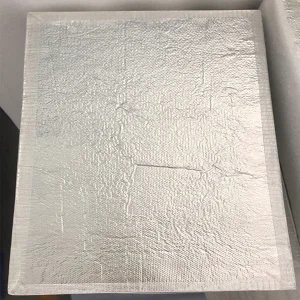
Premium grade low thermal conductivity vacuum panels optimized for residential and cold chain systems.
View Product Details
Unitized architectural wall segments pre-installed with vacuum insulation panels for high-performance buildings.
View Product Details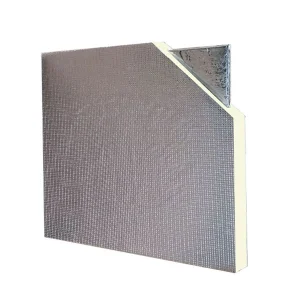
Composite PU-encapsulated vacuum panels engineered to withstand mechanical pressure in shipping coolers.
View Product Details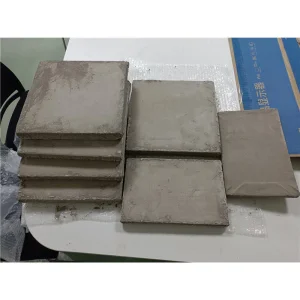
Structurally reinforced VIPs designed for floor layouts and heavy loading applications inside containers.
View Product Details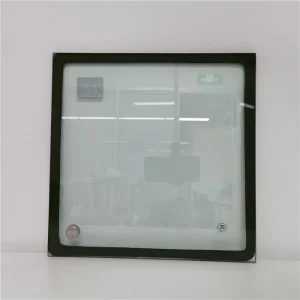
Safety-tempered glass units containing high-vacuum layers to suppress convective window heat transfer.
View Product Details
Ultra-thin fire protection core panels matching strict fire containment standards in modern buildings.
View Product Details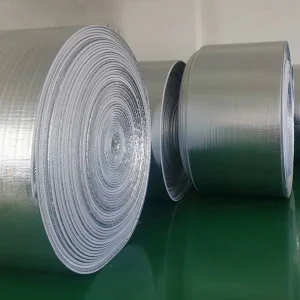
Foil-faced thermal rolls designed for industrial roofing insulation, combining vapor blocking with reflection.
View Product Details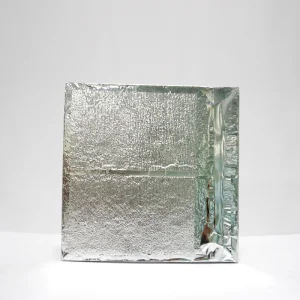
Advanced cold distribution fumed silica VIP panels engineered to keep cold chain integrity over extended transits.
View Product Details