Explore our high-performance thermal barrier solutions designed to eliminate classic VIP failure modes through advanced material matrices.
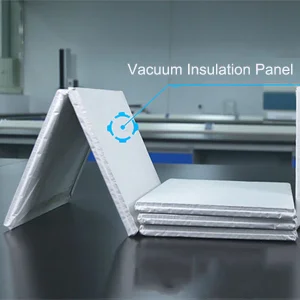
Highly robust envelope configurations designed to prevent gas permeation in standard construction substrates.
View Details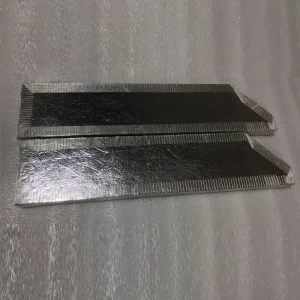
Designed for complex structural geometry, limiting corner stress concentrations and thermal bridging.
View Details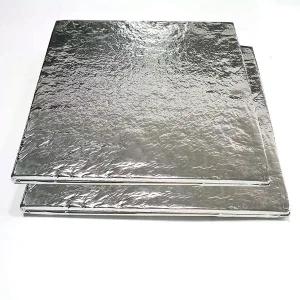
Exceptional initial thermal resistance properties engineered for appliances requiring ultra-thin walls.
View Details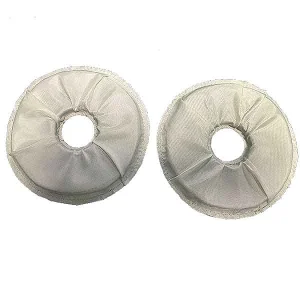
Flexible thermal insulation designed to prevent micro-cracks during circular installation profiles.
View Details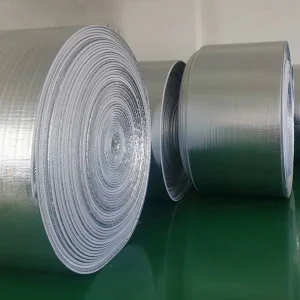
Enhanced multi-layered structures providing excellent physical shielding against puncture-driven failures.
View Details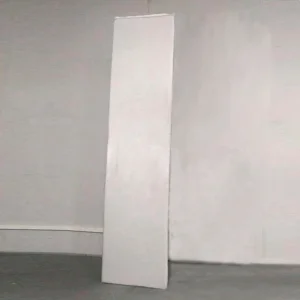
Maximum thermal resistance parameters tailored for heavy-duty structural elevator shafts.
View Details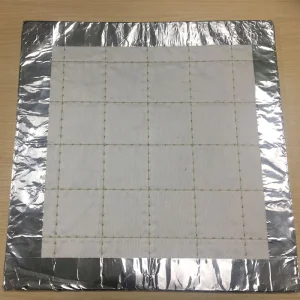
Combining chemical flexibility with microstructural density to offset high-temperature wear.
View Details
Industrial scale wall panel systems integrated with secondary barrier shields to defend against aging.
View DetailsVacuum Insulation Panels (VIPs) are mechanical systems that operate under strict thermodynamic principles. By evacuating gas from a porous core material and sealing it in a gas-tight envelope, VIPs achieve thermal conductivities as low as 0.0015 W/(m·K)—an order of magnitude better than conventional materials. However, maintaining this level of thermal performance is contingent upon the absolute physical integrity of the panel's components. Any deviation in internal vacuum pressure initiates thermal performance decay.
The lifetime performance of a VIP is governed by several critical physical failure modes. Recognizing these mechanics is essential for system designers, HVAC engineers, and insulation manufacturers aiming to guarantee a 25-to-50-year operating lifespan. Below, we analyze the core structural failure modes:
Over time, atmospheric gases (nitrogen, oxygen, and carbon dioxide) diffuse through the polymer and aluminum barrier layers of the envelope. As the internal gas pressure rises, the mean free path of gas molecules becomes smaller than the pore size of the core material (often around 100 nm for fumed silica), leading to convective heat transfer reactivation.
Water vapor transmission rates (WVTR) represent a severe hazard for VIPs. Moisture that crosses the barrier film is adsorbed by the core material. Fumed silica can accommodate a degree of moisture, but fiberglass core structures experience catastrophic degradation in thermal resistance as soon as relative humidity climbs inside the panel.
Because the envelope film of a standard VIP is typically only 60 to 100 micrometers thick, it is vulnerable to tearing, scratching, or puncture during site handling, shipping, or installation. A single pinhole failure instantly equalizes internal pressure to atmospheric pressure, jumping the panel's thermal conductivity from ~0.004 W/(m·K) to over 0.020 W/(m·K).
The choice of core material determines the panel's resilience to progressive pressure degradation. Fiberglass-based VIPs offer excellent initial thermal conductivity (often < 0.002 W/(m·K)) but are highly sensitive to vacuum degradation. Once the pressure inside a fiberglass panel exceeds 10 mbar, thermal conductivity rises exponentially. Conversely, fumed silica VIPs maintain stable insulation properties up to 100 mbar due to the nanostructured pore network. At Zerothermo Technology, we specialize in refining fumed silica cores to provide long-term reliability even under challenging environmental profiles.
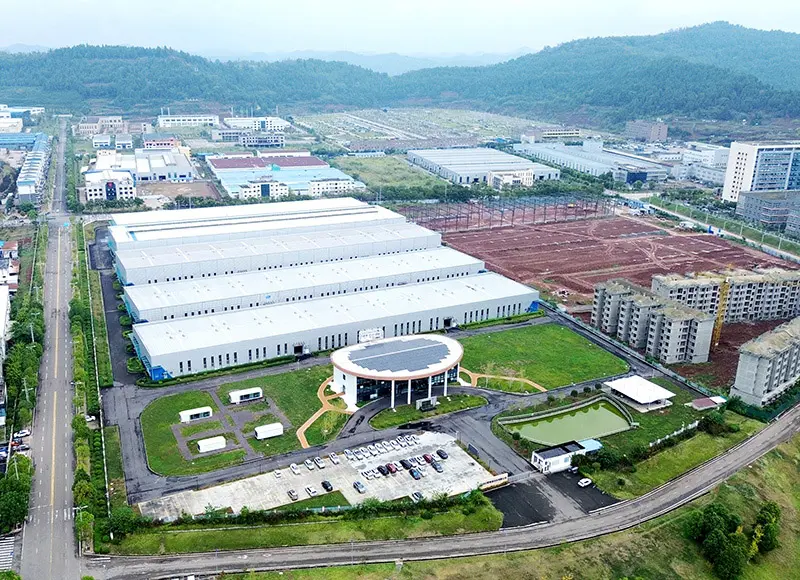
Zerothermo Technology Co., Ltd., a subsidiary of CBVAC Group and a national high-tech enterprise, is headquartered in the Beijing Economic-Technological Development Area with its production base located in Nanchong City, Sichuan Province. This facility stands as one of China’s largest comprehensive production centers for vacuum technology application products.
Beyond advanced insulation, we supply high-precision non-standard and shaped flanges (square, oval, and oversize diameters exceeding 60 inches) engineered in accordance with international standards.
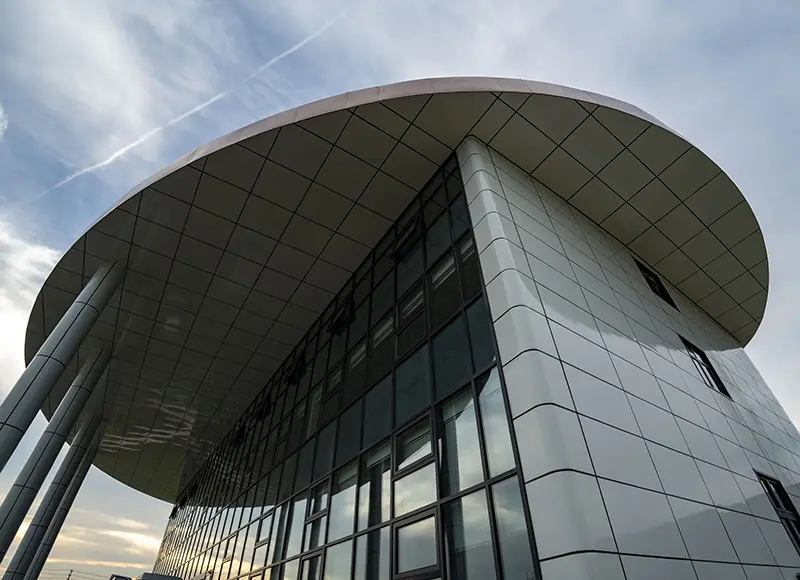
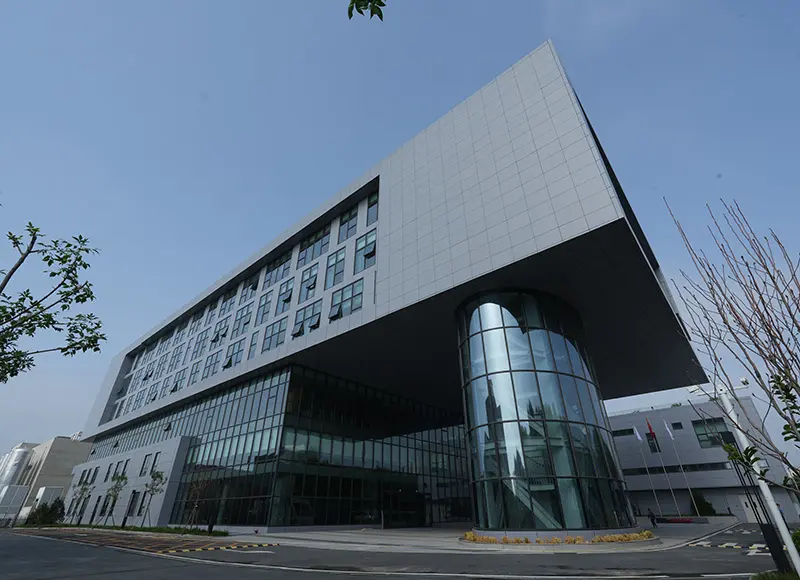


Providing custom geometric fabrications and specialized core assemblies to mitigate mechanical stress-driven failure modes.
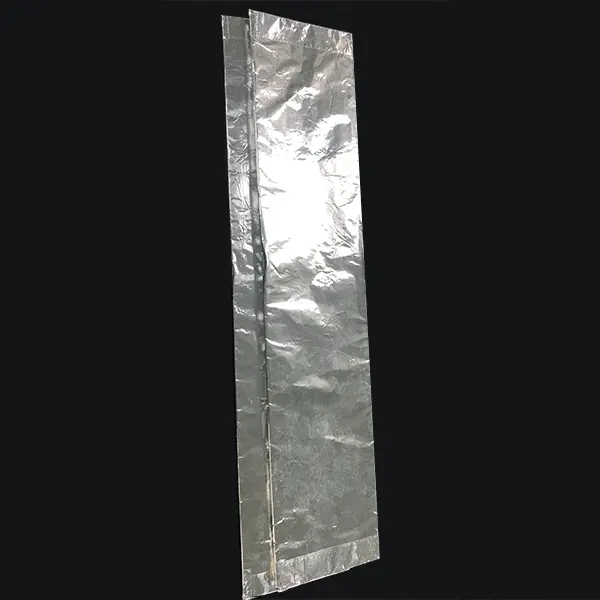
Size: Customized | Thickness: 5-15mm. High-strength thin profiles engineered to withstand mechanical vibration profiles.
View More +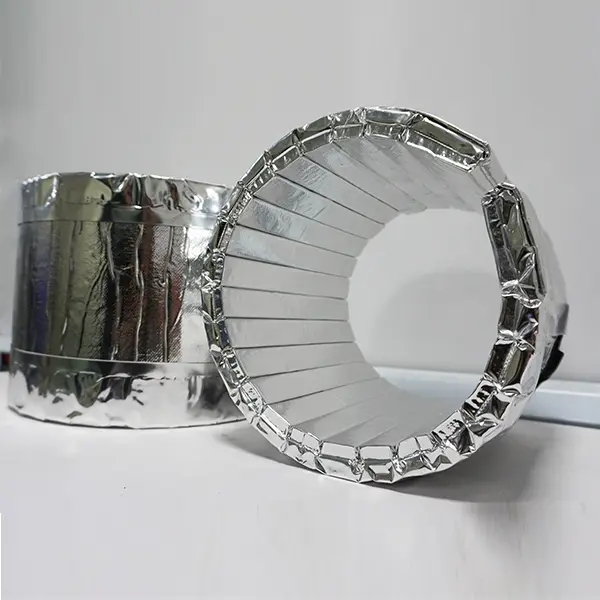
Size: Customized | Thickness: 5-50mm. Designed for thermal cycling insulation stability in domestic heating.
View More +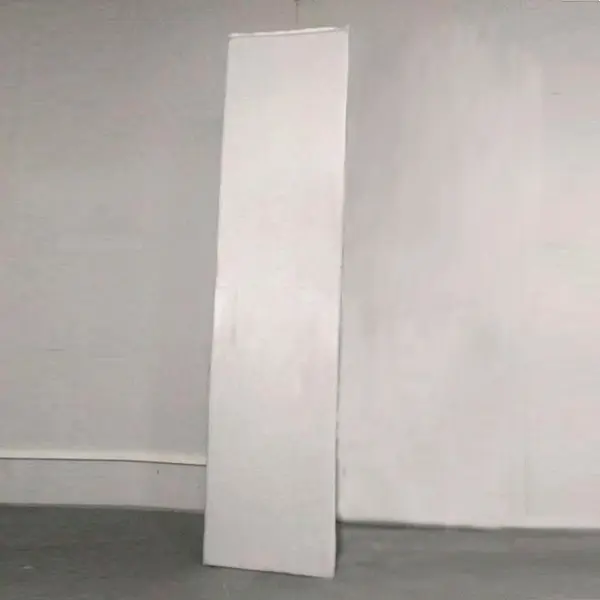
Elevator fireproof door specialized panels guaranteeing heat isolation and structural retention under flame stress.
View More +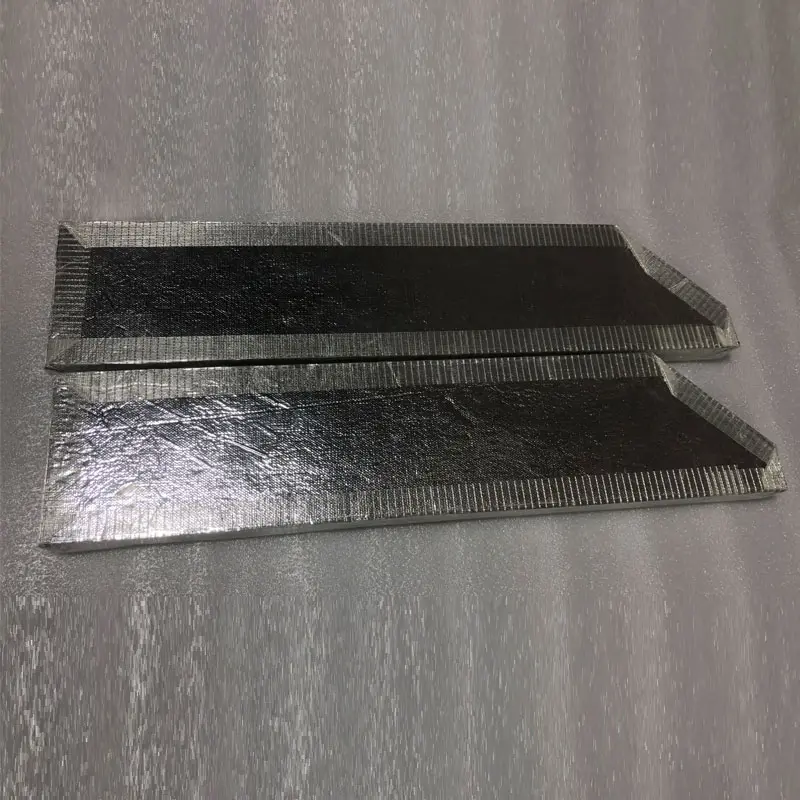
Custom shape capabilities matching structural columns, preventing geometric thermal leakage points.
View More +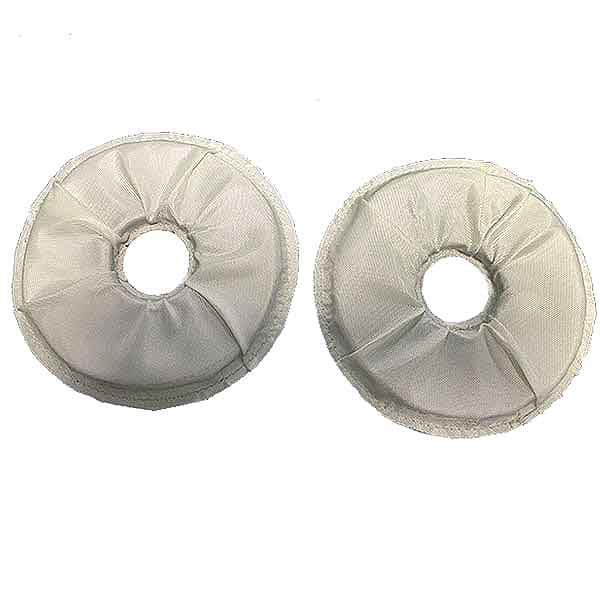
Flexible backing configurations designed to insulate curved ducts, eliminating traditional panel cracks.
View More +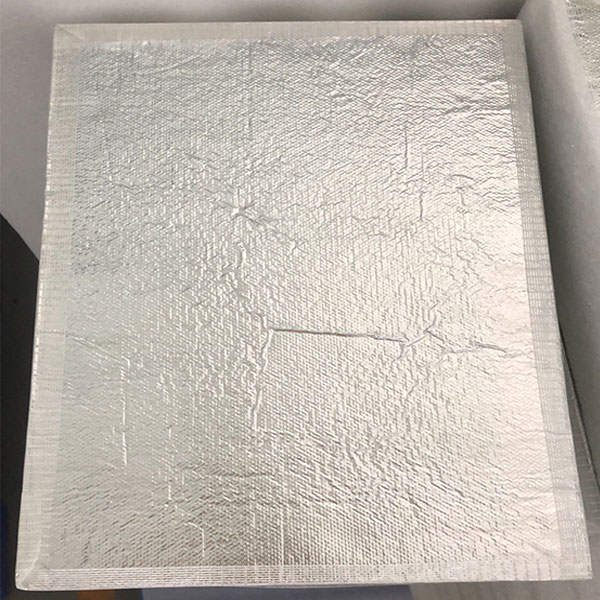
Optimized core micro-pore structures engineered for demanding cold-storage applications.
View More +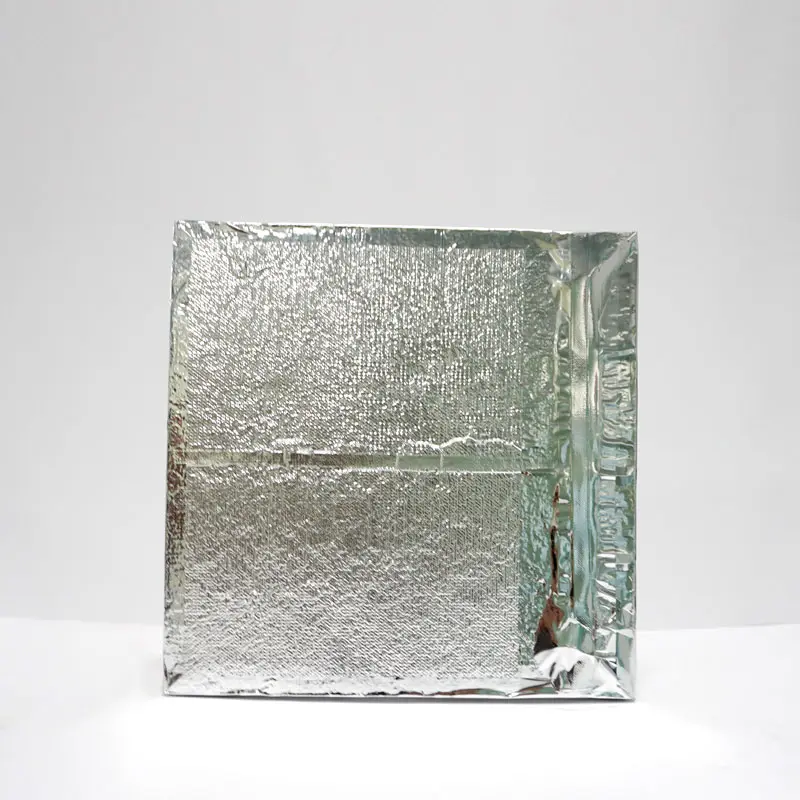
Extended thermal envelope panels designed for extreme transit duration protection.
View More +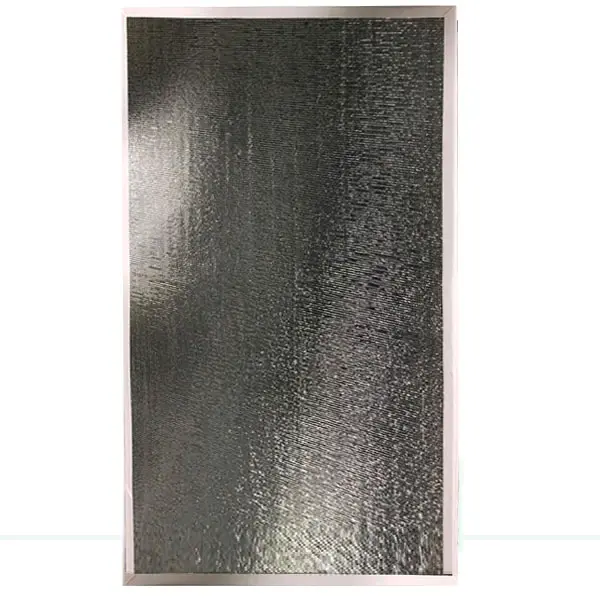
Large format panel installations designed for building envelopes to minimize linear joint thermal bridging.
View More +The global push for net-zero carbon operations (e.g., China’s dual-carbon strategy and the EU Green Deal) is accelerating the demand for Vacuum Insulation Panels across major sectors, including cold chain logistics, construction, refrigeration, and electric vehicle (EV) batteries. According to industrial analysts, the primary limiting factor for wider VIP adoption is the risk of unexpected loss of vacuum (LOV) during operations.
To address these challenges, leading VIP manufacturers are moving beyond basic component supply. The transition is towards delivering comprehensive microthermal systems that incorporate protective layers (such as polyurethane encapsulation), automated vacuum inspection technologies, and optimized edge profiles. Developing systems that handle shearing forces and mechanical vibration prevents early failure in high-stress applications like architectural facades and vehicle battery trays.
Zerothermo Technology controls the entire vacuum manufacturing pipeline to deliver failure-resilient VIPs:
Preventing vacuum envelope fatigue in target markets through application-specific engineering.

We provide ultra-low conductivity vacuum panels that safeguard temperature-sensitive biologics by maintaining internal temperatures even if outer shipping boxes face physical shocks.

Integrated vacuum cladding systems reduce wall thickness while maintaining passive house insulation standards. Outer layers protect the inner vacuum core from puncture.

Nano microporous core formulations sustain thermal cycling without structural cracking, retaining mechanical integrity at elevated operating temperatures.

Providing portable refrigeration solutions and specialty architectural cabins with thermal structures designed to withstand diverse climatic conditions.
Real-world validation of Zerothermo VIP systems across diverse structural applications.

Precision electronics clean-room isolation using custom fumed-silica VIP structures to minimize mechanical vibrational fatigue.

Optimizing high-temperature processing chambers with microporous materials to lower system energy footprints.

Architectural facade retrofitting featuring fumed silica VIPs, achieving high thermal envelope targets without structural modifications.
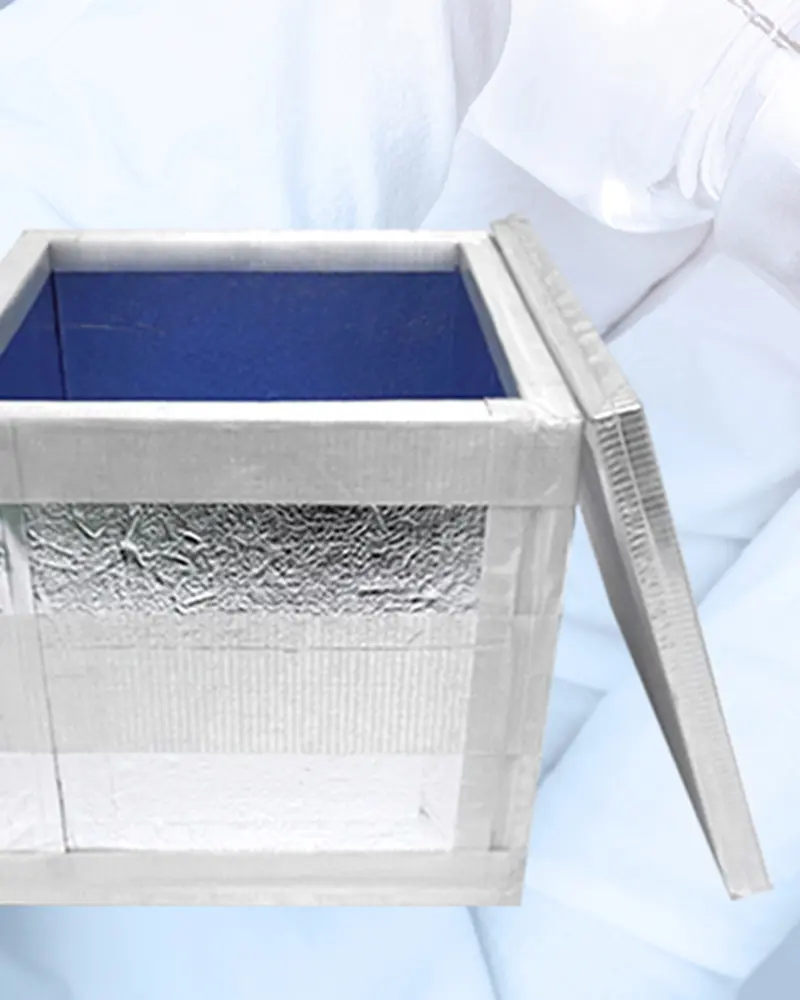
Deploying impact-resistant VIP cases to secure stable vaccine storage during regional logistics transit.
Implementing VIPs in major architectural and industrial projects requires strict adherence to international building codes and quality assurance protocols (such as ASTM C1667, EN 12667, and ISO 50001). Because VIPs cannot be cut or altered on-site, pre-construction design modeling is essential. Failure to plan layouts accurately leads to field errors, often resulting in accidental panel punctures.
To address this, Zerothermo provides complete engineering support, drafting detailed layout plans prior to fabrication. Furthermore, our protective encapsulation strategies—using outer high-density polyurethane coatings or protective structural boards—act as a secondary defense layer, meeting local fire safety codes (like EN 13501-1) and preventing physical damage during installation.
The future of vacuum insulation technology centers on active diagnostic monitoring. Zerothermo is testing thin-film RFID pressure sensors embedded directly within the core of the panel. These sensors allow structural auditors to verify internal pressure wirelessly after installation, confirming panel performance without disturbing building facade layers.
Additionally, improvements in polymeric barrier structures, including hybrid organic-inorganic coatings, aim to lower water vapor transmission rates (WVTR) even further. This technology will extend the reliable service life of fumed silica panels beyond 50 years, even in high-humidity tropical climates.
Practical answers to help design engineers identify, diagnose, and prevent VIP thermal degradation.
Stay informed on structural insulation research, exhibition news, and technological developments.
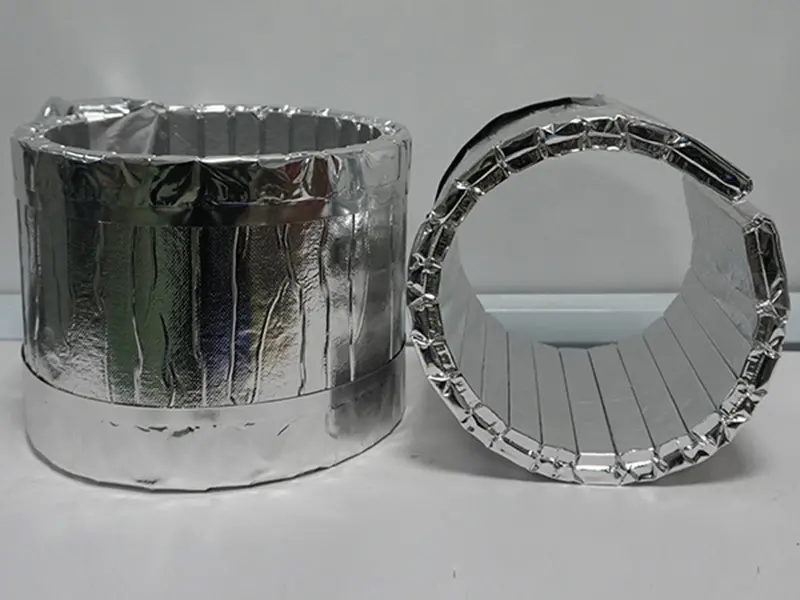
Analyzing the fire-resistance properties and thermal insulation metrics of microporous doors under high-temperature testing protocols.
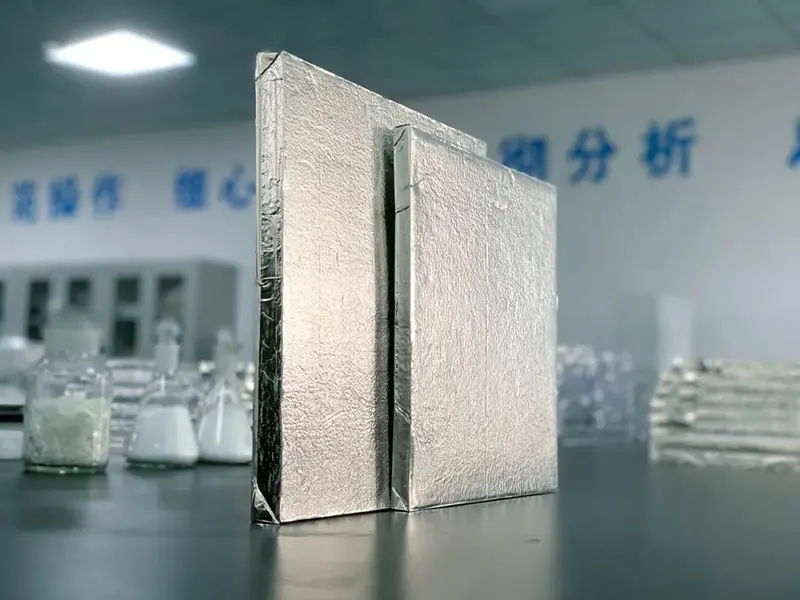
Showcasing our latest range of vacuum insulation panels and custom protective barrier envelopes to the global market.
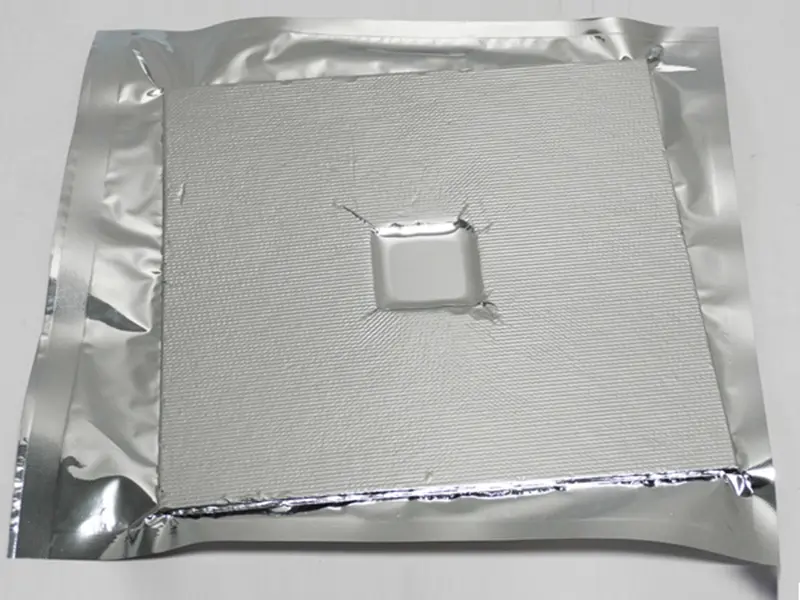
Exploring how advancements in core material formulation prevent thermal degradation in extreme industrial settings.
Discover our specialized range of vacuum panels and insulated glass, engineered to eliminate thermal leaks.
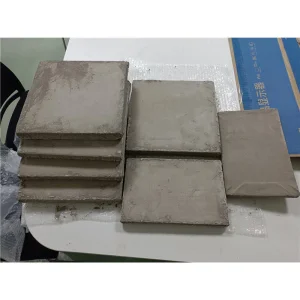
Constructed with reinforced outer layer wraps to protect the inner vacuum seal from mechanical stress.
View Details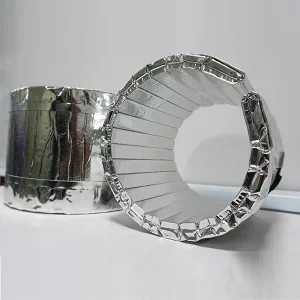
Flexible wrap designs matching water tank curves, minimizing joint thermal leaks.
View Details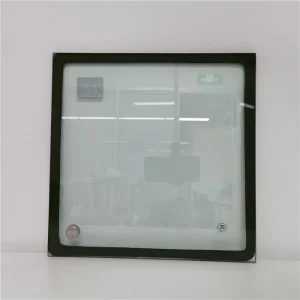
Double-paned tempered glass featuring structural vacuum spacers to maximize clarity and insulation.
View Details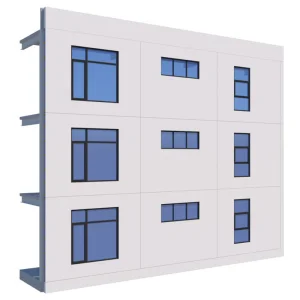
Integrated wall panels combining exterior decorative finishes with high-efficiency vacuum cores.
View Details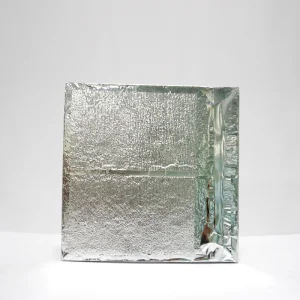
Designed to maintain interior thermal conditions during extended logistics transits.
View Details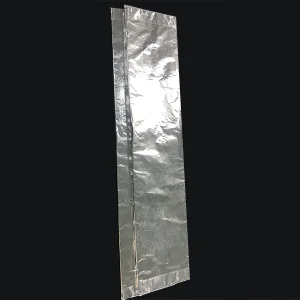
Specialized insulation layers designed to mitigate thermal runaway events in electric vehicles.
View Details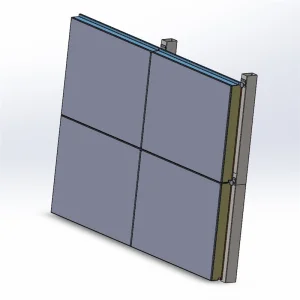
Ready-to-install integrated wall systems engineered to minimize thermal bridge effects.
View Details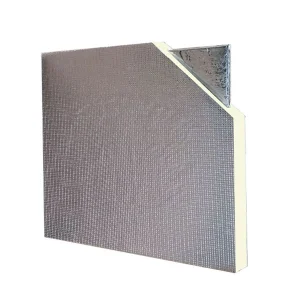
Hybrid PU-shielded vacuum panels providing impact protection and high-efficiency thermal insulation.
View DetailsGet in touch for custom design consultations, failure mode audits, or product specifications.
We offer comprehensive vacuum insulation board solutions. Reach out to our technical sales team for engineering calculations, layout specifications, and quotes.