Deep-Dive: The Engineering Behind Vacuum Insulated Glazing & Core Thermal Barriers
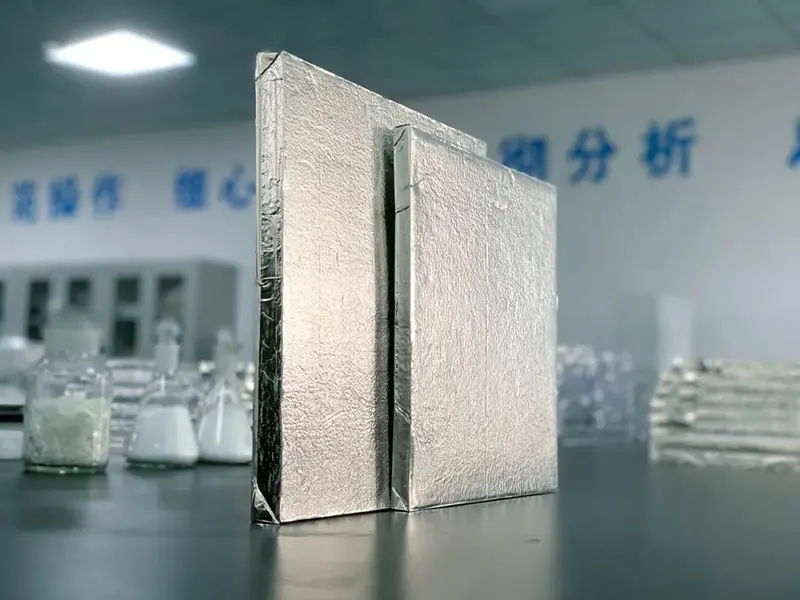
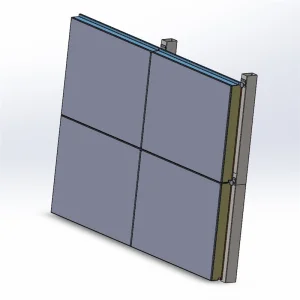
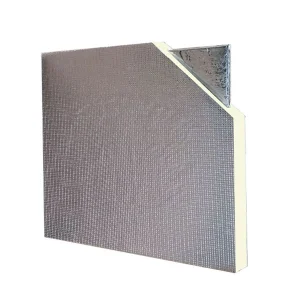
In the global race toward net-zero carbon emissions, building envelopes and cold chain ecosystems must adapt to strict environmental standards. Traditional insulating options, such as fiberglass and expanded polystyrene (EPS), are limited by the thermal conductivity of the air trapped within their structures. To break past these thermal limits, Vacuum Insulated Glazing (VIG) and Vacuum Insulation Panels (VIPs) eliminate air entirely to minimize conduction and convection.
The Physics of Extreme Low Thermal Conductivity
In a standard gas-filled space, heat is transferred through three main channels: conduction, convection, and radiation. By drawing a high vacuum (down to 10-4 mbar or lower) inside a sealed cavity, the density of gas molecules is reduced to the point where the distance between them exceeds the size of the enclosure. This phenomenon, defined by the Knudsen number, virtually eliminates gas conduction and convection.
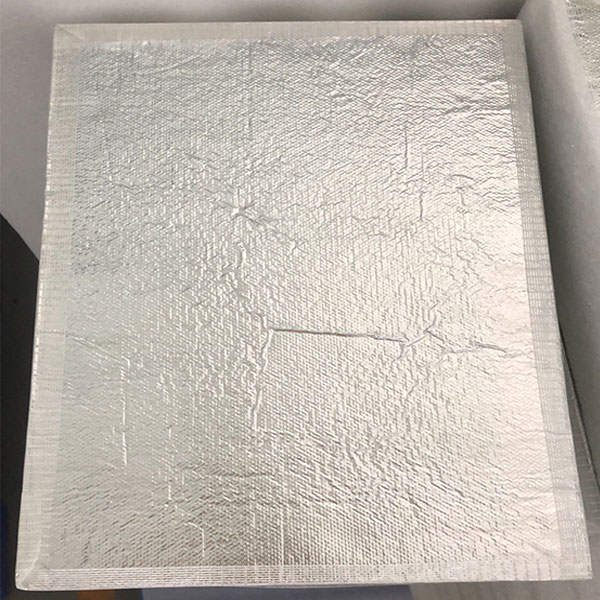
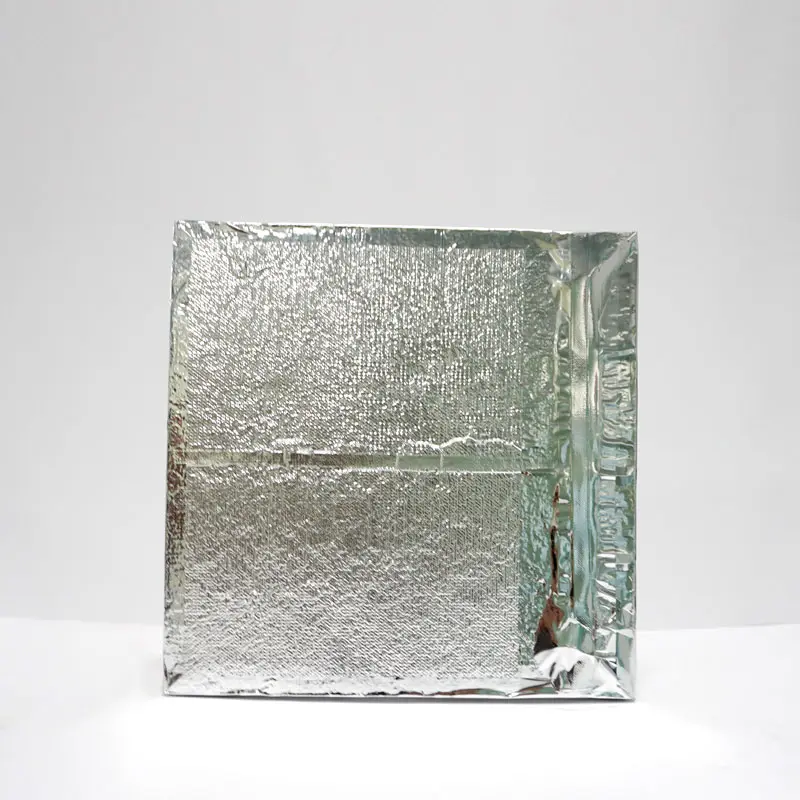
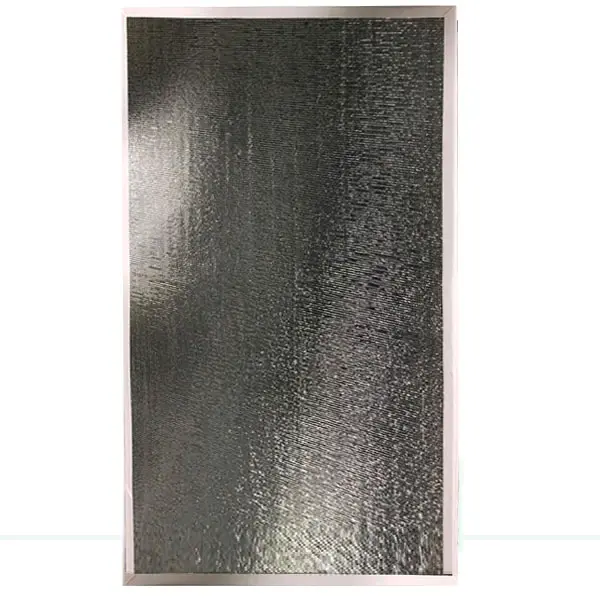
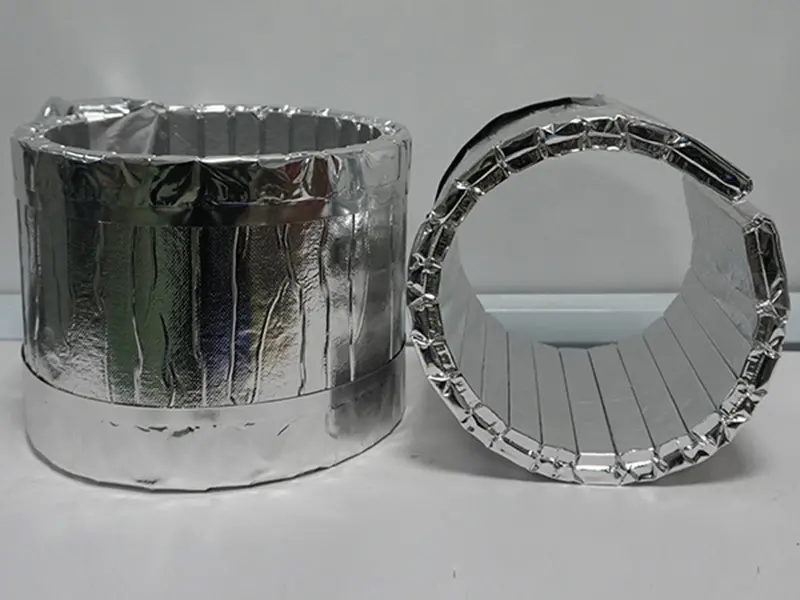
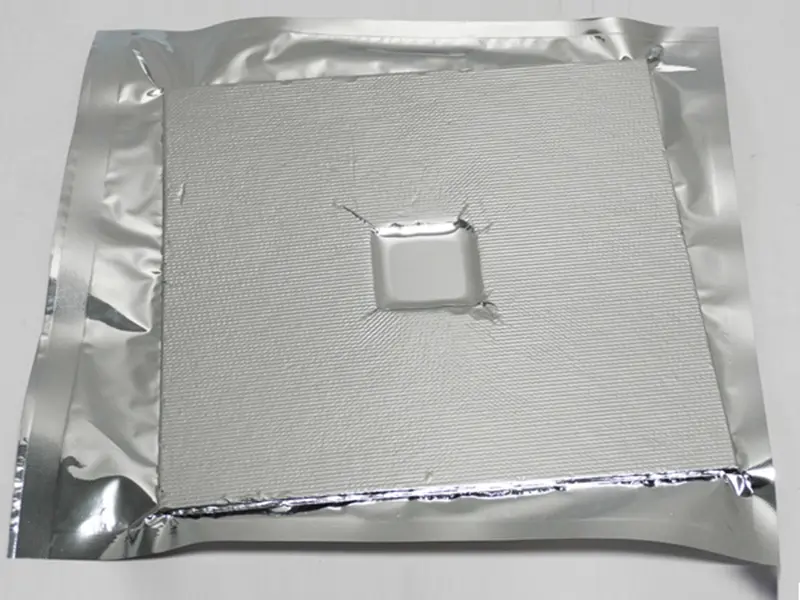
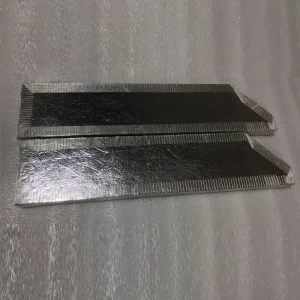
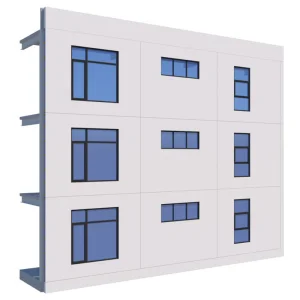
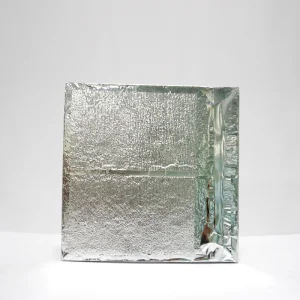
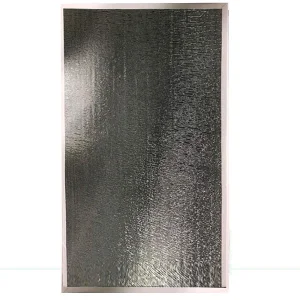
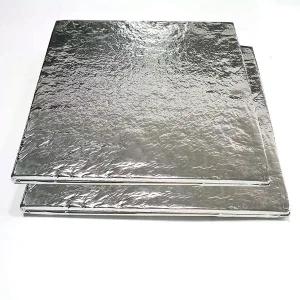
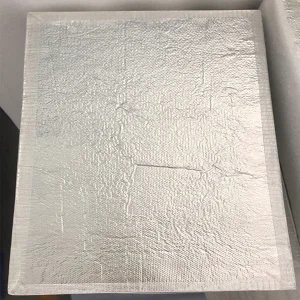
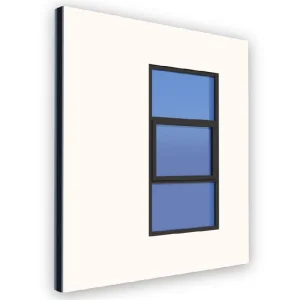
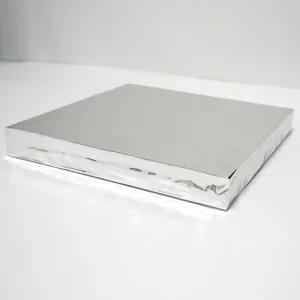
For Vacuum Insulated Glazing, this means achieving a Center-of-Glass U-value as low as 0.4 W/(m²·K) to 0.6 W/(m²·K). This matches the thermal performance of a solid masonry wall in a profile as thin as 8mm to 12mm. For Vacuum Insulation Panels (VIPs), leveraging fumed silica or ultra-fine fiberglass cores enables thermal conductivities below 0.004 W/(m·K), which is up to ten times more efficient than conventional materials.
Core Material Engineering: Fumed Silica vs. Fiberglass
The choice of core materials is a key factor in long-term performance and durability. Zerothermo Technology focuses on two main configurations:
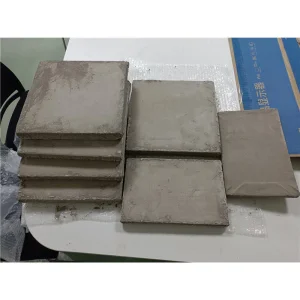
- Fumed Silica Cores: Characterized by a nano-porous structure that maintains excellent performance even if internal vacuum levels change slightly over decades. Fumed silica is non-combustible (Class A1), non-toxic, and boasts an estimated service life of over 50 years. This makes it the preferred core for building facades and integrated architectural systems.
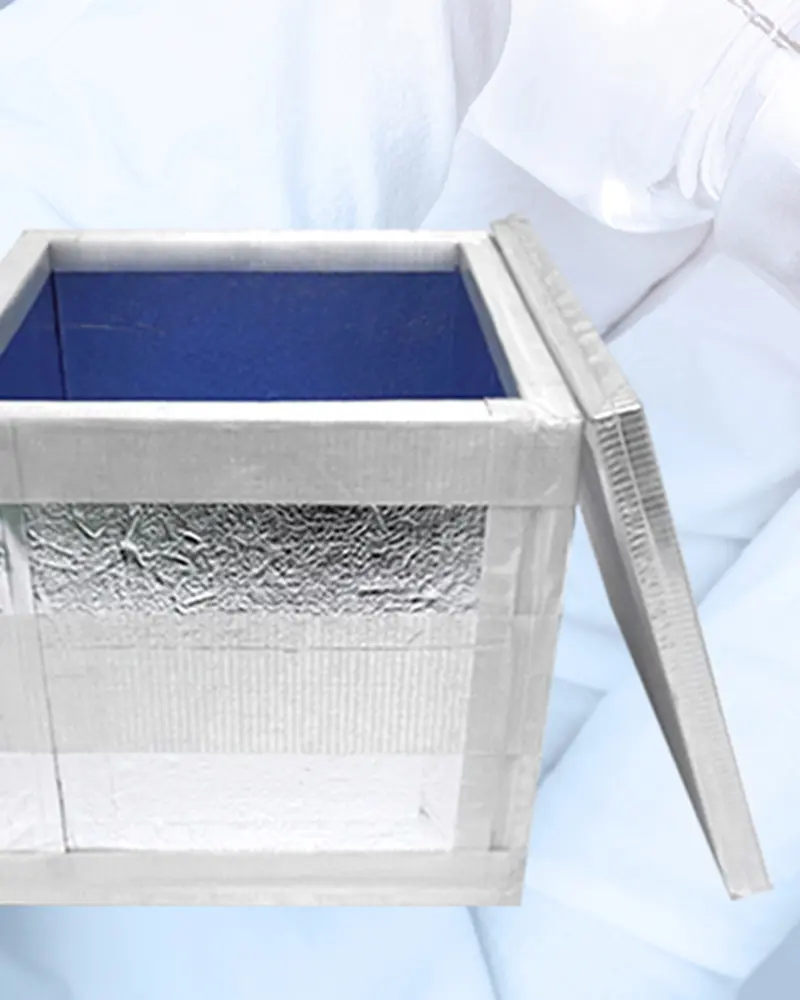
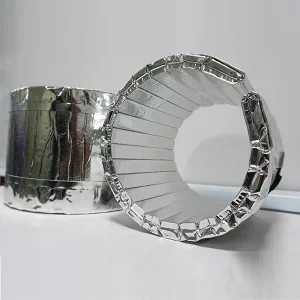
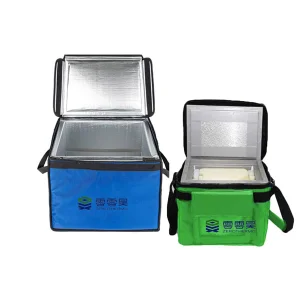
- Fiberglass Cores: Optimized for systems where initial cost and thin profiles are primary concerns. While offering exceptional initial thermal resistance, fiberglass VIPs require higher internal vacuum levels, making them ideal for highly controlled applications like domestic refrigerators, freezers, and specific container configurations.