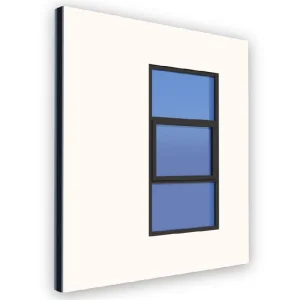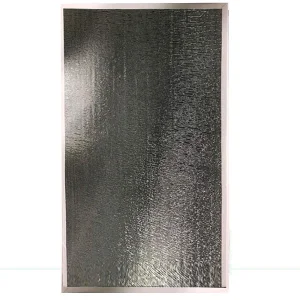
Explore our industrial-grade, vacuum-insulated components engineered for maximum thermal retention and energy conservation.
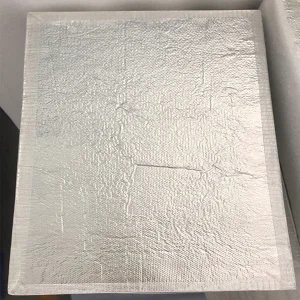
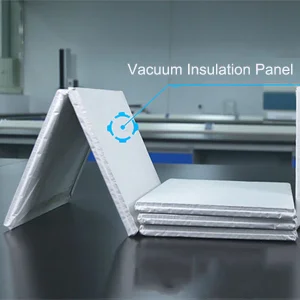
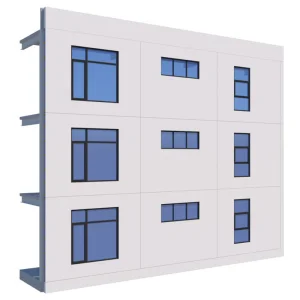
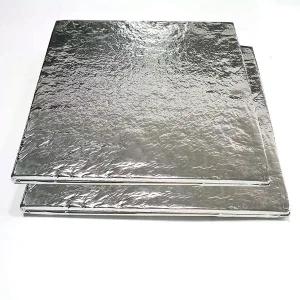
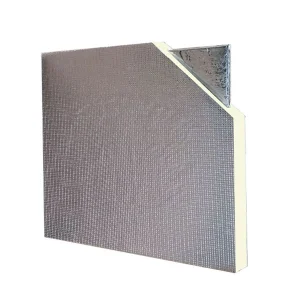
In modern energy-efficient building structures and cooling systems, thermal envelope design plays a pivotal role. The performance of Vacuum Insulated Glass (VIG) is highly dependent on structural configuration, specifically vacuum glass panel thickness. Unlike standard double or triple glazing containing inert gas fills (such as Argon or Krypton), vacuum insulated glass features an evacuated space of 0.1mm to 0.3mm between two glass panes. This space is maintained under high-grade vacuum pressure (<10⁻⁴ Pa), which completely eliminates conductive and convective heat transfer.
The choice of substrate thickness (typically ranging from 3.3mm to 12.3mm or more for laminated variants) is determined by structural demands, environmental wind load resistance, and regional building energy efficiency standards. Selecting the appropriate thickness requires a balance between architectural safety and lightweight, minimalist installation criteria.
Choosing the correct vacuum glass panel thickness involves checking the balance between wind load deflection, center-of-glass temperature differentials, and internal micro-support pillar stress. Thinner configurations (e.g., 8.3mm overall) offer lightweight integration for window retrofits, whereas thicker laminate structures (12.3mm+) provide necessary mechanical performance for high-rise glass curtain walls and extreme climatic zones.
The design of vacuum glass includes micro-pillar arrays to prevent the external atmospheric pressure (10 tons per square meter) from collapsing the vacuum gap. The thickness of the individual glass panes directly determines the spacing of these support pillars:



A detailed technical review comparing standard insulated glass units (IGUs) with varying thicknesses of vacuum insulated glass (VIG).
| Glazing Type | Typical Nominal Thickness | Vacuum Gap / Gas Spacer | Center-of-Glass U-Value (W/m²·K) | Acoustic Damping (Rw / STC) | Weight (kg/m²) |
|---|---|---|---|---|---|
| Single Tempered Float Glass | 6 mm | N/A | 5.8 | 30 dB | 15.0 |
| Standard Argon IGU (Double Glazed) | 24 mm (6+12Ar+6) | 12 mm | 2.7 (1.4 with Low-E) | 34 dB | 30.0 |
| Ultra-Thin VIG (Basic Retrofit) | 8.3 mm (4+0.3V+4) | 0.3 mm Vacuum | 0.60 | 39 dB | 20.0 |
| Standard Architectural VIG | 10.3 mm (5+0.3V+5) | 0.3 mm Vacuum | 0.55 | 41 dB | 25.0 |
| Heavy-Duty High-Load VIG | 12.3 mm (6+0.3V+6) | 0.3 mm Vacuum | 0.50 | 43 dB | 30.0 |
| Hybrid Laminated VIG (Safety Glass) | 18.3 mm (6+0.3V+6+1.52PVB+4) | 0.3 mm Vac + 1.52 mm Film | 0.45 | 47 dB | 40.0 |
ABOUT US
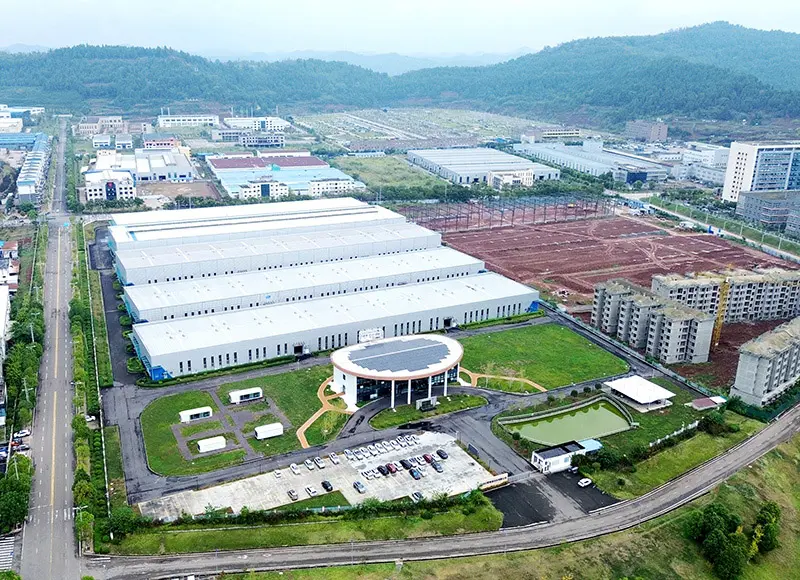
Zerothermo Technology Co., Ltd., a subsidiary of the renowned CBVAC Group, is a national high-tech enterprise. We are headquartered in the Beijing Economic-Technological Development Area, with our primary manufacturing complex based in Nanchong City, Sichuan Province. This facility is recognized as one of China's largest advanced production centers for industrial vacuum technology application products.
Our core capabilities involve engineering high-performance thermal insulation solutions. These include VIP (vacuum insulation panels) based on fumed silica and fiberglass core materials, alongside high-performance tempered vacuum insulated glass. We operate under rigorous quality management frameworks to supply premium thermal solutions to clients worldwide.
 Non-standard flanges: Special sizes (beyond the standard range of ANSI/ASME/DIN) are fabricated according to client designs and custom wind pressure parameters.
 Shaped flanges: Complex custom forms including square, oval, or non-standard profiles. Diameter options range up to 60 inches for micro-precision assemblies.
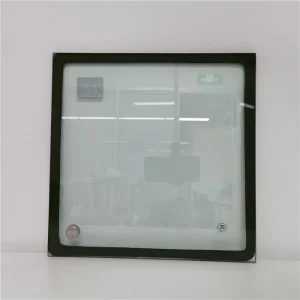
 Custom Dimensions: Tailored vacuum glass panel dimensions and thicknesses engineered for cold storage doors, display windows, and high-performance facades.

Why engineering consultants and global purchasing managers select Zerothermo Technology as their strategic production partner.


Customizing vacuum barrier geometries, substrate profiles, and dimensions to meet demanding structural constraints.
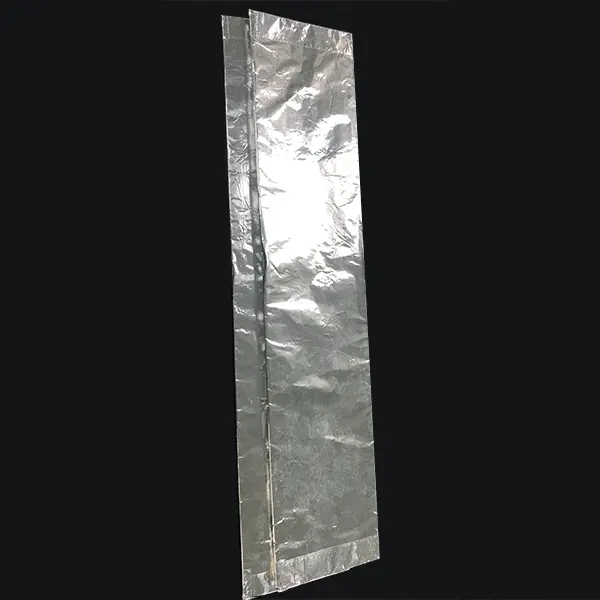
Product Details: Size: Customized. Thickness: 5mm to 15mm. Tailored high thermal stability insulation barriers.
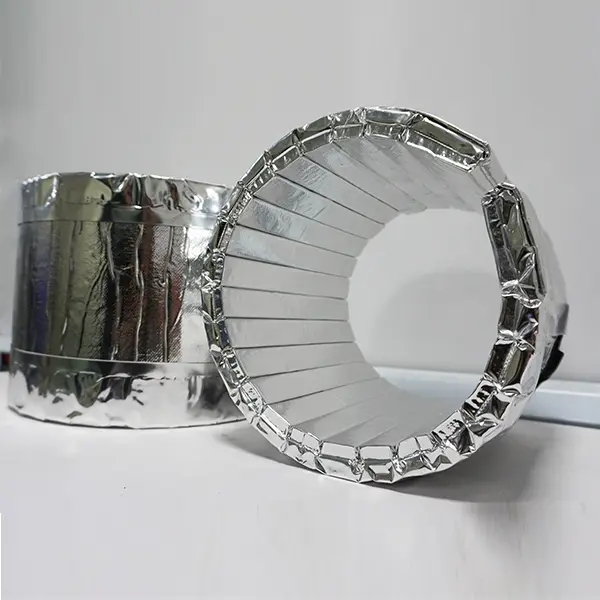
Product Details: Size: Customized. Thickness: 5mm to 20mm. High-efficiency thermal barriers for water storage.
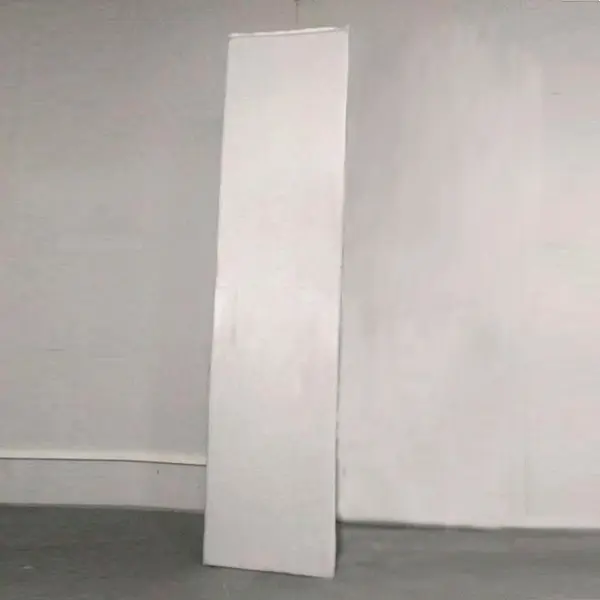
Designed for fire-rated elevator doors and localized technical compartments requiring ultra-thin fire prevention.
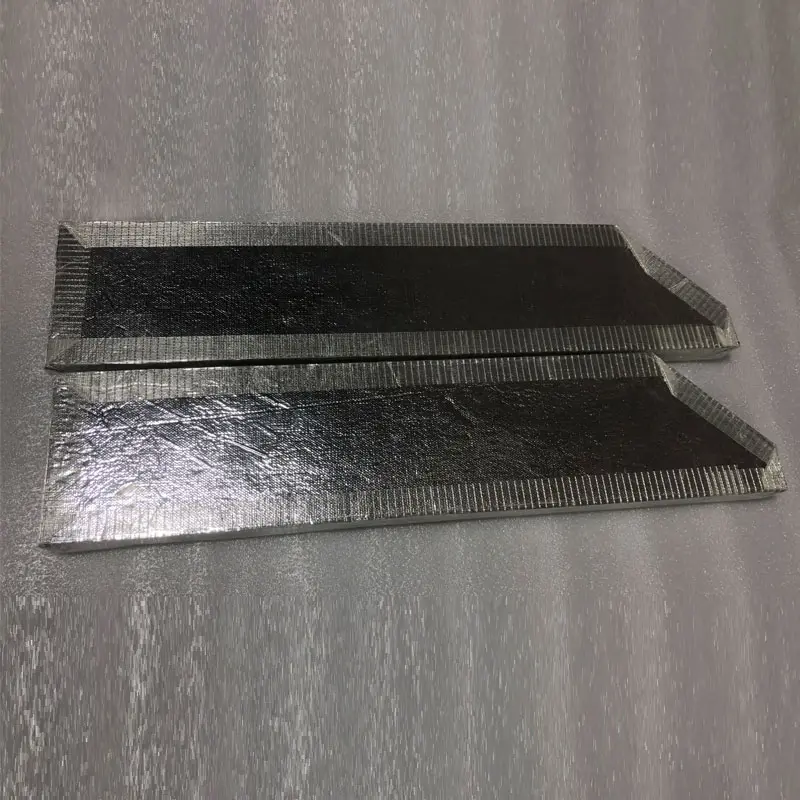
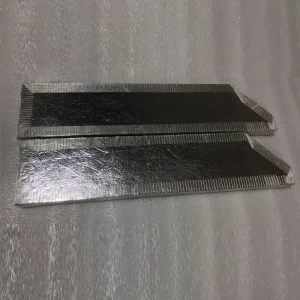
Product Features: Molded fumed silica panels with customizable profiles, designed for space-critical storage containers.
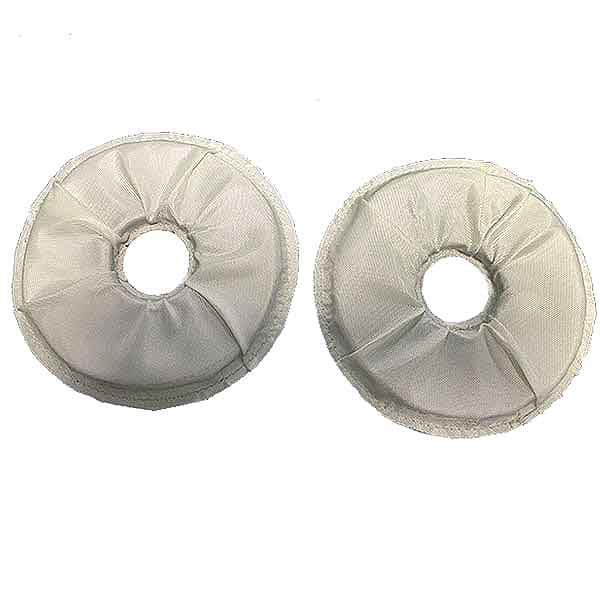
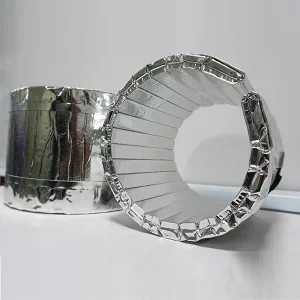
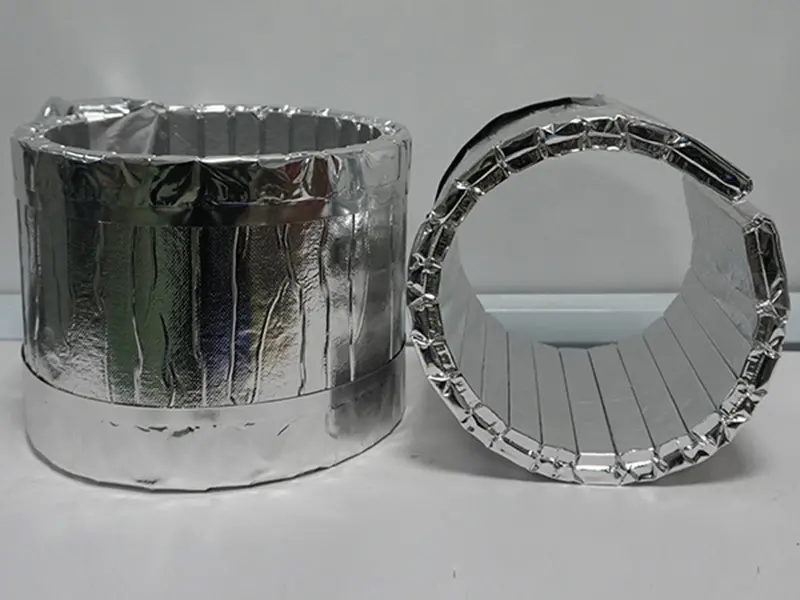
Flexible nano-porous wraps designed for pipe assemblies and cylindrical processing components.
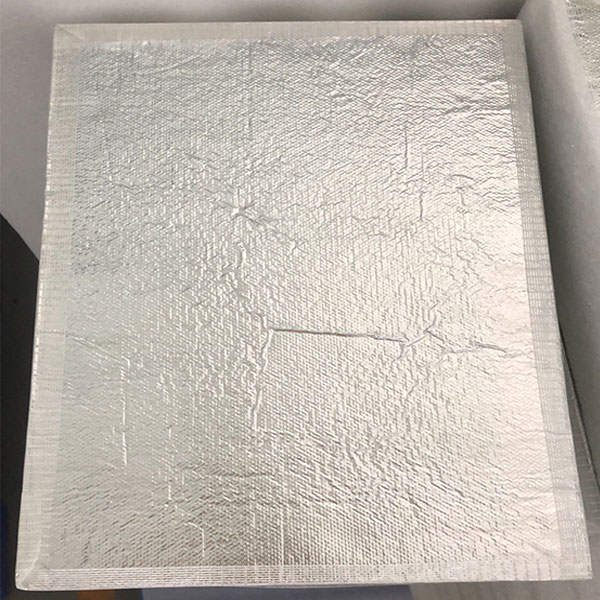
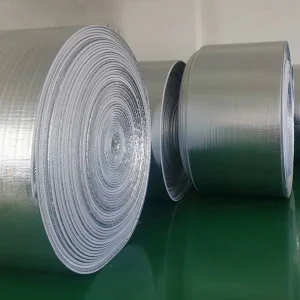
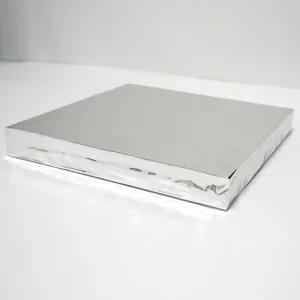
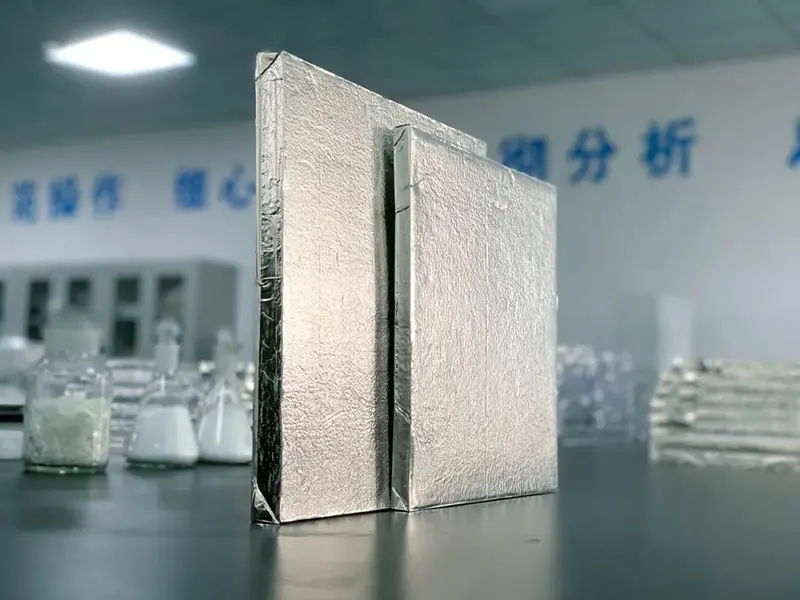
Vacuum insulation boards utilizing advanced fumed silica cores for residential retrofitting and deep-freeze storage.
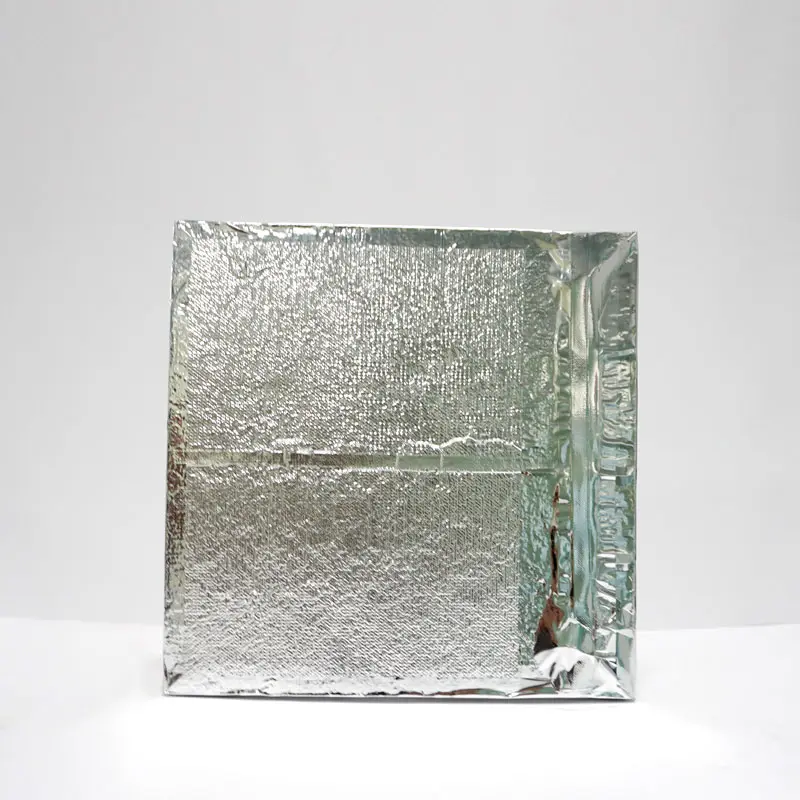
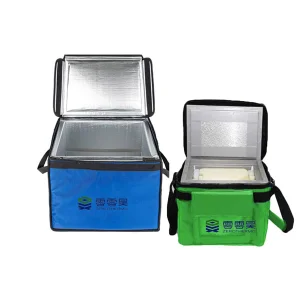
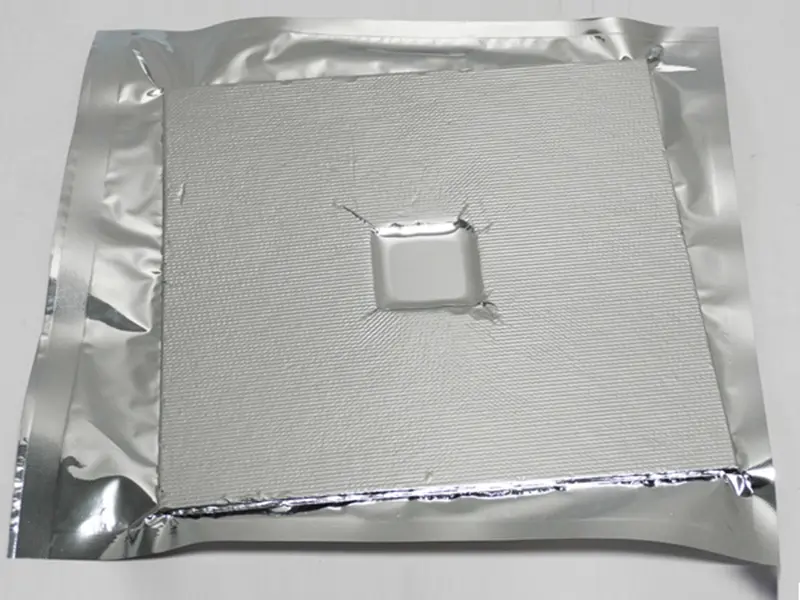
High-reliability insulation panels designed to extend cold hold times in pharmaceutical transport applications.
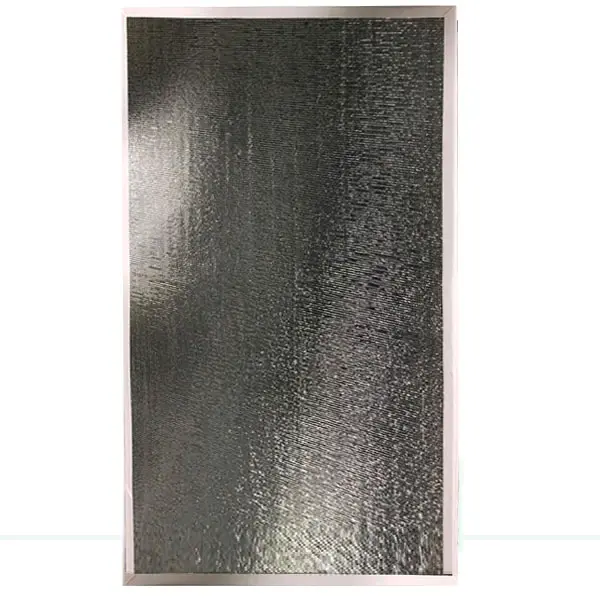
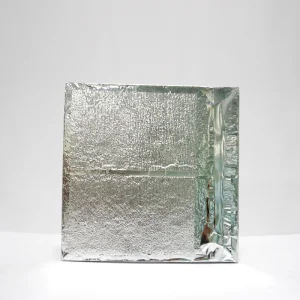
Large-format fumed silica vacuum insulation panels engineered for walk-in reefers and building envelopes.

Sourcing high-performance glass from Chinese suppliers provides strategic advantages for global facade developers and refrigeration manufacturers. Working directly with our Nanchong facility allows you to integrate advanced technology with efficient large-scale production capacities. This helps optimize both the cost and performance of vacuum insulated components.
Our production base handles the entire manufacturing process, from initial glass washing and Low-E sputtering to laser-controlled spacer layout, robot-assisted edge sealing, and vacuum extraction. Controlling the entire workflow in-house ensures consistent quality across large-format production runs.
We perform rigorous checks on each batch of vacuum glass panels, verifying helium leak rates, surface waviness, and mechanical integrity under extreme temperature variations. This quality-focused approach helps maintain the long-term seal integrity of our vacuum glass units over a service life exceeding 25 years.
We customize glass configurations to match the structural requirements of your project. This includes pairing clear float glass, high-performance low-emissivity (Low-E) coatings, and tinted panels in various thickness options (from 8.3mm retrofits to thick laminated assemblies) to achieve specific thermal and acoustic profiles.
Our products are engineered to meet major international standards. This includes SGCC (Safety Glazing Certification Council) requirements for North America, CE (EN 1279) approvals for the European market, and ISO 9001 compliance for our manufacturing facilities, ensuring reliable integration into global construction and logistics channels.
How vacuum insulated components and various glass thicknesses are deployed across international markets.

Providing high-efficiency thermal insulation solutions for cold chain storage using vacuum insulation panels, protecting temperature-sensitive medical goods.

Integrating vacuum insulated glass into slim-profile windows and curtain walls to reduce building heat loss and support net-zero energy standards.

Utilizing nano microporous panels in high-temperature processing equipment and industrial ovens to minimize energy loss and lower surface temperatures.

Using lightweight insulation panels and thin, high-performance glazing in prefabricated cabins and viewing structures to maintain comfortable interior temperatures.
Real-world integration of vacuum insulation systems and custom glass products in key industrial sectors.

Implementation of structural vacuum panels within temperature-critical laboratory environments.

Deploying specialized fumed-silica panels in cold-storage units for high-tech components.

Replacing traditional single-glazed windows with thin vacuum insulated glass to improve acoustic comfort and lower heating costs.
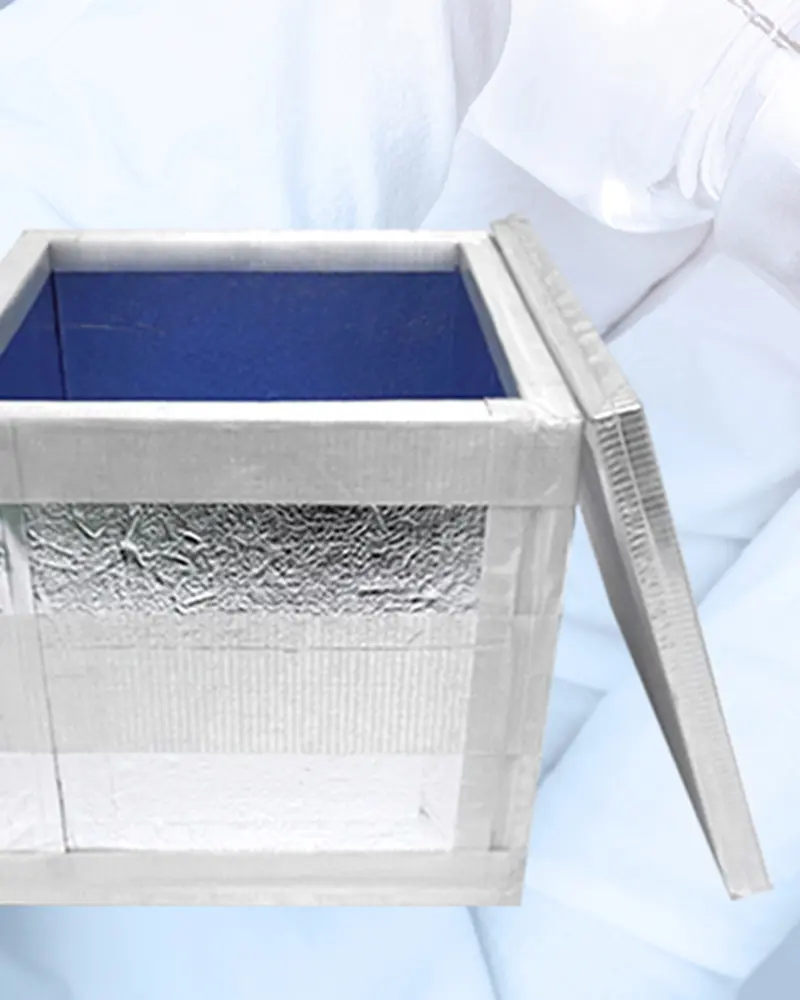
Developing ultra-reliable cold boxes with fumed silica cores to maintain tight temperature control for pharmaceuticals.
Answering common engineering questions about vacuum glass thickness, thermal bridging, and custom specifications.
The thickness of the glass panels does not significantly alter the center-of-glass thermal resistance, which is primarily determined by the vacuum gap and Low-E coating efficiency. However, thicker glass panels (such as 5mm or 6mm) allow for wider spacing between the micro-support pillars. This reduces the number of thermal bridges across the unit, leading to slightly lower overall U-values compared to thinner configurations.
No. Once the glass has been tempered, evacuated, and sealed, it cannot be cut, drilled, or edge-altered. Any mechanical cutting will break the edge seal and cause immediate loss of vacuum pressure. Detailed sizing and hole placements must be specified prior to the tempering and evacuation processes at our factory.
Our tempered vacuum glass is engineered for a service life exceeding 25 years. This durability is achieved by using high-strength glass solder edge seals that prevent moisture ingress and vacuum loss, even under dynamic environmental conditions.
The support pillars are tiny (typically 0.3mm to 0.5mm in diameter) and arranged in a grid pattern. They are practically invisible from normal viewing distances. Special spacer placement layouts help maintain optical clarity while providing necessary resistance to atmospheric pressure.
Fumed silica VIPs offer a thermal conductivity of less than 0.005 W/m·K, which is roughly 4 to 5 times lower than polyurethane foam. Using VIPs allows cold-chain logistics providers to save significant storage space and extend thermal holding times, which is essential for transporting biologicals and vaccines.
We use automated inspection systems along with helium mass spectrometry leak detection. Each panel undergoes strict quality control to check for micro-cracks and seal imperfections before shipment, ensuring reliable performance in the field.
Insights into vacuum insulation technology, sustainable building materials, and manufacturing innovations.
Get in touch with our engineering team for technical calculations, U-value specifications, and custom production quotes.
We provide comprehensive thermal insulation solutions tailored to your project requirements. Contact us to speak with a technical representative.






Explore our full catalog of high-temperature nano-microporous blankets, insulated storage panels, and advanced architectural glass.