The Science of Sub-Zero Heat Transfer: Vacuum Insulation Panels (VIPs) vs. Traditional Wall Insulation
In modern engineering and high-performance architectural design, optimizing space while maximizing thermal resistance is a critical challenge. Traditional insulation materials—such as Expanded Polystyrene (EPS), Extruded Polystyrene (XPS), and Polyurethane (PU)—rely on trapping gas inside their cell structures. This limits their thermal conductivity performance to a theoretical best of around 0.020 W/(m·K) to 0.035 W/(m·K).
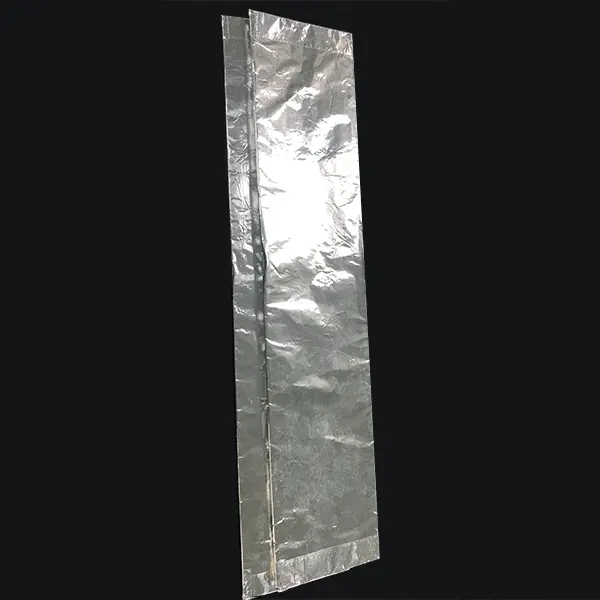
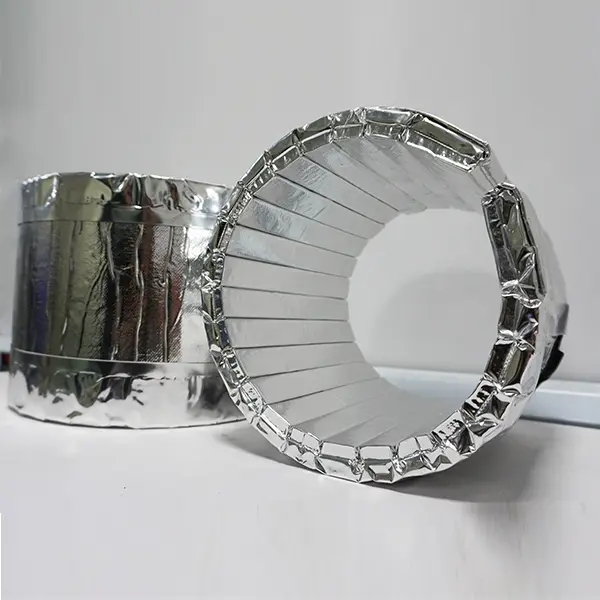
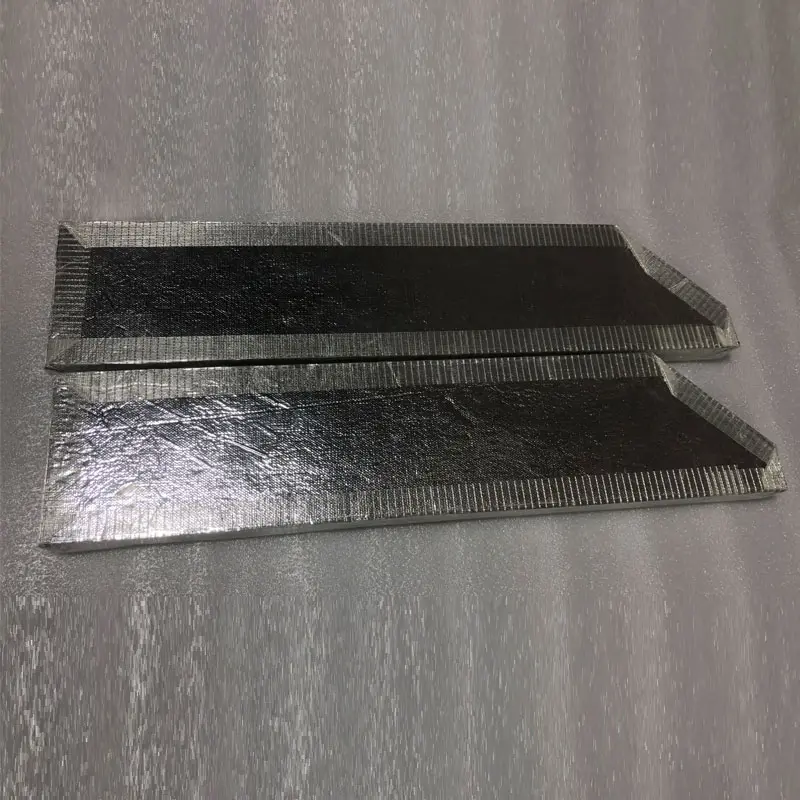
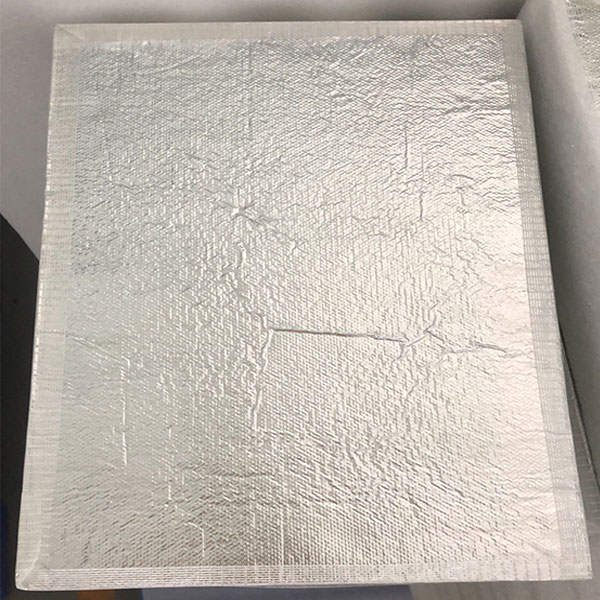
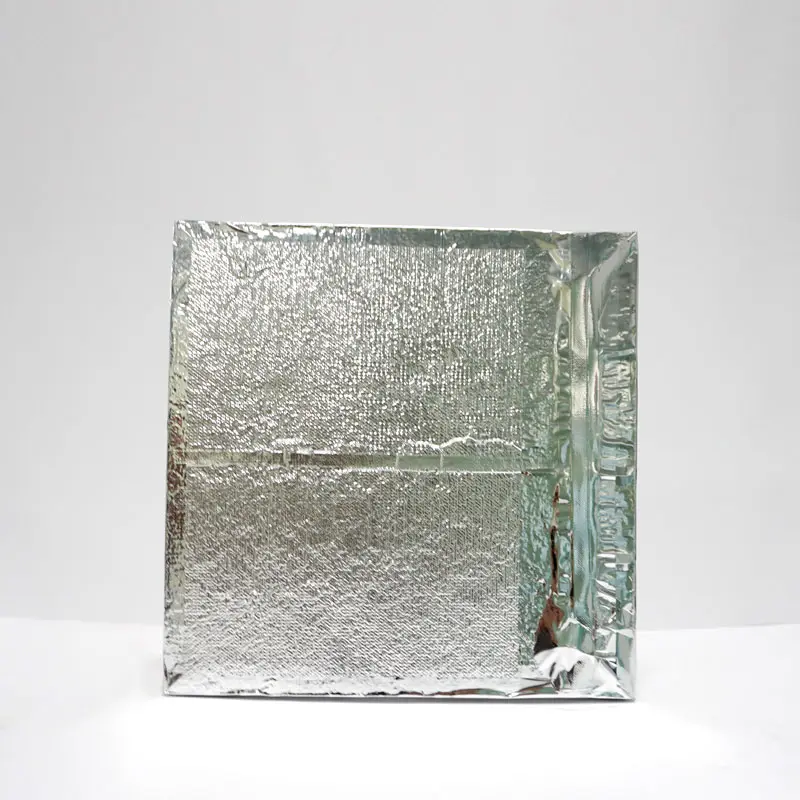
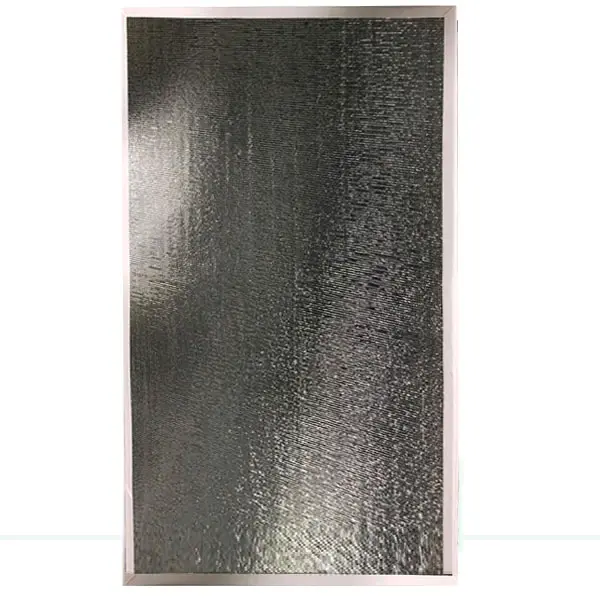
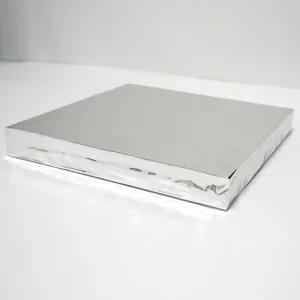
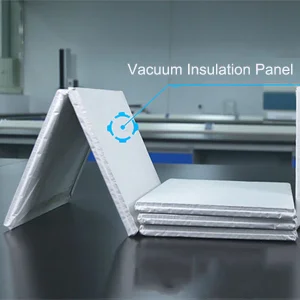
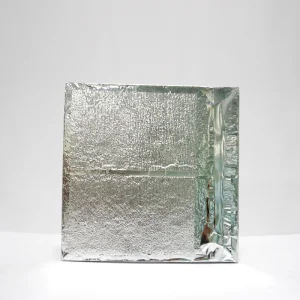
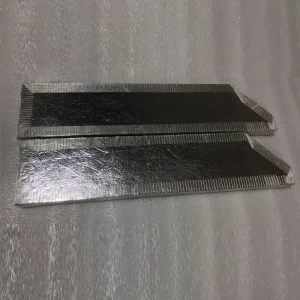
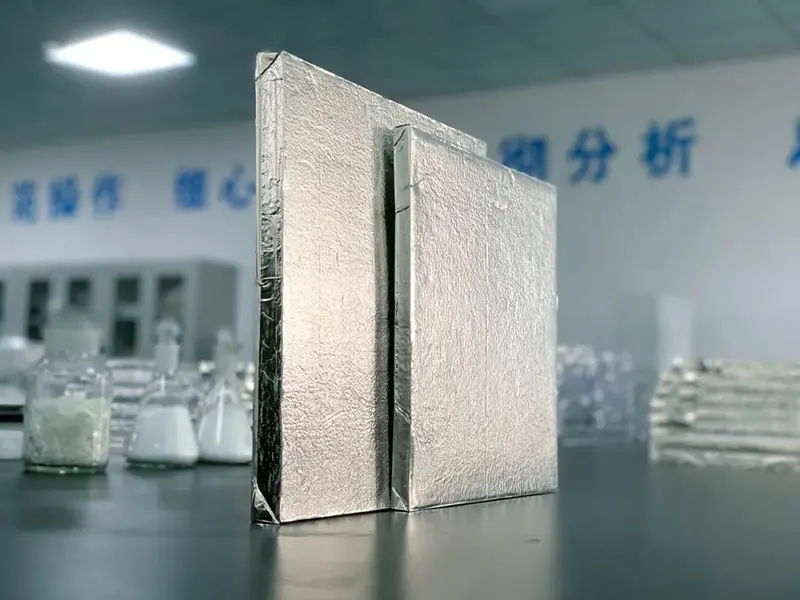
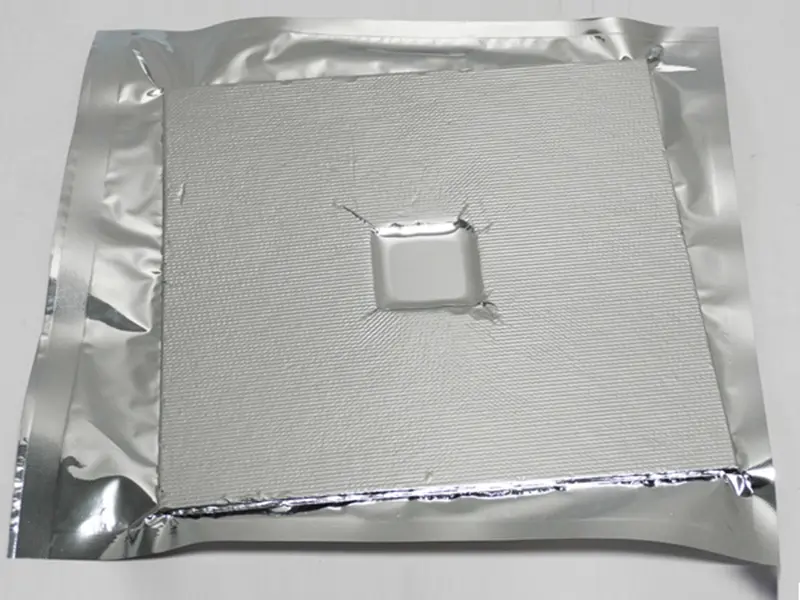
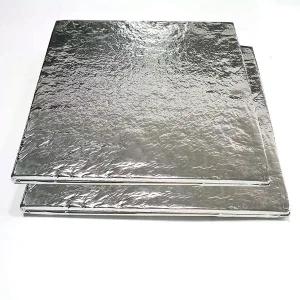
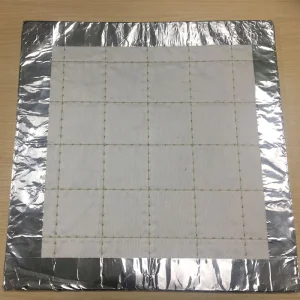
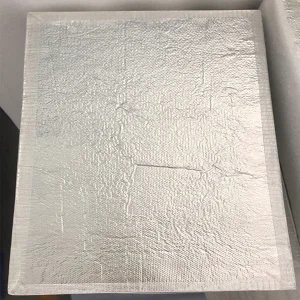
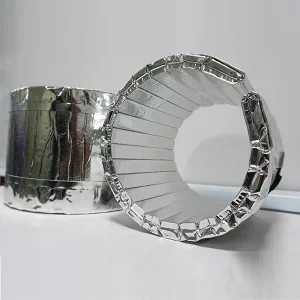
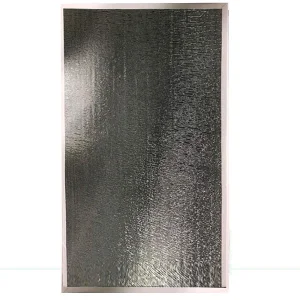
Vacuum Insulation Panels (VIPs), however, leverage vacuum physics to eliminate gas conduction and convection within their core material. Utilizing a highly porous core—such as fumed silica or specialized fiberglass matrices—under pressure levels below 1 mbar, Zerothermo’s VIPs achieve an industry-leading thermal conductivity rating of ≤ 0.002 W/(m·K). This translates to an insulation barrier that is five to ten times thinner than traditional insulation options while maintaining equivalent U-values for external and internal walls.
Understanding the Thermal Conductivity Delta (λ Value)
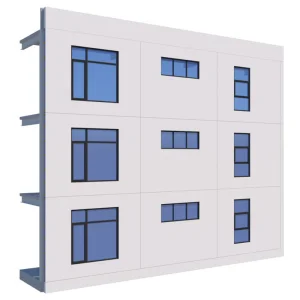
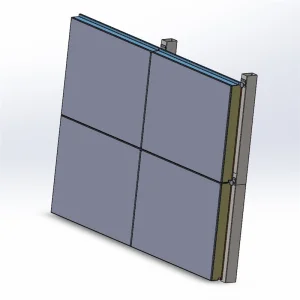
By employing a fumed silica vacuum core, the overall design thickness of architectural envelopes can be reduced from 150mm of traditional mineral wool to just 20mm of Zerothermo VIPs, gaining valuable internal real estate in high-density urban zones.
| Insulation Type | Core Material Density (kg/m³) | Thermal Conductivity (W/m·K) | Required Thickness for U=0.15 W/m²K | Typical Mechanical Lifespan |
|---|---|---|---|---|
| Zerothermo Fumed Silica VIP | 160 - 220 | ≤ 0.0020 - 0.0040 | 20mm - 30mm | Up to 50+ Years |
| Fiberglass Core VIP | 250 - 320 | ≤ 0.0015 - 0.0025 | 15mm - 20mm | 15 - 20 Years |
| Extruded Polystyrene (XPS) | 35 - 45 | ≥ 0.0300 | 200mm | 30 Years |
| Polyurethane Foam (PU) | 40 - 50 | ≥ 0.0230 | 150mm | 25 Years |