Explore our top-performing thermal insulation systems, designed to block all heat transfer modes under critical operating conditions.
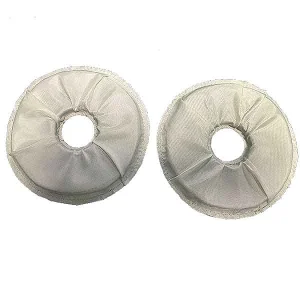
Custom engineered flexible blankets for complex-curved pipelines, heavy industrial applications, and high thermal strain profiles.
View Specifications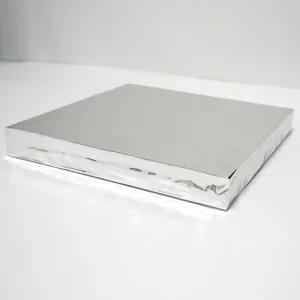
Ultra-low core density thermal board utilizing advanced nano-porous structure to minimize heat conduction.
View Specifications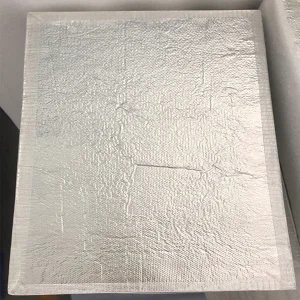
Engineered for extreme performance. Standard-setting thermal barriers wrapped in high-barrier protective laminate films.
View Specifications
Prefabricated building envelopes for sustainable, energy-efficient commercial and residential construction.
View Specifications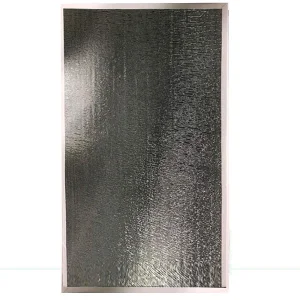
Large-format panels designed specifically to maintain vaccine, biotech, and pharmaceutical cargo at critical temperatures.
View Specifications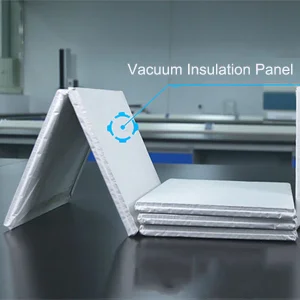
Thin-profile cladding core structures designed to meet strict green energy requirements without eating up space.
View Specifications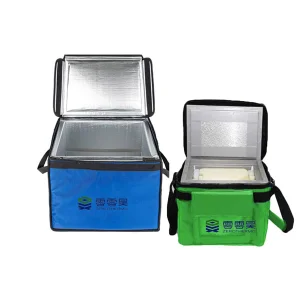
Robust, lightweight transportation containers engineered to guarantee uninterrupted pharmaceutical cold chain integrity.
View Specifications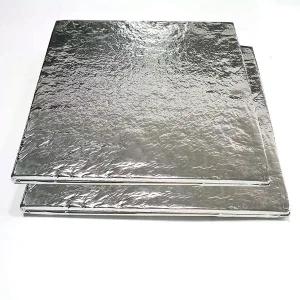
Optimized cost-to-performance ratio thermal protection plates suited for consumer appliance manufacturing and HVAC systems.
View SpecificationsIn today's highly demanding industrial and commercial environments, traditional thermal insulation options like mineral wool, polyurethane, and calcium silicate are reaching their physical performance limits. To achieve greater energy efficiency and meet carbon neutrality goals, material science has shifted towards nanostructured solutions. Prominent among these is the Nano Microporous Thermal Board.
Zerothermo Technology is a leading manufacturer in this material field, developing advanced solutions that optimize both space and thermal resistance. In this technical review, we look at the physical principles, production processes, application areas, and future developments of microporous thermal barriers.
To understand the performance of nano microporous boards, we must examine how heat is transferred inside insulating media. Standard insulation materials work by trapping pockets of still air, which has a static thermal conductivity of approximately 0.026 W/(m·K) at room temperature. Microporous insulation, however, reduces this value by design.
A nano microporous thermal board consists of fine, amorphous silica particles (typically fumed silica, with particle sizes ranging from 5 to 20 nm) mixed with infrared opacifiers (such as zirconium silicate or titanium dioxide) and organic/inorganic structural fibers. This mixture is compacted under high pressure to create a material with a highly porous structure characterized by average pore sizes of 20 nm or less.
This layout modifies the primary modes of heat transfer:
Industrial buyers face complex challenges when sourcing microporous materials. Critical projects require specific physical properties, mechanical strength, and chemical stability. As an experienced manufacturing partner, Zerothermo accommodates a range of design specifications:
We offer tailored configurations designed to meet specific regulatory, space, and operating conditions across various industries.
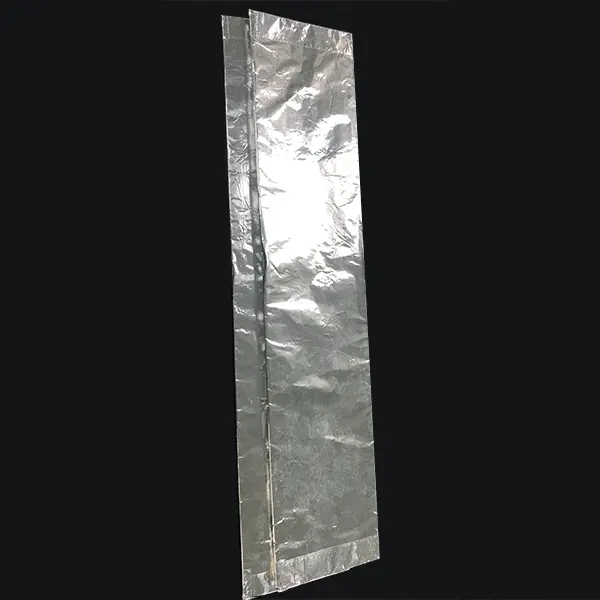
Thickness: 5-10mm. Designed to prevent thermal runaway and protect battery pack compartments.
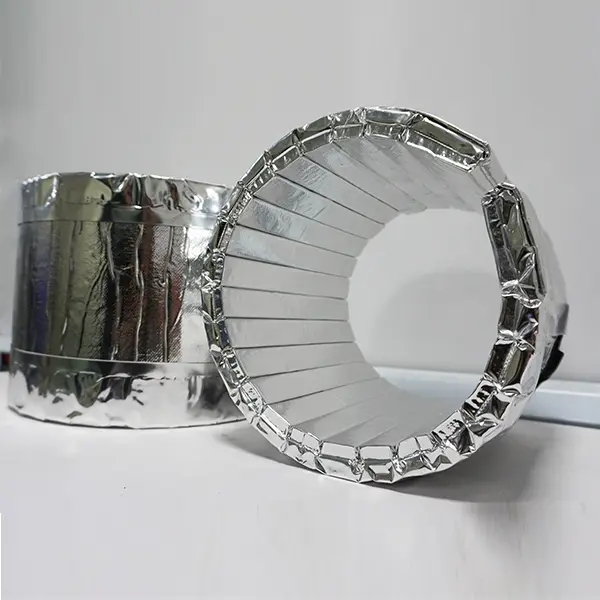
Hydrophobic formulations designed to maintain dry conditions and prevent corrosion under insulation (CUI).

Class-A1 fire-rated materials built to satisfy strict regional safety and building code criteria.
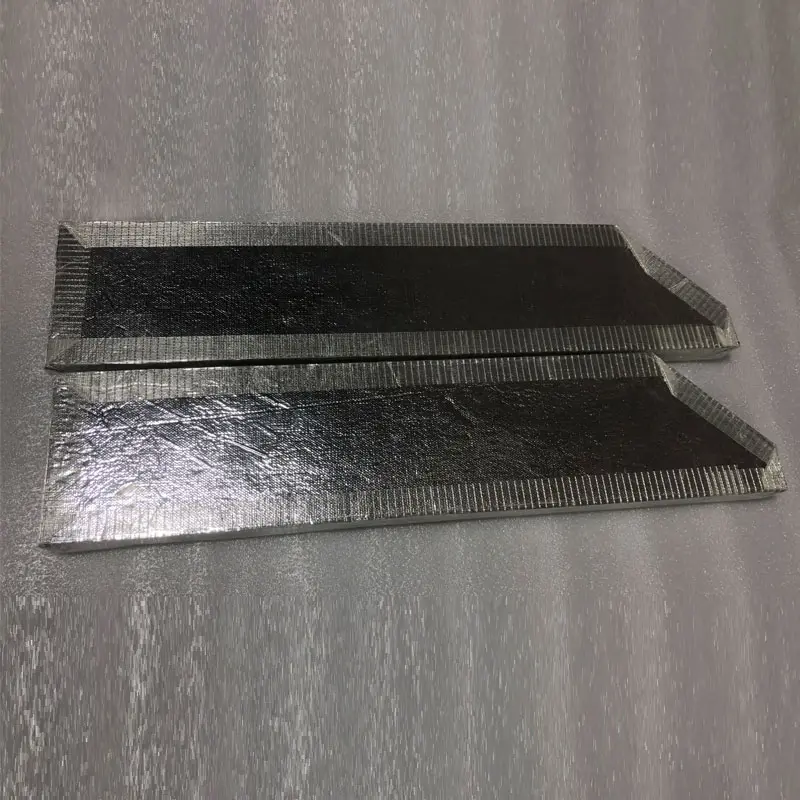
Custom shapes designed to fit tight, non-planar geometries without compromising thermal efficiency.
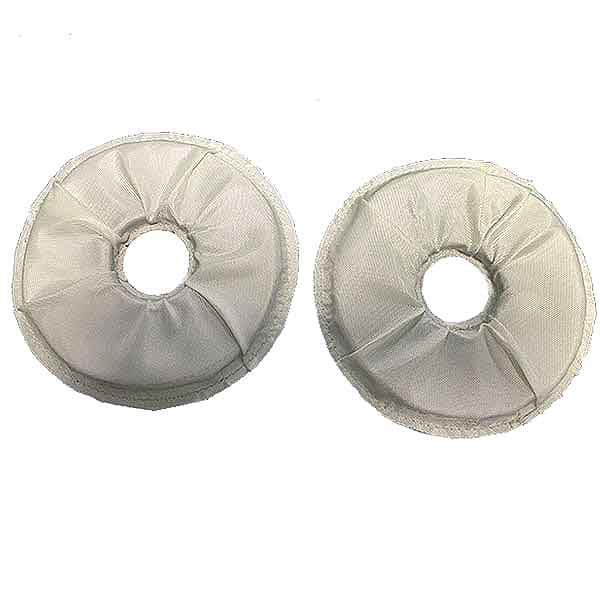
Flexible wraps designed for piping, exhaust configurations, and chemical reactors.
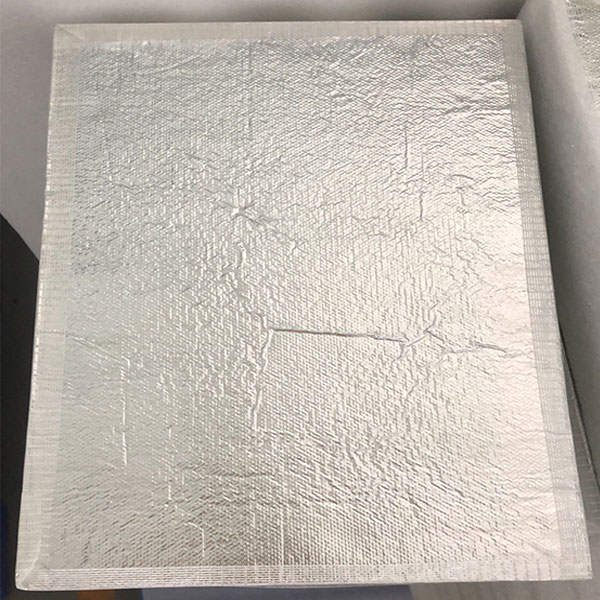
Core structures optimized for sub-ambient cooling systems, cryogenics, and cold chain shipping.
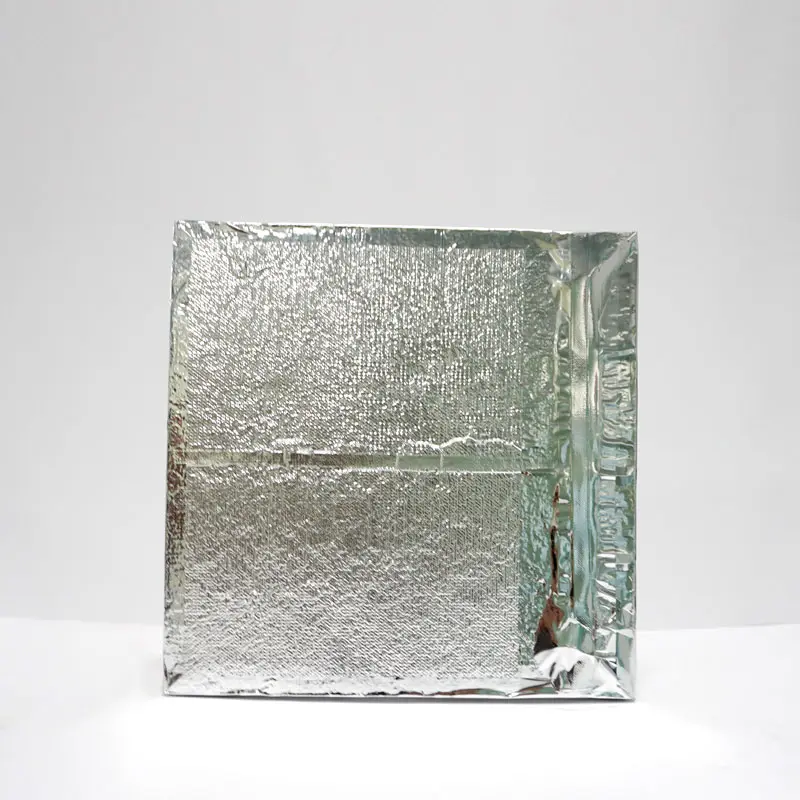
Extended thermal runtime panels for vaccine and pharma transport without external power.
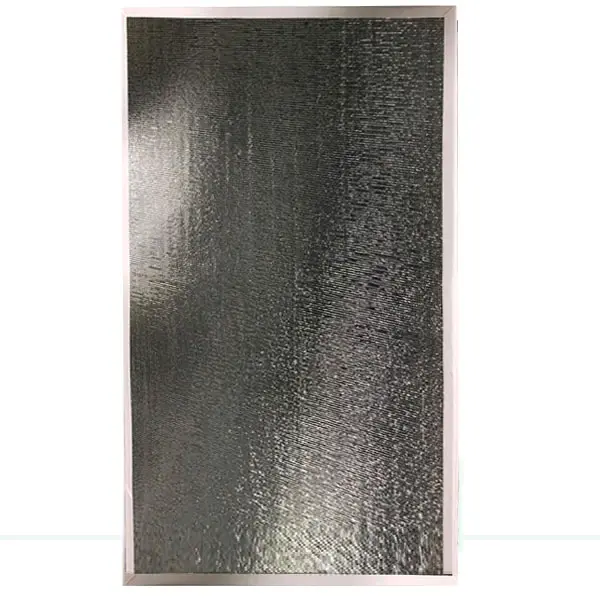
Configured dimensions to reduce material waste and simplify on-site integration.
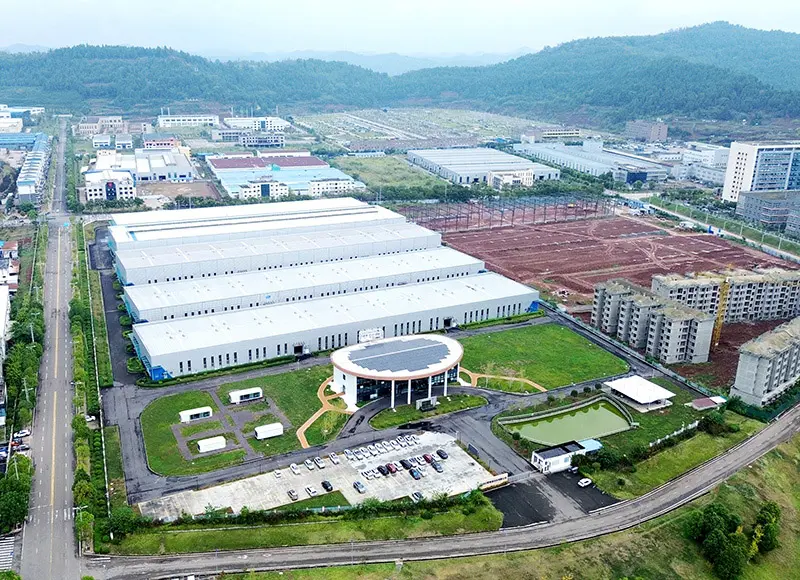
Zerothermo Technology Co., Ltd., a subsidiary of CBVAC Group and a national high-tech enterprise, is headquartered in the Beijing Economic-Technological Development Area with its production base located in Nanchong City, Sichuan Province. This facility stands as one of China’s largest comprehensive production centers for vacuum technology application products.
Our engineering team specializes in non-standard flanges and shaped flanges designed to fit customer drawings or specific technical parameters, including oval, square, and oversize/small diameter profiles. We provide comprehensive design, manufacturing, and QA/QC verification services to ensure high reliability in critical vacuum systems.
We source ultra-pure fumed silica materials to manufacture panels that meet ISO, REACH, and RoHS compliance specifications.
Our engineers convert technical drawings into prototypes, handling variations in size, thickness, shape, and encapsulation material.
Operating one of the largest vacuum application production bases in China, we handle high-volume demands with stable lead times.
We work with international logistics providers to ensure our vacuum insulation panels are shipped under protected, vacuum-stable conditions.
We operate as a subsidiary of the CBVAC Group, offering corporate stability, continuous investment in R&D, and post-sales technical support for large industrial projects.

Providing high-efficiency thermal insulation solutions for cold chain packaging, vaccine shipping containers, and temperature-controlled shippers.

Providing high-efficiency thermal insulation solutions for building envelope systems through products like vacuum insulation panels and vacuum insulated glass, supporting carbon reduction in construction.

Supplying microporous boards and insulation blankets to lower energy losses in glass furnaces, metal casting kilns, petrochemical pipes, and laboratory equipment.

Thermal control systems designed for specialty enclosures, outdoor vehicles, and portable energy-saving cabins.
The global microporous thermal insulation market is growing, driven by stricter energy conservation rules and the transition to clean energy. Industry technical roadmaps indicate that development focuses on three primary areas:
Silica aerogels show excellent thermal performance due to high porosity (>95%) and small pore diameters. However, their structural fragility and high manufacturing costs have limited wider adoption. By blending silica aerogels into the fumed silica microporous matrix, we are creating hybrid cores that lower thermal conductivity under standard atmospheric conditions, combining the benefits of both materials.
Next-generation insulation boards are focusing on life-cycle sustainability. As building codes increasingly require low-carbon materials, we are researching bio-derived amorphous silica sources (like rice husk ash) and organic, biodegradable binders. This aims to reduce the carbon footprint of production while keeping materials recyclable at the end of their service life.
Vacuum insulation panels (VIPs) can lose thermal performance if their vacuum barrier is punctured. Zerothermo is developing integration methods for passive, non-destructive RFID and NFC pressure sensors within the core of the VIP. This allows logistics technicians and building managers to scan panels and verify internal pressure and thermal performance in real time.

Precision temperature control integration using customized thin VIP profiles for industrial equipment.

Supply of specialized high-temperature microporous boards for heat treatment equipment and industrial furnaces.

Building energy retrofitting using high-efficiency exterior insulation walls to improve energy performance.
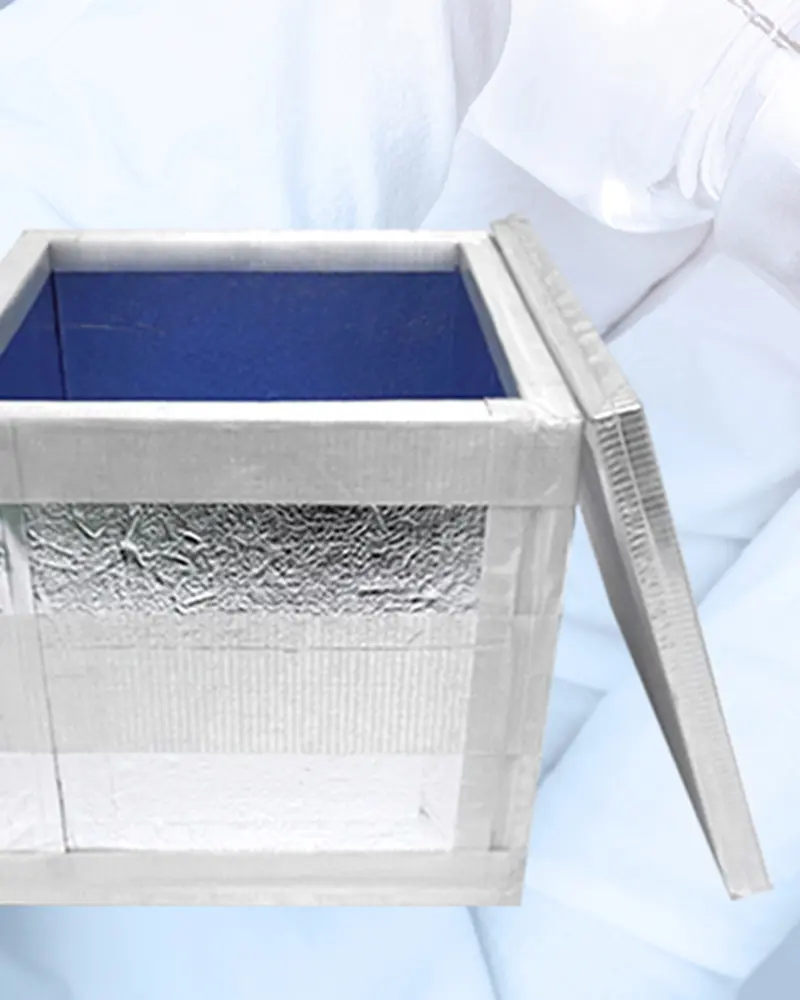
Cold chain shipping solution using fumed silica VIPs for medical distribution.
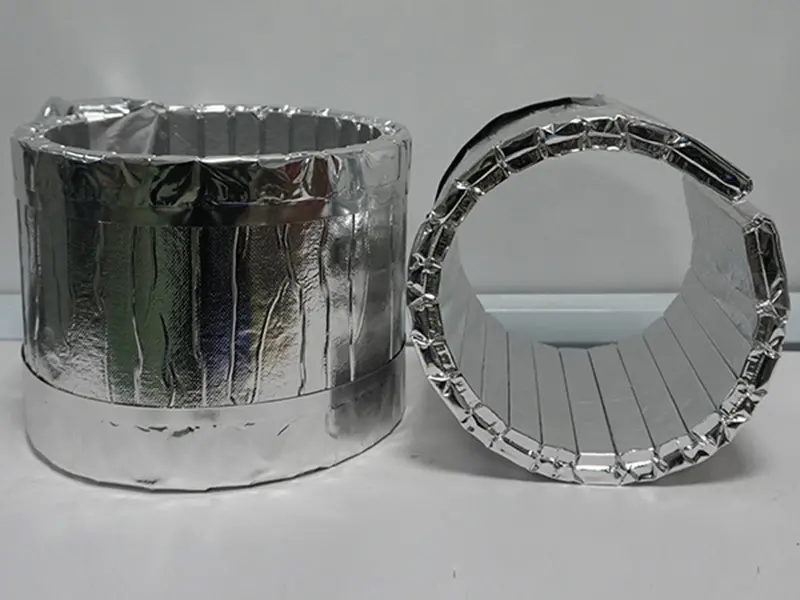
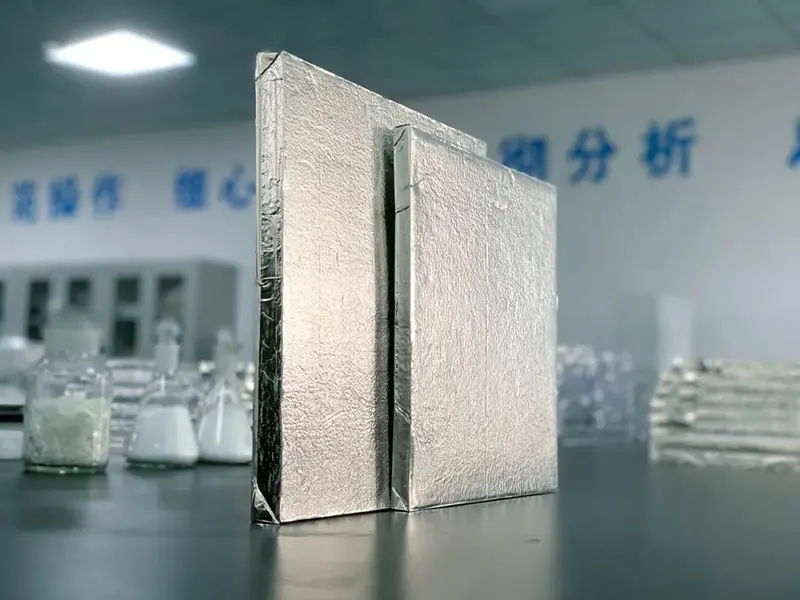
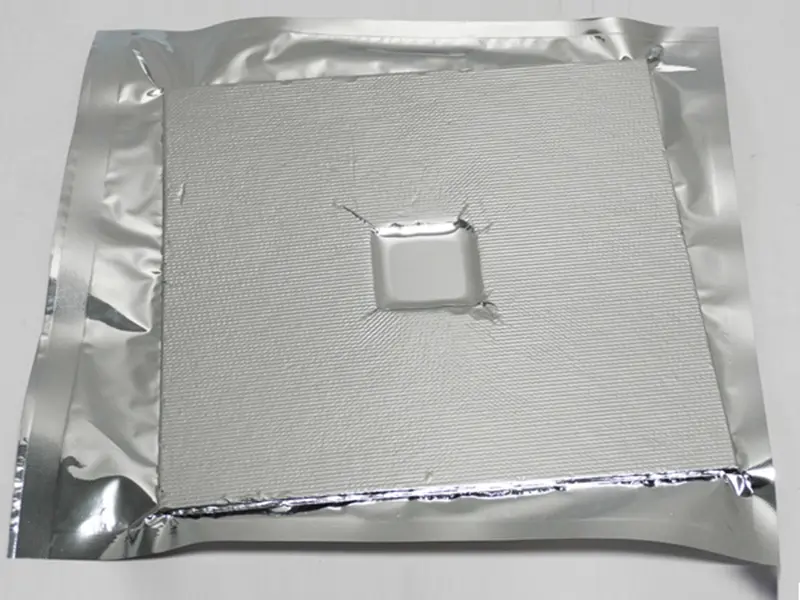
Explore our full line of vacuum insulation options, including protective metal layers and custom-shaped cladding.
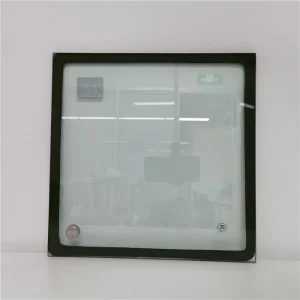
Double-glazed vacuum units designed to improve window thermal insulation and noise reduction in modern architectural envelopes.
View Specifications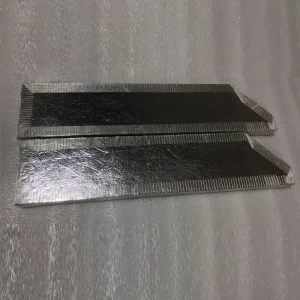
Custom-shaped configurations with high-barrier PET film wrapping, engineered for non-planar applications.
View Specifications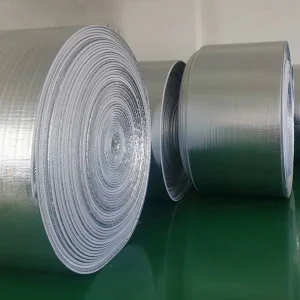
Aluminum-foil faced foam insulation rolls designed to reduce heat transfer through roofing and building surfaces.
View Specifications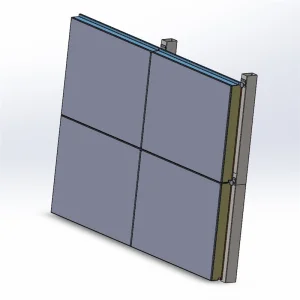
Integrated exterior wall systems combining decorative cladding and high-performance vacuum insulation core structures.
View Specifications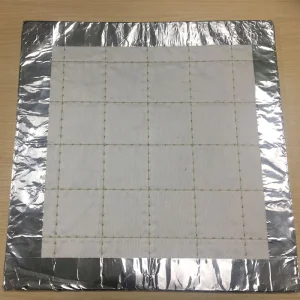
Flexible high-temperature mats designed to reduce heat transfer in pipelines and complex industrial geometries.
View Specifications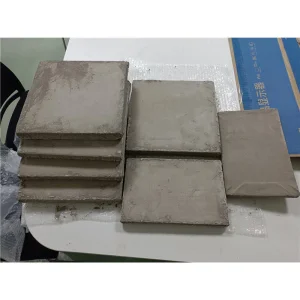
Reinforced-core structural insulation panels designed for mechanical loads and heavy-duty industrial applications.
View Specifications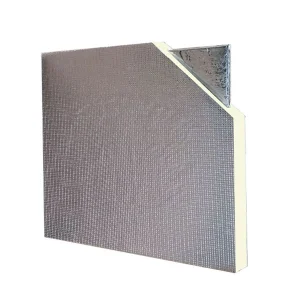
Composite panels combining polyurethane foam protective layers and vacuum cores for use in transport cold boxes.
View Specifications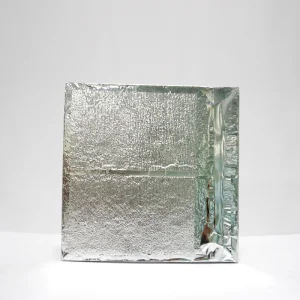
Dedicated logistics panels optimized for low-temperature containment, supporting stability during product transport.
View Specifications



Contact our engineering support team for custom drawings, technical specifications, and project quotations.