Deep Analysis: Transforming Subterranean Spaces with Vacuum Insulated Wall Systems
In modern architecture, the optimization of sub-grade building envelopes remains one of the most demanding technical challenges. Traditional basement insulation methods—such as extruded polystyrene (XPS), expanded polystyrene (EPS), or fiberglass batts—are increasingly failing to meet the strict thermal performance metrics imposed by international energy conservation codes (such as ASHRAE 90.1, IECC, and the EU Energy Performance of Buildings Directive). These legacy materials require substantial thickness (often exceeding 100mm) to achieve modest R-values, which dramatically encroaches upon valuable interior floor space. Furthermore, their susceptibility to capillary moisture migration, mold colonization, and structural degradation presents long-term reliability risks.
The Shift to Vacuum Insulation Panels (VIPs) & Fumed Silica Tech
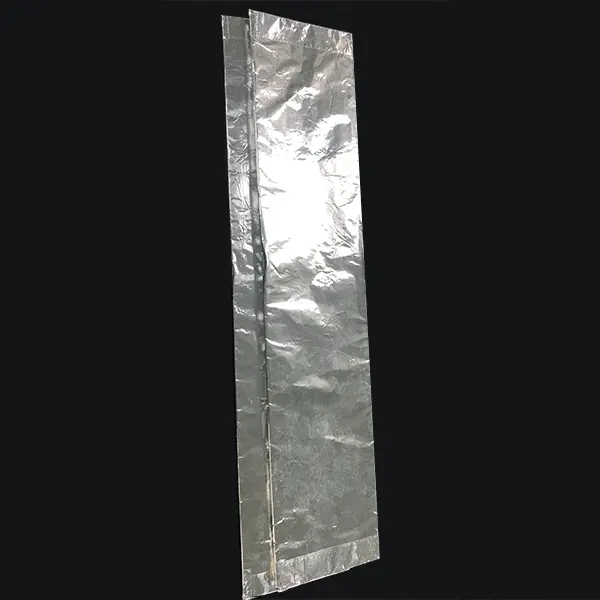
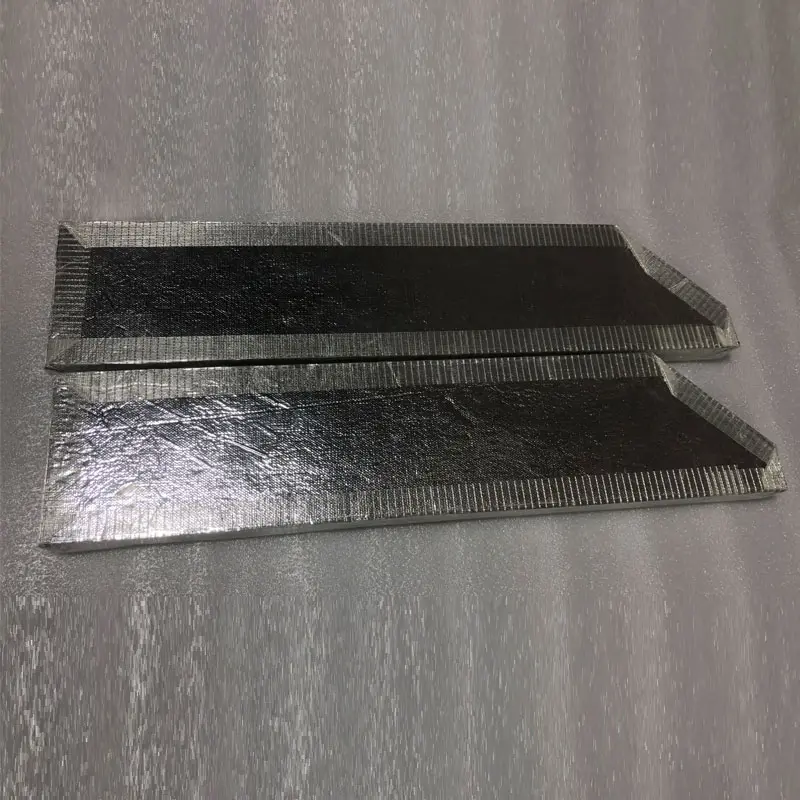
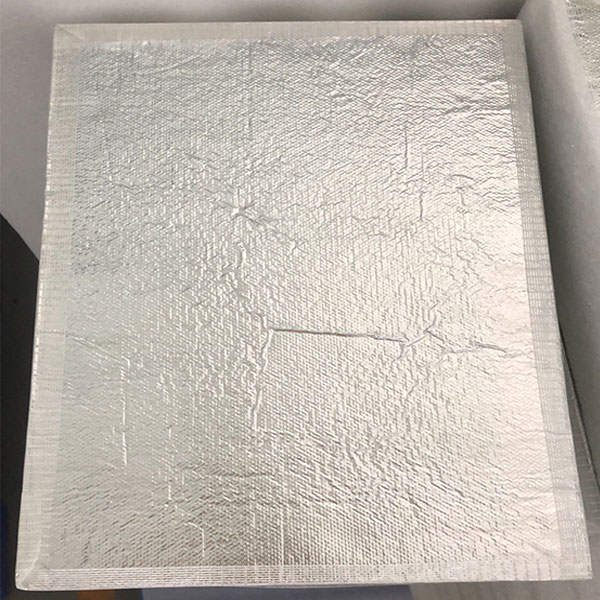
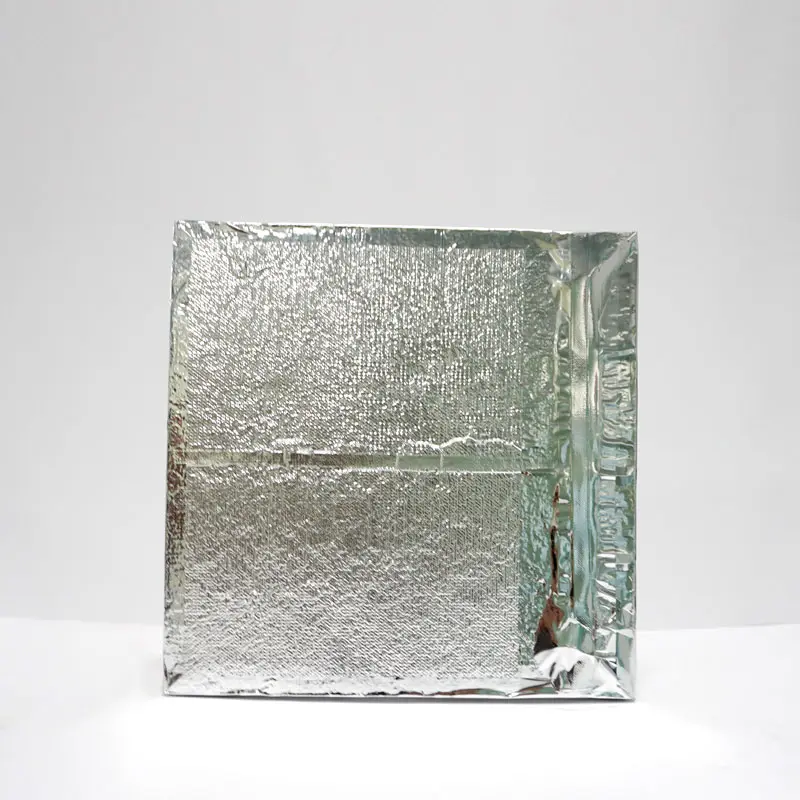
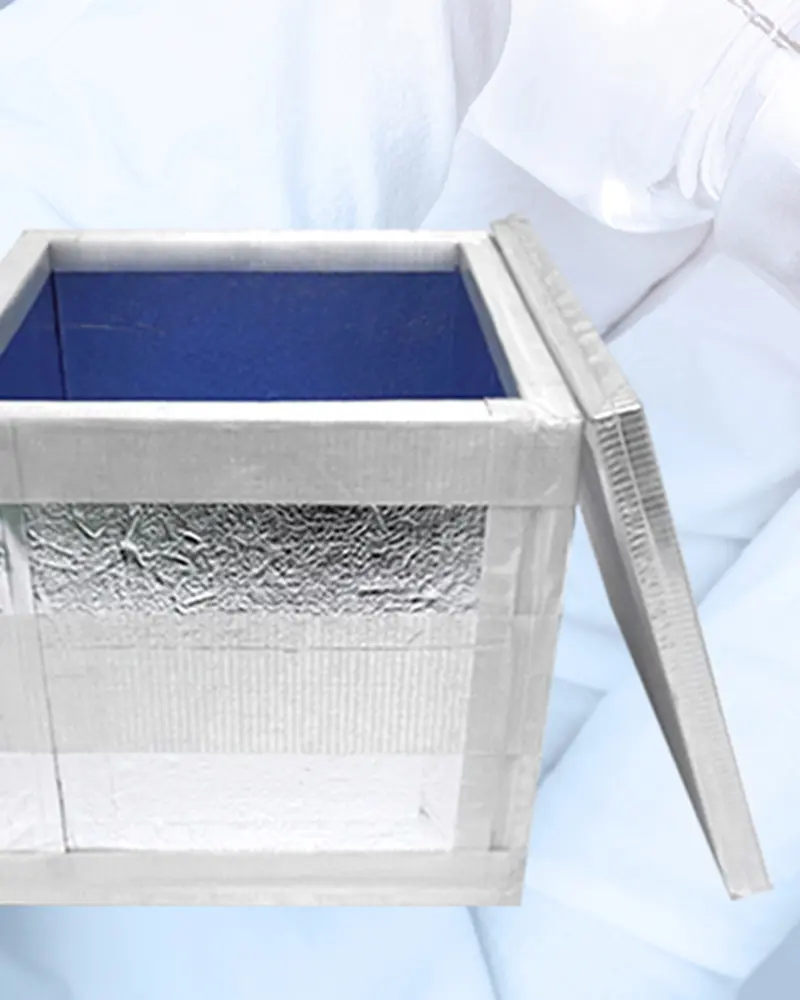
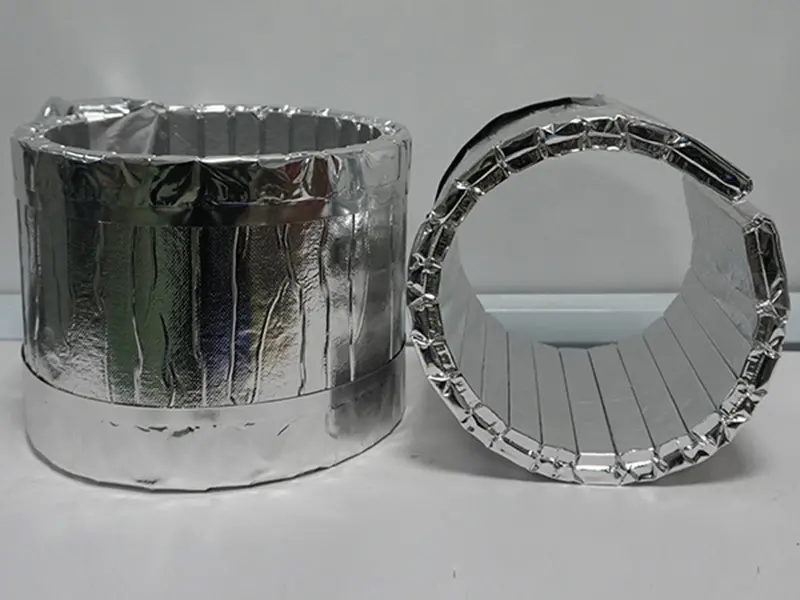
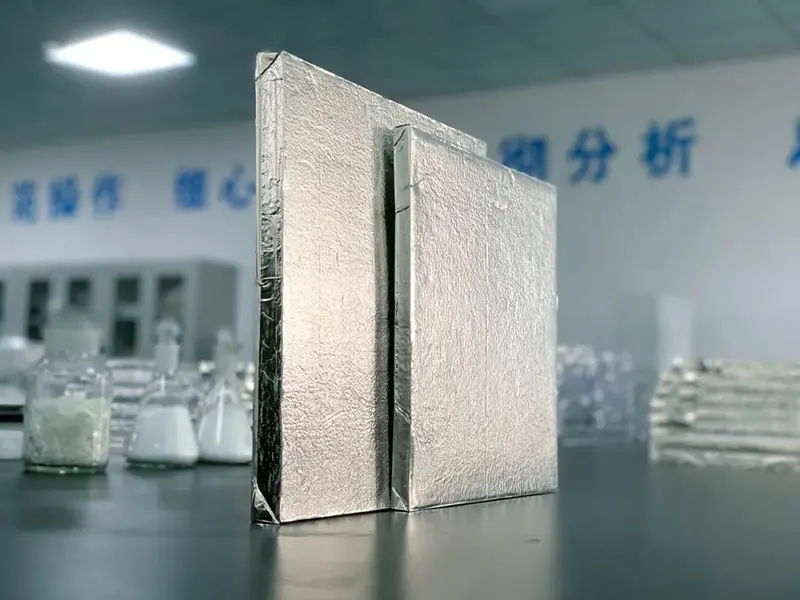
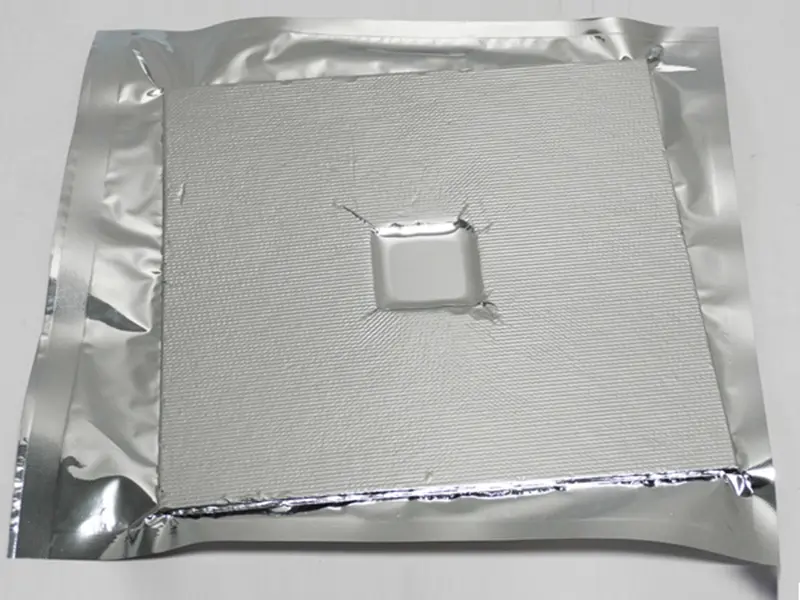
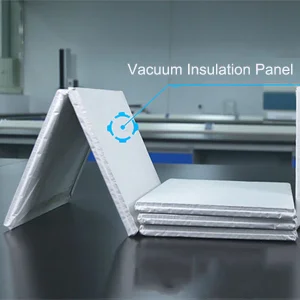
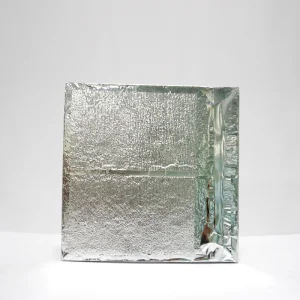
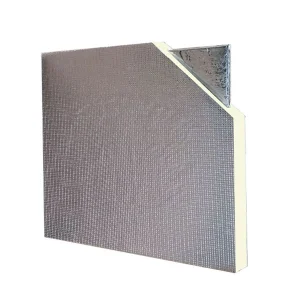
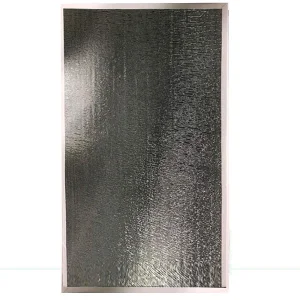
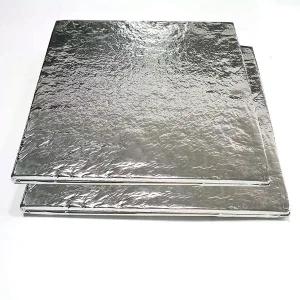
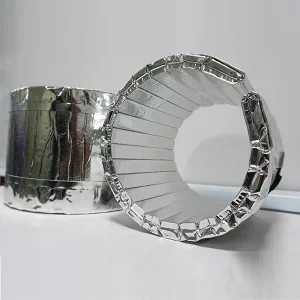
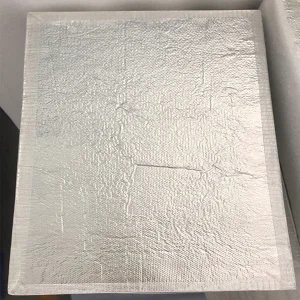
At the center of thermal envelope innovation is the vacuum insulation panel (VIP) utilizing a nano-microporous fumed silica core. By extracting air from within the microporous core material and sealing it in a gas-barrier, multi-layer laminate envelope, the gaseous thermal conductivity is completely minimized. As a result, fumed silica VIPs achieve an unparalleled thermal conductivity (λ) of less than 0.005 W/(m·K). Under optimal conditions, this allows a 15mm-20mm thick vacuum insulated panel to equal the thermal performance of a 100mm-150mm thick traditional insulation setup.
Mitigating Hydrostatic and Vapor Pressures in Basements
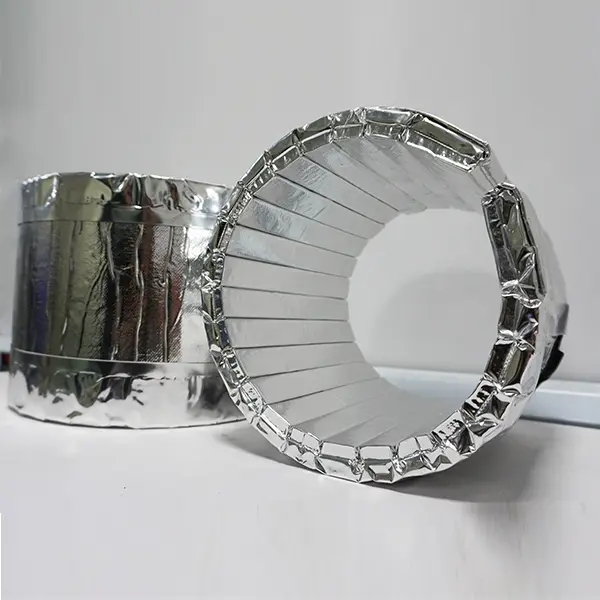
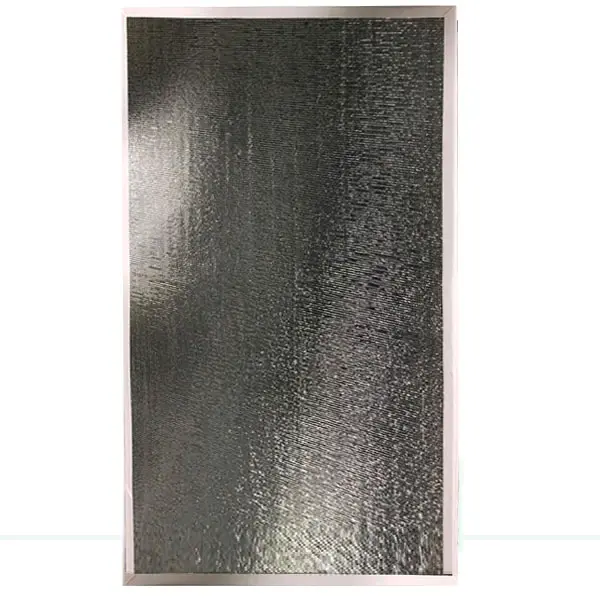
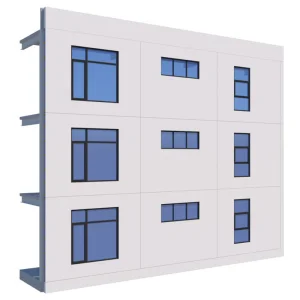
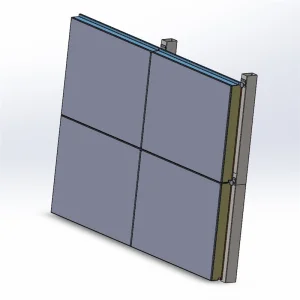
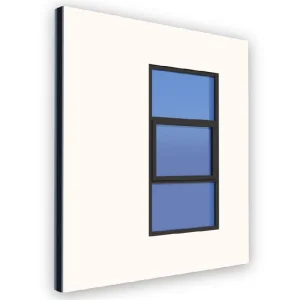
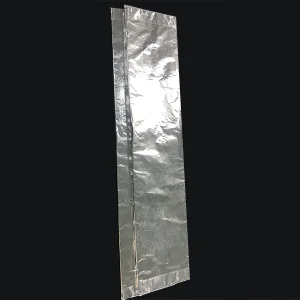
Basement walls are constantly subjected to varying soil temperatures and hydrostatic pressures. Unlike above-grade walls, the thermal gradient in basements shifts slowly, causing continuous vapor pressure pushing inward. Implementing advanced prefabricated vacuum insulation wall modules provides a dual-benefit: an impenetrable vapor barrier via the high-barrier PET/Aluminum laminate envelope and a continuous thermal break that eliminates thermal bridging at the wall-floor slab intersections. This is critical for avoiding local condensation points that harbor mold and cause premature interior wall finishes failure.