Explore our top-performing thermal insulation solutions utilizing state-of-the-art fumed silica core and vacuum barrier technologies.
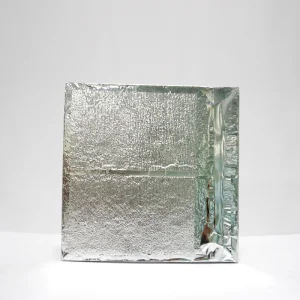
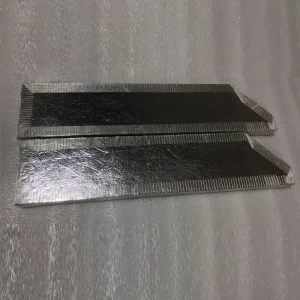
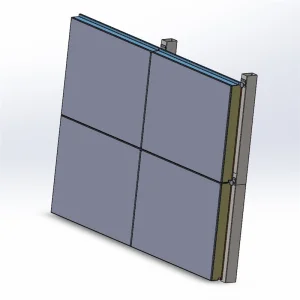
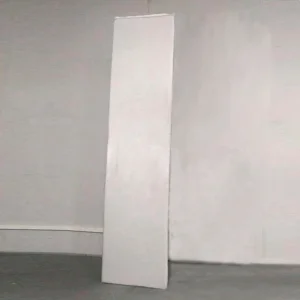
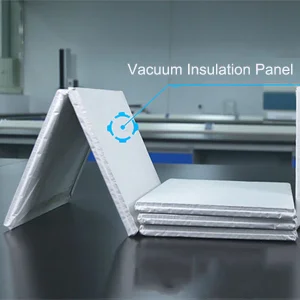
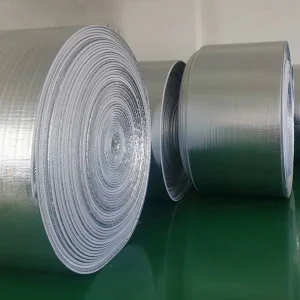
Conservatories represent one of the most structurally challenging residential envelope segments for climate control. Due to their extensive exposure to solar radiation in summer and substantial heat loss in winter, traditional materials like glass, polycarbonate, and basic polyisocyanurate (PIR) foam struggle to maintain thermal comfort. Next-generation conservatory roof insulation panels utilize advanced core configurations, notably Fumed Silica Vacuum Insulation Panels (VIPs) and Nano-Microporous insulation structures, to deliver unprecedented thermal resistance in a ultra-thin profile.
Traditional conservatory retrofitting requires bulky thermal insulation layers to achieve regulatory compliance (e.g., UK Building Regulations Part L standard U-value targets of 0.15 W/m²K). Heavy construction compromises the light-weight structural support of aluminum and glass frameworks. Fumed silica-based VIPs yield a thermal conductivity as low as 0.004 W/m·K to 0.005 W/m·K, compared to standard foam boards (0.022 W/m·K) and mineral wool (0.035 W/m·K). This enables manufacturers to produce conservatory roof insulation panels that meet net-zero targets at only one-fifth of the thickness of traditional materials, avoiding structural modification of existing roof bars while maximizing headroom and natural light entry.
We deliver bespoke dimensions, shapes, and material parameters engineered to meet rigid specifications for global projects.
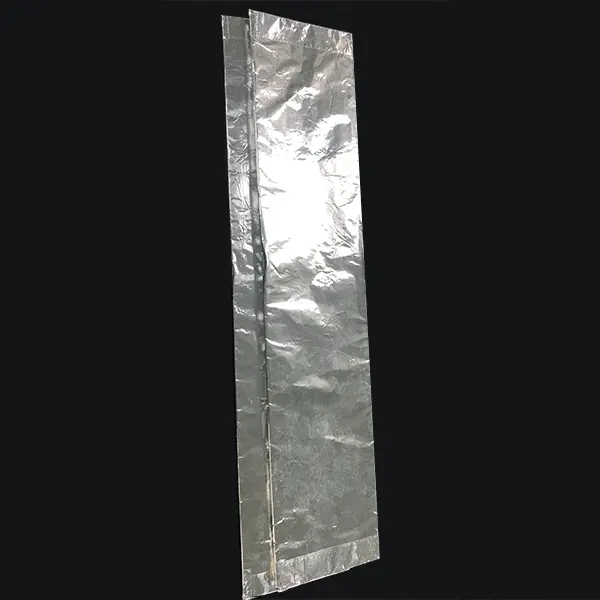
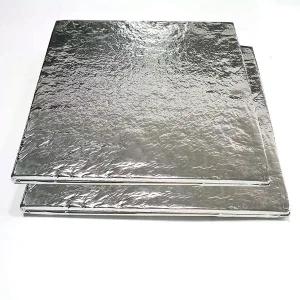
Product Details: Size: Customized Thickness: 5-50mm. Specifically designed to prevent thermal runaway in EV battery enclosures...
View More +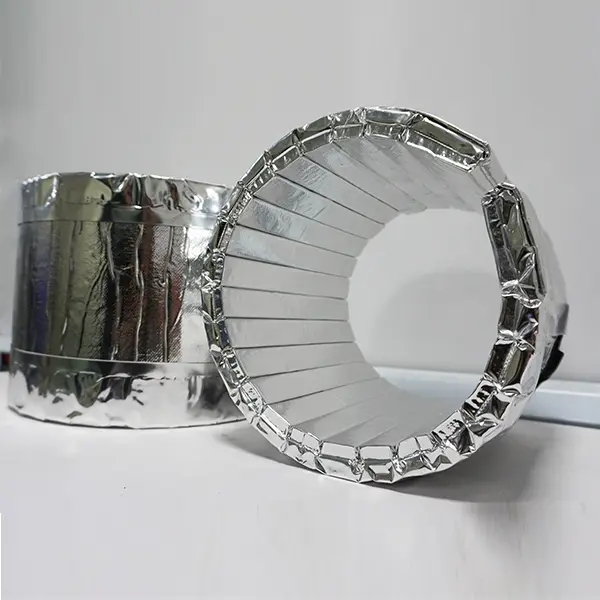
Product Details: Size: Customized Thickness: 5-50mm. Designed for industrial water tanks and high-pressure steam containers...
View More +
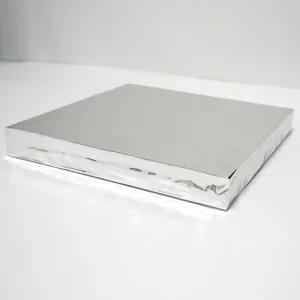
Our elevator fireproof door high temperature nano microporous insulation panels deliver robust fire safety rating and minimal footprint...
View More +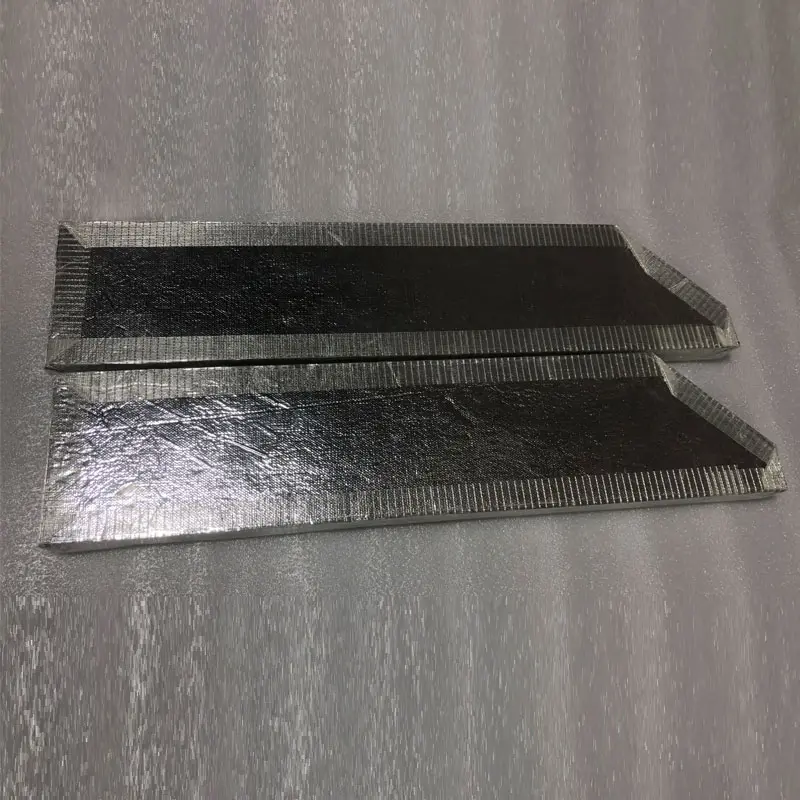
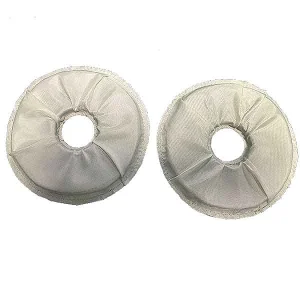
Features non-standard polygonal dimensions engineered to seamlessly align with complex building envelopes and industrial equipment hulls...
View More +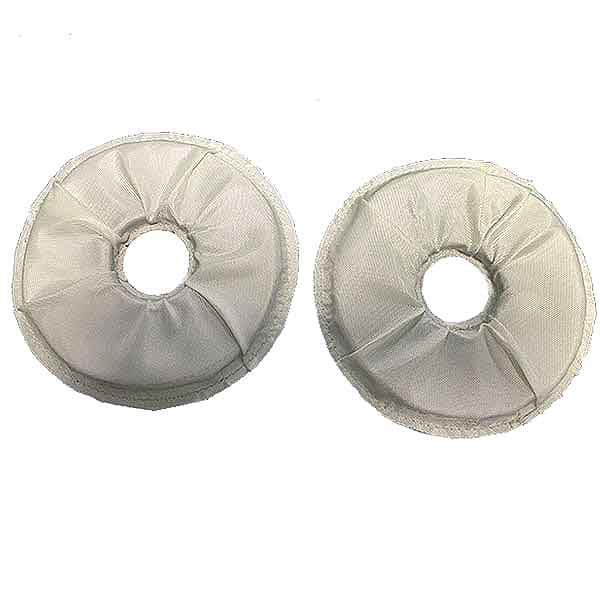
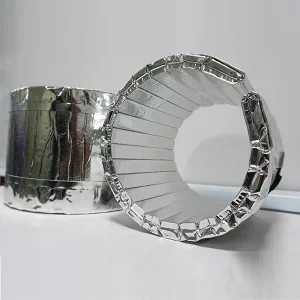
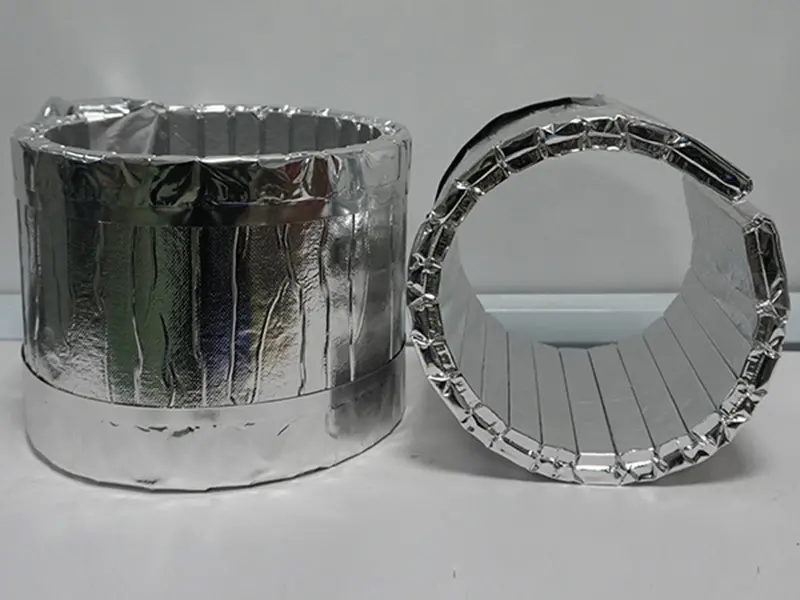
Flexible Nano insulation blanket mats developed for pipe wraps, round kilns, and curved building frameworks requiring custom curvatures...
View More +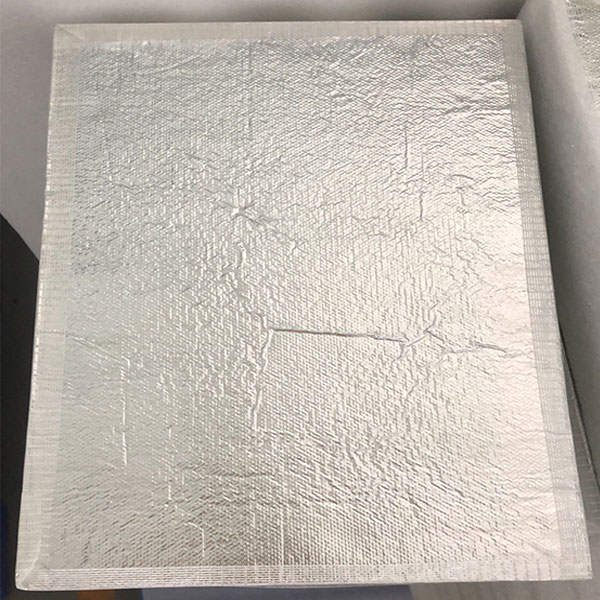
Utilizes ultra-high barrier multilayer PET composite films to achieve vacuum preservation and maintain insulation performance over decades...
View More +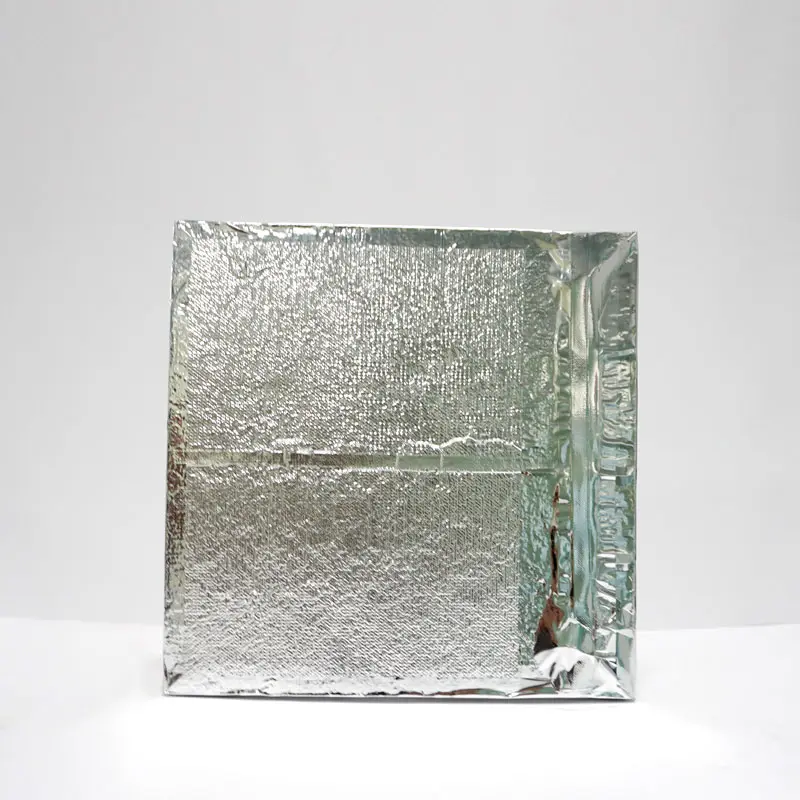
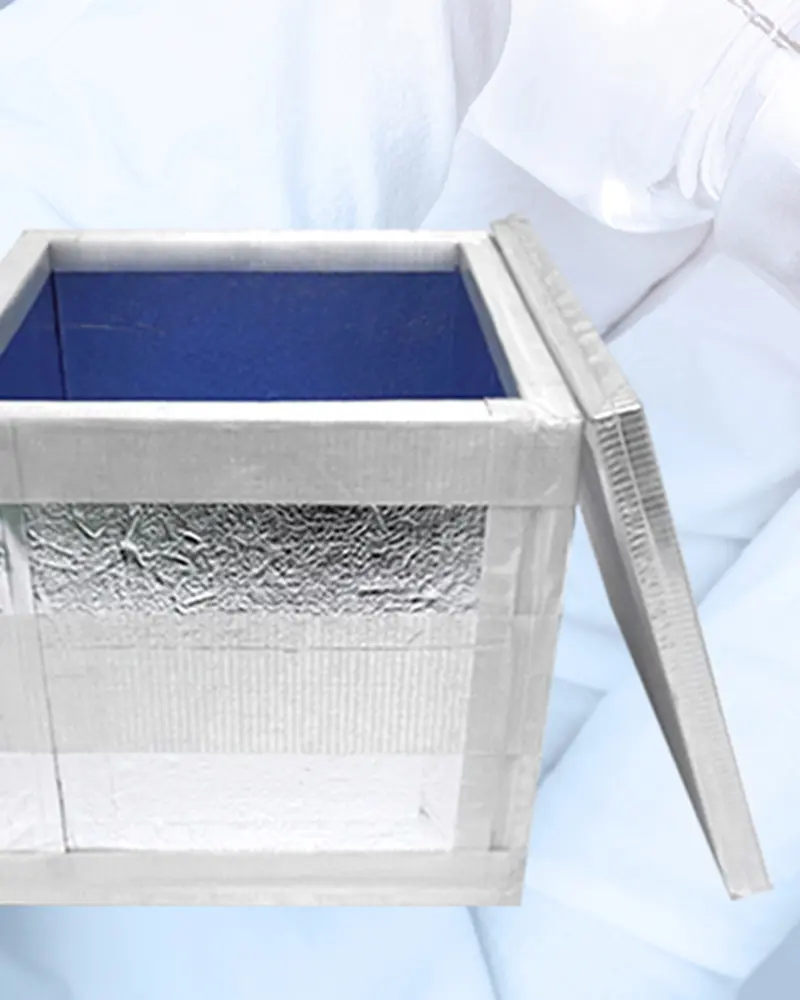
Engineered for medical cold chain transportation, biological vaccine cooler boxes, and temperature-sensitive container logistics...
View More +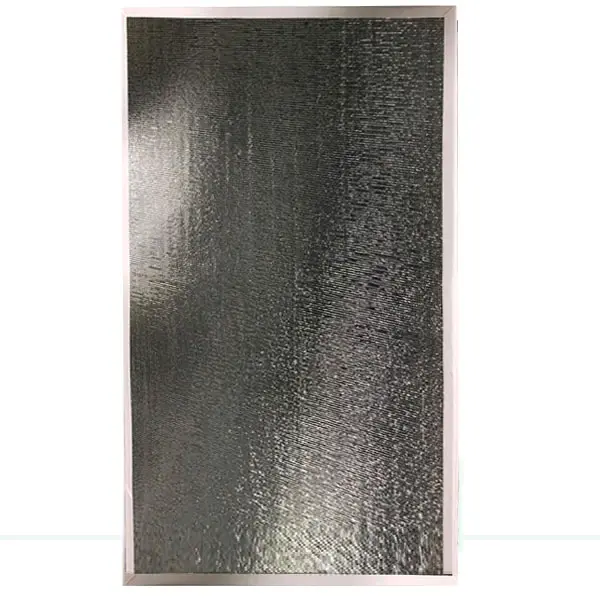
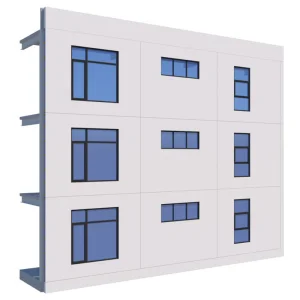
Designed for large-scale application panels in architectural facade systems, deep-freeze logistics warehousing, and industrial cold rooms...
View More +Zerothermo Technology Co., Ltd., a subsidiary of CBVAC Group and a national high-tech enterprise, is headquartered in the Beijing Economic-Technological Development Area with its production base located in Nanchong City, Sichuan Province. This facility stands as one of China’s largest comprehensive production centers for vacuum technology application products.

Special sizes (beyond the range of ANSI/ASME/DIN and other standards) are produced according to customers' drawings or technical parameters.

Square, oval or other special shaped flanges. - Oversize/small diameter: such as diameter over 60 inches or micro precision flanges.

Special sizes (beyond the range of ANSI/ASME/DIN and other standards) are produced according to customers' drawings or technical parameters.

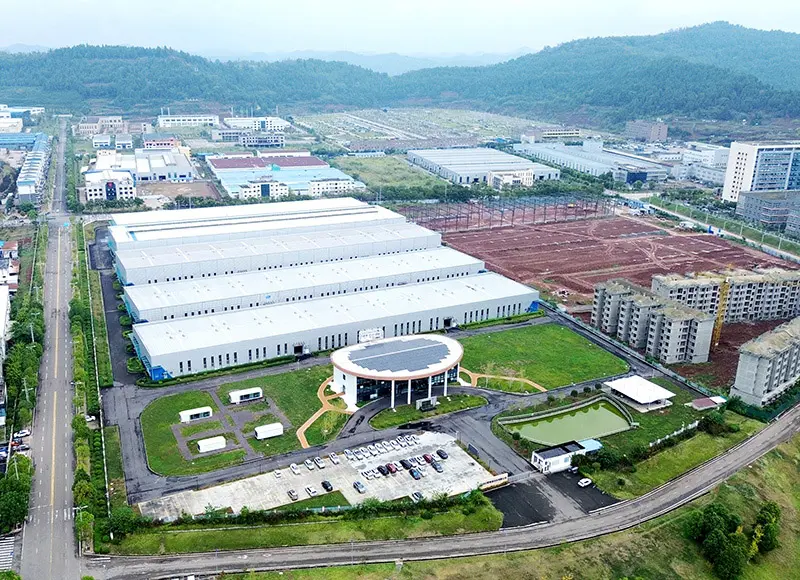
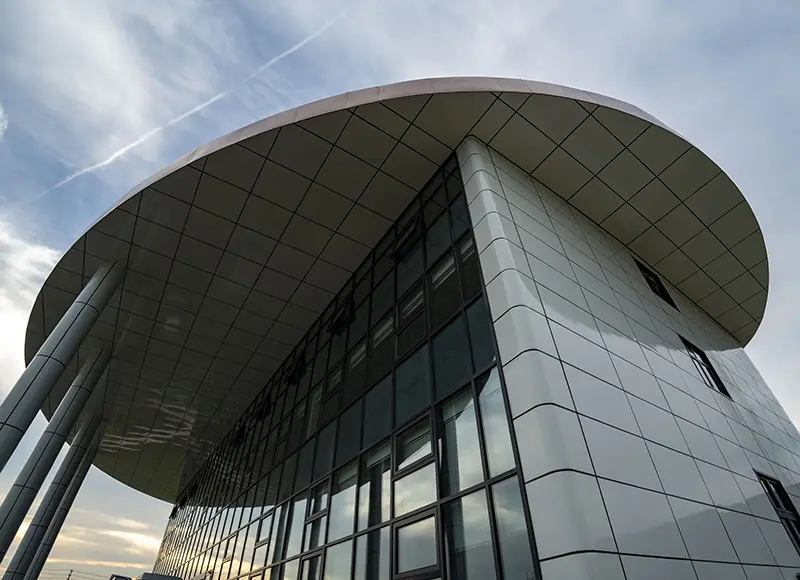
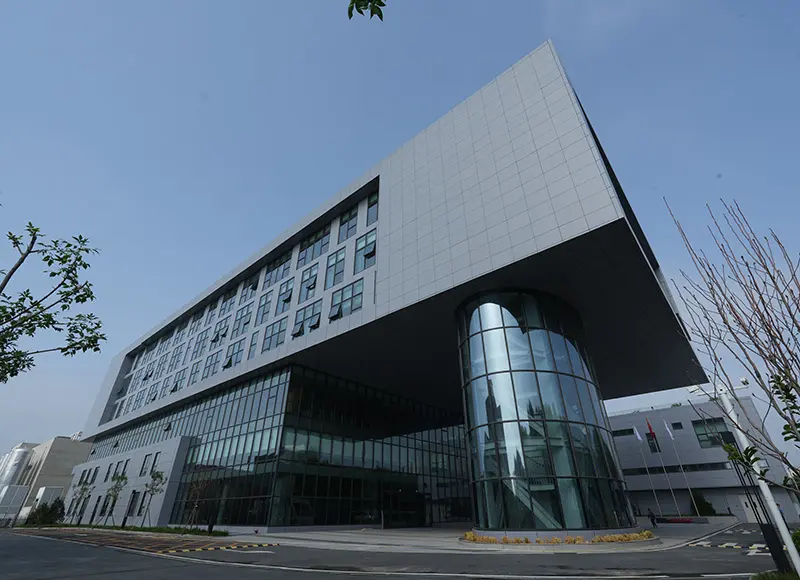


The manufacturing ecosystem for advanced vacuum thermal materials requires specialized machinery, raw chemical controls, and precise vacuum integrity validation systems. China has established a dominant global supply chain for vacuum technology application products, anchored by enterprise groups like CBVAC. Sourcing conservatory roof insulation panels from a China-based factory yields distinct strategic, economic, and technical advantages for global buyers:
Our Nanchong base features integrated processing of raw amorphous fumed silica. This eliminates logistics-induced moisture contamination, ensuring the core matrix achieves the absolute lowest possible bulk density and optimal pore structure.
Vacuum integrity is the single determining factor in VIP lifespan. We utilize fully automated heat-sealing chambers with pressure sensing arrays to ensure internal pressures remain consistently below 1 mbar before sealing.
Our facility is capable of outputting up to 400,000 square meters of high-barrier insulation layers annually. Scale efficiency allows us to integrate strict quality assurance protocols, including automated thermal imaging inspection, without premium cost.
Our Technology


Strategic Solutions

Providing high-efficiency thermal insulation solutions for biological logistics containers to maintain stable ultra-low temperatures without external power source.

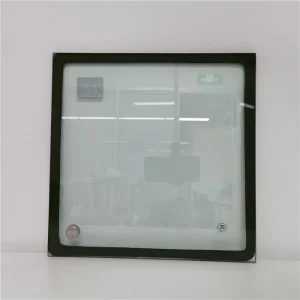
Delivering high-efficiency thermal envelope solutions via integrated VIP panels and vacuum insulated glass, driving the building sector toward net-zero targets.

Specialized nano-microporous blankets and barriers designed to resist thermal loads up to 1000°C in furnace doors, elevator shafts, and critical machinery.

Innovative composite panels utilized to build ultra-energy-efficient capsule hotels, modular prefabricated structures, and temporary alpine tourism shelters.
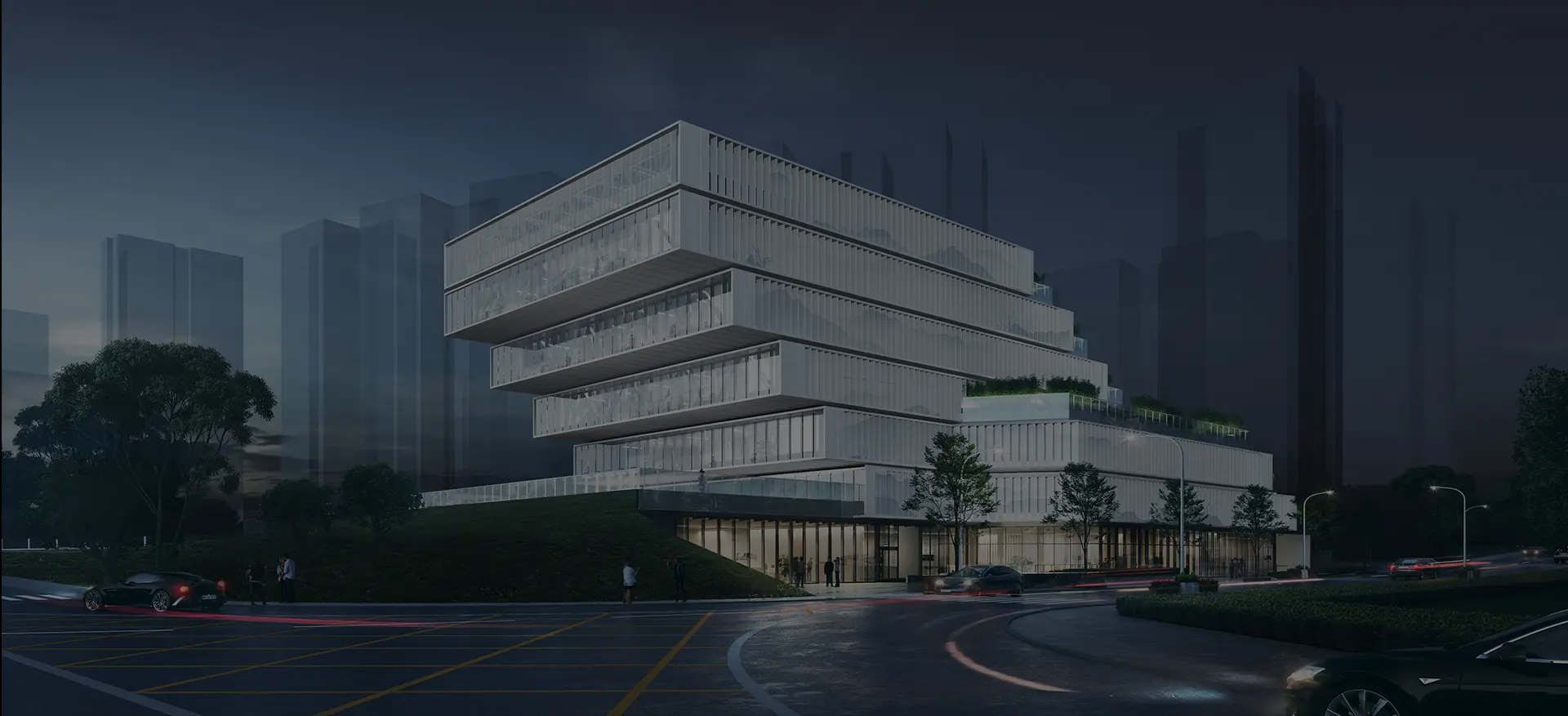
Case Study



Information hub

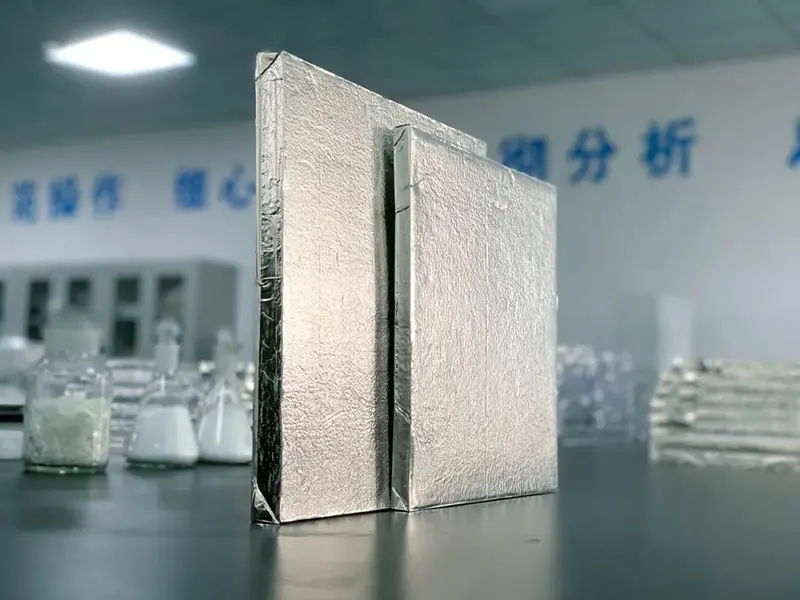
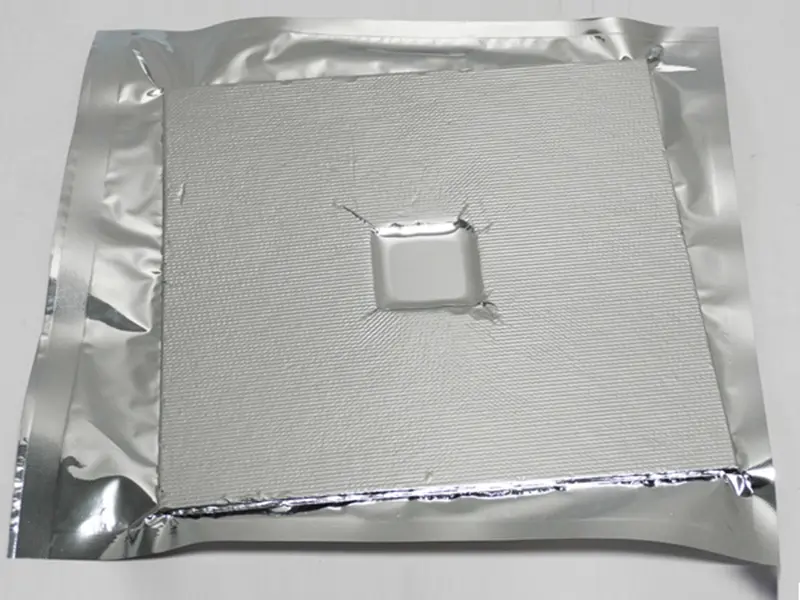
For building energy performance contractors and industrial insulation distributors, specifying retrofitting panels involves severe envelope structural limits. A primary concern is thermal bridging at the junction of aluminum framing systems. Traditional insulation panels rely on site-cutting, which is strictly prohibited for Vacuum Insulation Panels (VIPs). Since VIPs rely on a core hermetically sealed under high vacuum, any puncture, cut, or structural alteration will compromise the vacuum envelope, increasing thermal conductivity from 0.004 W/m·K to roughly 0.020 W/m·K (reverting to standard silica performance).
To overcome this integration barrier, our factory provides specialized hybrid conservatory insulation systems. We construct modular assemblies pairing core VIP panels with surrounding protective layers of polyurethane (PU), XPS, or high-performance rubber foam borders. This hybrid approach enables installation crews to trim the soft outer perimeter during installation, while the high-vacuum core remains uncompromised at the center of the frame. This represents a significant advancement for historical conservatory structures and custom glass architectures, maintaining ultra-thin profiles while securing long-term U-value stability.
Expert technical answers to critical engineering inquiries regarding Vacuum Insulation Panels and Nano-Microporous systems.
Fumed silica core VIPs feature a much smaller pore diameter (around 10-100 nm) compared to fiberglass-core panels. This structure restricts gas conduction via the Knudsen effect, allowing the vacuum level inside the silica panel to degrade slowly over time (up to 10-100 mbar) while still maintaining a low thermal conductivity of roughly 0.008 W/m·K. Conversely, fiberglass core VIPs require a persistent vacuum below 1 mbar to function; once minor gas permeation occurs, their thermal performance deteriorates rapidly.
No. Standard vacuum insulation panels cannot be cut, drilled, or nailed, as any breach of the multilayer high-barrier outer film results in immediate loss of vacuum. To support complex shapes, we offer CAD-designed, factory-fabricated, special-shaped VIPs (round, L-shaped, custom curves) combined with trim-to-size hybrid framing systems to allow onsite adjustments.
Our nano-microporous series is specifically engineered for high-temperature and fireproof assemblies. For applications like fire doors or high-temperature water heater wraps, these panels resist constant operating temperatures up to 1000°C without core degradation. The fumed silica structure is naturally non-combustible (Class A1 rating), preventing smoke propagation or heat transfer during structural fires.
Based on rigorous accelerated aging and environmental chamber simulation tests, fumed silica vacuum insulation panels maintain high thermal resistance for over 50 years under standard building installation parameters. Our multi-layer PET composite barrier films prevent gas diffusion, limiting thermal performance degradation to less than 15% over half a century.
While moisture can increase the thermal conductivity of raw fumed silica, our manufacturing process solves this by hermetically sealing the silica core in a multi-layered, heat-welded metallized film. This prevents moisture ingress. Additionally, fumed silica exhibits high moisture-adsorbing capacity without structural degradation, providing an safety buffer if small levels of vapor permeate the outer barrier layer.
To eliminate linear thermal bridging at panel joints, we recommend a dual-layer staggered installation layout or using hybrid panels equipped with low-conductivity polymer flanges. These methods ensure the joints of the inner VIP layer are offset by an outer protective insulation layer, minimizing heat loss at the seams.
We offer a one-stop vacuum insulation board solution. Contact us for a customized engineering solution or pricing estimates.


Explore our extended industrial range including specialized vacuum insulated glass, battery wraps, and customizable nano-microporous blankets.