Explore our foundational range of high-efficiency insulation options, manufactured under rigorous quality control standards.
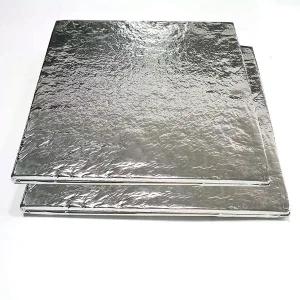
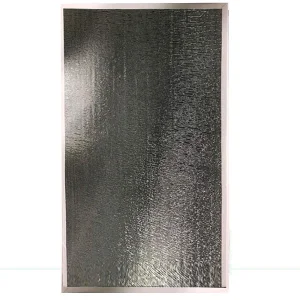
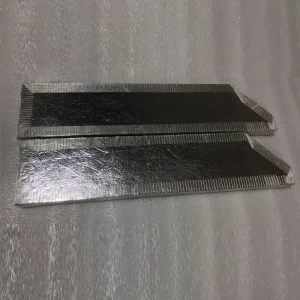
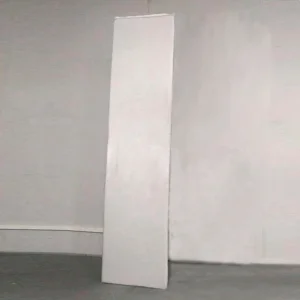
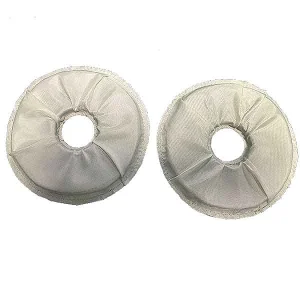
Microporous insulation represents the absolute frontier of thermal barrier technology. Engineered at the nanometer scale, these materials utilize the Knudsen Effect to reduce thermal conductivity below that of still air. By compressing fumed silica particles alongside specialized infrared opacifiers and structure-reinforcing fibers, manufacturers create an internal pore structure averaging less than 20 nanometers. This structural constraint limits the mean free path of gas molecules, effectively shutting down gaseous conduction and radiant heat transfer.
Standard fibrous or cellular insulations fail at elevated temperatures due to exponential radiant heat loss. In contrast, microporous matrices integrate reflective opacifiers that block infrared radiation. Consequently, at 800°C to 1000°C, microporous structures exhibit thermal conductivity ratings up to four times lower than traditional ceramic fiber blankets, allowing system engineers to significantly downsize thermal barrier layers.
For global OEMs, procuring high-performance materials involves managing cost risks alongside lead times. Modern Chinese factories have successfully shifted from high-volume manufacturing to advanced technological engineering. By utilizing localized access to premium raw fumed silica and employing automated, dry-press vacuum lines, these plants maintain cost-competitiveness without sacrificing structural tolerances. The integration of precision manufacturing with robust shipping logistics in hubs like Nanchong and Shenzhen guarantees consistent production scale and rapid worldwide shipping.
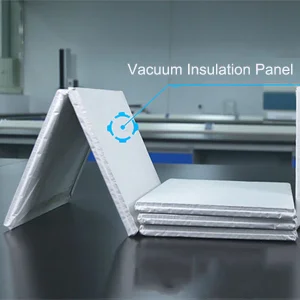
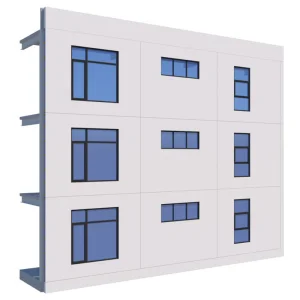
Global operations demand compliance with rigorous standards including ASTM C1676, ISO 9001, RoHS, and REACH. High-performance microporous and vacuum insulation panels (VIPs) must maintain their insulating values over decades. To support this, leading factories offer specialized engineering assistance, structural modeling, and thermal testing to ensure materials seamlessly integrate into critical assemblies, such as EV battery cells or fireproof building facades.
Providing precision engineering to adapt high-performance insulation for specialized system architectures.
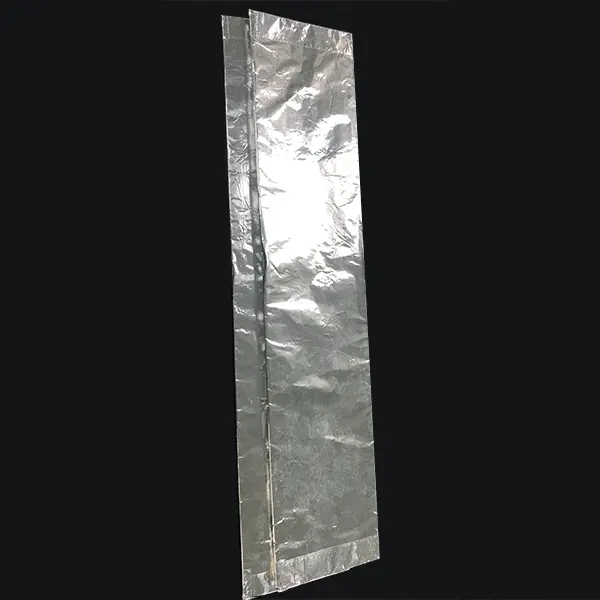
Thermal runaway prevention panels engineered to withstand high temperatures in electric vehicle battery packs. Custom sizes and ultra-thin profiles available.
View Details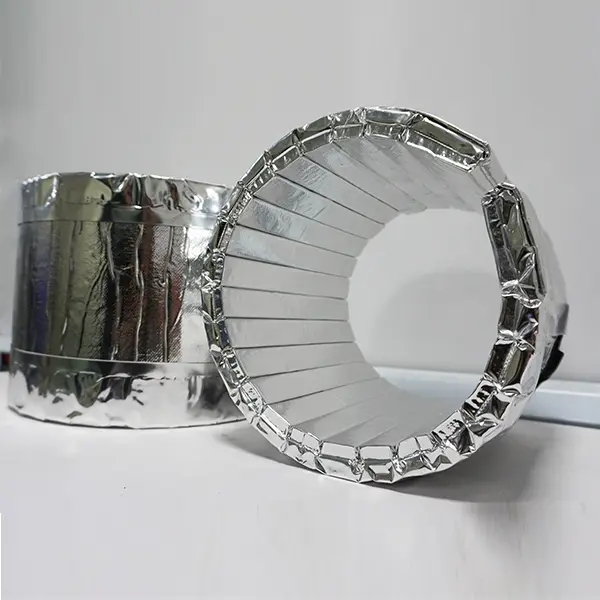
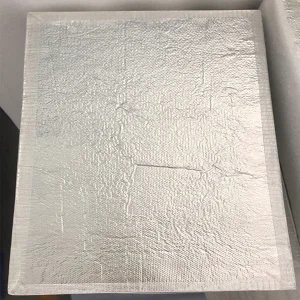
Moisture-resistant high-temperature insulation boards designed for environments where water exposure or high humidity is common.
View Details
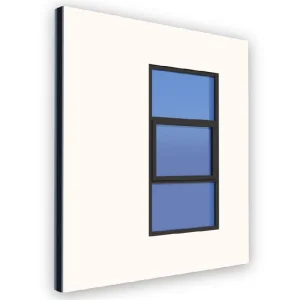
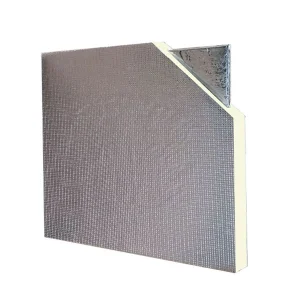
Optimized thin panels designed to prevent heat transfer through fire protection doors and elevator shafts in modern buildings.
View Details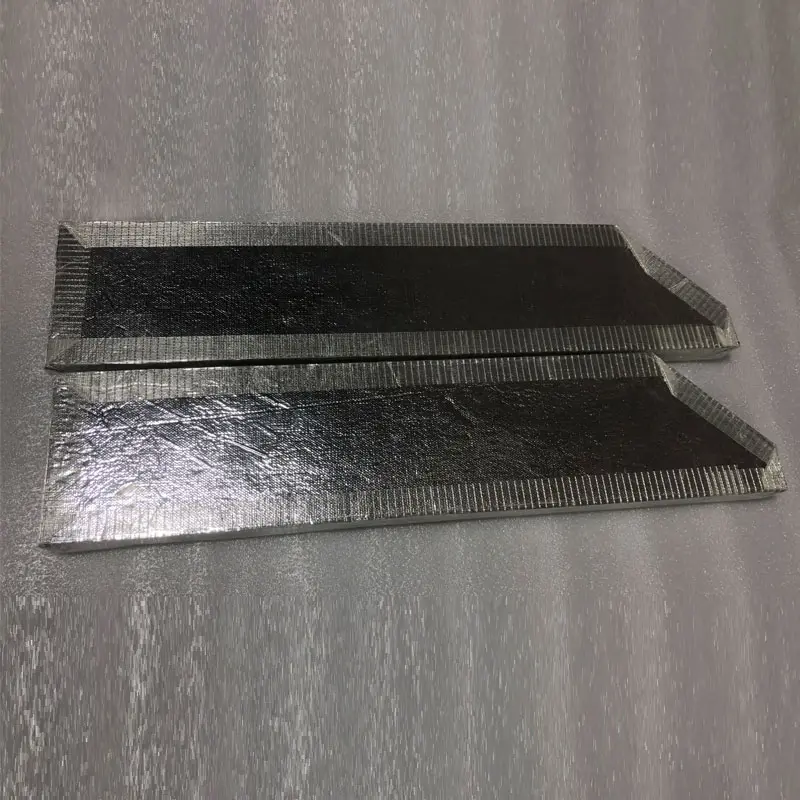
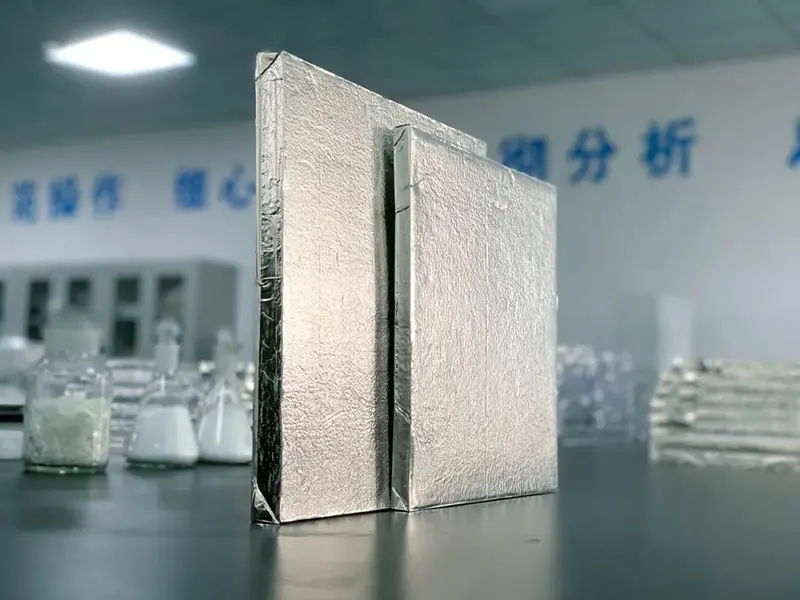
Specially manufactured vacuum insulation panels shaped for complex geometries, cylindrical containers, or piping bends.
View Details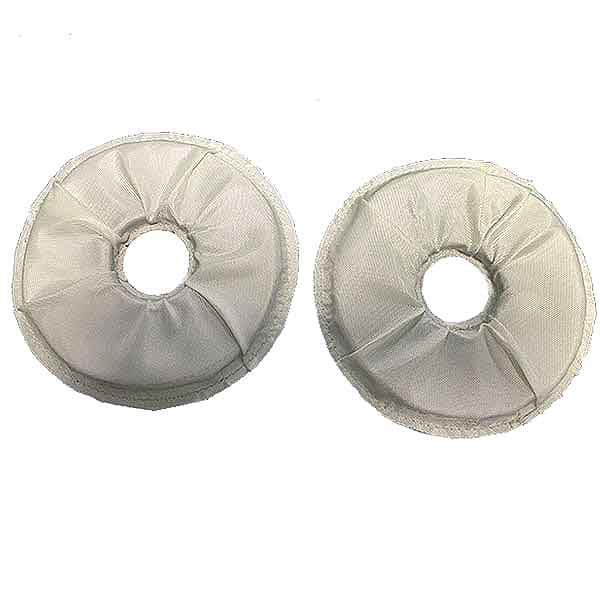
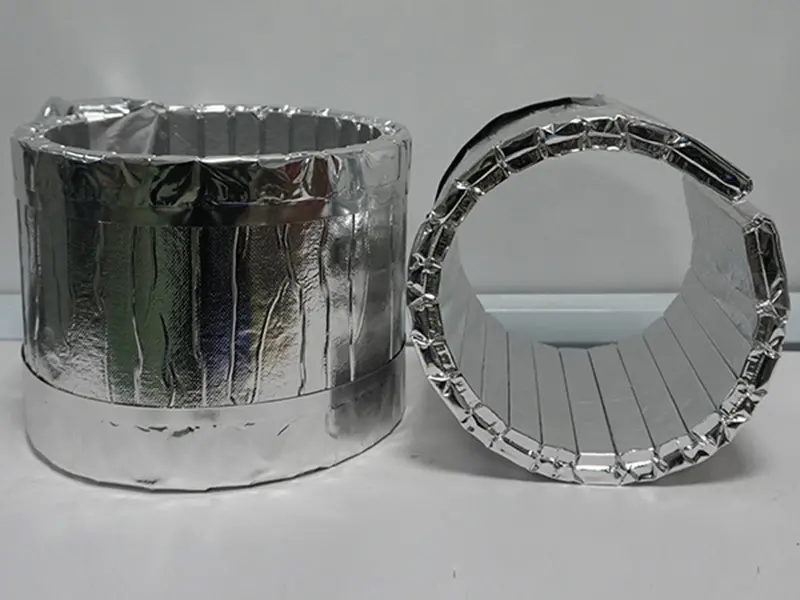
Circular, bendable high-temperature blankets tailored for thermal insulation in piping, valve systems, and reactors.
View Details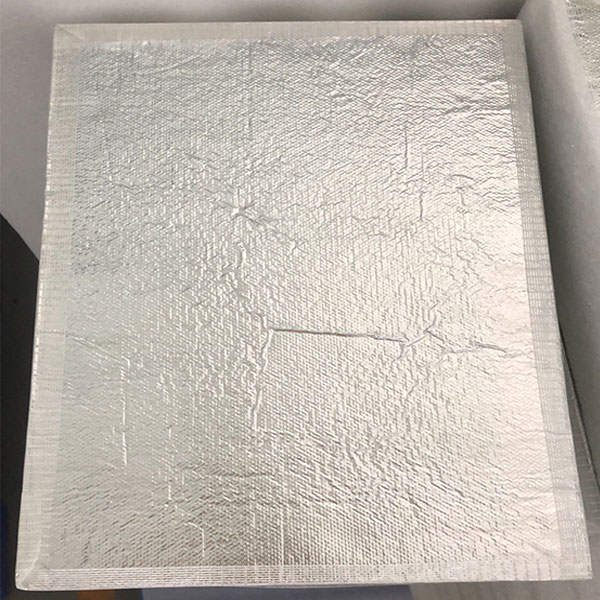
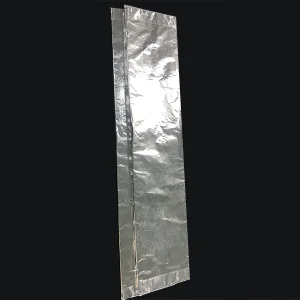
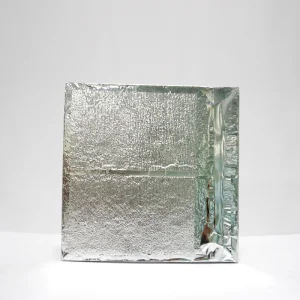
Fumed silica insulation utilizing specialized high-durability PET protective films to deliver exceptional thermal resistance over long lifespans.
View Details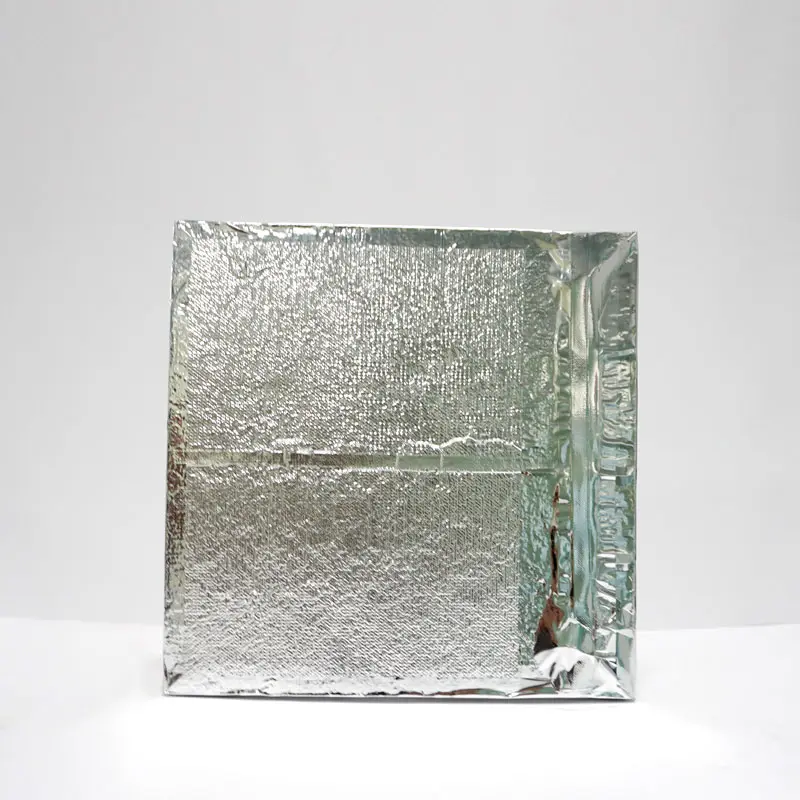
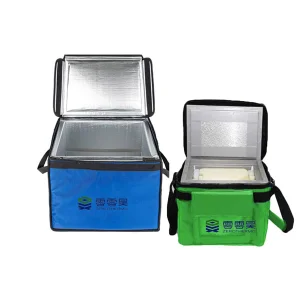
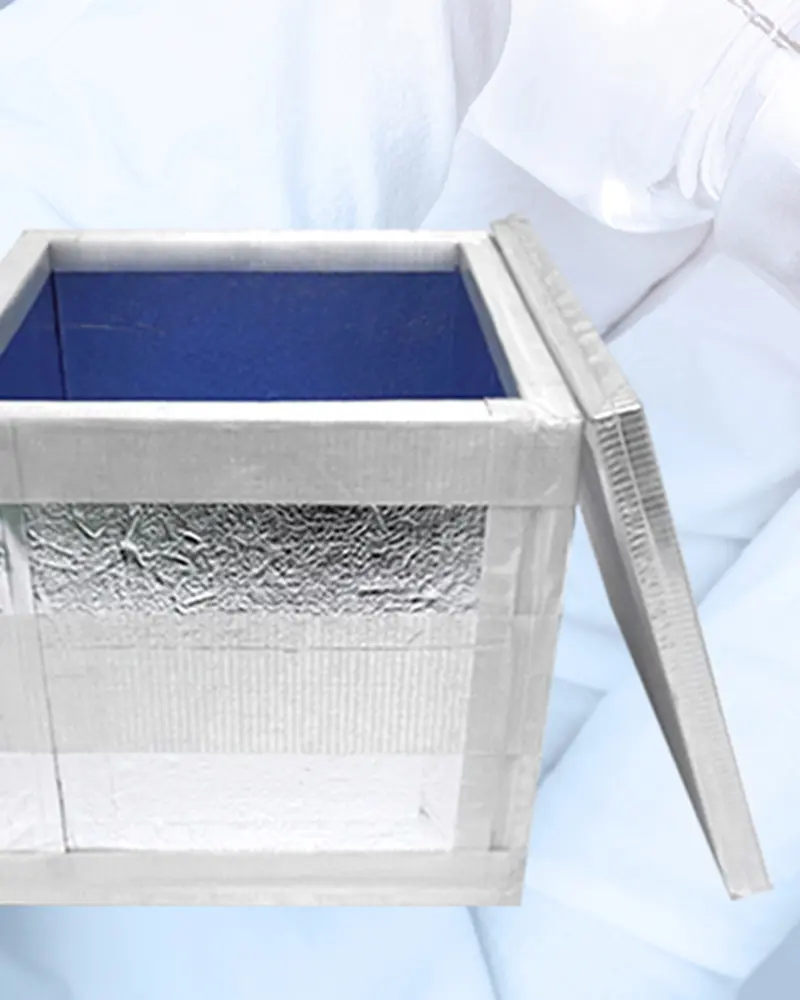
High-reliability panels optimized for refrigerated transport, cold storage containers, and pharmaceutical supply chain systems.
View Details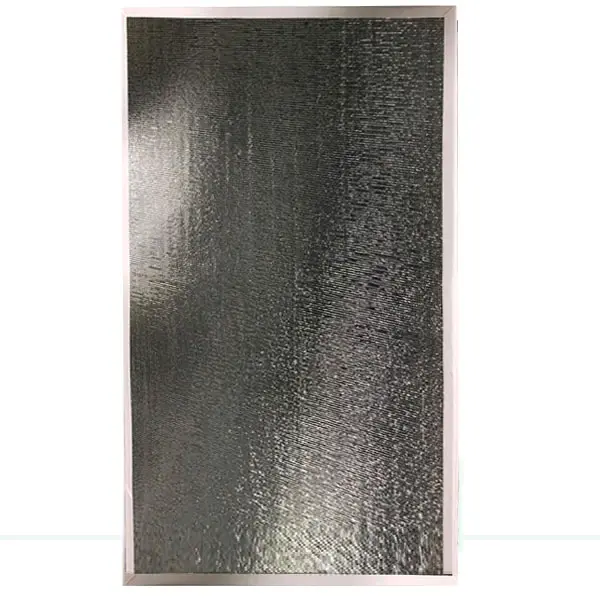
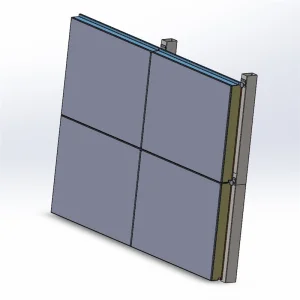
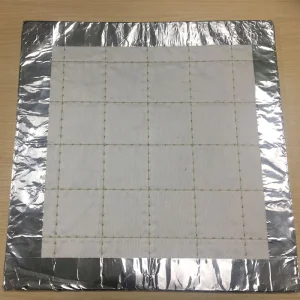
Extra-large format fumed silica panels designed to minimize joints and thermal bridging in cold chain containers and building walls.
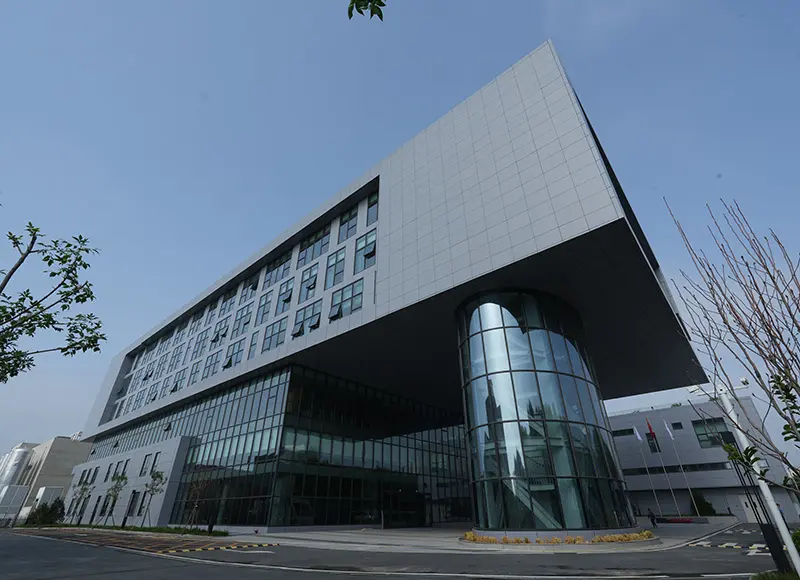
View DetailsZerothermo Technology Co., Ltd., a subsidiary of the CBVAC Group, is a national high-tech enterprise. Headquartered in the Beijing Economic-Technological Development Area, our modern manufacturing base is located in Nanchong City, Sichuan Province. This facility is recognized as one of China's largest comprehensive production centers for vacuum technology application products.
Special dimensions (outside ANSI/ASME/DIN standards) manufactured to custom engineering drawings or parameters.
Square, oval, and complex flange designs, along with oversized configurations up to 60 inches, to meet specific design envelopes.
Every batch of vacuum insulation panels and structural components undergoes testing for core density and gas retention.

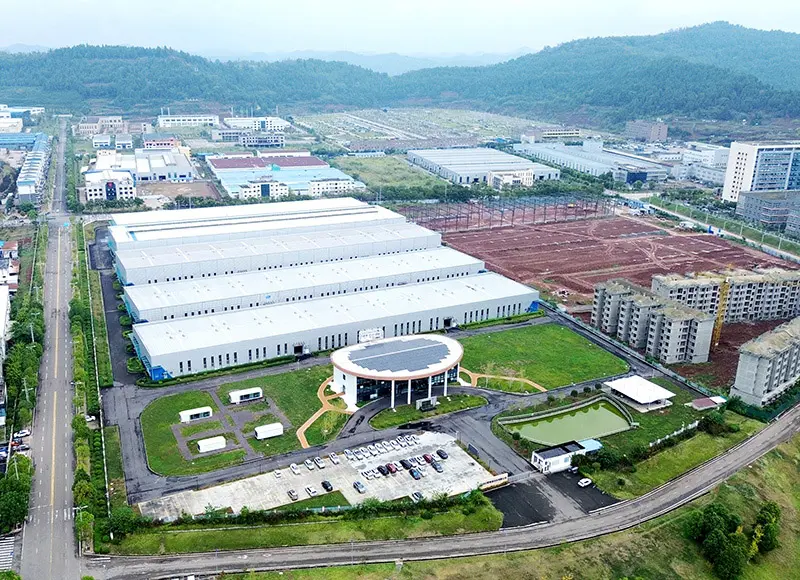

How we ensure global compliance, supply security, and industry-leading performance for our clients.
Delivering high-efficiency thermal insulation to optimize system performance and support decarbonization efforts.
By offering high-efficiency insulation solutions for thermal envelope systems through innovative products like vacuum insulation panels and vacuum insulated glass, Zerothermo supports the construction sector in reducing carbon emissions. Our technologies also assist cold chain systems in ensuring vaccine storage safety, and help high-temperature industrial sectors reduce their overall energy footprint.


Explore real-world applications of our vacuum insulation boards and microporous panels across various sectors.
Technical answers to common questions about fumed silica VIPs and high-performance microporous insulation.
At ambient pressure and room temperature, microporous fumed silica insulation exhibits thermal conductivity values around 0.018 to 0.020 W/m·K. Under vacuum encapsulation (as seen in VIPs), this value can drop to between 0.004 and 0.006 W/m·K.
Fumed silica cores have a smaller pore structure (around 10-20 nm) compared to glass fiber cores. Even if the vacuum barrier is compromised, fumed silica retains a thermal conductivity of approximately 0.020 W/m·K, whereas compromised glass fiber cores quickly rise to over 0.035 W/m·K.
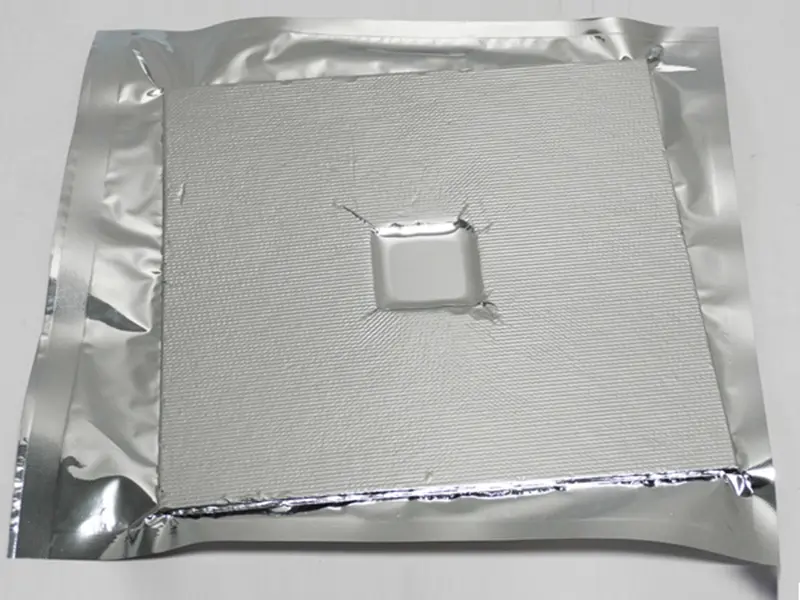
No. Vacuum insulation panels cannot be cut, drilled, or physically altered, as puncturing the outer envelope will release the vacuum and reduce the panel's insulating performance. Exact sizing must be specified during the manufacturing phase.
When correctly installed inside a protective layer (such as structural architectural walls or appliance casings), our fumed silica VIPs are designed to maintain high thermal performance for 30 to 50 years.
Our microporous materials conform to standards including ASTM C1676, and meet RoHS, REACH, and UL94-V0 fire safety requirements.
This relationship gives Zerothermo access to advanced industrial vacuum engineering facilities, testing equipment, and a robust raw material supply chain.
Connect with our engineering office to discuss custom specifications, density requests, or pricing inquiries.






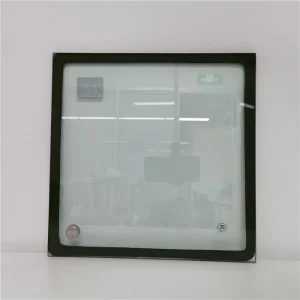
Explore our specialized range of high-temperature barriers, wall insulation systems, and vacuum insulated glass.







 +86 15892792306