
Advancing Building Envelope Decarbonization in the Czech Republic
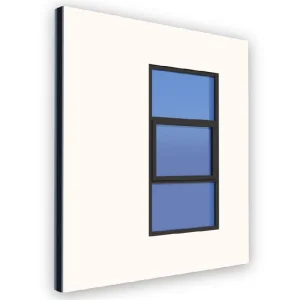
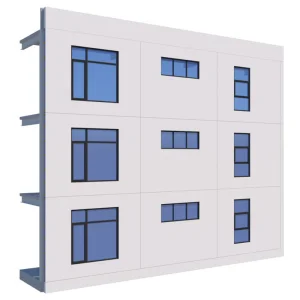
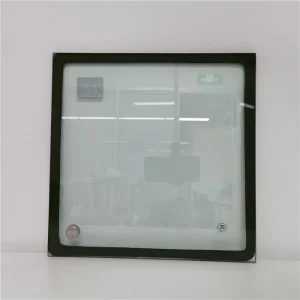
The Czech Republic, situated at the industrial and logistical heart of Europe, faces significant regulatory pressure to adapt to updated EU climate and building directives. Under the EU's Energy Performance of Buildings Directive (EPBD) and Czech national programs like Nová zelená úsporám, reducing thermal transmission values (U-values) has evolved from an environmental aspiration to a strict legal obligation. Vacuum Insulated Glass (VIG) stands as the ultimate technological solution, offering thermal performances comparable to solid masonry walls within a slim-profile architectural glazing configuration.
Czech Industrial and Architectural Context
Traditional multi-pane insulating glass units (IGUs) rely on noble gases like Argon or Krypton. Over time, these gases dissipate, resulting in degraded thermal efficiency. For historic preservation districts in Prague, Brno, and Kutná Hora, conventional thick triple-glazing is visually incompatible with historical facade structures. VIG solves this integration paradox by maintaining a total thickness of under 10mm while achieving U-values as low as 0.4 W/(m²K)—surpassing traditional triple glazing. Czech developers are increasingly mandating VIG systems for both retrofitting historical landmarks and establishing next-generation corporate office complexes.
Sourcing Vacuum Glass and VIPs from China: A Strategic Alliance
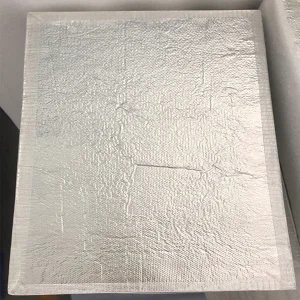
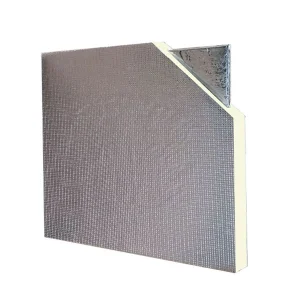
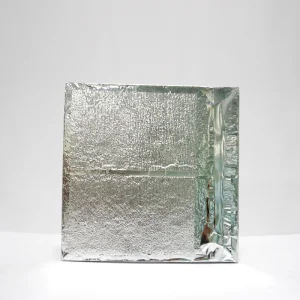
As Czech industrial hubs transition to high-performance insulation, domestic supply capacities face structural limitations. Chinese advanced manufacturing bases, notably Zerothermo Technology (backed by the CBVAC Group), represent the global benchmark in scalable vacuum manufacturing. Leveraging state-of-the-art automated vacuum glass lines and strict quality controls, Zerothermo supplies the Czech and broader Central European markets with premium, EN-certified VIG and VIP products, bridging the gap between high design standards and economic viability.
Key Features of Zerothermo VIG Technology
Our VIG utilizes proprietary micro-spacer configurations that mitigate physical pressure without disrupting optical clarity. The periphery of each glass pane is sealed hermetically utilizing advanced low-temperature glass solder, guaranteeing an airtight cavity that retains its vacuum level (approx. 10^-4 Pa) for decades. This prevents the primary point of failure common in low-tier vacuum panels: vacuum degradation due to thermal contraction and expansion cycles.