
Deploy ultra-thin, structural-grade vacuum insulating systems designed to endure intense tropical climates while driving down cooling load costs.
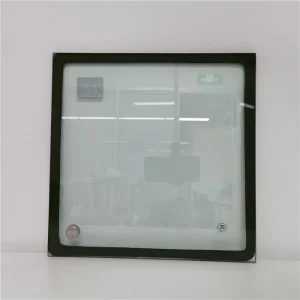
Designed specifically for Indian building code requirements, our tempered vacuum glass features structural safety alongside an industry-leading U-value of less than 0.6 W/(m²K).
Get Free Quote
Highly integrated wall systems featuring high-performance vacuum insulation boards. Ideal for high-density metropolitan infrastructure projects in Mumbai, Delhi, and Bangalore.
Get Free Quote
High-performance vacuum pane configuration optimizing visible light transmission (VLT) while ensuring maximum solar heat gain control under extreme subcontinental summers.
Get Free Quote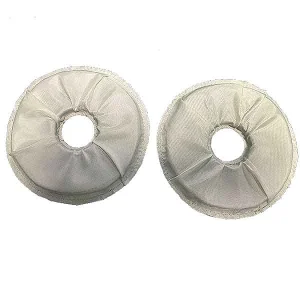
Unparalleled thermal containment materials suited for high-temperature zones and battery insulation wraps in India's expanding electric vehicle sector.
Get Free QuoteAs India pushes forward with ambitious sustainability targets, including the Net-Zero pledge by 2070 and the implementation of the Energy Conservation Building Code (ECBC), the construction and architectural landscape is undergoing a massive paradigm shift. Standard double glazing unit (DGU) systems are no longer sufficient to meet the strict thermal envelope requirements in hot and humid climatic zones. Vacuum Insulated Glass (VIG) has emerged as the ultimate structural answer, offering the insulating performance of a solid masonry wall within the thickness of a single pane.
In major metropolitan hubs like Mumbai, Delhi, NCR, Bangalore, and Chennai, commercial real estate developers face soaring HVAC (cooling) costs. Conventional glass panels transmit significant solar heat radiation, forcing heavy loads on central cooling systems. Sourcing directly from an established vacuum insulated glass factory enables project managers, facade engineers, and procurement officers to acquire custom-tailored glass configurations at factory prices, ensuring project cost optimization and code compliance.
VIG systems block up to 85% of radiant solar heat, significantly decreasing air-conditioning electricity usage across commercial estates.
With a vacuum layer eliminating gas-borne sound transmission, VIG reduces heavy urban noise in bustling Indian cities by up to 39dB.
Eliminating the thick spacer gaps of typical triple-glazing, VIG fits into standard single-glazing window profiles (8.3mm - 12.3mm thickness).
Globally, the demand for energy-efficient building skins has driven major advancements in vacuum chamber seal integrity and edge-fusion technologies. Unlike traditional double glass, which uses air or argon gas that eventually leaks, VIG relies on a high-vacuum chamber (typically 10⁻⁴ Pa or lower). Because there are no molecules inside the vacuum layer to transfer heat via conduction or convection, the thermal transfer is reduced to near zero.
To prevent the two panes of glass from collapsing under atmospheric pressure, a precision matrix of micro-spacers (pillars) is placed between them. Sourced from our state-of-the-art production base, these pillars are engineered using high-strength materials to minimize visible disruption and maximize durability. Low-emissivity (Low-E) coatings are applied to block radiative transfer, ensuring the ultimate performance profile.
| Glazing System Type | Typical Nominal Thickness | U-Value (W/m²K) | Solar Heat Gain Coefficient (SHGC) | Acoustic Performance (STC Rating) |
|---|---|---|---|---|
| Single Clear Plate Glass | 6.0 mm | 5.8 | 0.82 | 28 dB |
| Standard Double Glazed Unit (DGU) | 24.0 mm | 2.8 | 0.70 | 32 dB |
| Triple Glazed Unit (TGU) | 36.0 mm | 1.6 | 0.62 | 35 dB |
| Zerothermo Vacuum Insulated Glass | 8.3 mm | 0.5 - 0.6 | 0.35 - 0.45 | 39+ dB |
We provide engineered vacuum thermal barriers across critical industry verticals in India, from zero-emission building envelope structures to heavy industrial processes.
Specifically designed for business parks and high-rises in Gurgaon, Mumbai, and Bangalore. Lower glazing weights reduce frame engineering costs and structural loads, while maintaining extreme insulation against radiant heat.
Ensures zero-tolerance thermal stability for storage units, refrigerated trucks, and display cases across the logistics chain, safeguarding pharmaceutical payloads and fresh produce from tropical ambient heat peaks.
For glass manufacturing plants, metallurgical test facilities, and precision ovens, our microporous nano-materials and glass systems prevent radiant heat escape, optimizing worker safety and energy yields.
Zerothermo Technology Co., Ltd., a subsidiary of CBVAC Group and a national high-tech enterprise, is headquartered in the Beijing Economic-Technological Development Area with its production base located in Nanchong City, Sichuan Province. This facility stands as one of China’s largest comprehensive production centers for vacuum technology application products.
By scaling industrial production processes, we supply premium quality vacuum insulation panels (VIPs), vacuum insulated glass, and specialized high-temperature nano-materials to global projects. We work directly with distributors, structural glass dealers, and facade developers in India to ensure high-performance product sourcing with reliable logistics pipelines.
Automated high-degree vacuum processing ensures long-lasting seal integrity exceeding 25 years.
Precision dimensions and custom shapes fabricated to meet architectural drawings and design parameters.
All vacuum glass sheets undergo high-pressure load and thermal efficiency validation before international shipment.
Examine real-world instances of how our vacuum insulated assemblies and VIP components solve demanding commercial and civil infrastructure challenges.

Structural integration of thin vacuum insulated glass modules in skylight spans, successfully reducing heat gain by 64%.

Modernization of unitized curtain walls utilizing custom edge-seal vacuum panels, satisfying strict local green building codes.

Glazing retrofit utilizing soundproofing vacuum glass configurations to isolate school auditoriums from major transport corridors.
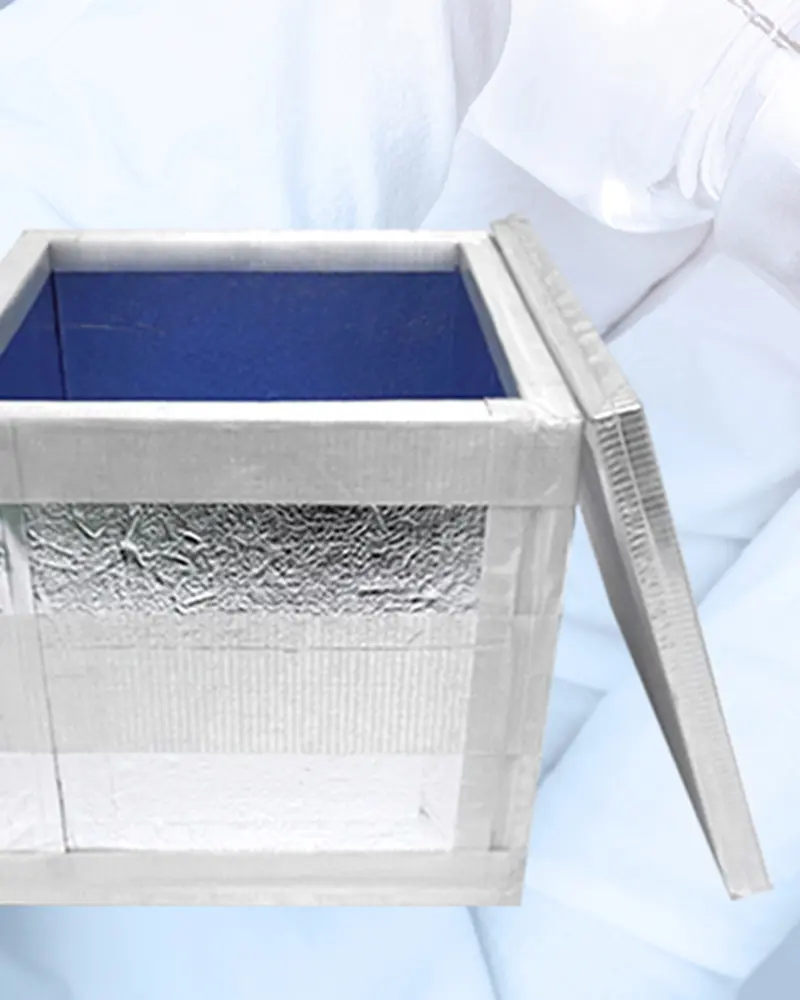
High-tech transport containers using fumed silica vacuum insulation board elements to maintain stable clinical temperatures.
When requesting a vacuum insulated glass pricelist in India, developers must understand that pricing is influenced by several technical configurations. Unlike standardized float glass sheets, high-performance vacuum panels are engineered systems custom-built to order. The following technical specifications will determine your final factory quotation:
By sourcing directly from our factory production hub, you eliminate regional intermediary markup fees, securing favorable rates. Standard project quotations range from competitive industrial volume prices to custom architectural prototyping rates.
Common engineering, installation, and procurement questions regarding Vacuum Insulated Glass for Indian construction sites.
Our vacuum insulated glass units are manufactured with robust metal-edge seals and premium getters to handle thermal expansions. They are engineered to endure temperature swings from extreme heat to heavy monsoon cooling, offering a performance lifespan exceeding 25 years with minimal loss of thermal performance.
Although the initial procurement cost of VIG is higher than a basic DGU, it delivers up to 4 times better insulation performance (U-value of 0.5 vs 2.8). The energy savings on central HVAC chiller plants in Indian cities often lead to a full investment payback within 3 to 5 years, while freeing up architectural space.
No. Because VIG relies on a hermetically sealed vacuum chamber between two panes of glass, it cannot be cut, drilled, or modified on-site. Doing so will break the seal and release the vacuum. All panels must be manufactured to precise size specifications at our factory based on architectural drawings.
Typically, standard configurations are processed and prepared for shipping within 30 to 45 days. The MOQ varies depending on size requirements and transport options. Direct container shipments from our factory ensure safe transport and transit speeds to primary ports like Mumbai (Nhava Sheva) or Chennai.
Examine our wide selection of industrial thermal barriers, vacuum boards, and custom insulation components.
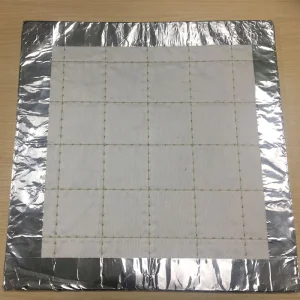
Designed for intense industrial heat isolation, our nano-mats offer excellent thermal efficiency in space-restricted environments.
Get Details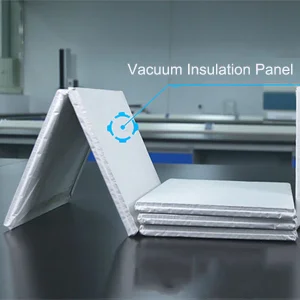
Wall-integrated vacuum panels built to reduce thermal bridging in external envelopes, maintaining indoor temperature stability.
Get Details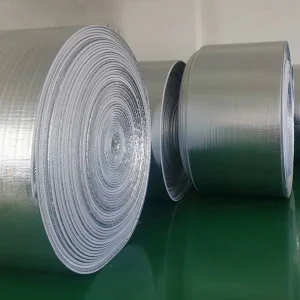
Highly reflective structural insulation board sheets designed for roof systems, reflecting ambient heat away from structures.
Get Details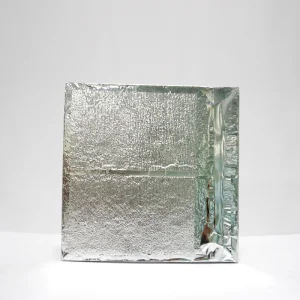
Fumed silica core vacuum panels engineered for commercial refrigeration applications, maximizing safety margins.
Get Details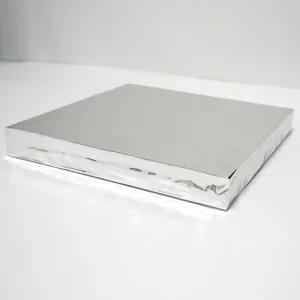
Microporous panels offering minimal thermal conductivity for industrial insulation systems.
Get Details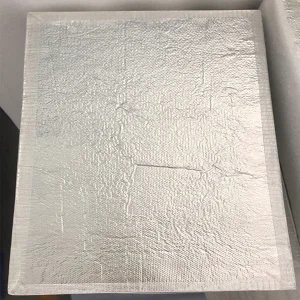
Encapsulated in PET protective films, these fumed silica boards provide durable insulation in thermal applications.
Get Details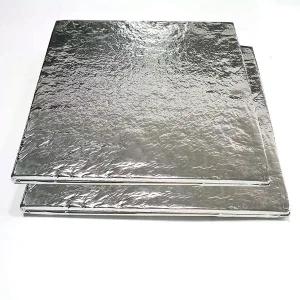
High-performance fiberglass core panels optimized for refrigeration units, commercial freezers, and construction applications.
Get Details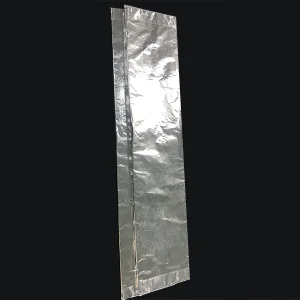
Specialized thermal safety blankets designed to prevent thermal runaway in EV battery packs across automotive platforms.
Get DetailsGet in touch with our engineering team for customized specifications, thickness options, and bulk container shipping quotes directly to India.
Our sales team works closely with logistics networks to ensure reliable product delivery across major industrial corridors.
Zerothermo Technology Co., Ltd. (Subsidiary of CBVAC Group)
Production Center: Nanchong City, Sichuan Province, China
Headquarters: Beijing Economic-Technological Development Area, China