Uruguay's commercial construction and industrial landscape is undergoing rapid modernization. In cities like Montevideo, Punta del Este, and the industrial hub of Zonamerica, developers and engineers are facing stricter compliance demands governed by the Dirección Nacional de Bomberos (DNB). As Uruguay aligns its local construction codes with Mercosur structural standards and international benchmarks such as NFPA and ISO 9001, passive fire protection (PFP) has shifted from a secondary option to a foundational engineering mandate.
Traditional fire safety methods that rely solely on active systems (like sprinklers and alarms) are no longer sufficient. High-density commercial designs, marine infrastructure in the Port of Montevideo, and sensitive cold storage units demand structural integration of Class-A1 fire-rated, low-thermal-conductivity materials. Our advanced nano-microporous panels and fumed silica vacuum insulation panels (VIPs) serve these critical structural needs, preventing catastrophic thermal runaways and preserving structural integrity during critical emergency windows.

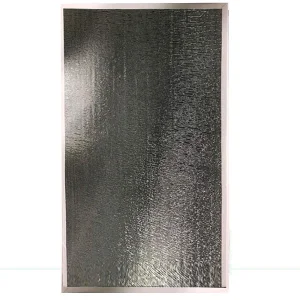
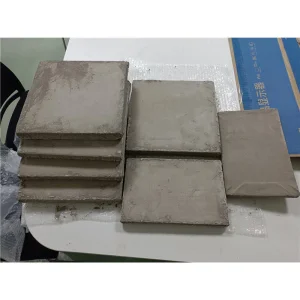
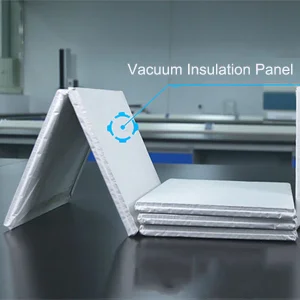
Utilizing high-purity silica matrices to compress air cavities to scales smaller than the mean free path of air molecules. This restricts gas conduction to near-zero, yielding thermal conductivities as low as 0.018 W/m·K at elevated temperatures.
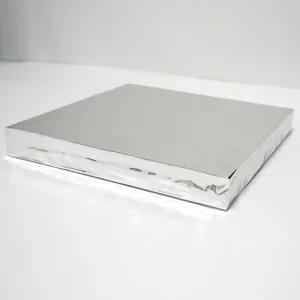
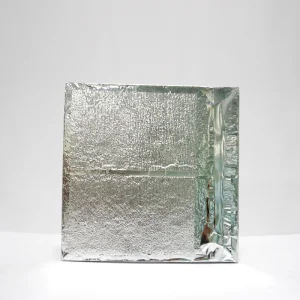
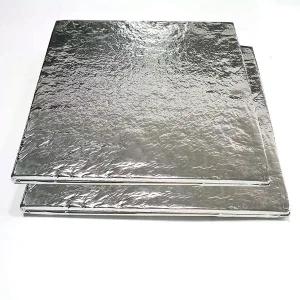
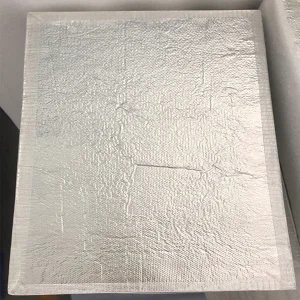
Fumed silica cores wrapped in barrier envelopes block all three modes of heat transfer: conduction, convection, and radiation. Essential for cleanrooms, cold storage facilities, and high-performance facades.
Unlike organic insulation boards that emit toxic gases under thermal load, our materials are entirely non-combustible. They maintain structural integrity up to 1000°C without chemical breakdown.
In highly regulated environments like petrochemical processing plants and elevator shafts in Montevideo's newer office towers, space optimization is critical. Conventional rockwool or polyurethane boards require excessive thickness to achieve required R-values, reducing rentable footprint. Our vacuum and nano-insulation panels deliver up to 5 to 10 times higher thermal resistance per unit thickness, allowing sleek architectural designs and maximum room efficiency.
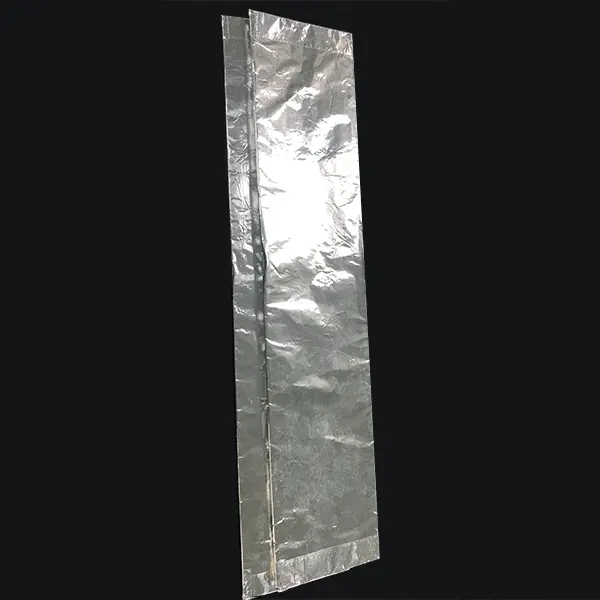
Customized high-efficiency barriers preventing thermal runaway propagation in electric vehicle battery packs.
Moisture-barrier structural panels optimized for humid maritime environments in coastal Uruguay.

Slim-profile fireproof barrier designs exceeding standard safety regulations for commercial towers.
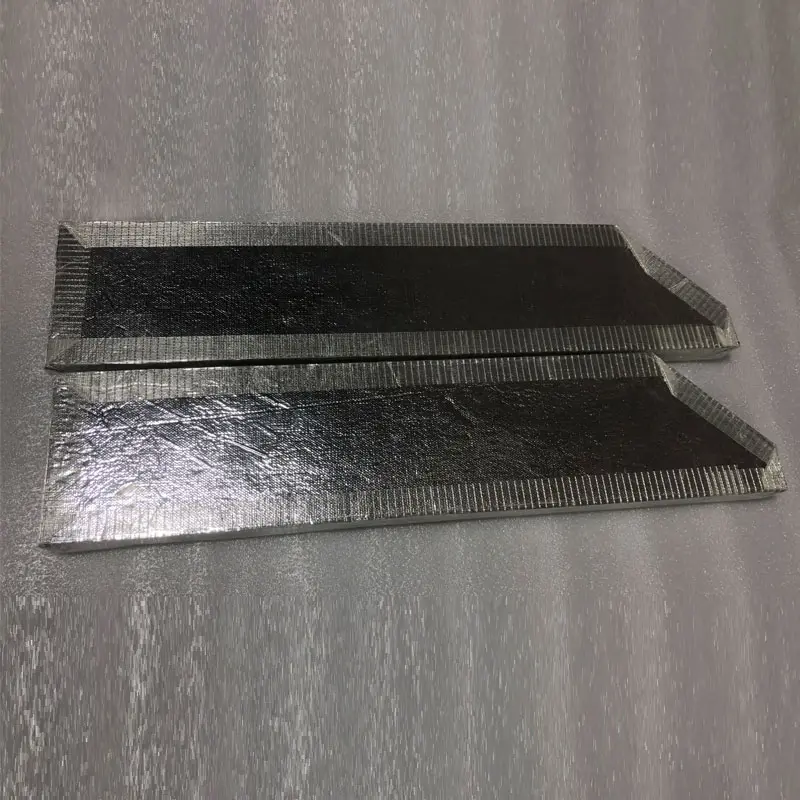
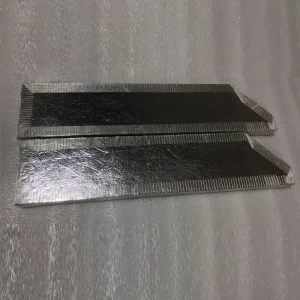
Complex geometry vacuum insulation boards engineered to fit architectural curvatures and equipment profiles.
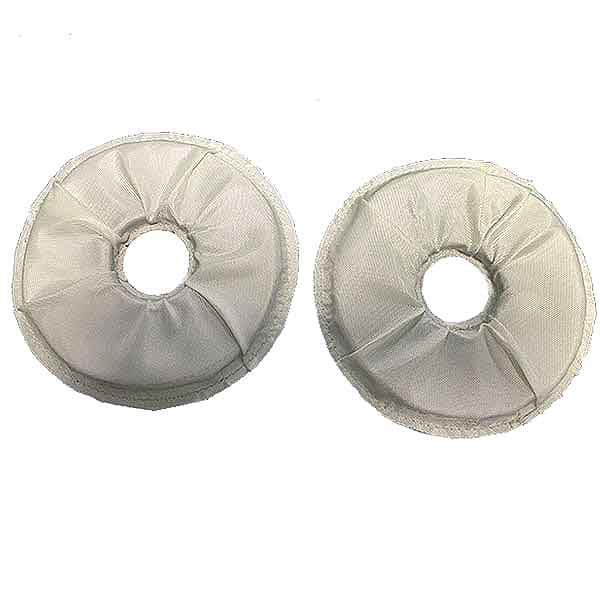
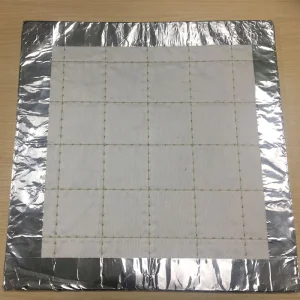
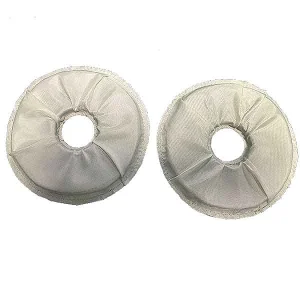
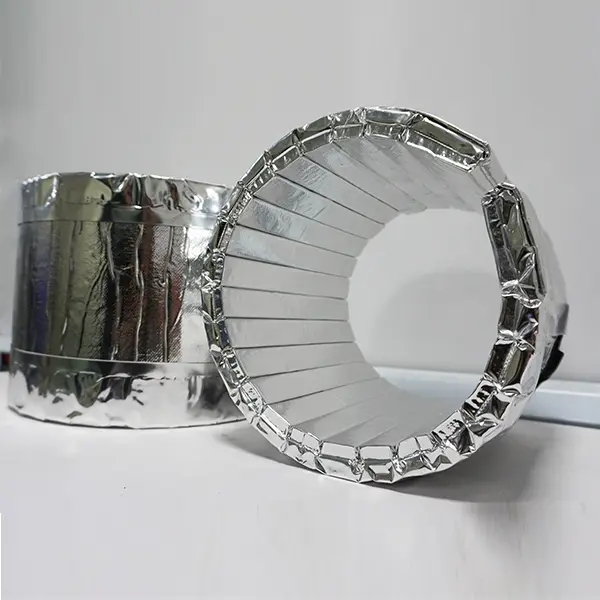
Flexible nano-mats designed for wrapping industrial ductwork, steam pipelines, and high-temp apparatus.
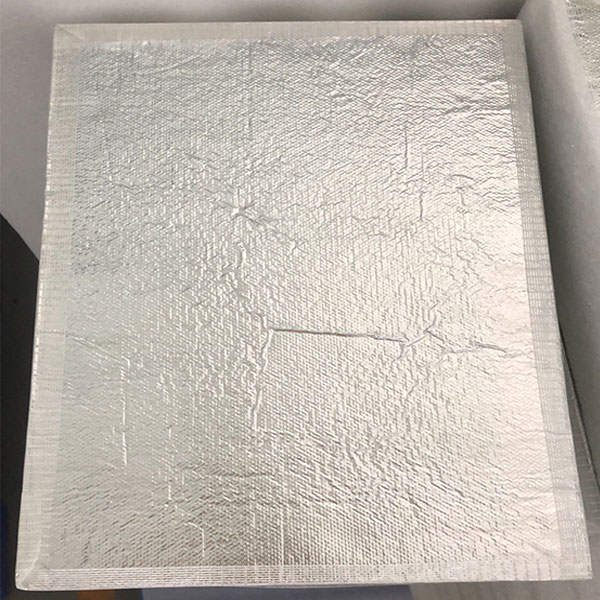
Specialized high-barrier core insulation tailored for ultra-low energy retrofits in architectural projects.
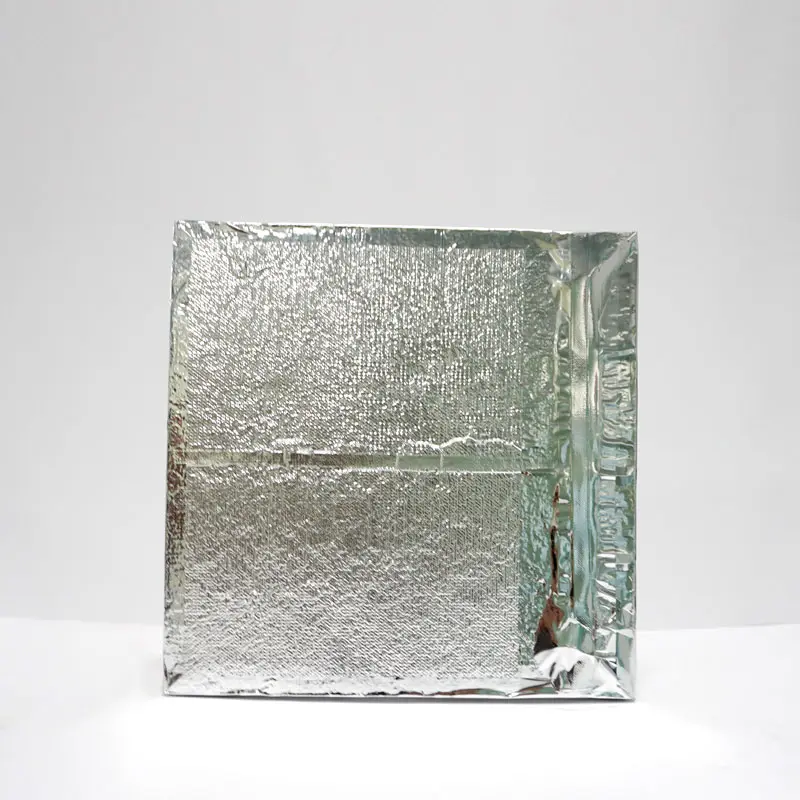
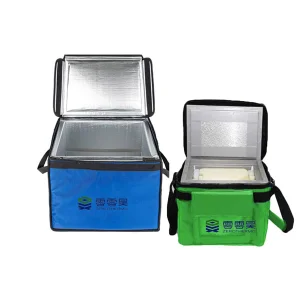
Optimized vacuum core insulation boards protecting temperature-sensitive pharmaceutical shipments.
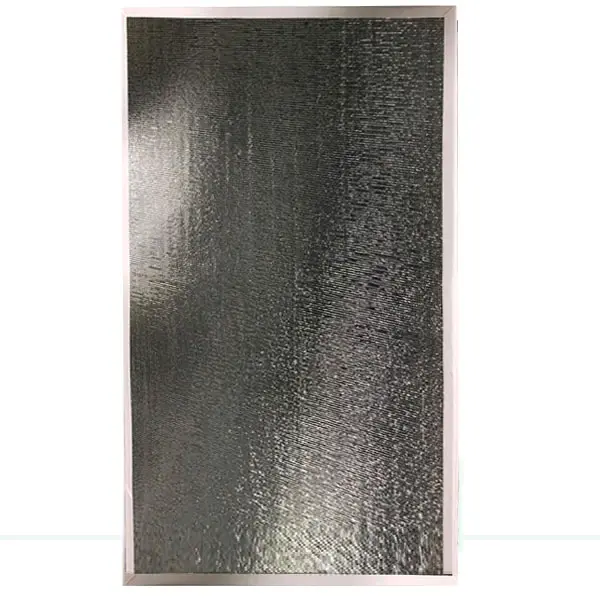
Variable dimensions engineered to match complex cooling boxes and specialized storage containers.
Zerothermo Technology Co., Ltd., a subsidiary of CBVAC Group and a national high-tech enterprise, is headquartered in the Beijing Economic-Technological Development Area with its production base located in Nanchong City, Sichuan Province. This facility stands as one of China’s largest comprehensive production centers for vacuum technology application products.
With decades of vacuum physics and high-temperature thermal dynamics research inherited from our parent corporation, CBVAC Group, Zerothermo offers complete, end-to-end solutions for fire containment, thermal decoupling, and structural isolation. Our production capacity, combined with rigorous ISO 9001 and ISO 14001 quality protocols, ensures that every square meter of material shipped to Latin America meets strict international standards.
Send Inquiry Now
Special sizes manufactured according to client technical parameters and drawings.

Square, oval, or customized profiles, including oversized/small diameters exceeding 60 inches.

Advanced CNC-machined components designed to handle high pressures and temperatures.
Sourcing passive fire protection materials requires balancing rigorous quality assurance with cost efficiency. Procurement directors in South America face long supply chains and strict compliance hurdles. Working with a vertically integrated manufacturer in China addresses these challenges through structural advantages:
Additionally, our engineering department provides complete layout and thickness calculations based on thermal performance requirements, helping to reduce field labor costs during construction.

Providing high-efficiency thermal insulation solutions for envelope systems, protecting temperature-sensitive cargo throughout logistics networks.

Empowering building envelopes to reduce carbon footprint, meet structural fire safety codes, and maximize internal space.
Insulating industrial furnaces, petrochemical ducting, and metallurgy processing machinery to improve energy efficiency.

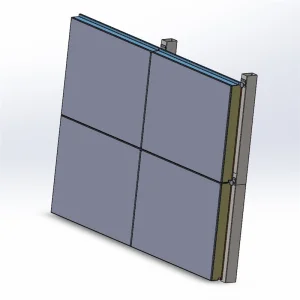
Custom prefabricated modular elements designed for aesthetic integration, speed of construction, and fire containment.

Integration of high-stability vacuum insulation panels inside critical vaccine cold rooms, maintaining tight safety thresholds.

Supplying custom nano-microporous core panels for Class-A elevator shaft fire door systems, ensuring structural safety.
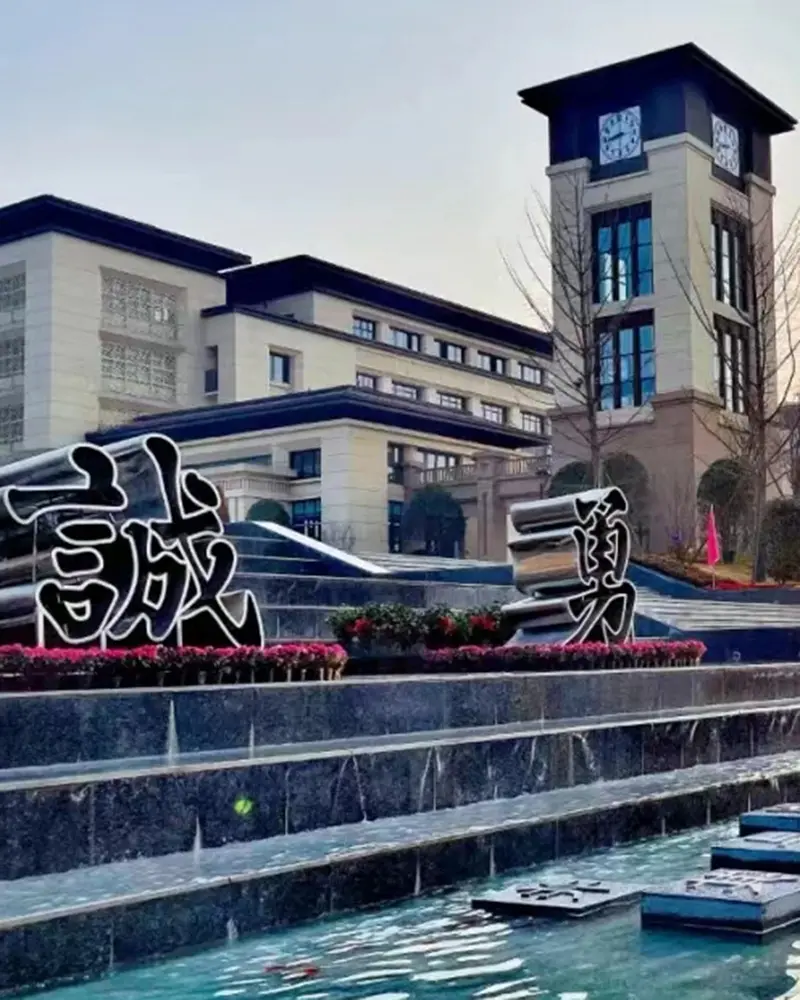
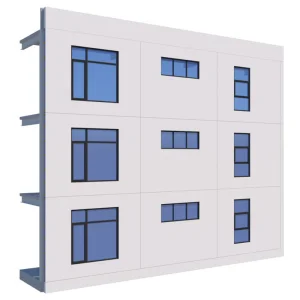
Modular vacuum insulation panel installations within prefabricated external drywalls, improving thermal performance.
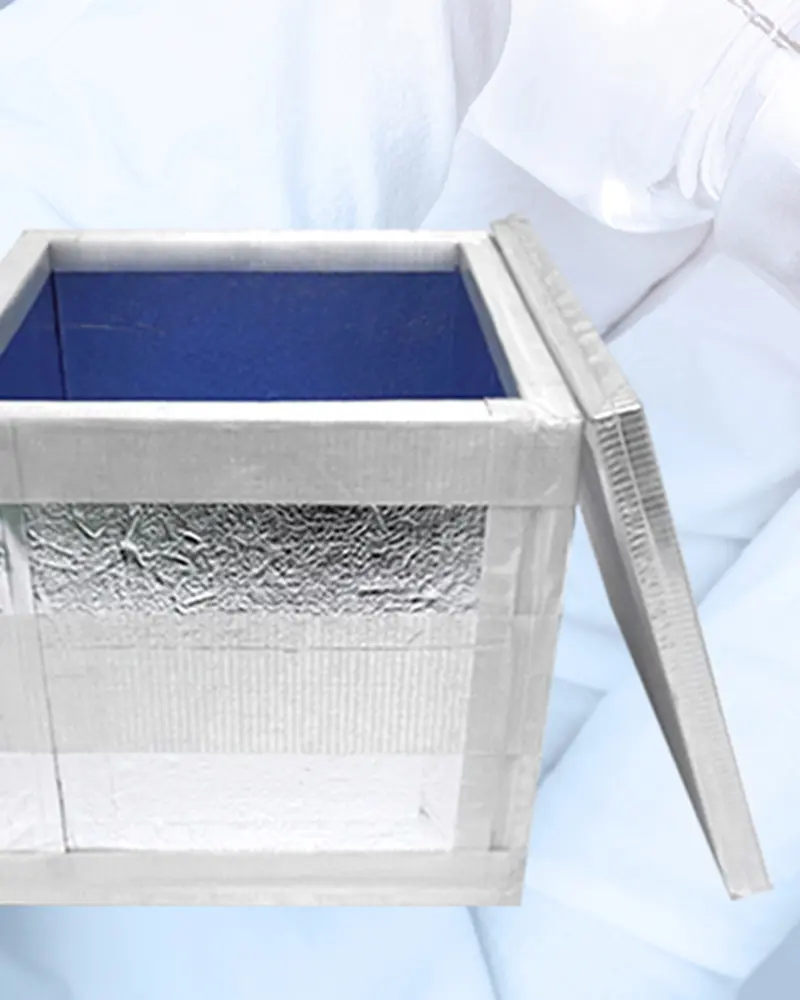
Fumed silica VIP assemblies designed for pharmaceutical transport units distributed across rural public clinics.
Whether designing high-rise commercial structures in Montevideo or configuring pharmaceutical logistics operations across South America, our engineers can assist you with product calculations and customization.