Premium Structural Solutions
Market Analysis
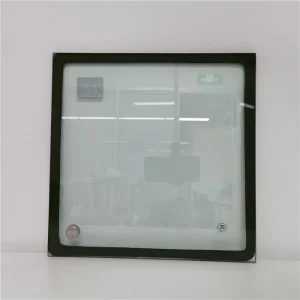
The industrial landscape in Germany is undergoing a monumental shift driven by the Gebäudeenergiegesetz (GEG), or Building Energy Act. As the nation pushes toward climate neutrality by 2045, thermal efficiency demands for architectural envelopes have scaled to unprecedented heights. Traditional triple-glazing systems, while highly efficient, are heavily constrained by physical thickness and weight. To meet Germany’s strict U-value mandates (often requiring values of U = 0.5 W/(m²K) or lower for glass components), architects are increasingly turning to Vacuum Insulated Glass (VIG). VIG technologies deliver the same, if not superior, thermal performance as triple-glazing in a profile thinner than a single sheet of standard insulated units.
Simultaneously, the demand for high-rise escape route security, industrial machinery containment, and logistics facility safety has elevated Passive Fire Protection (PFP). In Germany, the strict Musterbauordnung (MBO) and building codes demand construction materials classified as A1 or A2 non-combustible. High-performance nano-microporous insulation panels and special-shaped VIPs (Vacuum Insulation Panels) are crucial in meeting these fire containment criteria. They prevent fire propagation in high-density installations like elevator fireproof doors, thermal energy storage arrays, and battery enclosures for electric vehicles.
Macro Industry Solutions
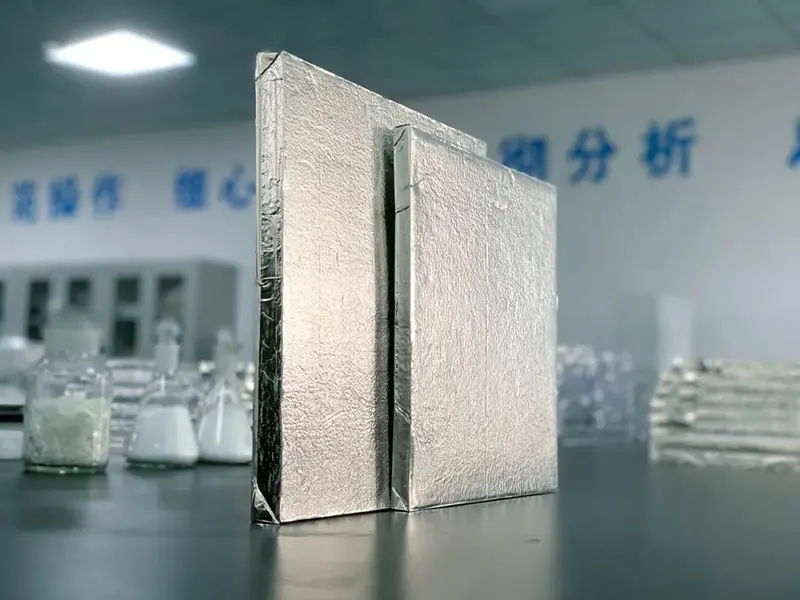
The global demand for high-efficiency thermal insulation is characterized by a transition from traditional materials (such as glass wool and polyurethanes) to vacuum-engineered barriers and nanostructured silica matrices. Globally, the cold-chain logistics market—responsible for transporting temperature-sensitive biopharmaceuticals, vaccine storage, and high-value perishables—is leading the adoption of Fumed Silica Vacuum Insulation Panels (VIPs). Unlike polyurethane foam, fumed silica VIPs eliminate hazardous blowing agents and guarantee a thermal conductivity index of less than 0.005 W/(m·K), drastically extending cold-chain container hold times.
In structural engineering, the integration of vacuum technology has resolved the paradox of design constraints versus ecological footprints. Architects no longer need to sacrifice expansive glass facades to achieve passive house certifications. By maintaining an internal vacuum cavity (< 10^-2 Pa), VIG mitigates thermal conduction and convection. Globally, manufacturers are building automated, massive-scale continuous tempering and vacuum seal lines to bring price parity to these high-end materials. Our state-of-the-art production base in Nanchong City, Sichuan Province—ranking as one of China’s largest vacuum application centers—powers this global transition by providing reliable, high-volume production for international projects.
Engineering Flexibility
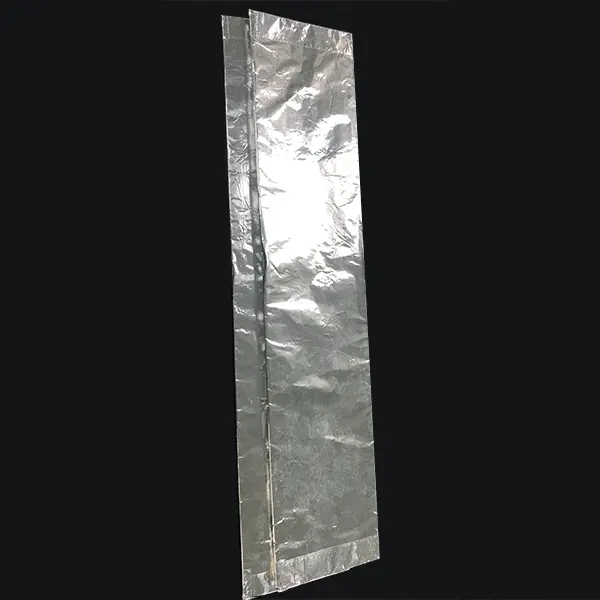
Size: Customized. Thickness: 5-30mm. Tailored for thermal runaway safety in EV battery packs.
View More +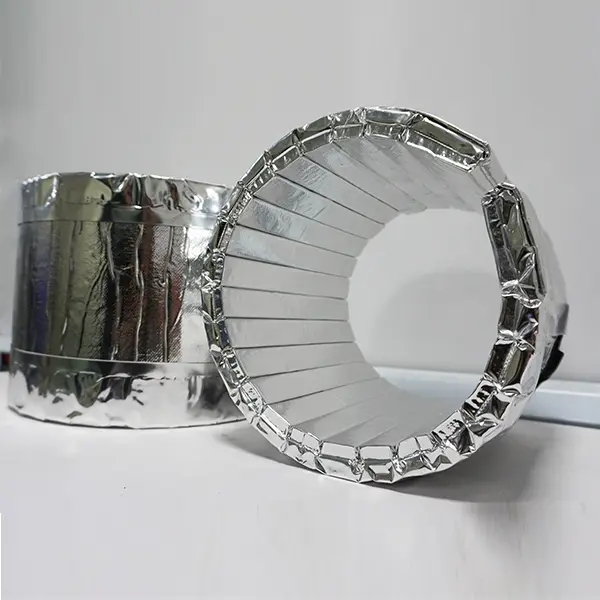
Size: Customized. Thickness: 5-50mm. Designed for industrial water tanks and thermal loops.
View More +
Elevator fireproof door protection. Optimized for German and EU fire safety classifications.
View More +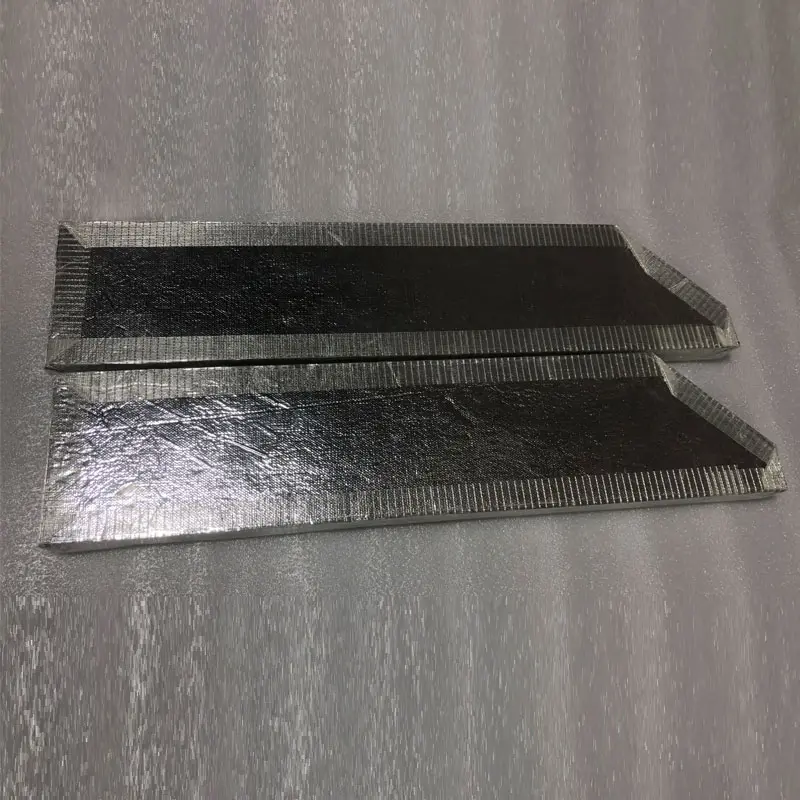
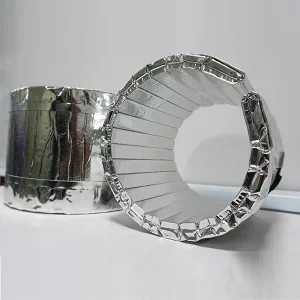
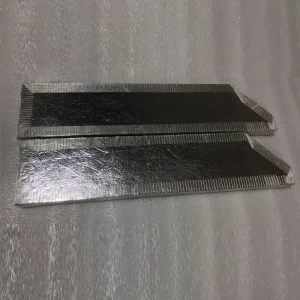
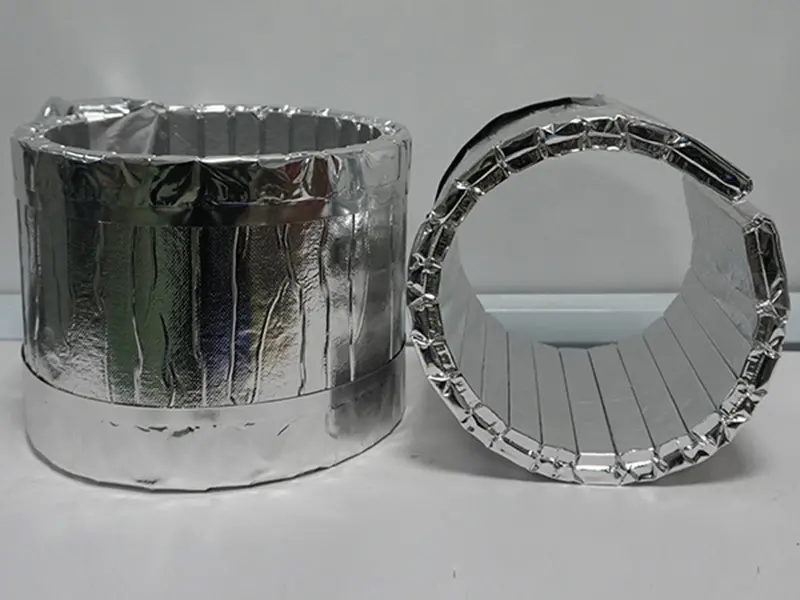
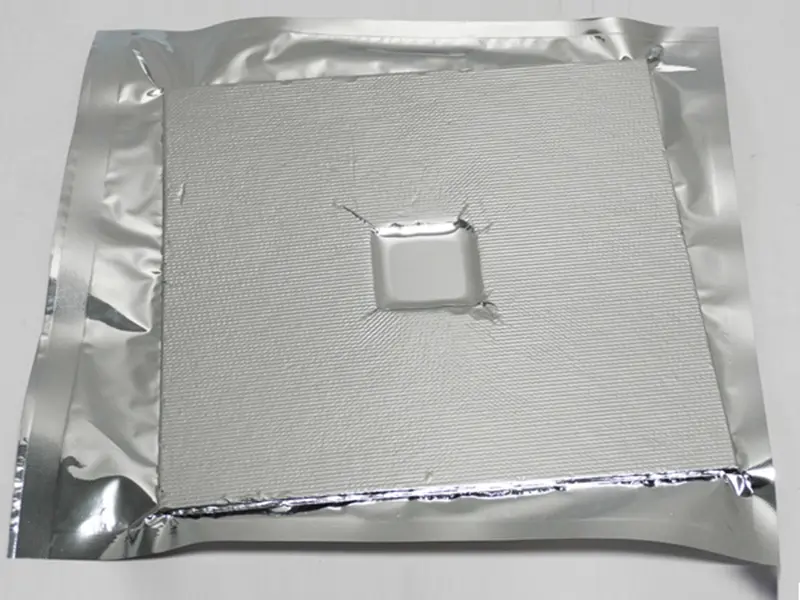
Engineered for complex machinery surfaces, piping curves, and architectural joints.
View More +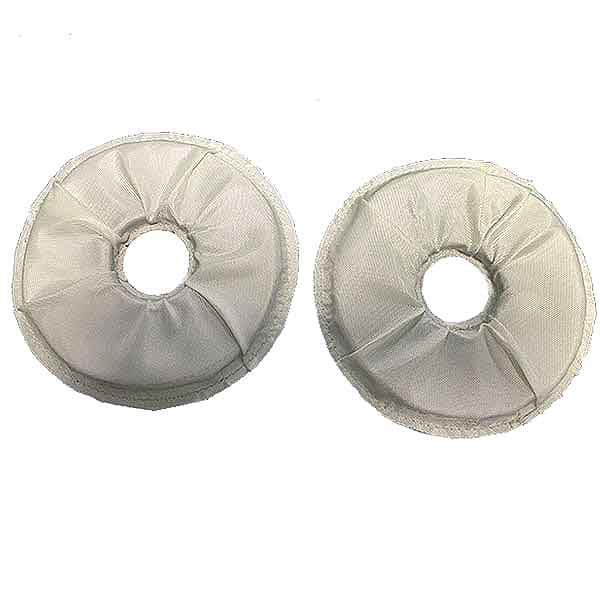
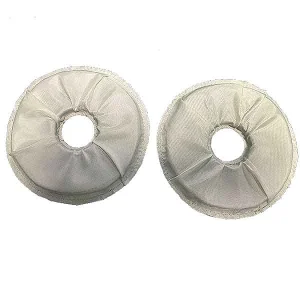
Ultra-low thermal conductivity mats designed for industrial ovens and thermal boilers.
View More +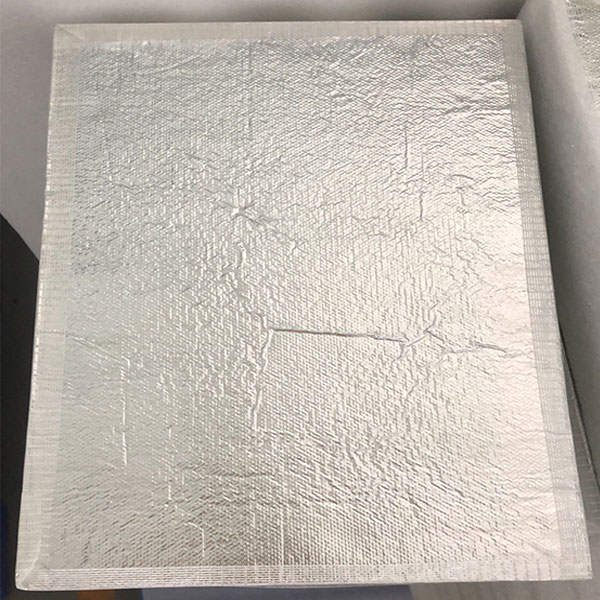
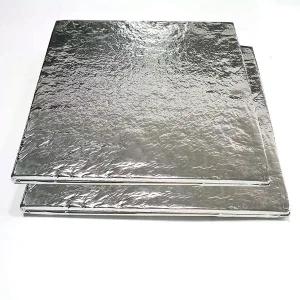
Engineered for refrigeration cores and high-efficiency building envelopes.
View More +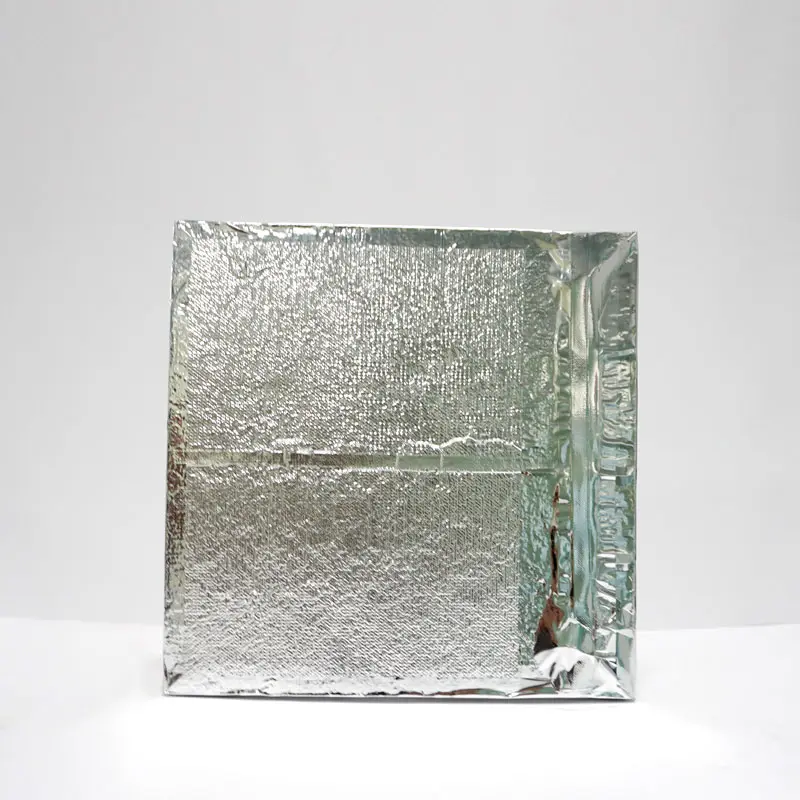
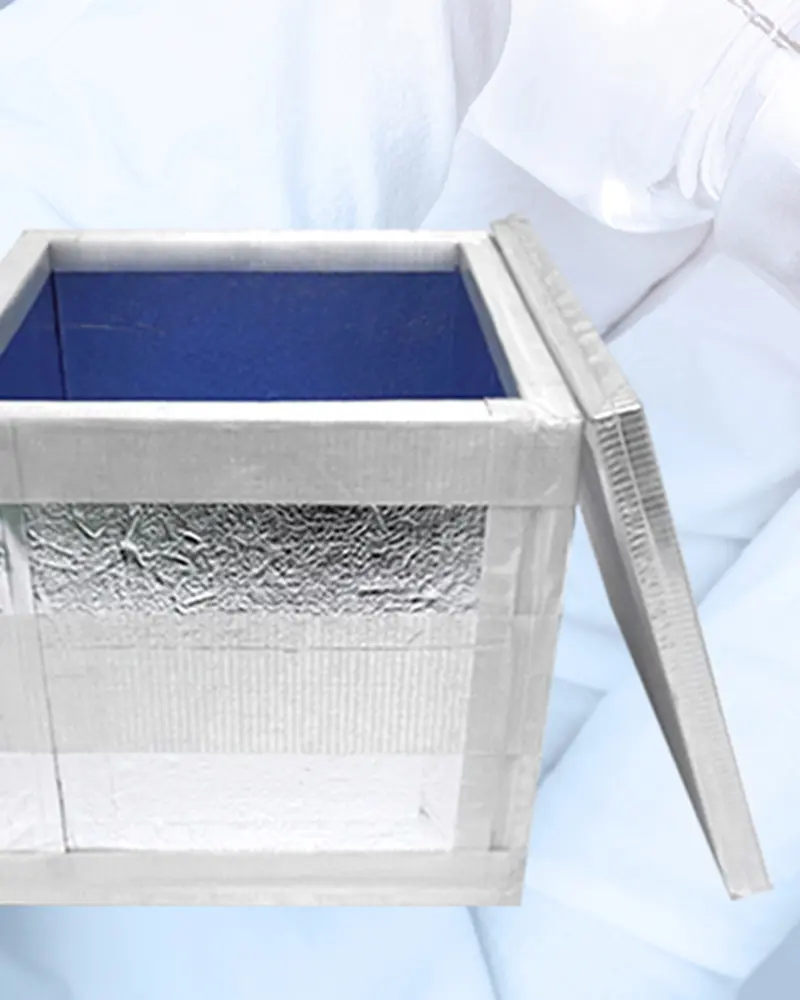
Vacuum insulation panel configurations designed for bio-medical delivery units.
View More +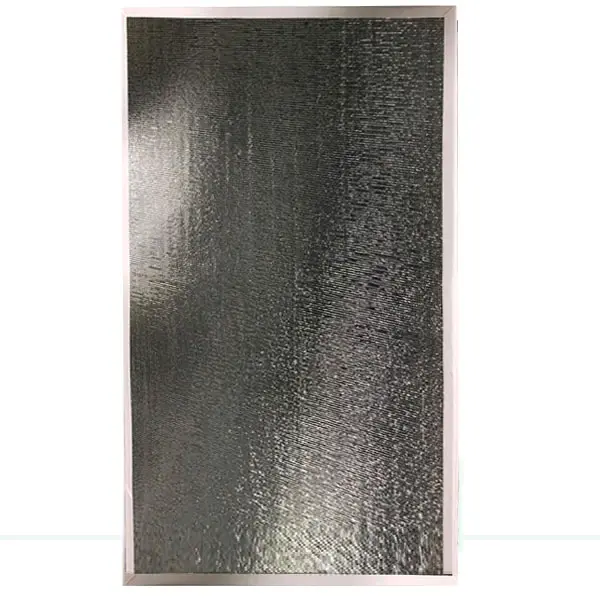
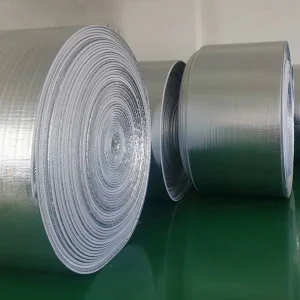
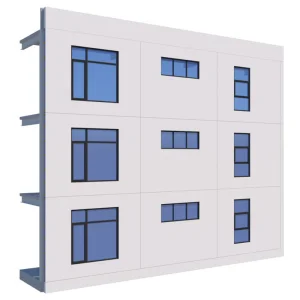
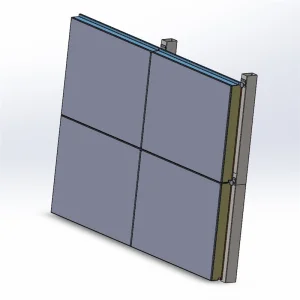
Large-format panels engineered for exterior wall insulation and structural cladding.
View More +ABOUT US
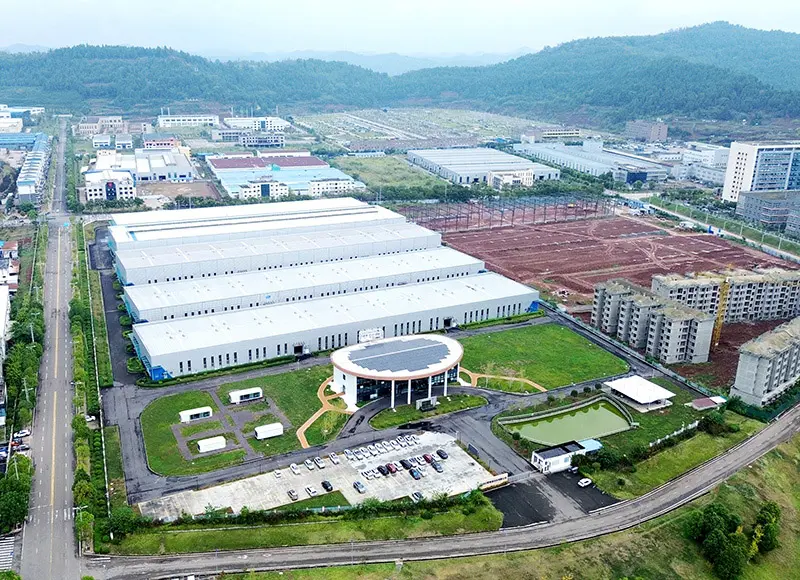
Zerothermo Technology Co., Ltd., a subsidiary of CBVAC Group and a national high-tech enterprise, is headquartered in the Beijing Economic-Technological Development Area with its production base located in Nanchong City, Sichuan Province. This facility stands as one of China's largest comprehensive production centers for vacuum technology application products.
Our infrastructure allows us to scale production while maintaining tight manufacturing tolerances required for high-vacuum glass and industrial thermal barriers. We provide solutions that align with major certifications like ISO 9001 and ISO 14001, ensuring full traceability and reliability for our German and global partners.

Produced to customer specifications, matching ANSI, ASME, and DIN standards.

Square, oval, oversized, or micro precision configurations for specialized systems.

High-vacuum components built to drawings or strict technical parameters.



Patents and Technical Milestones

Annual Project Deliveries

Global R&D Centers & Production Bases

Sqm Manufacturing Capacity
Regulatory & Compliance
Deploying structural elements in Germany requires rigorous adherence to European technical assessments. Any building component, especially when related to Passive Fire Protection, must comply with the harmonized European standards (EN) and receive national approvals (abZ) from the Deutsches Institut für Bautechnik (DIBt). Our Vacuum Insulation Panels and Vacuum Insulated Glass are designed and tested to conform to the German fire safety classification DIN EN 13501-1, ensuring they meet Class A1 (non-combustible) and Class B (flame retardant) thresholds depending on the core formulation.
Furthermore, VIG units are structurally engineered to resist localized mechanical stressors, such as high wind loads in northern Germany (coastal zones) and extreme thermal gradients in southern alpine regions. The edge sealing—the critical failure point in low-quality vacuum glass—uses a lead-free, high-temperature micro-solder glass seal. This design prevents vacuum decay over an operating lifespan exceeding 25 years. This durability meets the stringent criteria of the German Sustainable Building Council (DGNB) and Passivhaus standards, providing developers with verifiable ESG credentials.
Our Technology






Solutions
Providing high-efficiency thermal insulation solutions for building envelope systems through innovative products such as vacuum insulation panels and vacuum insulated glass, empowering the construction sector to reduce carbon emissions and achieve carbon neutrality.
Whether in pharmaceutical transport loops, heavy-duty refinery systems, or architectural facade preservation, our integrated technologies minimize thermal loss and prevent flame penetration under extreme conditions.


Technology Roadmap
Looking ahead, the R&D pipeline for Zerothermo and the CBVAC Group focus on three key pillars: ultra-thin profile optimization, composite safety integrations, and hybrid smart insulation systems. Standard VIG relies on structural pillars (micro-spacers) to prevent atmospheric pressure collapse. Our next-generation VIG roadmap features virtually invisible micro-spacers made of high-strength alloys. This innovation improves light transmittance (Tv > 82%) while keeping the center-of-glass thermal resistance uniform.
For high-temperature applications, we are developing hybrid fumed-silica-aerogel matrices. By combining the low pore size of aerogels with the structural integrity of fumed silica, we aim to lower the thermal conductivity barrier to 0.0035 W/(m·K). These materials will be packaged in robust stainless steel jackets for high-vibration environments, such as marine bulkheads, high-speed rail fire barriers, and automotive energy storage systems. This technological roadmap ensures our partners in Germany and the EU have access to materials that meet future energy codes years in advance.
Projects



News and Information

FAQ
A1: While triple glazing typically requires a thickness of 36mm to 44mm and carries significant weight, VIG delivers equivalent thermal performance (U-values down to 0.4 W/(m²K)) in a slim profile of just 8.3mm to 12mm. This reduction in thickness and weight makes VIG ideal for historic preservation (Denkmalschutz) and lightweight building envelopes in Germany.
A2: Yes. Our nano microporous panels are manufactured from non-combustible inorganic silica matrices, meeting the requirements of DIN EN 13501-1 Class A1. They are widely used in fire doors, elevator shafts, and industrial furnace shielding throughout Europe.
A3: VIP pricing depends on core material selection (typically fumed silica for construction/cold chain or fiberglass for refrigeration), custom dimensions, edge foil complexity, and required certifications (e.g. CE, DIBt approvals). Contact our team with your specifications to receive a project-specific quote.
A4: Our manufacturing process uses automated vacuum sealing technology and proprietary getter materials to absorb residual gas molecules over time. Combined with edge-sealing technology using high-durability glass solder, our systems maintain their insulation rating for over 25 to 50 years.
Full Catalog
Our Technology
We offer a one-stop vacuum insulation board solution. Contact us for a custom proposal, thermal calculation, or direct price list details for your project.