
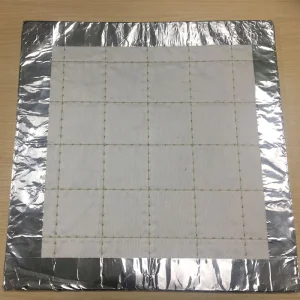
Flexible nano thermal insulation mats built for extreme thermal containment, engineered for non-flat mechanical surfaces and complex pipeline systems.
Learn More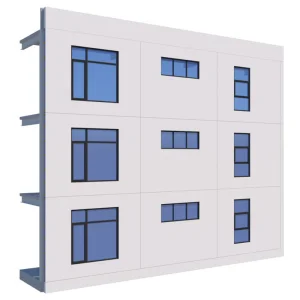
Integrated structural aesthetic panel providing low-conductivity performance for energy-optimized building facade retrofits in urban projects.
Learn More
Engineered off-site prefabricated structural panels that offer rapid site assembly and zero-heat bridge building envelopes.
Learn More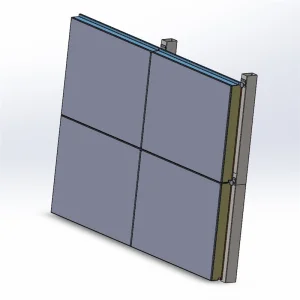
Combines architectural grade finishing with internal vacuum cores to provide high-performance thermal insulation for contemporary buildings.
Learn MoreAs the Greater London area drives hard towards its ambitious net-zero carbon target by 2030, industrial operators, MEP engineering consulting firms, and commercial facilities managers face unprecedented regulatory pressures. Standard thermal options like thick rockwool or mineral fibers are no longer sufficient to comply with the stringent criteria of the London Plan's energy assessments. These conventional materials struggle to achieve modern heat retention targets within the physical space limits characteristic of London’s subterranean utility tunnels, historic brick buildings, and high-density industrial parks (e.g., along the Thames Gateway and inside the M25).
High-temperature industrial processes—such as district heating stations, energy-from-waste incinerators (e.g., Bexley and Edmonton EcoPark), micro-CHP systems, and glass or petrochemical processing—demand compact, high-efficiency insulation. Implementing Zerothermo's Nano Microporous Panels offers a key technological advantage: reducing the required insulation thickness by up to 80% while keeping thermal conductivity exceptionally low (≤ 0.020 W/m·K at 600°C). This thickness reduction translates directly into valuable floor space, simplifies installation in confined urban centers, and helps local organizations meet their carbon targets.
The core performance of Zerothermo nano microporous panels relies on fine-tuning molecular-level heat transfer mechanism. Standard insulation depends on trapping still air inside large macro-cellular pockets, where gas molecules collide and transfer kinetic energy. In contrast, microporous insulation works by limiting these collisions.
This performance is driven by the Knudsen Effect. In spaces with pore sizes smaller than the mean free path of gas molecules (approximately 70 nanometers at normal atmospheric pressure), the gas molecules collide far more often with the structural walls of the pores than with each other. This restricts convective and gaseous heat conduction. Our panels are made of fumed silica ($SiO_2$), which forms a complex three-dimensional network with typical pore sizes of 10 to 25 nanometers. This structure effectively suppresses molecular gas conduction.
Additionally, to manage thermal radiation at high temperatures (above 400°C), we mix in opacifiers like Titanium Dioxide ($TiO_2$) or Silicon Carbide ($SiC$) during production. These minerals scatter and absorb infrared radiation, maintaining high thermal efficiency even at continuous operational temperatures reaching up to 1000°C.
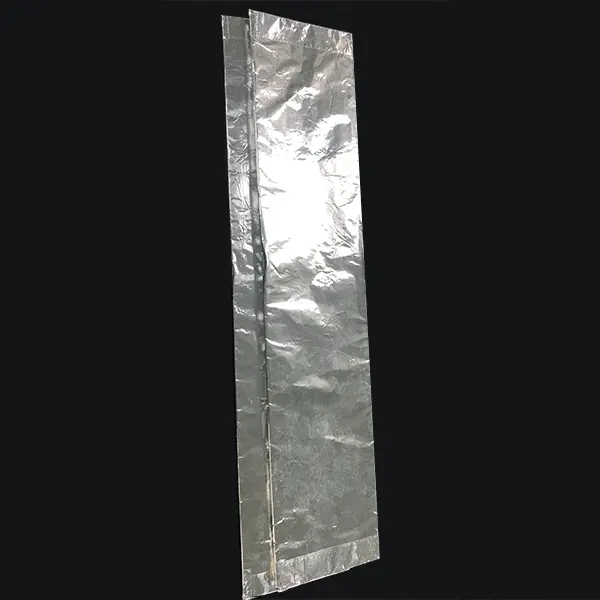
Size: Customized | Thickness: 5-20mm. High-durability thermal runaway barriers designed for modern EV chassis architectures.
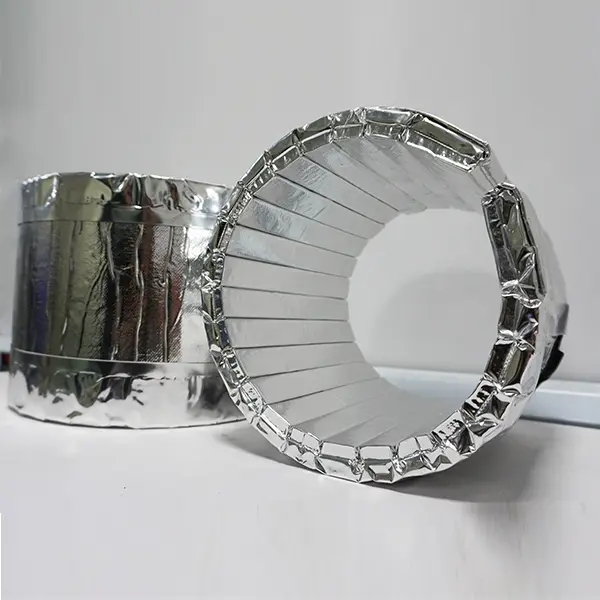
Size: Customized | Thickness: 5-50mm. Designed for environments requiring moisture protection and high-temp performance.
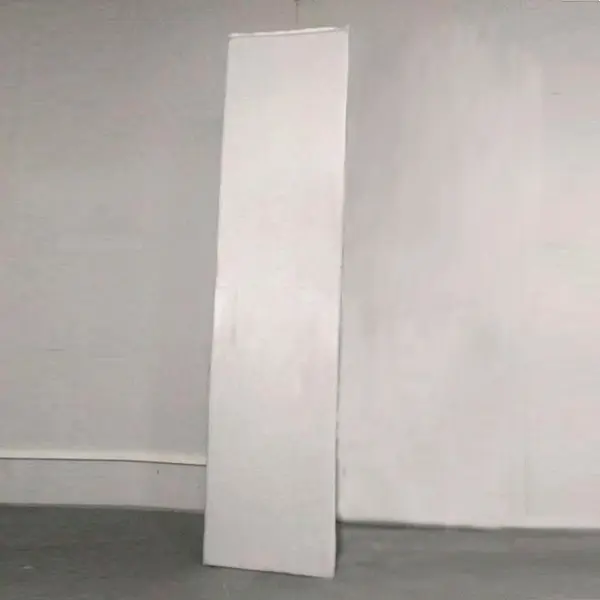
Specially developed fire safety cores for elevators, providing long-lasting thermal barriers in high-rise building designs.
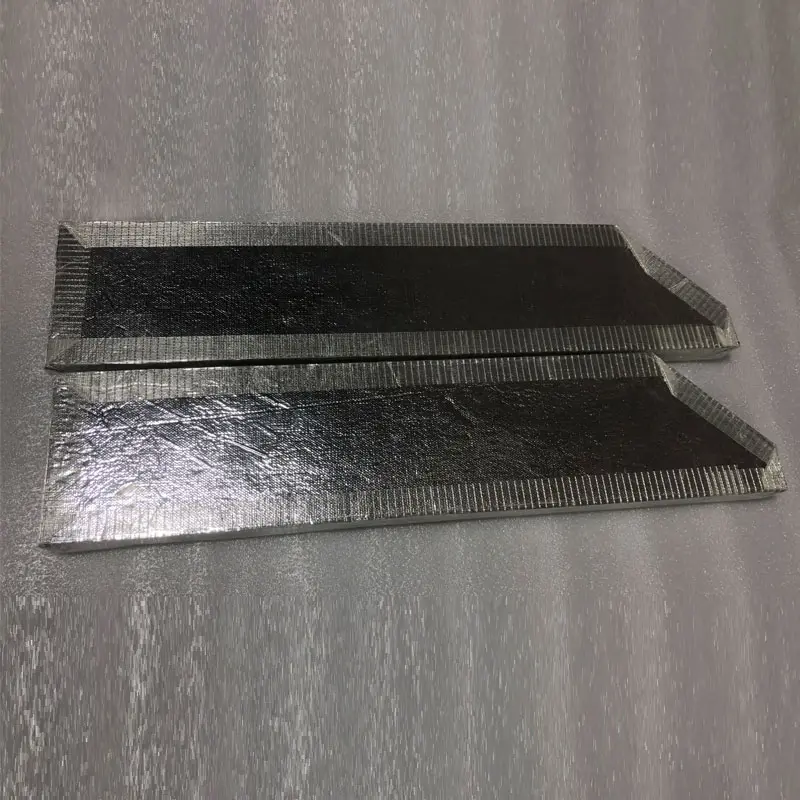
Vacuum insulation panels tailored for complex geometries, minimizing thermal bridging in custom layouts.
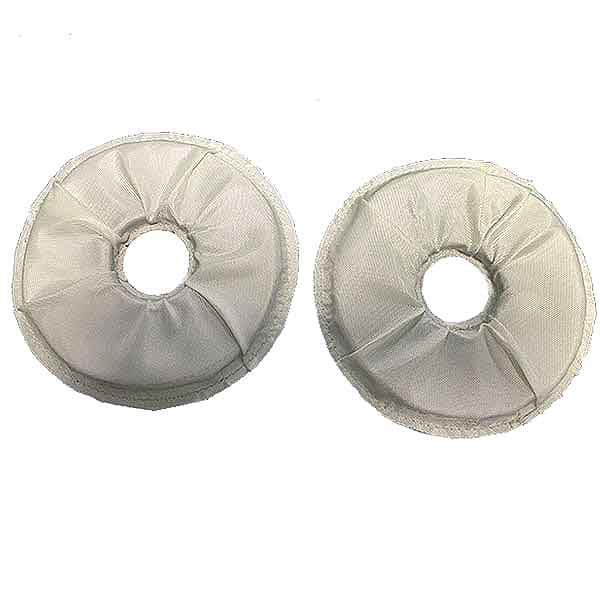
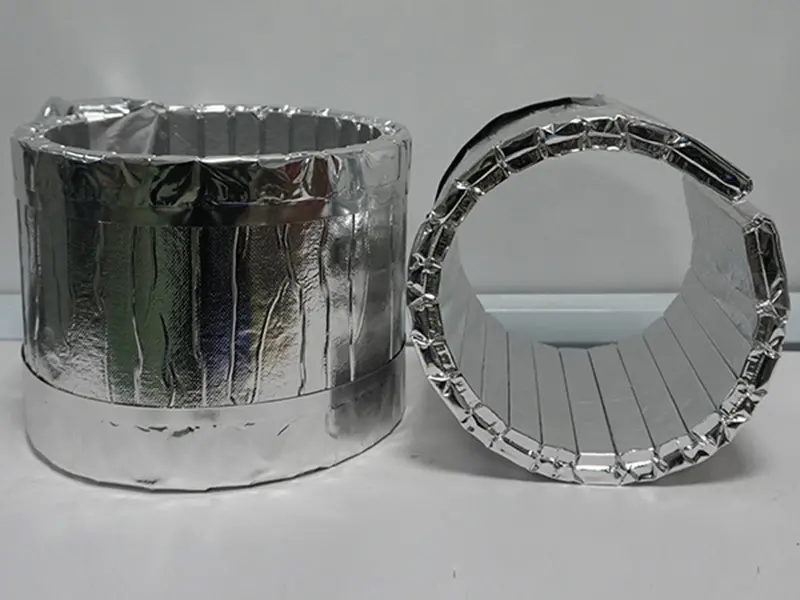
Round and contoured flexible thermal blankets customized to wrap industrial vessels and steam pipelines.
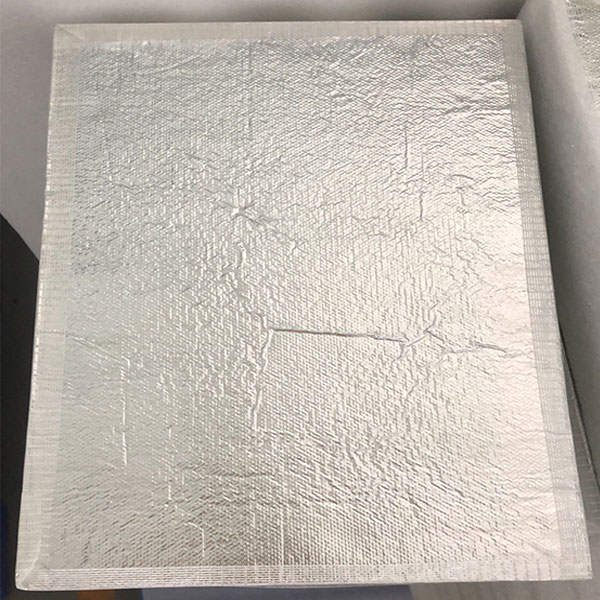
Super-insulated VIPs with robust PET outer film protection, designed for cold chain and building envelopes.
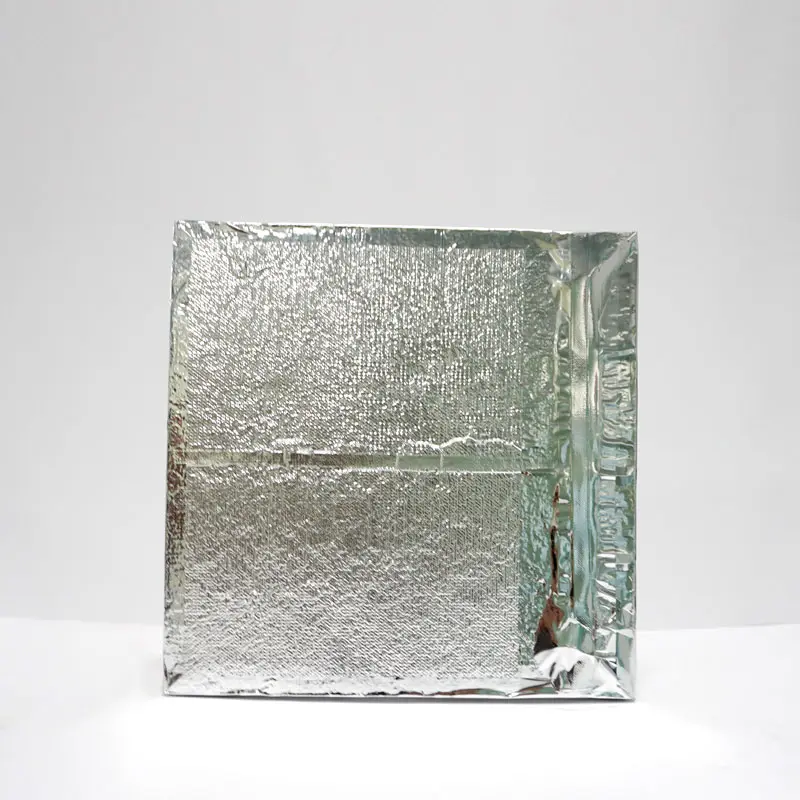
Designed for urban pharmaceutical distribution networks and food cold chains throughout London.
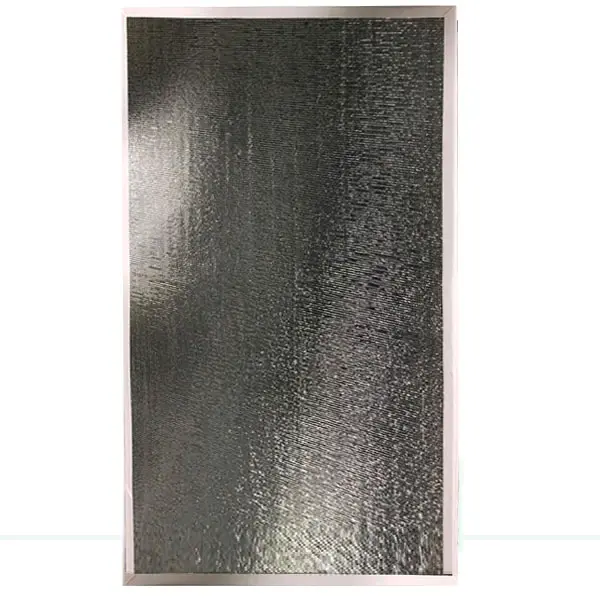
Oversized vacuum insulation panels designed for intermodal shipping containers and refrigerated transport.
In heavy industry, heat management directly impacts plant profitability, equipment life, and safety. Operating modern chemical processes, refining setups, or metal smelting involves high temperatures that must be strictly contained to maintain process stability and lower fuel consumption. Traditional insulation systems degrade when exposed to continuous heat cycling and ambient vibration, causing issues like under-insulation corrosion (CUI) and energy loss.
Our macro-industrial solutions feature structural microporous panel systems that resist high mechanical pressures and thermal shock. Using a composite material approach, engineering teams can combine layers of Zerothermo panels with external metallic cladding. This configuration handles thermal loads up to 1050°C while keeping outer surface temperatures below 55°C, matching OSHA and local safety regulations in London.
Zerothermo Technology Co., Ltd., a subsidiary of the CBVAC Group, runs its production out of a high-tech facility in Nanchong City, Sichuan Province. This site is one of China’s largest automated facilities dedicated to vacuum technology and microporous insulation products. Utilizing Factory 4.0 systems, our plant coordinates vacuum core pressing, high-precision envelope sealing, and automated testing.
This industrial foundation provides global buyers with several core benefits:
As a subsidiary of the CBVAC Group and a national high-tech enterprise, Zerothermo Technology is headquartered in the Beijing Economic-Technological Development Area. Our primary manufacturing facility in Nanchong City, Sichuan Province, stands as one of China’s largest and most advanced production centers for vacuum technology and nano thermal insulation materials.
We focus on developing high-efficiency insulation solutions for challenging environments. Through manufacturing innovations and material science, we support international engineering standards and deliver technical solutions to customers worldwide.

Custom sizes manufactured to customer specifications and drawings, exceeding standard ANSI/ASME/DIN profiles.

Square, oval, and multi-axis flanges, along with custom micro-precision vacuum components.

All products undergo strict quality checks using automated helium leak testing and laser thermal verification.
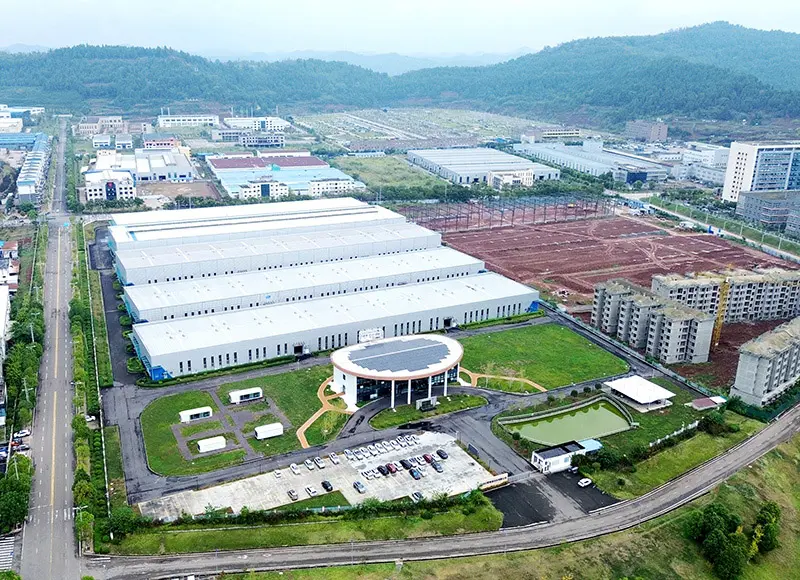

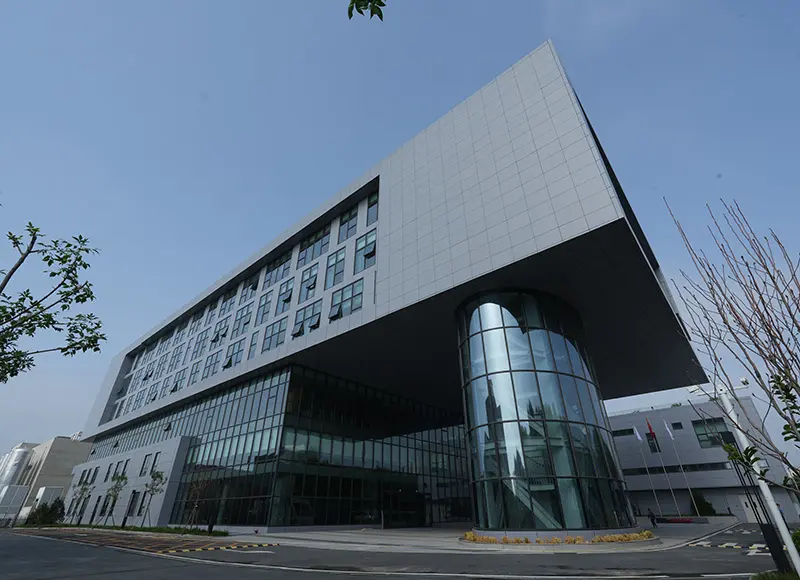


Zerothermo provides high-efficiency insulation options for building envelopes, industrial piping, and thermal equipment using vacuum insulation panels and vacuum-insulated glass. Our materials help organizations in energy-intensive sectors reduce emissions, improve heat containment, and advance toward carbon neutrality goals.



Achieved a 45% reduction in installation volume by replacing mineral fiber wraps with customized microporous thermal panels.

Supplied custom high-temperature fire core panels to meet BS EN 81-58 fire rating requirements.

Configured high-temp fumed silica backings to reduce energy draw on laboratory furnaces by 30%.
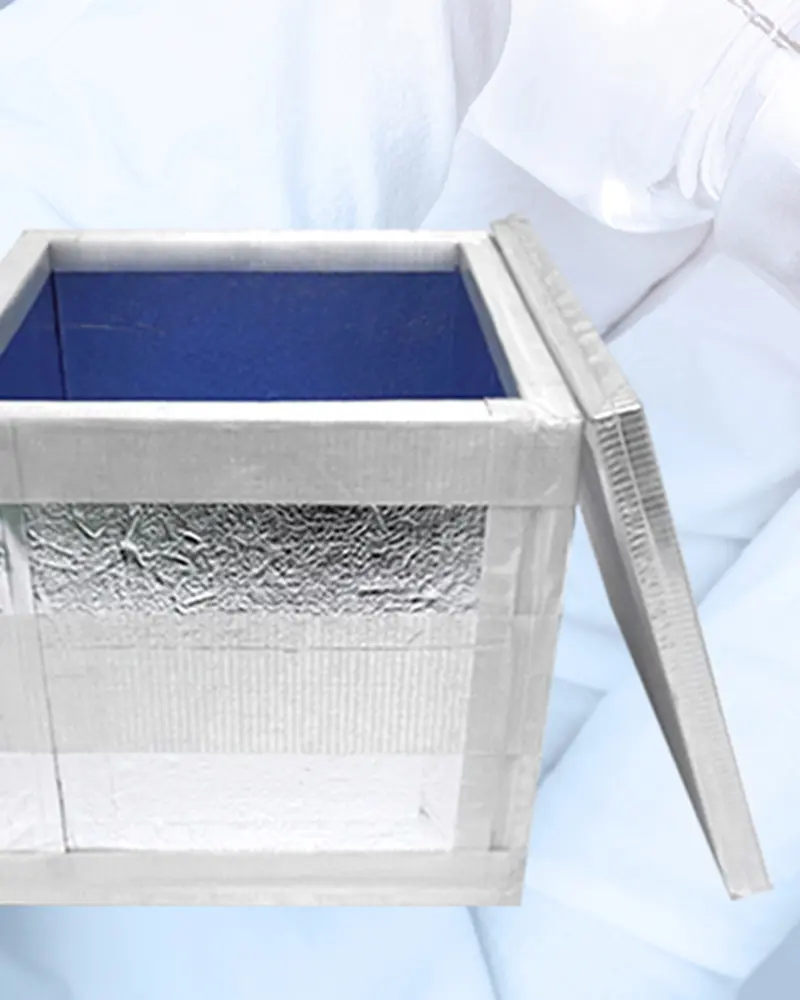
Fitted out logistics cooler boxes using vacuum insulation panels to extend vaccine holding times.
Explores how elevator fire doors using high-performance microporous silica cores meet high fire safety requirements.
April 19, 2023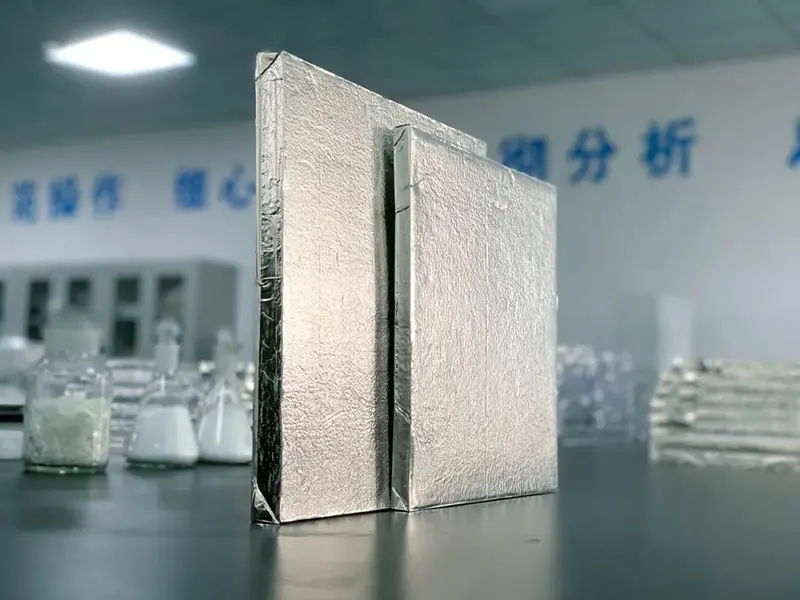
Our team presented our newest range of fumed silica vacuum panels and high-temperature materials at the Canton Fair.
April 17, 2023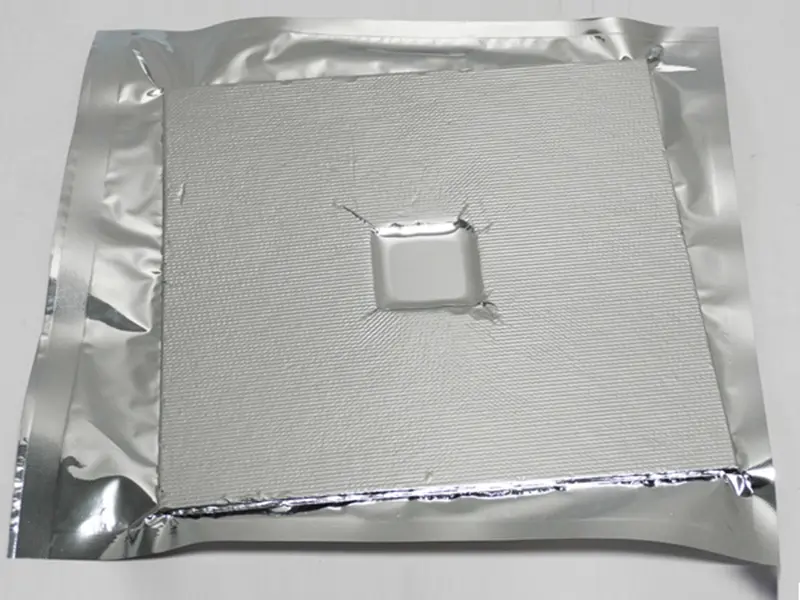
Discusses how nanostructured panels are replacing traditional thermal insulation across aerospace and petrochemical plants.
April 13, 2023For London-based engineering projects, regulatory compliance is essential. Following UK building regulations (such as Part L for conservation of fuel and power) and European fire standards (BS EN 13501-1), specifying thermal materials requires verified performance testing.
Our panels are manufactured to align with international criteria:
International supply logistics require reliable shipping coordination. Zerothermo offers specialized export packing, using robust moisture-resistant wood pallets and vacuum packaging to prevent cargo degradation during sea freight. We coordinate shipments from China to the UK, routing through ports such as the Port of London (Tilbury/Gateway) or Southampton. Our team coordinates with local customs brokers to ensure timely delivery and clear documentation, helping logistics teams maintain project timelines.
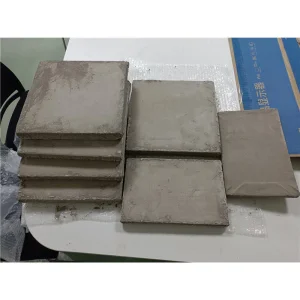
Reinforced vacuum insulation panels providing high compression strength, designed for structural applications and high-traffic floor installations.
View Details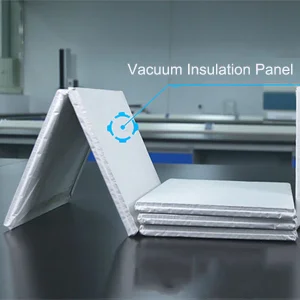
Energy-efficient thermal wall vacuum panels designed to reduce energy consumption in commercial building envelope designs.
View Details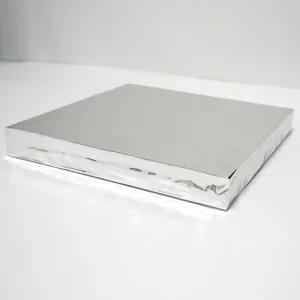
High-temperature nano-microporous panels customized to meet specific thermal and geometric requirements for industrial plants.
View Details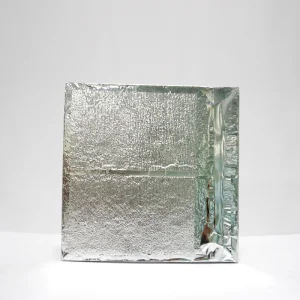
Fumed silica VIP panels engineered for temperature-controlled cold chain shipping containers and transport logistics.
View Details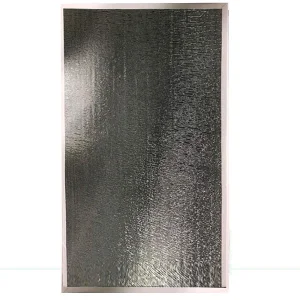
Large-format fumed silica panels designed to maximize insulation performance in shipping containers and cold storage systems.
View Details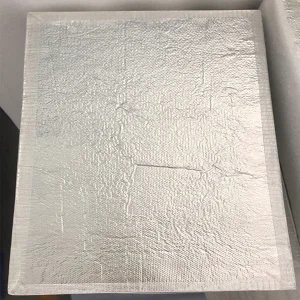
Low-conductivity VIP fumed silica panels with integrated PET outer film for protection against gas permeation.
View Details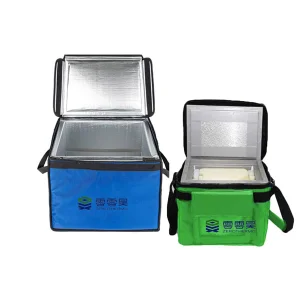
Thermal boxes featuring fumed silica VIP insulation, optimized for vaccine, pharmaceutical, and fresh food cold storage.
View Details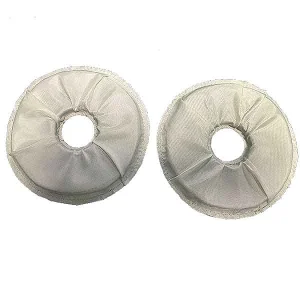
Custom-shaped flexible nano-thermal mats designed to provide insulation for high-temperature equipment and piping systems.
View Details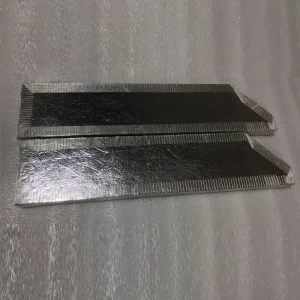
Fumed silica VIP panels designed for non-linear layouts, featuring protective PET film packaging for durability.
View Details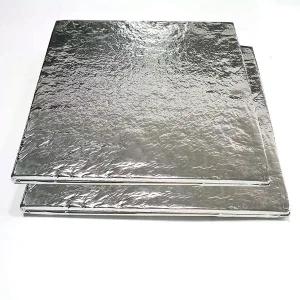
High-efficiency fiberglass-core vacuum insulation panels designed for building envelope designs and cooling units.
View Details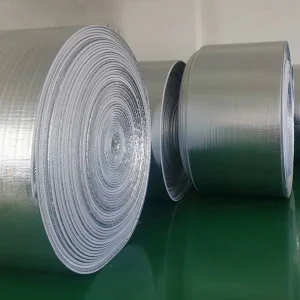
Aluminium foil faced foam insulation rolls designed to reflect radiant heat in industrial roofing projects.
View Details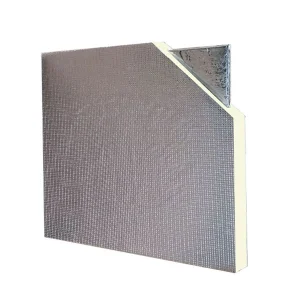
Composite PU-encapsulated vacuum insulation panels designed to provide temperature protection for cold chain systems.
View DetailsZerothermo fumed silica nano microporous panels maintain a low thermal conductivity of approximately 0.022 to 0.026 W/m·K even at 800°C. By limiting both gaseous convection and radiative heat transfer through our integrated opacifier matrix, these panels provide up to four times the performance of typical calcium silicate or rockwool at high temperatures.
While silica aerogel materials offer low thermal conductivity, fumed silica core vacuum insulation panels (VIPs) achieve thermal conductivities below 0.005 W/m·K at room temperature. For high-temperature applications, our specialized microporous fumed silica panels offer stable mechanical properties, higher compression resistance, and reliable performance at continuous temperatures up to 1000°C without core shrinkage.
Yes. Our panels are designed to help construction projects meet British Building Regulations Part L requirements. By delivering high thermal resistance in thin profiles, they allow retrofits in historical and urban London properties to achieve target U-values without altering exterior elevations or consuming limited internal space.
They are well-suited for urban retrofits. Their thin profile (often 10mm to 20mm instead of 100mm+ of standard insulation) allows engineers to fit high-temperature barrier systems into narrow partition cavities, elevator shafts, underfloor heating plenums, and district heating pipe runs without requiring structural modifications.
When installed correctly and protected from physical impact and direct moisture exposure, fumed silica microporous panels maintain their structural and thermal performance for over 50 years. The core inorganic fumed silica matrix does not degrade or outgas over time under normal operating conditions.
Yes. Zerothermo specializes in manufacturing custom-shaped panels, including round sleeves for pipe insulation, custom cutouts for electrical housings, and multi-axis panels for complex equipment shapes.
Contact Zerothermo Technology to discuss your high-temperature project requirements, request a quotation, or consult with our engineering team.


 +8615892792306