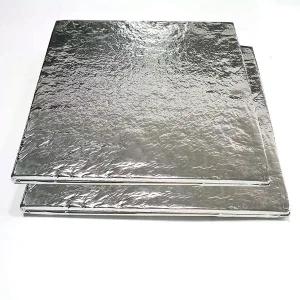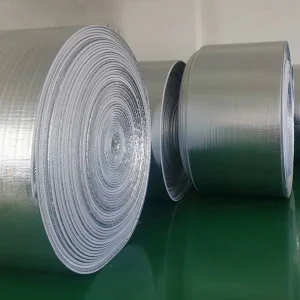
As New Zealand advances towards its Net-Zero Carbon 2050 targets under the Climate Change Response Act, industrial processing operations face unprecedented pressure to eliminate fossil-fuel dependencies and drastically improve thermal efficiency. Traditionally dependent on gas and coal boilers, key New Zealand industries—spanning dairy spray drying in the Waikato, pulp and paper processing in the Bay of Plenty, geothermal power extraction in Taupō, and steel and glass manufacturing in Auckland—are undergoing rapid technical retrofits.
Implementing nano microporous insulation panels is a fundamental technical pathway to realizing these goals. By limiting radiative, convective, and conductive heat transfer at values below the thermal conductivity of still air, these materials allow Kiwi plants to minimize heat loss in process pipelines, furnace linings, and heat exchangers, resulting in direct reductions in carbon output and electric load requirements.
Conventional insulation materials such as mineral wool and ceramic fiber suffer from rising thermal conductivity at temperatures exceeding 400°C due to increased radiative heat transfer. Nano microporous insulation panels use integrated infrared opacifiers within a fumed silica matrix to scatter radiative heat, keeping the thermal conductivity exceptionally flat (typically <0.030 W/m·K at 800°C).
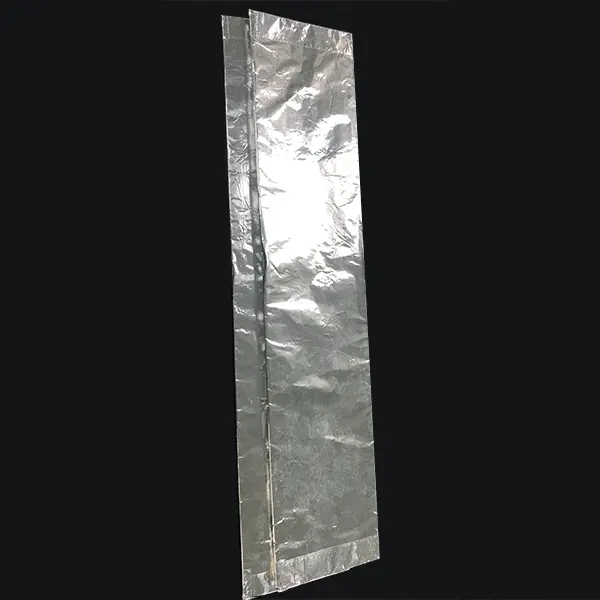
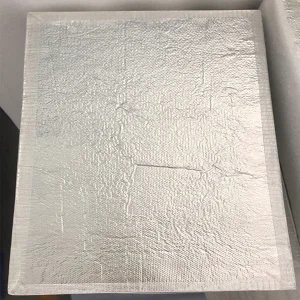
Product Details: Size: Customized. Thickness: 5-30mm. Thermal barrier protection designed for high-density lithium packs.
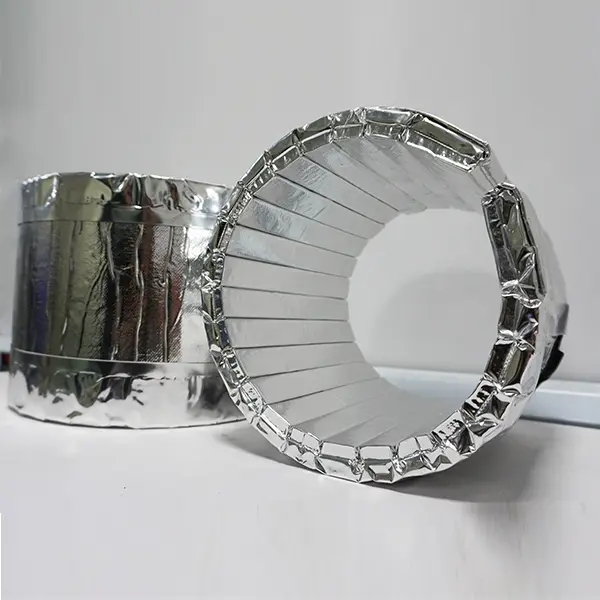
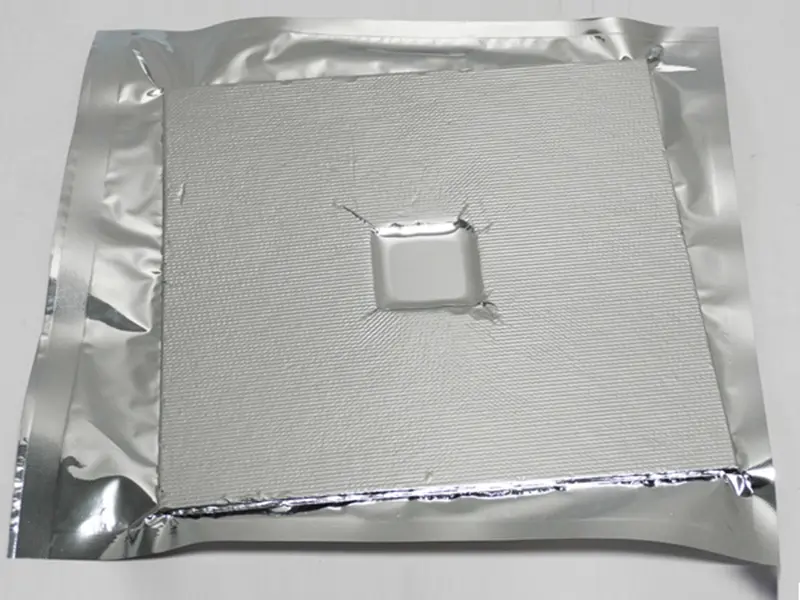
Product Details: Size: Customized. Thickness: 5-50mm. Designed for damp, high-pressure steam environments.
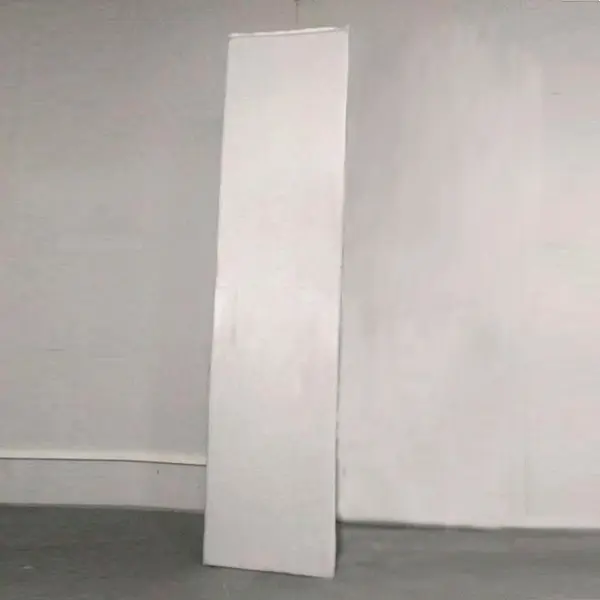
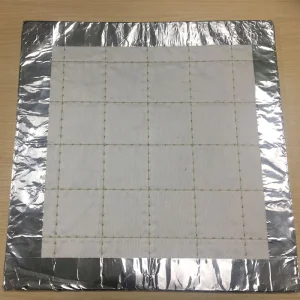
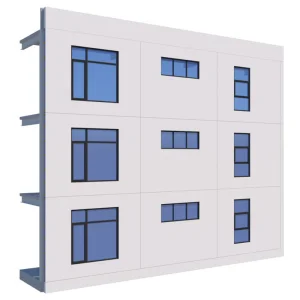
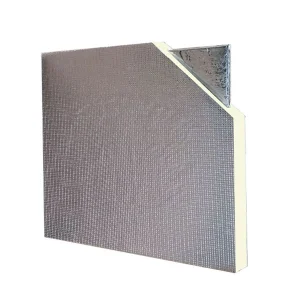
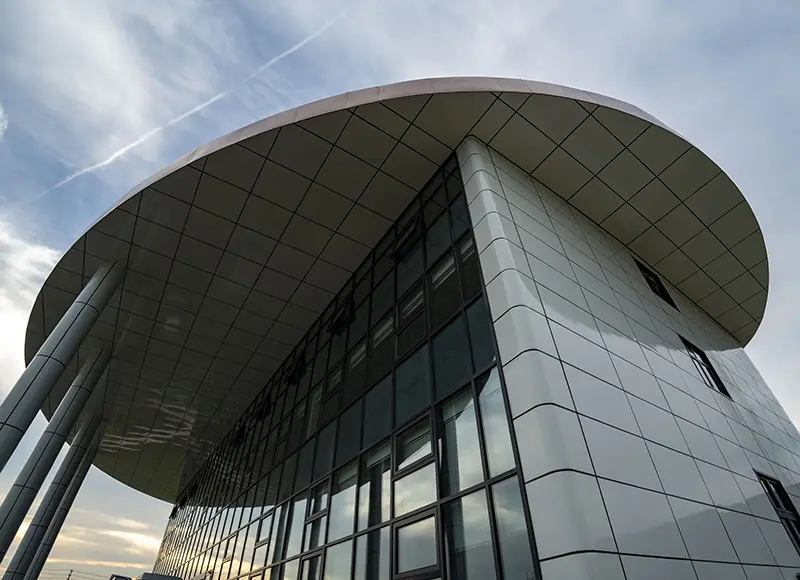
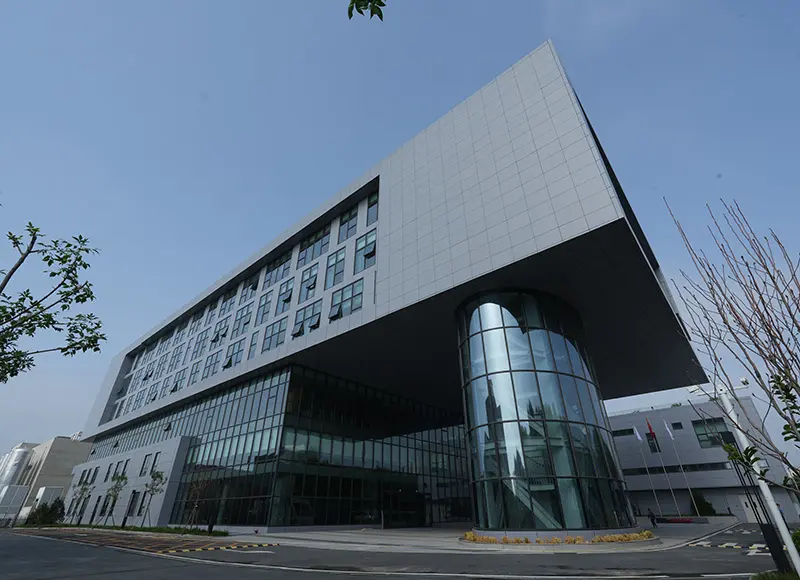
Engineered for high rise commercial construction in Auckland & Wellington to meet strict fire-safety codes.
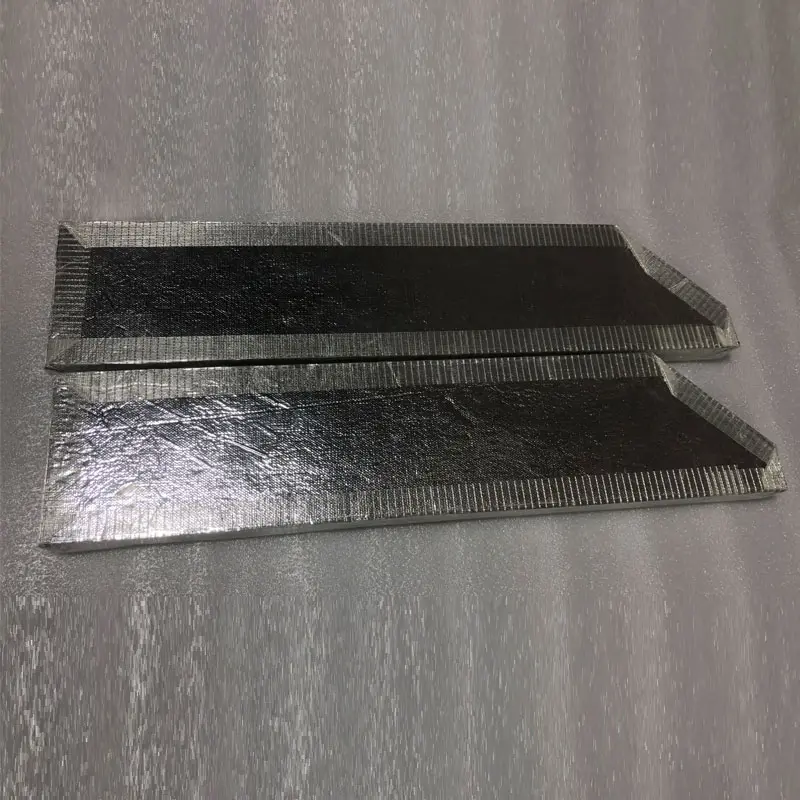
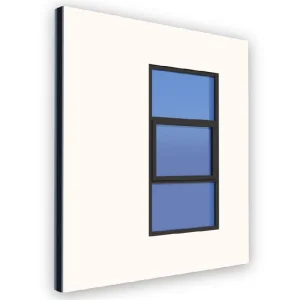
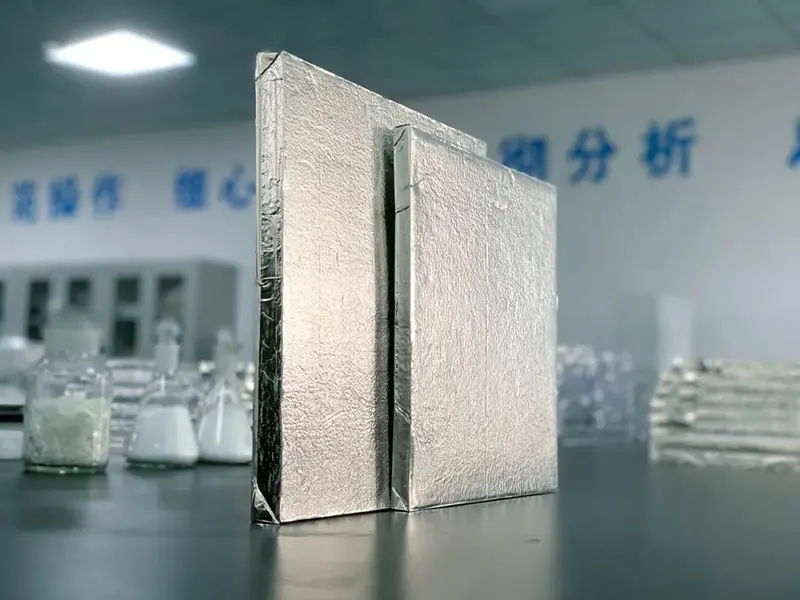
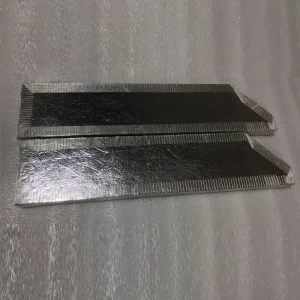
Advanced vacuum panels tailored for architectural geometries with complex shapes and minimal clearance.
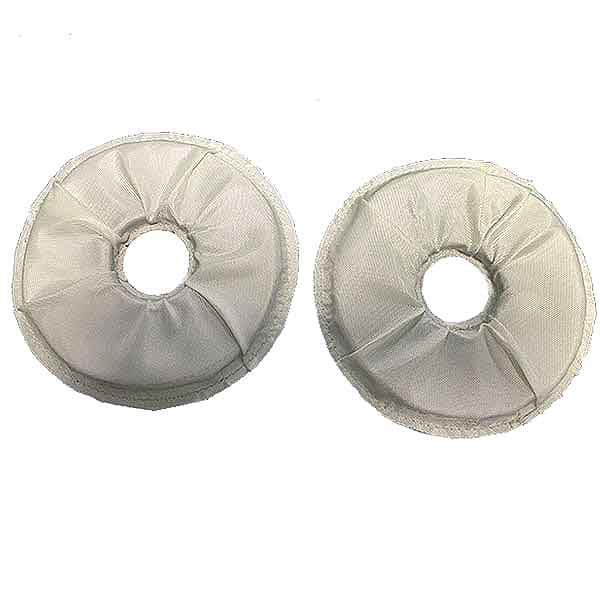
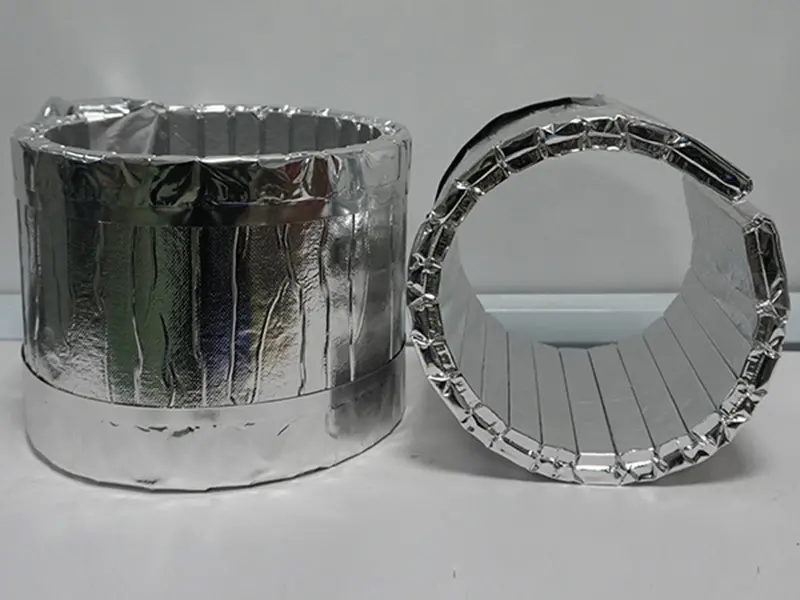
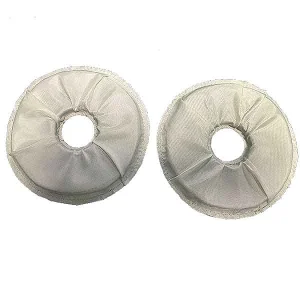
High temperature flexible insulation mats suitable for pipe elbows, spherical vessels, and valves.
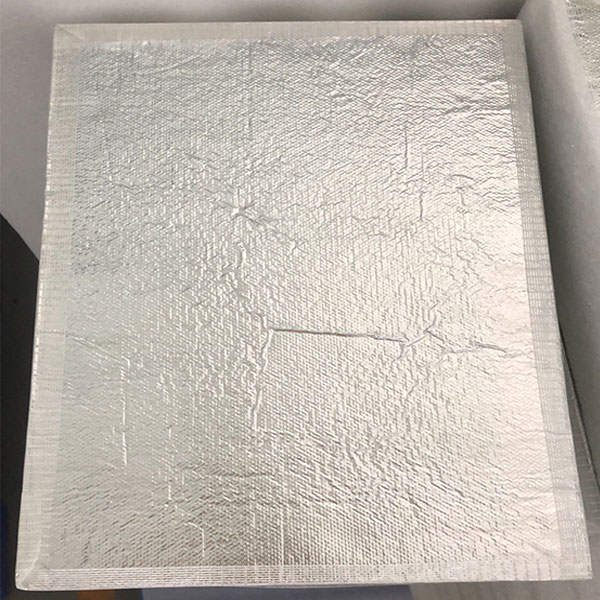
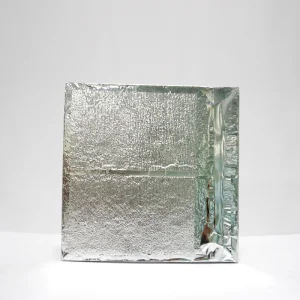
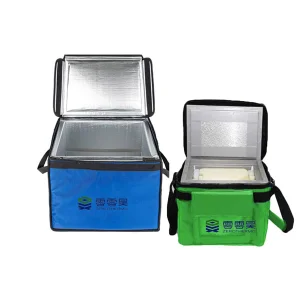
Exceptional thermal performance for vaccine transportation and high-efficiency cold chain logistics.
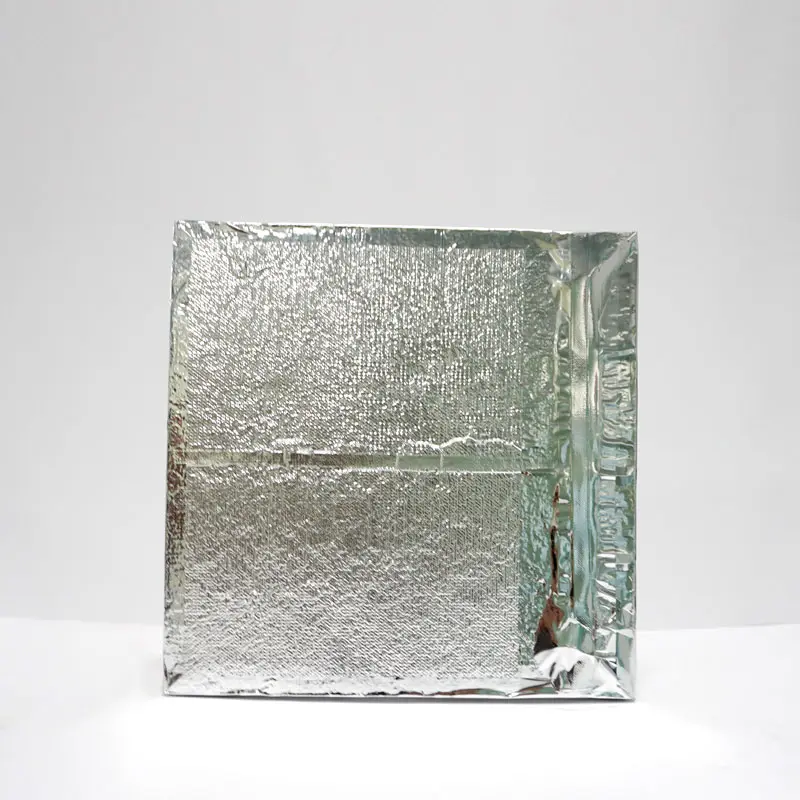
Optimized systems to secure the transport of sensitive biological materials and high-value food exports.
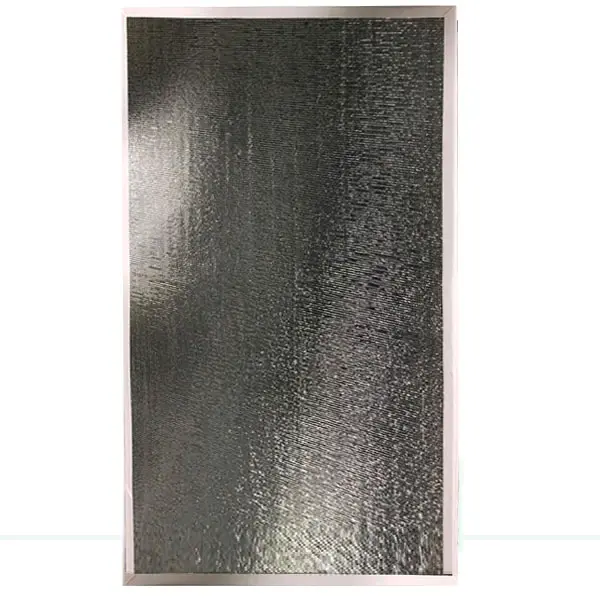
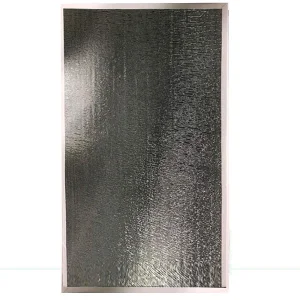
Large-format, structurally stable panels customized for industrial storage and oceanic shipping reefers.
Zerothermo Technology Co., Ltd., a subsidiary of CBVAC Group and a national high-tech enterprise, is headquartered in the Beijing Economic-Technological Development Area with its production base located in Nanchong City, Sichuan Province. This facility stands as one of China’s largest comprehensive production centers for vacuum technology application products.
Through our state-of-the-art facilities, we produce advanced fumed silica vacuum insulation panels and nano microporous materials that serve high-temperature industrial sectors, pharmaceutical cold chains, green building projects, and electric vehicle battery systems worldwide. Our commitment to quality control, structural longevity, and thermal reliability matches the rigid requirements of international markets, including New Zealand and Australia.
Special dimensions beyond standard ANSI/ASME/DIN specs produced according to client diagrams.
Square, oval, and extra-large structures exceeding 60 inches or high-precision micro dimensions.
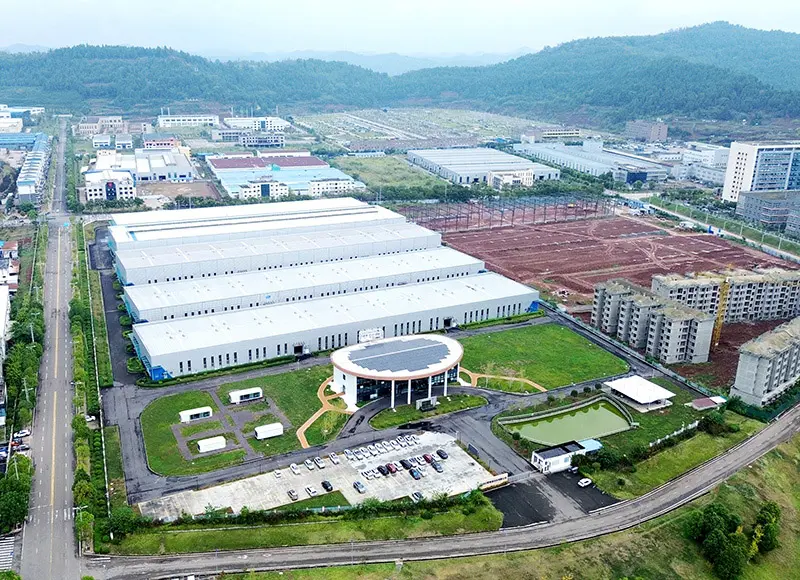
Leveraging China's dominant position in the fumed silica and raw mineral supply chains, Zerothermo guarantees long-term supply resilience. Our fully integrated production line in Sichuan reduces shipping risk and optimizes logistics pathways directly to major ports including Auckland, Lyttelton, and Tauranga.
Get a Customized Quote


Nano microporous insulation panels rely on restricting heat transfer channels at the subatomic and molecular levels. It effectively minimizes all three modes of thermal dynamics:
Industrial processing plants face a continuous struggle against thermal degradation. Conventional insulation systems require significant thickness to achieve high thermal resistance, consuming valuable spatial footprints in processing areas, tunnels, and piping conduits. Microporous fumed silica insulation panels resolve this layout limitation, providing up to four times the insulation value of standard insulation materials at equivalent thicknesses.
Looking ahead, the integration of hydrophobic surface treatments and fiber reinforcements allows these panels to survive heavy vibration and humid conditions typical of geothermal wellheads and underground pipelines in New Zealand. Our manufacturing facility utilizes clean raw materials to prevent environmental pollution and toxic outgassing at high operating temperatures, ensuring full compliance with international safety and environmental regulations.


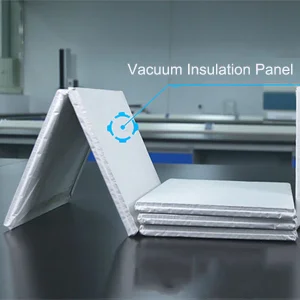
Securing temperature sensitive cargo, vaccines, and biomedical products with vacuum insulation panel assemblies.

Providing high-efficiency insulation for modern building envelope systems, reducing HVAC power consumption.

Industrial furnaces, high-pressure pipes, fuel cells, and steam delivery lines engineered for minimum energy loss.

Insulating modular tourist spaces and cabins in remote coastal areas of NZ to provide year-round comfort.

Specialized vacuum thermal barriers integrated into cleanroom wall modules.

Custom flexible nano insulation blankets applied over high pressure pipes.
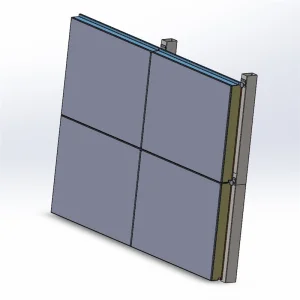
Vacuum-insulated structural panels installed to achieve top-tier fire ratings.
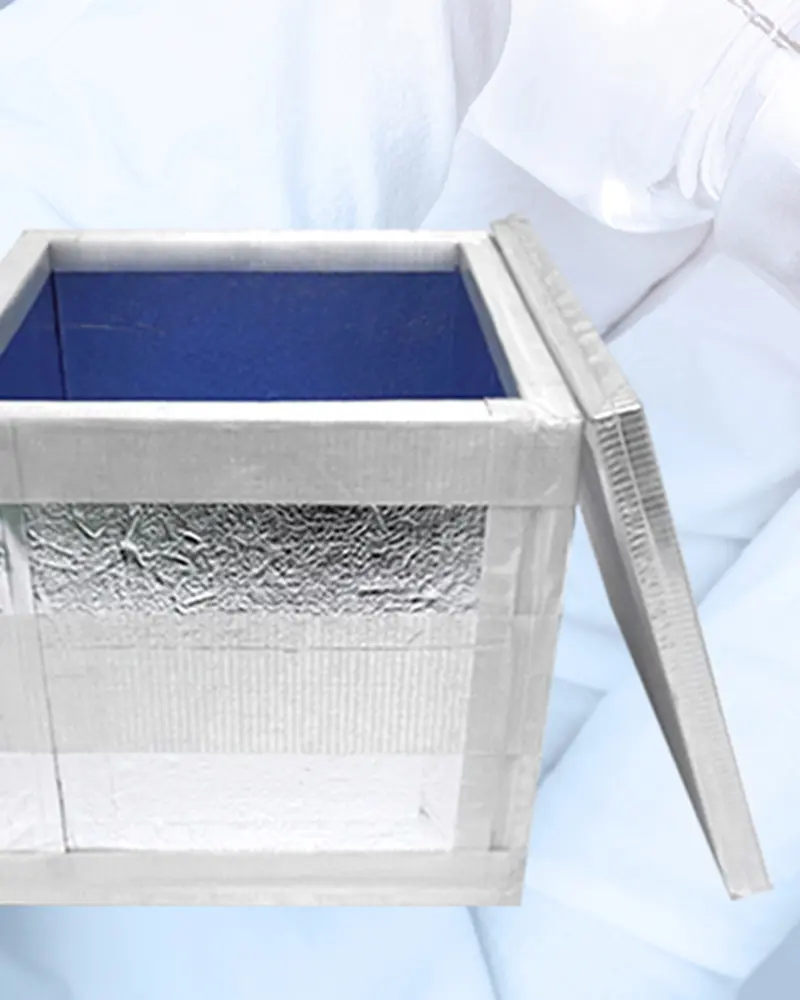
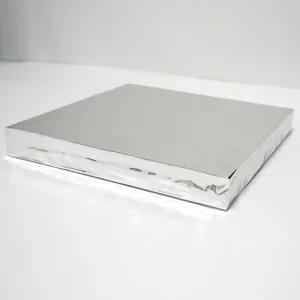
Vacuum insulated systems designed for global cold chain logistics.
The manufacturing process for high-grade nano microporous panels relies on raw material supply security, energy consistency, and precision compression engineering. The raw ingredient, fumed silica, requires complex chemical vapor deposition (CVD) processing to achieve its high specific surface area. Zerothermo Technology's production center in Sichuan, China, integrates localized raw material sourcing and massive automation to keep production output steady and highly cost-efficient.
By shipping directly from Chinese logistics centers to key ports across New Zealand, we secure delivery times for complex commercial projects. Every batch undergoes strict vacuum testing, thermal conductivity characterization, and structural tolerance inspection to ensure the panels survive maritime transport and perform reliably in the harsh, high-humidity geothermal and volcanic zones of New Zealand.
Get in touch with our design engineers to calculate thickness specifications and material selections for your furnace, pipeline, or cold chain system.
Get Project AssessmentOur nano microporous insulation panels achieve a thermal conductivity range of 0.018 W/m·K to 0.030 W/m·K depending on the specific operating temperature (up to 1000°C). This is far lower than standard fiberglass, rockwool, or calcium silicate panels, allowing for significant space savings in dense industrial configurations.
For applications where steam or damp air is present, such as geothermal systems in Rotorua or dairy plants in the South Island, we supply specialized waterproofed variants. These panels feature proprietary hydrophobic additives that prevent water absorption while maintaining microporous core performance.
Yes. Fumed silica is non-toxic, non-combustible, and does not emit harmful volatile organic compounds (VOCs) or toxic gases under high-temperature conditions. This profile makes them safe for pharmaceutical environments, hospital installations, and food-grade packaging facilities across New Zealand.
Under recommended temperature and pressure envelopes, the physical structure of fumed silica remains stable indefinitely. For vacuum insulation panels (VIPs), the design life typically ranges between 15 to 30 years depending on the structural casing, moisture levels, and thermal cycling parameters.
We work closely with logistics partners to supply direct maritime routes from our production centers to Auckland, Tauranga, and Lyttelton. All products are crated and packed to withstand humidity changes, transport vibration, and mechanical shifts during transit, ensuring arrival in plug-and-play condition.
For custom sizes, thermal calculations, pricing options, and bulk export details, reach out to our engineering team. We typically respond to new design inquiries within 24 business hours.